iPhone 12 Pro Max Camera Lens Protectors

Shop iPhone 12 Pro Max camera lens protectors to help guard your rear camera lenses against everyday scratches. Browse lens covers designed for this model, and check each listing for coverage, installation details, and compatibility with your phone case before choosing.
Sort

Everyday lens protection starts with the right fit

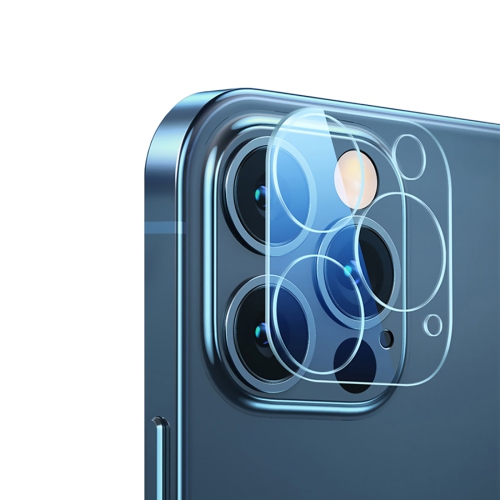
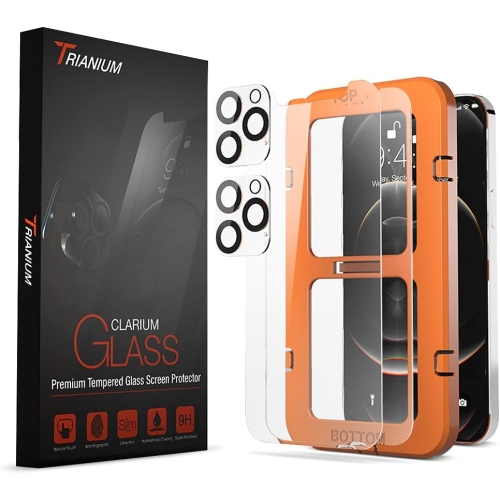
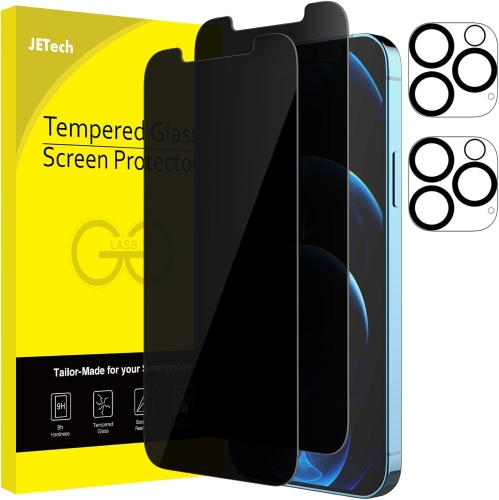
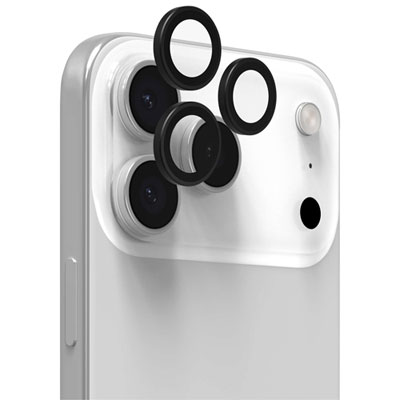
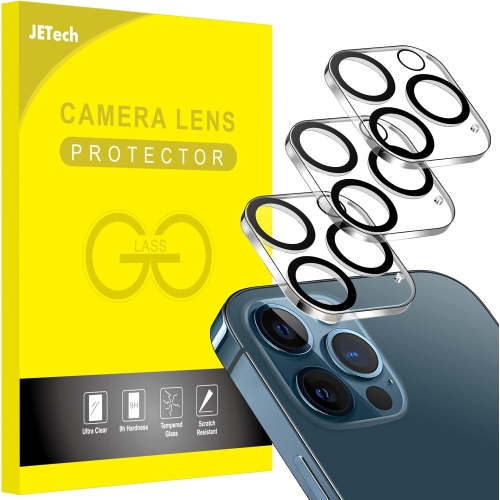
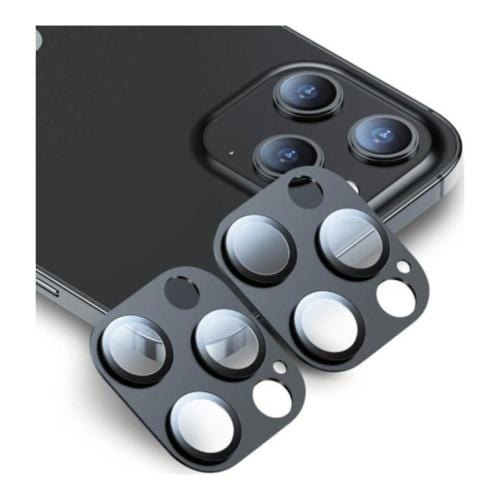
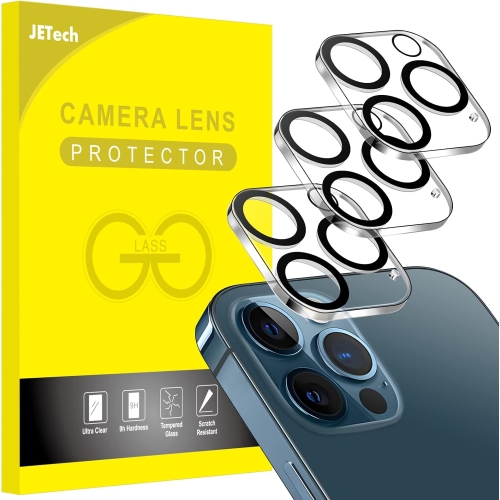
iPhone 12 Pro Max camera lens protectors add a protective layer over the rear camera area, helping reduce the direct contact that can leave scratches and scuffs during everyday handling. The raised camera assembly can touch a desk when a phone is set down, brush against other belongings in a bag, or collect grit around its edges. A lens protector provides a replaceable surface between those contact points and the camera glass, although it cannot guarantee protection against drops or prevent damage from every impact. Common designs include individual glass-topped rings that sit over each camera lens and one-piece covers shaped around the larger camera area. Tempered glass is a common material for the transparent protective surface, while some designs use aluminum surrounds to frame the lenses and reinforce the edges. Clear finishes keep the camera area visually understated; coloured rims and decorative details make the protector a more noticeable part of the phone’s appearance. Decorative designs sometimes described as bling styles may feature reflective accents or embellished borders, with the same need for precise fit and unobstructed camera openings as simpler versions. For someone who regularly photographs family gatherings, records short videos, or scans documents, a clean, well-fitted protector can be a practical addition to an everyday phone setup. It is also useful to distinguish camera lens protection from a screen protector: the two accessories cover different parts of the device, and neither replaces a protective phone case. A case with a raised camera lip can help keep the camera area away from flat surfaces, while a compatible lens protector adds a separate layer directly over the lens area. The most suitable combination depends on how the phone is carried, the shape of its case, and whether a nearly invisible finish or a more decorative appearance is preferred.

Accurate fit is especially important because the iPhone 12 Pro Max has a specific arrangement of rear camera lenses, flash, LiDAR scanner, and microphone. A protector intended for another iPhone model may look similar in a photograph yet have different dimensions, spacing, or cutouts. Model-specific compatibility is therefore more useful than a broad description such as a protector for a large phone or a three-camera phone. Case compatibility matters just as much. Individual lens rings may suit some cases with closely shaped camera openings, while a one-piece cover needs enough clearance around the entire camera cutout. A case edge that presses against a protector can lift it, trap dust underneath, or prevent the case from seating properly. Slim construction can help limit added bulk, but thickness alone does not establish how well a protector will fit or how it will perform. Edge finishing, adhesive coverage, and the precision of the openings also affect the result. Optical clarity deserves attention because the protective layer sits in the path of the camera. Smears, trapped dust, poorly aligned openings, or reflections from the protector can affect photographs, particularly around bright lights or when using the flash. A transparent surface should remain clear over each lens, and opaque trim should not intrude into the camera’s field of view. Descriptions such as scratch-resistant or fingerprint-resistant refer to particular surface properties, not immunity from marks or a promise of unchanged image quality. Adhesion is another practical consideration: a clean, dry camera area gives the adhesive a better chance to sit evenly, while fingerprints or grit beneath the glass can remain visible after fitting. Alignment frames, when included, can help position a cover, but careful placement still matters. Checking the camera area with the case fitted can reveal an overlapping edge or covered opening before it becomes a daily annoyance. A few photographs with and without flash can also help reveal haze, glare, or an obstruction that is difficult to spot by looking at the phone alone.

Day-to-day care is straightforward, but it makes a noticeable difference to both appearance and camera performance. A soft, clean microfibre cloth is suitable for removing fingerprints and light smudges from the exposed surface. Loose grit should be removed gently rather than rubbed across the glass, and cleaning liquids should not be allowed to pool around the protector’s edges. Abrasive cleaners and rough cloths can damage surface coatings or leave fine marks. Dust collecting along a raised rim is a reason to inspect the fit rather than scrape at the edge with a sharp object. Repeated lifting and repositioning can weaken adhesive or introduce particles underneath, so a protector that no longer sits securely may need replacement instead of repeated adjustment. Chips, spreading cracks, sharp edges, or persistent lifting are also signs that the protective layer is no longer in good condition. A damaged protector should not be relied on to hold together or provide the same coverage as an intact one. Durability depends on more than the material name: the phone’s case, exposure to grit, frequency of handling, and the way it is carried all influence wear. A phone kept in its own pocket faces different contact than one dropped into a tote beside keys and small accessories. Lens protectors can suit commuters, students, parents, and anyone who frequently sets a phone down between photographs or video calls. As a small gift, they are most useful when the recipient’s exact phone model and case arrangement are known; a close visual match is not enough to establish compatibility. They also make sense for someone who prefers to refresh a worn protective accessory while continuing to use the same phone. Protection remains model-specific when moving to a different device: iPhone 17 Pro Max Camera Lens Protectors are intended for that separate model, not as interchangeable replacements for iPhone 12 Pro Max protectors. Matching the accessory to the phone, keeping it clean, and replacing it when damaged help keep the camera area ready for everyday photography.

FAQ

Some products may be subject to Environmental Handling Fees (EHF) depending on your province. Learn more about EHFs.