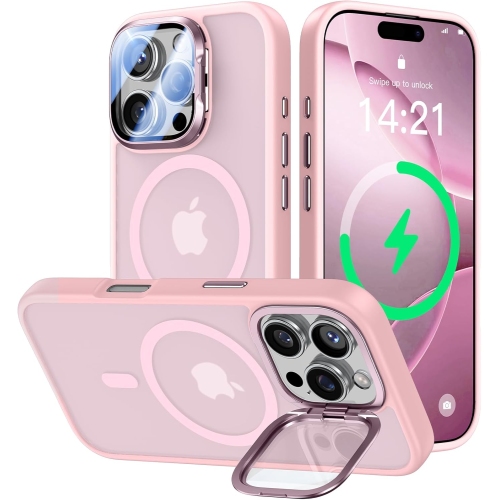
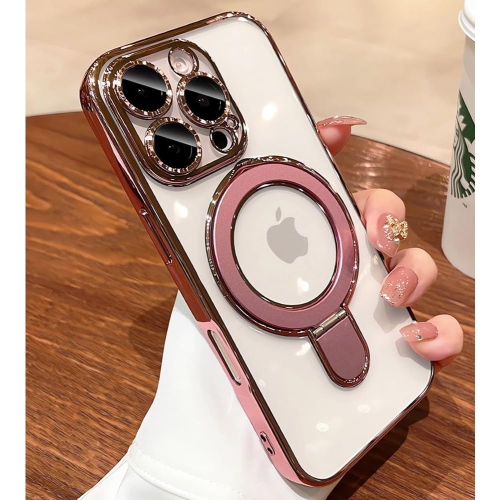
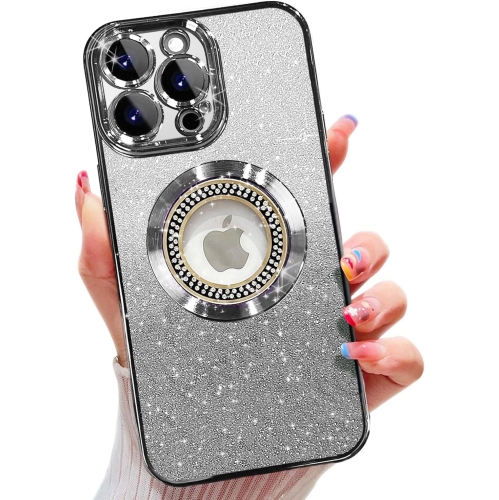
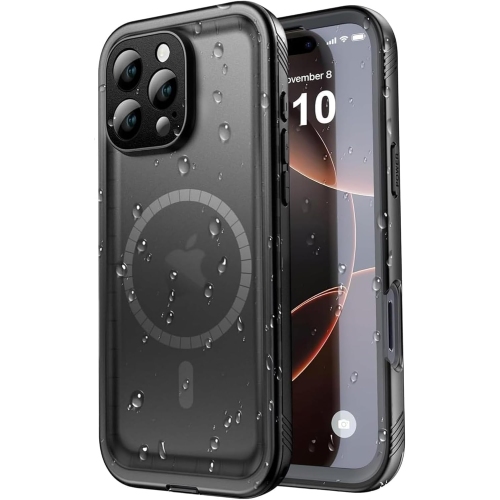
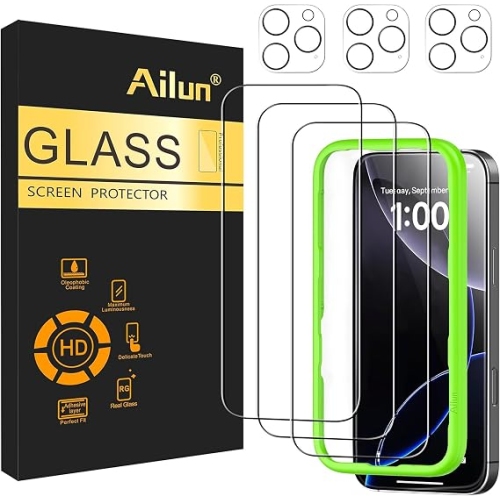
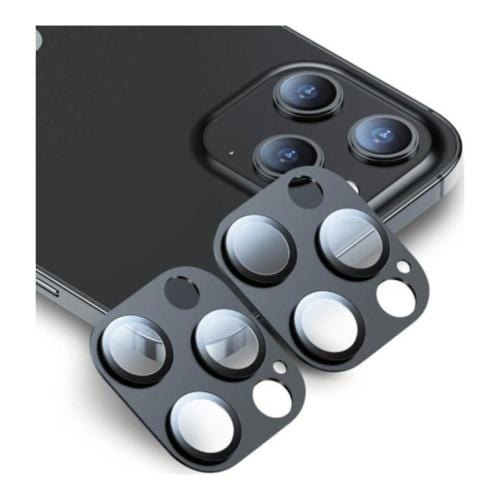
iPhone 16 Pro Max Camera Lens Protectors

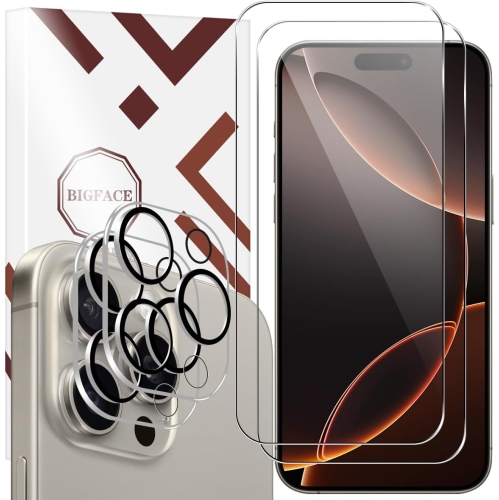
Shop iPhone 16 Pro Max camera lens protectors to help guard your phone’s rear camera lenses against everyday scratches and scuffs. Browse lens protection options designed for this model, and check each listing for coverage, installation details, and compatibility with your phone case before choosing.
Sort

A small layer between camera glass and everyday wear

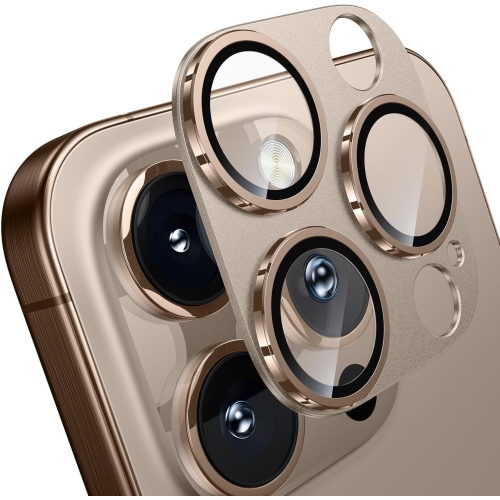
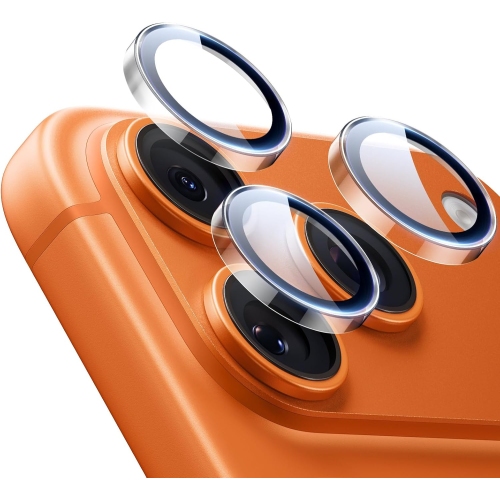
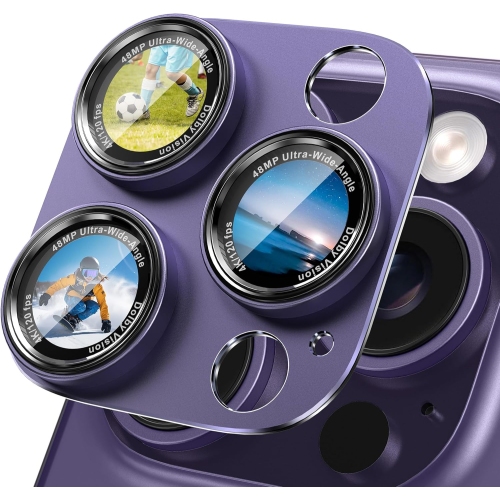
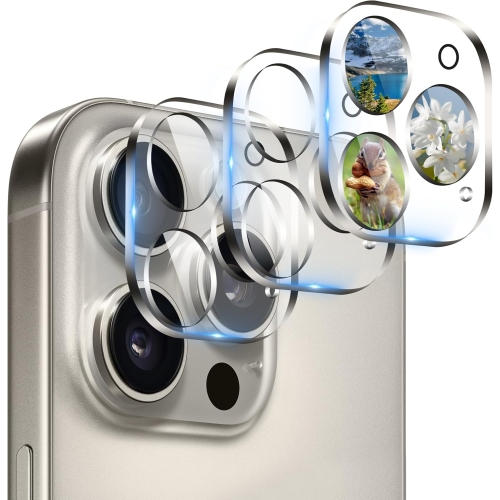
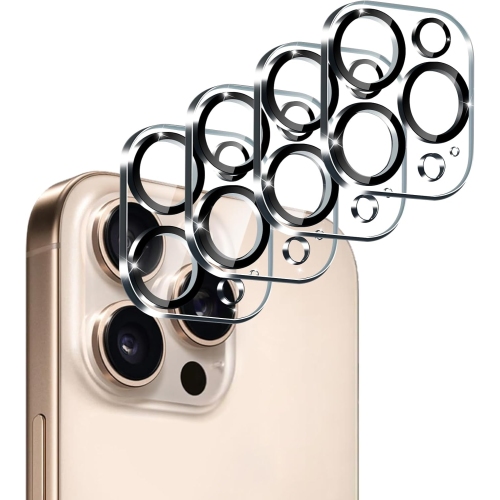
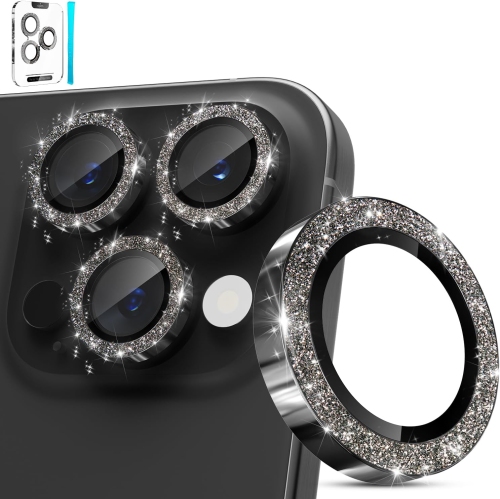
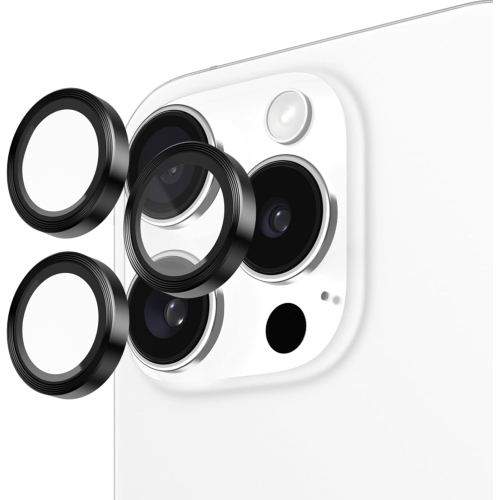
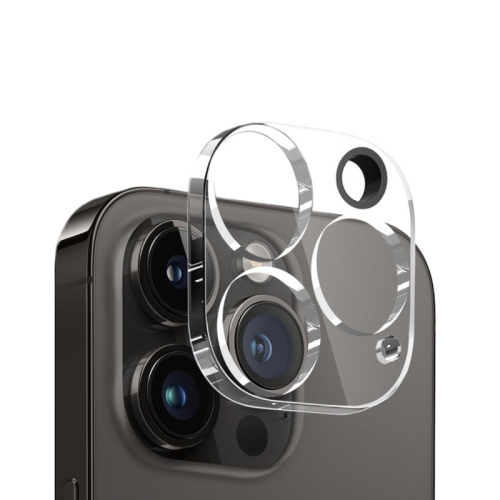
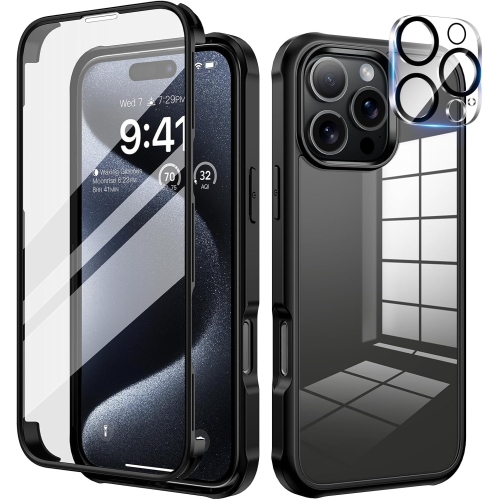
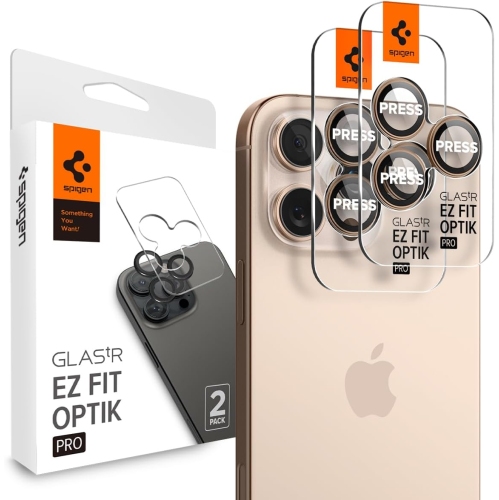
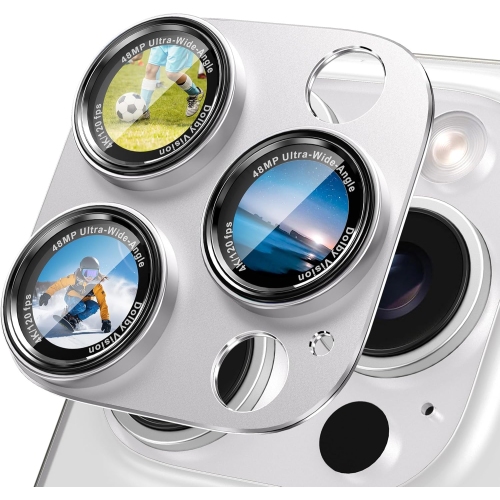
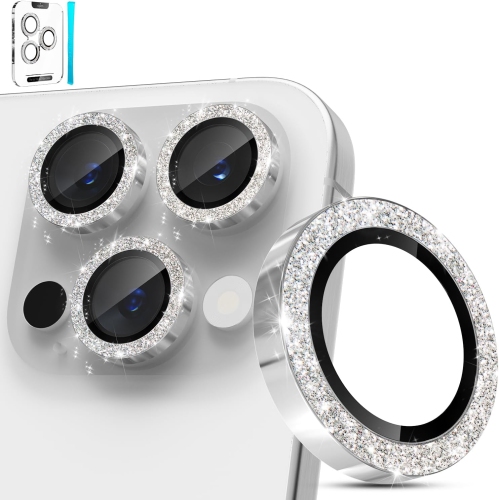
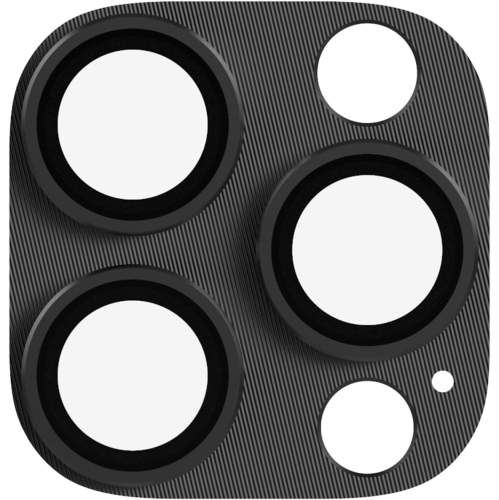
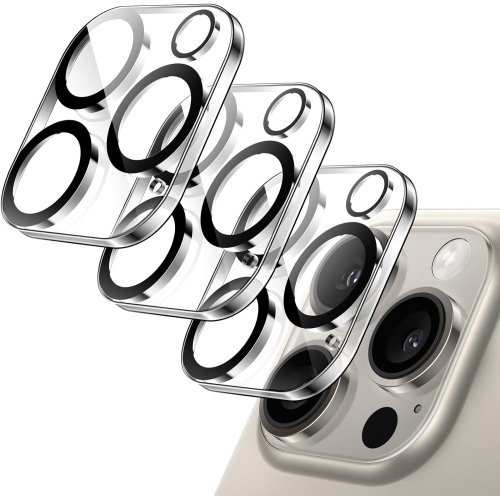
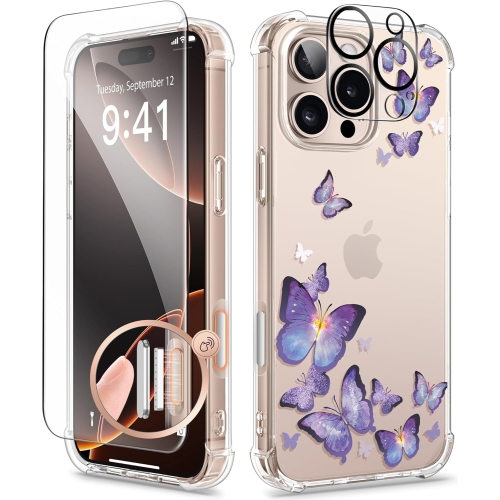
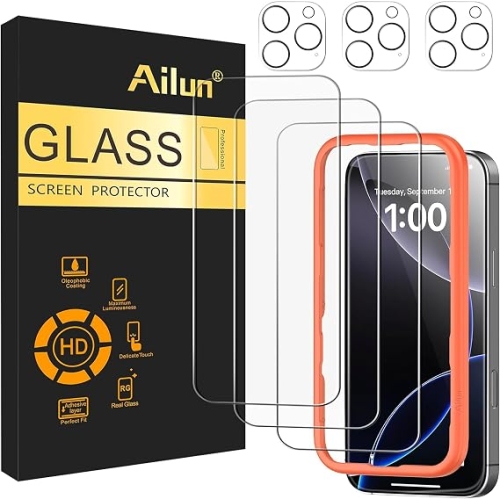
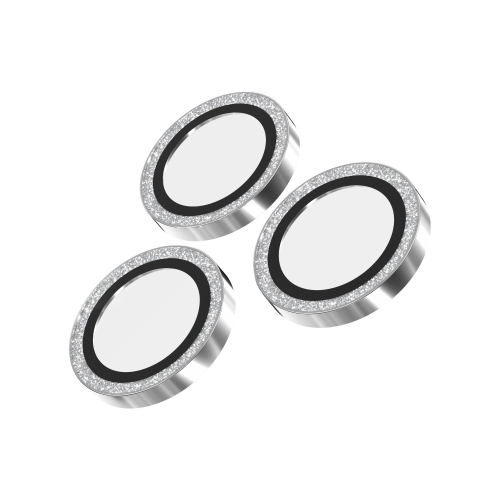
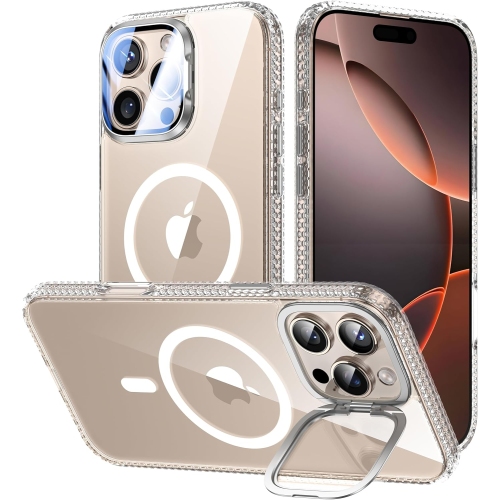
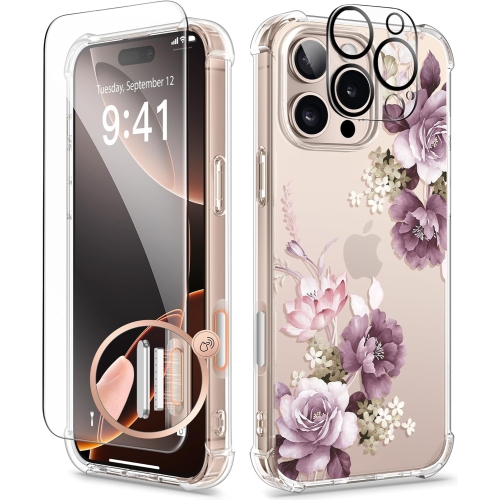
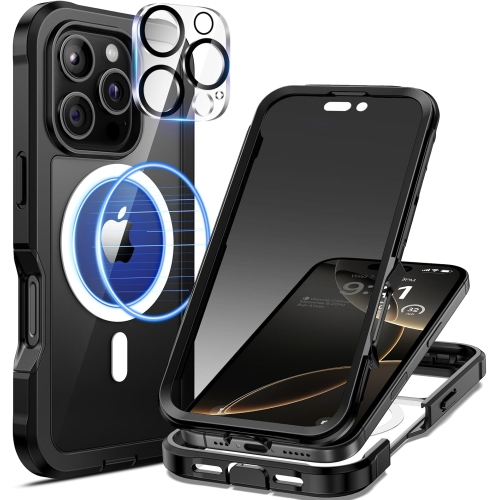
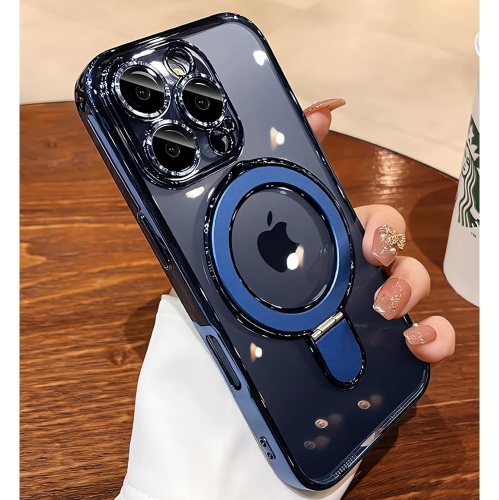
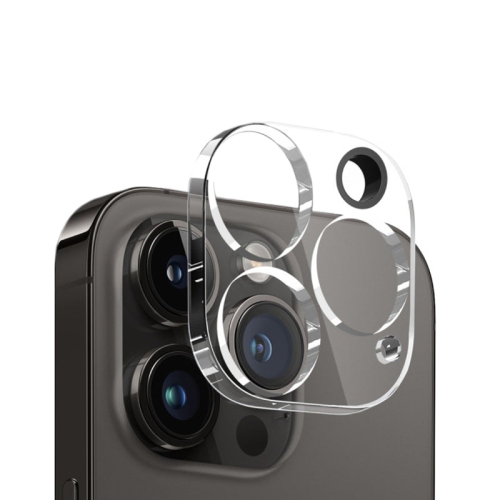
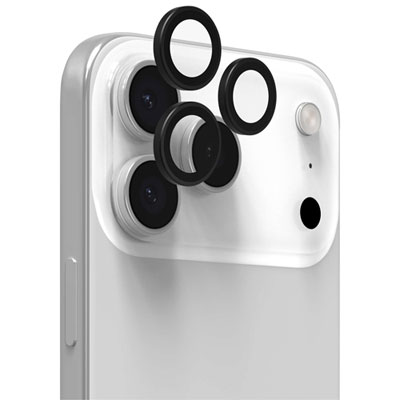
iPhone 16 Pro Max camera lens protectors are small accessories designed to cover the phone’s raised rear camera glass, adding a replaceable layer between the camera surfaces and everyday contact. A phone sliding across a desk, sharing a bag compartment with keys, or resting camera-side down on a café table can expose those surfaces to grit and scratches. A lens protector helps limit direct contact with the original camera glass, although it does not make the camera assembly scratchproof or guarantee protection from a drop. Common designs include separate glass caps that sit over each camera and connected covers that span more of the camera area. Individual protectors leave much of the surrounding camera platform exposed, while a connected design may provide broader coverage, depending on its shape. Tempered glass is a common material because it provides a clear viewing surface with greater resistance to everyday wear than untreated glass. Some designs pair the glass with metal rims, which can give the edges a more finished appearance and help define each camera opening. Transparent, dark, and coloured finishes offer different looks, from a discreet addition to a more visible accent around the lenses. The most useful choice is one that balances coverage, accurate fit, and optical clarity rather than appearance alone. A hardness rating such as 9H, when listed, generally refers to pencil-hardness testing; it is not a promise that the protector cannot scratch, chip, or break. Thickness also matters, since extra material around the cameras can affect how the phone rests on a surface and how closely an accessory sits inside a case opening. For someone who regularly uses their phone for family photographs, video calls, travel snapshots, or documenting work, a well-fitting protector can be a practical addition to a broader phone protection setup. Its role is to take some of the wear that would otherwise reach the camera glass, not to replace careful handling or a protective case.

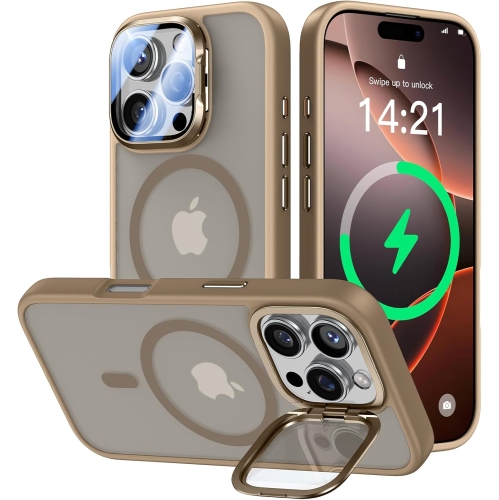
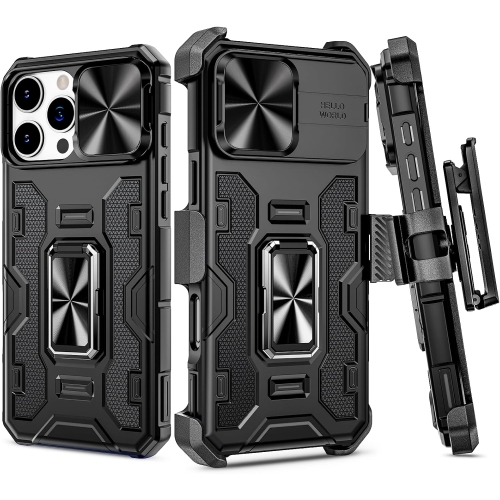
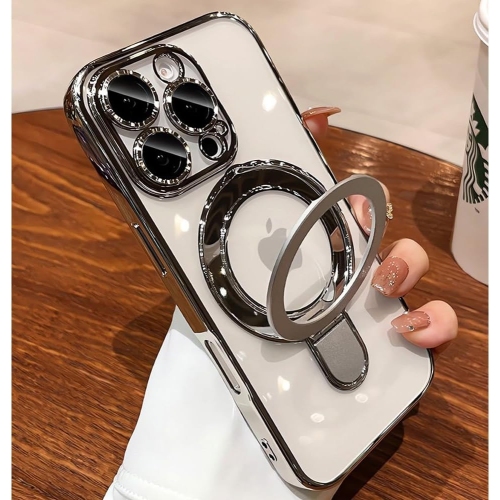
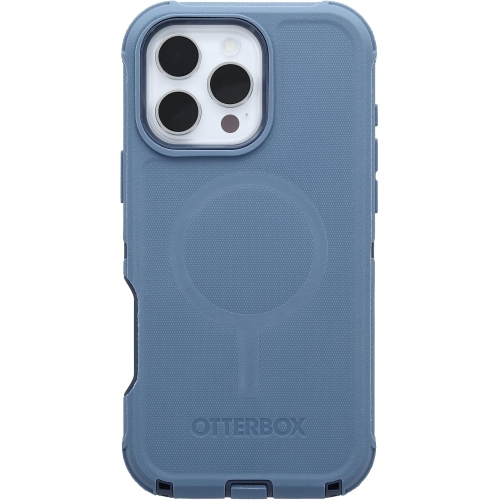
Precise compatibility is especially important with iPhone 16 Pro Max camera lens protectors because the dimensions and placement of the cameras determine how the accessory sits. A protector should be identified for the exact phone model, not selected simply because it appears to have three circular openings. Small differences in camera spacing, rim diameter, or the shape of the surrounding platform can lead to poor adhesion or uneven placement. Households with an older phone may also need iPhone 12 Pro Max Camera Lens Protectors, which are intended for a different model and should not be treated as interchangeable. Case compatibility deserves equal attention. A case with a tightly shaped camera cut-out may leave little room for added metal rims, while a larger opening may accommodate them more comfortably. Cases with built-in camera covers or sliding shutters may not accommodate an additional protector unless the designs explicitly support that combination. The protector should sit flat without being pushed upward by the case, and the case should attach normally rather than flexing around the camera area. Clear glass is important for image quality, but transparency alone does not establish how an accessory will perform. Any extra layer in front of a camera can introduce reflections, and the effects may be more noticeable when photographing bright signs, lamps, or small points of light against a dark background. Anti-reflective treatments may help reduce unwanted reflections, but they do not guarantee that every scene will look identical to a photograph taken without a protector. Designs that keep the flash and nearby sensors unobstructed are important, as misplaced material can interfere with their operation. Dust, fingerprints, and trapped moisture can also soften detail or produce haze. For people who frequently photograph food under restaurant lighting, record indoor performances, or capture bright storefronts after dark, clean surfaces and accurate alignment are particularly relevant. A properly fitted accessory should protect the intended glass surfaces without overlapping other openings or shifting during normal handling.

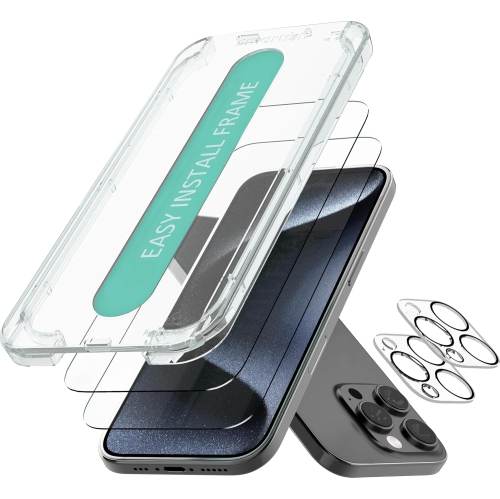
Care and attachment affect how useful a camera lens protector remains over time. These accessories usually rely on adhesive around the edges or across designated contact areas, so a clean, dry camera surface is essential for a secure fit. Installation aids, where included, can help position individual pieces consistently, but they cannot compensate for dust left underneath the glass. A tiny particle that is barely visible during attachment may become more noticeable when light catches it or when the camera struggles with glare. Gentle cleaning with a clean, soft, lint-free cloth helps remove fingerprints from the exposed surface without adding unnecessary abrasion. Cleaning liquids should follow the accessory and phone manufacturers’ recommendations, and abrasive household cleaners are not suitable substitutes. Grit around the rims also deserves attention, particularly for a phone carried loose in a handbag, backpack, or work bag. A protector that has developed a chipped edge, a crack across the camera opening, or adhesive that no longer holds securely may need replacement rather than repeated pressing back into place. Damaged glass can affect photographs and may leave sharp edges, while a lifted section can collect more debris. Durability depends on the material, construction, fit, and type of contact the phone encounters; no single hardness label captures all of those factors. Someone who uses a phone mainly at a desk may have different priorities from someone who carries it between job sites or frequently places it on unfamiliar surfaces. A discreet glass design may suit a minimal setup, while framed protectors may appeal to someone who wants a coordinated look with their case. Camera lens protectors can also make a practical small gift for a person who enjoys mobile photography or takes frequent pictures of children, pets, and everyday moments, provided the exact phone model and case arrangement are known. The strongest match combines a comfortable fit, unobstructed camera functions, manageable care, and protection suited to ordinary use, without expecting an accessory to eliminate every risk to the phone.

FAQ

Some products may be subject to Environmental Handling Fees (EHF) depending on your province. Learn more about EHFs.