iPhone X Cases Wireless Charging

Looking for iPhone X cases that work with wireless charging? Compare case options by fit, protection, and access to buttons and ports, and check each product’s compatibility details to confirm whether you can charge your phone wirelessly without removing the case.
Read More

Sort

A slim case alone does not guarantee wireless charging

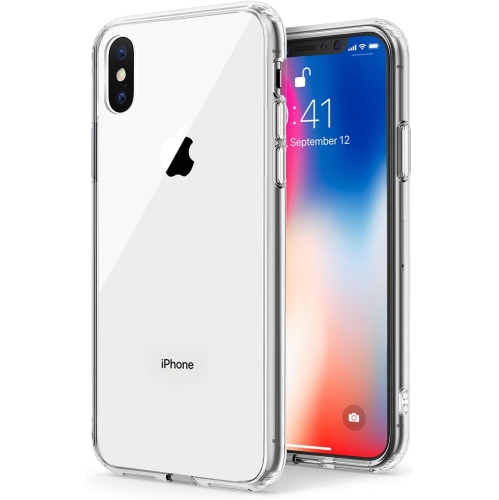
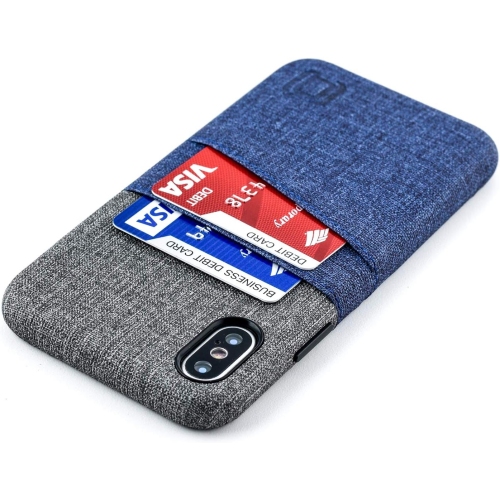
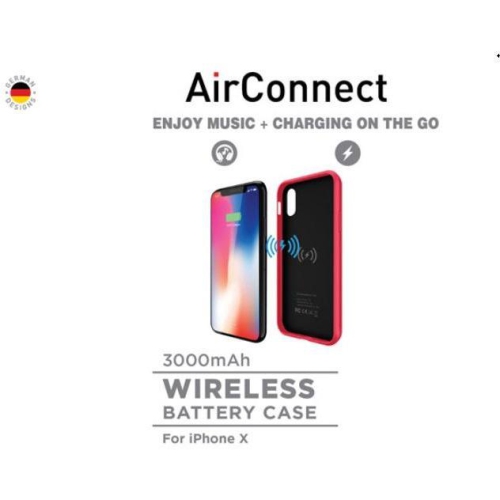
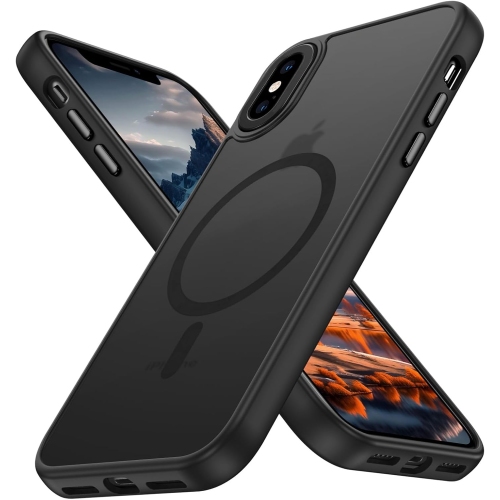
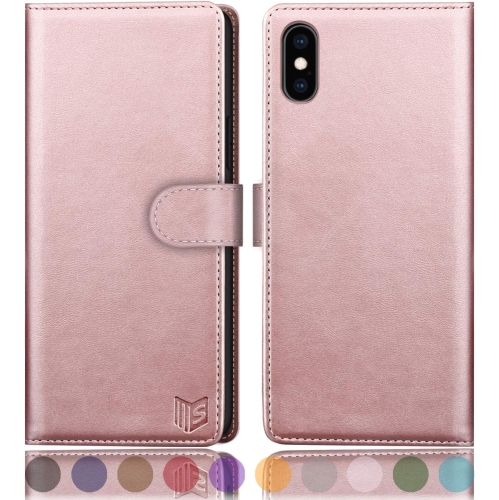
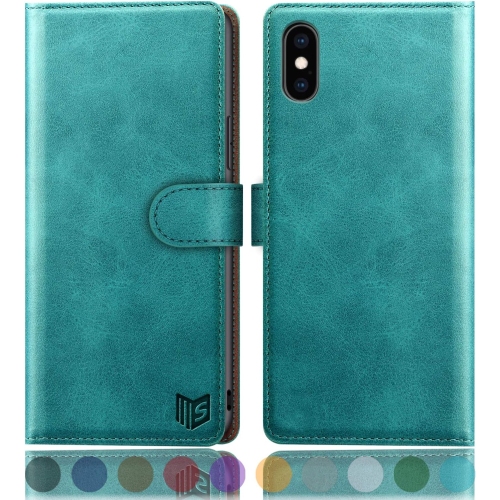
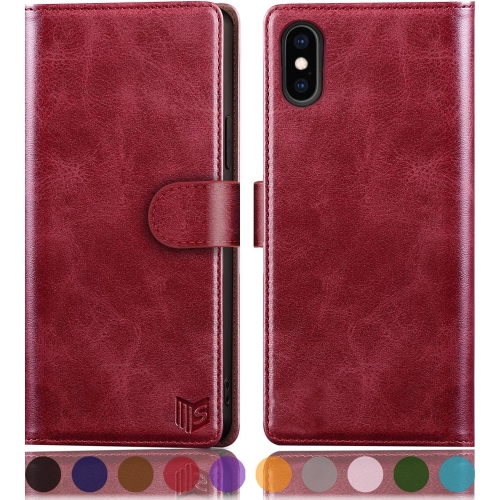
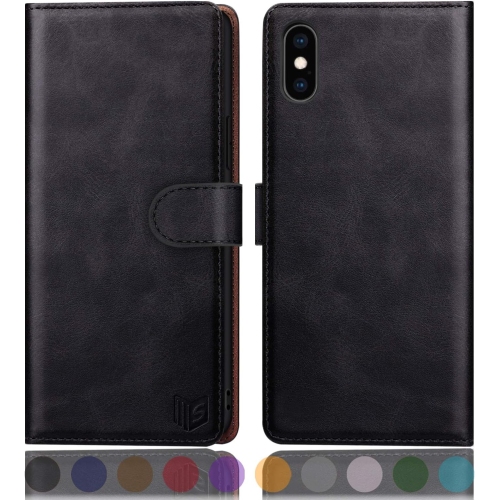
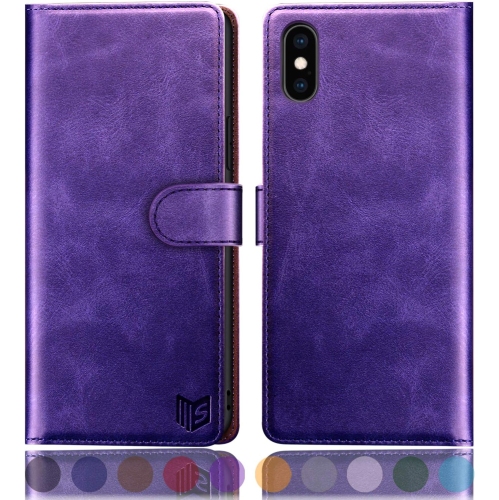
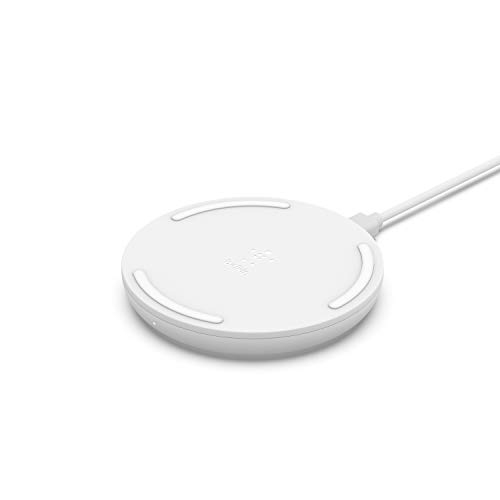
iPhone X cases that support wireless charging let the phone rest on a compatible Qi charging pad or stand without removing its everyday protection. Most standard, non-metallic iPhone X cases work with wireless charging when the material between the phone and charger is thin enough. A back thickness of less than 3 mm is a useful starting point, but it is not a universal guarantee: case construction, added layers, and the charger’s requirements also matter. An explicit wireless-charging compatibility statement in the case specifications provides a stronger basis for choosing than thickness alone. Metal mounting plates, kickstands positioned over the charging area, and cards stored against the back can interfere with charging, even when the main shell is slim. A wallet case may therefore need its card section removed or moved clear of the phone before charging, depending on its design. Smooth, relatively flat backs make it easier for the phone to sit steadily on a charging pad; large decorative details or bulky attachments can create a gap or prevent proper alignment. On an upright stand, a protruding grip may also affect how the phone rests against the charging surface. The phone’s charging indicator helps confirm that its position is working before it is left on a bedside table or desk. Fit matters just as much as charging compatibility. Cases made for iPhone X should align with its camera, side controls, speakers, and charging port without covering openings or pressing against buttons. Similar-looking phones do not necessarily share the same dimensions or cut-outs. When browsing Wireless Charging iPhone Cases, the exact phone model and the case’s charging specifications are more useful than appearance alone. Wireless-charging compatibility does not make a case universal, and a precise fit helps keep the phone securely seated during everyday handling.

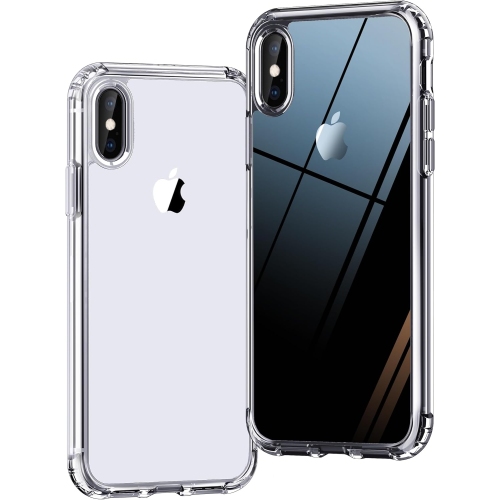
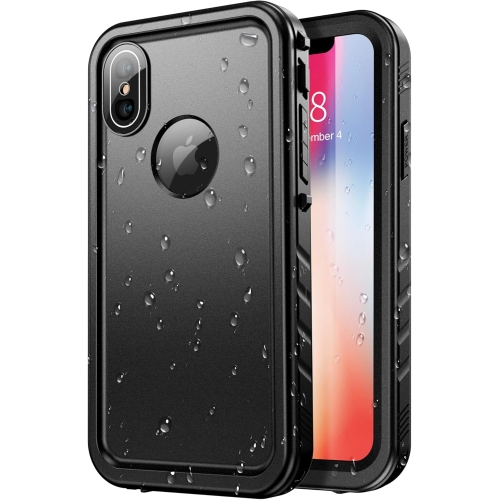
Materials influence how a case feels in the hand, how easily it slips into a pocket, and how it handles repeated use. Flexible thermoplastic polyurethane, often shortened to TPU, can provide a slightly yielding edge that makes installation straightforward, while rigid polycarbonate offers a firmer shell. Hybrid designs combine a hard back with flexible sides, balancing structure with cushioning around the edges. Silicone can add grip when holding the phone to read a message or take a photo, although some finishes collect lint more readily than smooth plastic. Leather and synthetic leather offer a different texture and appearance, but their thickness, linings, and any built-in storage still need to suit wireless charging. Clear cases leave the phone’s finish visible, while opaque colours and textured surfaces can make everyday marks less noticeable. Clear plastics may discolour with age, and softer coatings can show wear where fingers repeatedly grip the sides. Protection also depends on the shape of the case, not simply the material name. Raised edges can help keep the display and camera from touching a flat surface, while reinforced corners add cushioning where impacts often occur. Neither feature makes a phone immune to damage, and any drop-protection claim is most useful when supported by stated testing conditions. A slim case suits someone who wants a pocket-friendly profile for commuting or carrying the phone in a small bag. A more substantial case may suit someone who frequently handles the phone while moving between appointments or uses it around busy shared spaces. Extra protection and wireless charging are not mutually exclusive, provided the case is expressly designed for both. Comfortable button covers, accessible switches, and enough room around the charging port also matter, especially for anyone who alternates between a charging pad at home and a cable elsewhere. A well-fitting case should feel secure without making routine controls awkward to reach.

Everyday charging habits help determine which case details are genuinely useful. A phone placed beside a keyboard needs a stable back that does not rock with each notification, while one used on a stand benefits from a shape that sits comfortably on the support ledge. A textured finish can improve grip during calls, but raised ridges or an attached finger loop may complicate placement on a flat charger. Removable accessories offer flexibility, though taking them off each time can reduce the convenience of leaving the case in place. A magnetic ring or mount-compatible back is not, by itself, proof of wireless-charging compatibility; the full case design and charging accessory must work together. Wallet compartments deserve particular attention because payment cards, transit cards, and other stored objects should not sit between the phone and the charging surface. Care is generally straightforward, but the right method depends on the material. Removing the case periodically allows dust and grit to be cleared from its interior before they rub against the phone. A soft cloth is suitable for routine wiping, with cleaning products and moisture levels kept within the case maker’s recommendations. Leather, printed finishes, and coated surfaces may need different treatment from plain plastic, so harsh cleaners and abrasive scrubbing are best avoided unless expressly permitted. The phone and case should be dry before they are reassembled and placed on a charger. Over time, loose corners, stretched edges, cracks, or peeling layers can affect fit and make the case less dependable. For gifting, confirming that the recipient uses an iPhone X is more important than choosing a colour first. Their preference for a slim pocket carry, a grippy surface, or a more protective build can then narrow the choice. The most useful case combines reliable fit, suitable protection, and confirmed charging compatibility without adding unnecessary steps to an everyday routine.
Read More

FAQ

Some products may be subject to Environmental Handling Fees (EHF) depending on your province. Learn more about EHFs.