iPhone XR Charger Type

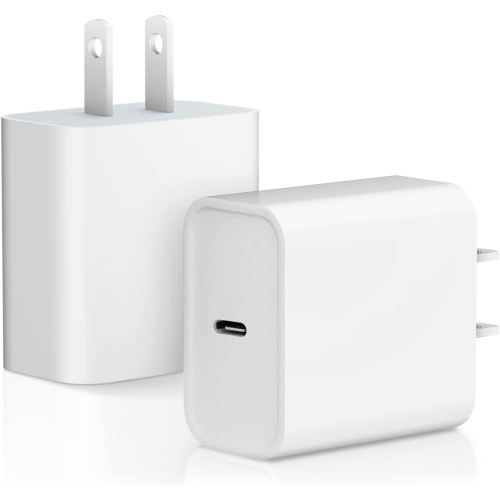
The iPhone XR uses a Lightning port for wired charging and also supports Qi wireless charging. When comparing cables, power adapters and wireless chargers, check compatibility and whether the accessories you need are included or sold separately. For fast wired charging, pair a USB-C to Lightning cable with a compatible USB-C Power Delivery adapter.
Sort

How Lightning and Qi charging fit your setup

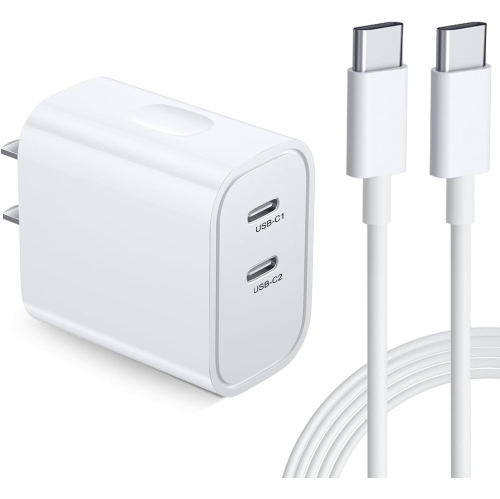
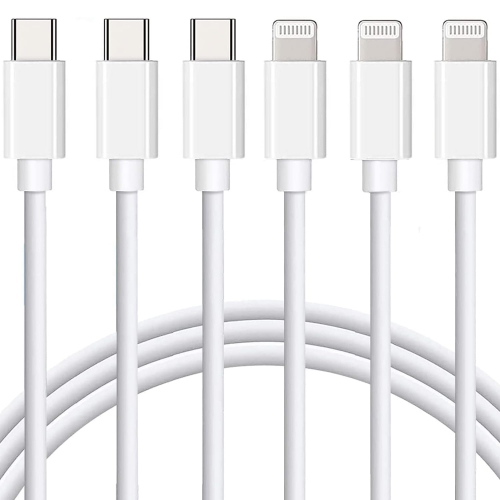
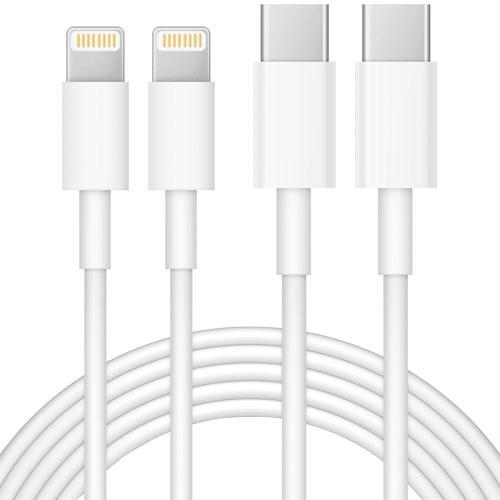
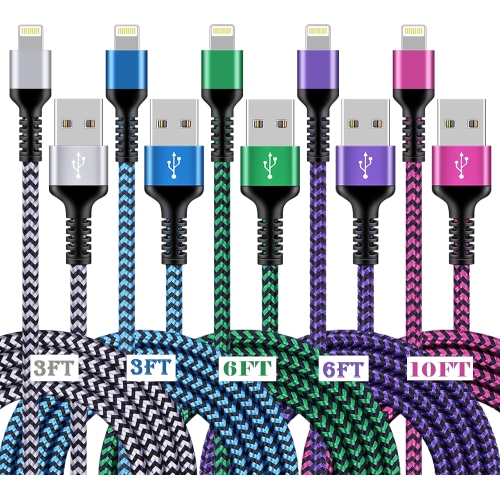
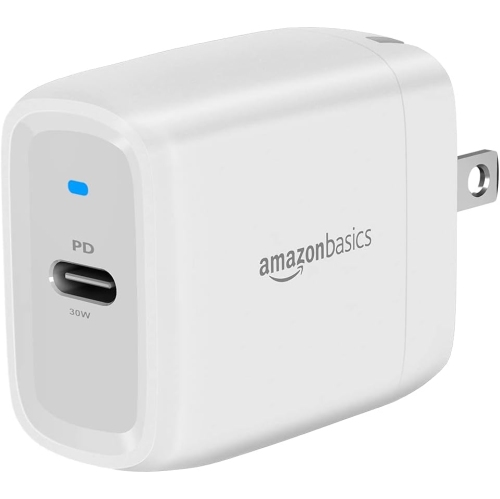
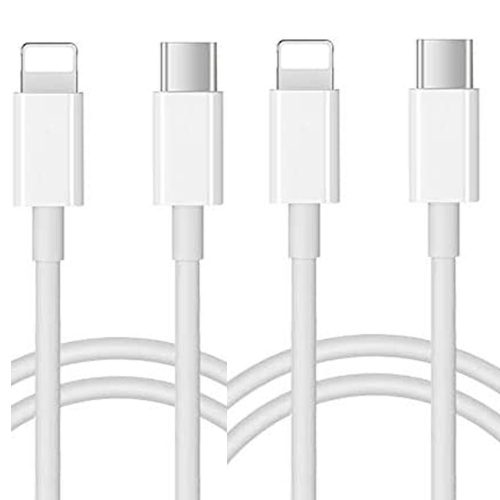
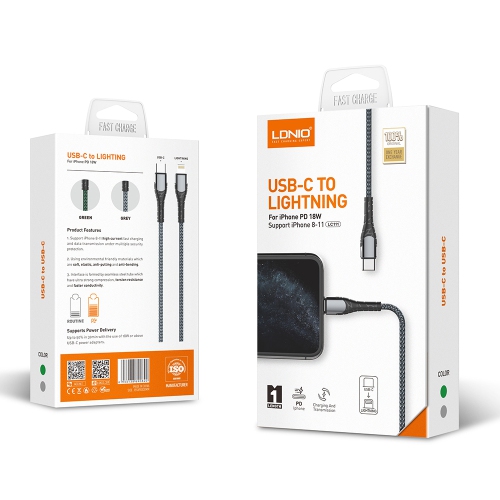
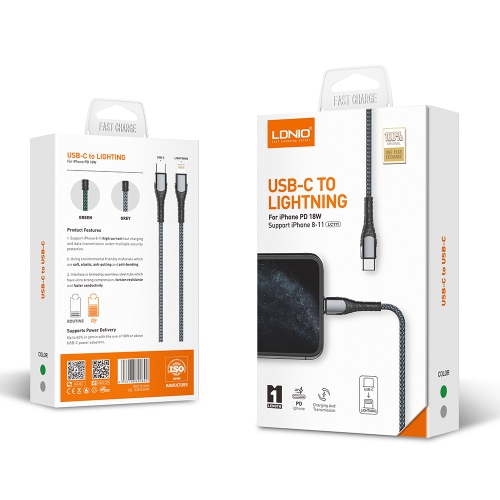
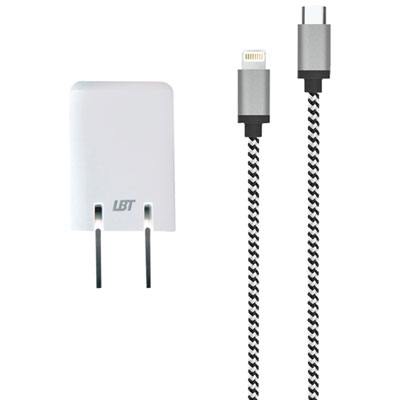
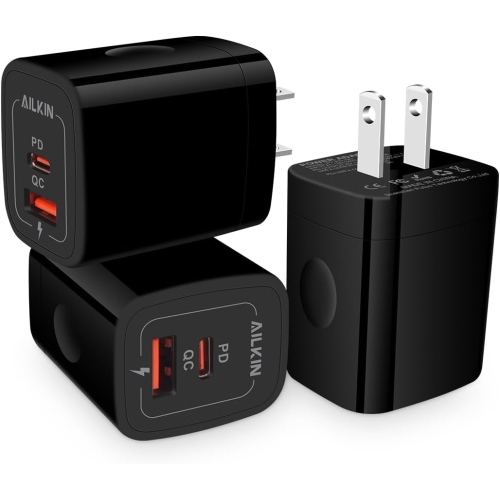
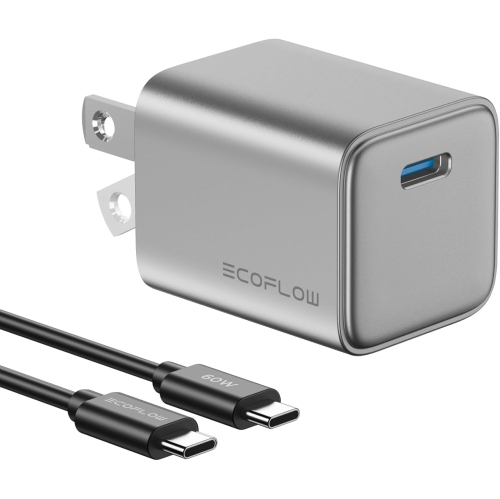
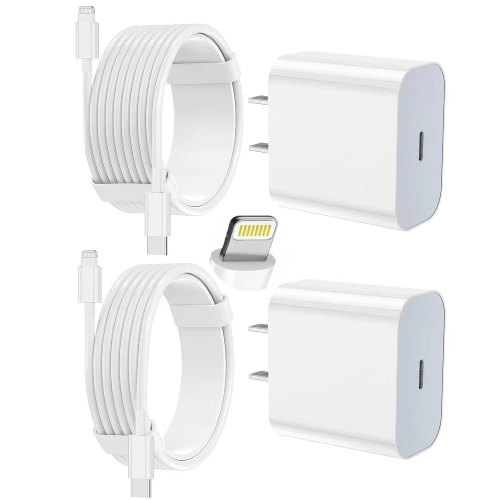
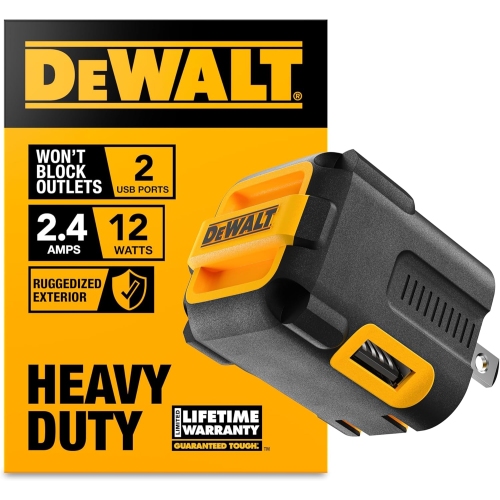
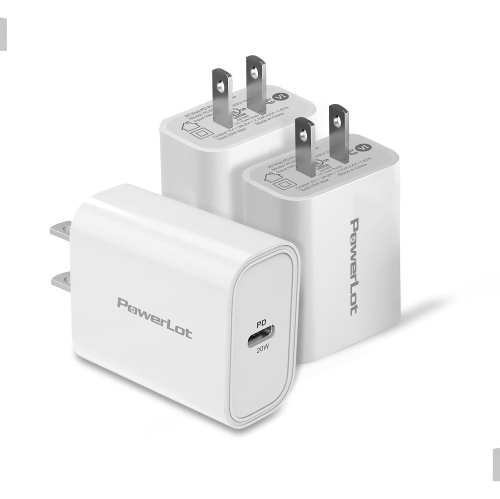
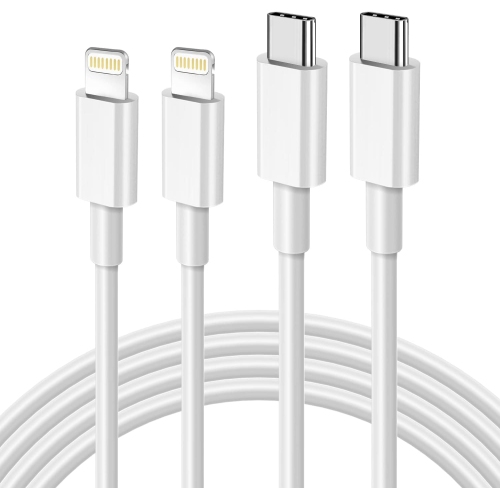
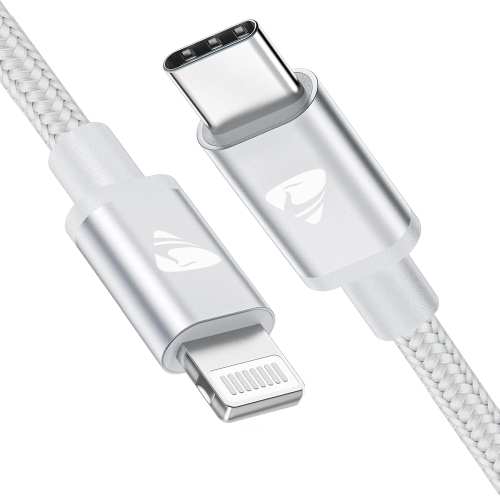
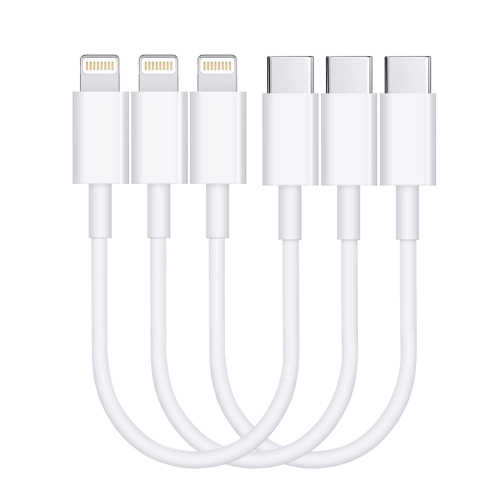
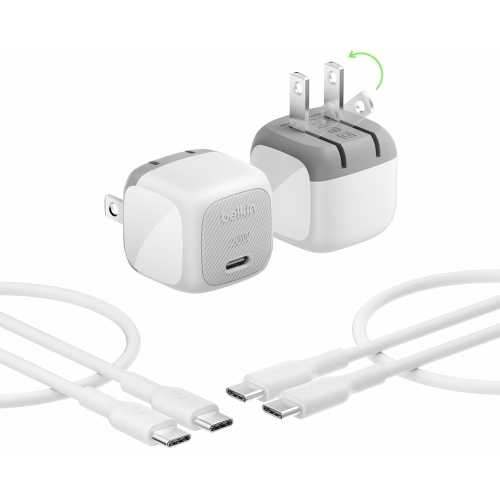
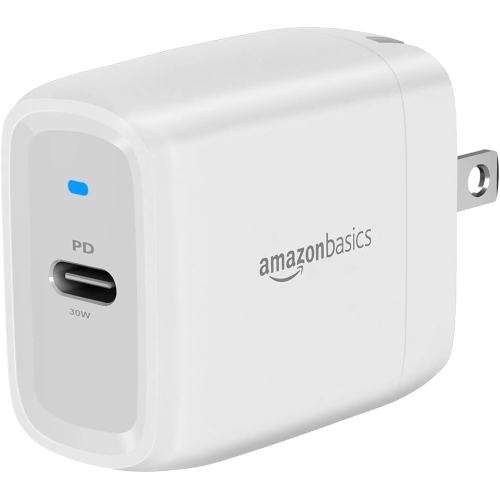
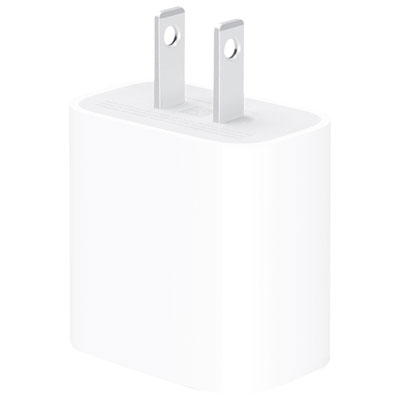
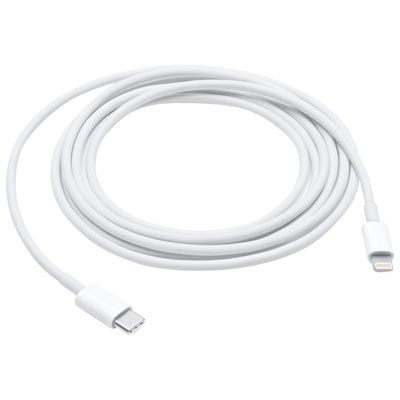
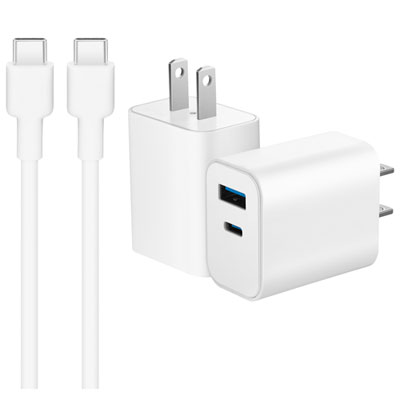
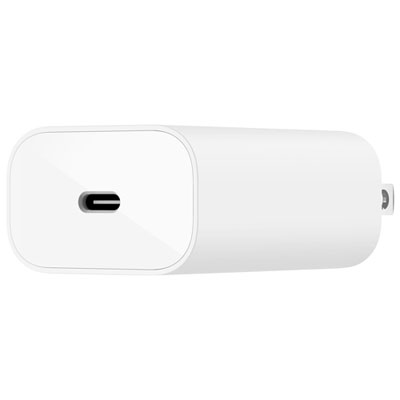
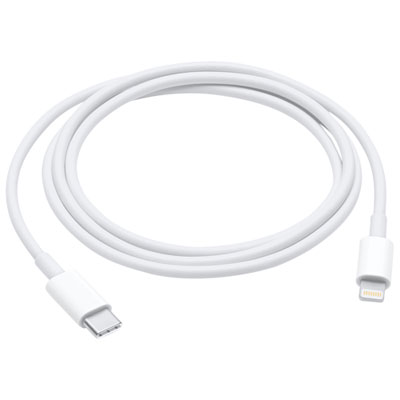
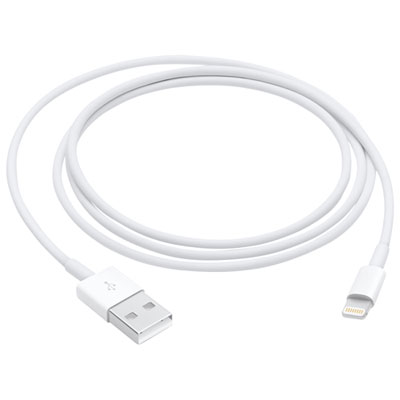
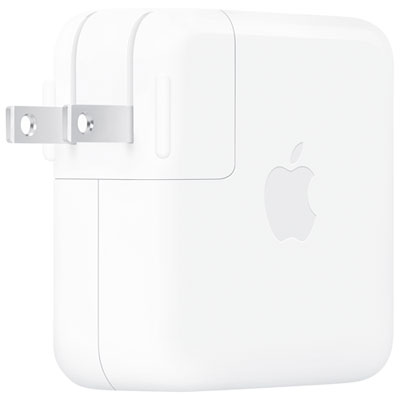
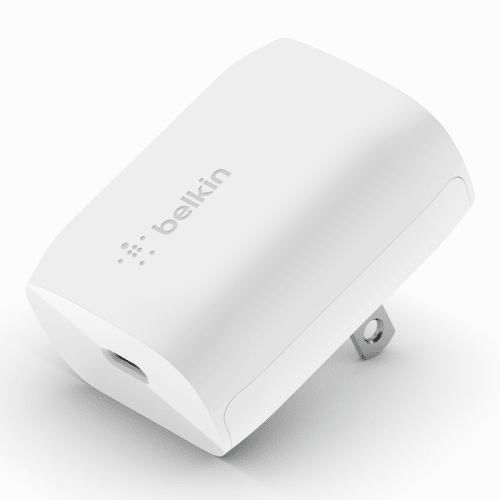
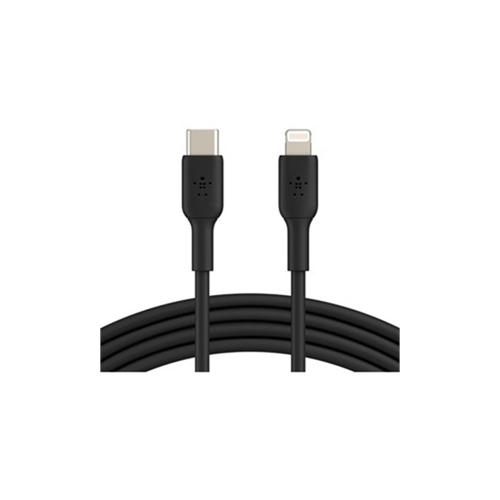
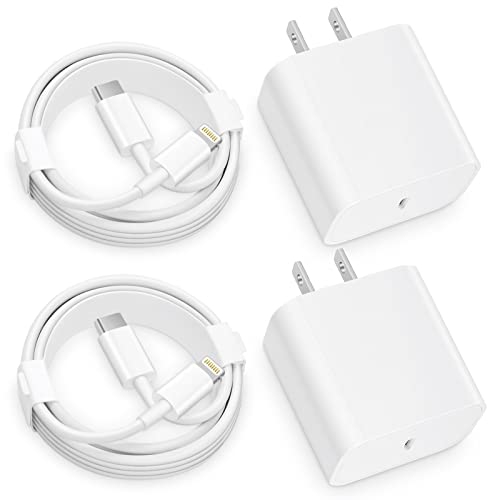
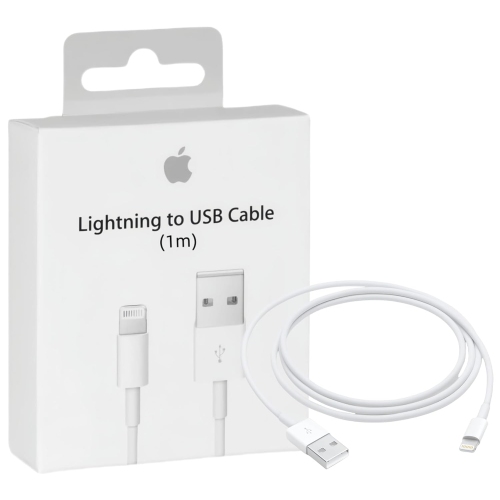
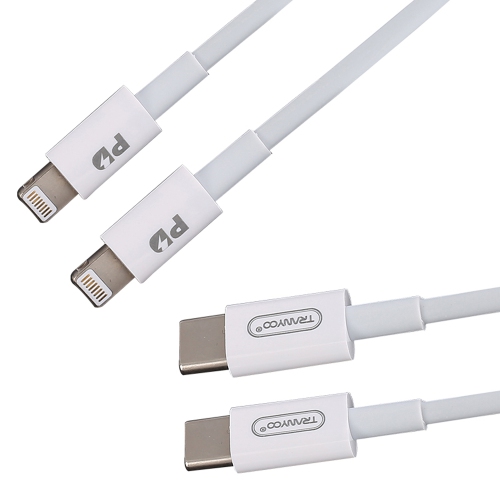
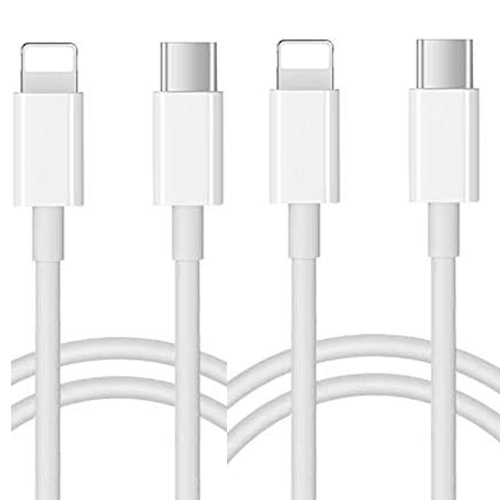
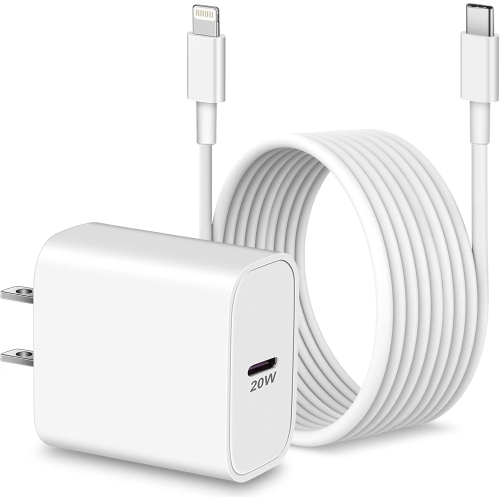
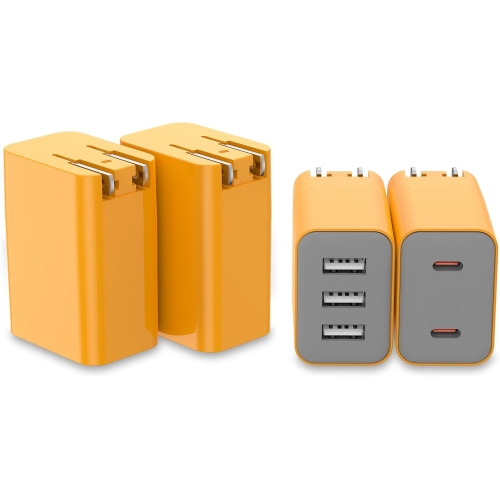
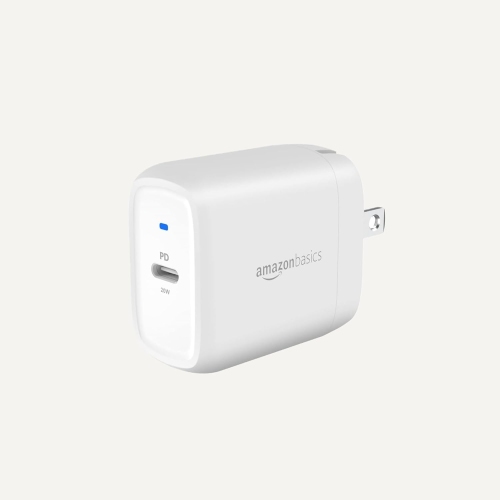
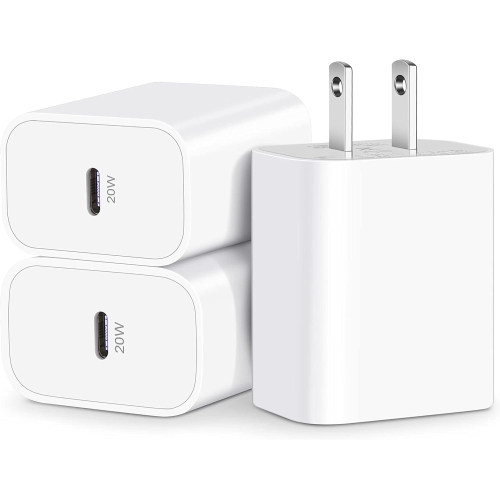
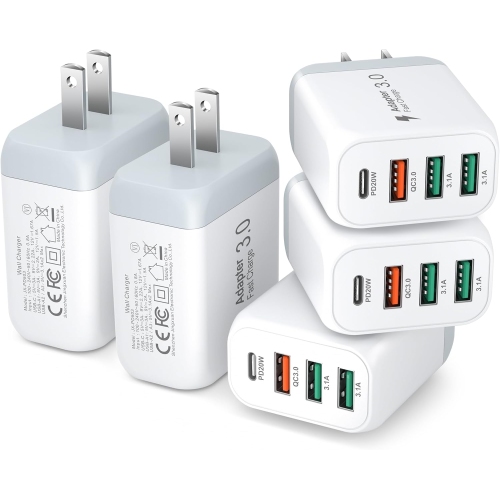
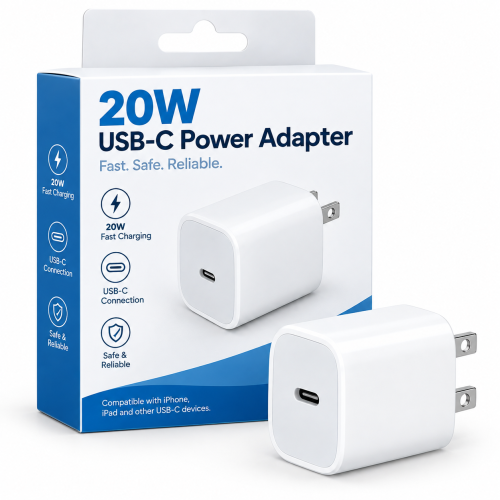
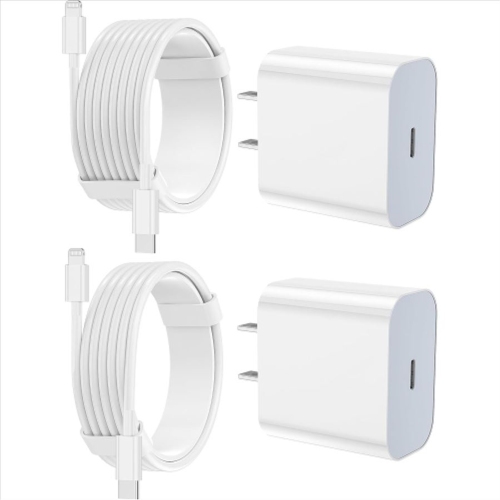
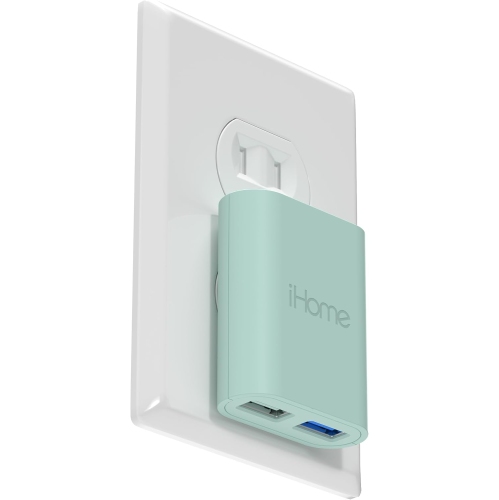
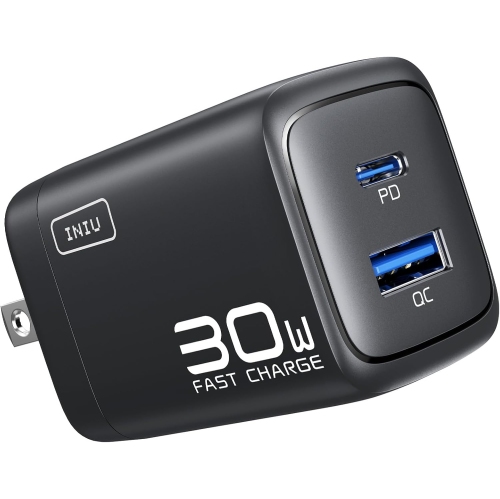
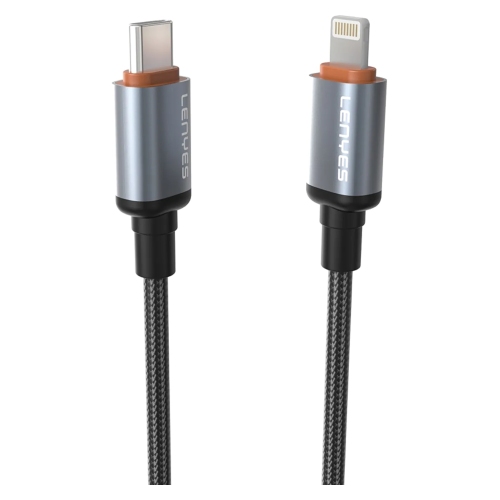
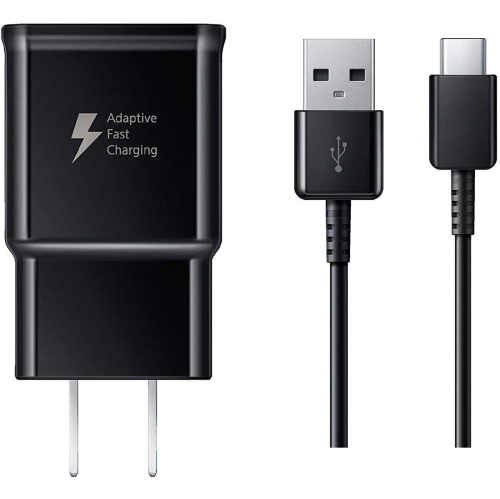
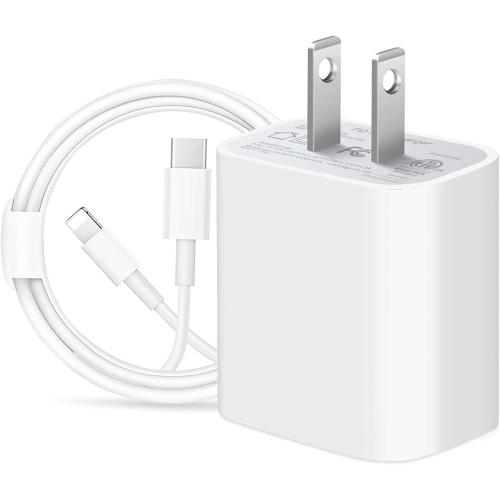
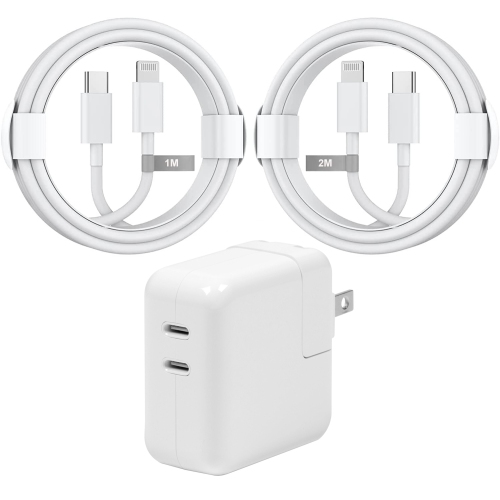
The iPhone XR uses a Lightning port for wired charging and also supports Qi wireless charging. Compatible charger types include wall adapters paired with a Lightning cable, car chargers with a suitable cable, and Qi-certified wireless pads or stands. For a wired connection, the end that plugs into the phone must be Lightning; the other end may be USB-A or USB-C, depending on the power source. A USB-A to Lightning cable fits the rectangular USB ports found on many existing wall adapters, computers, and vehicle charging outlets. A USB-C to Lightning cable connects to the smaller, oval USB-C port used on many newer adapters. A cable with USB-C connectors at both ends does not plug directly into the phone’s Lightning port. This distinction matters when replacing a worn cable or adding a charger beside a bed, at a desk, or in a travel bag, because the cable and adapter need matching connections. For fast wired charging, the phone supports a compatible USB-C Power Delivery adapter rated at 18W or higher when used with a USB-C to Lightning cable. A higher-rated compatible adapter does not force its full output into the phone; the phone draws power within its supported limits. Charging speed also varies with battery level and whether the phone is being used, so a higher wattage printed on an adapter does not guarantee a proportionate reduction in charging time. USB-A charging remains a useful option for an existing setup, particularly where a quick top-up is less important than a convenient connection. Wall adapters and cables may be sold separately or together, making the included components worth checking. A spare cable alone is useful when a suitable power source is already in place, while a complete cable-and-adapter combination provides a dedicated charging spot without borrowing accessories from another room.

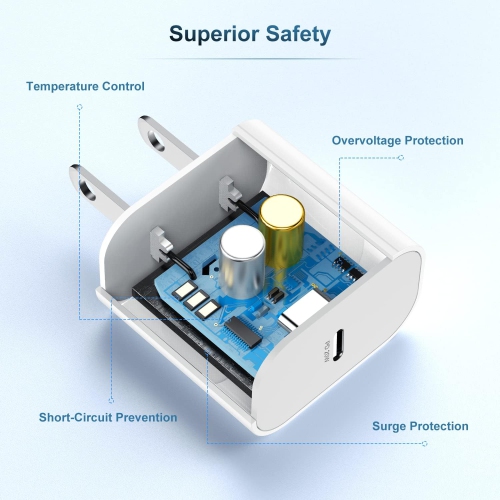
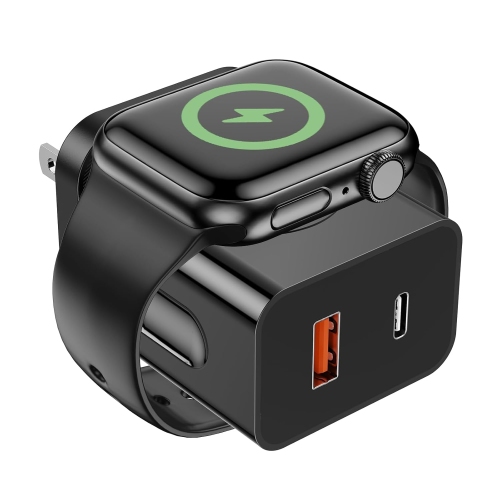
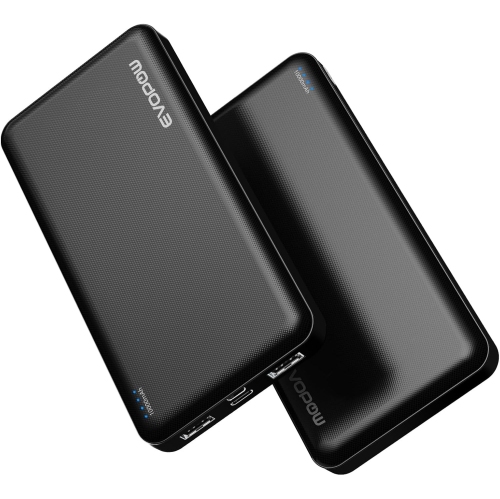
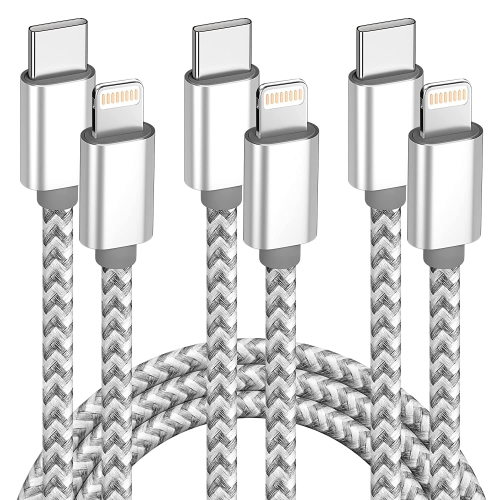
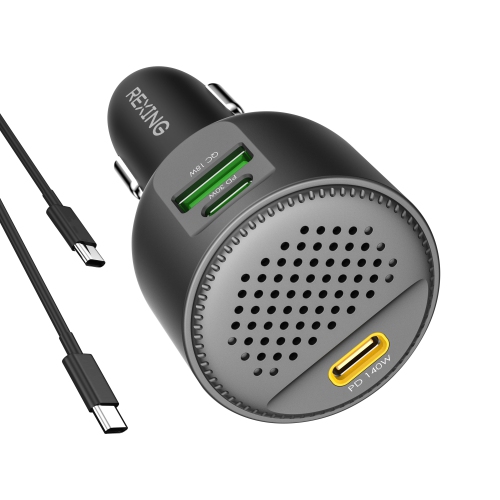
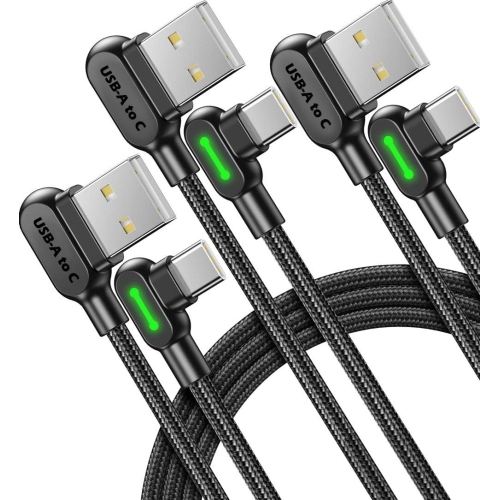
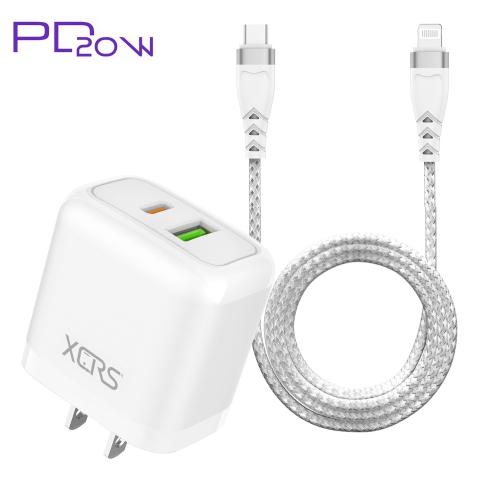
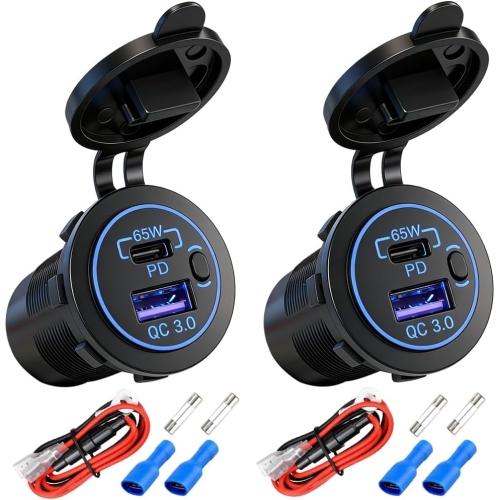
Cable construction and fit influence how comfortable a wired charger is to use every day. A flexible outer jacket can make a cable easier to route around a bedside table or coil into a bag, while a braided covering can help resist surface abrasion from frequent handling. Neither construction makes a cable immune to damage: reinforcement where the cable meets each connector is particularly relevant when the phone is often picked up while plugged in. A slim Lightning connector housing may fit more easily through the charging-port opening of a protective case, whereas a wider housing can meet the case before the connector is fully seated. Cable length is another practical difference. A shorter cable keeps a power bank or car console tidier, while a longer cable can reach from a wall outlet behind furniture to a comfortable reading position. Extra length can also leave more cable across a walkway or hanging from a desk, so the best fit depends on where the phone rests rather than length alone. Compact wall adapters suit crowded outlets and travel pouches, while larger multiport designs can serve a phone alongside other devices. With multiport chargers, the total output and the power assigned to each port both matter, especially when several devices are connected at once. For vehicle use, a charger that fits securely in the accessory socket and a cable that reaches the phone mount without crossing controls make a more useful pairing than a loose adapter and stretched lead. Built-in vehicle USB ports can also provide power, although their charging output varies. Regular care is straightforward: disconnect cables by holding the connector rather than pulling the cord, avoid trapping them under chair wheels or tightly bending them at the ends, and stop using accessories with exposed wiring, cracked housings, or damaged connectors. These details are especially relevant for shared household chargers and cables carried between home, work, and school.

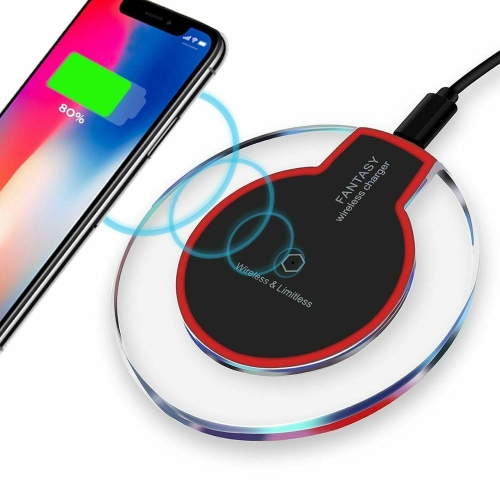
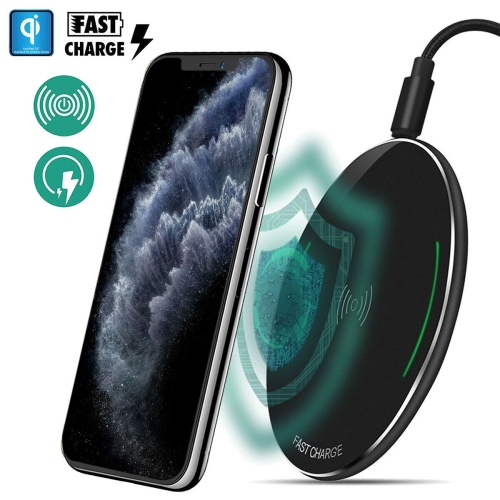
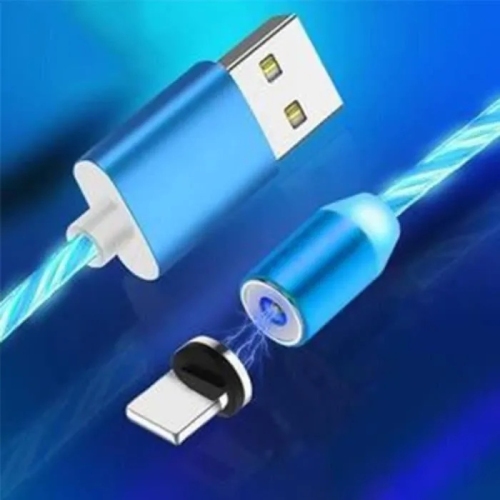
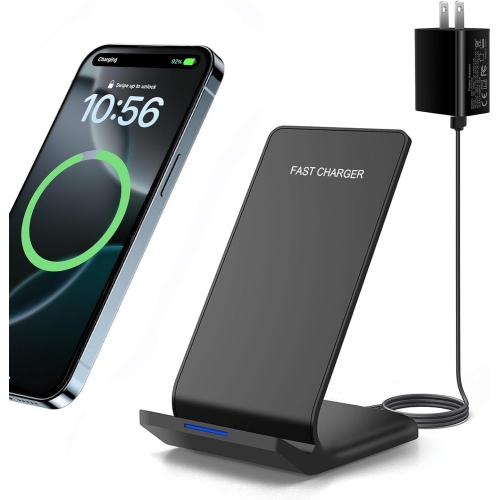
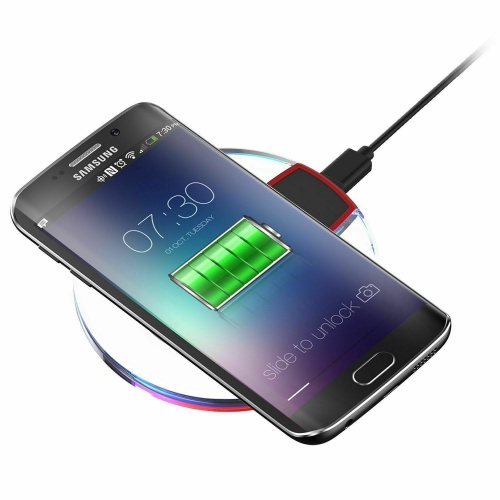
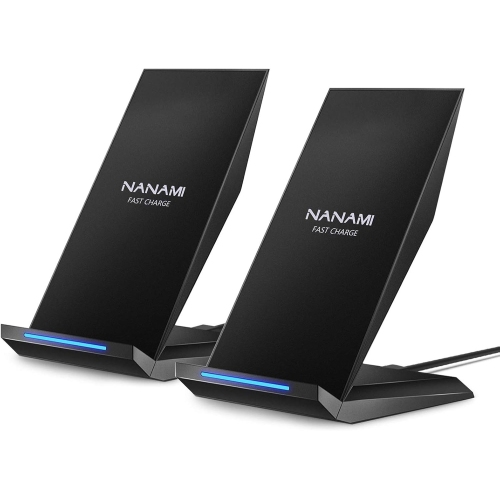
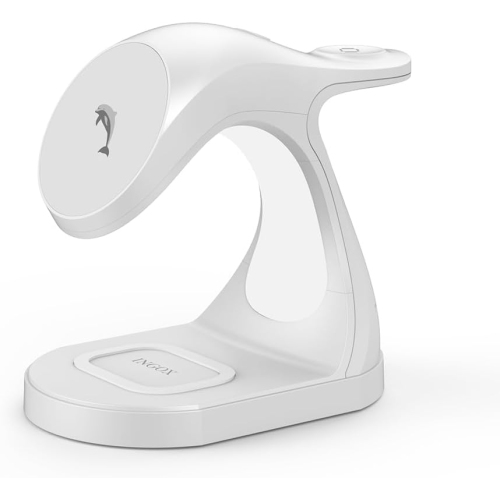
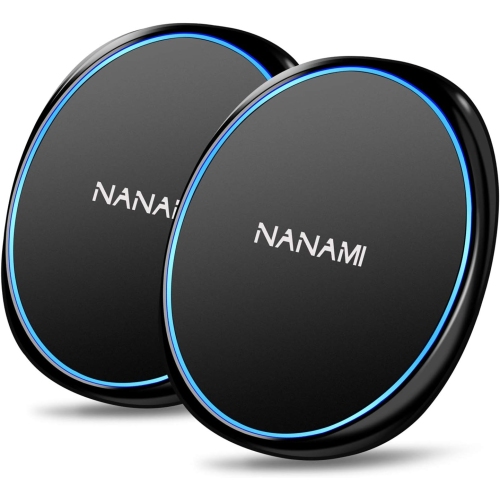
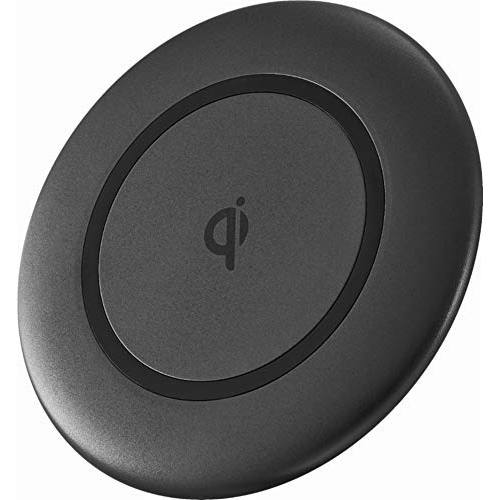
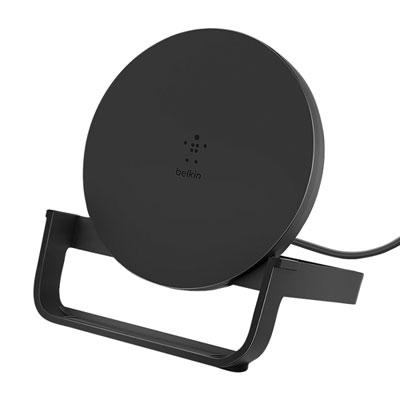
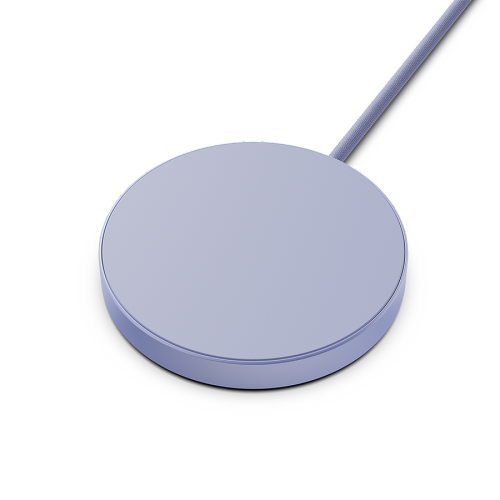
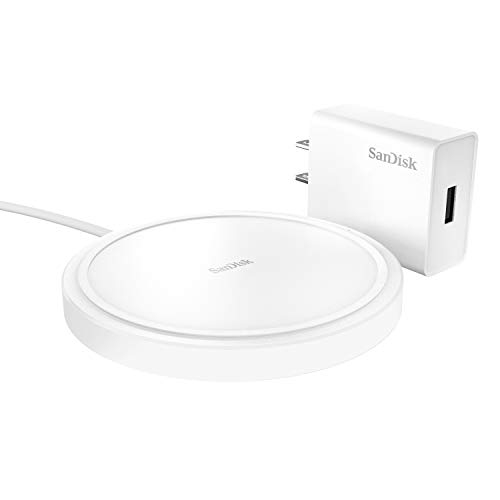
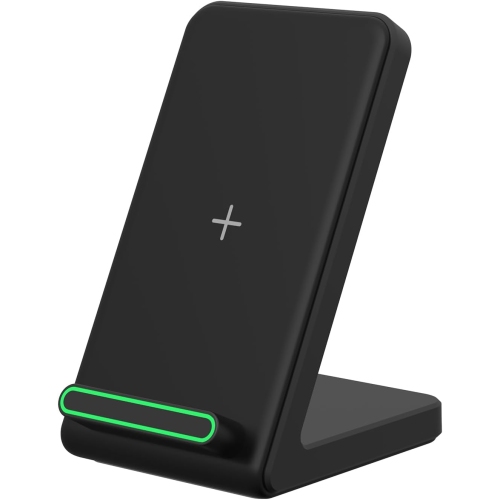
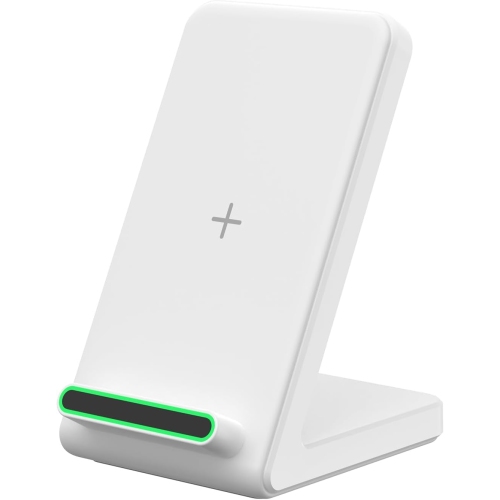
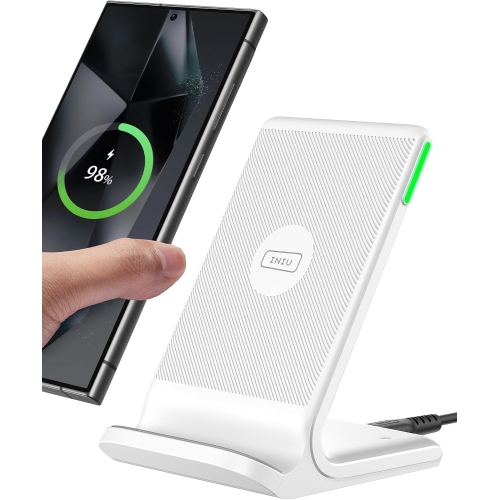
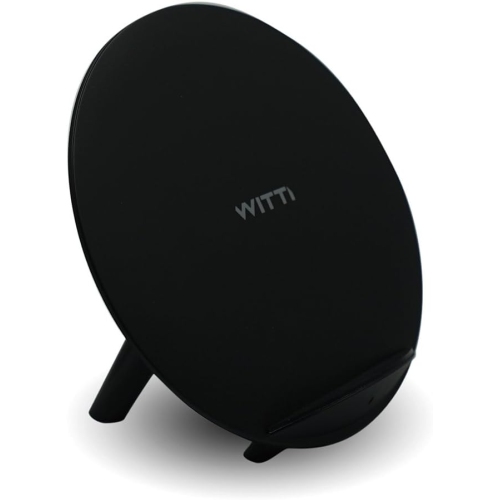
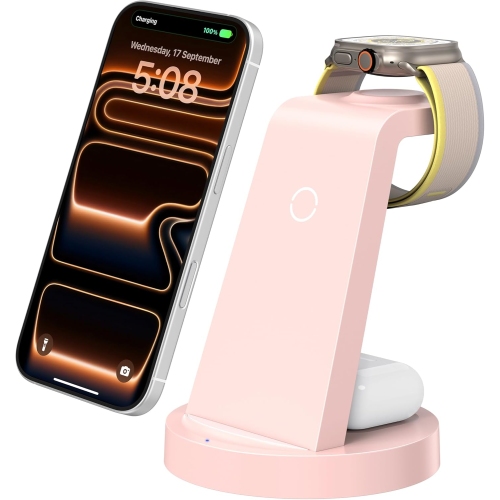
Qi wireless chargers offer a different kind of convenience: the phone rests on a powered pad or stand instead of connecting through its Lightning port. The iPhone XR supports wireless charging at up to 7.5W with a suitable Qi charger and power supply, although actual speed depends on the complete setup and alignment. A charging pad advertised with a higher maximum output will not necessarily deliver that full output to this phone. The pad or stand also needs its own cable and power adapter, and those requirements can differ between designs. A flat pad provides a simple landing spot on a bedside table or sideboard, while an angled stand keeps the screen visible for incoming calls, video conversations, or checking a recipe on a kitchen counter. Stands that support both portrait and landscape placement can be useful, provided their charging coils align with the phone in each position. A stable base and a nonslip contact surface help keep the phone in place, particularly on a desk where cables and other belongings are moved throughout the day. Case compatibility deserves attention as well. Many thin, non-metallic cases allow wireless charging, but thick layers, metal plates, attached wallets, and cards between the phone and charger can interfere with charging. The phone does not have built-in magnetic attachment for magnetic charging stands, so a secure hold should not be assumed simply because a charger is described as magnetic. Wireless charging is especially convenient for someone who frequently sets down and picks up a phone, while wired charging provides a direct connection for charging in a bag with a power bank or using the phone away from a fixed surface. Accessories listed under iPhone 8 Chargers may also suit this charging setup when they use a compatible Lightning connection or Qi standard, with power requirements and physical fit checked separately. For a practical gift, matching the recipient’s existing adapter, preferred charging location, and case is more useful than choosing by appearance alone.
FAQ

Some products may be subject to Environmental Handling Fees (EHF) depending on your province. Learn more about EHFs.