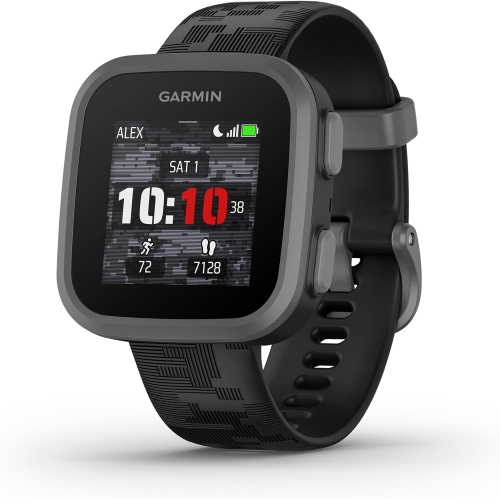
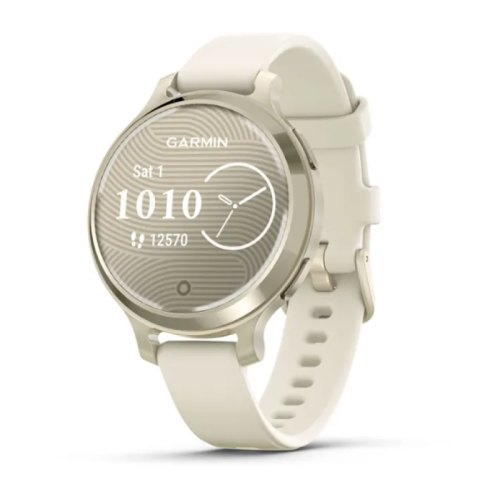
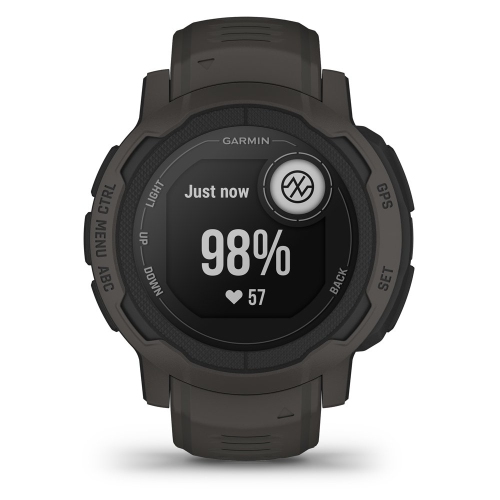
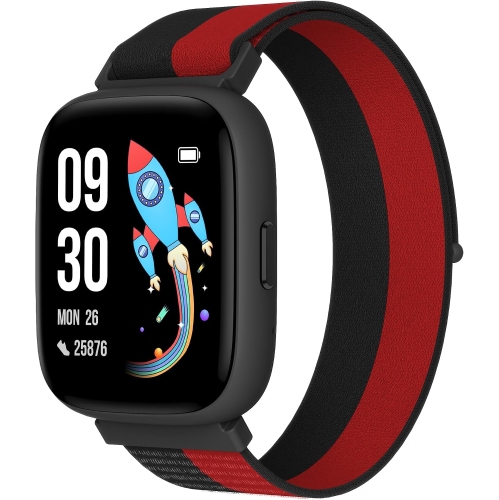
Kids' Garmin Watches

Explore kids' Garmin watches to find a wearable that suits your child's daily routine. Compare available models by fit, display, battery life and age suitability, and check individual listings for activity-tracking features and phone compatibility.
Sort

What sets connected watches apart from activity trackers

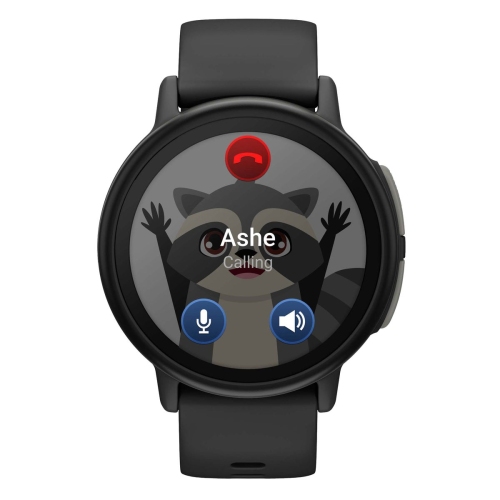
Kids’ connected watches and activity trackers offer two distinct ways to bring useful technology to a child’s wrist: communication-focused smartwatches can help families stay in touch, while simpler activity trackers focus on movement, routines, and telling time. The difference matters more than the shape of the watch or the colour of its strap. A cellular-connected smartwatch may support calls, text or voice messages, location updates, and assistance features, depending on the model. These functions typically require a compatible parent-managed app, account setup, and an active cellular service plan. An activity tracker generally records information such as steps and active minutes, with some models also tracking sleep or supporting reminders and assigned tasks through a companion app. It should not be assumed to offer calling or live location tracking simply because it connects to a phone using Bluetooth. For a child who needs to contact a parent after an activity, communication features may be the priority; for a younger child learning to follow a routine, a straightforward tracker with an easy-to-read display may be a better match. Parents considering Kid's GPS Watches should also distinguish between a watch that records location and one that can share location remotely. GPS determines position, while a separate connection is generally needed to send that information to a caregiver. Location accuracy and update frequency can vary with reception, buildings, device settings, and battery level. Features such as approved contacts, location boundaries, and check-in messages can support everyday coordination, but their presence and operation depend on the watch. These devices work best alongside clear family arrangements: knowing who is collecting the child, where to meet after an activity, and what to do if a message does not go through. A watch can make those arrangements easier to follow without replacing adult supervision or an agreed emergency plan.

Comfort and construction have a considerable effect on whether a child actually wants to wear a watch beyond the first few days. A lightweight case, smooth edges, and a flexible strap can make it less distracting during writing, play, or a long car ride. Silicone is common in children’s watch straps because it bends easily and can usually be wiped clean, although materials and cleaning requirements vary. The strap needs enough adjustment to sit securely without pinching, and the case should suit the child’s wrist rather than extending awkwardly across it. A watch that slides around can bump against a desk or make buttons harder to reach; one fastened too tightly can leave marks or irritate the skin. Wrist measurements and the stated strap range are more useful than age alone, particularly when choosing a gift. The display deserves similar attention. Clear numbers, readable text, and controls a child can operate independently are practical advantages when checking the time before a lesson or reading a short message. Touchscreens and physical buttons have different strengths, so ease of use should be considered alongside appearance. Durability also involves more than a sturdy-looking case. Lens material, strap attachment, and the manufacturer’s water-resistance rating all help define appropriate use. Resistance to splashes does not automatically mean a watch is suitable for swimming, and even a swim-rated device may have restrictions around hot water, soap, or pressing buttons underwater. Follow the care directions for the particular watch, especially after contact with pool water, perspiration, or sunscreen. Gentle cleaning and thorough drying help keep the strap comfortable and charging contacts clean. Avoid harsh cleaners unless expressly permitted. Regularly checking for a damaged strap, loose fastener, or cracked case is worthwhile, particularly for a watch worn through playground games, sports practice, and daily trips between home and school.

Everyday convenience often comes down to battery type, app compatibility, and how much management the family wants to take on. Rechargeable connected watches need a dependable charging routine, and frequent messaging or location updates can affect the time between charges. Some simpler activity trackers use replaceable batteries that last much longer, but they offer a different set of functions and still need occasional battery replacement according to the manufacturer’s instructions. Battery compartments should remain securely closed, and small batteries must be kept away from children. Before choosing a watch, check the requirements for the parent’s phone, the companion app, and any cellular coverage needed where the child will use it. Setup may involve creating a child profile, adding approved contacts, choosing notification settings, and explaining which functions are appropriate during lessons. Where supported, classroom or quiet settings can reduce interruptions without requiring the child to remember every setting change. Privacy controls are another practical consideration: families should understand who can view location information, who can send messages, and which account manages permissions. For activity-focused use, simple goals can turn familiar moments into something a child notices, such as walking to the library, playing tag, or remembering a household task. Movement totals and sleep estimates are best treated as general patterns rather than precise measures of health or a competition between children. A watch can also make a thoughtful birthday or milestone gift when its purpose fits the recipient’s independence and interests. A child eager to manage their own morning routine may value alarms and reminders, while another may be more interested in exchanging a quick message with a caregiver. For gifts, checking wrist size, phone compatibility, account requirements, and the caregiver’s willingness to manage the device helps avoid a mismatch. The most useful choice is one with controls the child understands, a fit they find comfortable, and features the family will genuinely use.

FAQ

Some products may be subject to Environmental Handling Fees (EHF) depending on your province. Learn more about EHFs.