Tomato Juicers
Juicers are a great way to get your daily dose of vitamins and nutrients. These juicers can also be used to make healthy juices for you to drink throughout the day or use in cooking. Here are some great tomato juicer options available on the market.
Sort
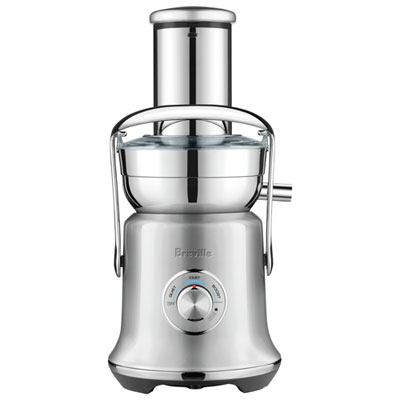
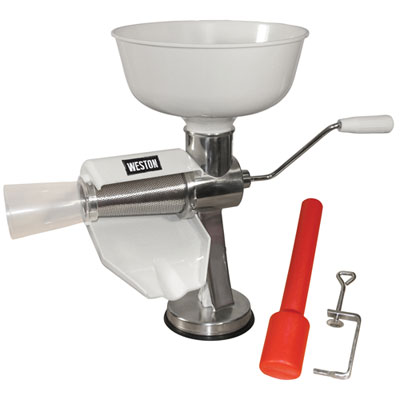
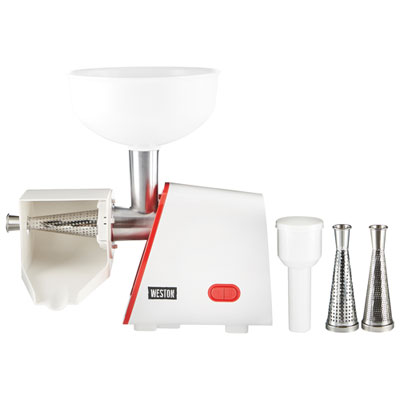
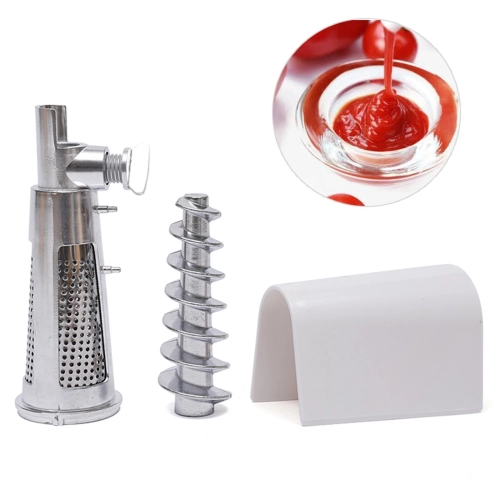
What to consider for smoother juice and sauce
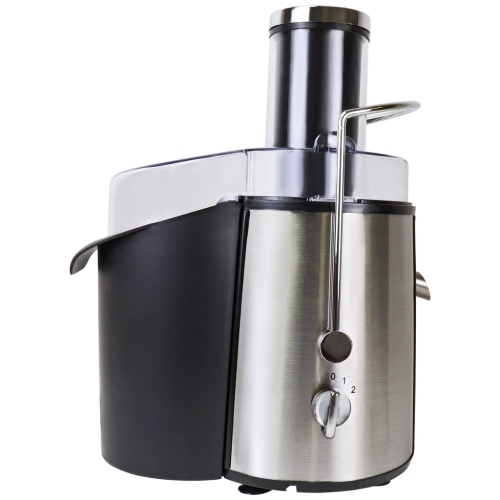
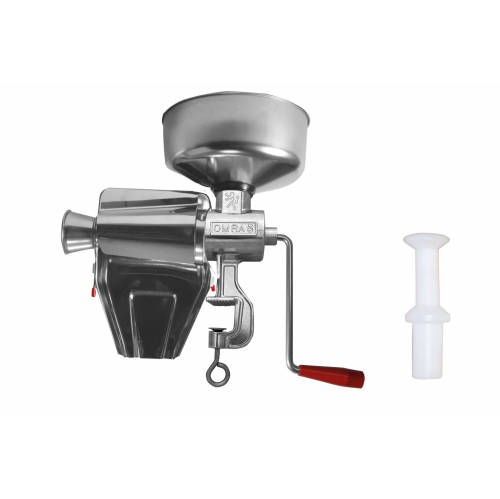
Tomato juicers, also called tomato strainers, tomato presses, or tomato squeezers, are designed to turn ripe tomatoes into smooth juice, purée, passata, or sauce while separating much of the skin and seeds. They can be especially useful during the warmer part of the year, when garden tomatoes and market tomatoes are plentiful, and during the cooler months when homemade sauce brings rich flavour to pasta, soups, stews, casseroles, and other comfort foods. Unlike a standard citrus juicer, a tomato juicer typically uses a hopper, auger, screen, or pressing mechanism to break down soft tomatoes and direct the pulp into one container while the skins and seeds exit separately. The result can be a smoother base with less straining by hand and fewer tomato skins to remove from a stockpot. Some shoppers choose a dedicated tomato strainer for preserving large quantities, while others prefer a versatile food-processing appliance that can also handle selected soft fruits and vegetables. When comparing options, consider how much food you expect to process at a time, how often you plan to make juice or sauce, and how much counter space is available for setup and storage. A manual tomato press may suit someone making a few jars or a small batch for family meals, particularly if they appreciate straightforward operation and do not need to process several baskets of tomatoes in one session. Electric models can be a practical choice for frequent use or larger batches, as a motor helps reduce the physical effort involved in turning, pressing, or feeding tomatoes through the machine. Capacity is not always measured only by the size of the hopper; the design of the auger, screen, chute, collection containers, and waste outlet can also affect how smoothly a batch moves through the appliance. If your routine includes canning, freezing, or preparing sauce for a gathering, look for a design that supports steady feeding and leaves enough room beneath the pulp outlet for a bowl, pitcher, or storage container.
The screen is one of the most important components to consider because it influences the texture of the finished tomato mixture and the amount of pulp retained. Finer screens can create a smoother juice or sauce, while larger openings may allow more pulp and thicker texture to pass through. Some tomato juicers include interchangeable screens or accessories for different results, which can be helpful if you make both drinkable tomato juice and hearty sauce. A well-designed feed chute should accommodate ripe tomatoes without requiring excessive chopping, although large tomatoes may still need to be quartered, and removing stems, bruised sections, or very firm cores can help the machine work more evenly. Soft, ripe tomatoes generally pass through more easily than underripe ones, while very watery varieties may produce a thinner juice than meaty plum-style tomatoes. Reading the care instructions before purchase is worthwhile, especially for anyone who expects to use the appliance regularly. Removable screens, augers, funnels, and collection trays are easier to rinse and inspect than fixed parts, and a design with accessible seams can make it simpler to remove seeds or pulp before they dry. Confirm whether components are dishwasher safe, whether the unit needs to be hand-washed, and whether the screen requires a small brush for thorough cleaning. Manual models may clamp to a countertop or attach to a table, so check the available edge thickness and ensure there is a stable surface nearby. Electric models require a suitable outlet and enough clearance around the motor and collection area. Noise level, cord storage, operating controls, and the weight of the appliance can also matter in a busy kitchen. For shoppers exploring broader juicing options, Fresh Juice Machines may include versatile appliances that are suitable for more than tomatoes, although a dedicated tomato strainer remains the more focused choice for separating tomato skins and seeds from pulp.
A tomato juicer may appeal to home cooks who enjoy making pasta sauce from scratch, families that preserve garden produce, hosts preparing food for a larger group, or anyone who prefers to control the texture and ingredients in homemade juice and sauces. It can also be a thoughtful gift for a keen cook, a new homeowner building a practical kitchen collection, or someone who spends late summer filling jars and freezer containers with produce. Before selecting one as a gift, consider whether the recipient has room for a countertop appliance, prefers manual or electric tools, and usually prepares small meals or large preservation batches. Someone who makes a pot of sauce for Sunday dinner may value a compact manual press, while a gardener with crates of ripe tomatoes may appreciate a higher-capacity electric machine that reduces repetitive work. Tomato juicers can be used for more than traditional pasta sauce: strained tomato pulp can become pizza sauce, gazpacho, salsa bases, vegetable cocktails, curry sauces, chilli, soup, or a smooth foundation for braised dishes. The separated skins and seeds can be discarded, reserved for another recipe where texture is less important, or handled according to the user’s preferred kitchen routine. When planning to preserve juice or sauce, follow tested food-safety and canning instructions rather than relying on the appliance alone; the juicer separates ingredients, but safe storage depends on proper acidity, processing, containers, and handling. It is also helpful to check the manufacturer’s recommendations for continuous operating time, cooling periods, ingredient preparation, and suitable foods. A product that appears compact may be intended for modest batches, while a larger machine may require more storage space but offer a steadier workflow for frequent use. Paying attention to materials, stability, screen options, cleanup, capacity, and intended frequency of use can help match a tomato juicer to the way your household actually cooks. Whether the goal is a glass of fresh tomato juice, a silky sauce for dinner, or a freezer stocked with homemade tomato base for cooler months, the right design can make processing ripe tomatoes more controlled, consistent, and enjoyable.
The screen is one of the most important components to consider because it influences the texture of the finished tomato mixture and the amount of pulp retained. Finer screens can create a smoother juice or sauce, while larger openings may allow more pulp and thicker texture to pass through. Some tomato juicers include interchangeable screens or accessories for different results, which can be helpful if you make both drinkable tomato juice and hearty sauce. A well-designed feed chute should accommodate ripe tomatoes without requiring excessive chopping, although large tomatoes may still need to be quartered, and removing stems, bruised sections, or very firm cores can help the machine work more evenly. Soft, ripe tomatoes generally pass through more easily than underripe ones, while very watery varieties may produce a thinner juice than meaty plum-style tomatoes. Reading the care instructions before purchase is worthwhile, especially for anyone who expects to use the appliance regularly. Removable screens, augers, funnels, and collection trays are easier to rinse and inspect than fixed parts, and a design with accessible seams can make it simpler to remove seeds or pulp before they dry. Confirm whether components are dishwasher safe, whether the unit needs to be hand-washed, and whether the screen requires a small brush for thorough cleaning. Manual models may clamp to a countertop or attach to a table, so check the available edge thickness and ensure there is a stable surface nearby. Electric models require a suitable outlet and enough clearance around the motor and collection area. Noise level, cord storage, operating controls, and the weight of the appliance can also matter in a busy kitchen. For shoppers exploring broader juicing options, Fresh Juice Machines may include versatile appliances that are suitable for more than tomatoes, although a dedicated tomato strainer remains the more focused choice for separating tomato skins and seeds from pulp.
A tomato juicer may appeal to home cooks who enjoy making pasta sauce from scratch, families that preserve garden produce, hosts preparing food for a larger group, or anyone who prefers to control the texture and ingredients in homemade juice and sauces. It can also be a thoughtful gift for a keen cook, a new homeowner building a practical kitchen collection, or someone who spends late summer filling jars and freezer containers with produce. Before selecting one as a gift, consider whether the recipient has room for a countertop appliance, prefers manual or electric tools, and usually prepares small meals or large preservation batches. Someone who makes a pot of sauce for Sunday dinner may value a compact manual press, while a gardener with crates of ripe tomatoes may appreciate a higher-capacity electric machine that reduces repetitive work. Tomato juicers can be used for more than traditional pasta sauce: strained tomato pulp can become pizza sauce, gazpacho, salsa bases, vegetable cocktails, curry sauces, chilli, soup, or a smooth foundation for braised dishes. The separated skins and seeds can be discarded, reserved for another recipe where texture is less important, or handled according to the user’s preferred kitchen routine. When planning to preserve juice or sauce, follow tested food-safety and canning instructions rather than relying on the appliance alone; the juicer separates ingredients, but safe storage depends on proper acidity, processing, containers, and handling. It is also helpful to check the manufacturer’s recommendations for continuous operating time, cooling periods, ingredient preparation, and suitable foods. A product that appears compact may be intended for modest batches, while a larger machine may require more storage space but offer a steadier workflow for frequent use. Paying attention to materials, stability, screen options, cleanup, capacity, and intended frequency of use can help match a tomato juicer to the way your household actually cooks. Whether the goal is a glass of fresh tomato juice, a silky sauce for dinner, or a freezer stocked with homemade tomato base for cooler months, the right design can make processing ripe tomatoes more controlled, consistent, and enjoyable.
Top selling and popular products
-
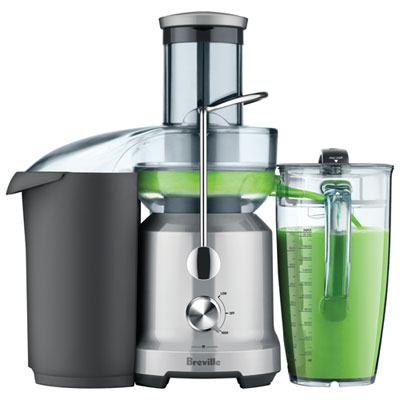 Your price for this item is $269.99
 -
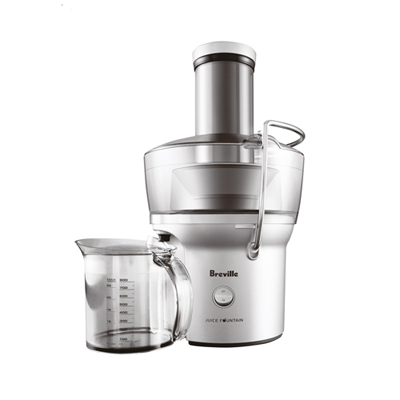 Your price for this item is $129.99
 -
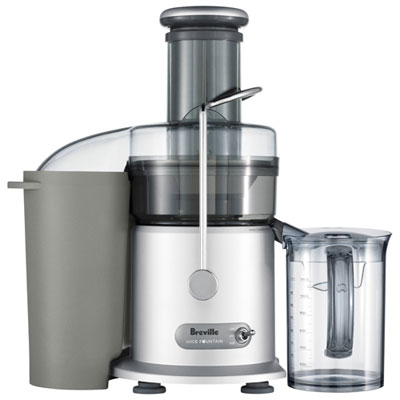 Your price for this item is $159.99
 -
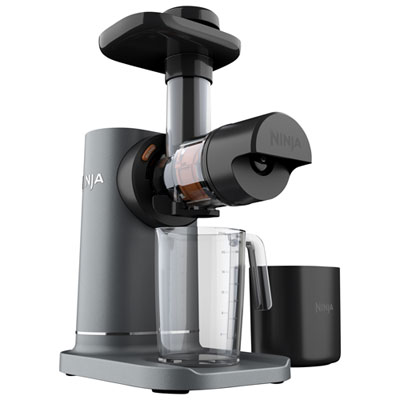 Your price for this item is $169.99
 -
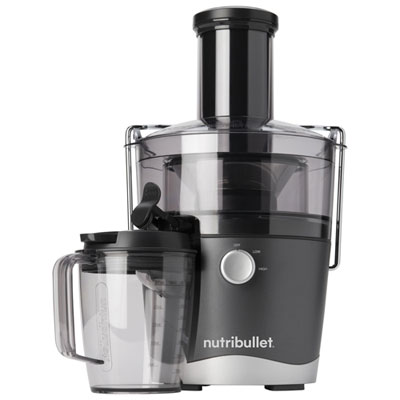 Your price for this item is $139.99
 -
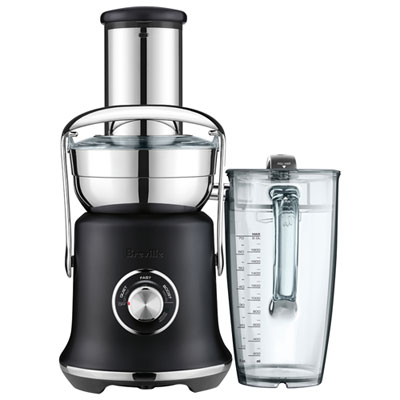 Your price for this item is $379.99
 -
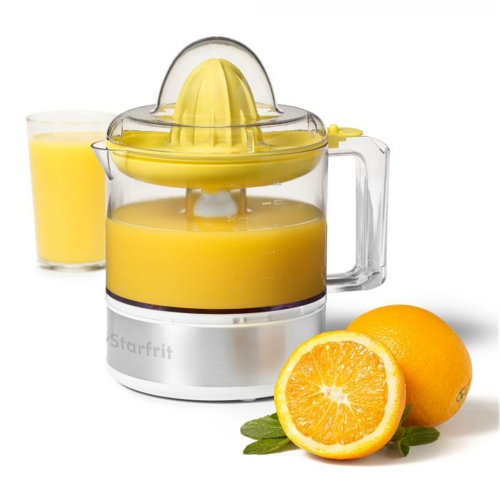 Your price for this item is $29.99
 -
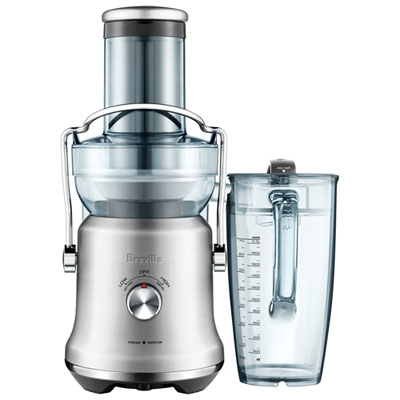 Your price for this item is $299.99
Discover more categories related to Tomato Juicers
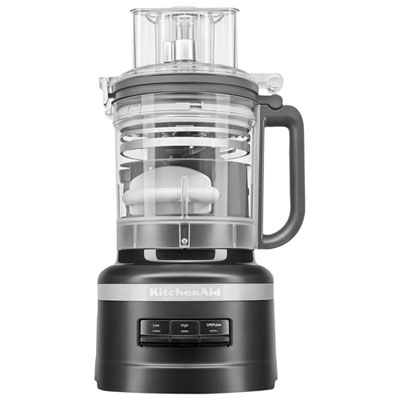
Top Collections:
Pokemon Centers, Kindle Devices, Best Cell Phones Under $500, Alarm Clock, Canon G7X Cameras, iPhone 15 Apple, Apple iPhones 16, Laptops for Students, iPhone 14 256GB, Budget Smartphones
Some products may be subject to Environmental Handling Fees
(EHF) depending on your province.
Learn more about EHFs.