KitchenAid Baking Attachments

Find KitchenAid baking attachments to match your stand mixer and the recipes you enjoy making. Compare options by the baking tasks they support, and check each attachment’s compatibility with your KitchenAid mixer model before choosing.
Read More

Sort

Why cookie dough and meringue need different attachments

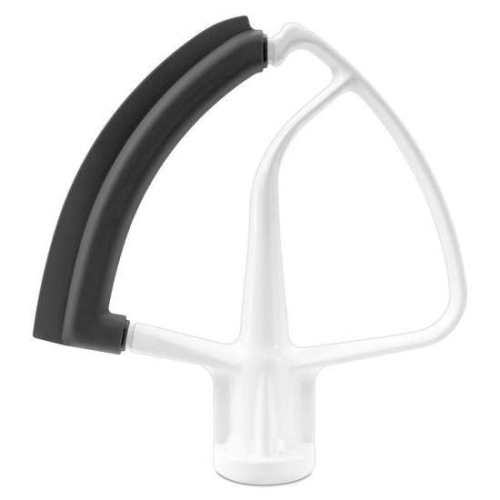
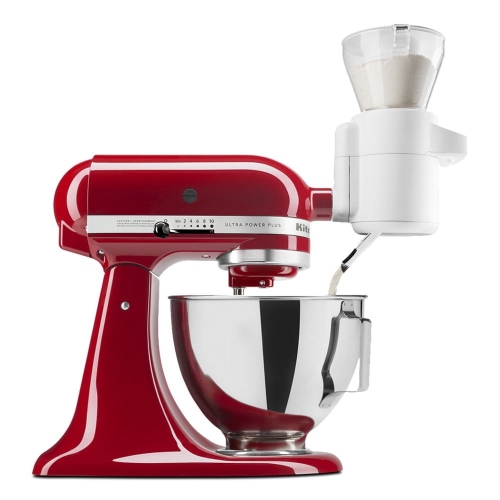
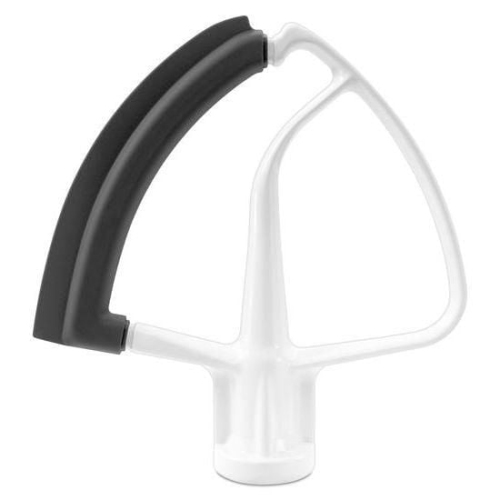
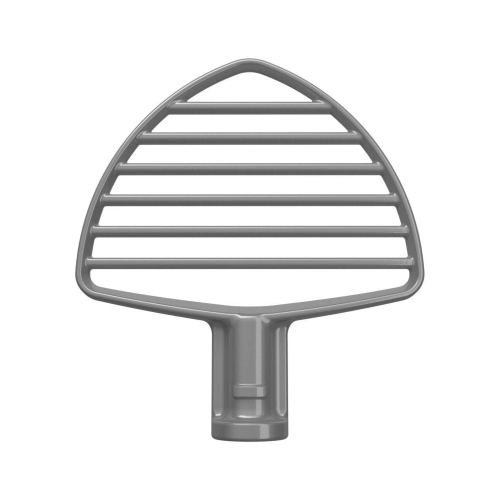
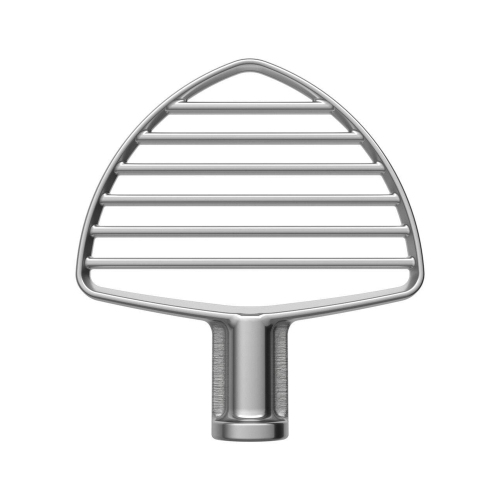
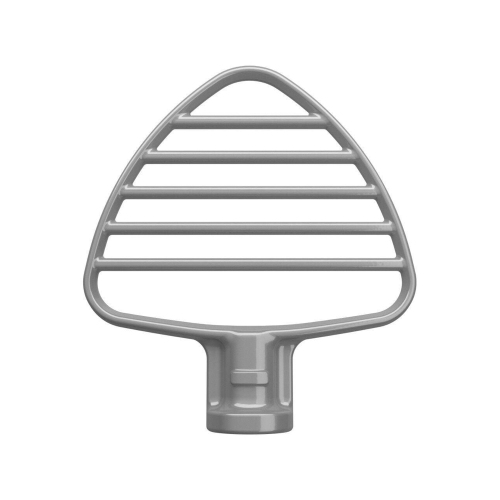
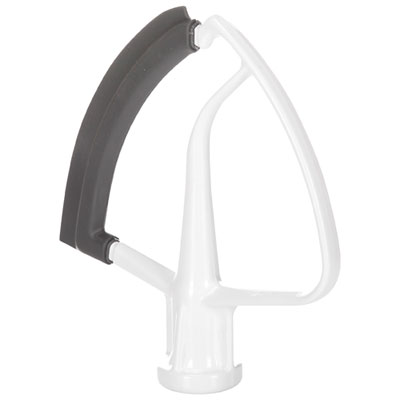
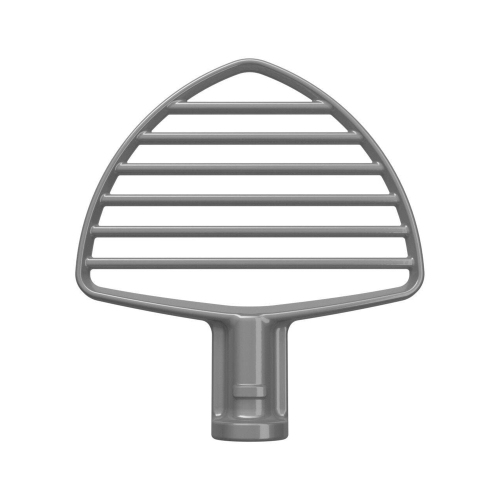
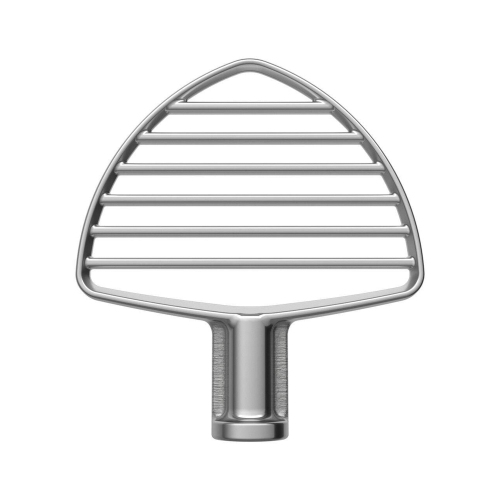
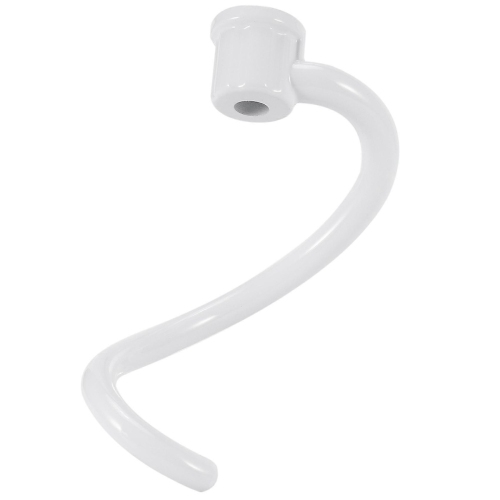
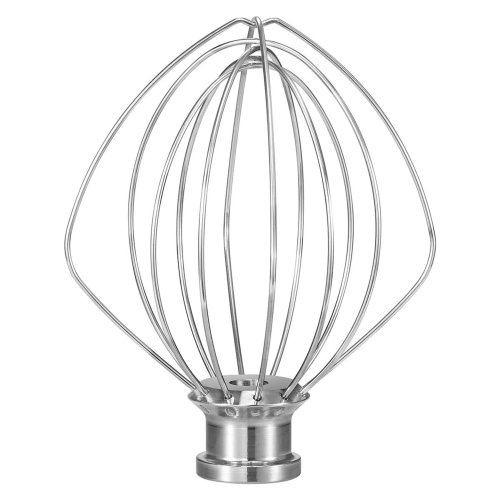
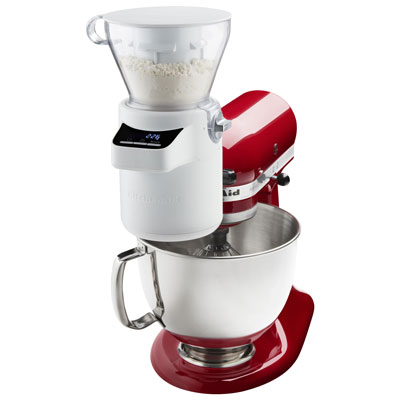
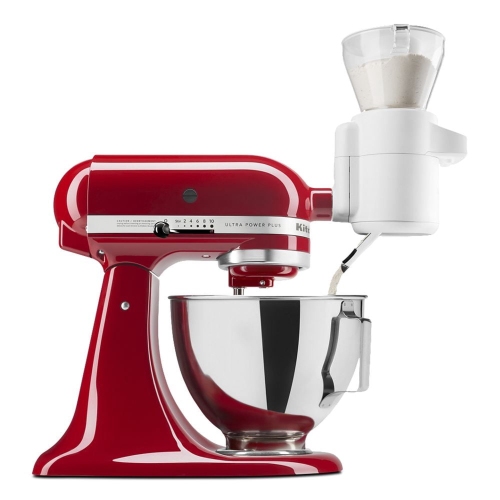
Baking attachments for stand mixers bring different mixing actions to everyday recipes, from folding together a soft cake batter to kneading a firm bread dough. The main attachment types include flat beaters for general mixing, wire whisks for incorporating air, dough hooks for kneading, and specialty beaters designed for tasks such as cutting cold butter into flour. Each serves a different purpose, so the most useful assortment depends on what gets baked most often. A flat beater suits many cookie doughs, buttercreams, and cake mixtures, where ingredients need to come together evenly without the intensive kneading used for bread. A wire whisk helps create volume in whipped cream, egg whites, and other lighter mixtures, while a dough hook works a flour-and-water mixture into the elastic dough needed for many loaves, rolls, and pizza bases. Flexible-edge beaters add a scraping edge that can help move ingredients away from the bowl wall, although some recipes still need an occasional pause for scraping. Pastry-style beaters focus on distributing butter through flour, a useful action for biscuits, scones, and pie pastry where small pieces of fat contribute to texture. These differences matter in familiar kitchen moments: a thick chocolate-chip cookie dough needs a different approach from a delicate meringue, and a smooth cheesecake filling presents a different mixing task from a stretchy bread dough. Choosing attachments around those recurring recipes makes their purpose clear and helps avoid relying on one tool for every consistency. Some baking accessories extend beyond mixing to tasks such as sifting dry ingredients or weighing them as they are added, depending on the accessory design and mixer compatibility. Together, these options support bakers who enjoy preparing recipes from scratch, whether that means a simple batch of muffins for packed lunches or several components for a celebration cake. Their value lies in matching the action to the mixture, with less hands-on stirring and more consistent handling of ingredients.

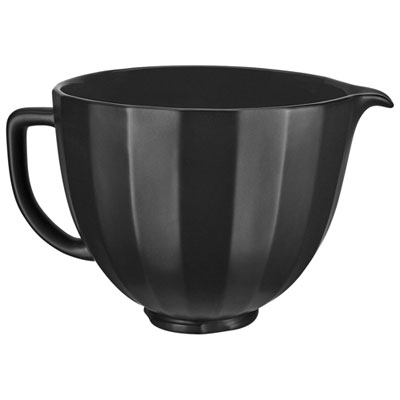
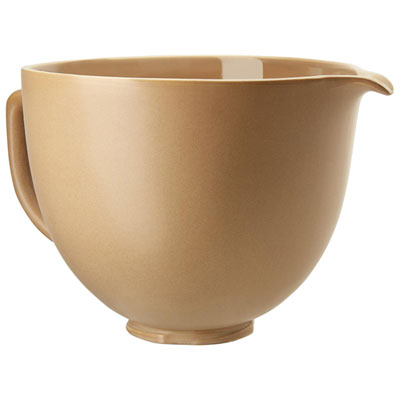
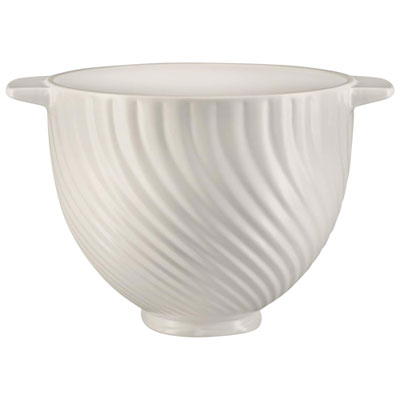
Fit is central to choosing stand mixer baking attachments because a similar appearance does not establish compatibility. The mixer’s exact model, its bowl size and shape, and whether it uses a tilt-head or bowl-lift design all help determine which attachment fits correctly. Even attachments intended for the same general mixing task may differ in length, width, or connection details. A beater needs suitable clearance within the bowl to move ingredients effectively without striking its surface, while a dough hook must be appropriate for the machine and its intended dough capacity. Bowl capacity alone is not a reliable substitute for checking the stated model compatibility. When coordinating attachments with KitchenAid Bowls, the bowl and attachment both need to suit the mixer rather than simply look proportionate together. This becomes especially relevant when replacing an original beater, adding a second bowl, or choosing a gift for someone whose mixer has been in use for years. Materials also influence handling, cleaning, and long-term wear. Depending on the design, attachments may use stainless steel, coated metal, uncoated metal, or flexible food-contact edges. Stainless steel can provide a sturdy working surface, while coated designs rely on an intact finish and care suited to that coating. A flexible edge serves a different role from a rigid metal blade, helping sweep along the bowl wall rather than providing the same contact pattern as a traditional flat beater. Wire construction matters for whisks because the wires need to retain their shape to move through mixtures as intended. These material differences are worth considering alongside the recipes themselves: dense dough places different demands on an attachment than whipped cream, and frequent baking brings more repeated handling and washing than occasional use. Performance also depends on batch size. A very small quantity may sit below the working area of an attachment, while an oversized batch can exceed the mixer’s recommended limits. Appropriate fit, capacity, and attachment choice work together; no single feature replaces the others.

Care and storage help baking attachments remain dependable through repeated batches. Cleaning requirements vary by material and construction, so dishwasher suitability needs to be confirmed for each attachment rather than assumed across an entire set. Some designs are dishwasher-safe, while others require handwashing to protect their finish or prevent discolouration. Prompt cleaning helps keep dried batter and dough from hardening around joints, wires, or flexible edges, where residue can be more difficult to remove later. Soft cleaning tools are generally gentler on coated surfaces than abrasive pads, and thorough drying helps keep attachments ready for their next use. Whisks benefit from storage that protects their wires from being crushed beneath heavier utensils; coated beaters are better protected when they are not knocking against other metal tools in a crowded drawer. Flexible scraping edges also need space to retain their shape. Over time, visible changes such as a damaged coating, bent wires, or a torn scraping edge can affect whether an attachment remains suitable for food preparation. Durability is therefore a combination of construction, appropriate use, and routine care, not simply the weight of the metal. For households that bake regularly, a second compatible beater or whisk can make multi-part recipes more convenient, allowing cake batter, frosting, and a whipped topping to be prepared without repeatedly stopping to wash the same tool. For occasional bakers, a smaller selection matched to favourite recipes may be more practical than a large assortment with overlapping uses. Baking attachments can also make thoughtful gifts for a bread enthusiast, a home baker developing decorating skills, or someone who enjoys making cookies with family. The recipient’s mixer model and existing attachments are important details, since a useful addition should fit both the machine and the way it is used. A well-matched attachment earns its place through familiar tasks: creaming butter for a birthday cake, bringing together dough for homemade rolls, or whipping cream to finish a dessert. That connection between the tool and the recipe is what makes a baking attachment a practical part of a working kitchen.
Read More

FAQ

Some products may be subject to Environmental Handling Fees (EHF) depending on your province. Learn more about EHFs.