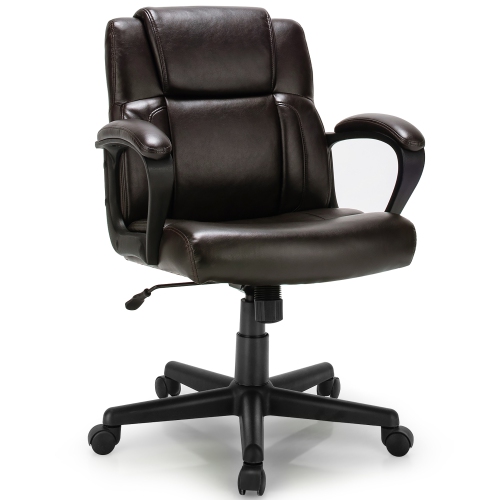
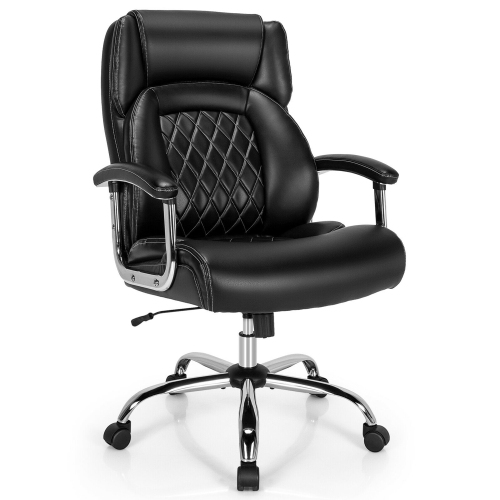
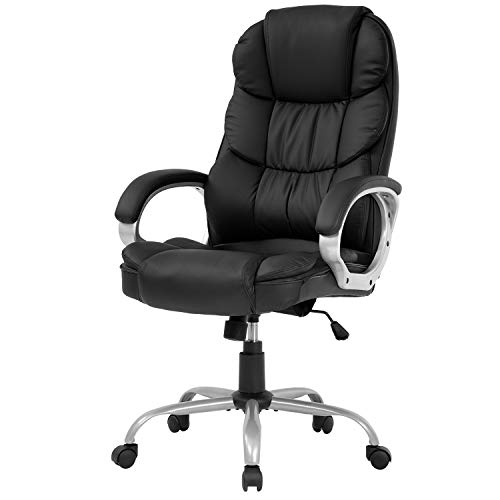
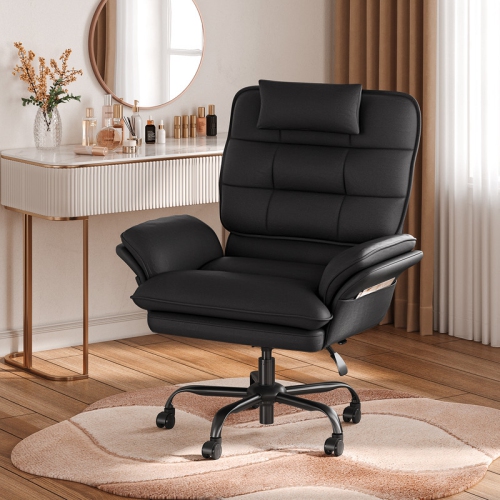
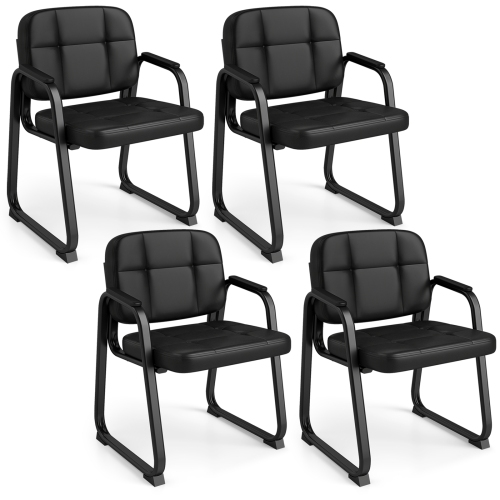
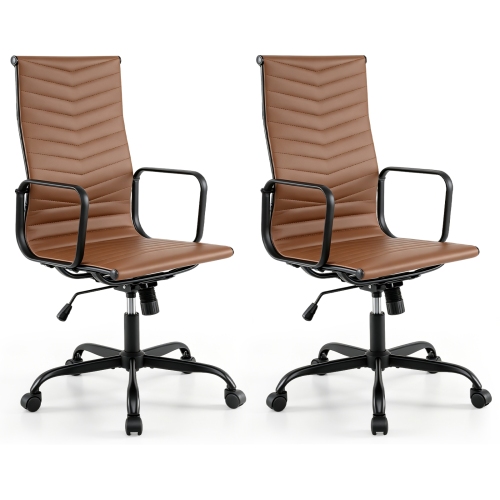
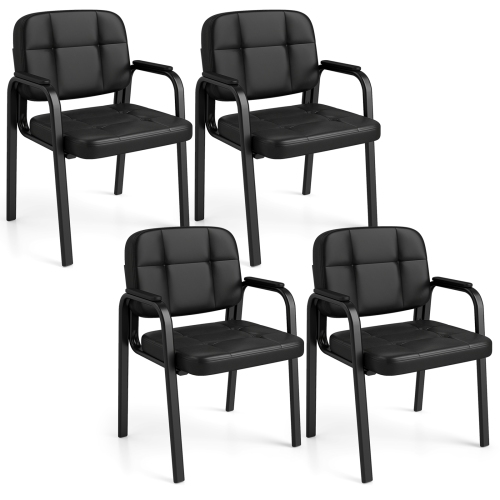
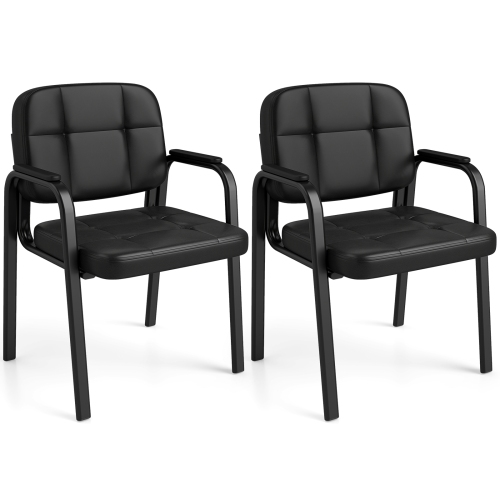
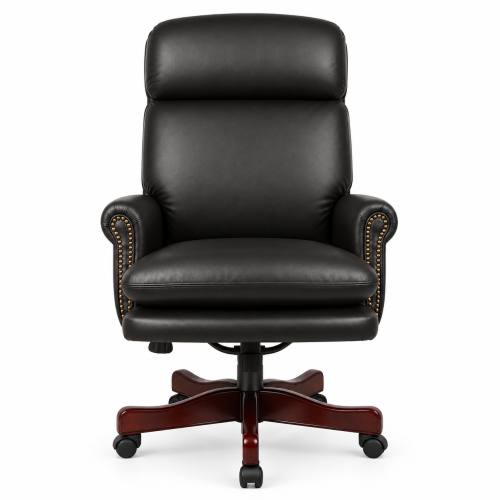
Leather Office Chairs with Arms

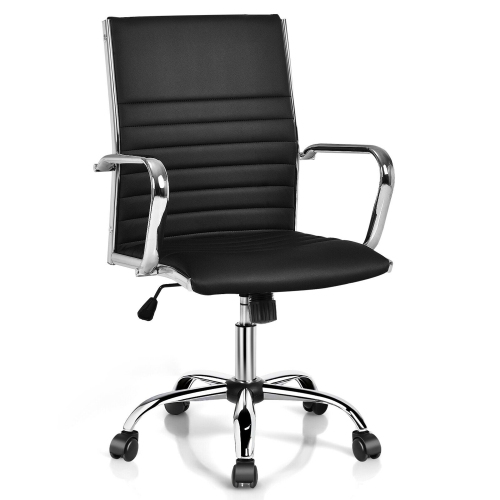
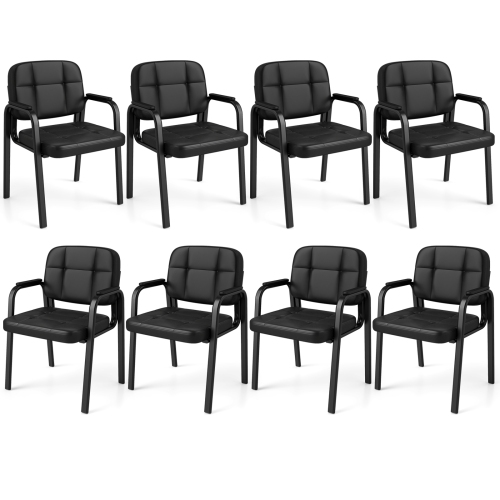
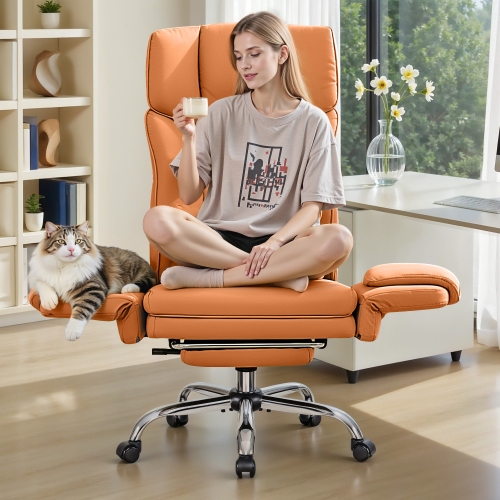
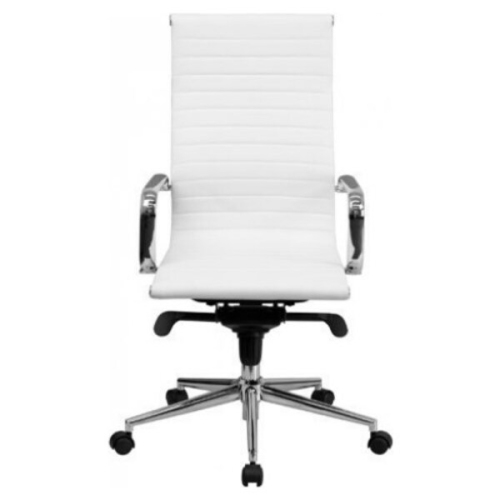
Browse leather office chairs with arms to find seating for your home office or workspace. When comparing options, consider chair dimensions, seat height, and armrest clearance to help you choose a chair that fits your desk and leaves enough room to move comfortably.

Sort

Why leather chair comfort goes beyond the cushions

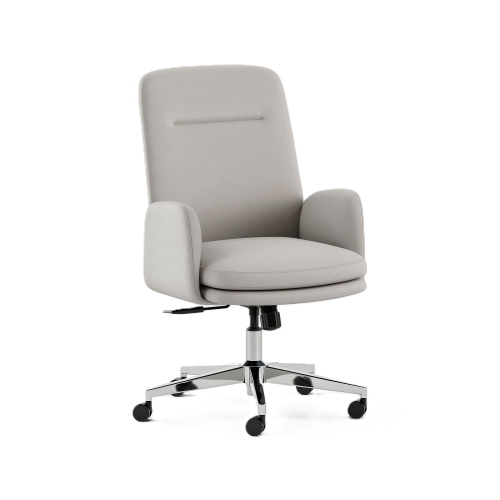
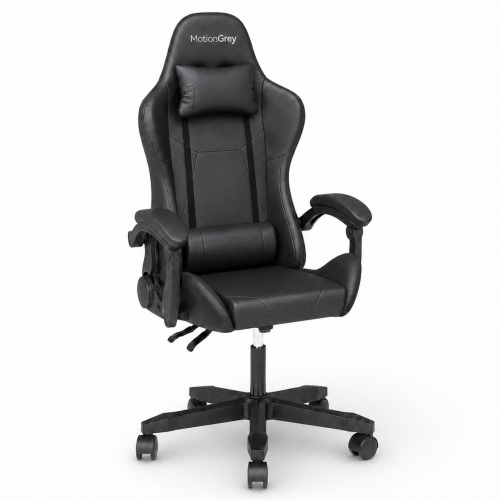
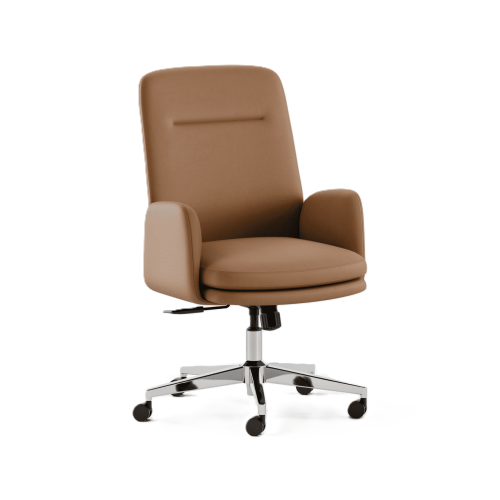
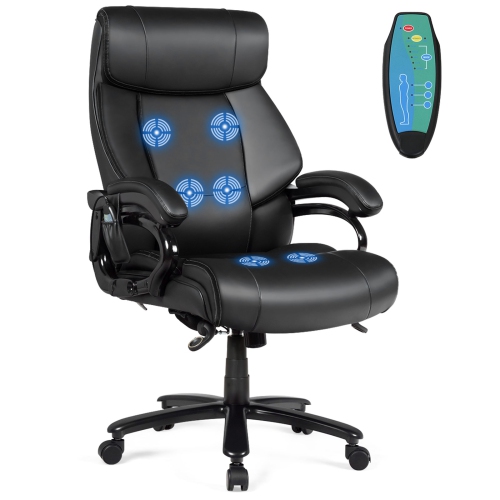
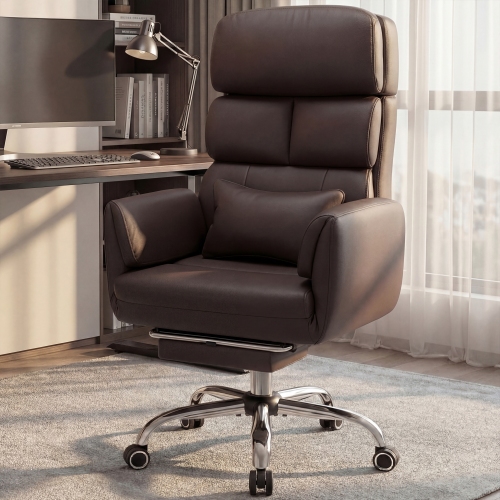
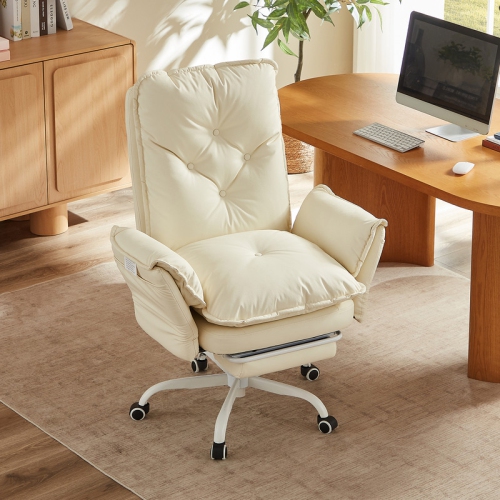
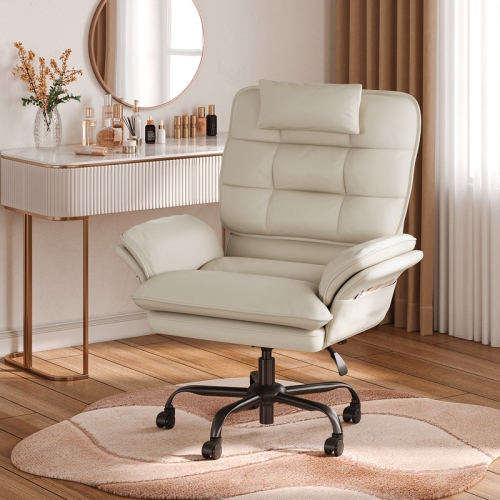
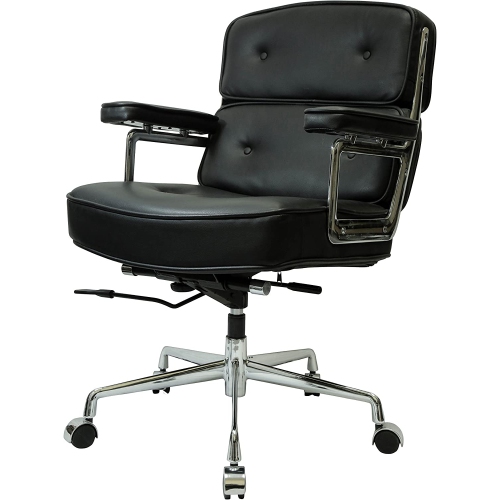
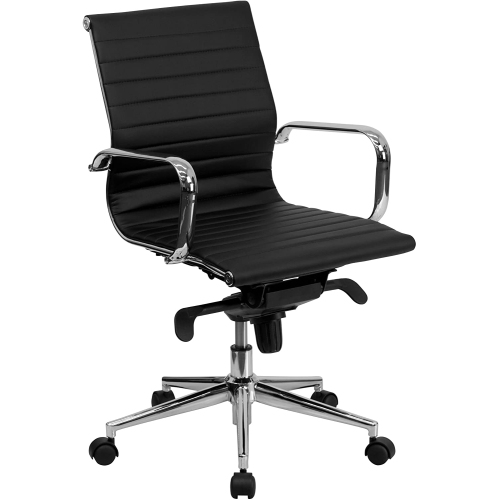
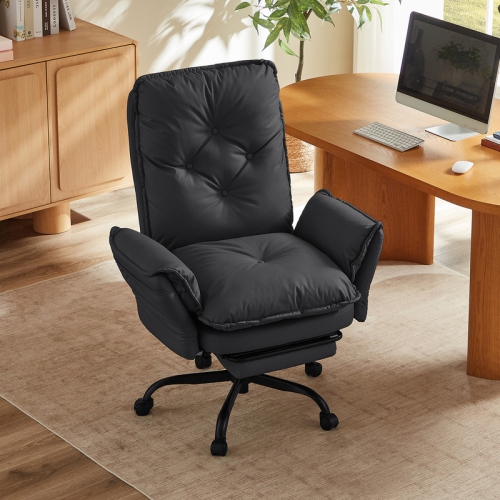
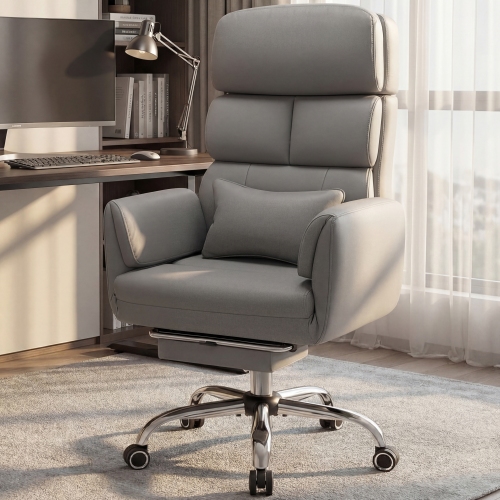
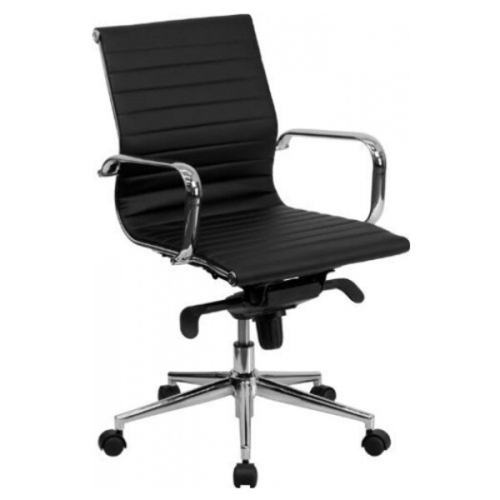
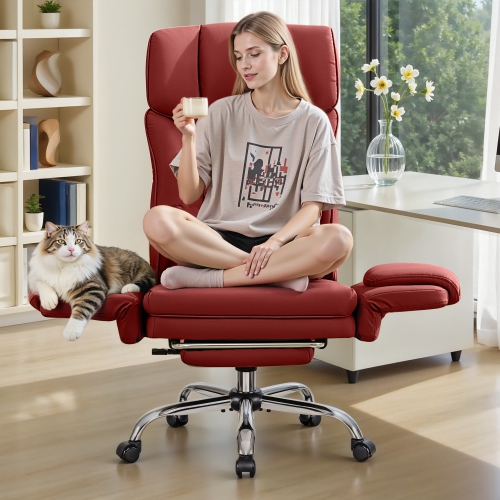
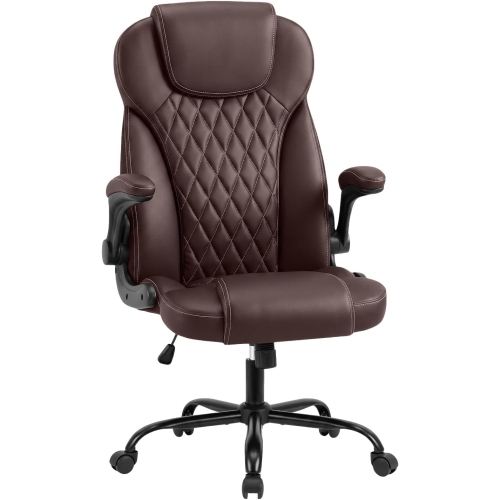
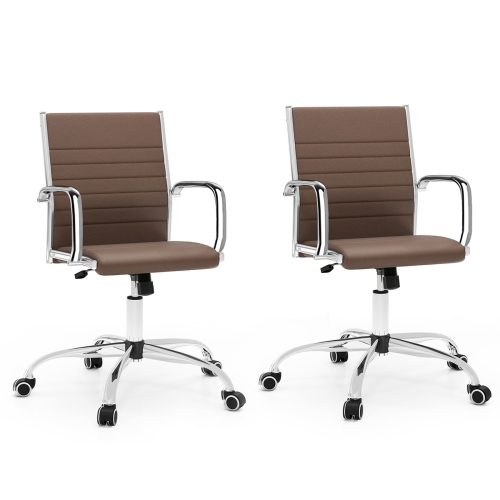
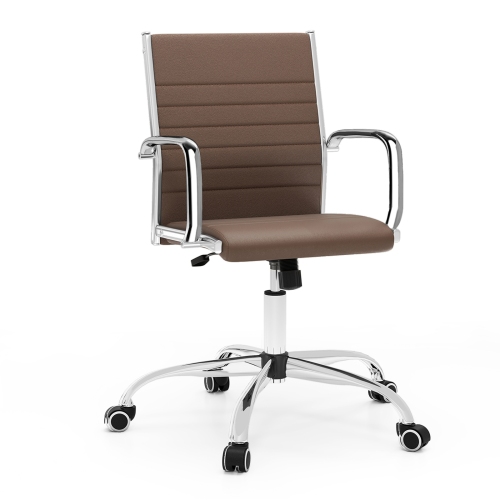
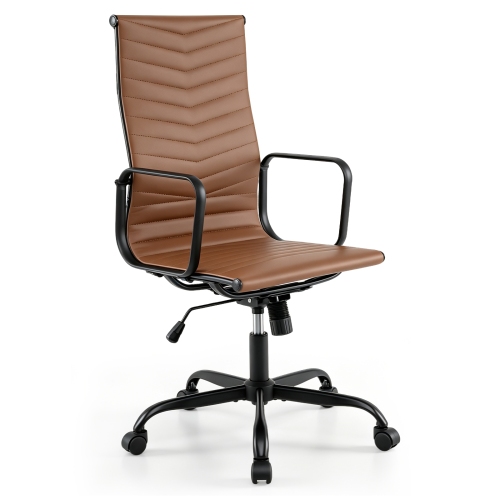
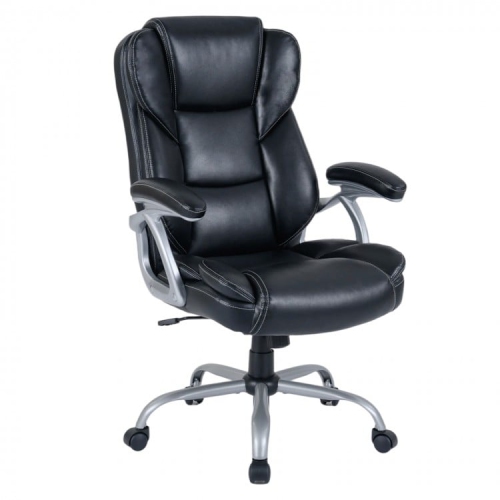
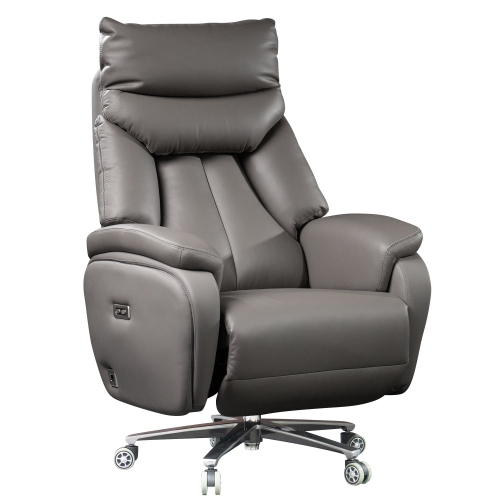
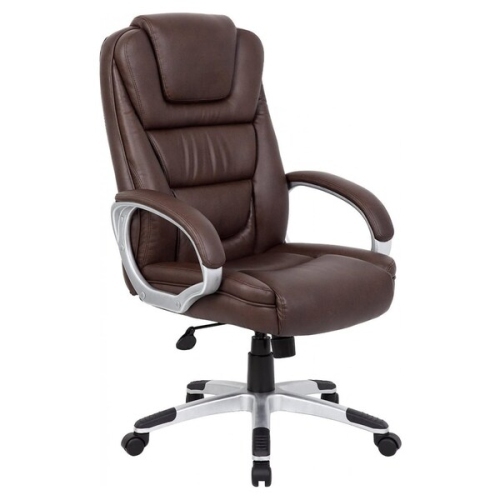
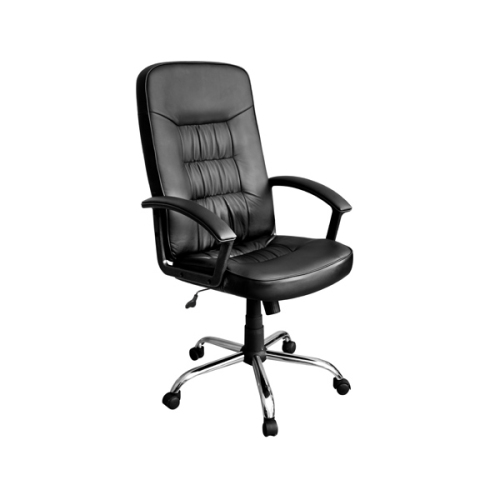
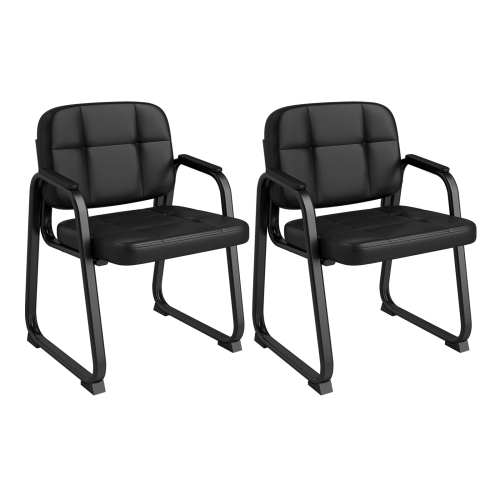
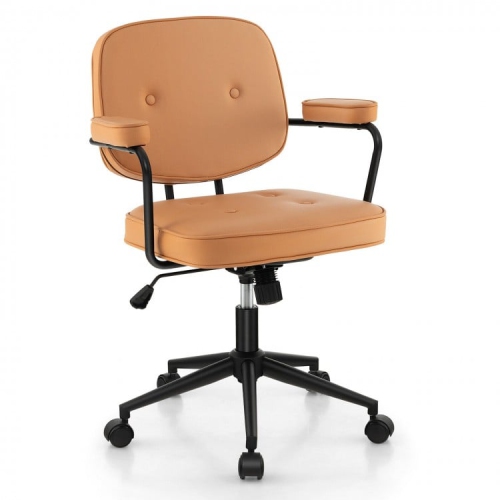
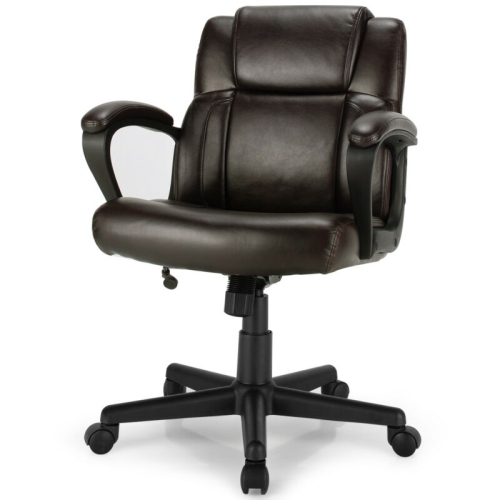
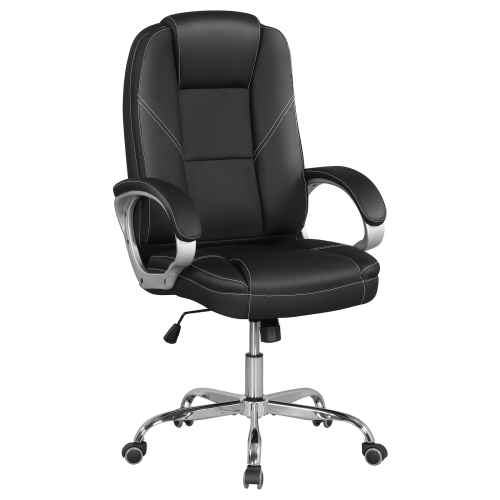
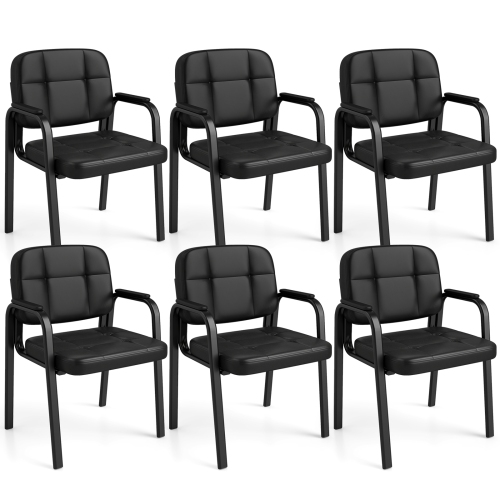
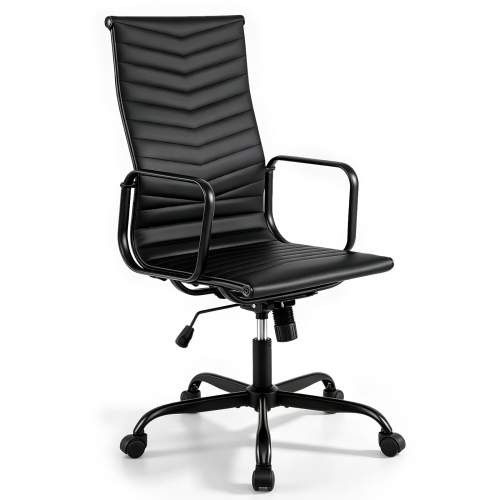
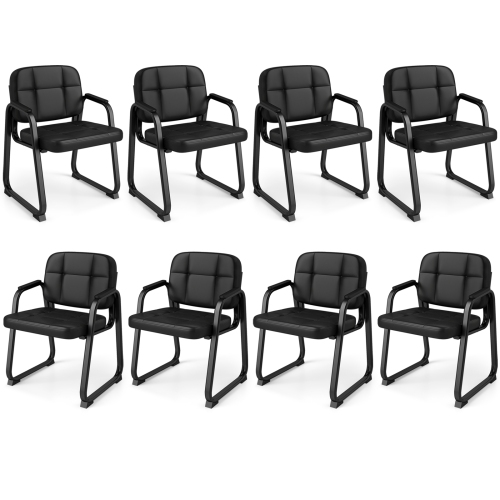
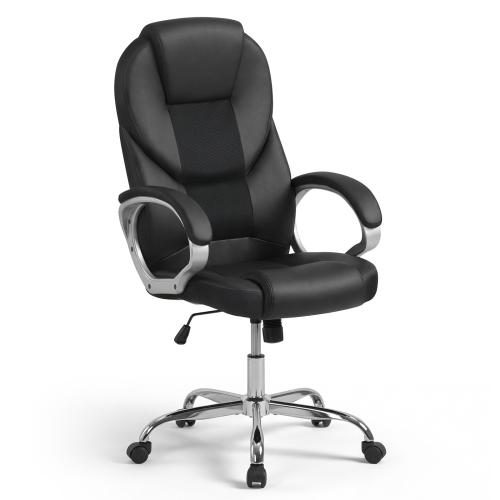
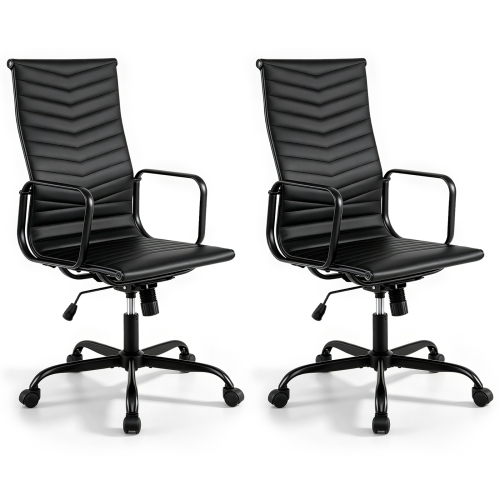
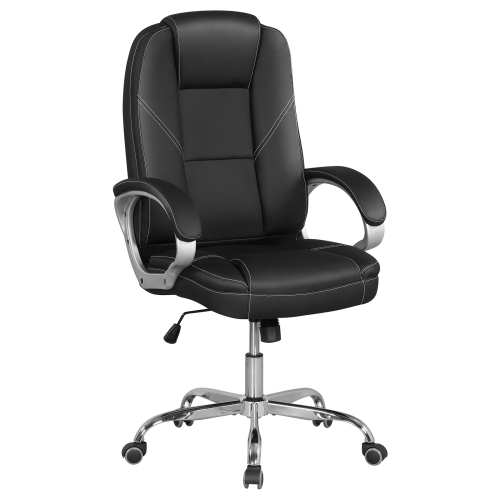
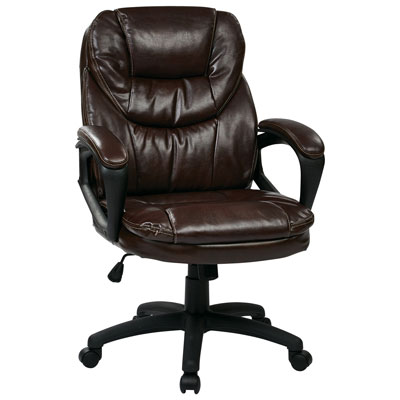
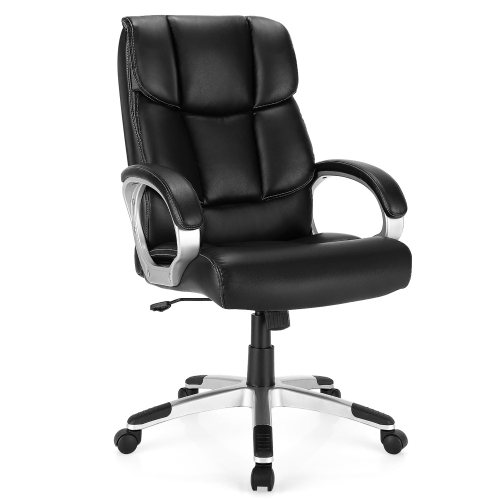
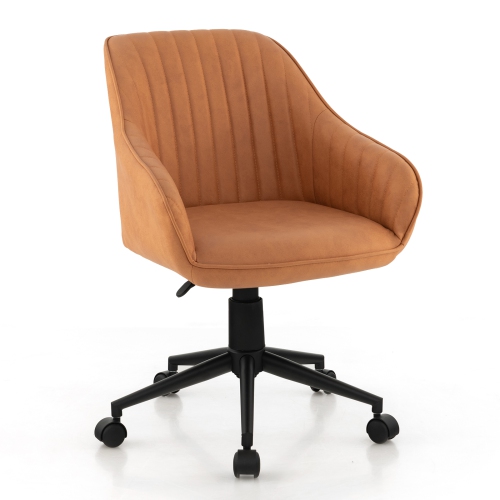
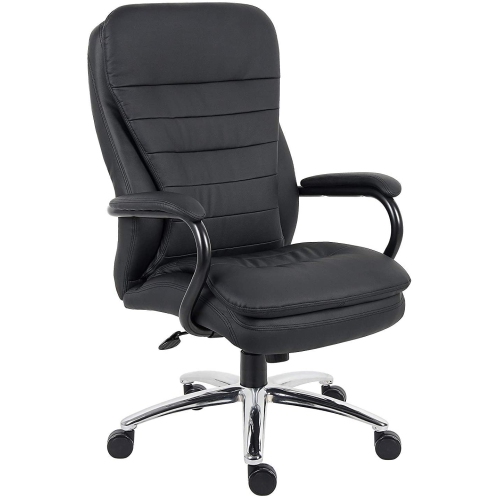
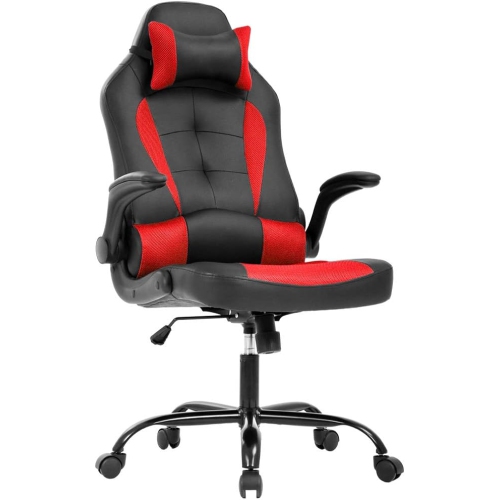
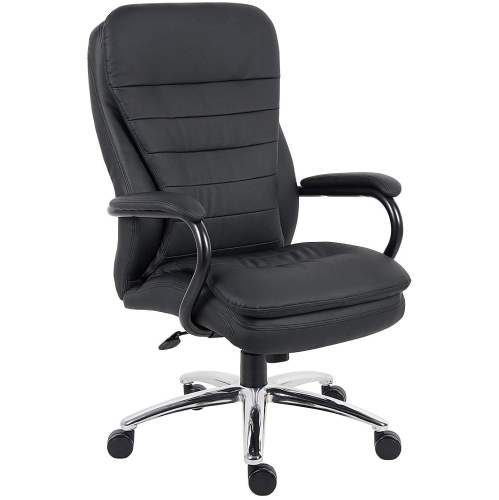
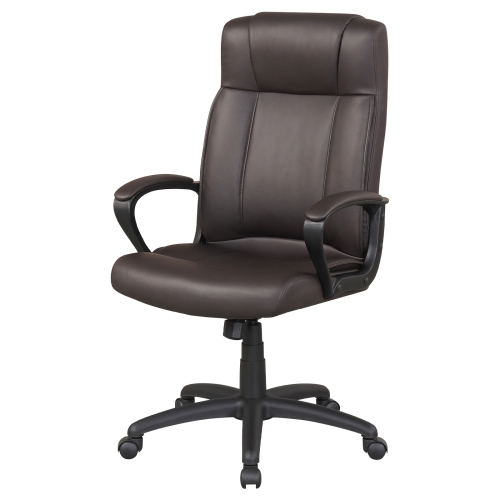
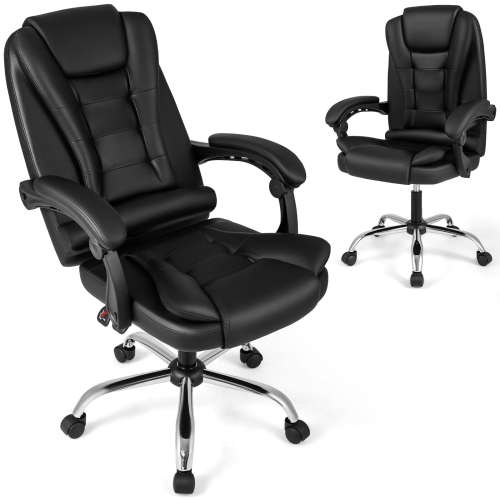
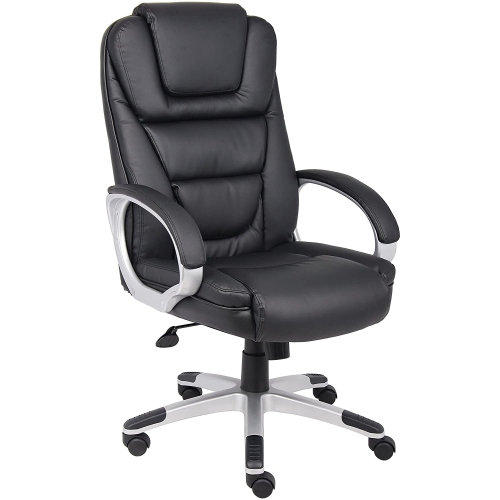
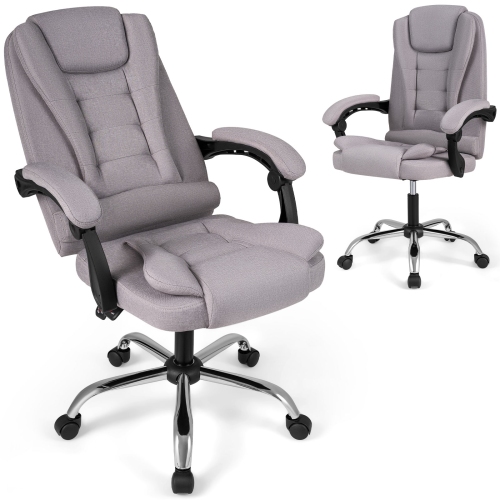
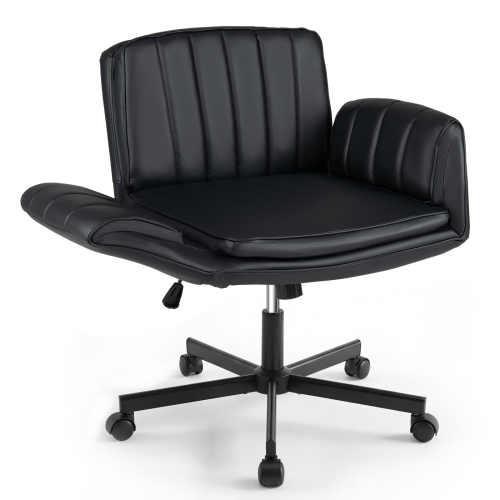
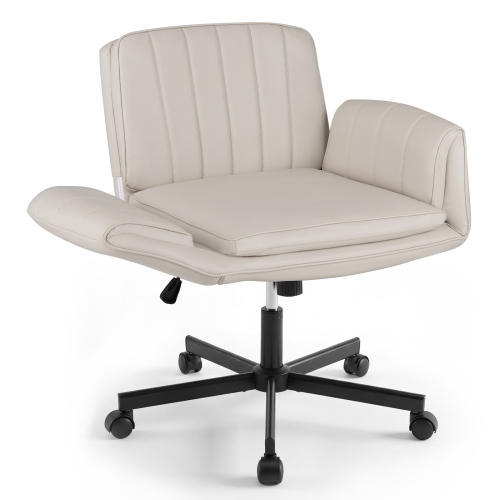
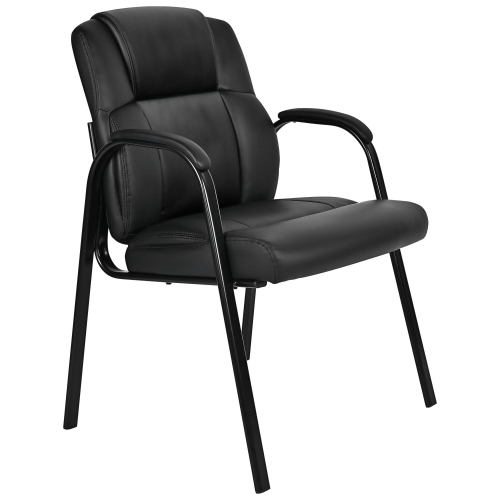
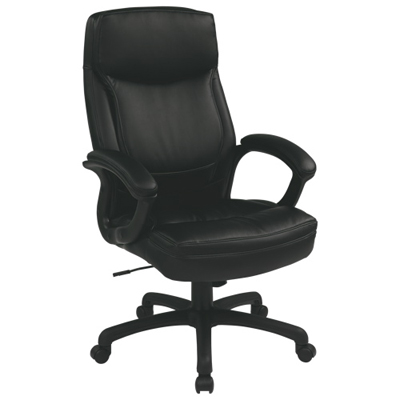
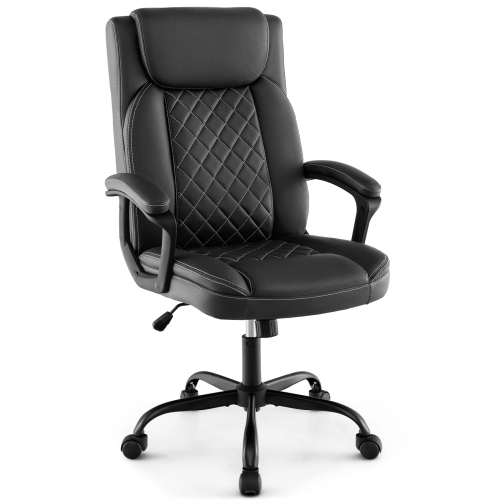
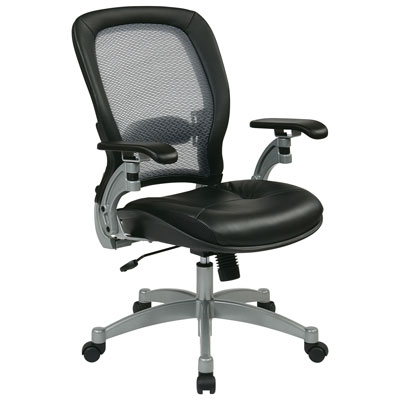
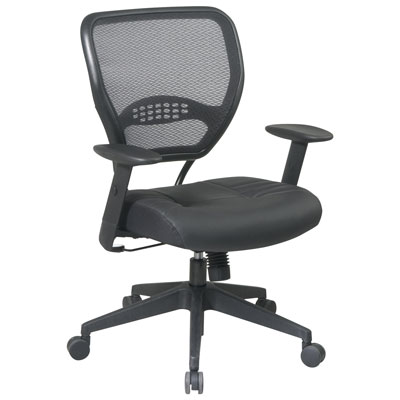
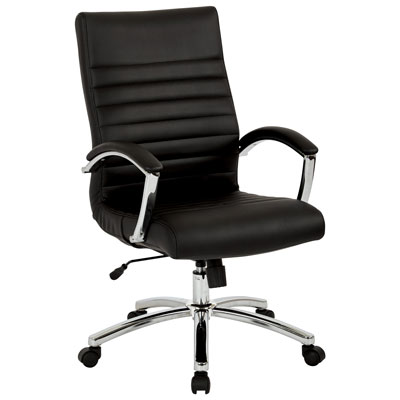
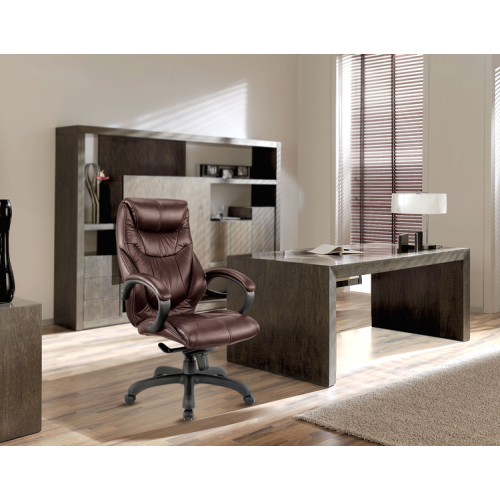
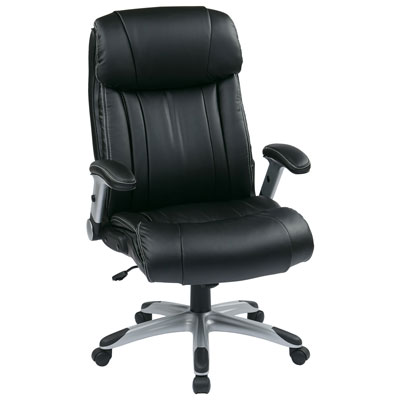
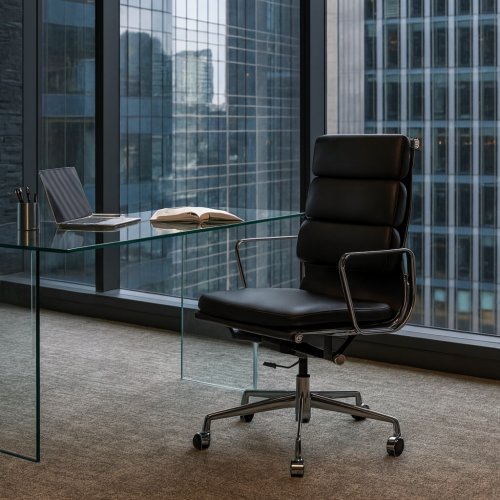
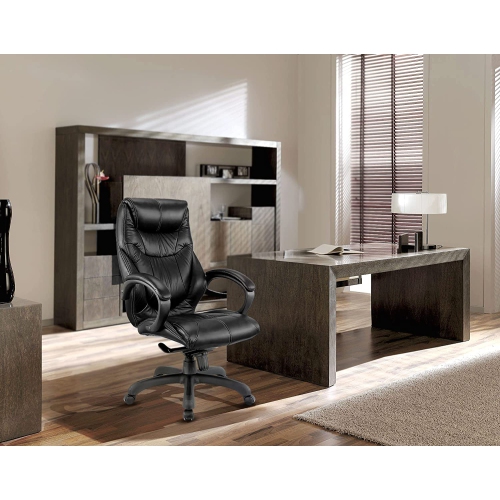
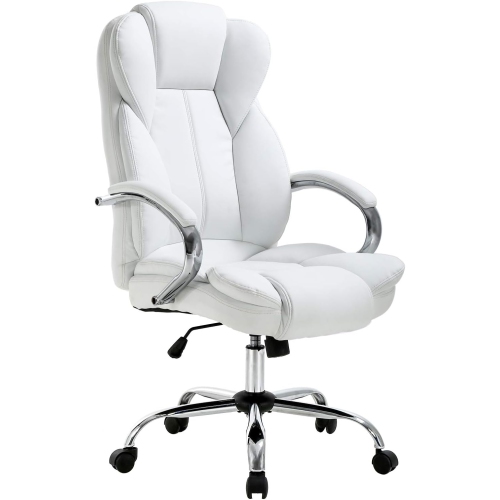
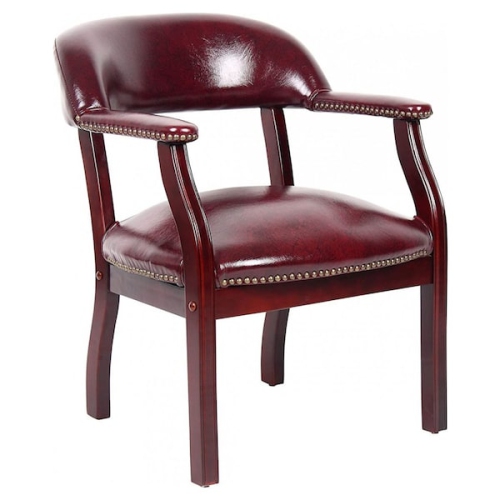
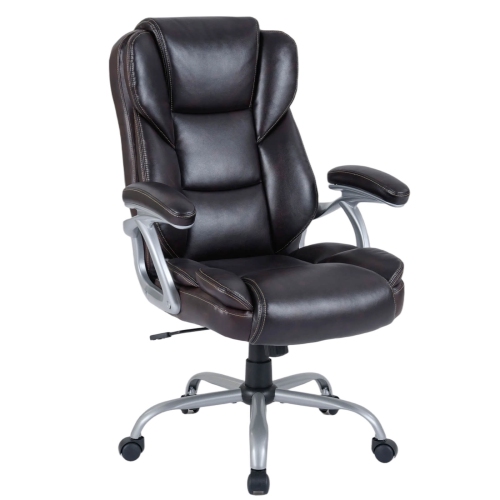
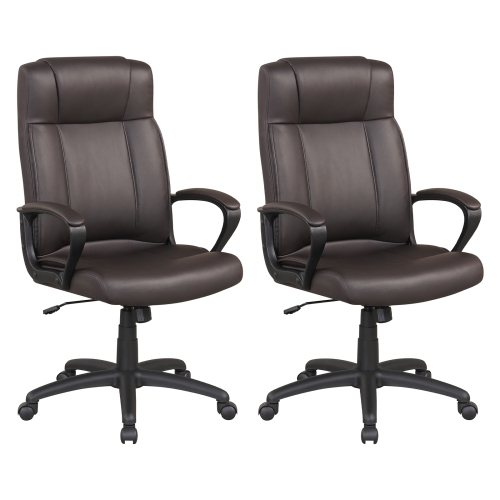
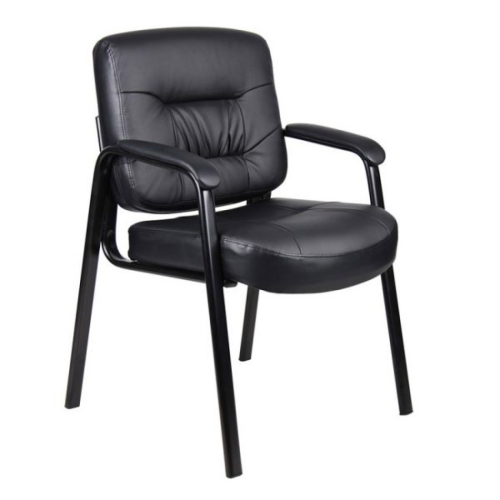
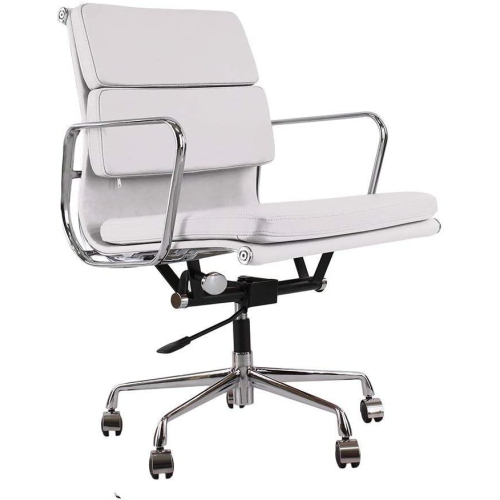
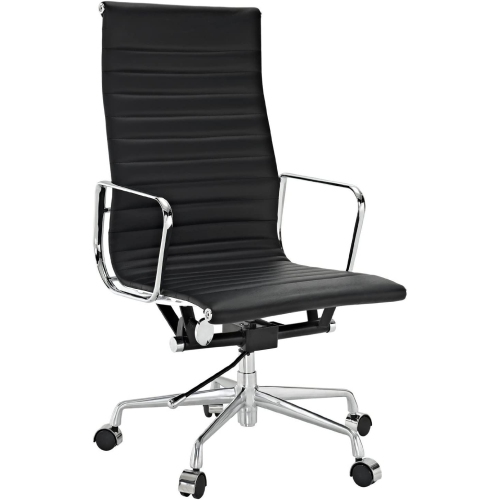
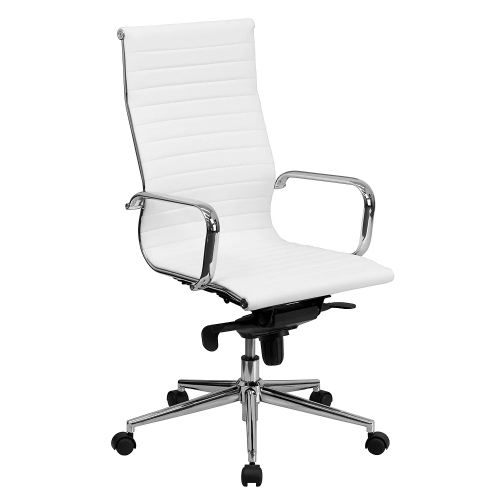
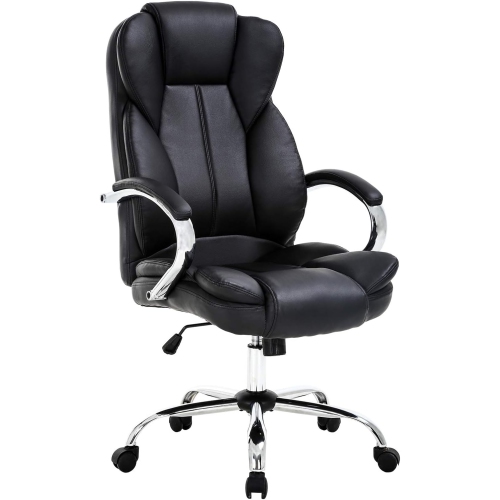
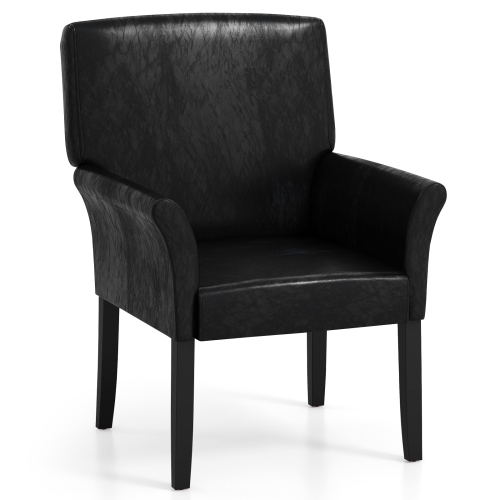
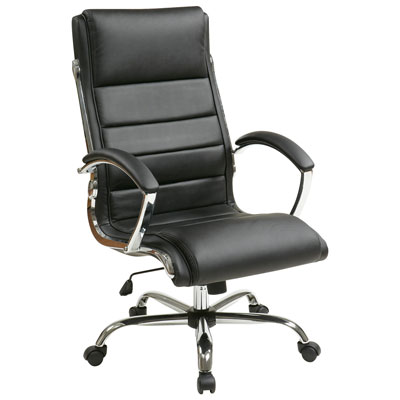
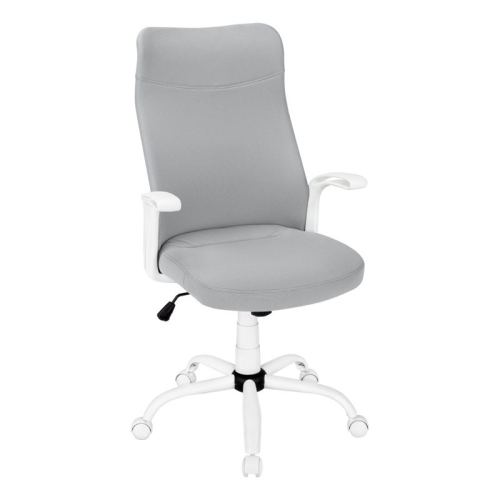
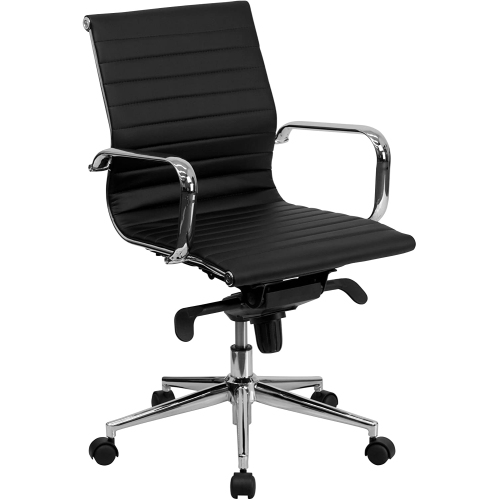
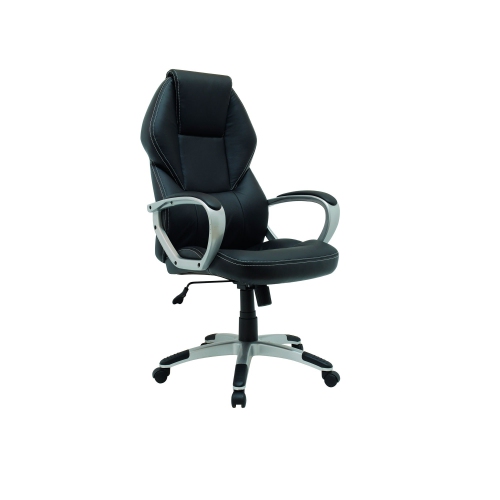
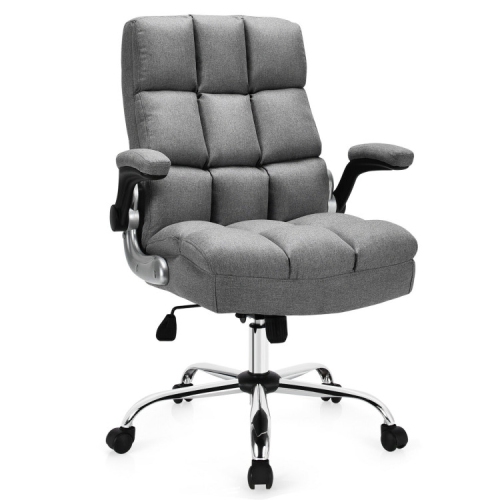
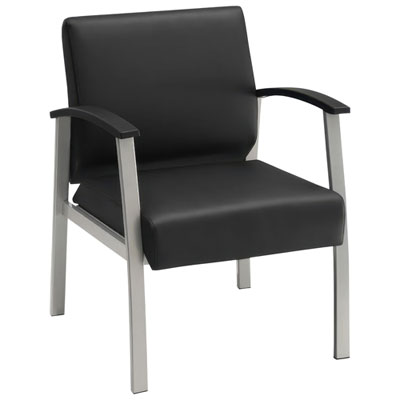
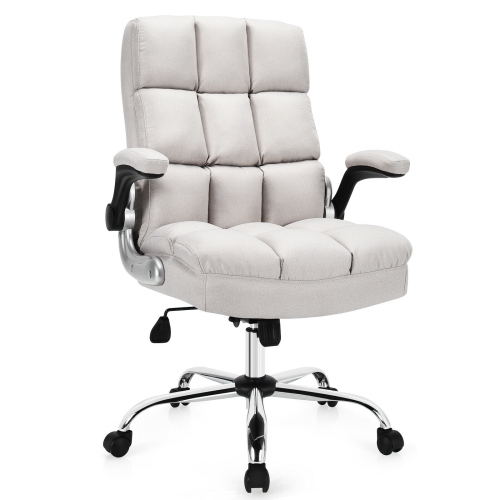
Leather office chairs with arms combine a familiar upholstered look with a place to rest the forearms between typing, reading and conversations. They suit a range of workspaces, from a compact desk in a shared living area to a dedicated home office or private meeting room. A high back creates a more substantial silhouette and may provide upper-back support, while a mid-back design can feel less visually imposing beside a smaller desk. The upholstery makes just as much difference as the shape. Genuine leather has natural variations in grain and texture, and its appearance can develop with use, depending on the finish. Top-grain leather, split leather and other leather constructions differ in surface treatment and feel, so the material description matters more than the word “leather” alone. Bonded leather contains leather fibres combined with binding materials and a surface finish; it should not be assumed to wear or age like a continuous leather hide. Faux leather is a synthetic alternative rather than genuine leather, even when it has a similar grain pattern. Some chairs also combine leather seating surfaces with different materials on the sides or back. For shoppers comparing upholstery coverage, Full Leather Office Chairs offers a related category to explore, with individual material descriptions remaining important. Beyond composition, upholstery texture, seam placement and cushioning influence how a chair feels through everyday use. A smoother surface allows easy movement, while pronounced side bolsters or deep padding can create a more enclosed seat. Black and brown are familiar choices alongside wood desks and metal shelving, while lighter colours can soften the appearance of a workspace. Contrast stitching, upholstered arm pads and exposed metal details add character without changing the chair’s basic purpose. In a room used for both work and personal activities, the chair’s proportions and finish can help it sit comfortably alongside the rest of the furniture rather than dominate the space.

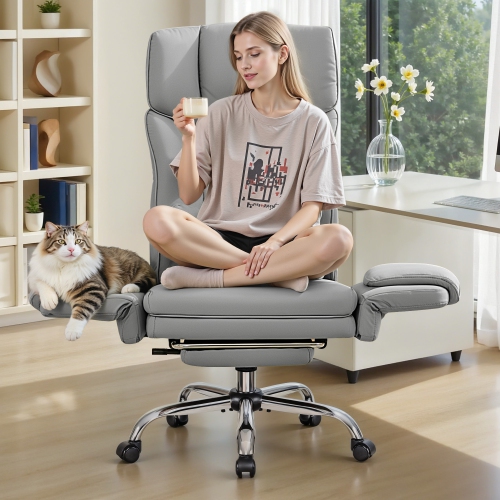
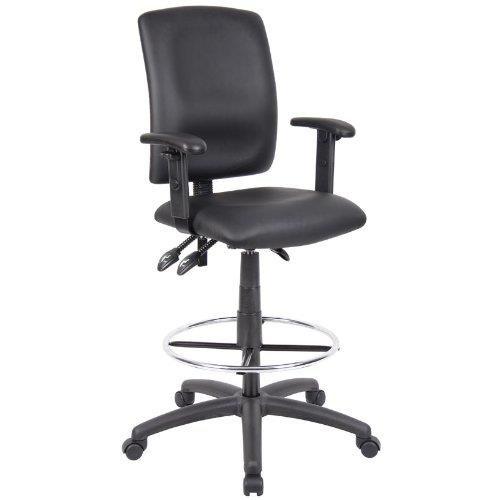
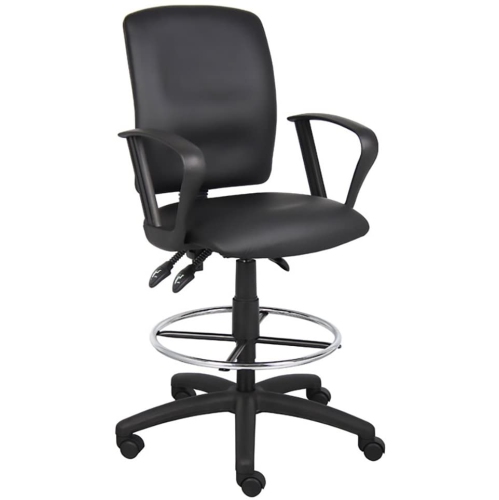
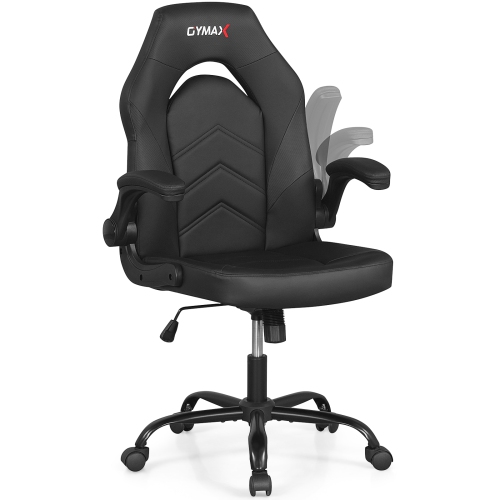
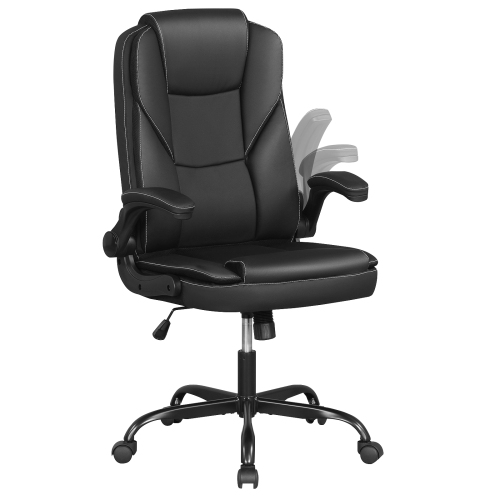
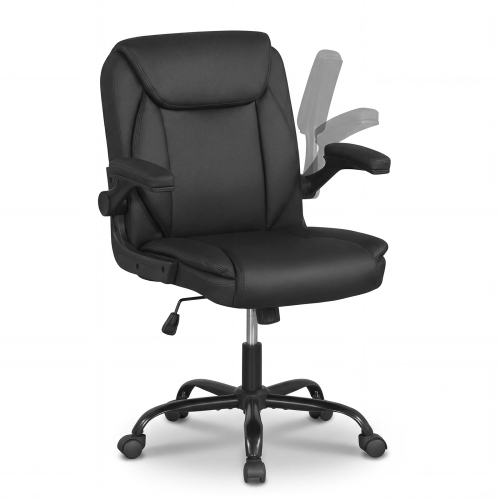
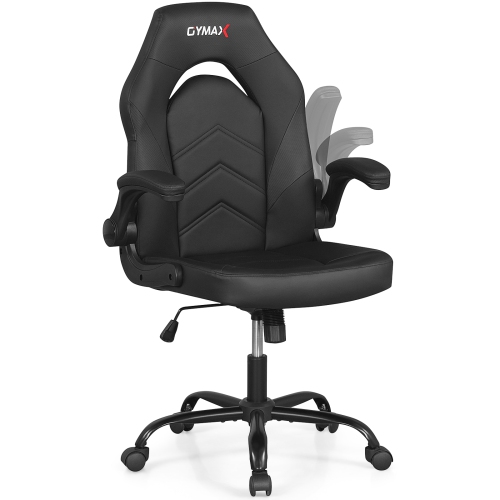
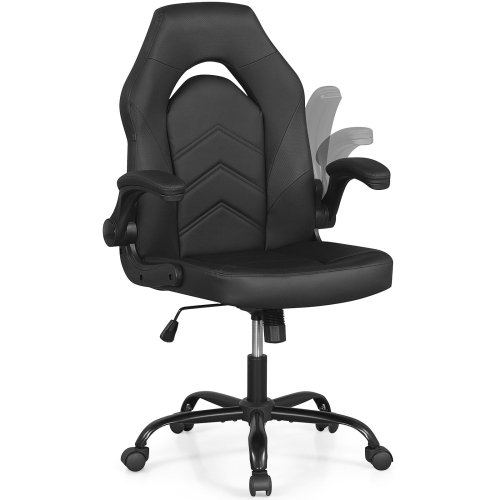
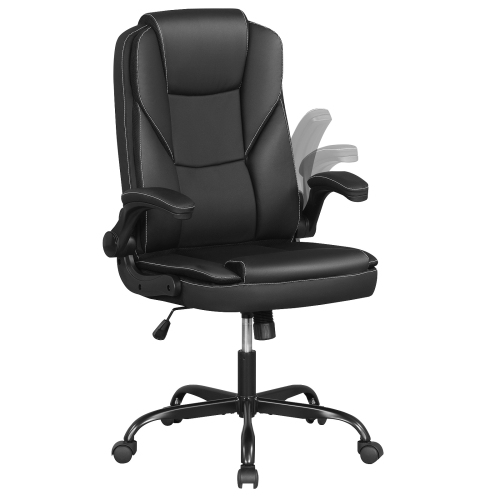
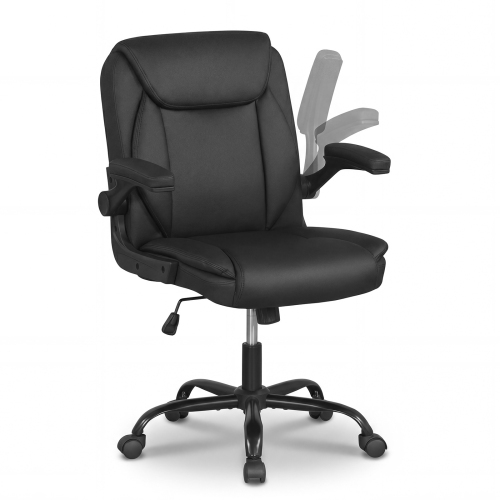
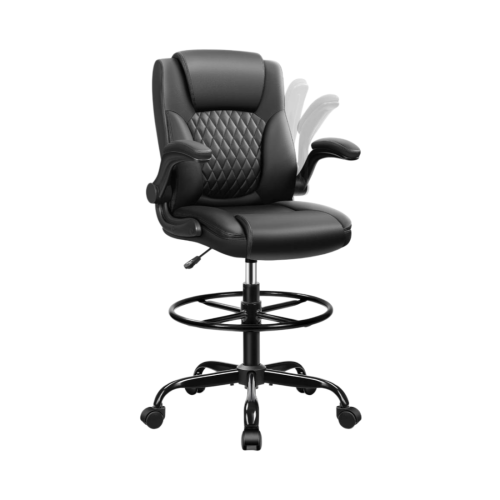
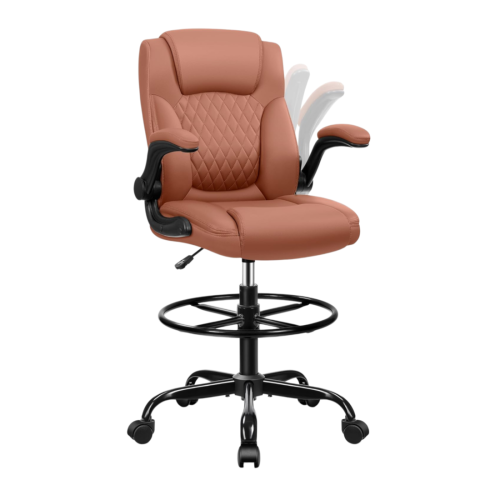
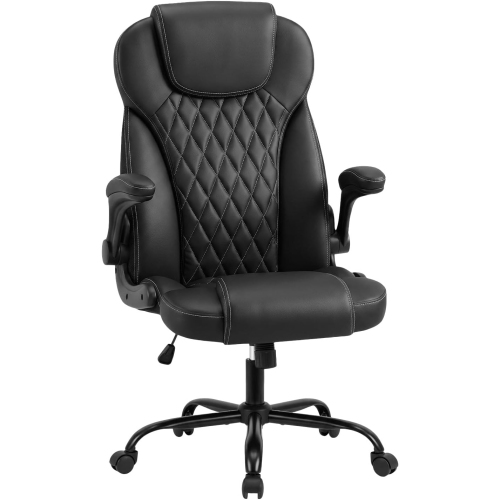
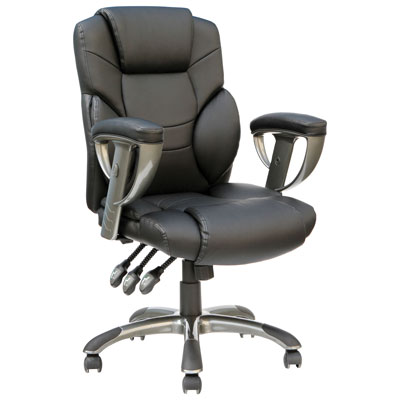
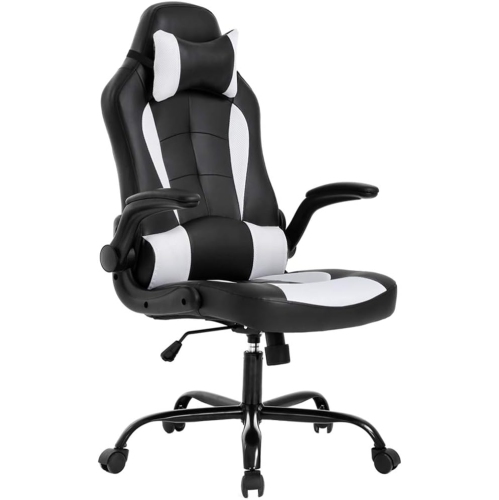
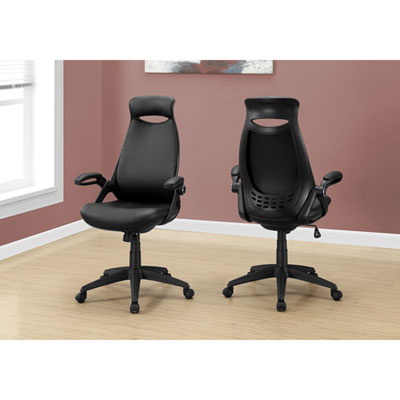
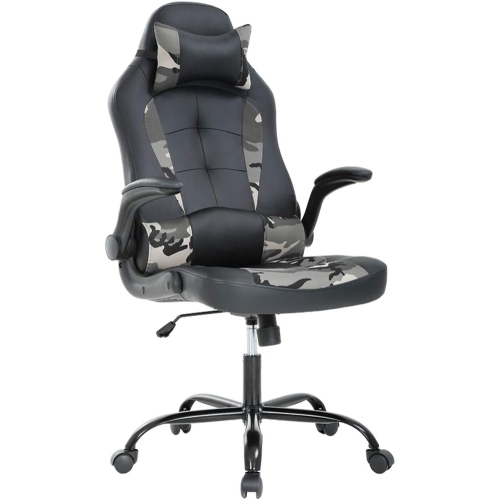
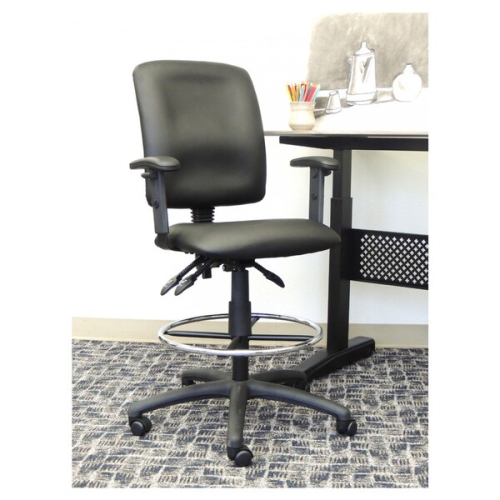
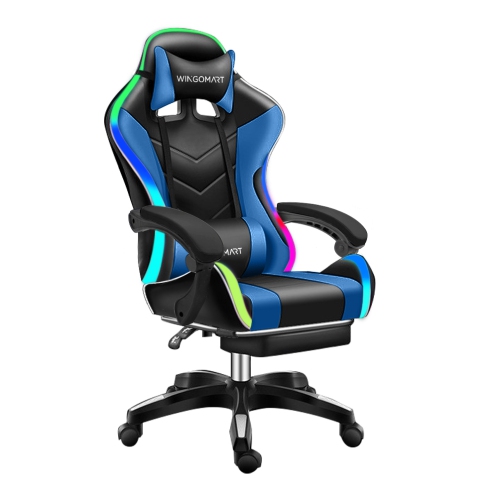
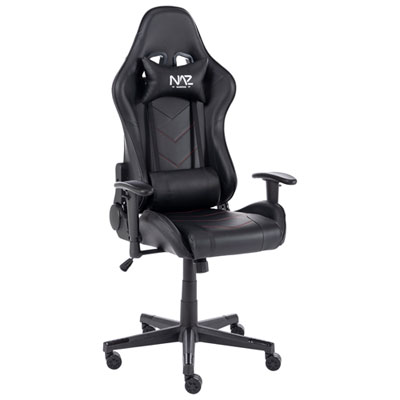
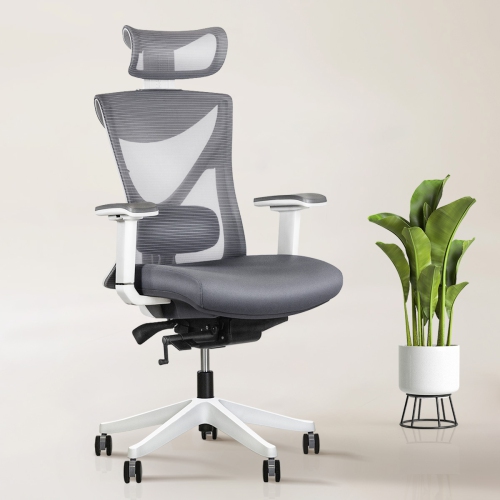
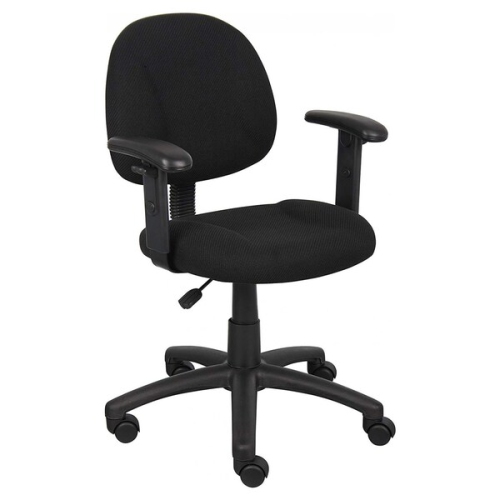
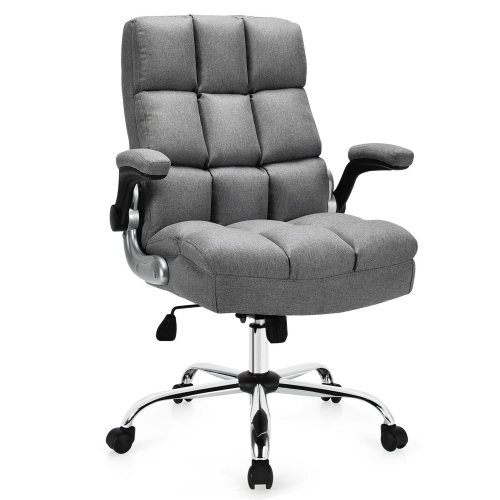
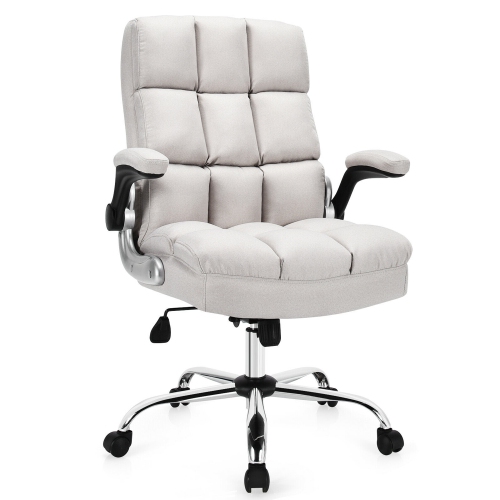
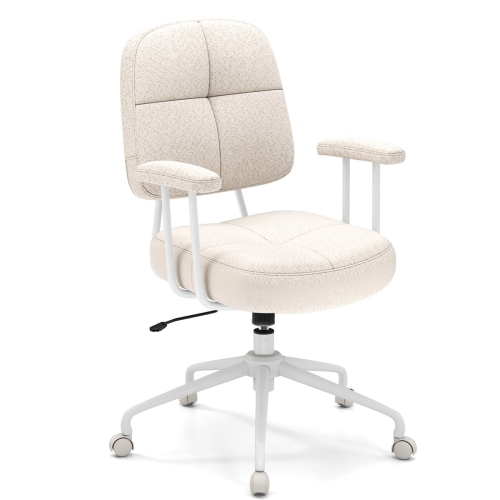
Comfort depends on how the chair fits the person and the desk, not simply on how thick the cushions look. Seat height should allow a workable relationship between the feet, knees and desktop; when a taller desk requires a higher sitting position, a separate footrest may help provide stable foot support. Seat depth matters because a long cushion can press against the backs of the knees, while a short one may leave the thighs feeling insufficiently supported. Seat width also needs to account for the space between the arms, particularly on designs with inward-curving supports or heavily padded sides. Armrests are useful during calls, reading and short pauses, but their height and position affect how closely the chair can approach the work surface. Fixed arms offer a consistent shape, whereas adjustable arms can provide more flexibility for different users and tasks. Flip-up arms can be practical where clearance is limited, although the chair’s overall width and back height still determine how neatly it fits beneath or beside a desk. Padded arm tops create a softer contact point, and their spacing should let the shoulders remain relaxed rather than lifted or pulled outward. For computer work, an arm position that allows the elbows to stay near the body can make it easier to keep the keyboard and mouse within comfortable reach. Backrest shape, lumbar support, tilt tension and recline settings also influence the sitting experience. A gentle change in angle may suit reading a document, while a more upright position may feel preferable for detailed keyboard work. Not every chair offers independent adjustment of these features, and a high back does not necessarily include an adjustable headrest. Shared workspaces benefit from adjustments that are straightforward to reach and reset. A chair used for occasional household paperwork may have different demands from one used through a full working day, but neither generous padding nor a formal appearance guarantees a suitable fit. Regular changes in position and breaks from sitting remain useful parts of a desk routine.

Construction and care help determine how well a leather office chair holds up to repeated use. The base, frame, arm attachments and adjustment mechanisms all contribute to stability, while the stated weight capacity provides an important limit rather than a general indication of comfort. A swivel base can make it easier to turn towards a nearby cabinet without twisting through the back, and suitable casters help the chair move across its intended flooring. Hard flooring and carpet place different demands on wheels; a compatible chair mat can protect the surface and make movement more predictable. In a smaller office, space behind the chair matters as much as its listed dimensions, especially when reclining or rolling away from the desk. Daily wear often appears first at the front edge of the seat, the arm pads and other frequent contact points. Smooth stitching, secure upholstery and well-supported padding are useful details to assess, alongside the strength of the visible hardware. Care should follow the upholstery instructions, since a treatment intended for genuine leather may not suit bonded leather or a synthetic finish. Routine dusting with a soft cloth helps remove particles from seams and folds, and spills are best blotted promptly rather than rubbed into the surface. Excess water, abrasive cleaners and unapproved conditioners can damage some finishes. Pens, sharp clothing hardware and rough bag edges can also leave marks when pressed against the seat or arms. Periodic checks for loose fasteners or changes in how the chair rolls and reclines can help identify maintenance needs early. For a home-based professional, student or someone organizing a dedicated study space, the most useful chair is one that fits both the daily workload and the room. As a gift, an office chair is easier to choose when the recipient’s desk measurements, preferred adjustments and upholstery preferences are known. Those practical details turn an attractive piece of office furniture into seating that works naturally within an established routine.
FAQ

Some products may be subject to Environmental Handling Fees (EHF) depending on your province. Learn more about EHFs.