LG Steam Dryers

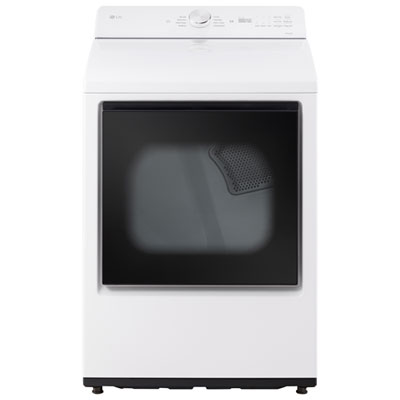
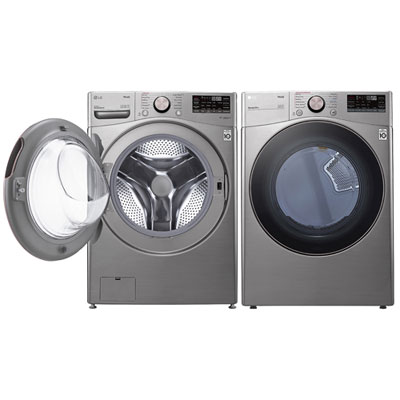
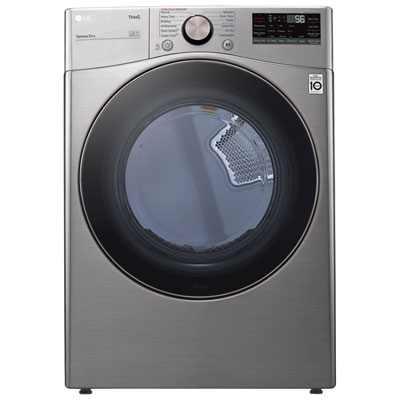
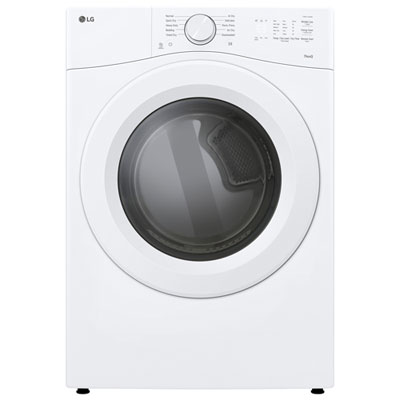
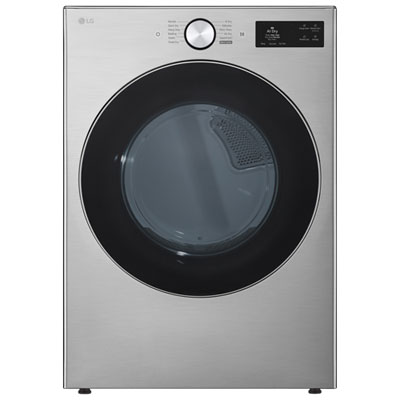
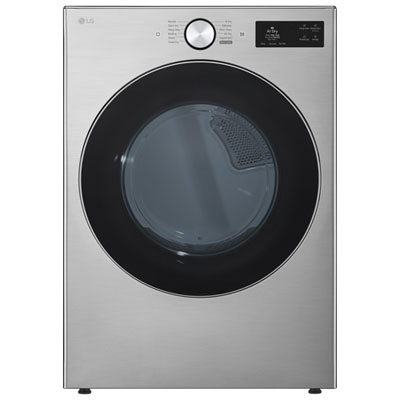
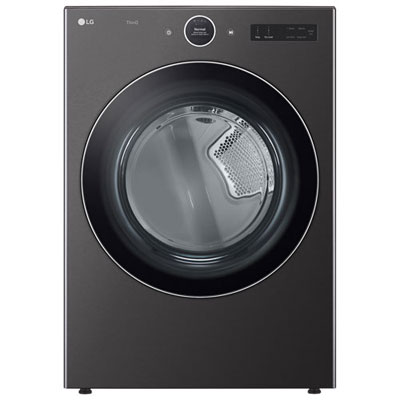
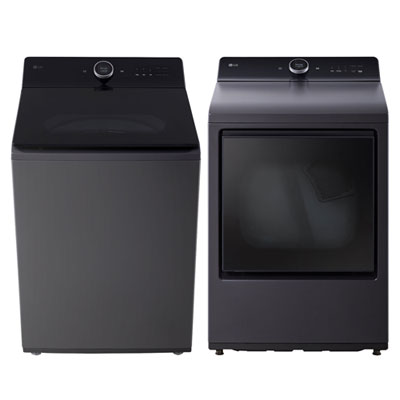
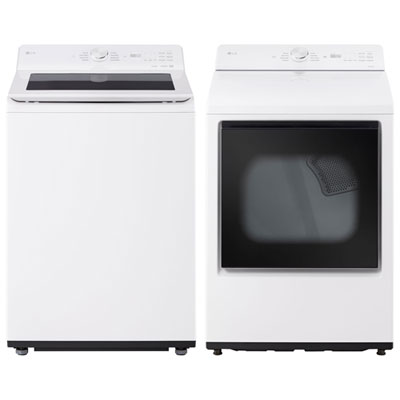
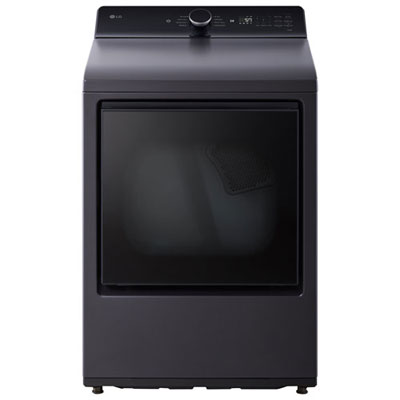
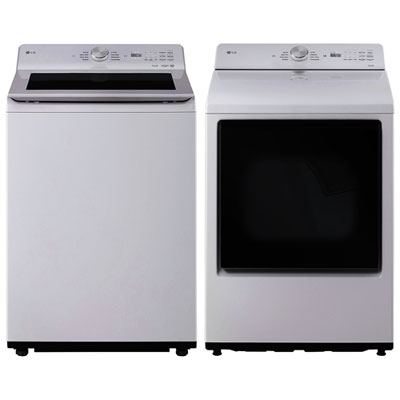
Shop LG steam dryers to find a fit for your laundry routine and space. Compare capacity, dimensions, steam cycle options, and installation requirements to narrow your choices, and check how each model’s steam features can help refresh clothes and reduce wrinkles.
Read More

Sort

How steam helps refresh fabrics and reduce wrinkles

Steam dryers bring an extra fabric-care option to an appliance used for everything from everyday clothing to household linens. Alongside conventional drying cycles, steam-equipped models offer selected settings that introduce moisture to help relax wrinkles and freshen suitable fabrics. That can be useful for a cotton shirt that has been sitting folded in a drawer, trousers creased during travel, or a lightly worn outfit that needs refreshing before its next wear. The result depends on the fabric, load size, and selected cycle; steam can make some garments easier to finish, but it does not guarantee an ironed appearance or replace washing when clothing is stained or soiled. For households balancing school uniforms, work clothes, towels, and bedding, the appeal is having more ways to handle different laundry needs in one drum. A refresh setting serves a different purpose from a full drying cycle, so the available programmes matter as much as the presence of a steam feature. Some models also offer options that periodically tumble a finished load to help limit wrinkles when unloading has to wait. These can be practical when a cycle finishes during dinner preparation or while someone is working in another room. Fabric care labels remain important: a garment that cannot tolerate tumble drying should not be treated as suitable simply because a steam option is available. Wool, silk, structured clothing, embellished fabrics, and specialty textiles may need a different care method. Steam cycle instructions also specify suitable fabrics and load sizes, which may be smaller than the dryer’s full capacity. Giving garments enough room to move helps the cycle work as intended, rather than packing the drum tightly and expecting moisture to reach every fold evenly. For someone who regularly touches up washable shirts or wants another way to manage creasing, steam can be a useful addition to an otherwise familiar laundry routine.

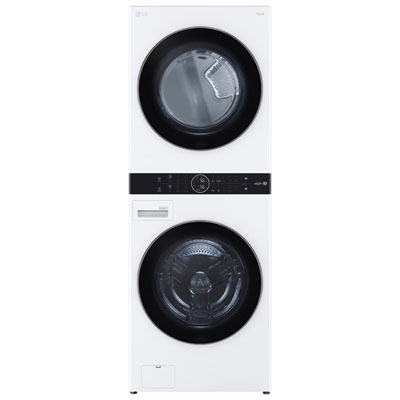
The right dryer also needs to suit the laundry space and the loads that pass through it. Drum capacity is particularly noticeable with sheets, bath towels, and bulky washable bedding, where room to tumble matters more than simply fitting everything through the door. A larger drum can accommodate more laundry, but filling it too tightly can leave fabric tangled, unevenly dried, or heavily creased. A capacity that complements the washing machine helps keep the routine manageable without routinely splitting a wash load into several drying loads. Comparing LG Dryers by dimensions, connection requirements, and cycle options helps distinguish the features that will make a practical difference at home. Cabinet width is only one measurement: depth, clearance behind the appliance, space for the door to open, and access through hallways or stairways all affect the fit. In a laundry closet, a protruding door or compressed exhaust duct can turn an apparently suitable appliance into an awkward installation. Stacking requires a compatible washer, dryer, and approved stacking kit; similar dimensions alone do not establish compatibility. A pedestal can raise the loading opening to a more comfortable height, though it also changes the overall height and reach to the controls. Electrical and gas models have different installation requirements, and a gas dryer still requires an electrical connection as specified by the manufacturer. Steam water arrangements also vary, so the required supply connection or filling method deserves attention before installation. For a vented dryer, the exhaust route must meet the appliance’s requirements, including permitted duct materials and routing limits. These details are especially relevant when replacing an older appliance in an existing space. A household with an upstairs laundry area may also place greater importance on operating sound, a secure installation, and controls that are easy to read without bending or reaching.

Everyday convenience comes from how well the controls and drying options match the fabrics in regular rotation. Sensor drying, where offered, uses moisture readings to help determine when a load has reached the selected dryness level. Timed drying provides a different kind of control, while lower-heat settings can suit certain fabrics when their care labels permit tumble drying. Neither approach removes the need to separate loads thoughtfully. A thick towel and a lightweight shirt release moisture at different rates, so drying similar fabrics together can produce more consistent results. Sheets benefit from room to unfold, and fasteners should be secured as directed to reduce snagging or tangling. Removable racks, when supplied or approved for a particular model, can support certain articles without tumbling, but their permitted uses depend on the appliance instructions. Drum materials and surface finish also contribute to daily care: a smooth, well-maintained interior gives clothing an unobstructed place to tumble, while damage or debris can catch delicate fabric. Pockets emptied of coins, screws, pens, and other loose objects help protect both clothing and the drum. Routine upkeep supports dependable operation, particularly in households running several loads each week. The lint filter needs cleaning as directed, and lint buildup in the exhaust system requires attention rather than being treated as an unavoidable part of drying. A load that takes noticeably longer than usual may point to restricted airflow, an unsuitable setting, or an overfilled drum. Steam water components need the care specified for the model, too. Connected features, where available, may provide cycle notifications or additional controls through a compatible device, but clear on-appliance settings remain useful for anyone sharing the laundry. Ultimately, a well-matched steam dryer combines suitable capacity, accessible controls, appropriate fabric settings, and a workable installation, with steam adding flexibility for garments that benefit from refreshing or wrinkle reduction.
Read More

FAQ

Some products may be subject to Environmental Handling Fees (EHF) depending on your province. Learn more about EHFs.