LG Dryers
Upgrade your laundry routine with an LG dryer that delivers reliable performance and modern convenience. Whether you’re outfitting a new laundry space or replacing an existing appliance, LG dryers offer the efficiency and style to suit any home. Explore a range of options designed to simplify your chores and keep your clothes looking their best. Find the perfect LG dryer to match your needs and enjoy a smoother, more efficient laundry experience.
Sort
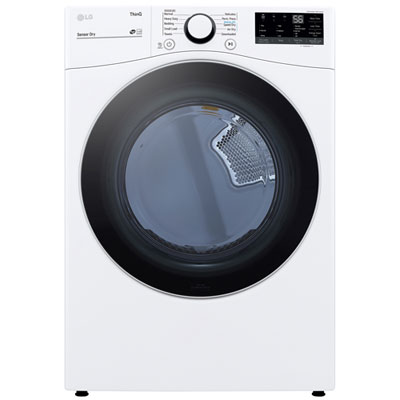
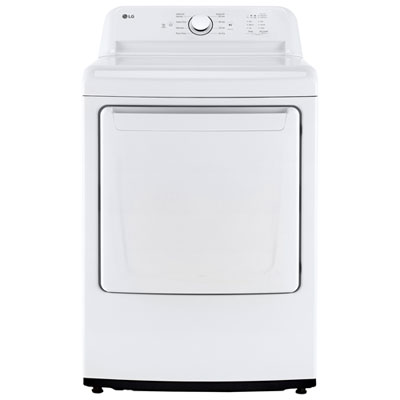
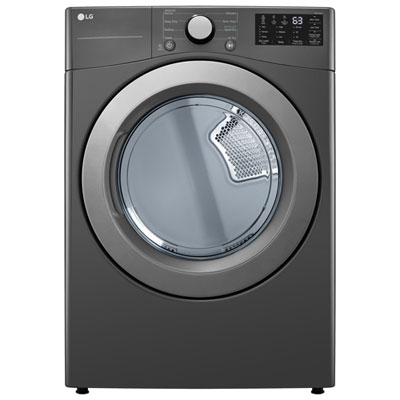
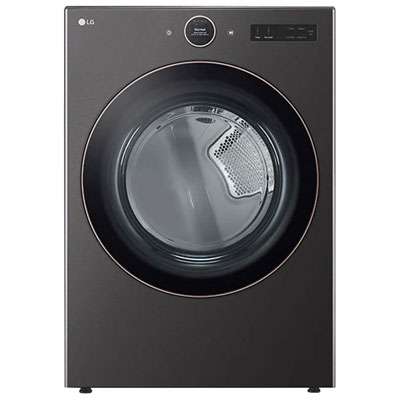
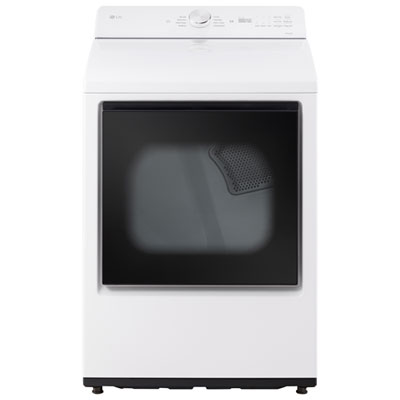
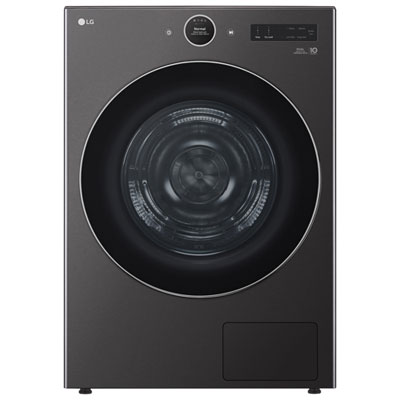
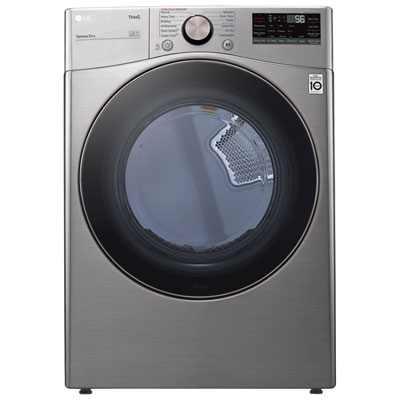
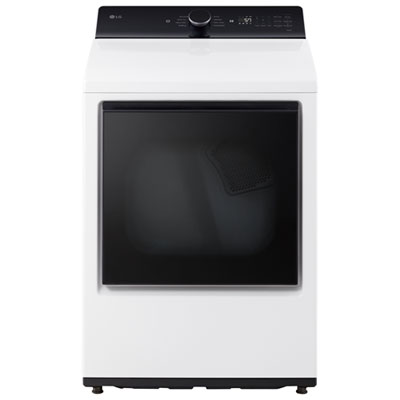
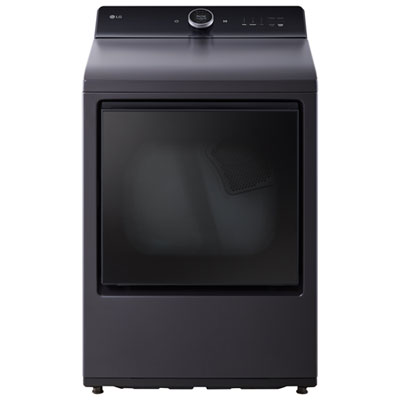
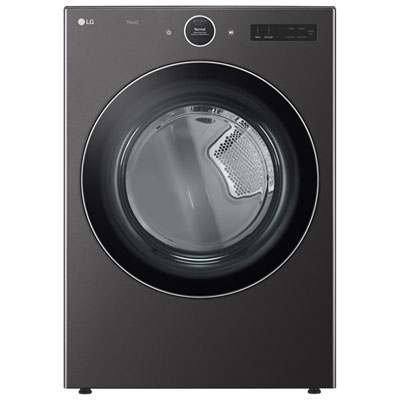
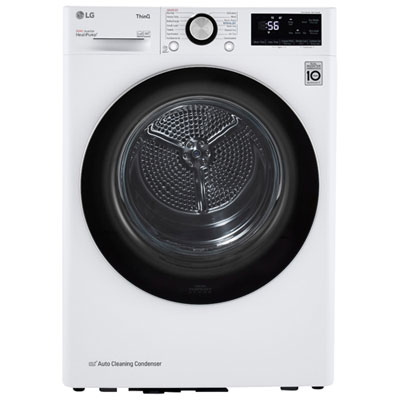

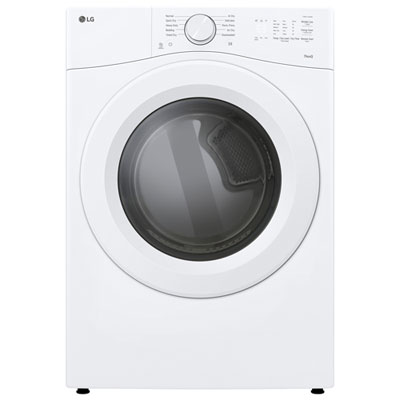
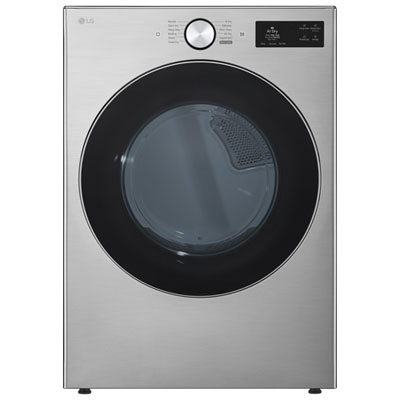
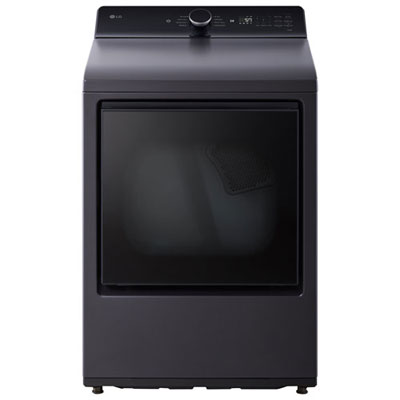
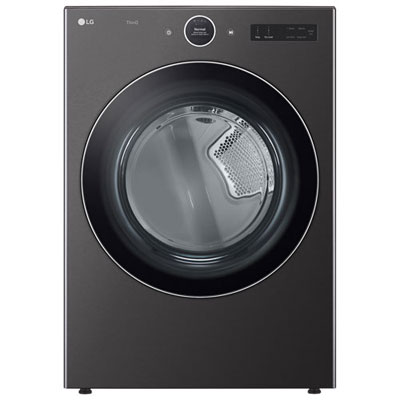
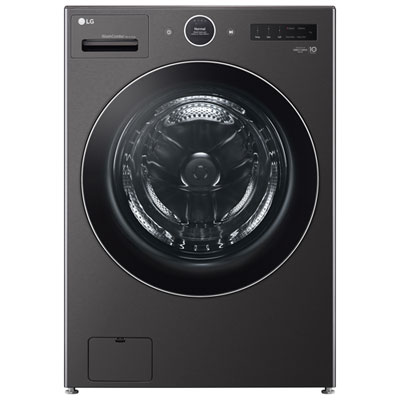
The right dryer fits your loads and your space
Dryers handle everything from a single load of work clothes to the towels, sheets, and everyday clothing that keep a busy household moving. The right capacity depends as much on what goes into each load as on how often laundry gets done. A household washing bulky bedding needs enough drum space for fabric to lift and tumble freely, while someone doing smaller, frequent loads may place more value on responsive moisture sensing and straightforward controls. Capacity is commonly expressed in cubic feet, but drum volume alone does not determine whether a particular comforter will fit; its thickness, filling, and care label also matter. Pairing dryer capacity with the washer’s usual load size helps prevent a full wash load from becoming an overcrowded drying load. When clothing is packed tightly, sleeves can twist together and sheets can trap damp areas inside a bundle. Sensor drying uses moisture readings to adjust cycle duration, helping reduce unnecessary drying after fabrics have reached the selected dryness level. Timed drying provides a set running period and can be useful for suitable loads that need a short finishing cycle. Depending on the appliance, cycle choices may include settings for towels, bedding, delicates, and mixed fabrics, along with adjustable heat and dryness levels. Lower-heat settings can suit certain garments, but the fabric care label remains the starting point, especially for stretch fibres, embellished clothing, and anything marked for flat drying. Separating lightweight shirts from dense towels gives each fabric group a more suitable cycle rather than leaving thin pieces tumbling while heavier ones finish. For families managing school clothes, people laundering uniforms, or households sharing laundry duties, useful features are often the ones that make these familiar loads easier to handle consistently. A clear cycle display and settings that are easy to understand can be just as valuable as a long list of specialized options.
Installation format shapes how a dryer fits into the home and should be considered alongside capacity and cycle features. Full-size appliances provide generous drum space, while compact formats can suit a condominium laundry closet or a smaller utility room. The cabinet dimensions are only part of the fit: the space also needs the clearances specified by the manufacturer, room for connections, and enough door clearance to load a laundry basket comfortably. Delivery access matters too, including stair turns, hallway widths, and doorways between the entrance and the laundry area. A side-by-side arrangement may leave space above for folding or storage, whereas a stacked arrangement can free up floor space when the washer and dryer are approved for use together. Stacking requires the correct compatible kit; matching widths do not establish that two appliances can be safely stacked. Door direction can also affect daily use, particularly when transferring wet laundry between machines in a narrow room. Some dryers have reversible doors, but this should be confirmed in the appliance specifications. Vented dryers send moist air outdoors through a duct, making the condition, routing, and permitted length of that duct important installation details. Ventless dryers collect moisture without requiring an exterior exhaust connection, although they still need the specified clearances and a suitable way to manage collected water. Heat pump designs reuse heat within the drying process and can have different cycle lengths from conventional vented designs. Depending on the appliance and installation, water may collect in a container that needs emptying or drain through a connected hose. Electrical requirements also vary by dryer type, and gas dryers require the appropriate gas connection as well as electrical power. Installation by a qualified professional helps ensure that connections and venting meet the manufacturer’s requirements and applicable local codes. In an existing laundry space, confirming these details early is more useful than assuming a replacement will connect exactly like the previous appliance.
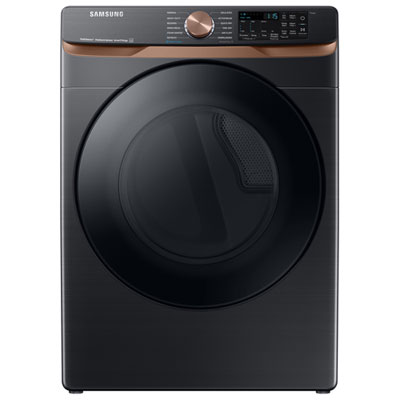
Everyday convenience comes from the details used with each load: a drum opening that is easy to reach, a lint filter that is simple to remove, and controls that remain readable in the laundry area’s lighting. Drum materials and finishes are worth noting, particularly for households that dry frequently. Stainless steel is valued for its resistance to rust and its smooth surface, while other drum finishes have their own care requirements. Pockets should be emptied before washing and drying, since loose coins, screws, and small metal objects can damage fabrics or interior surfaces. Routine care includes cleaning the lint filter as directed, keeping any additional filters or accessible components maintained according to the manual, and arranging appropriate exhaust-duct cleaning for a vented installation. An airflow alert can help identify a potential restriction, but it does not replace inspection or maintenance. Some dryers offer steam-assisted cycles designed to help relax wrinkles or refresh suitable garments; these functions do not replace washing when clothing is soiled, and connection or water-filling requirements vary. Wrinkle-reduction options may tumble a finished load intermittently, which can be useful when a meeting runs late or a basket cannot be emptied immediately. On connected appliances, compatible app features may provide cycle notifications, remote status information, or troubleshooting support, subject to the appliance’s capabilities and setup requirements. A reliable Wi-Fi connection and a compatible device may be needed, while core controls should still suit the people using the laundry room. The Samsung Dryers collection offers another point of comparison for shoppers considering different capacities, drying features, and installation formats. Across these choices, useful comparisons centre on the loads being dried, the space the appliance must occupy, and the amount of routine upkeep involved. A larger drum is helpful for bulky laundry only when it fits the room, and an advanced cycle earns its place when it serves fabrics the household actually uses. A well-matched dryer supports a repeatable routine, with accessible controls, suitable fabric settings, and enough room for laundry to tumble without being compressed into a tight bundle.
Top selling and popular products
-
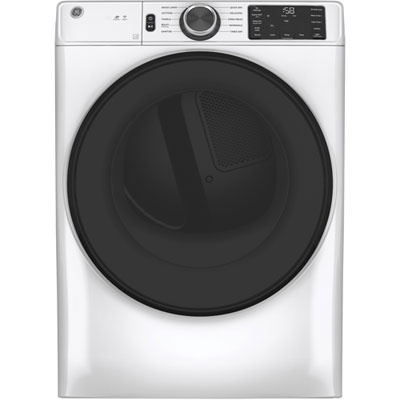 Your price for this item is $1199.99
-
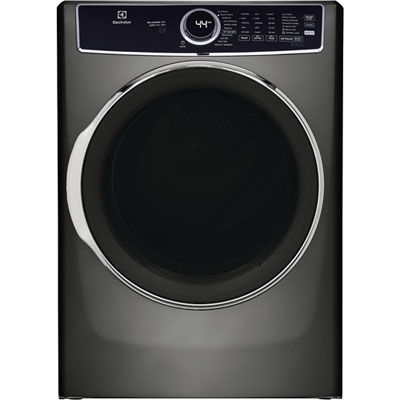 Your price for this item is $1149.99
-
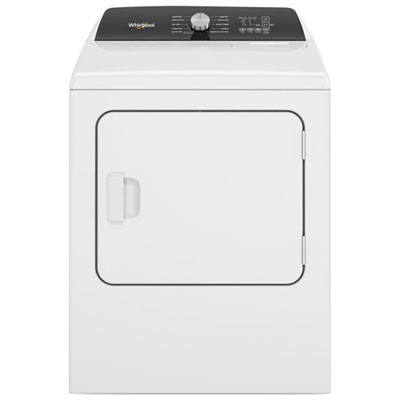 Your price for this item is $799.99
-
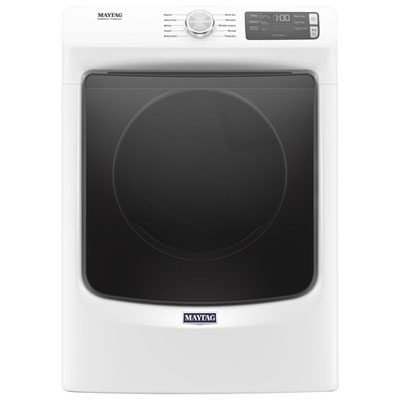 Your price for this item is $1099.99
-
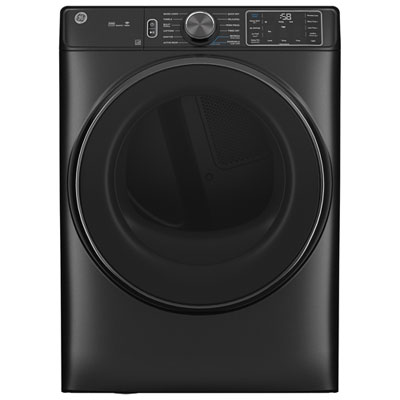 Your price for this item is $1449.99
-
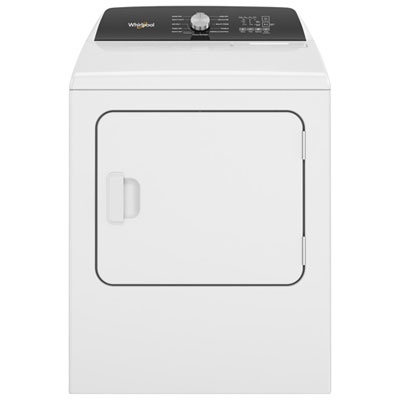 Your price for this item is $789.99
-
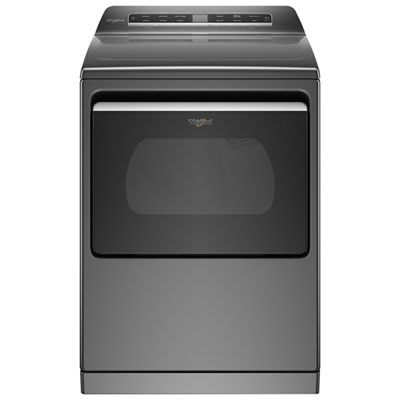 Your price for this item is $1149.97
-
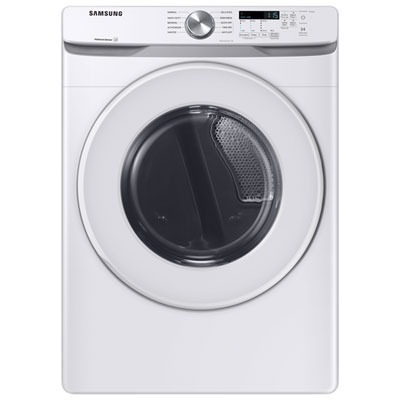 Your price for this item is $899.99
Discover more categories related to LG Dryers
Top Collections:
Best Black Friday Deals This Year, Best Black Friday Deals On Electronics, Kindle Devices, Best Black Friday Deals On Apple Products, Best Budget Office Chairs, Best Cameras for Sports Photography, Dyson Airwrap, Canon G7X Cameras, Best Laptops for Writers, Samsung Galaxy Phones
Some products may be subject to Environmental Handling Fees
(EHF) depending on your province.
Learn more about EHFs.