Liquidation Piscine Hors Terre
Liquidation Piscine Hors Terre is the perfect opportunity to enjoy incredible savings on a wide selection of above-ground pools. Whether you're looking to upgrade your backyard or create a fun spot for family and friends, you'll find options to suit every space and budget. Explore deals designed to help you make the most of summer, with choices that are easy to set up and ready for relaxation or play. Take advantage of these limited-time offers and transform your outdoor living area with Liquidation Piscine Hors Terre.
Sort
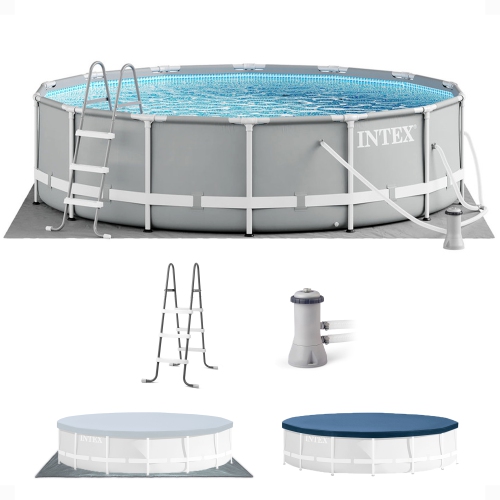
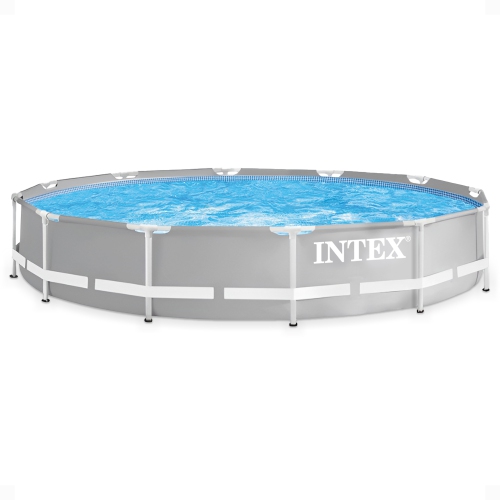
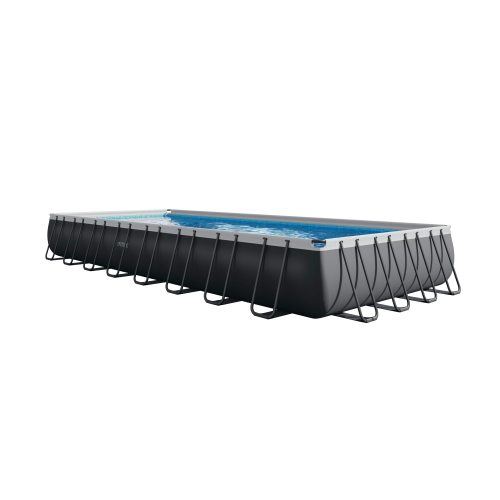
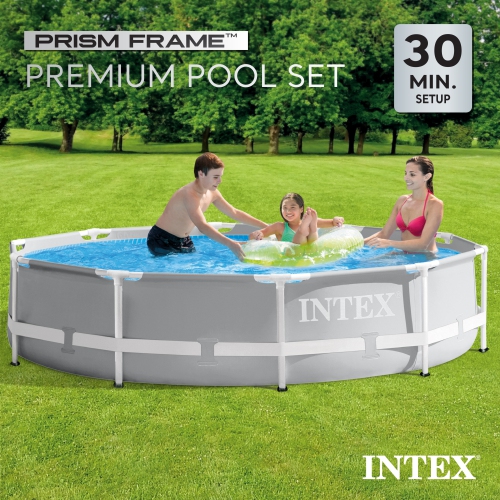
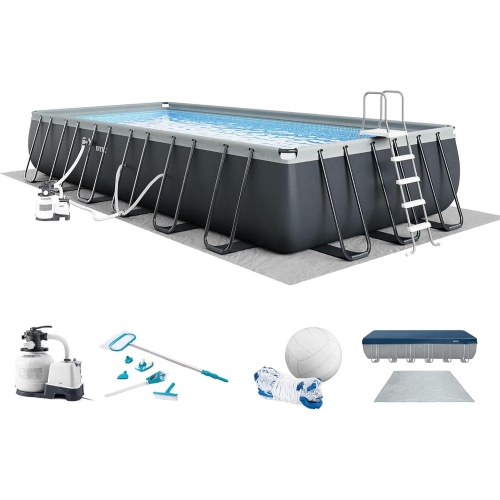
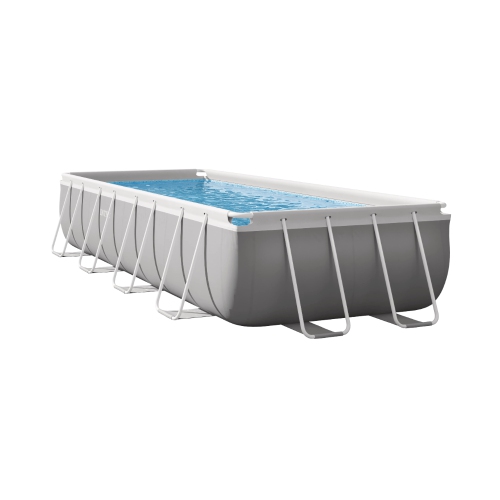
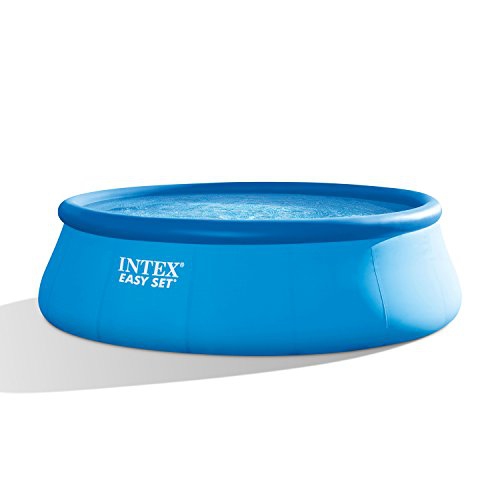
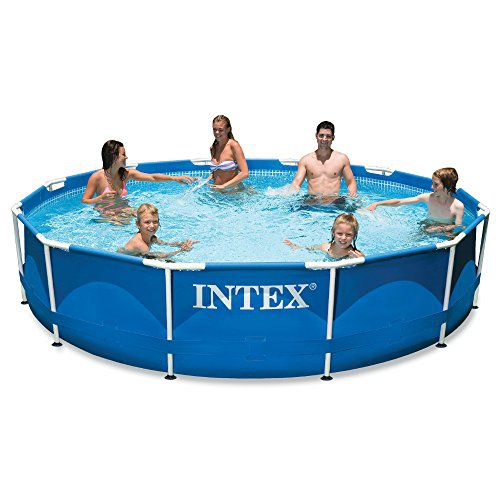
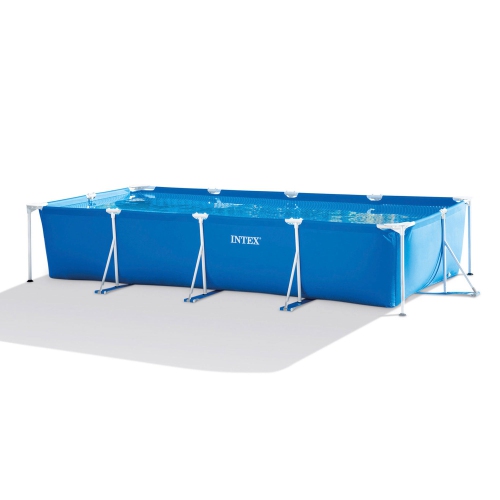
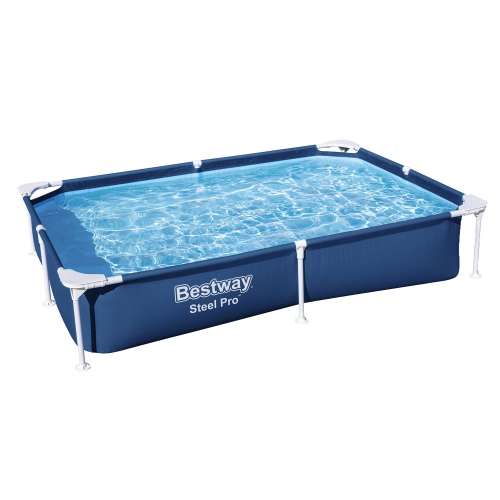
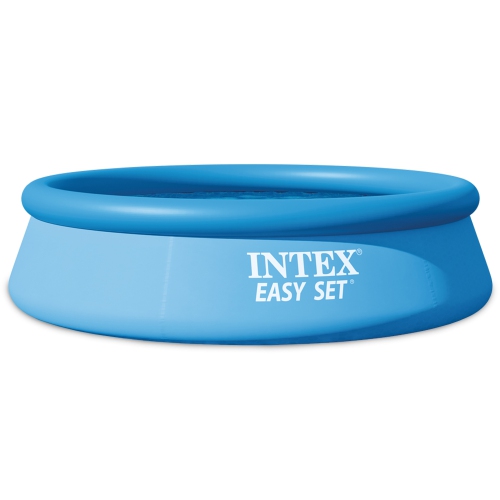
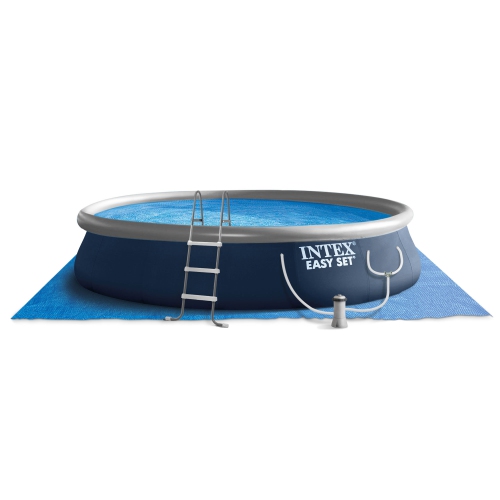
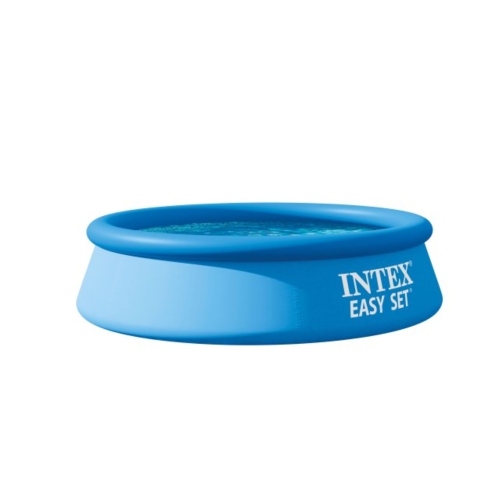
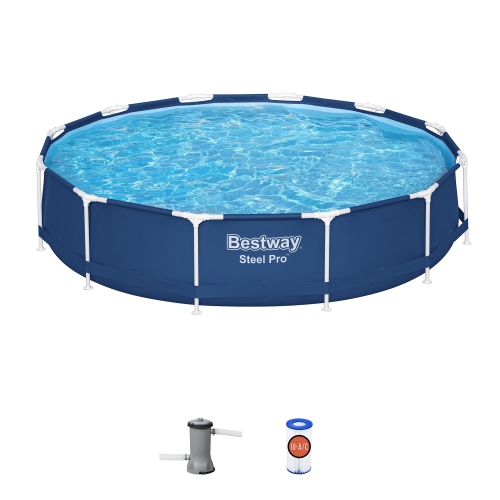
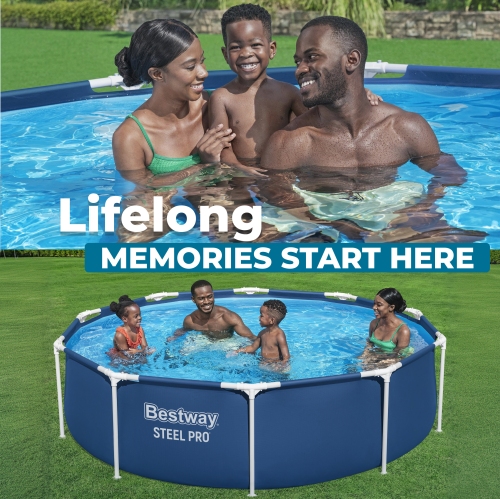
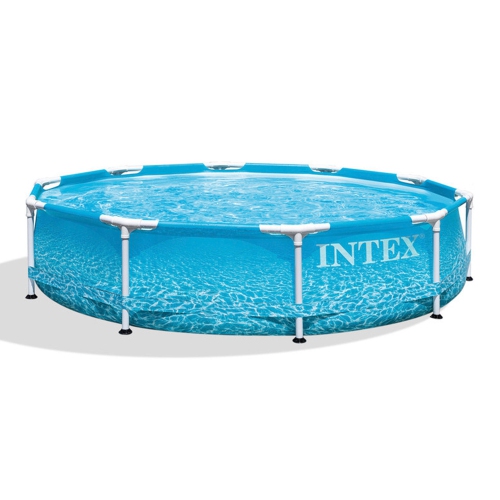
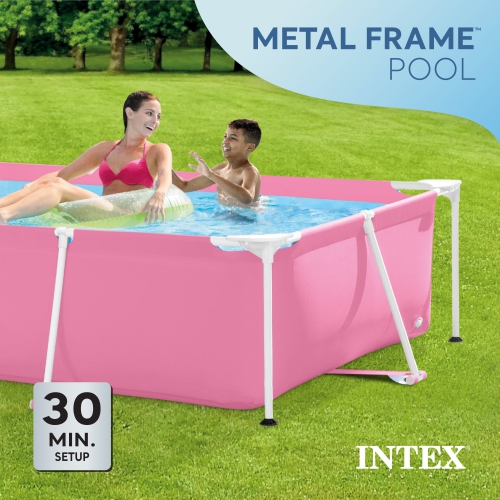
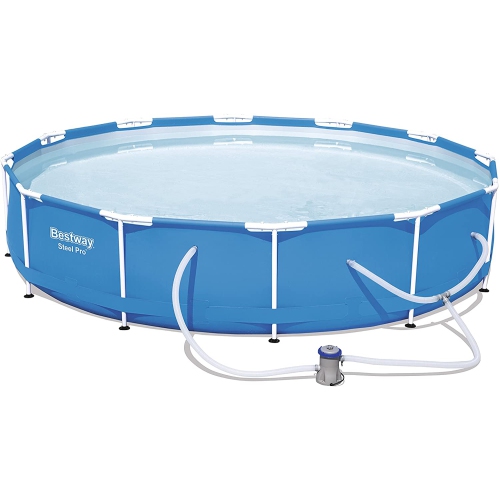
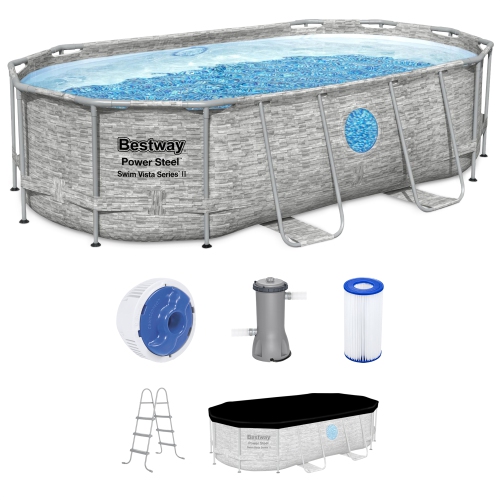
The right pool fit goes beyond swimming space
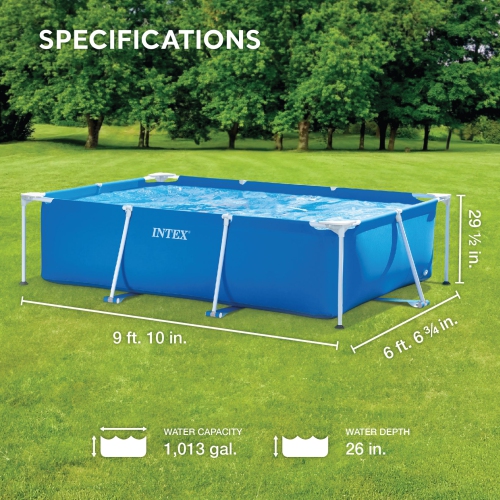
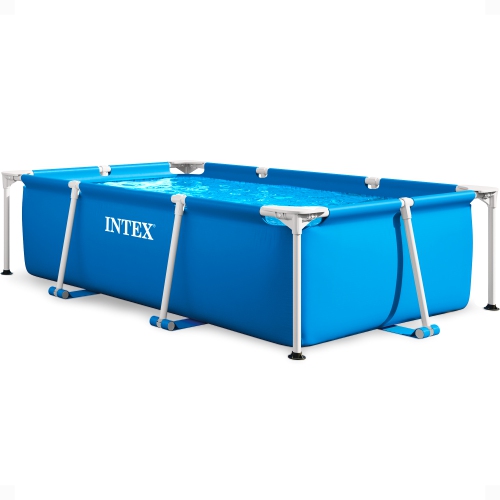
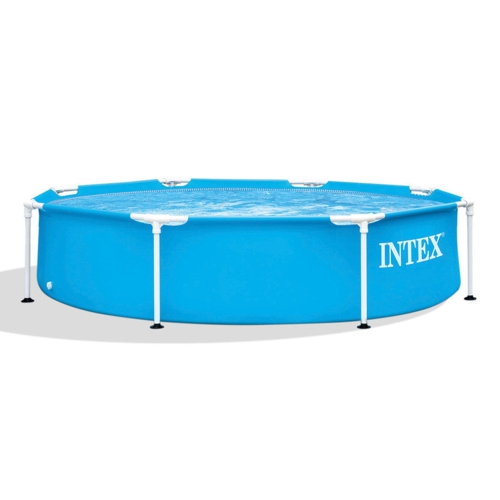
Above-ground pools bring a dedicated space for swimming, splashing, and relaxing into a backyard without the permanent construction associated with an in-ground installation. Their appeal ranges from a place for supervised family play to a comfortable spot for adults to unwind after a busy day. The right fit depends on more than how much lawn is open: the pool’s shape, wall height, supporting structure, and surrounding access space all affect how it works within the yard. Round pools create a central gathering point, while rectangular and oval designs can suit longer outdoor spaces and provide a clearer stretch for movement through the water. A compact footprint may leave room for patio seating and a play area, whereas a larger basin gives swimmers more space to spread out. For a closer look at a familiar size category, Piscine 12 Pieds offers a useful point of reference when considering how a pool might fit alongside other backyard activities. Nominal pool dimensions do not always represent the complete installation footprint, since braces, frame legs, ladders, and filtration equipment may extend beyond the walls. Wall height also differs from usable water depth, which is determined by the manufacturer’s specified fill line. These distinctions matter when picturing children playing under adult supervision or an adult sitting comfortably in the water. Beyond the pool itself, a practical layout includes clear access for entry, space to reach equipment, and a route that does not carry excessive grass or dirt into the water. A pool tucked beneath overhanging branches may collect more leaves, while one beside a busy play space needs thoughtful separation from running games and loose toys. Above-ground pools are best understood as part of the whole backyard rather than an isolated feature: their everyday usefulness comes from a balance of swimming space, suitable ground conditions, and enough room around the perimeter for safe access and routine care. Even a modest pool can become a well-used gathering place when its proportions match the household and the space.
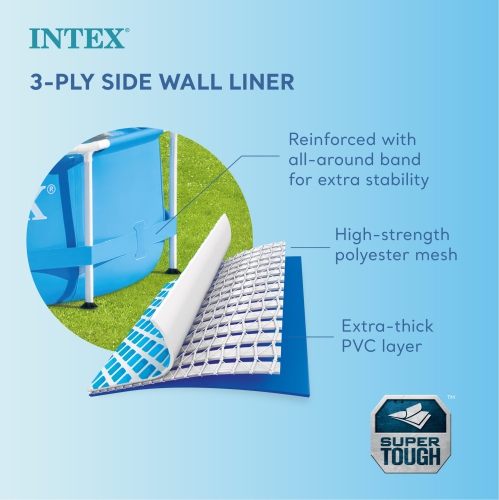
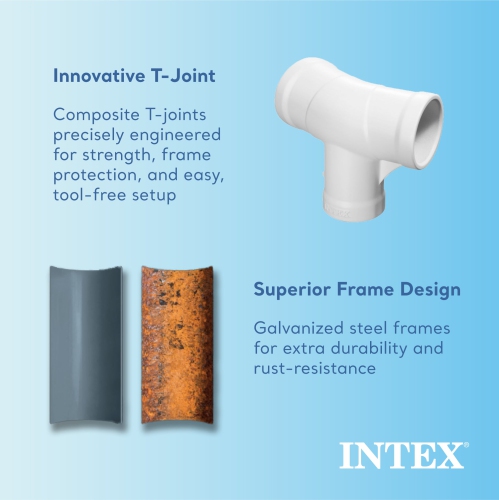
Construction makes a noticeable difference to an above-ground pool’s feel, care requirements, and expected service life. Flexible-wall designs may use reinforced materials supported by a metal frame, while rigid-wall designs commonly combine metal walls with a fitted liner and structural rails. Some pools use an inflatable upper ring to support the wall as the basin fills. Each construction style has its own assembly requirements and limitations, so intended use matters as much as appearance. A household seeking a pool that can be dismantled between swimming seasons has different needs from one planning an installation designed to remain assembled throughout the year. Steel components provide structural strength but depend on intact protective finishes to resist rust; resin components do not rust, although their resistance to sunlight and physical stress varies with their formulation and design. Liners create the water-holding surface and benefit from a smooth, properly prepared base that keeps sharp stones, roots, and other abrasive material away from the underside. Thickness alone does not tell the whole durability story: seam quality, reinforcement, frame connections, and correct installation all contribute to performance. Because a filled pool carries considerable weight, a level, stable base is essential rather than simply a matter of comfort. Uneven support can put additional strain on walls and connections, and a pool should not be placed on a balcony or deck unless that structure has been professionally assessed and approved for the load. Depending on the design, site preparation may involve a specified base material, ground protection, or support beneath individual frame legs. The manufacturer’s requirements determine what is suitable. Entry equipment deserves the same attention as the shell: ladder height, weight capacity, tread design, and compatibility with the pool wall affect daily use. For adults who find ladder climbing difficult, accessibility may be a deciding factor before choosing a pool style. Comfortable ownership starts with a structure that suits both the site and the people using it, with materials and components intended to work together rather than improvised substitutions.
Water care and safe access are central to the experience of owning an above-ground pool, whether it is used for lively family afternoons or quiet floating. A filtration system helps remove suspended debris, but it does not replace water testing, appropriate sanitizer levels, or cleaning the pool’s surfaces. Pump and filter suitability depends on the pool’s water volume and the equipment specifications, not simply on whether the fittings can be connected. Fine dust, grass clippings, and sunscreen residue can accumulate even when the water appears clear, making regular skimming, brushing, and filter maintenance part of normal ownership. Water balance also affects swimmer comfort and can help protect liners and metal components from avoidable wear. Pool chemicals require secure storage away from children and pets, in their original labelled containers, with handling and dosing based on the label directions. Around the water, active adult supervision is essential for children, and shallow above-ground pools are not suitable for diving or headfirst entry. Flotation toys are play accessories rather than safety equipment, and a removable or secured ladder is not a substitute for any fencing, gates, or other barriers required locally. Municipal requirements can vary, including rules for permits, setbacks, barriers, and electrical installations, so the property’s location helps determine what a compliant setup involves. Covers also serve different purposes: a debris cover should never be assumed to support a person’s weight or function as a safety barrier. For seasonal use in Canada, storage and winter preparation depend on the pool’s construction and the manufacturer’s directions. Some designs need to be drained, thoroughly dried, and stored in a protected location before freezing conditions, while others have a prescribed winterizing process that leaves the structure in place. Trapped moisture can encourage mildew during storage, and water left in vulnerable pumps or hoses can cause damage if it freezes. With an appropriate layout, compatible equipment, and consistent care, an above-ground pool can support an enjoyable swimming routine while keeping the practical responsibilities of backyard water recreation clearly in view.
Construction makes a noticeable difference to an above-ground pool’s feel, care requirements, and expected service life. Flexible-wall designs may use reinforced materials supported by a metal frame, while rigid-wall designs commonly combine metal walls with a fitted liner and structural rails. Some pools use an inflatable upper ring to support the wall as the basin fills. Each construction style has its own assembly requirements and limitations, so intended use matters as much as appearance. A household seeking a pool that can be dismantled between swimming seasons has different needs from one planning an installation designed to remain assembled throughout the year. Steel components provide structural strength but depend on intact protective finishes to resist rust; resin components do not rust, although their resistance to sunlight and physical stress varies with their formulation and design. Liners create the water-holding surface and benefit from a smooth, properly prepared base that keeps sharp stones, roots, and other abrasive material away from the underside. Thickness alone does not tell the whole durability story: seam quality, reinforcement, frame connections, and correct installation all contribute to performance. Because a filled pool carries considerable weight, a level, stable base is essential rather than simply a matter of comfort. Uneven support can put additional strain on walls and connections, and a pool should not be placed on a balcony or deck unless that structure has been professionally assessed and approved for the load. Depending on the design, site preparation may involve a specified base material, ground protection, or support beneath individual frame legs. The manufacturer’s requirements determine what is suitable. Entry equipment deserves the same attention as the shell: ladder height, weight capacity, tread design, and compatibility with the pool wall affect daily use. For adults who find ladder climbing difficult, accessibility may be a deciding factor before choosing a pool style. Comfortable ownership starts with a structure that suits both the site and the people using it, with materials and components intended to work together rather than improvised substitutions.
Water care and safe access are central to the experience of owning an above-ground pool, whether it is used for lively family afternoons or quiet floating. A filtration system helps remove suspended debris, but it does not replace water testing, appropriate sanitizer levels, or cleaning the pool’s surfaces. Pump and filter suitability depends on the pool’s water volume and the equipment specifications, not simply on whether the fittings can be connected. Fine dust, grass clippings, and sunscreen residue can accumulate even when the water appears clear, making regular skimming, brushing, and filter maintenance part of normal ownership. Water balance also affects swimmer comfort and can help protect liners and metal components from avoidable wear. Pool chemicals require secure storage away from children and pets, in their original labelled containers, with handling and dosing based on the label directions. Around the water, active adult supervision is essential for children, and shallow above-ground pools are not suitable for diving or headfirst entry. Flotation toys are play accessories rather than safety equipment, and a removable or secured ladder is not a substitute for any fencing, gates, or other barriers required locally. Municipal requirements can vary, including rules for permits, setbacks, barriers, and electrical installations, so the property’s location helps determine what a compliant setup involves. Covers also serve different purposes: a debris cover should never be assumed to support a person’s weight or function as a safety barrier. For seasonal use in Canada, storage and winter preparation depend on the pool’s construction and the manufacturer’s directions. Some designs need to be drained, thoroughly dried, and stored in a protected location before freezing conditions, while others have a prescribed winterizing process that leaves the structure in place. Trapped moisture can encourage mildew during storage, and water left in vulnerable pumps or hoses can cause damage if it freezes. With an appropriate layout, compatible equipment, and consistent care, an above-ground pool can support an enjoyable swimming routine while keeping the practical responsibilities of backyard water recreation clearly in view.
Top selling and popular products
-
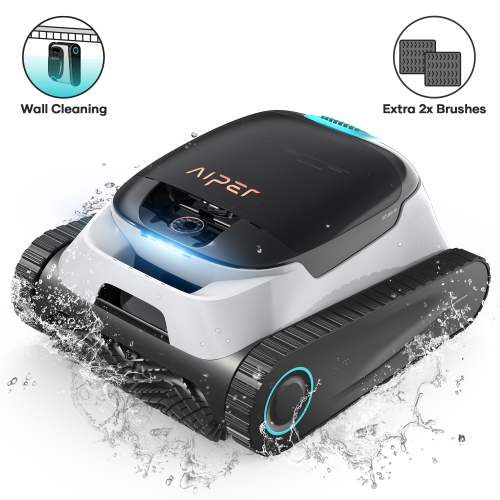 Your price for this item is $679.99
 -
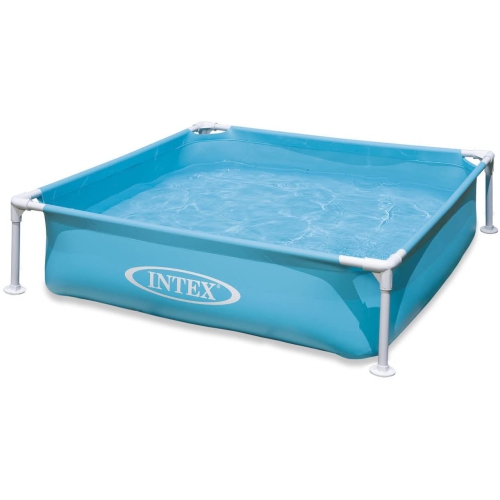 Your price for this item is $75.99
 -
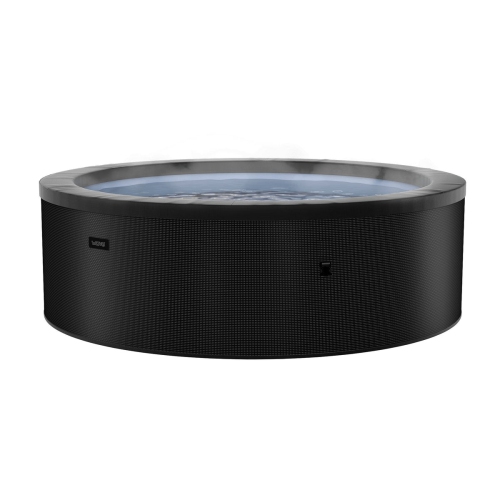 Your price for this item is $3489
 -
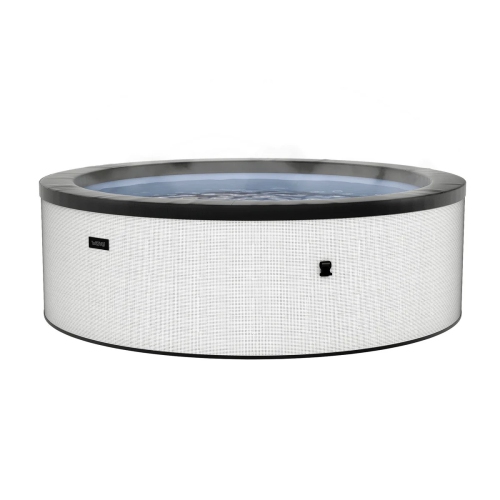 Your price for this item is $3489
 -
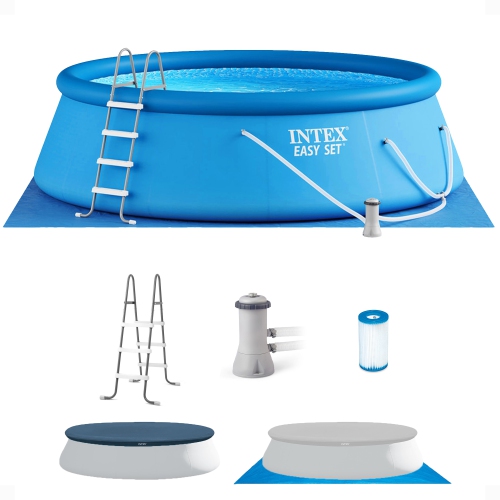 Your price for this item is $542.99
 -
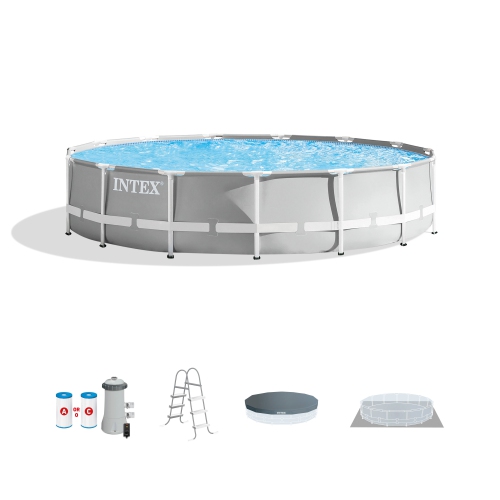 Your price for this item is $1098.99
 -
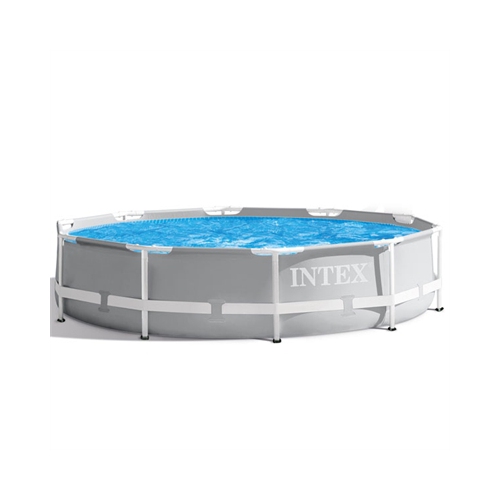 Your price for this item is $285.99
 -
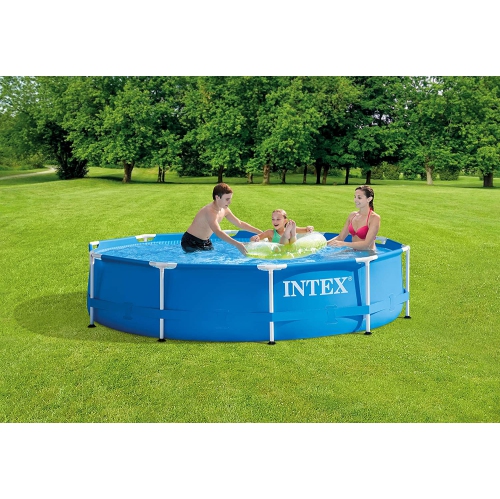 Your price for this item is $257.99
Discover more categories related to Liquidation Piscine Hors Terre
Top Collections:
Pokemon Centers, Kindle Devices, Best Budget Office Chairs, Apple iPhones 16, Canon G7X Cameras, iPhone 15 Apple, Alarm Clock, Refurbished Apple Laptops, Flip Phones, Best Laptops for Writers
Some products may be subject to Environmental Handling Fees
(EHF) depending on your province.
Learn more about EHFs.