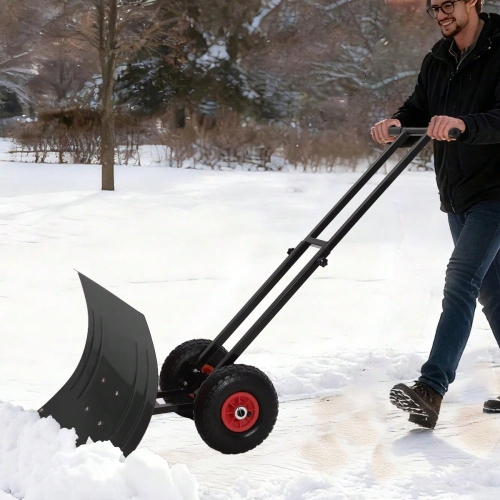
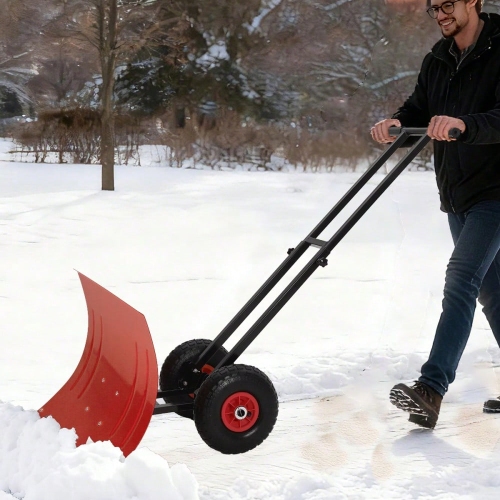
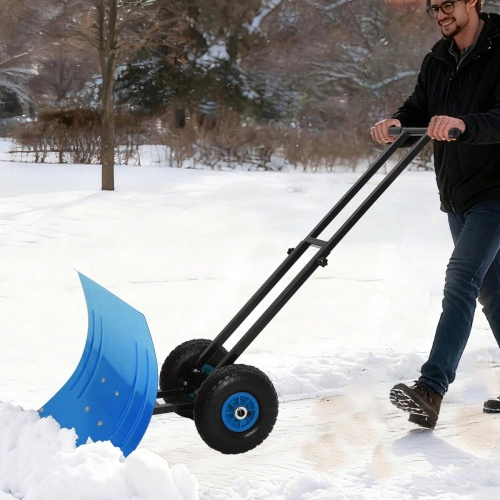
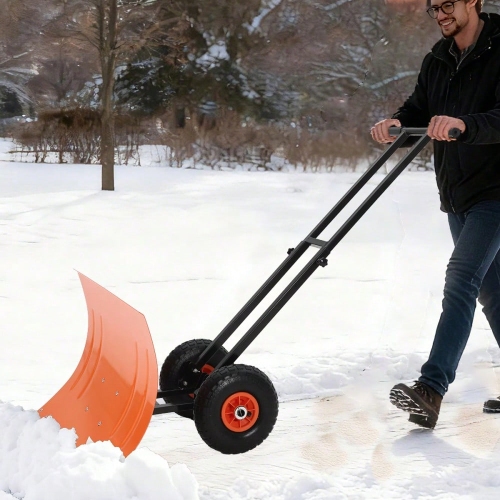
Manual Snow Pushers for Walkways

Manual snow pushers offer a hands-on way to move snow along walkways and other small residential paths. Compare blade widths, handle designs and storage requirements to choose a tool that fits your space. For snow-and-ice cleanup, look for documented dual-purpose designs that pair a pusher with an ice scraper or chopper.
Sort

Why a wider blade isn’t always better for walkways

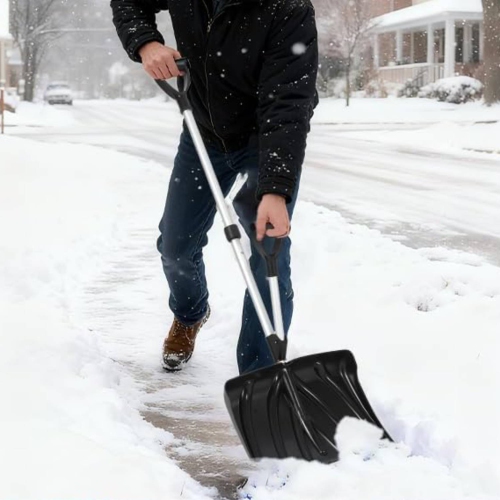
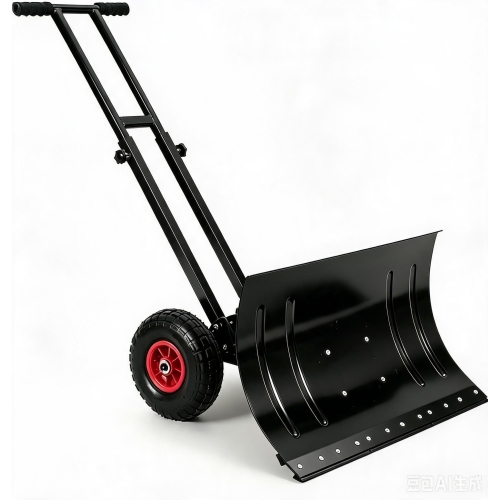
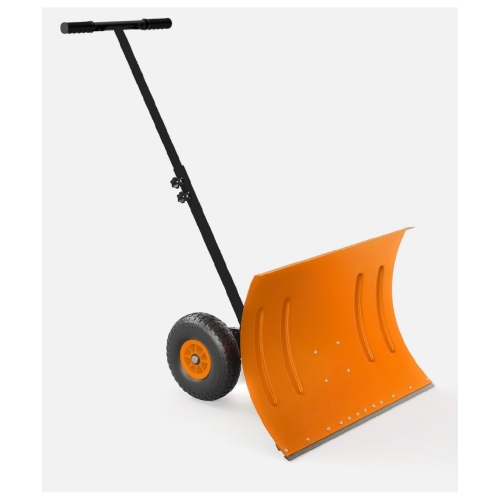
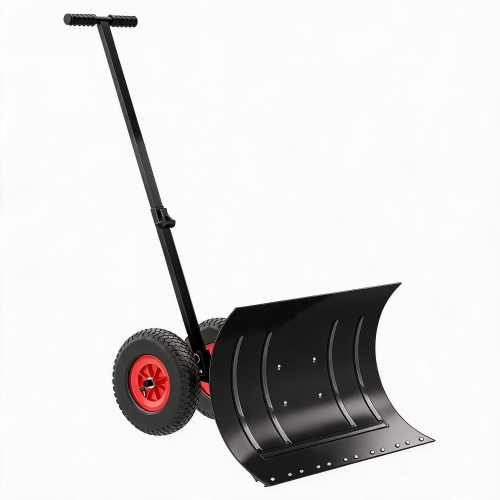
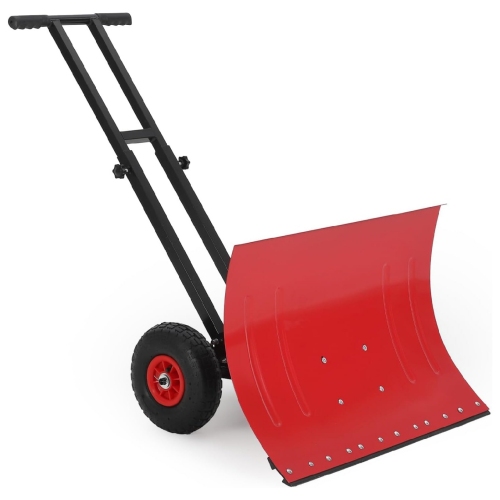
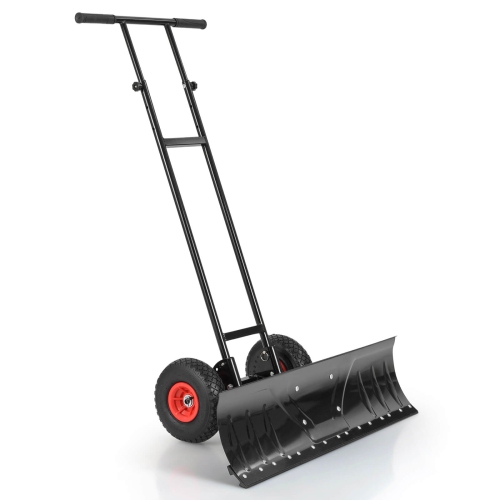
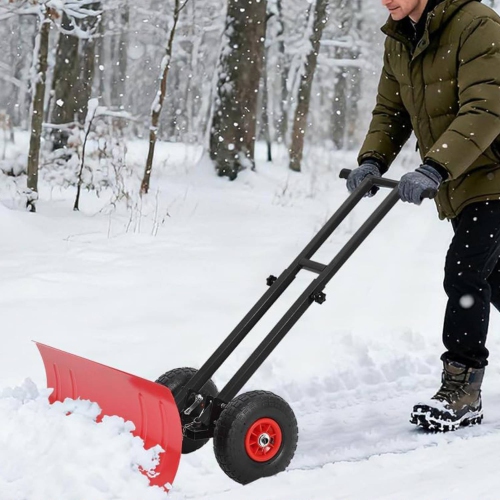
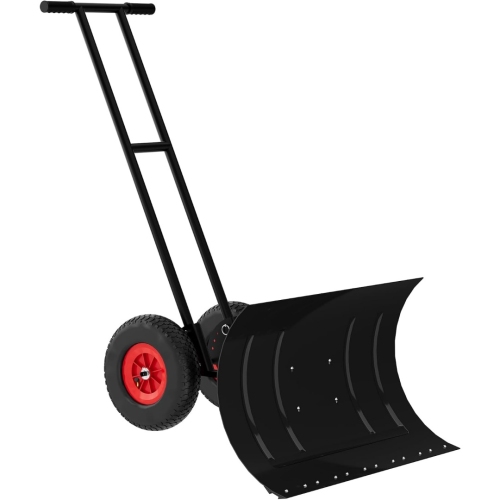
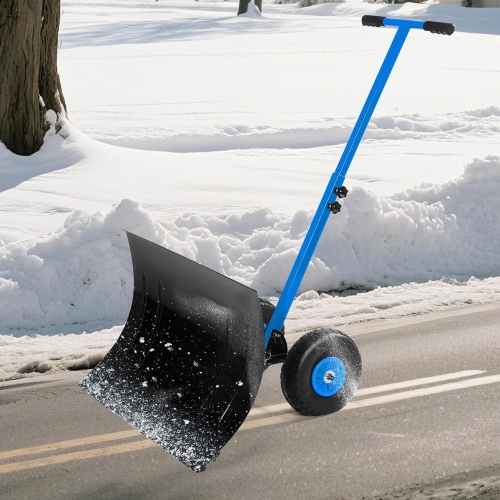
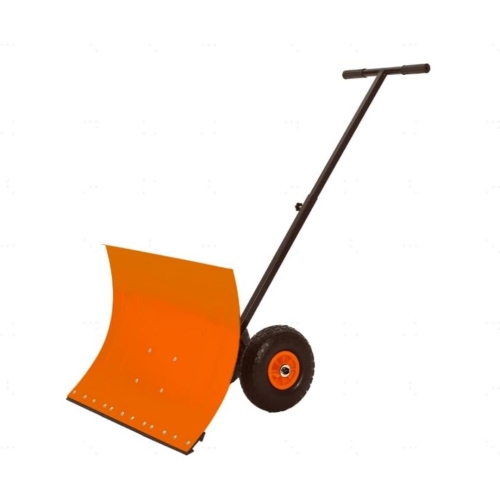
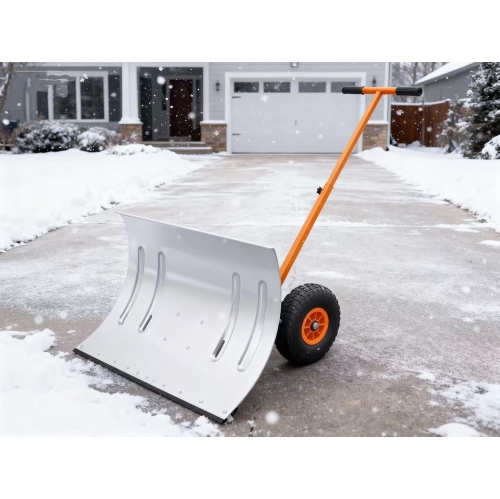
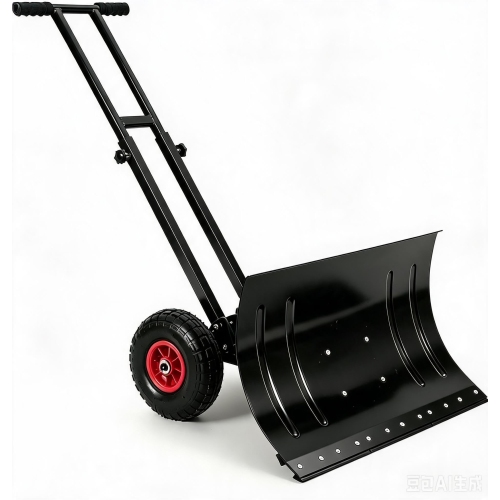
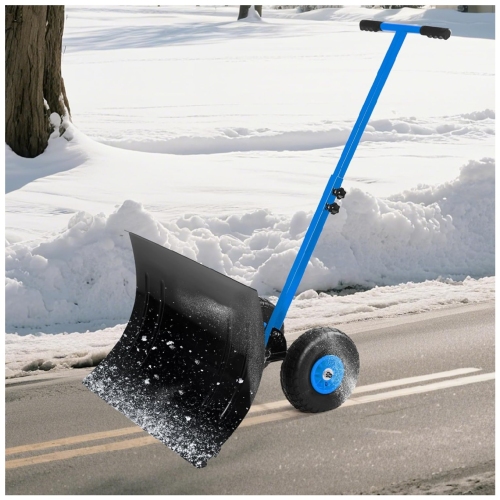
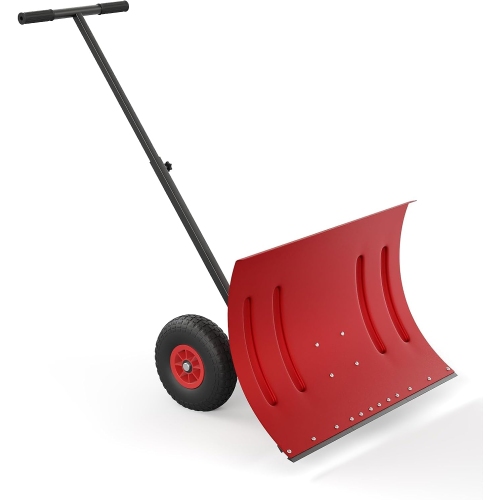
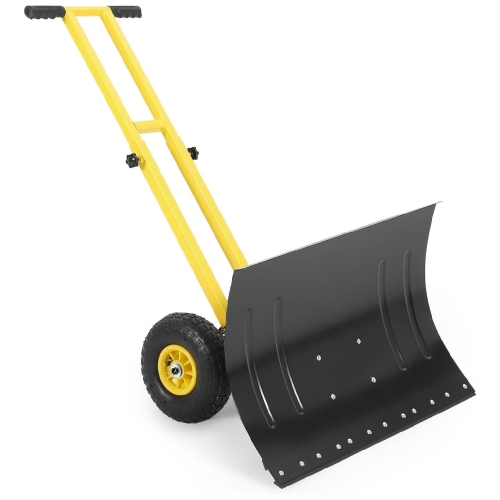
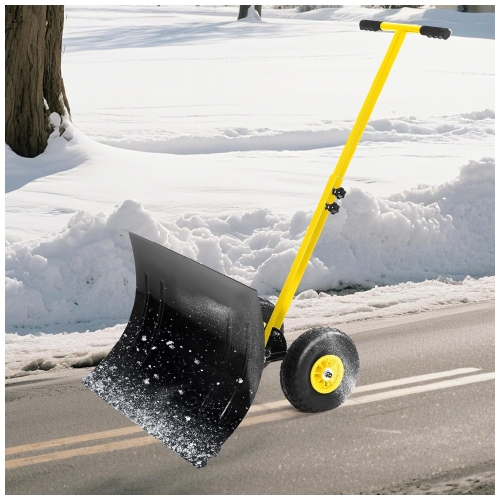
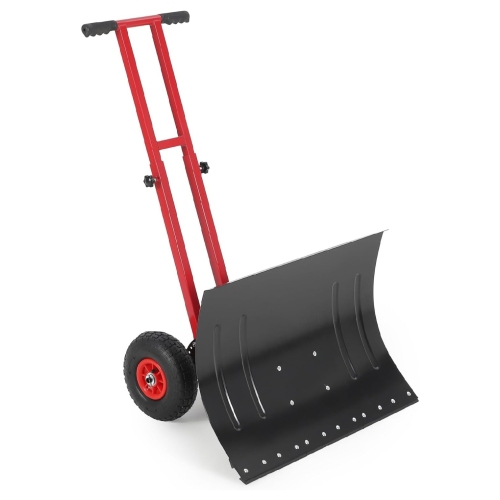
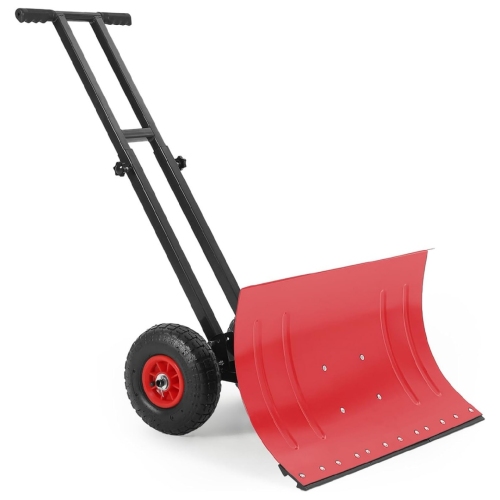
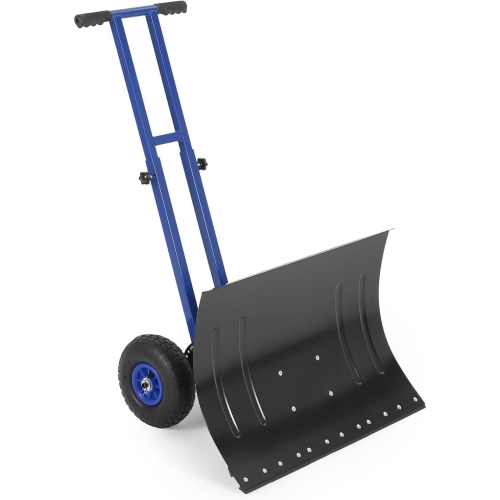
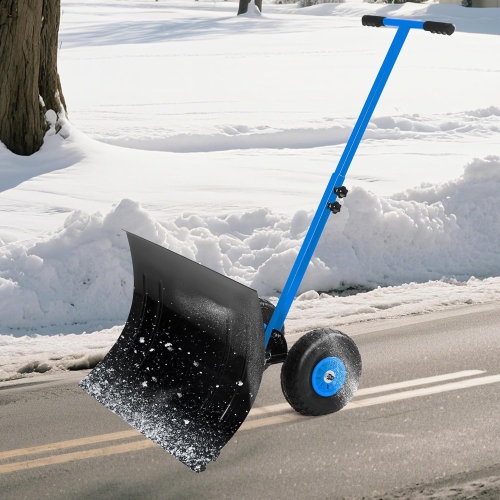
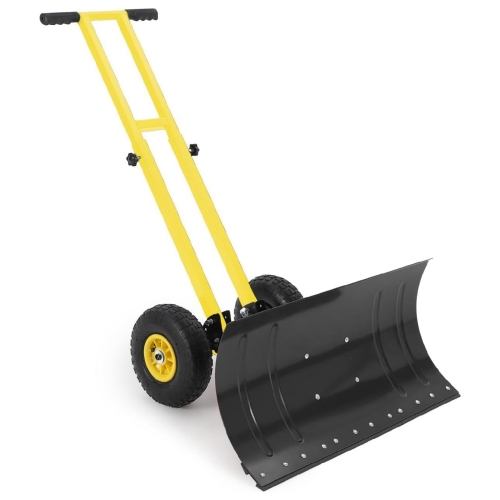
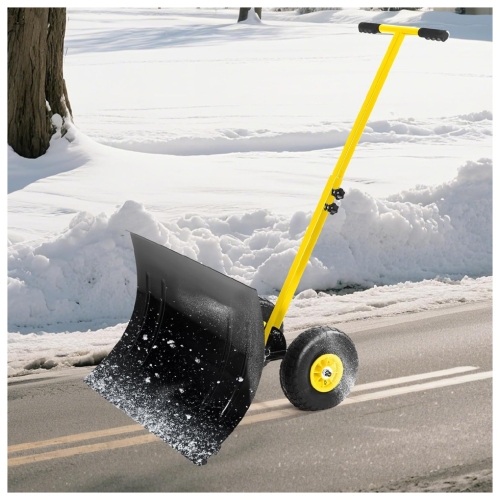
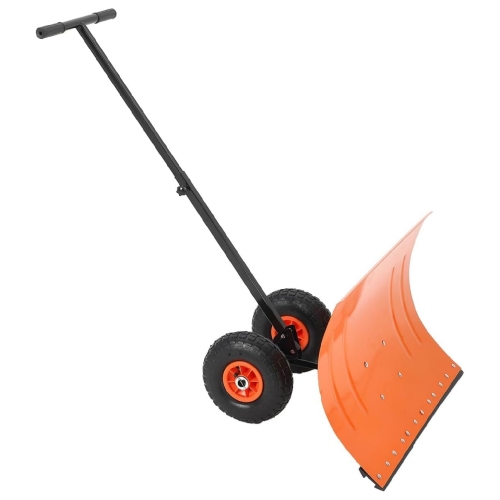
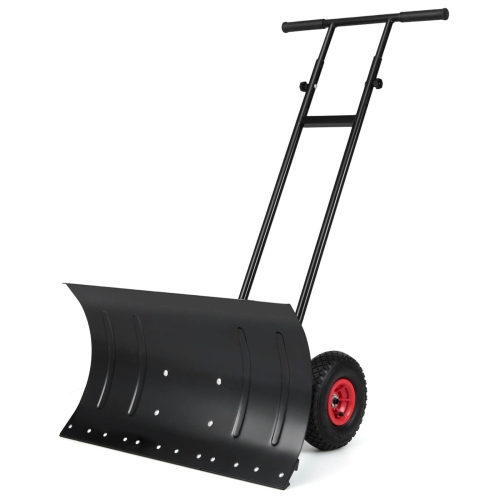
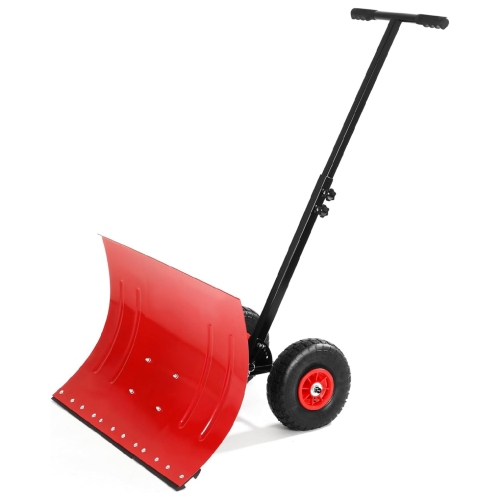
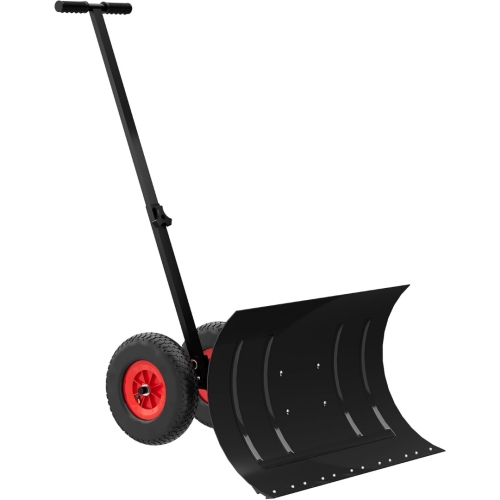
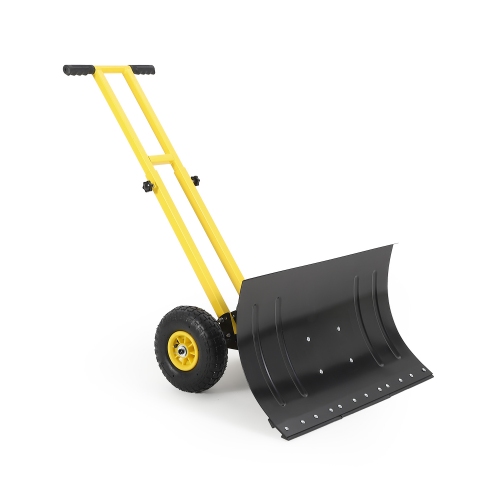
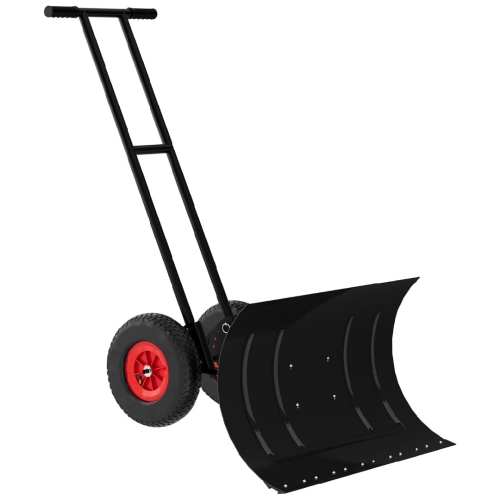
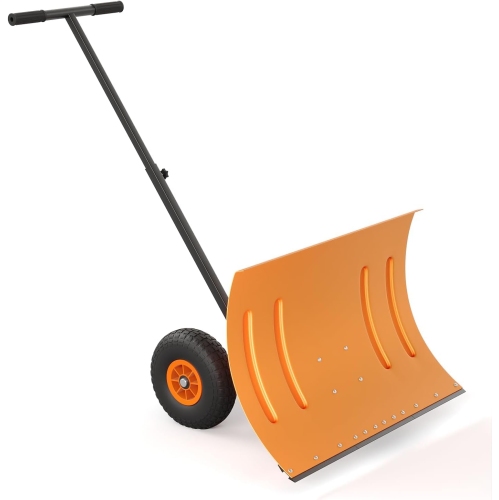
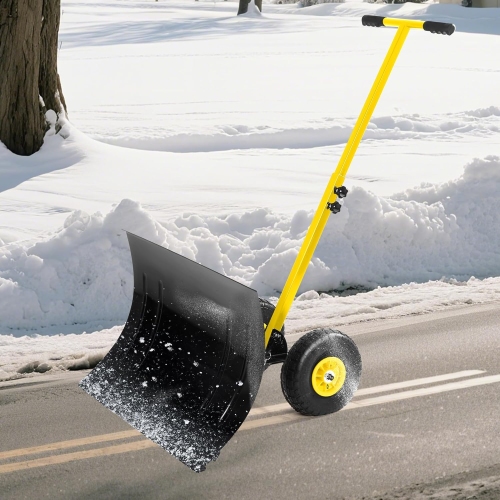
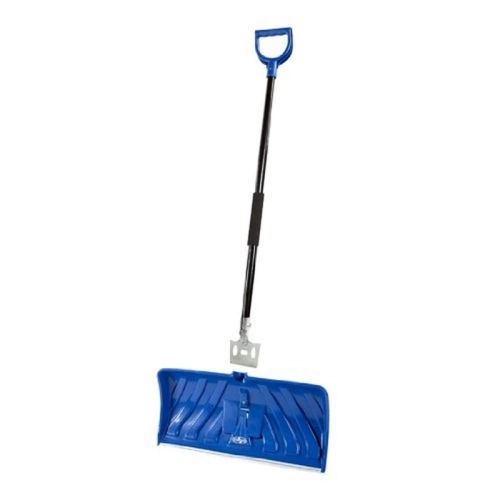
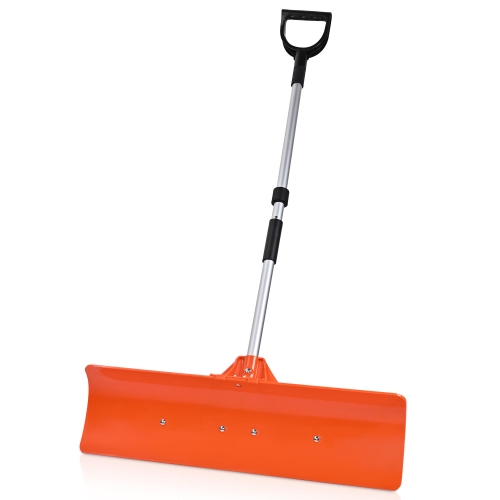
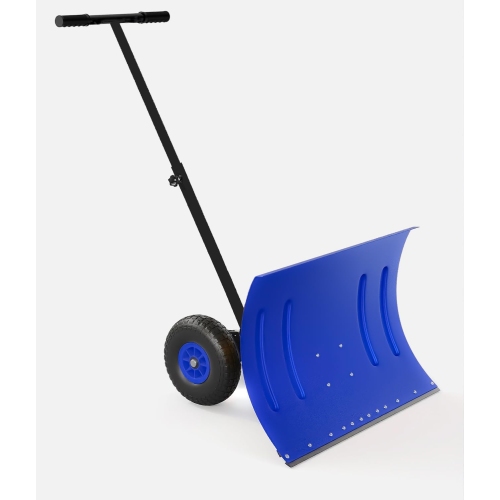
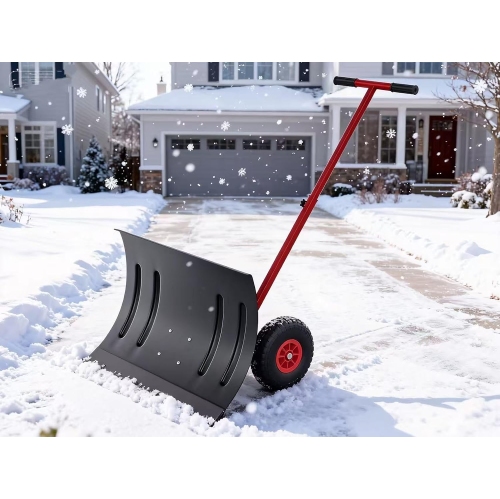
Manual snow pushers for walkways are designed to move snow ahead of the blade rather than carry it in repeated lifted loads. Their broad faces and curved profiles help gather loose snow into a rolling pile, making them useful for the regular clearing of front paths, side entrances and stretches of sidewalk. On a straight walkway with space along the edges, a pusher can move fresh snowfall towards a suitable collection area without the deeper scooping action associated with a conventional snow shovel. That distinction matters when choosing a tool for the job: pushing light, loose snow is different from breaking apart a dense ridge left at the end of a path. Wet, compacted snow can quickly become too heavy to move in a single pass, while bonded ice generally calls for a different tool. Blade width is therefore about more than clearing a large area quickly. A wider blade gathers more snow, but it also increases the load and may be awkward between porch railings, beside a fence or around a narrow gate. A smaller blade can offer better control through turns and along paths bordered by garden beds. The most practical fit accounts for the narrowest section of the route, the space needed to turn and where the displaced snow can safely go. Steps, uneven transitions and tight landings also change how useful a pushing tool will be compared with a shovel intended for lifting. For homeowners, tenants responsible for an entrance, and people maintaining a shared residential path, the appeal is straightforward: a tool suited to frequent, manageable clearing rather than heavy excavation. Keeping a passage open for deliveries, visitors and trips to the bins often involves several short sections with different obstacles, so manoeuvrability can matter as much as blade size. A clear route to the side of the walkway also makes a difference, since a pusher still needs somewhere to leave the snow it collects.

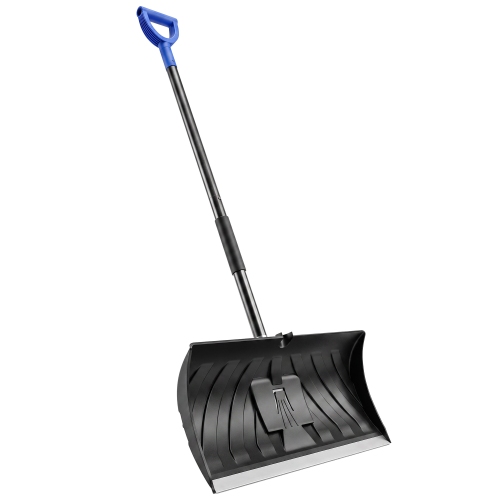
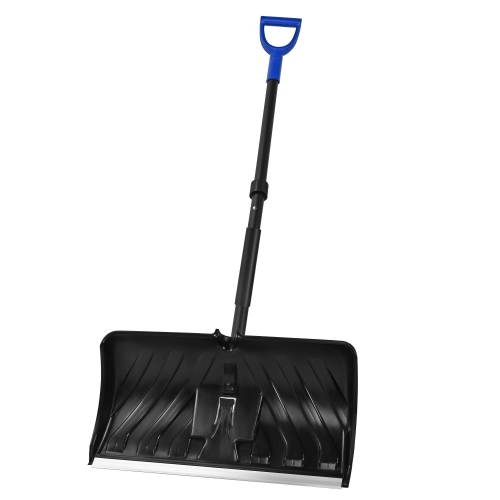
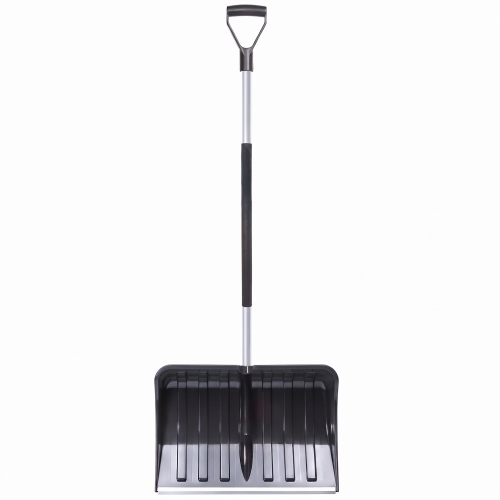
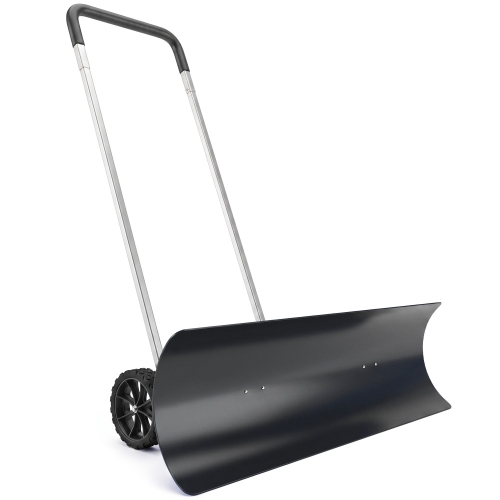
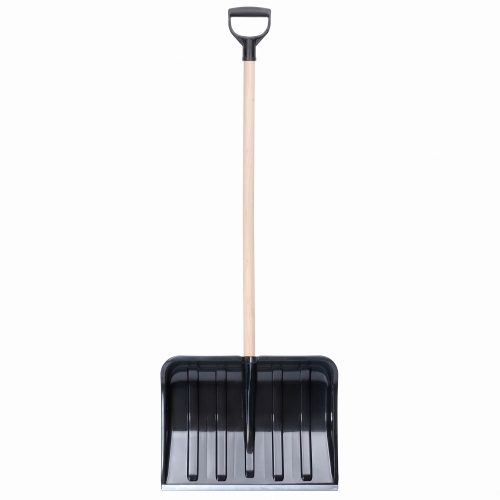
Blade material influences how a manual snow pusher feels against the ground, how much it weighs and how it stands up to repeated use. Plastic blades, including those made from polyethylene or polypropylene, are often relatively light and resist rust. Their surfaces can help snow slide away, although performance varies with snow conditions, blade shape and the material itself. Some plastics are formulated for low-temperature use, while others may become more vulnerable to cracking when struck against a hard obstruction. Metal blades can provide a firmer working edge, with steel generally adding weight and aluminium offering a lighter alternative. Neither material is automatically the best match for every walkway. A sharp or worn metal edge may mark sensitive finishes, catch on raised joints or damage a surface coating, while a plastic edge will gradually wear through contact with rough pavement. On decorative concrete, pavers or decking, compatibility with the surface manufacturer's care requirements is an important consideration. Loose gravel presents another challenge because a blade held too low can collect stones along with snow. The attachment between the blade and handle deserves attention as well: this joint takes much of the force when a loaded pusher meets resistance. Reinforced connections, secure fasteners and a replaceable wear edge, where the design supports one, can contribute to longer service life. Handle construction affects both weight and feel. Wood, metal and fibreglass each have different care needs, and grip shape can be especially noticeable through thick winter gloves. A D-shaped grip provides a defined handhold, while other handle styles offer room to change hand position. Length should suit the person using the tool, allowing a comfortable stance without excessive reaching or bending. A larger blade is not necessarily an upgrade if the handle height feels wrong or the loaded tool is difficult to steer. For households sharing one pusher, overall balance and a grip that accommodates different hand sizes may be more useful than maximum width.

Durability depends partly on construction and partly on the conditions a snow pusher meets along its route. A smooth, level path is gentler on a working edge than broken asphalt, exposed aggregate or paving stones with raised corners. Hidden hose fittings, door thresholds and frozen debris can stop a blade abruptly, so familiarity with the walkway helps explain why control matters more than force. Smaller passes are often more manageable after a heavy snowfall, particularly where snow is damp or has settled into a dense layer. Manual pushing still involves physical effort, and the tool's size should reflect the user's strength, comfort and ability to maintain secure footing. No blade or handle design removes the need for suitable footwear and care around slippery patches. Once loose snow has been moved, a thin layer of packed snow or ice may remain; a pusher is not a substitute for surface treatment when that is needed. For that separate part of walkway care, Ice Melt Spreaders for Walkways can help distribute a compatible ice-melting material, with application governed by the treatment label and the walkway's surface requirements. The pusher itself benefits from simple upkeep between uses. Removing packed snow and grit, wiping away salt residue and allowing the tool to dry can help protect its components. Periodic checks for loose hardware, cracks, splinters and uneven blade wear make developing damage easier to spot. Storage matters, too: a secure wall position or designated space keeps the blade away from vehicle traffic and prevents the handle from becoming a tripping hazard. For someone moving into a home with an entrance to maintain, a well-fitting manual pusher can be a practical housewarming gift when it suits their routine and physical capabilities. The lasting value lies in a comfortable tool matched to the path, the surface beneath it and the kind of snowfall it will be used to move.
FAQ

Some products may be subject to Environmental Handling Fees (EHF) depending on your province. Learn more about EHFs.