Mattress Toppers for Back Pain
A mattress topper is a thin, durable mattress pad that fits over the top of your existing mattress. It's designed to provide a layer of cushioning and comfort between you and your bed's surface, and it can help relieve pressure on your body if you have back pain or other medical conditions. Here are some of the best mattress toppers available for you today.
Sort
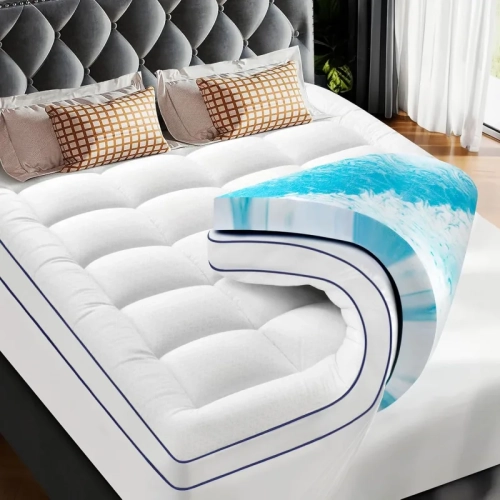
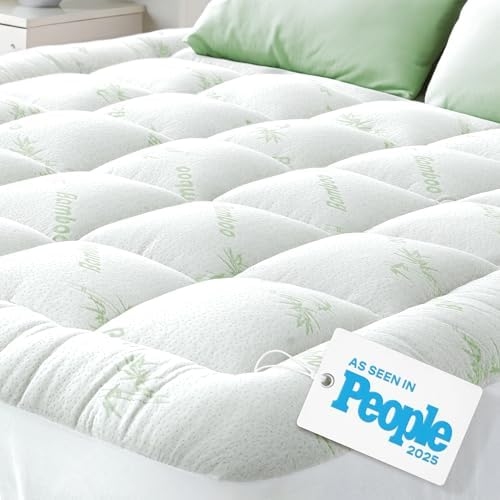
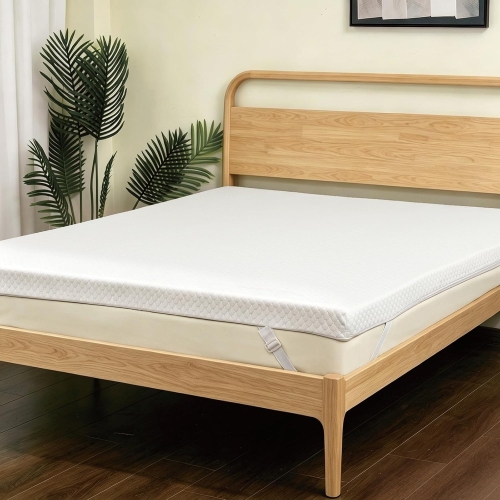
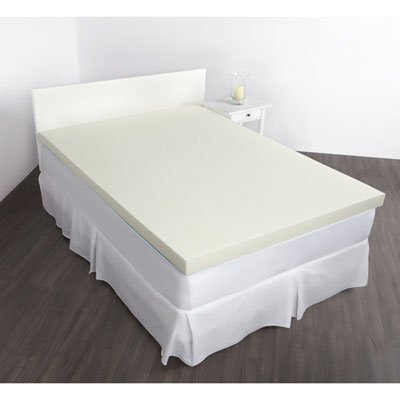

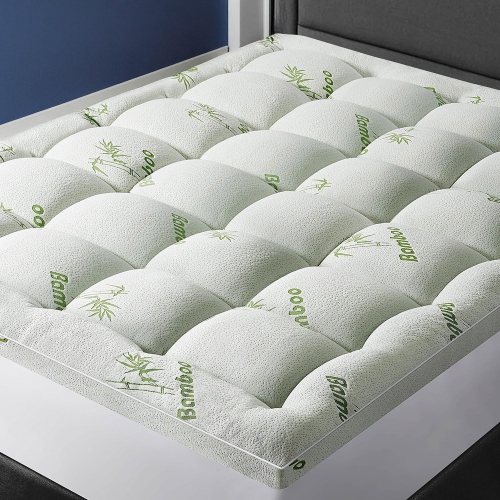
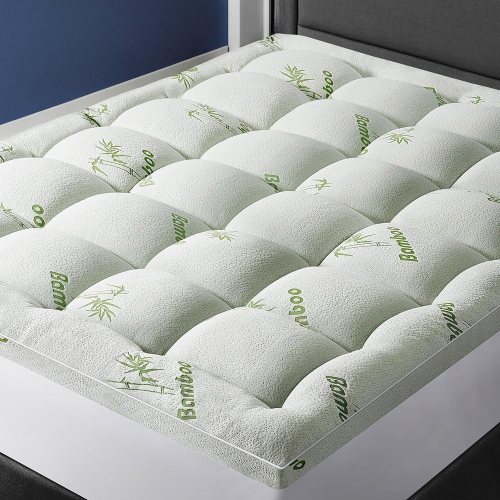
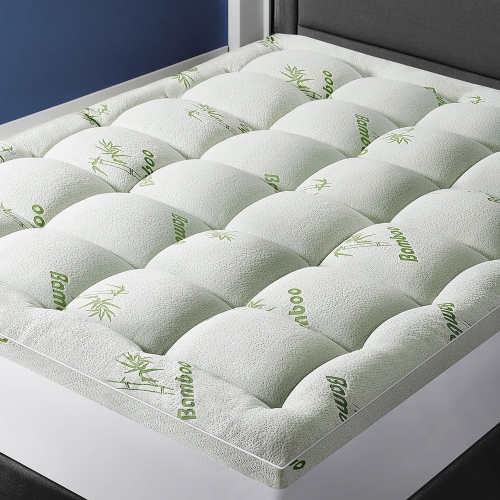
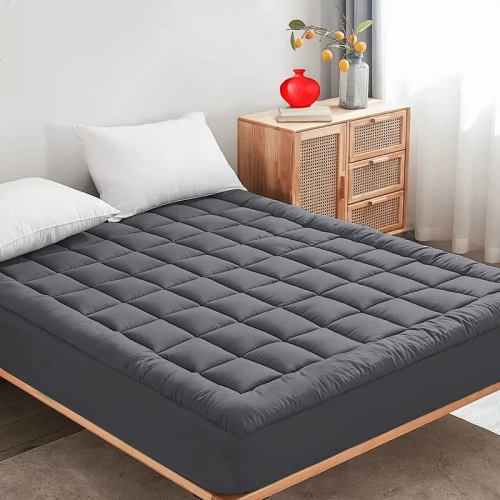








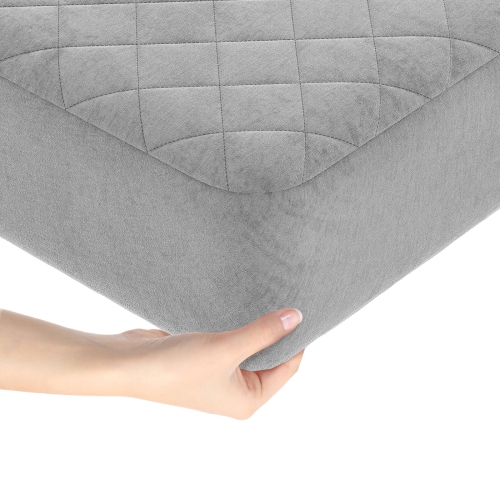
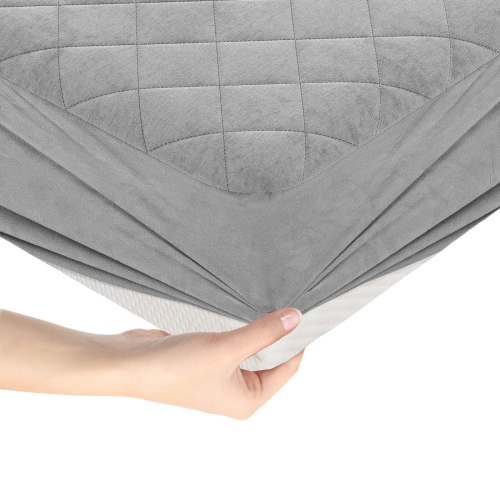
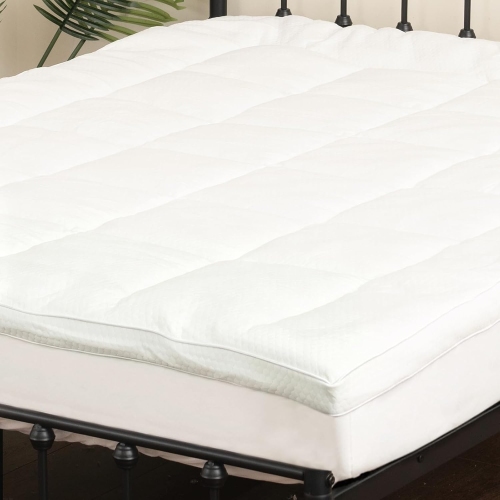
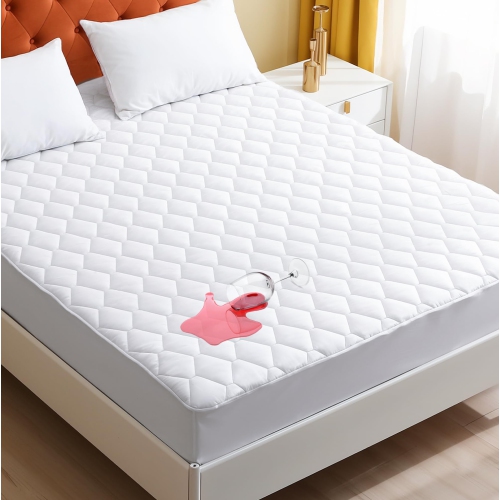
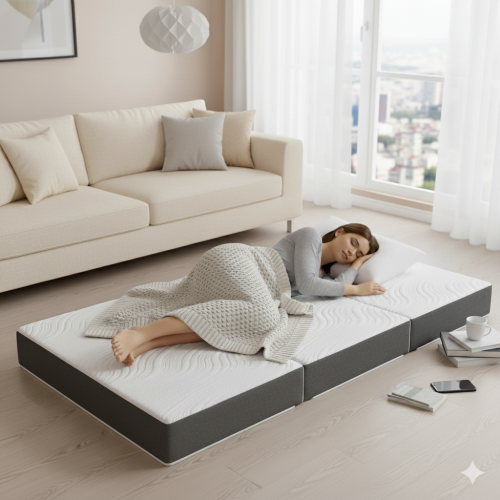
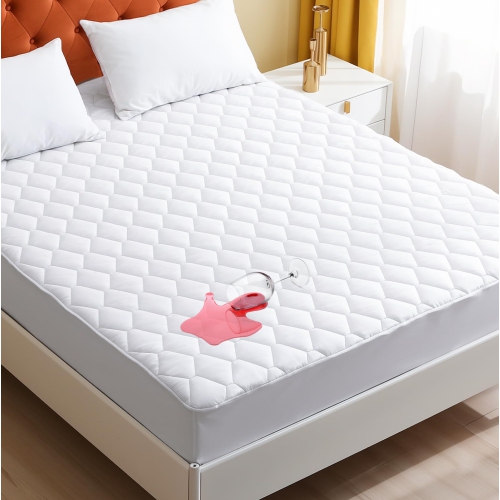
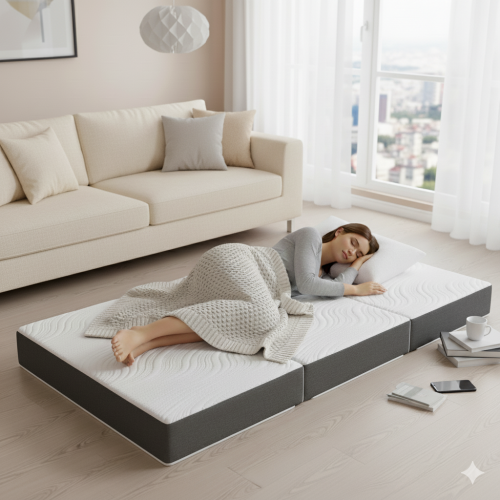
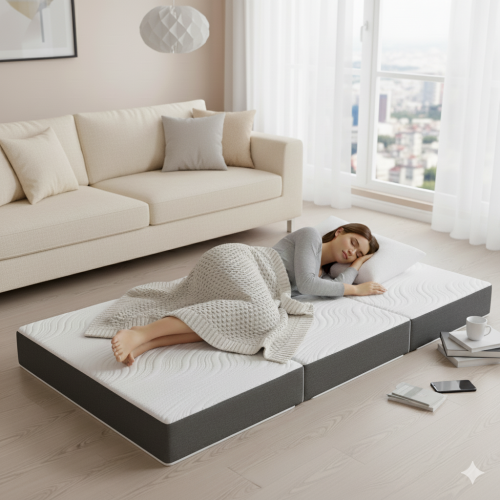
Why a firmer topper is not always better
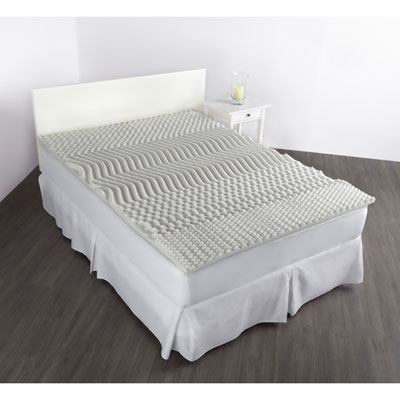
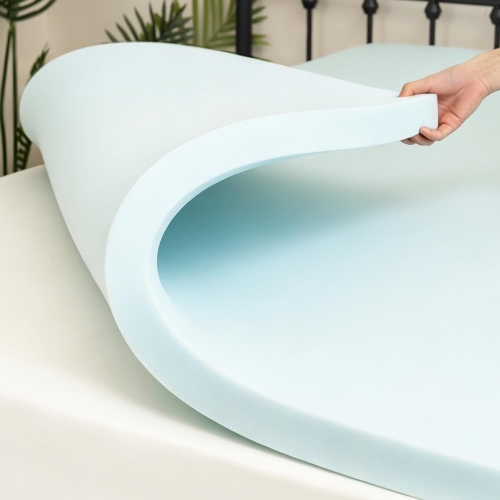
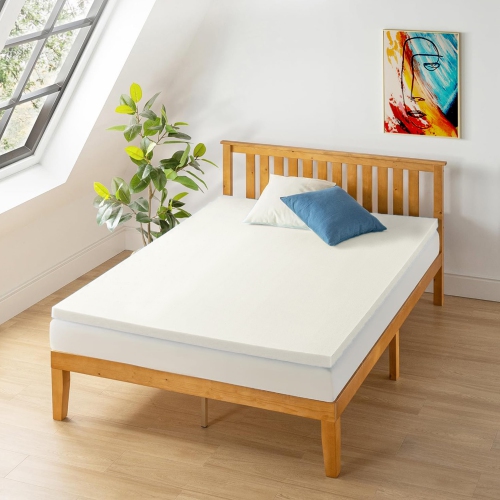
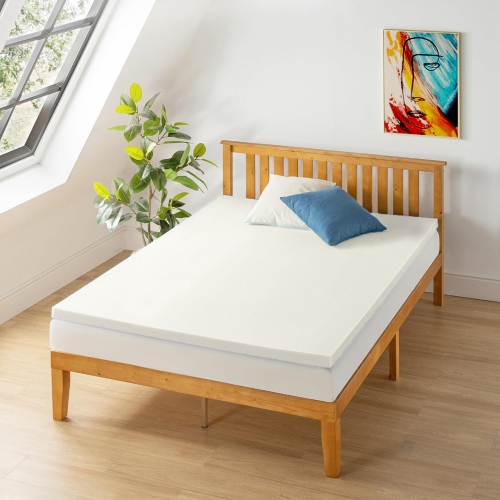
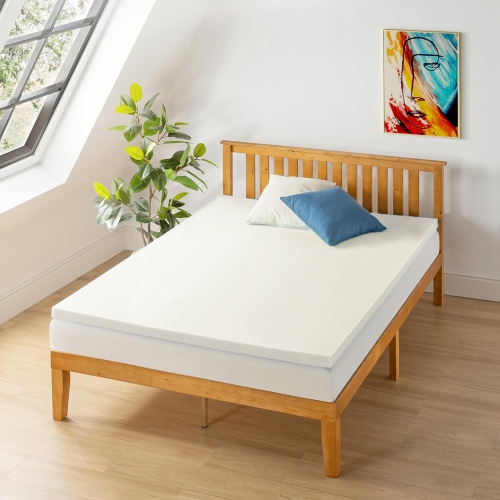
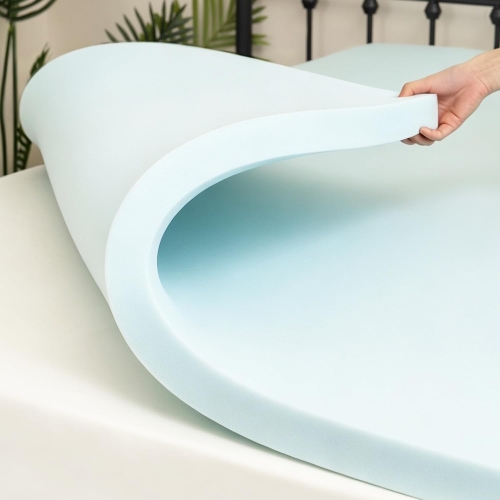
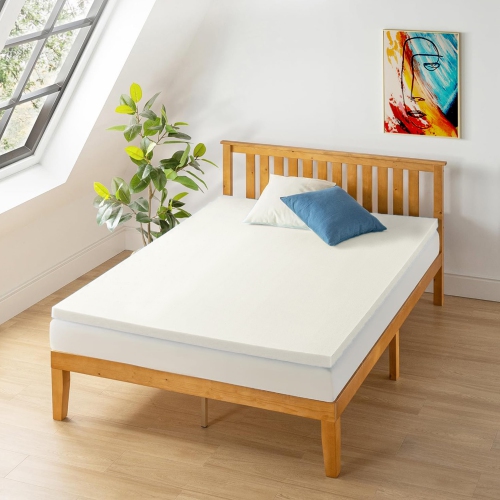
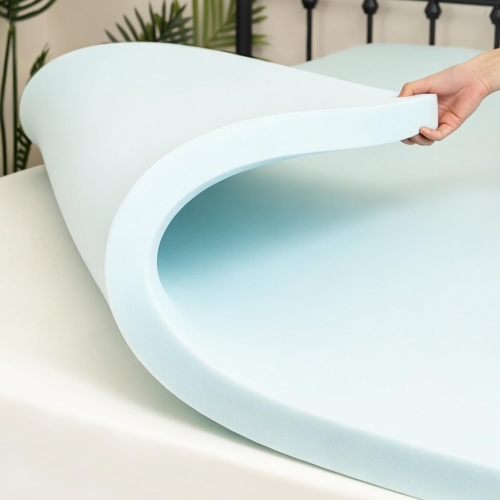
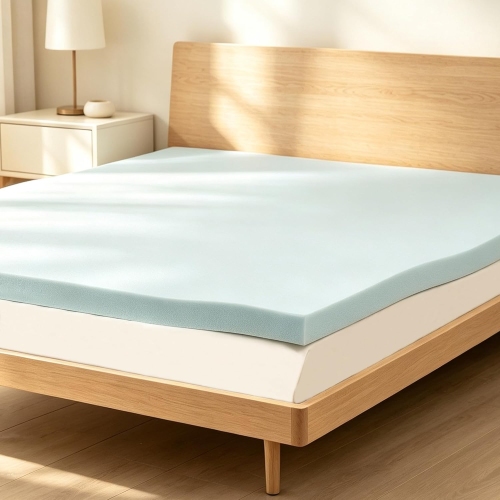
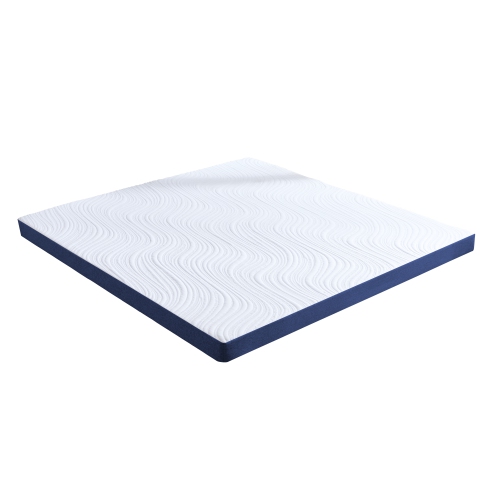
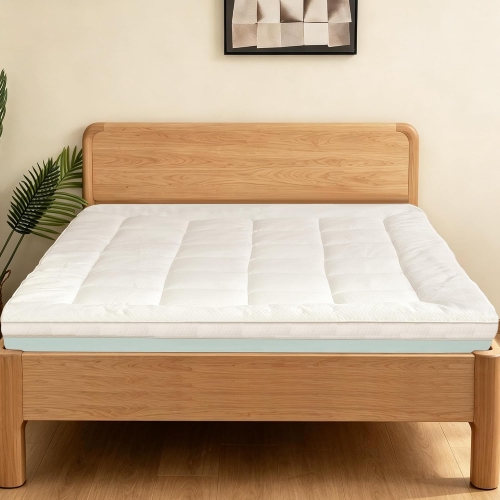
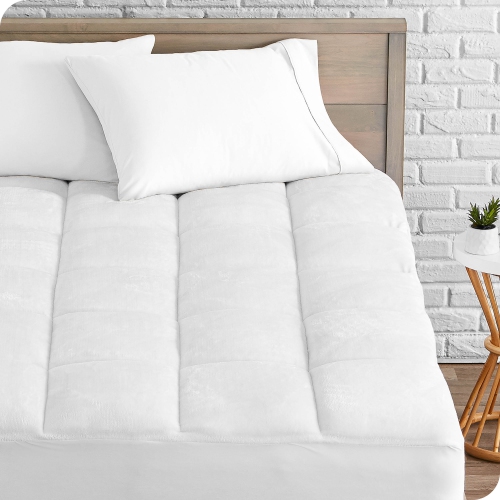
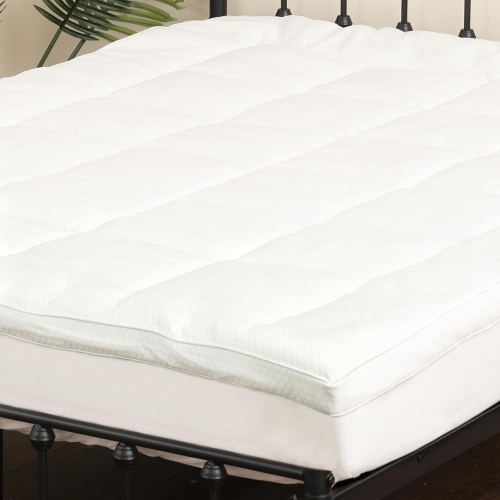
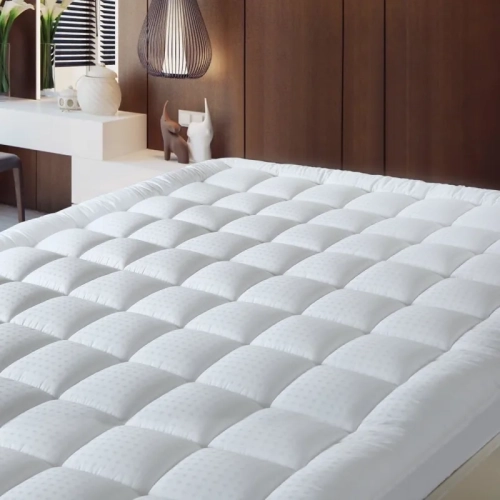
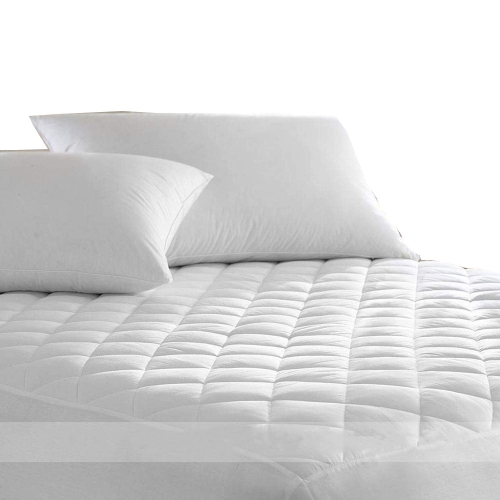
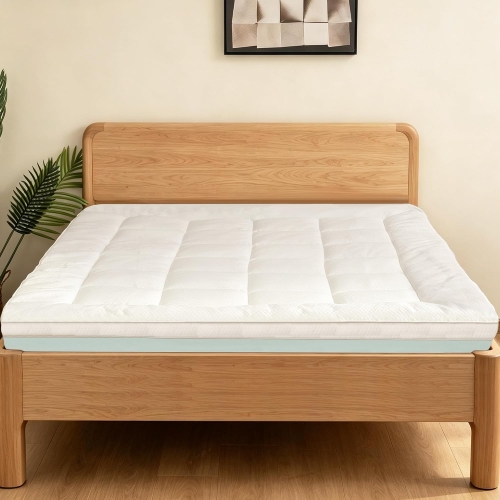
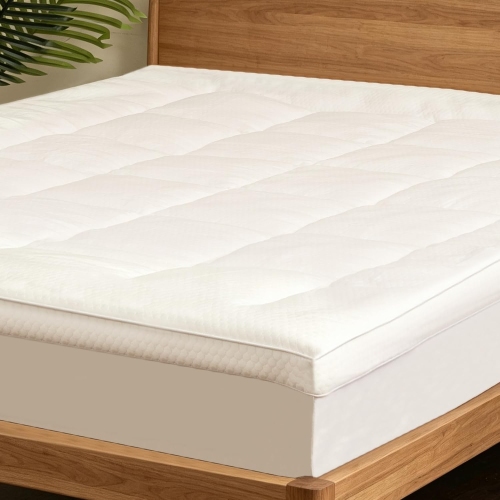
Mattress toppers for back pain add a layer of cushioning or responsive support to an existing mattress, changing how the sleep surface feels beneath the shoulders, waist, and hips. They can be useful when a sound mattress feels too hard or lacks enough cushioning, but they cannot repair deep sagging, broken springs, or an uneven foundation. The aim is a comfortable sleeping position in which the body feels supported without concentrated pressure or excessive sinking. A medium-firm feel can be a useful starting point for some back sleepers, while stomach sleepers often need enough resistance beneath the pelvis to avoid sinking too deeply. Side sleepers generally need more cushioning at the shoulders and hips, with sufficient support to keep the waist from dipping. Firmness is personal, however: body weight, body shape, sleeping position, and the mattress underneath all affect the result. A firmer topper is not automatically better for an aching back, and a plush surface is not necessarily unsupportive. Someone whose shoulder feels compressed on a firm mattress may benefit from contouring cushioning, while someone whose hips already settle into a hollow is unlikely to solve that problem by adding another soft layer. A topper that is 2 to 3 inches thick is a common starting point for a noticeable comfort adjustment, although thickness alone does not determine support. A thinner layer makes a subtler change and leaves more of the mattress’s original feel intact; a thicker layer allows more contouring but can also increase sinkage and overall bed height. Foam density, firmness, and construction are separate qualities, so a dense foam should not be assumed to feel firm. For people who change positions through the night, ease of movement matters alongside pressure relief. A surface that cushions comfortably while allowing an easy turn from back to side may be more suitable than one that feels comfortable initially but makes rolling over difficult.
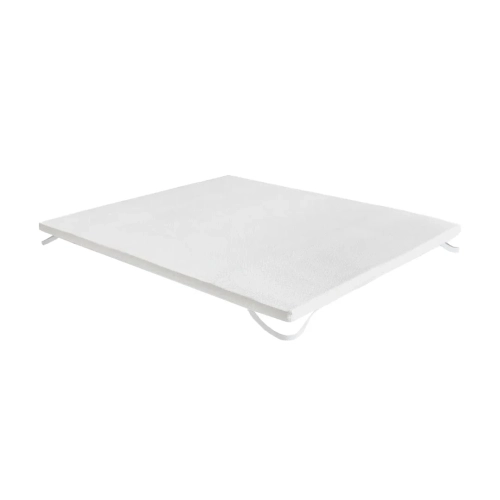
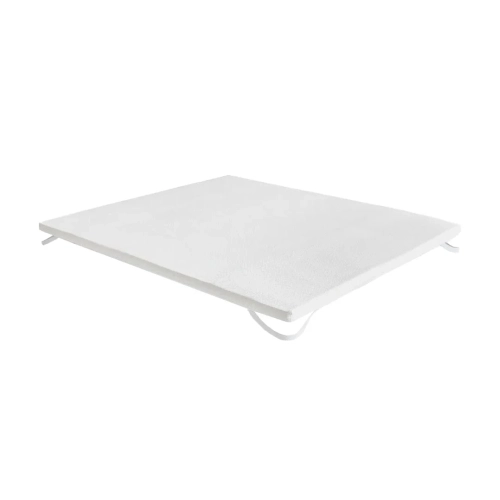
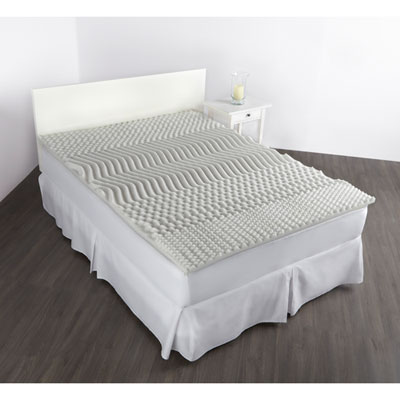
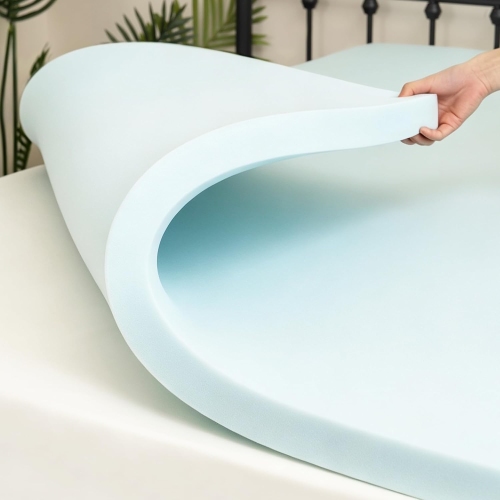
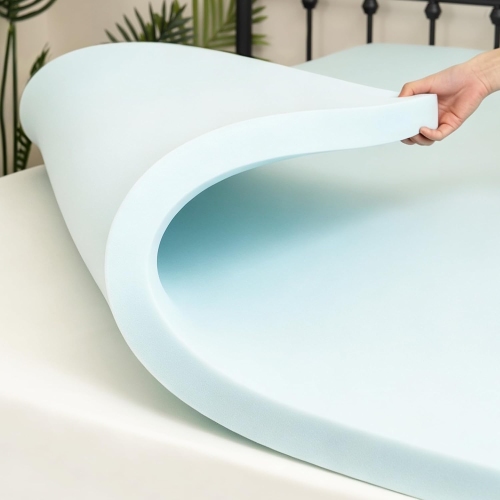
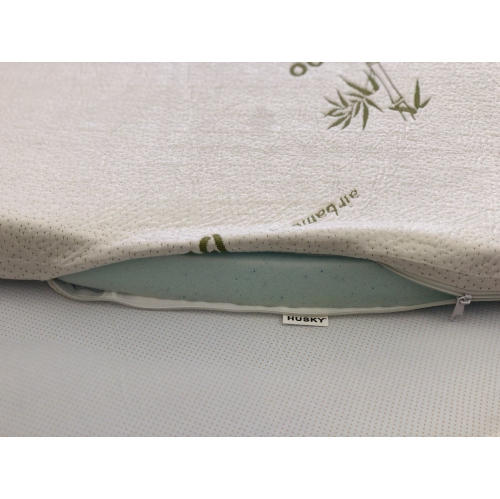
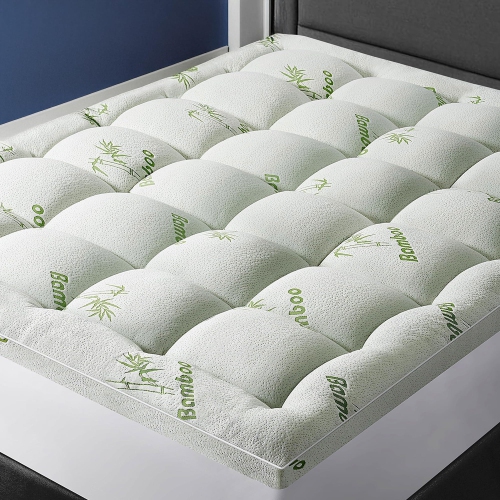
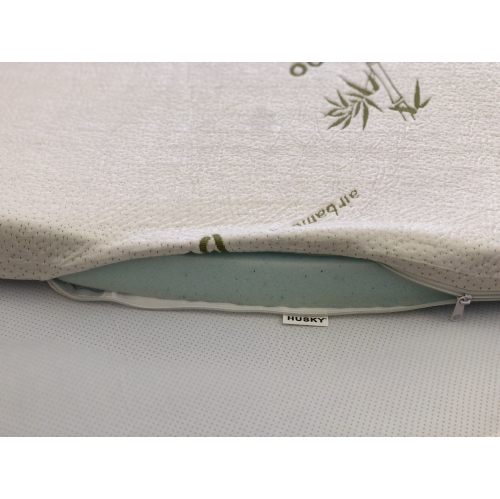
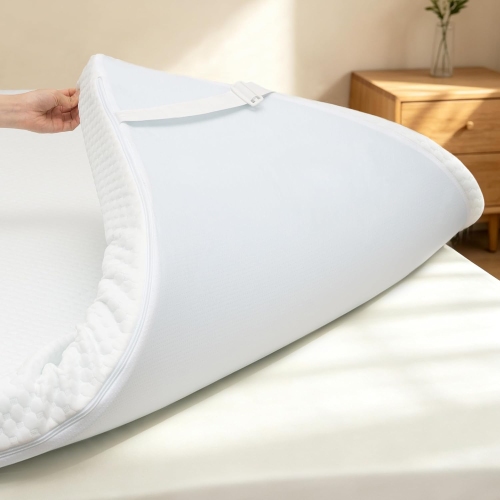
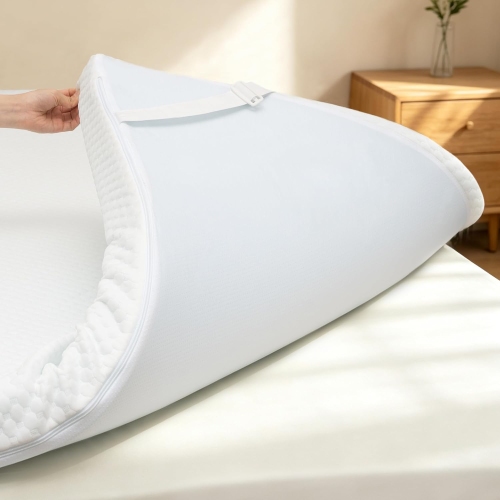
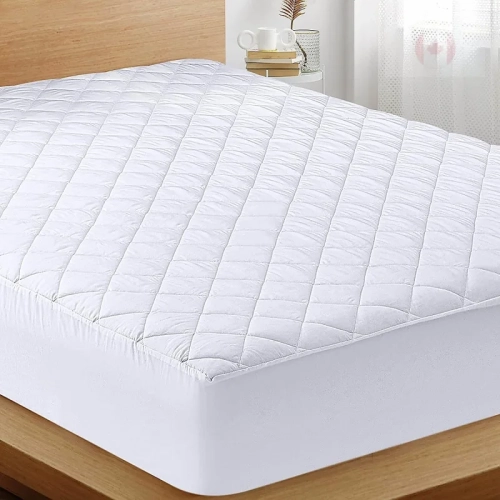
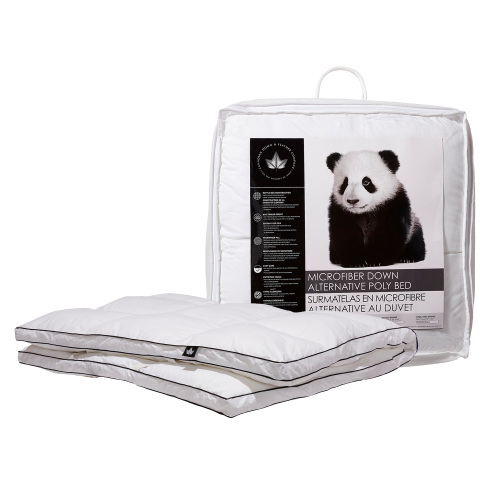
Material choice makes a substantial difference to how a mattress topper responds during sleep. Memory foam contours gradually around the body and can soften the feel of a firm mattress, particularly where the shoulders and hips press into the surface. Its close-fitting feel can also reduce the transfer of movement between partners, although the amount depends on the foam and the underlying mattress. Some sleepers enjoy that cradling sensation; others prefer a surface that rebounds more quickly. Latex typically offers a springier, more responsive feel, making it easier to change positions without waiting for the material to reshape. Both natural and synthetic latex constructions vary in firmness, and anyone with a known latex allergy should check the material information before choosing one. Fibre-filled toppers offer a pillowy surface and may suit someone seeking light cushioning rather than a substantial change in support. Their fill can compress with use and may need regular fluffing to maintain an even feel. Toppers with small coils or layered foam constructions can combine cushioning with a more responsive base, but their feel still depends on the complete design. Zoned designs vary firmness across the surface, often providing different resistance beneath the torso and hips; the usefulness of those zones depends on where the sleeper’s body rests. For anyone who sleeps warm, airflow through the topper and cover is worth considering. Perforations, breathable fabrics, and open constructions can help air circulate, while gel or other infusions do not guarantee that every sleeper will feel cooler. Fit is equally important. Match the topper’s stated dimensions to the mattress rather than relying on the size name alone, especially for less common bed sizes. Corner straps, a fitted skirt, or a grip backing can help limit shifting. Added thickness also affects sheet fit, so the combined height of the mattress, topper, and protector should suit the fitted sheet’s pocket depth. For an adjustable bed, check that the topper is suitable for bending with the base rather than bunching or sliding when the head or foot section moves.
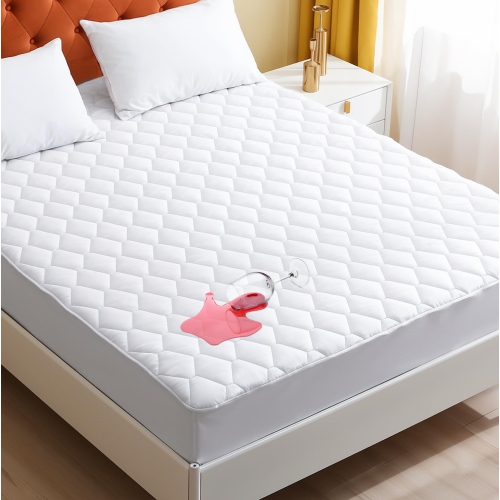
Day-to-day practicality helps determine whether a topper remains comfortable beyond the first few nights. A removable, washable cover makes routine care easier, particularly in a frequently used bedroom, but the cover and the inner material may have very different cleaning requirements. Foam and latex cores generally should not be machine washed unless their care directions explicitly allow it; spot cleaning and thorough drying are often required. A compatible mattress protector can help keep perspiration and spills away from the topper without adding a bulky layer that changes its feel. Follow the care information for washing, drying, rotation, and airing, and avoid flipping a layered or zoned topper unless it is designed for use on both sides. Compressed toppers may need time to expand before use, and any initial odour should be allowed to dissipate as directed. Durability depends on the material, construction, frequency of use, and how well the topper is supported underneath. Persistent flattening, lumps, tears, or a lasting body impression can indicate that it is no longer providing an even surface. For older adults or anyone with limited mobility, a topper should also allow comfortable movement and manageable entry and exit from the bed. Extra thickness raises the sitting surface, while very soft cushioning may make the edge feel less stable. When the mattress itself has lost support, browsing Mattresses for Seniors With Back Pain may be more relevant than adding another layer. Toppers can also suit guest bedrooms or be a thoughtful gift when the recipient’s mattress size, preferred feel, and care needs are known, though sleep comfort is highly individual. A topper is a comfort accessory, not a treatment for the cause of back pain. Persistent or worsening pain, or pain accompanied by numbness or weakness, warrants advice from a healthcare professional rather than relying on a bedding change alone.
Top selling and popular products
-
 Your price for this item is $245
-
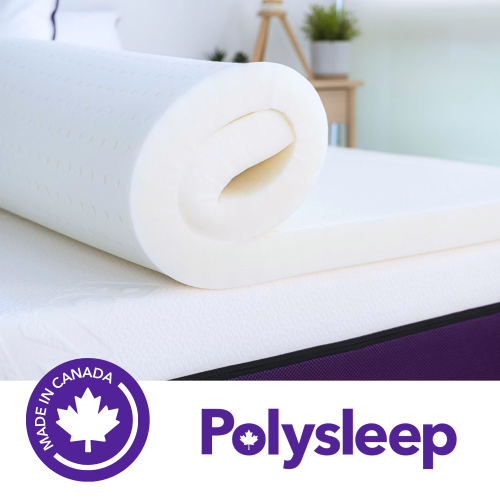 Your price for this item is $227.5
-
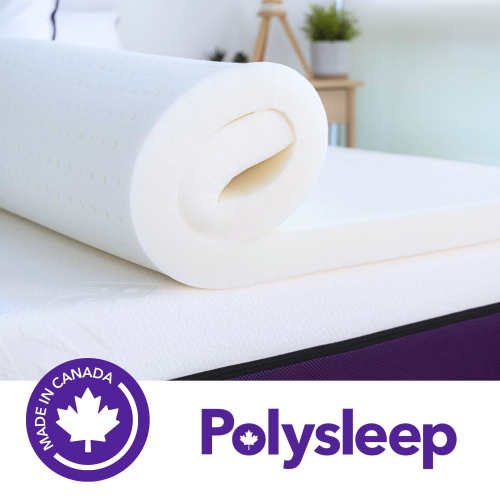 Your price for this item is $262.5
-
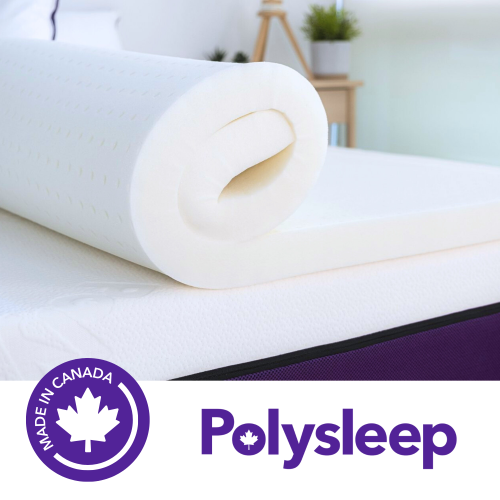 Your price for this item is $175
-
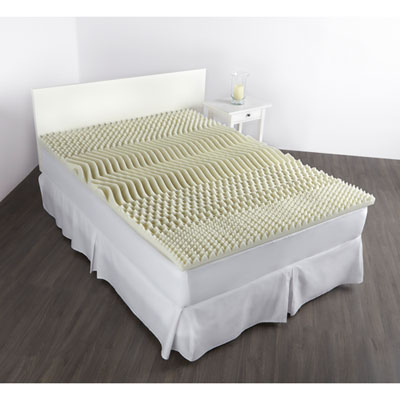 Your price for this item is $211.99
-
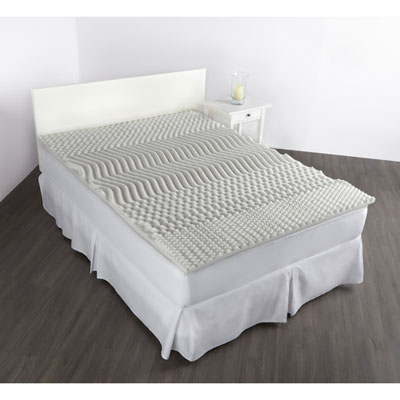 Your price for this item is $127.99
-
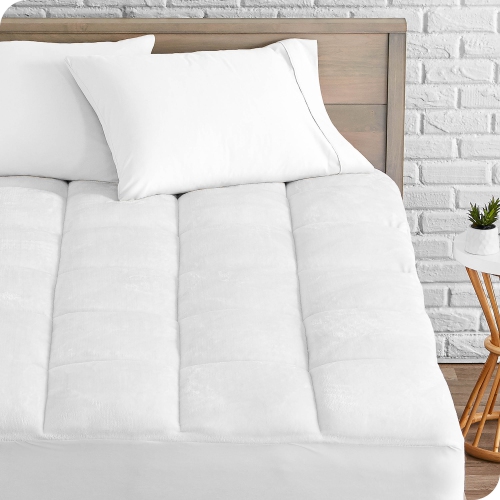 Your price for this item is $126.99
-
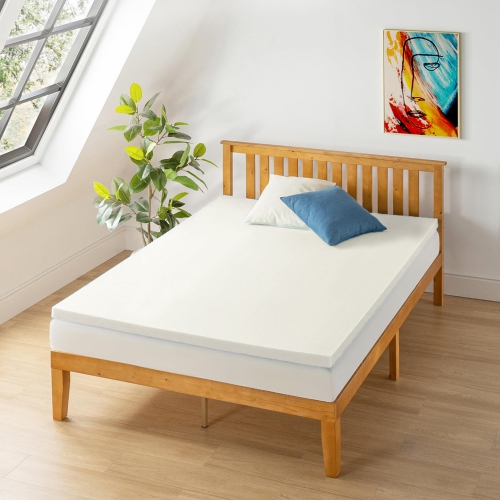 Your price for this item is $99.99
Discover more categories related to Mattress Toppers for Back Pain
Top Collections:
Best Black Friday Deals This Year, Best Black Friday Deals On Electronics, Kindle Devices, Best Black Friday Deals On Apple Products, Best Budget Office Chairs, Best Cameras for Sports Photography, Dyson Airwrap, Canon G7X Cameras, Best Laptops for Writers, Samsung Galaxy Phones
Some products may be subject to Environmental Handling Fees
(EHF) depending on your province.
Learn more about EHFs.