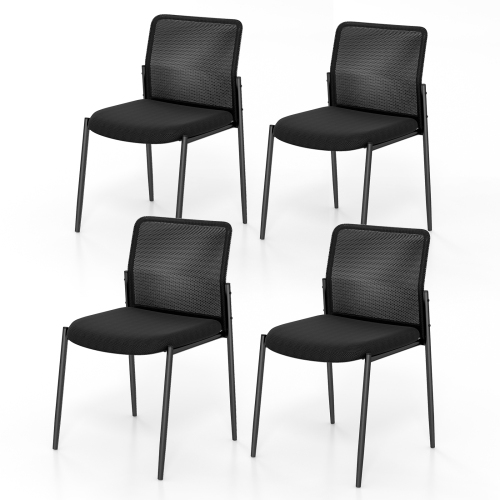
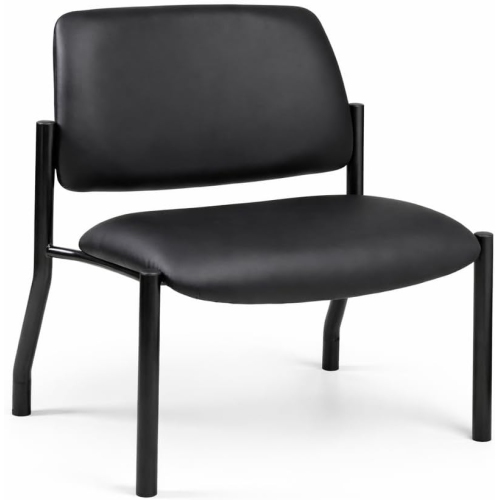
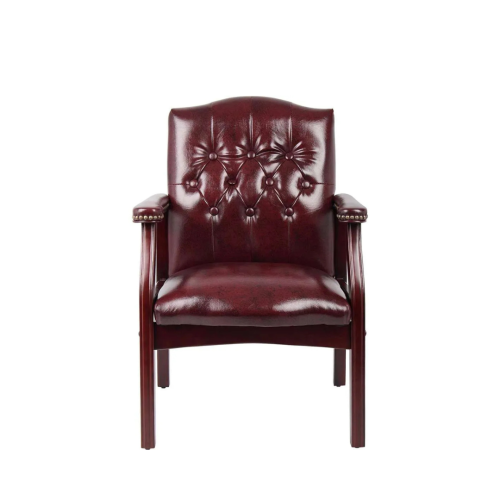
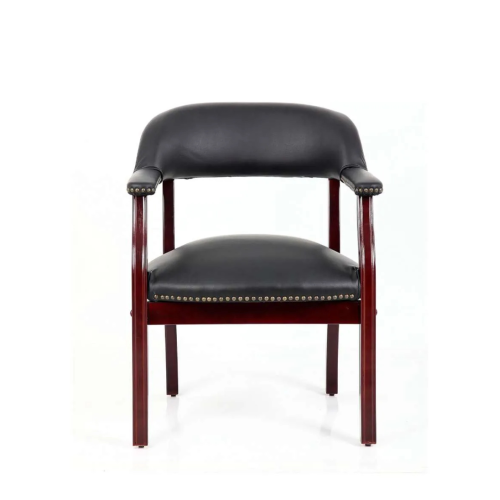
Medical Reception Chairs

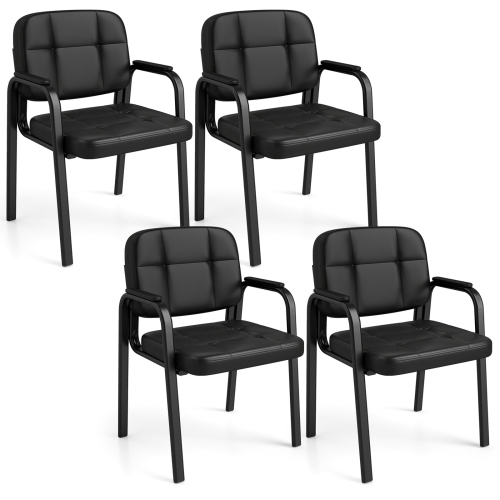
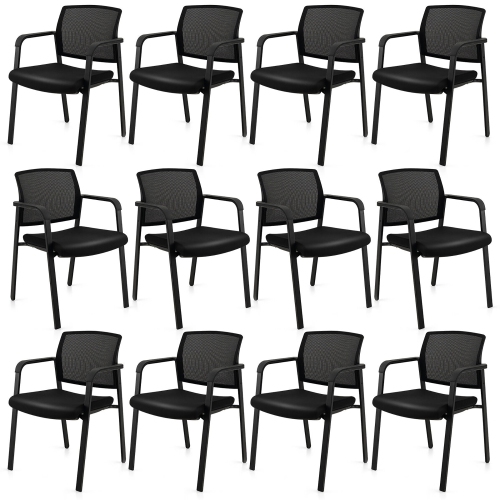
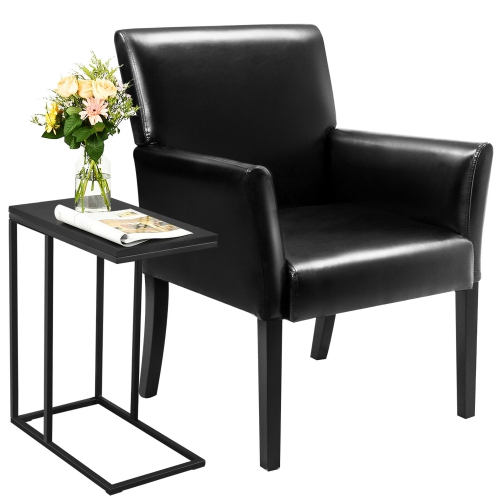
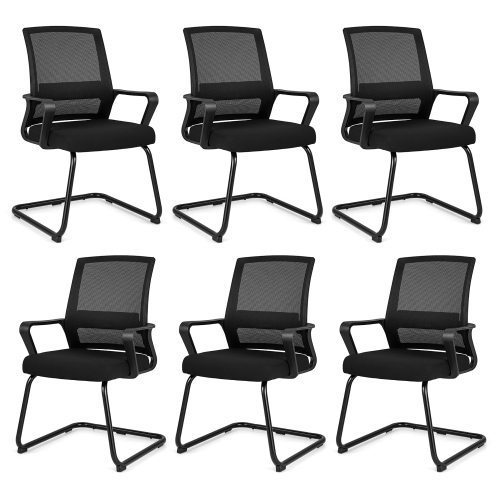
Find medical reception chairs for your clinic, doctor’s office, or healthcare waiting room. Compare reception seating with patient comfort, available floor space, and cleaning requirements in mind to choose chairs that suit your layout and your practice’s daily needs.
Sort

Waiting room comfort goes beyond a cushioned seat

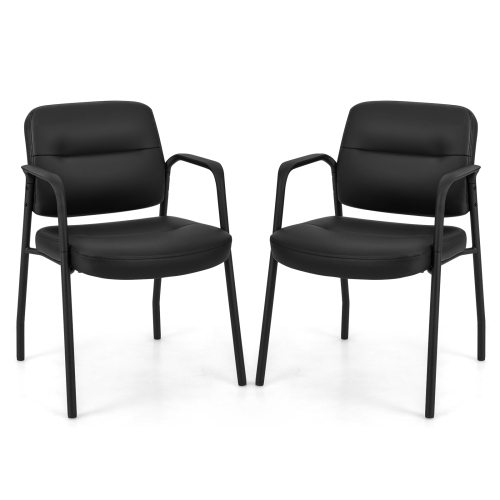
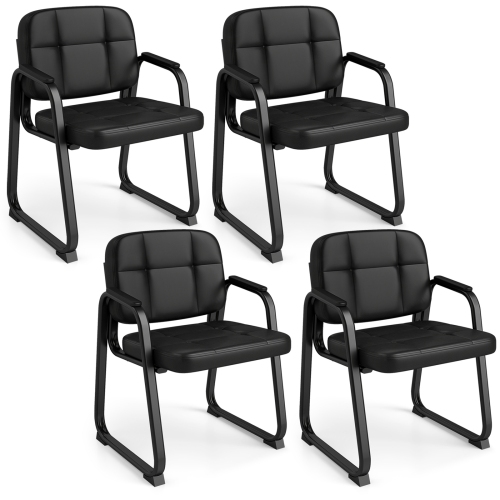
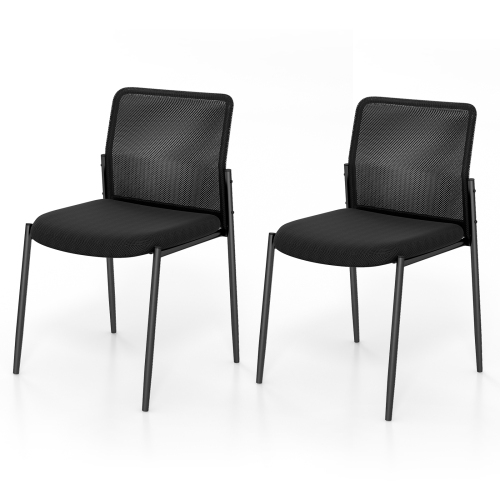
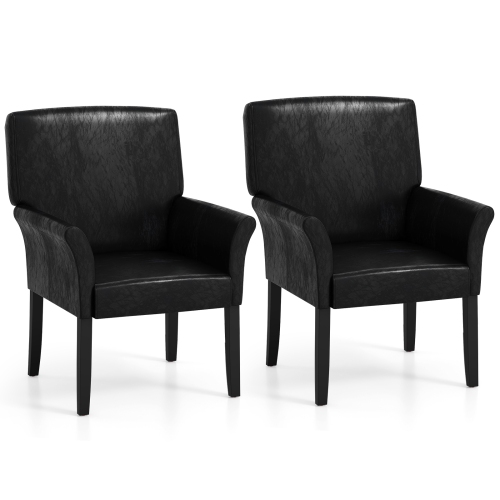
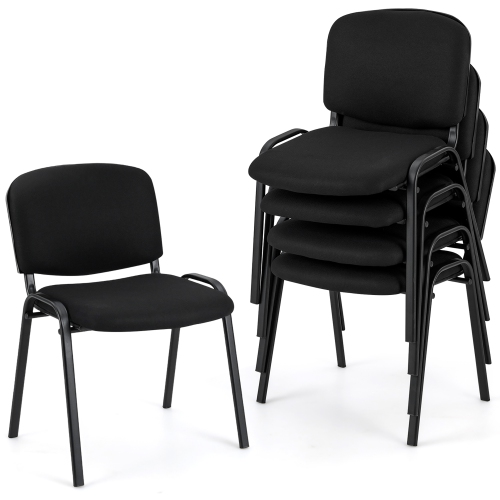
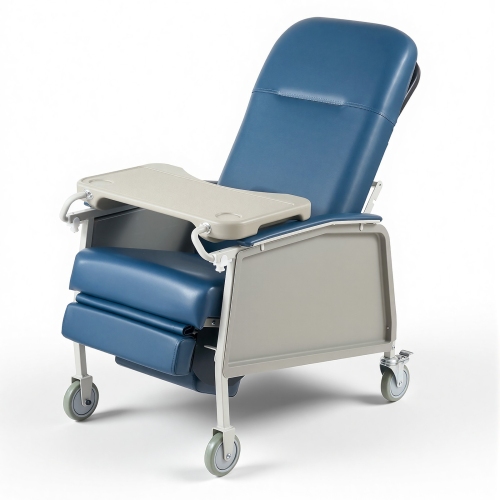
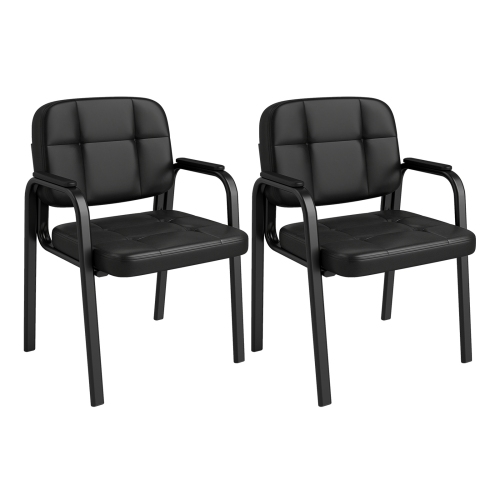
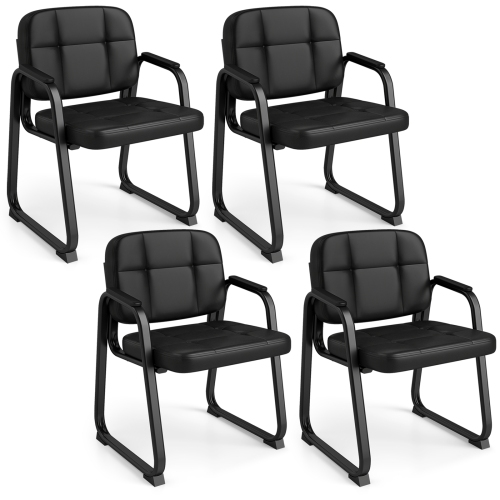
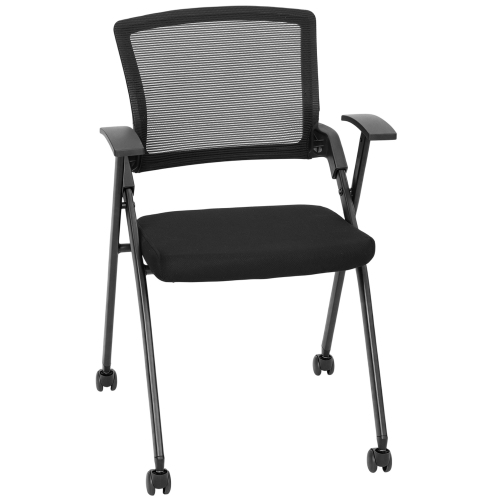
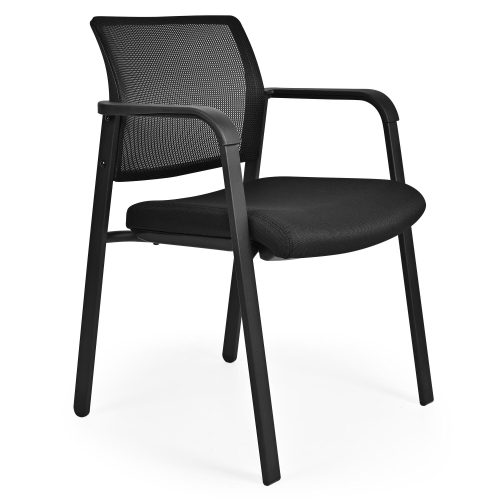
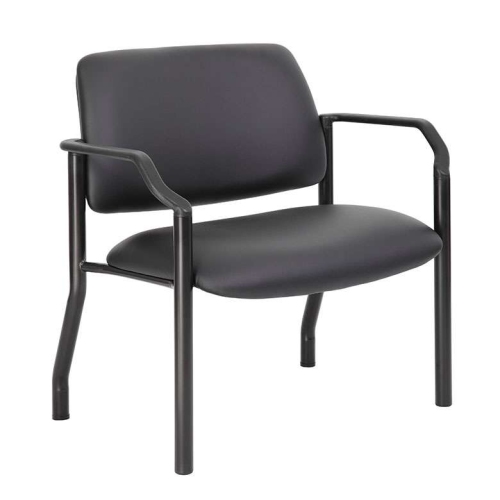
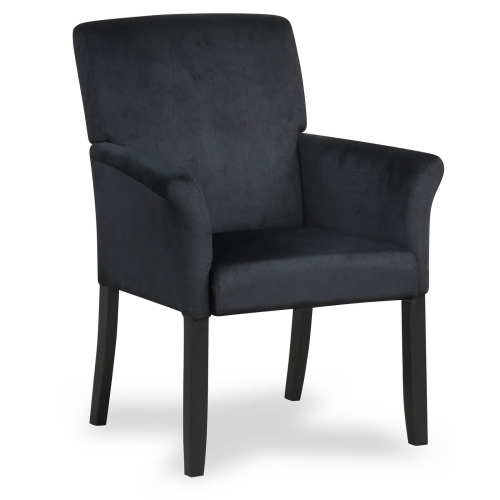
Medical reception chairs provide seating for patients, caregivers, and visitors in clinic waiting rooms, dental practices, diagnostic centres, and other healthcare reception areas. The most useful designs balance supportive seating, durable construction, and surfaces that suit the facility’s cleaning routine. Unlike seating chosen mainly for a home lounge, reception seating needs to accommodate a steady flow of people with different heights, body sizes, and mobility needs. A patient completing paperwork may appreciate an upright back and a stable seat, while someone accompanying a family member may need comfortable support through a longer appointment. Seat height, depth, and width all affect that experience. A seat that is too low can be difficult to rise from, and an overly deep seat may prevent a shorter person from sitting back with their feet supported. Firm, resilient cushioning can offer a more stable sitting surface than very soft padding, although comfort depends on the chair’s dimensions and the person using it. Armrests give people somewhere to rest their forearms and can provide support when sitting or standing, provided the chair is designed for that use. Their height and spacing matter as much as their presence: narrow spacing can restrict movement, while a poorly positioned armrest may make it awkward to sit down. A mix of seating widths, including appropriately rated wider chairs where needed, can help accommodate more visitors without expecting one chair shape to fit everyone. Published weight capacities should always be checked rather than judged from appearance. Reception chairs are intended for seated waiting, not examination, treatment, or patient transfer unless their specifications expressly support those functions. For a practice serving older adults, people recovering from procedures, or visitors using mobility aids, stable seating and a clear approach to the chair deserve particular attention. These practical details can make the difference between a seat that simply fills a space and one that feels comfortable and straightforward to use throughout an appointment.
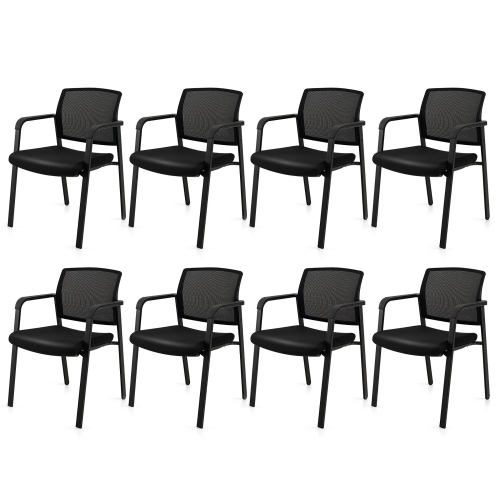
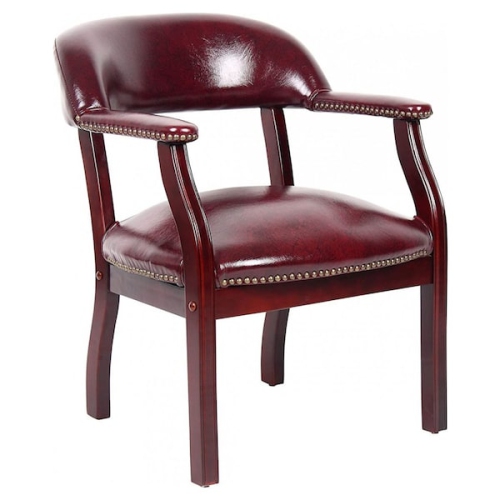
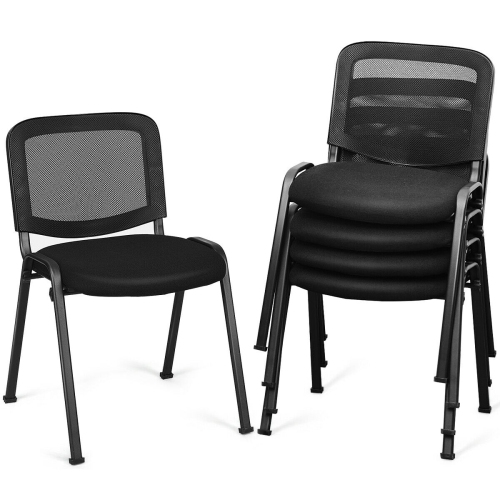
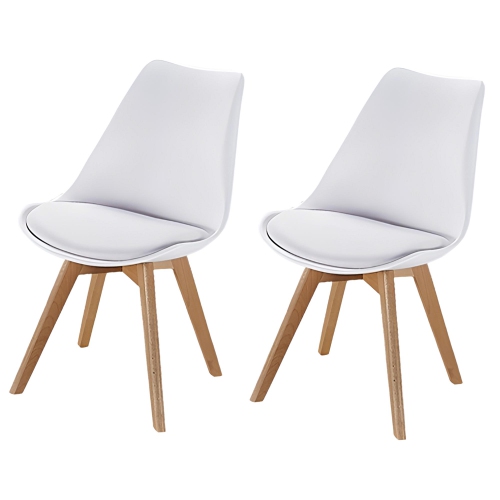
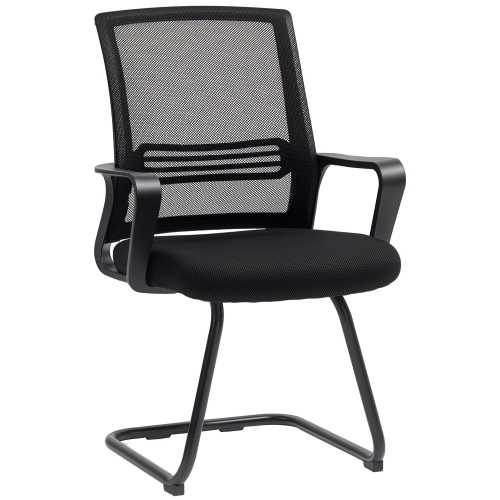
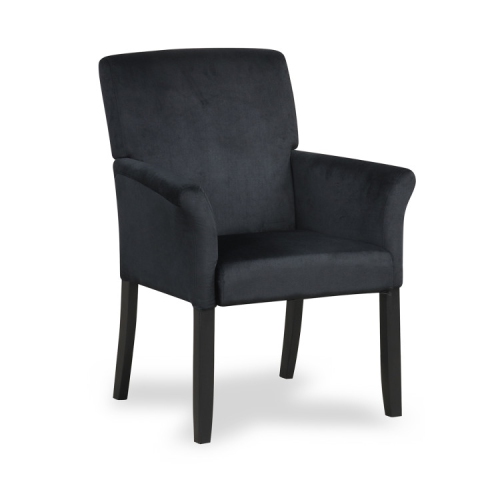
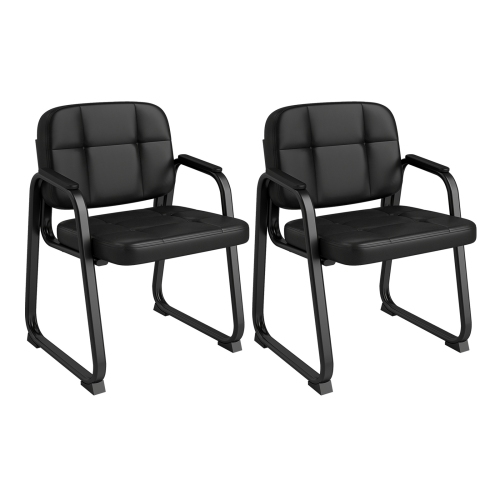
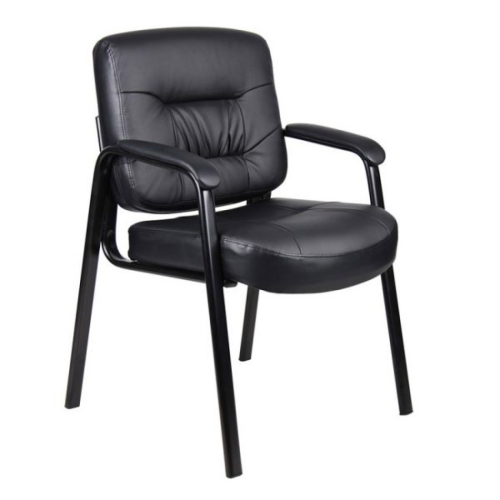
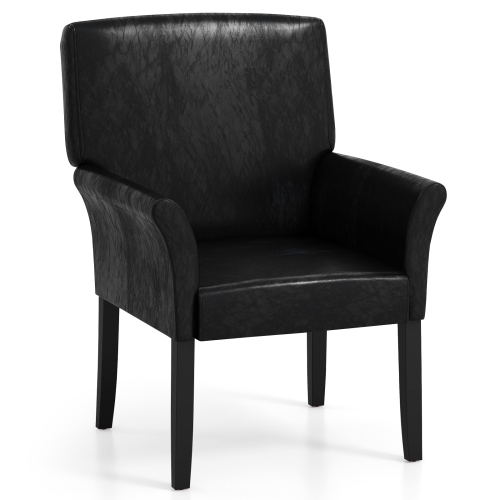
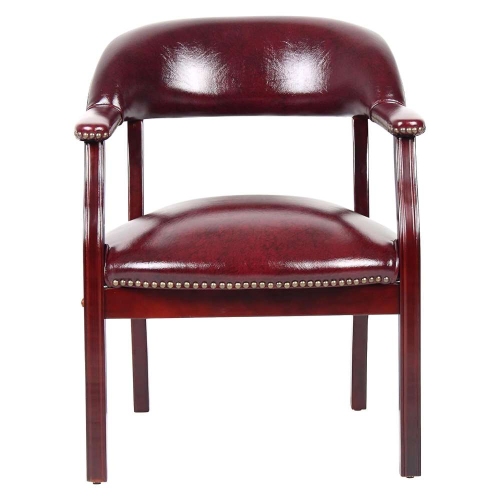
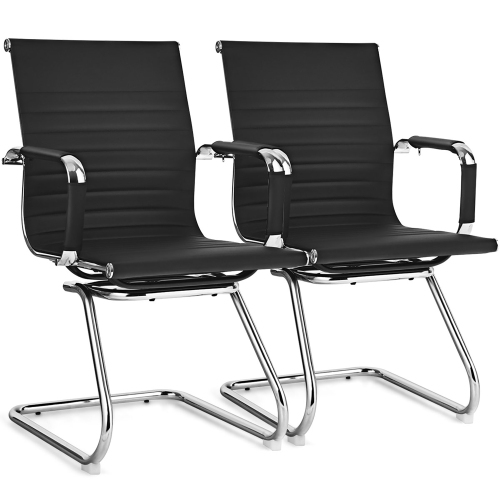
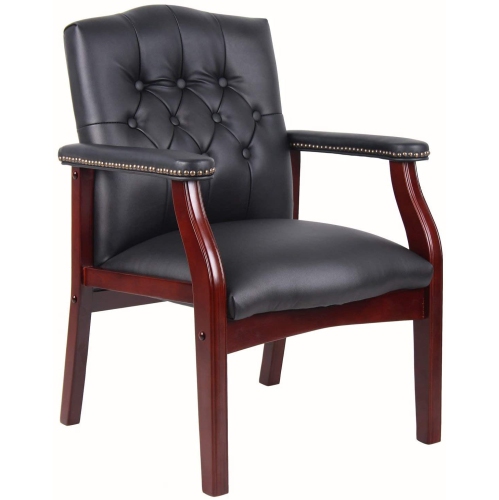
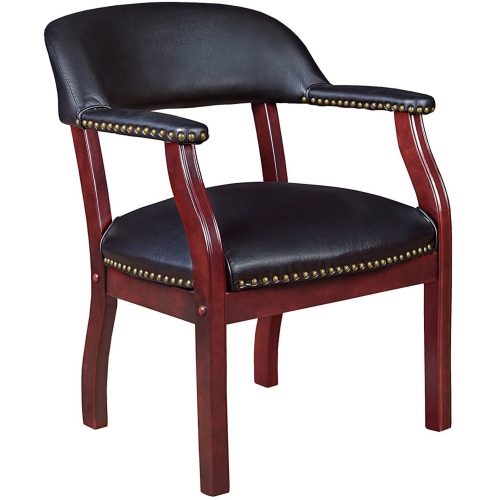
Materials influence how medical waiting room chairs feel, how they wear, and how easily staff can care for them. Metal frames can provide sturdy support with relatively slim profiles, while wood frames bring a warmer visual character; either needs sound joints, a suitable finish, and construction appropriate to repeated daily use. Smooth edges and intact surfaces are important wherever hands, clothing, or mobility aids may brush against the frame. Upholstery choices should reflect both visitor comfort and the cleaning requirements of the practice. Vinyl and other coated upholstery can offer wipeable surfaces, but their resistance to particular cleaners varies. Woven fabric can introduce texture and a softer appearance, although spills may need more involved treatment than they would on a compatible non-porous surface. Neither a material’s appearance nor the word “commercial” alone establishes that it is suitable for a healthcare setting. Manufacturer documentation is the best starting point for checking intended use, cleaning compatibility, and any stated performance testing. Seams, piping, tufting, and gaps also affect upkeep because they can collect debris or make some areas harder to reach. A simpler seat profile may make routine cleaning more straightforward, while an accessible gap between the seat and back can help staff reach those surfaces when the design permits. Cleaning and disinfection are different tasks, and any disinfectant must be suitable for both the chair material and the facility’s procedures. Following the specified dilution, contact time, and drying instructions helps avoid damage; harsh chemicals or excessive moisture can cause cracking, discolouration, or deterioration in some finishes. Care also includes checking for loose fasteners, worn upholstery, unstable legs, and damaged floor glides. A chair that rocks or has exposed sharp edges should be taken out of use until it can be assessed. Replaceable components and clear maintenance instructions can make ongoing upkeep easier, particularly in a busy reception area where the same seats are used throughout the day.

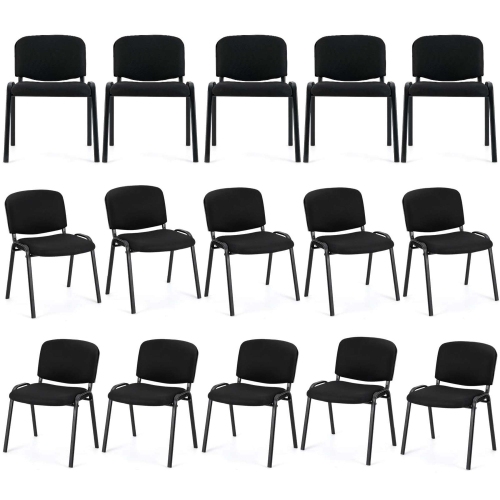
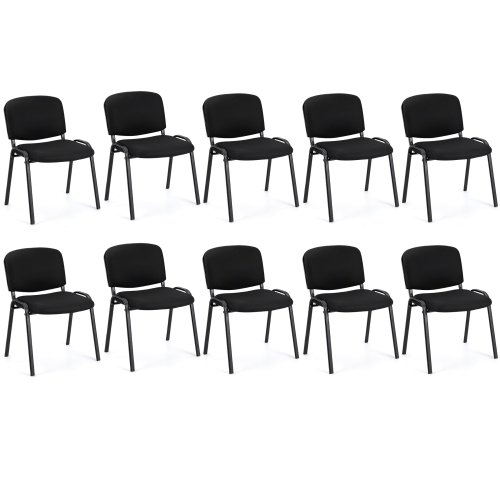
The arrangement of medical reception seating matters just as much as the chairs themselves. A compact clinic may need individual chairs that can be repositioned as appointment patterns change, while a larger waiting room may benefit from linked seating that keeps rows orderly. Linked or beam seating should use the intended connecting components rather than improvised attachments, and its fixed spacing should still suit the people who will use it. Armless chairs can offer more freedom of movement, while chairs with arms may be preferable for visitors who value additional support; combining appropriate styles can serve different needs within the same room. Planning should account for the full footprint of each chair, not just its seat width. Backward-angled legs, broad armrests, and the space needed to sit down all affect how much usable room remains. Clear routes to reception, doors, washrooms, and clinical areas help visitors move through the space without weaving between seats. Wheelchair spaces should be integrated into the seating arrangement, with room for an accompanying person nearby, rather than treated as leftover gaps or storage areas. Applicable accessibility requirements should guide the final layout. Side tables can keep personal belongings within reach, but they should not obstruct circulation or require someone to lean across another visitor. In family practices, space beside a chair for a stroller or a caregiver’s bag can be useful when it does not narrow a required route. Colour and finish help tie these practical choices together: coordinated upholstery, restrained patterns, and clearly defined seating areas can create a welcoming, professional appearance without making the room feel crowded. Practices furnishing administrative and visitor areas may also compare Office Reception Chairs, while checking each design against the care requirements and intended use of the healthcare space. The strongest arrangement brings together suitable dimensions, dependable construction, manageable care, and enough room for people to approach, sit, and leave comfortably.

FAQ

Some products may be subject to Environmental Handling Fees (EHF) depending on your province. Learn more about EHFs.