Memory Cards for Professional Photographers
If you're a photographer, you need to know which memory cards are best for your camera. You need a card that can handle the high-resolution images and fast frame rates. You also need a card that's fast enough to keep up with your shooting schedule. Here are some great options for memory cards for professional photographers.
Sort

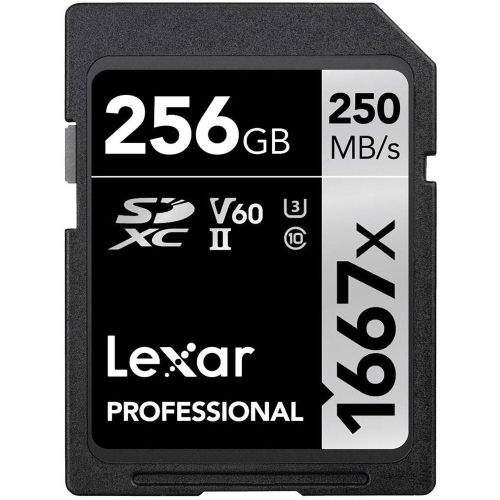
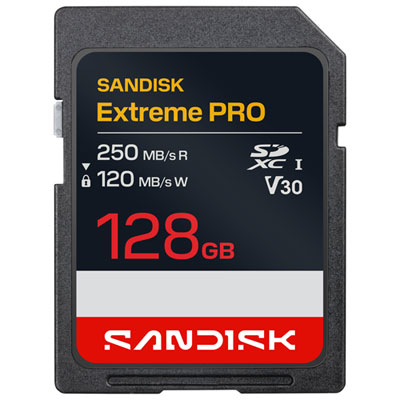
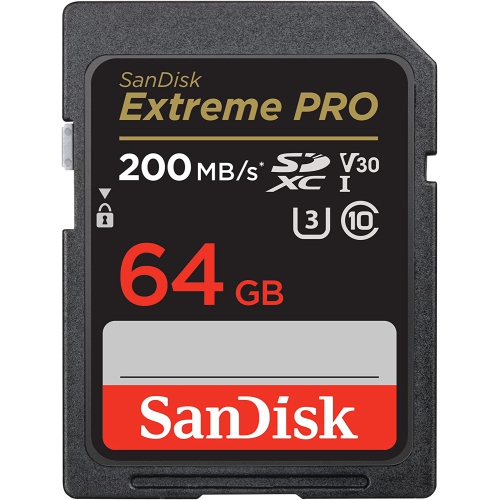

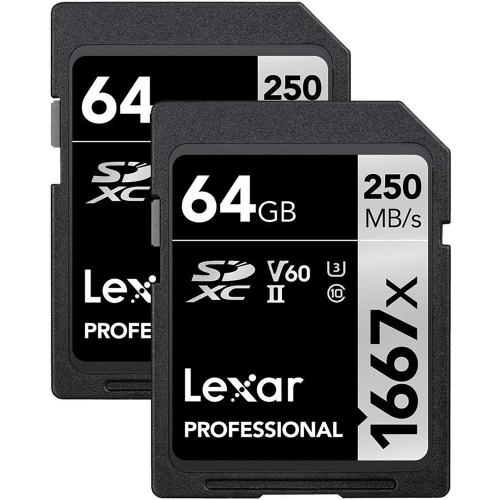



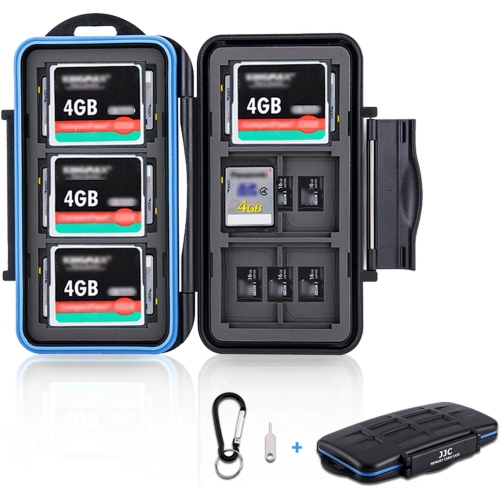
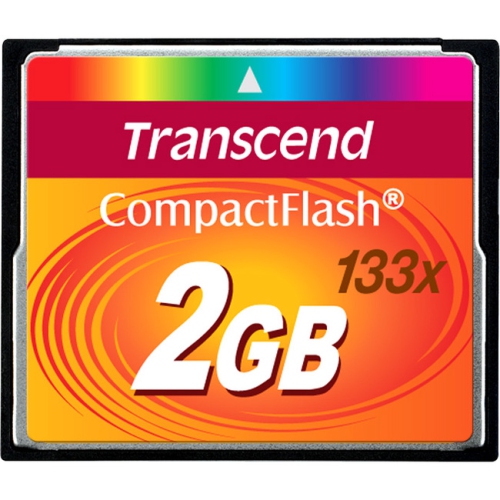
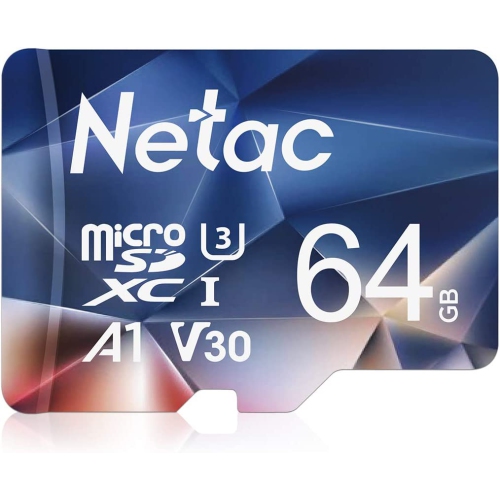
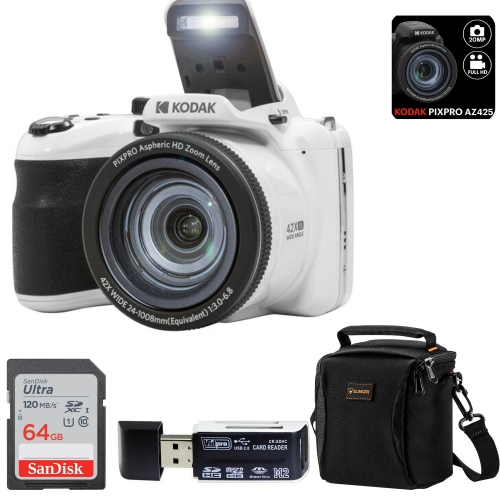
Professional workflows depend on sustained speed, capacity and compatibility
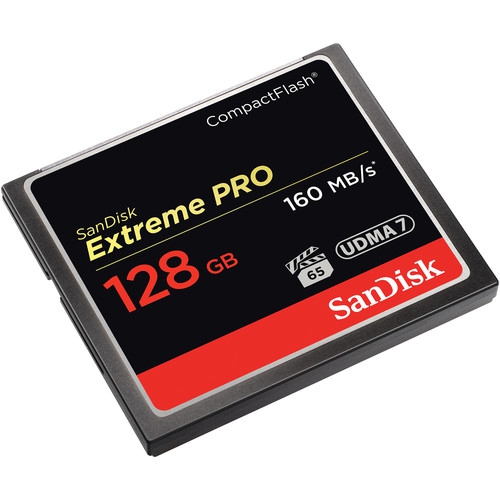
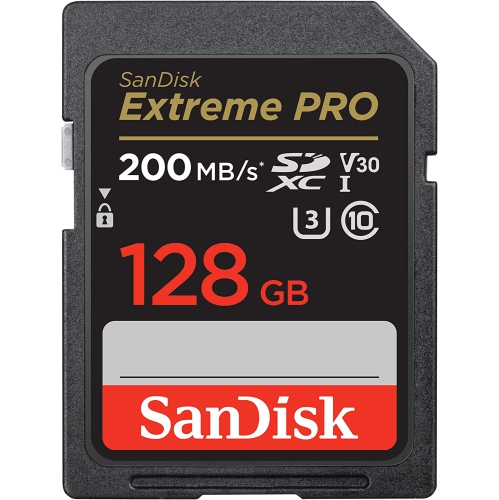
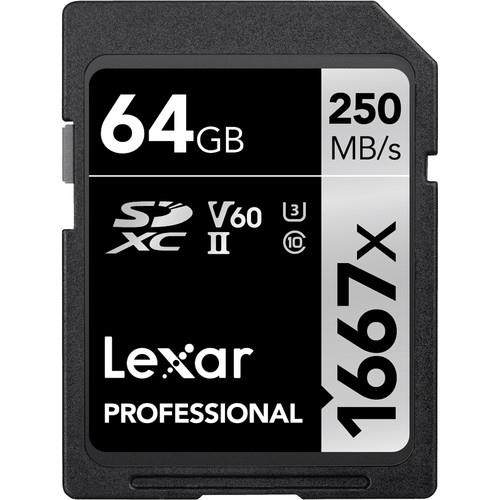
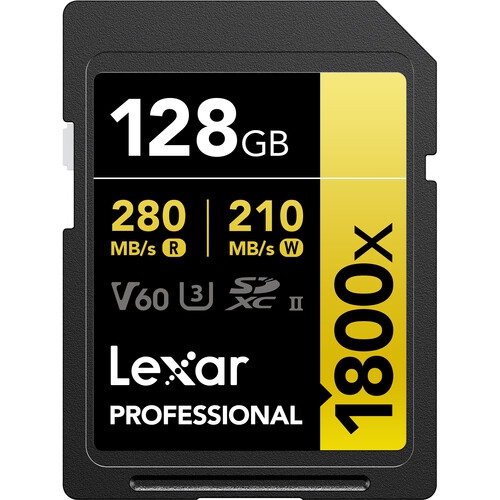
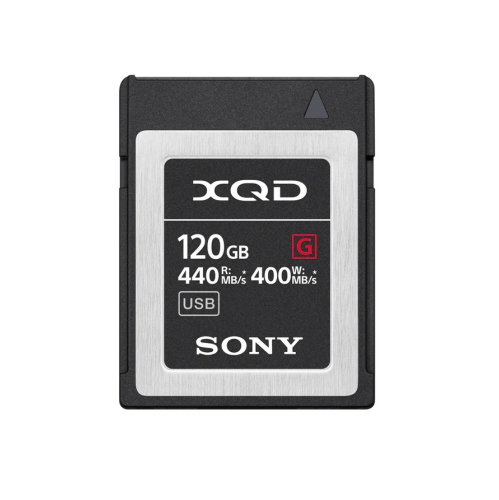
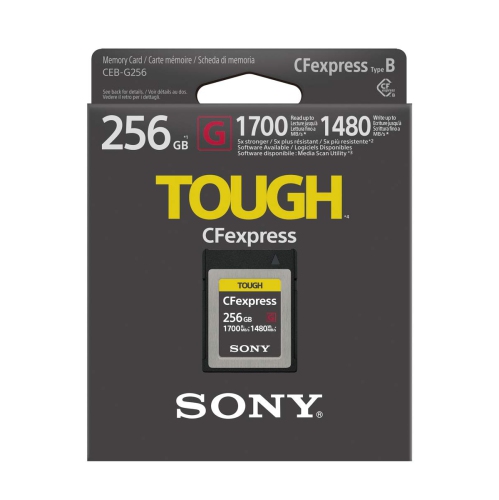
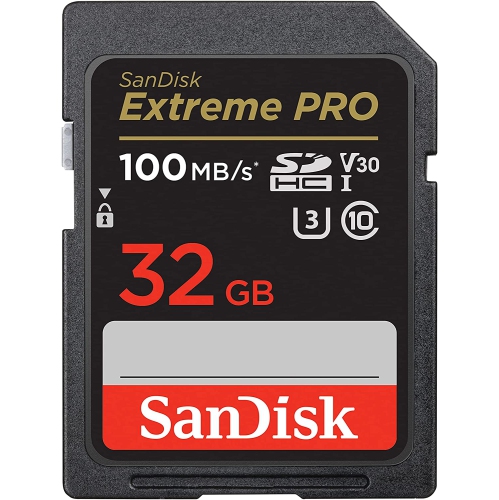
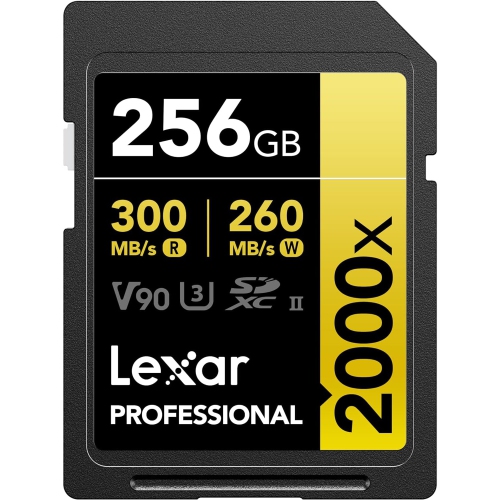
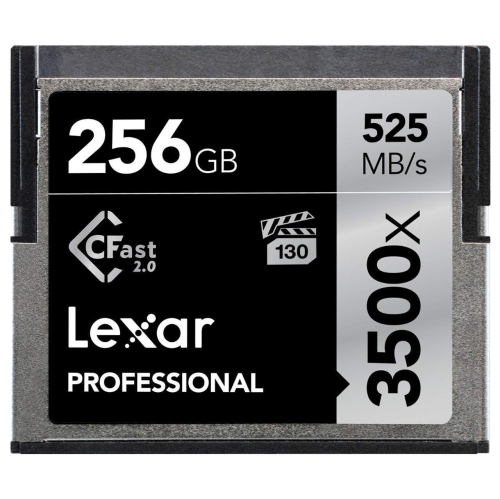
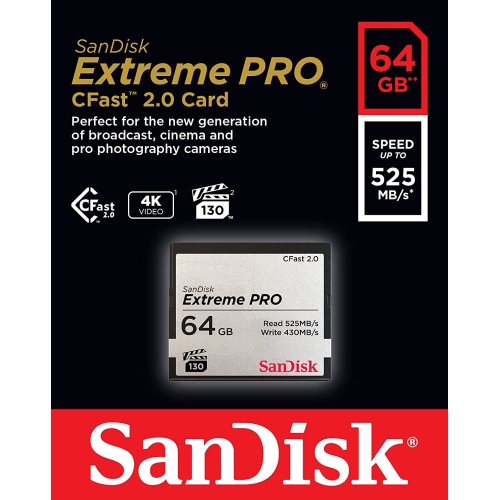
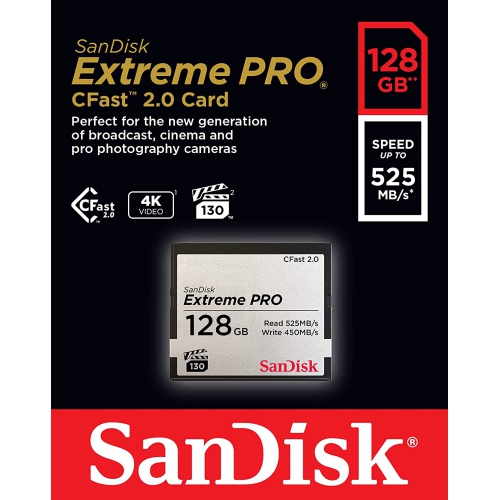
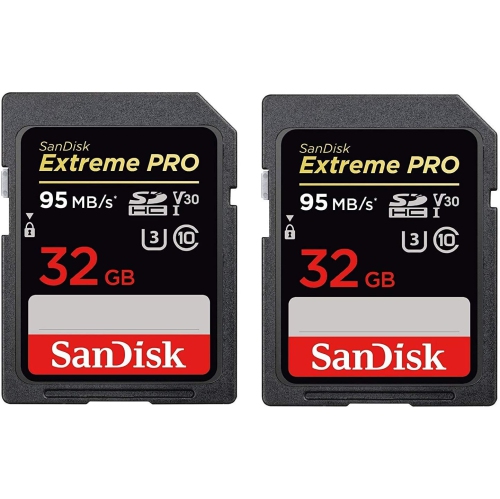
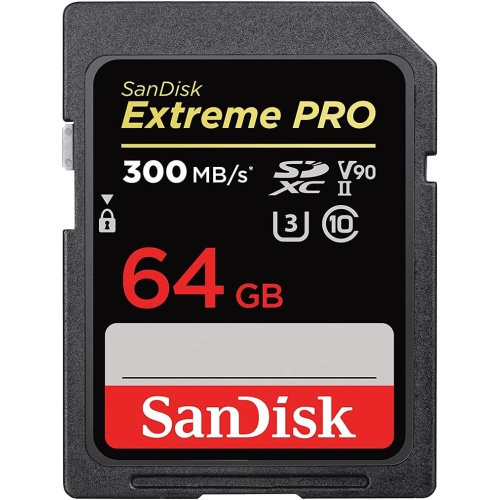
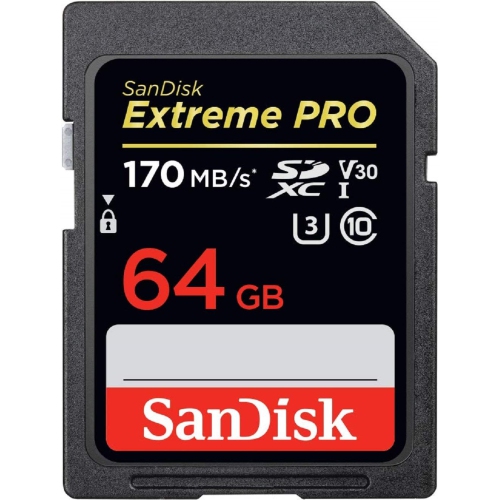
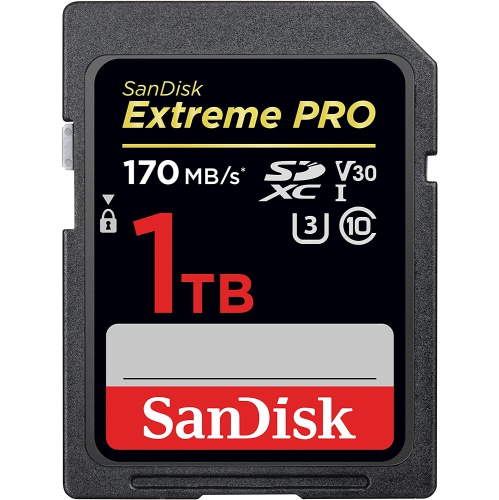
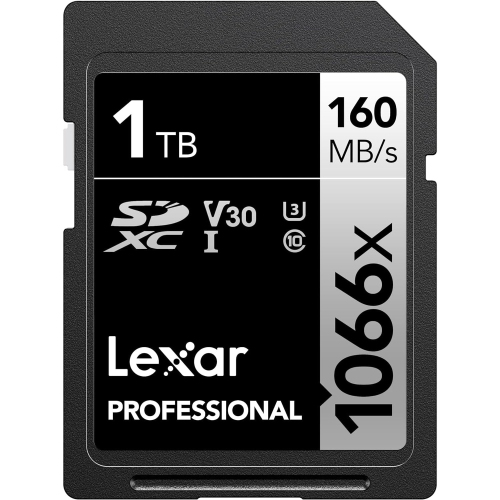
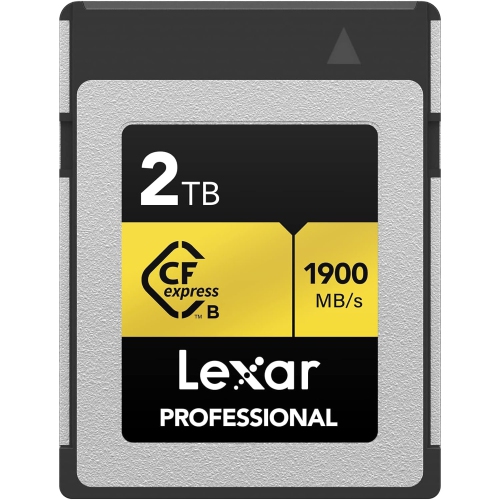
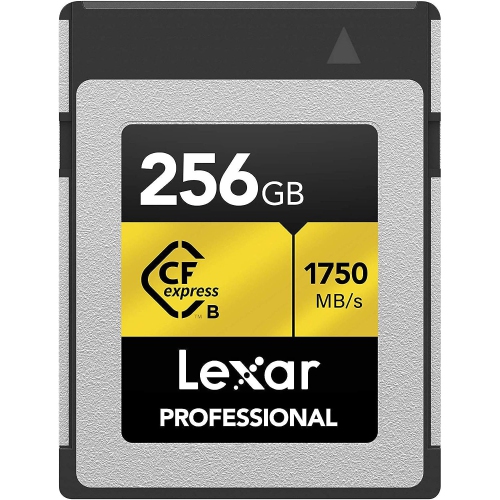
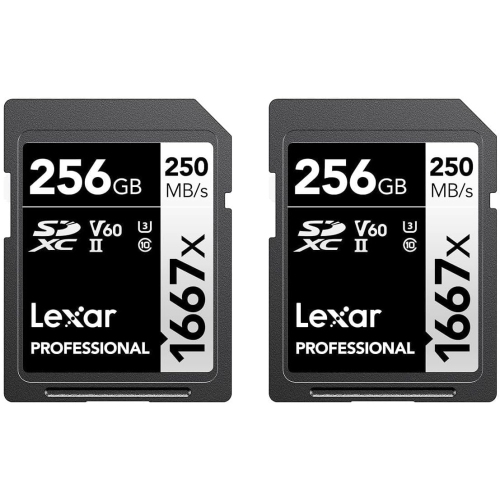
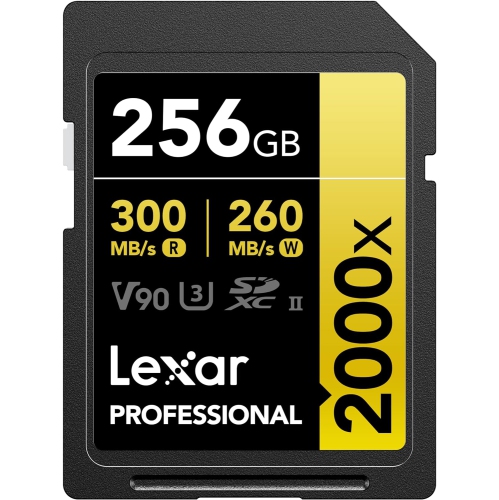
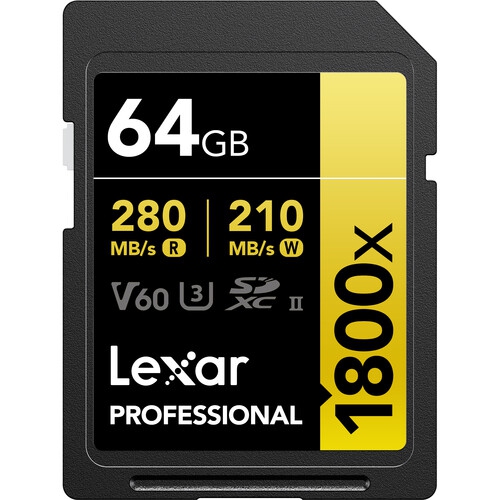
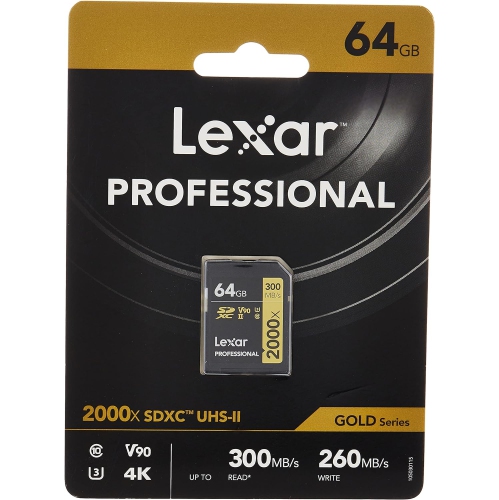
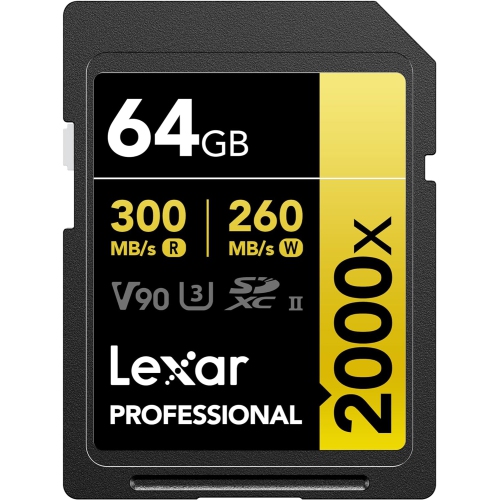
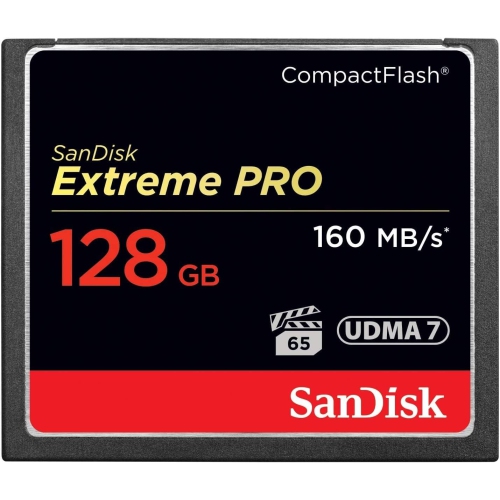
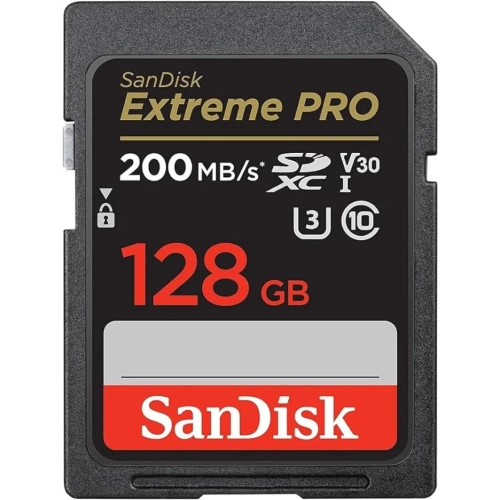
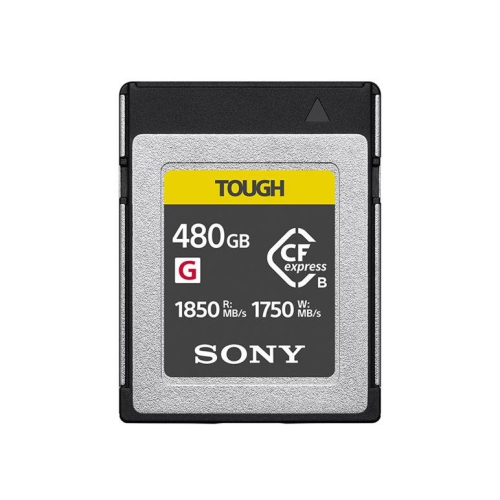
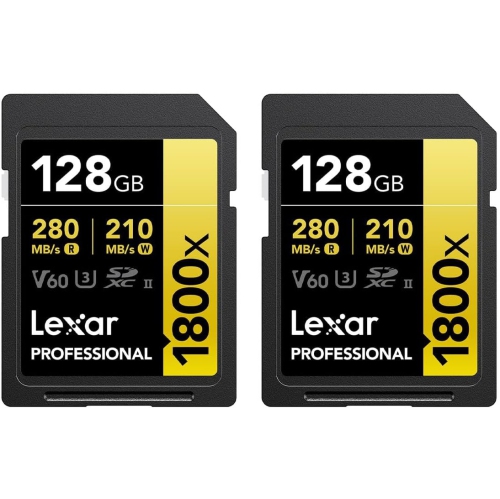
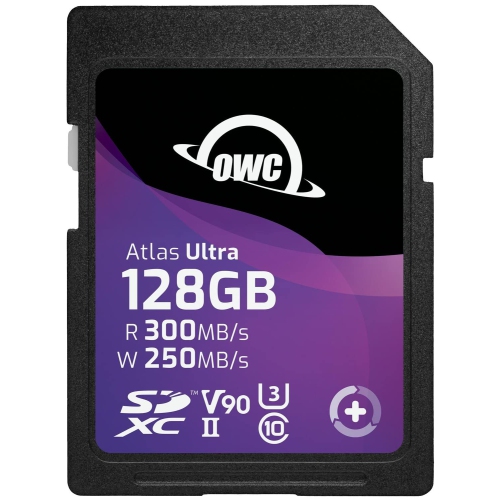
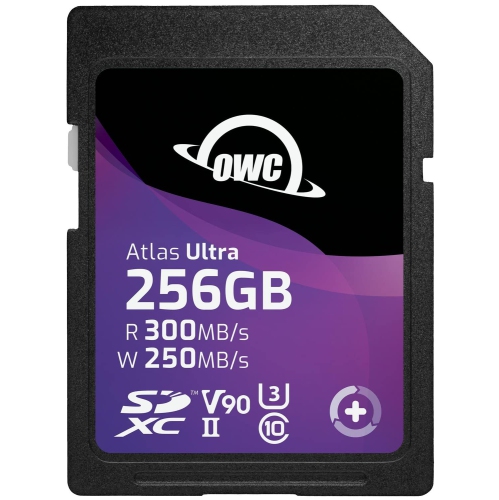
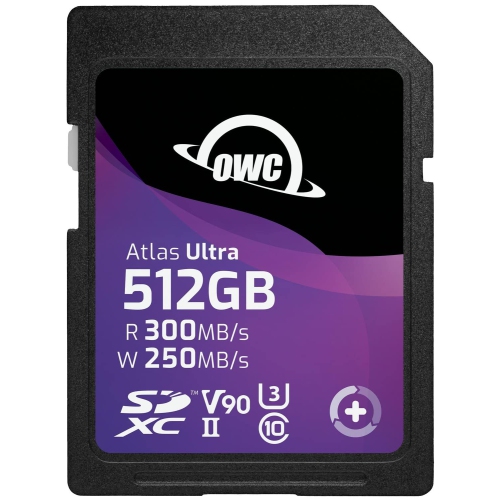
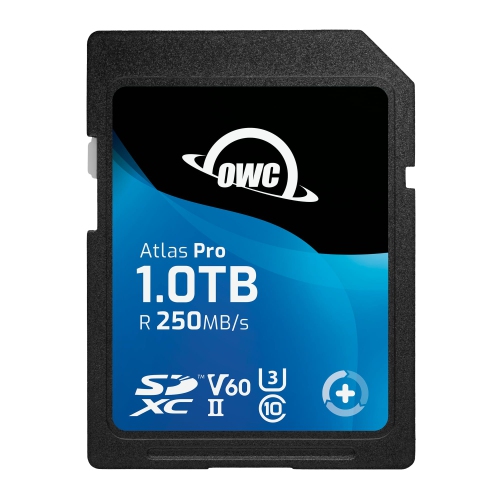
Professional photographers depend on memory cards that can keep pace with the camera, the subject and the assignment. A portrait session may involve a carefully timed series of RAW images, while a wedding, sporting event or wildlife shoot can demand hundreds of frames in a single afternoon. High-resolution sensors create larger files, and modern cameras may record bursts at impressive frame rates or capture detailed 4K and 8K video. A card that cannot write data quickly enough may cause the camera buffer to fill, interrupt continuous shooting or stop video recording before the scene is complete. When shopping for memory cards for professional photographers, start by checking the camera manufacturer’s specifications and matching the card format, capacity and performance rating to the camera body. Secure Digital cards, including SDHC and SDXC formats, remain common in many DSLR and mirrorless cameras, while CFexpress cards are used in newer professional systems that require particularly fast sustained performance. Speed ratings provide useful guidance: V30 cards support a minimum sustained write speed of 30 MB/s, V60 cards support 60 MB/s, and V90 cards support 90 MB/s. These ratings are especially important for video, where a consistent write speed helps prevent dropped frames and recording interruptions. Read speed also matters when transferring a full card to a computer or external storage, but write speed is usually the more important specification during capture. For high-speed bursts, look beyond the maximum read speed printed on the package and consider the sustained write performance, since that is what helps the camera clear its buffer and continue recording.
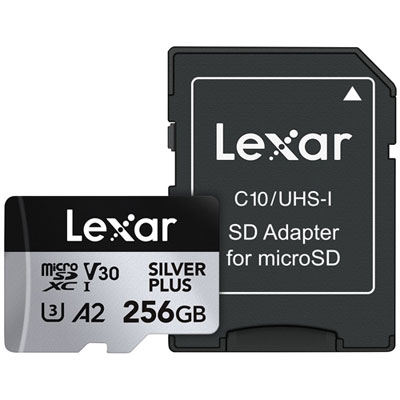
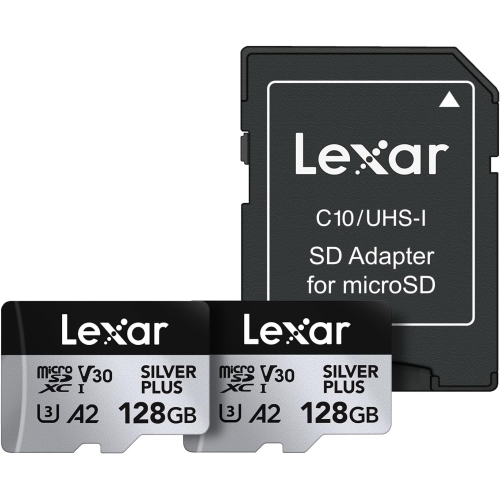
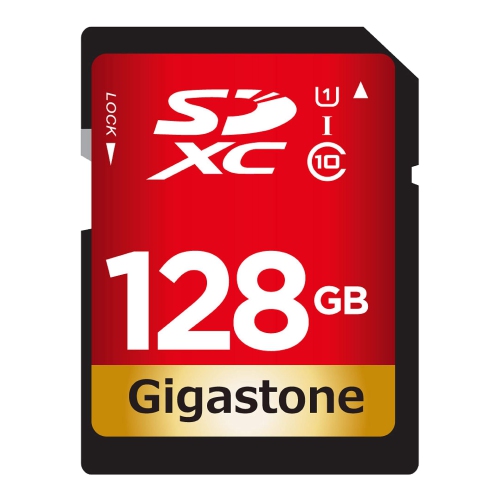
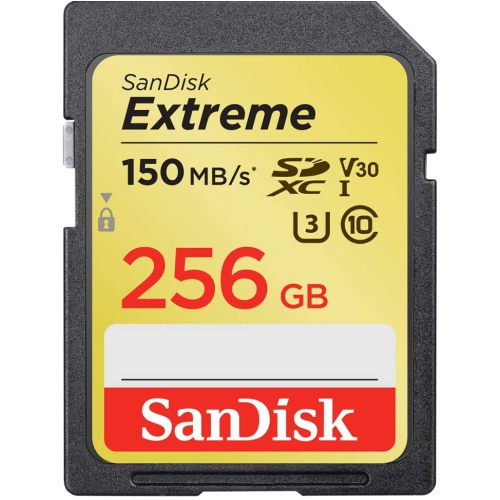
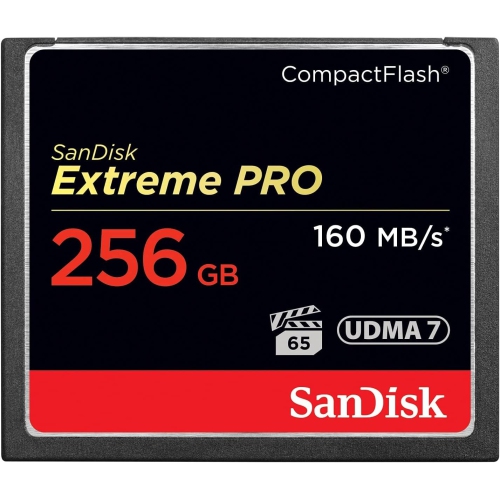
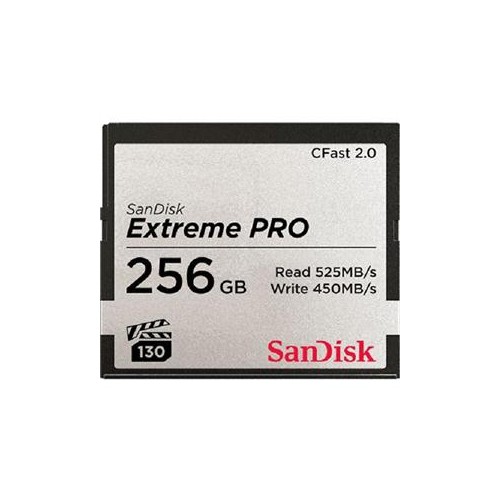
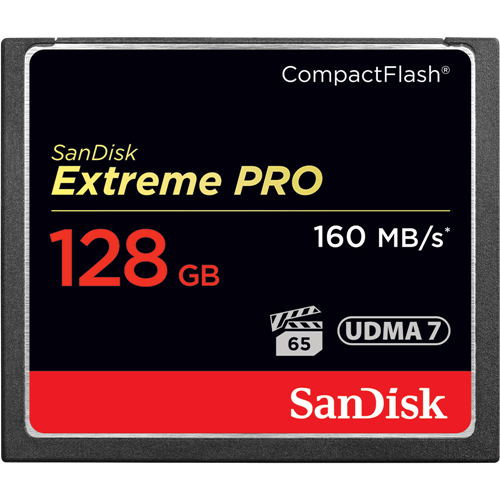
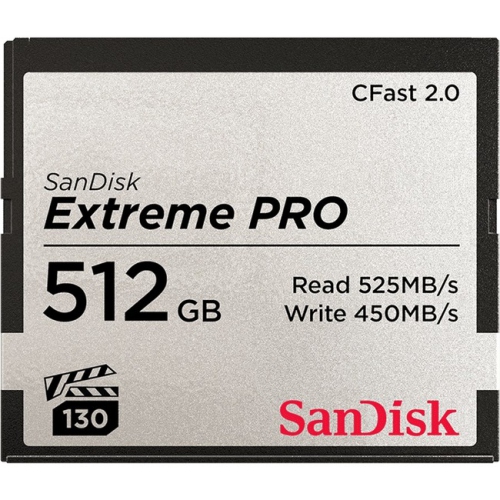
Capacity should reflect both the type of work being done and the photographer’s offloading routine. A 128GB card can be a practical starting point for photographers who transfer files at the end of every shoot, particularly when photographing portraits, products or shorter sessions in compressed RAW formats. Moving to 256GB or 512GB can provide more breathing room for uncompressed RAW files, long event coverage, wildlife outings and extended video clips. Larger capacities reduce the need to change cards during an assignment, which can be helpful when working in dusty outdoor locations, beside a busy sports field or in the middle of an important ceremony. At the same time, many professionals prefer to carry several cards instead of placing an entire day’s work on one card. Using multiple cards can limit the impact of a damaged or misplaced card and makes it easier to organize separate sessions, locations or clients. Cameras with dual card slots may allow files to be recorded simultaneously for an immediate duplicate, or may use one card for still images and another for video, depending on the available settings. Photographers should confirm whether a camera supports UHS-I, UHS-II or CFexpress before purchasing, as the card slot determines which format and performance level can be used. An adapter may allow a smaller card to fit a compatible slot, but it does not turn a slower card into a faster one, and compatibility should always be verified before an important assignment. For cameras that use compact storage formats, photographers may also explore Premium Micro SD Cards For Professional Photography when the camera, drone, action camera or recording device specifically supports microSD media.
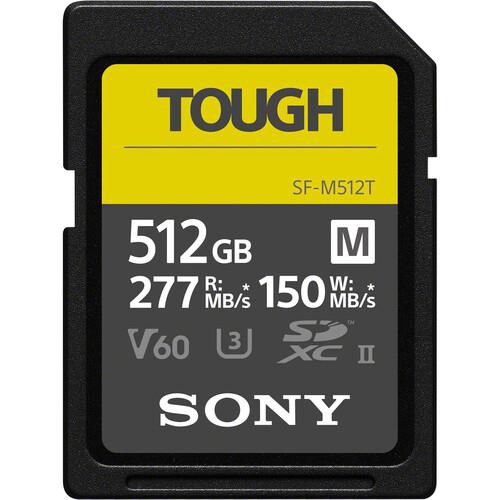
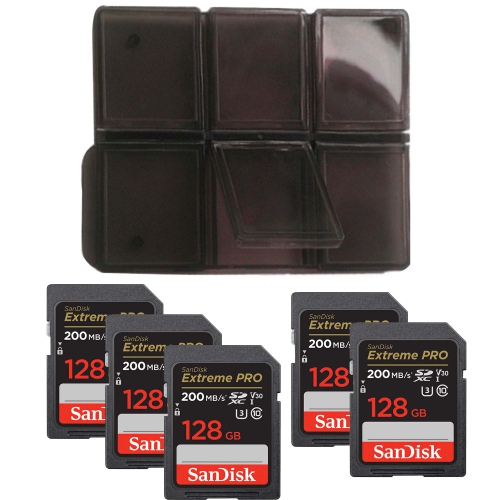
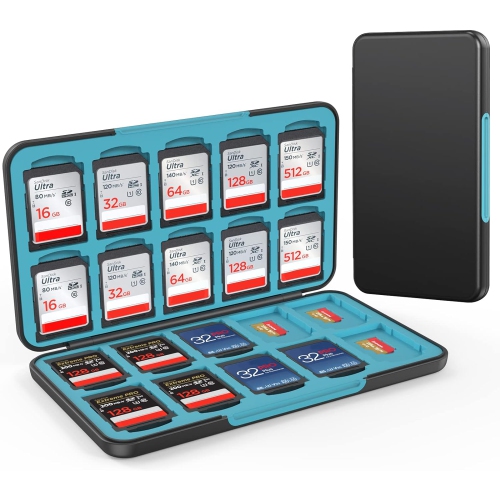
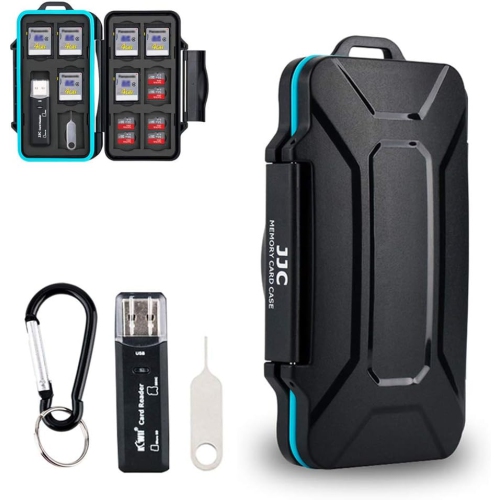
Build quality and dependable performance are just as important as headline speed. Memory cards travel in camera bags through cold venues, warm vehicles, damp landscapes and busy airports, so features such as resistance to water, dust, shock and temperature changes can offer useful protection during everyday handling. A rugged card does not replace careful storage, but it can provide added confidence when changing cards on location or working in challenging conditions. Professional photographers should consider cards with a speed class suited to their camera’s highest recording mode, including V60 or V90 SD cards for demanding video workflows and appropriately rated CFexpress cards for high-bitrate recording and rapid RAW bursts. Some CFexpress cards carry VPG certifications that indicate a guaranteed minimum write speed for professional video capture; a higher rating can be valuable for cinema cameras and sustained recording. It is also worth maintaining a simple file-management routine: format cards in the camera rather than on a computer when possible, avoid removing a card while the camera is writing, and transfer files to at least two separate storage locations after a shoot. Carrying a card reader that matches the card’s interface can shorten import times, while a small protective case helps keep spare cards separated from loose batteries, keys and dust. These memory cards can make thoughtful gifts for photography students, freelancers, family members building a portrait business or experienced shooters preparing for travel and event work. The best choice depends on the camera model, the usual subject matter, the preferred file format and how often files are backed up. A landscape photographer may value generous capacity for high-resolution RAW images during a remote outing, while a sports photographer may prioritize sustained write speed for rapid bursts. A videographer may focus on V-rated SD performance or VPG-certified CFexpress media. Matching those needs with the camera’s approved specifications helps create a reliable workflow from the first frame through editing, archiving and delivery.
Capacity should reflect both the type of work being done and the photographer’s offloading routine. A 128GB card can be a practical starting point for photographers who transfer files at the end of every shoot, particularly when photographing portraits, products or shorter sessions in compressed RAW formats. Moving to 256GB or 512GB can provide more breathing room for uncompressed RAW files, long event coverage, wildlife outings and extended video clips. Larger capacities reduce the need to change cards during an assignment, which can be helpful when working in dusty outdoor locations, beside a busy sports field or in the middle of an important ceremony. At the same time, many professionals prefer to carry several cards instead of placing an entire day’s work on one card. Using multiple cards can limit the impact of a damaged or misplaced card and makes it easier to organize separate sessions, locations or clients. Cameras with dual card slots may allow files to be recorded simultaneously for an immediate duplicate, or may use one card for still images and another for video, depending on the available settings. Photographers should confirm whether a camera supports UHS-I, UHS-II or CFexpress before purchasing, as the card slot determines which format and performance level can be used. An adapter may allow a smaller card to fit a compatible slot, but it does not turn a slower card into a faster one, and compatibility should always be verified before an important assignment. For cameras that use compact storage formats, photographers may also explore Premium Micro SD Cards For Professional Photography when the camera, drone, action camera or recording device specifically supports microSD media.
Build quality and dependable performance are just as important as headline speed. Memory cards travel in camera bags through cold venues, warm vehicles, damp landscapes and busy airports, so features such as resistance to water, dust, shock and temperature changes can offer useful protection during everyday handling. A rugged card does not replace careful storage, but it can provide added confidence when changing cards on location or working in challenging conditions. Professional photographers should consider cards with a speed class suited to their camera’s highest recording mode, including V60 or V90 SD cards for demanding video workflows and appropriately rated CFexpress cards for high-bitrate recording and rapid RAW bursts. Some CFexpress cards carry VPG certifications that indicate a guaranteed minimum write speed for professional video capture; a higher rating can be valuable for cinema cameras and sustained recording. It is also worth maintaining a simple file-management routine: format cards in the camera rather than on a computer when possible, avoid removing a card while the camera is writing, and transfer files to at least two separate storage locations after a shoot. Carrying a card reader that matches the card’s interface can shorten import times, while a small protective case helps keep spare cards separated from loose batteries, keys and dust. These memory cards can make thoughtful gifts for photography students, freelancers, family members building a portrait business or experienced shooters preparing for travel and event work. The best choice depends on the camera model, the usual subject matter, the preferred file format and how often files are backed up. A landscape photographer may value generous capacity for high-resolution RAW images during a remote outing, while a sports photographer may prioritize sustained write speed for rapid bursts. A videographer may focus on V-rated SD performance or VPG-certified CFexpress media. Matching those needs with the camera’s approved specifications helps create a reliable workflow from the first frame through editing, archiving and delivery.
Top selling and popular products
-
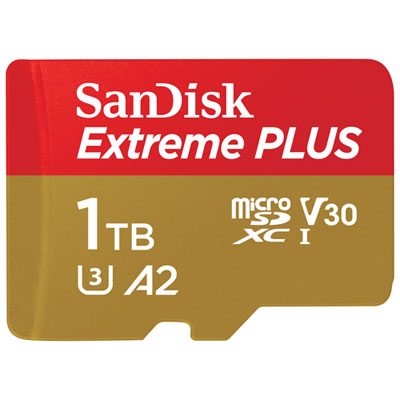 Your price for this item is $379.99
 -
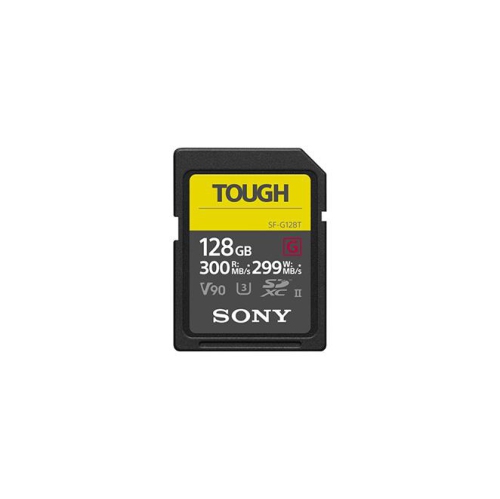 Your price for this item is $388
 -
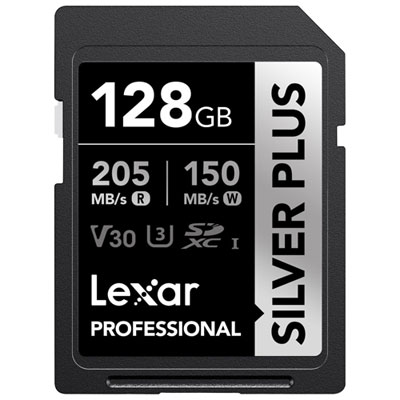 Your price for this item is $109.99
 -
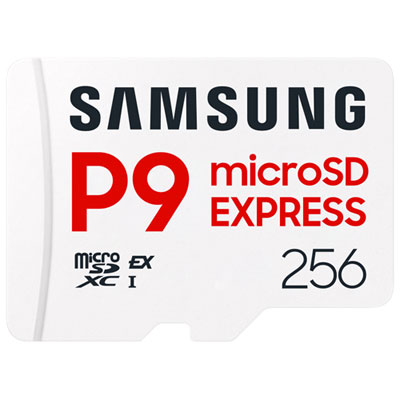 Your price for this item is $139.99
 -
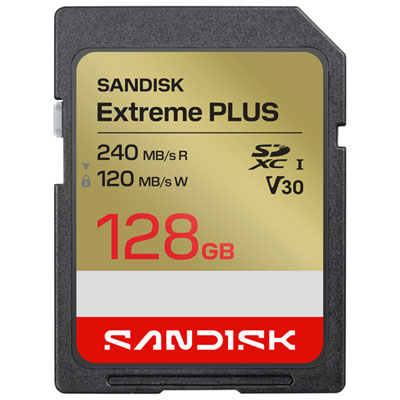 Your price for this item is $84.99
 -
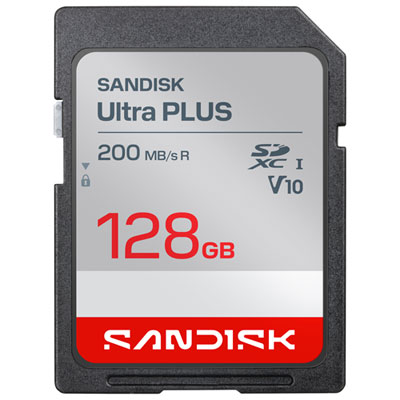 Your price for this item is $69.99
 -
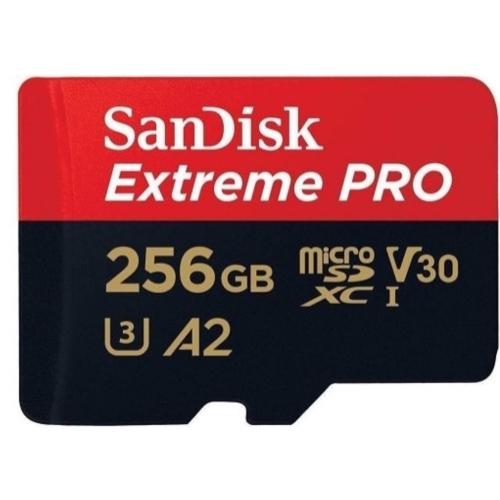 Your price for this item is $94.56
 -
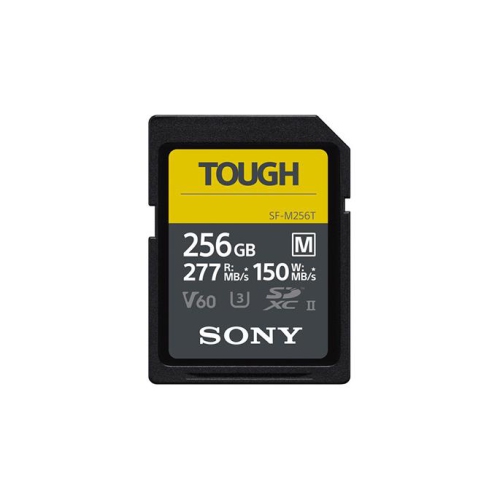 Your price for this item is $298
Discover more categories related to Memory Cards for Professional Photographers
Top Collections:
Best Laptops for Video Editing, Pokemon Centers, Samsung Z Fold, Kindle Devices, Best Cell Phones Under $300, Best Laptops for Writers, Best Budget Office Chairs, Best Cell Phones Under $500, Best Laptop Computers for Students, iPhone 15 Apple
Some products may be subject to Environmental Handling Fees
(EHF) depending on your province.
Learn more about EHFs.