GE Sensor Microwave Ovens
Microwaves are a great way to quickly heat up leftovers, cook a frozen dinner, or even warm up a cup of coffee. They're also convenient for cooking small portions of food. If you're looking for a new microwave, consider one that has a sensor that automatically shuts off the heating element when the food is ready. Here are some great options available from GE.
Sort

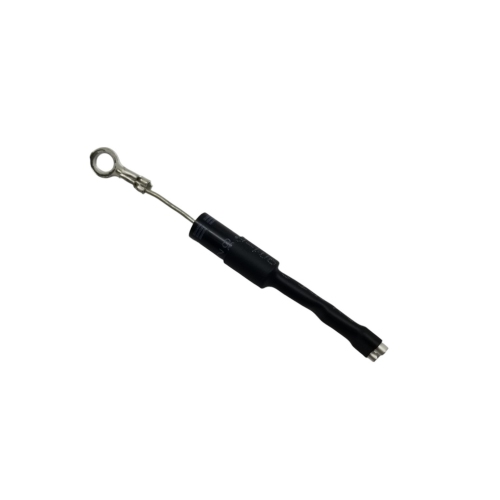
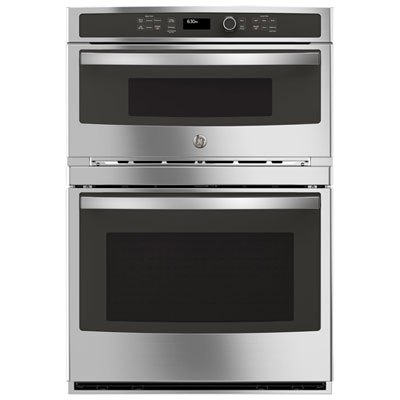
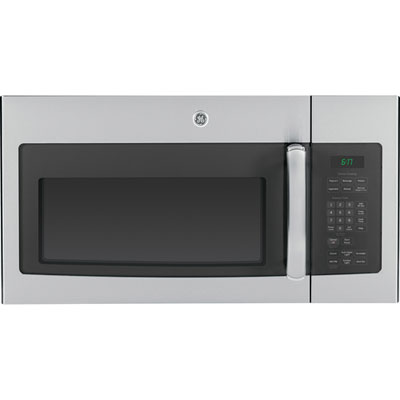
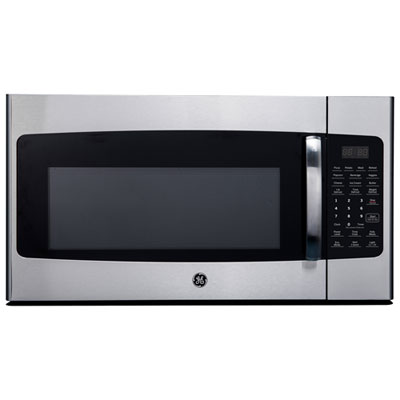
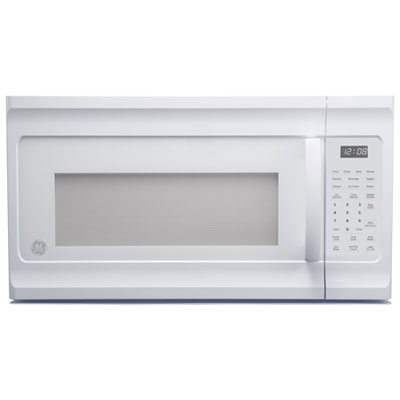
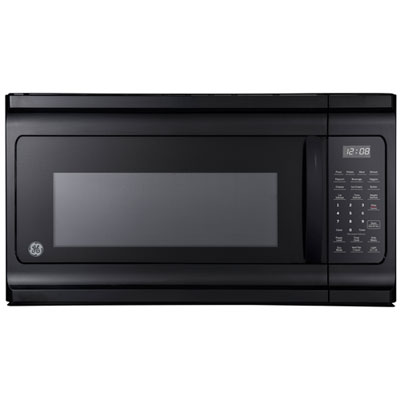
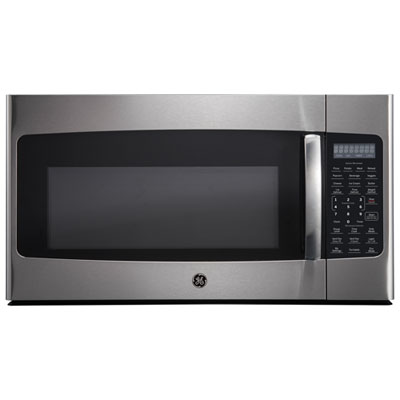
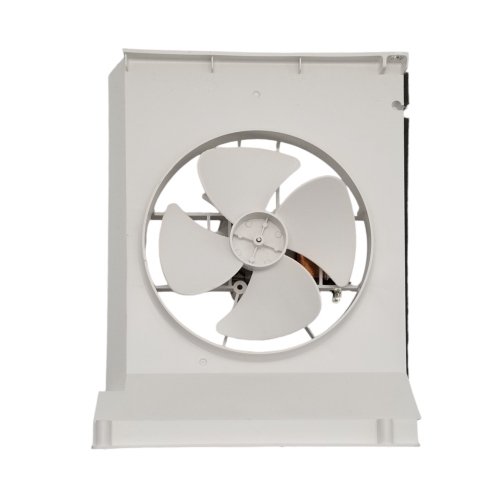
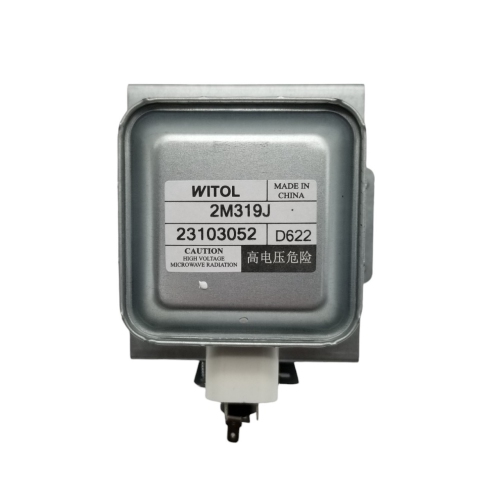
How moisture sensing takes guesswork out of reheating
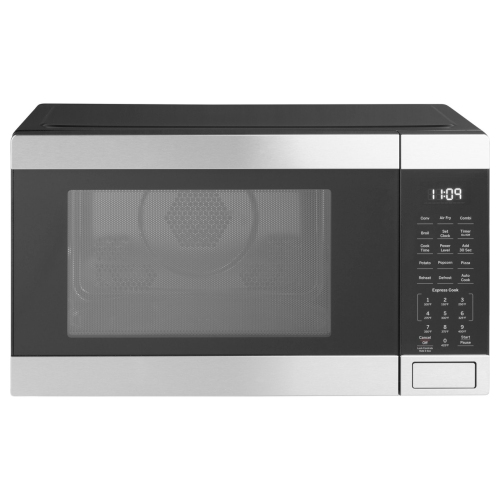
Sensor microwave ovens bring a useful level of automation to everyday cooking, especially when reheating a plate of leftovers or preparing vegetables alongside a main course. Rather than relying only on a preset countdown, sensor cooking monitors moisture released by food as it heats. On supported settings, the microwave uses that information to adjust cooking time and, depending on the model and programme, power level. The result is less guesswork for familiar kitchen tasks, although food type, portion size, starting temperature, and the container still affect the outcome. A bowl of rice taken straight from the fridge behaves differently from a room-temperature potato, and a shallow plate heats differently from a deep casserole dish. Sensor programmes are designed around particular foods or tasks, so the control labels and supported functions matter as much as the presence of a sensor itself. Sensor reheating, vegetable settings, and popcorn functions may be included, while defrosting may use a separate weight-based or timed programme. These distinctions are useful in busy households where the microwave handles several jobs throughout the day: warming porridge before school, heating soup at lunchtime, or bringing a side dish to the table during the cooler months. Automatic controls can simplify those routines without replacing basic food-safety habits. Stirring where directed, allowing standing time, and checking that leftovers reach a safe internal temperature remain important, particularly with dense or unevenly shaped portions. Microwave-safe covers can help manage splashes and retain moisture, but they should be vented as directed rather than sealed tightly. Opening the door during the sensing stage may interrupt the programme, so following the appliance instructions helps the feature work as intended. For couples, families, and people preparing meals in smaller portions, this balance of automation and hands-on control makes a sensor microwave a practical companion to a conventional oven, not simply a way to warm a mug or soften butter.
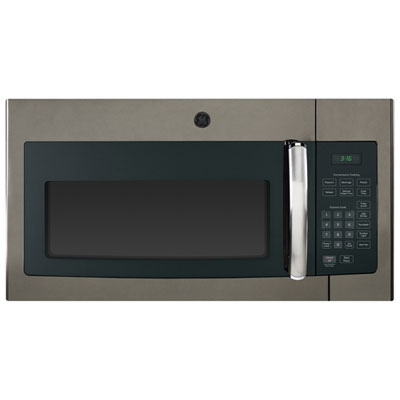
The format of a sensor microwave shapes how it fits into the kitchen and how comfortably it can be used every day. Countertop designs suit spaces with a stable work surface, the required ventilation clearances, and access to a suitable electrical outlet. They can be a practical choice for renters or households that want a separate appliance without committing to cabinetry changes. Over-the-range designs combine microwave cooking with a ventilation system and cooktop lighting, freeing counter space while placing the cavity above the cooking surface. Their installation requires attention to mounting support, electrical requirements, clearance above the range, and the permitted venting arrangement. Ventilation performance should suit the cooking setup rather than being assumed sufficient simply because the microwave fits the opening. Built-in designs create a more integrated appearance, but the cabinet dimensions and any required trim kit must match the appliance specifications. A countertop microwave should not be enclosed in cabinetry unless its manufacturer expressly permits that installation with the appropriate components. For an integrated kitchen layout, GE Wall Microwaves offer a related category to explore alongside the installation requirements of the chosen appliance. Across these formats, exterior width, height, and depth are only part of the fit. Door swing, handle projection, surrounding cabinet doors, and the space needed to lift out a hot dish all affect daily use. Interior capacity also deserves a practical look: a cavity measurement alone does not confirm that a favourite rectangular baking dish will rotate freely or clear the doorway. Turntable diameter and usable interior dimensions help establish whether dinner plates, tall bowls, or larger serving dishes will fit. Placement matters for comfort, too. An appliance mounted high above a range may be harder to reach for a shorter adult, especially when removing soup or another hot liquid. A convenient installation allows the person using it to see the controls clearly, reach the cavity safely, and set a hot container down nearby without carrying it across the kitchen.
Beyond sensing and installation, the details of construction and operation influence how well a microwave suits the household over time. Rated cooking wattage affects heating speed, but higher wattage does not remove the need to match the programme to the food. Adjustable power levels are useful for gentler tasks such as softening butter or warming a delicate sauce, while timed cooking provides flexibility for foods that do not match an automatic setting. Depending on the model, convenience features may include an add-time button, staged cooking, a control lock, adjustable sound settings, or connected functions. These features serve different needs: easy-to-read controls can make frequent reheating simpler, and a control lock can help prevent unintended operation, though it does not replace adult supervision. Exterior finishes influence both appearance and upkeep. Stainless steel can coordinate with other kitchen appliances, while painted finishes offer another way to suit existing cabinetry and counters. Resistance to fingerprints varies by finish, so care instructions are more useful than appearance alone when judging everyday maintenance. Inside the cavity, smooth surfaces and a removable turntable make routine cleaning more manageable. Promptly wiping away food splashes with a soft cloth and a suitable mild cleaner helps prevent residue from building up around the interior, door, and sealing surfaces. Abrasive pads and harsh chemicals can damage finishes, and liquid should not be sprayed directly into controls or ventilation openings. A glass turntable should cool before washing to reduce the risk of damage from a sudden temperature change. Over-the-range appliances also need the filter care specified for their ventilation setup; grease filters and charcoal filters can have different cleaning or replacement requirements. Long-term durability depends on appropriate installation, unobstructed ventilation, suitable cookware, and care that matches the materials. Warranty terms and access to replacement components are relevant considerations for an appliance used several times a day. As a housewarming gift, a microwave is most useful when the recipient’s space, cooking habits, and installation needs are already understood. Whether serving a compact apartment or a busy family kitchen, the strongest fit is an appliance with sensor functions suited to familiar meals, a cavity that accommodates everyday dishes, and controls that feel straightforward from the first use.
The format of a sensor microwave shapes how it fits into the kitchen and how comfortably it can be used every day. Countertop designs suit spaces with a stable work surface, the required ventilation clearances, and access to a suitable electrical outlet. They can be a practical choice for renters or households that want a separate appliance without committing to cabinetry changes. Over-the-range designs combine microwave cooking with a ventilation system and cooktop lighting, freeing counter space while placing the cavity above the cooking surface. Their installation requires attention to mounting support, electrical requirements, clearance above the range, and the permitted venting arrangement. Ventilation performance should suit the cooking setup rather than being assumed sufficient simply because the microwave fits the opening. Built-in designs create a more integrated appearance, but the cabinet dimensions and any required trim kit must match the appliance specifications. A countertop microwave should not be enclosed in cabinetry unless its manufacturer expressly permits that installation with the appropriate components. For an integrated kitchen layout, GE Wall Microwaves offer a related category to explore alongside the installation requirements of the chosen appliance. Across these formats, exterior width, height, and depth are only part of the fit. Door swing, handle projection, surrounding cabinet doors, and the space needed to lift out a hot dish all affect daily use. Interior capacity also deserves a practical look: a cavity measurement alone does not confirm that a favourite rectangular baking dish will rotate freely or clear the doorway. Turntable diameter and usable interior dimensions help establish whether dinner plates, tall bowls, or larger serving dishes will fit. Placement matters for comfort, too. An appliance mounted high above a range may be harder to reach for a shorter adult, especially when removing soup or another hot liquid. A convenient installation allows the person using it to see the controls clearly, reach the cavity safely, and set a hot container down nearby without carrying it across the kitchen.
Beyond sensing and installation, the details of construction and operation influence how well a microwave suits the household over time. Rated cooking wattage affects heating speed, but higher wattage does not remove the need to match the programme to the food. Adjustable power levels are useful for gentler tasks such as softening butter or warming a delicate sauce, while timed cooking provides flexibility for foods that do not match an automatic setting. Depending on the model, convenience features may include an add-time button, staged cooking, a control lock, adjustable sound settings, or connected functions. These features serve different needs: easy-to-read controls can make frequent reheating simpler, and a control lock can help prevent unintended operation, though it does not replace adult supervision. Exterior finishes influence both appearance and upkeep. Stainless steel can coordinate with other kitchen appliances, while painted finishes offer another way to suit existing cabinetry and counters. Resistance to fingerprints varies by finish, so care instructions are more useful than appearance alone when judging everyday maintenance. Inside the cavity, smooth surfaces and a removable turntable make routine cleaning more manageable. Promptly wiping away food splashes with a soft cloth and a suitable mild cleaner helps prevent residue from building up around the interior, door, and sealing surfaces. Abrasive pads and harsh chemicals can damage finishes, and liquid should not be sprayed directly into controls or ventilation openings. A glass turntable should cool before washing to reduce the risk of damage from a sudden temperature change. Over-the-range appliances also need the filter care specified for their ventilation setup; grease filters and charcoal filters can have different cleaning or replacement requirements. Long-term durability depends on appropriate installation, unobstructed ventilation, suitable cookware, and care that matches the materials. Warranty terms and access to replacement components are relevant considerations for an appliance used several times a day. As a housewarming gift, a microwave is most useful when the recipient’s space, cooking habits, and installation needs are already understood. Whether serving a compact apartment or a busy family kitchen, the strongest fit is an appliance with sensor functions suited to familiar meals, a cavity that accommodates everyday dishes, and controls that feel straightforward from the first use.
Top selling and popular products
-
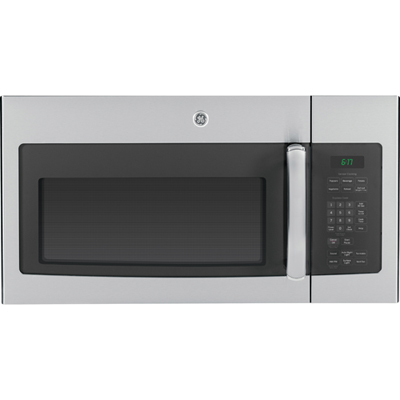 Your price for this item is $399.99
 -
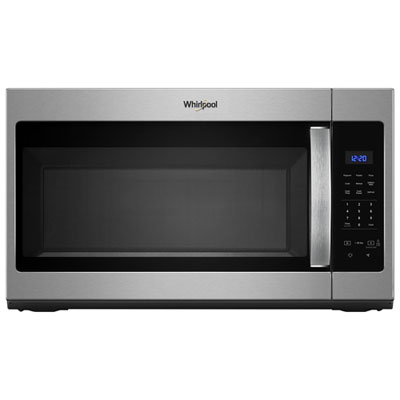 Your price for this item is $349.97
 -
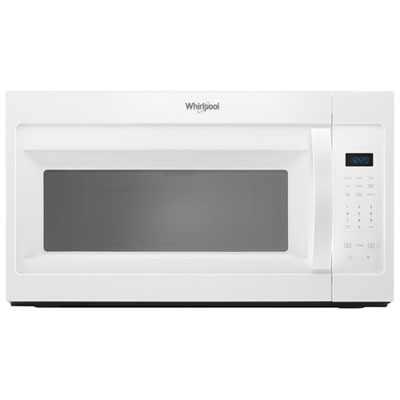 Your price for this item is $329.99
 -
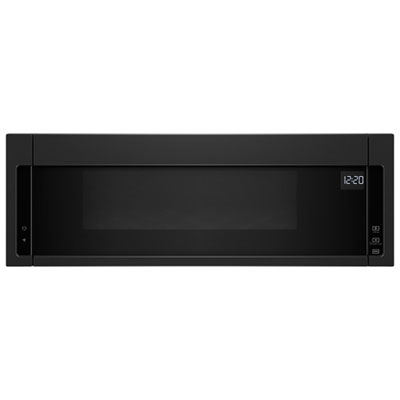 Your price for this item is $549.99
 -
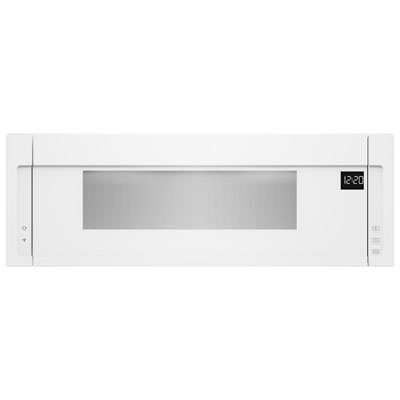 Your price for this item is $549.99
 -
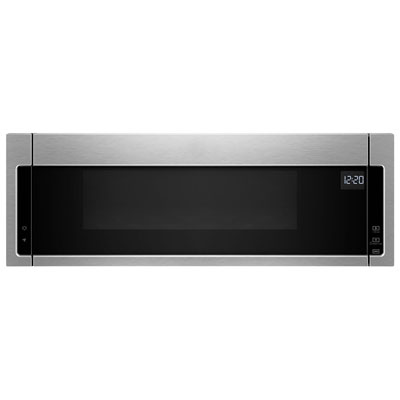 Your price for this item is $499.99
 -
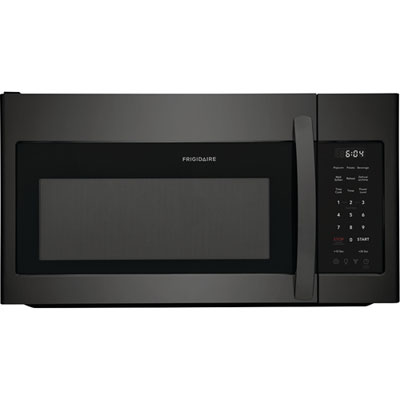 Your price for this item is $499.99
 -
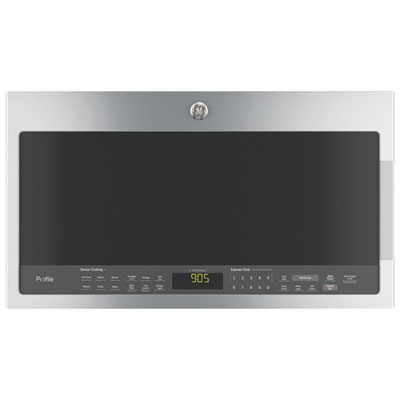 Your price for this item is $749.99
Discover more categories related to GE Sensor Microwave Ovens
Top Collections:
Pokemon Centers, Kindle Devices, Best Budget Office Chairs, Apple iPhones 16, Best Laptops for Writers, iPhone 15 Apple, Canon G7X Cameras, Refurbished Apple Laptops, Alarm Clock, Motorola Razr Phones
Some products may be subject to Environmental Handling Fees
(EHF) depending on your province.
Learn more about EHFs.