Mobile Phone Replacement Parts

Find mobile phone replacement parts to replace worn or damaged components, with options that vary by phone make and model. Match your device’s exact model number to the part’s listed compatibility, then review what’s included and any installation requirements before ordering.

Sort

Why the right fit matters for phone repairs

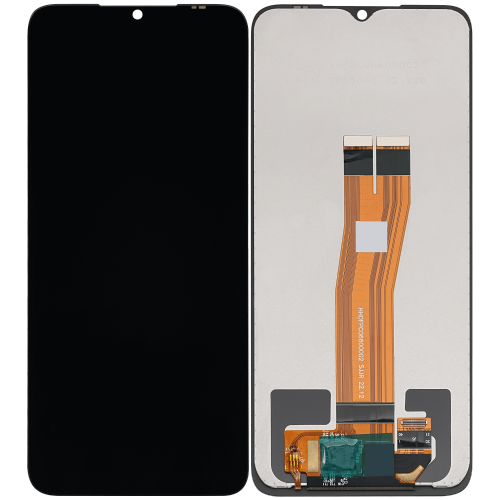
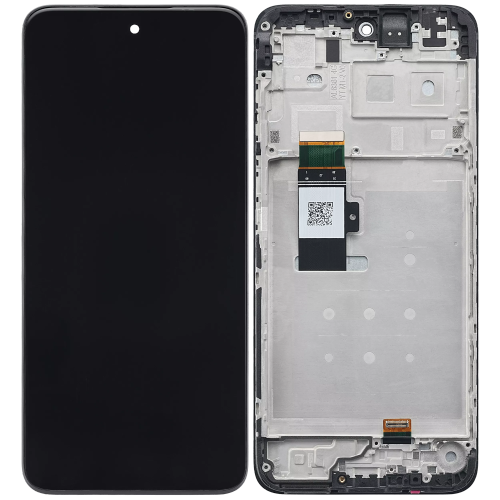
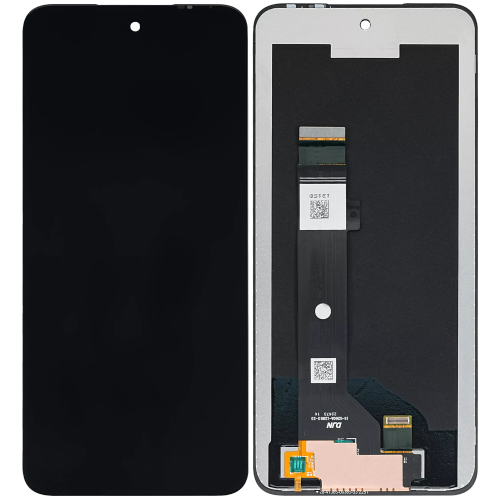
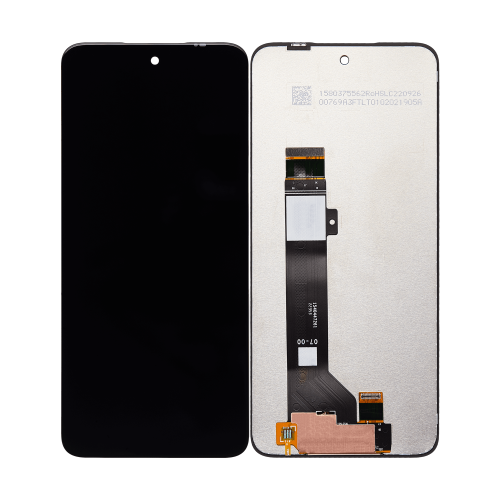
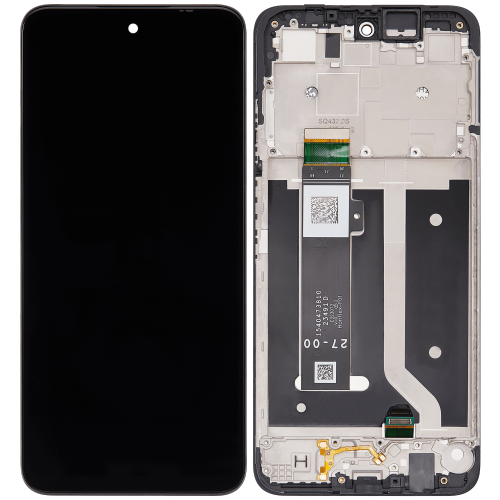
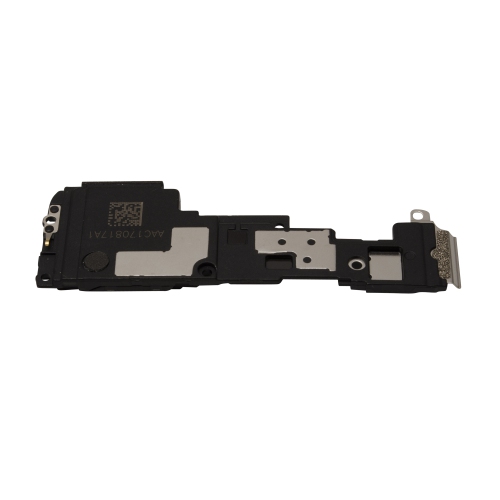
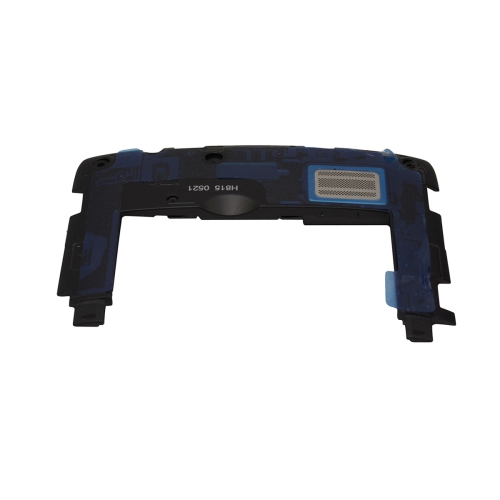
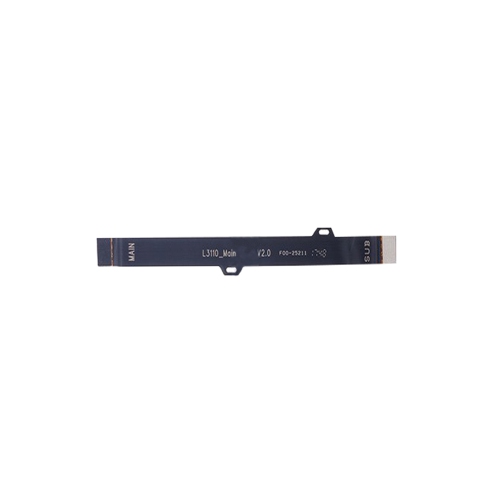
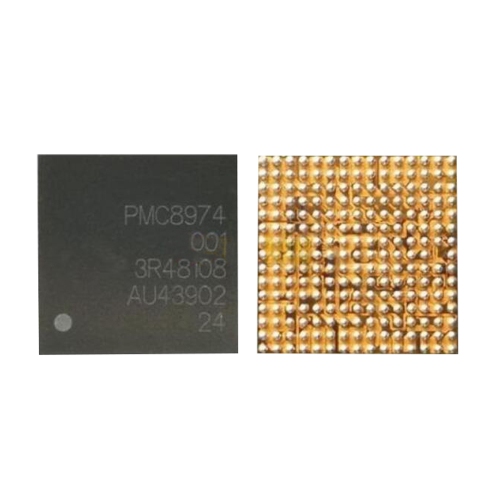
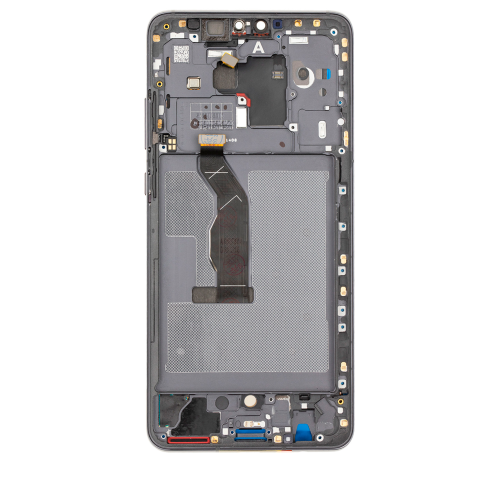
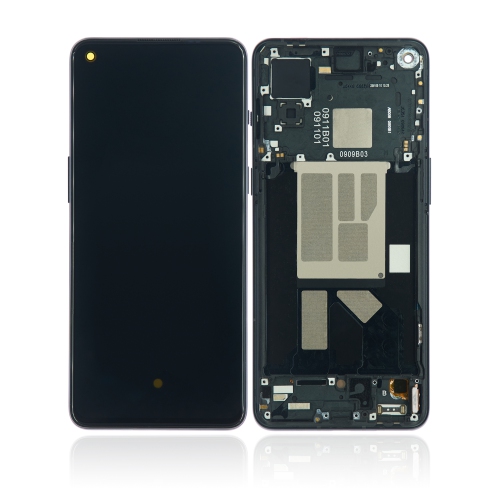
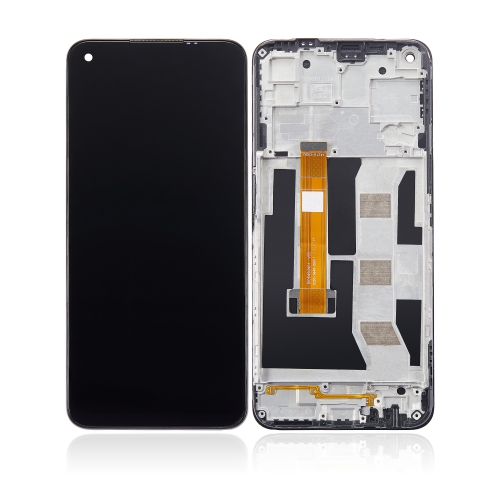
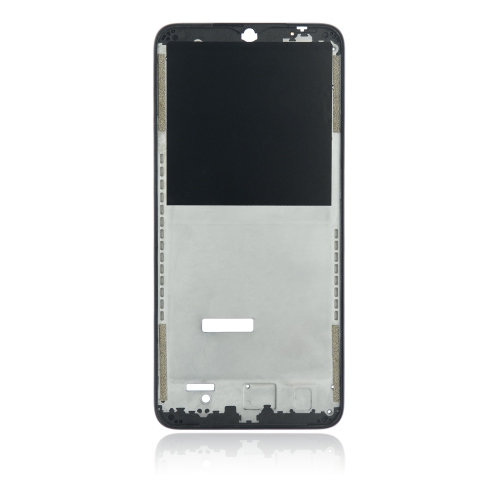
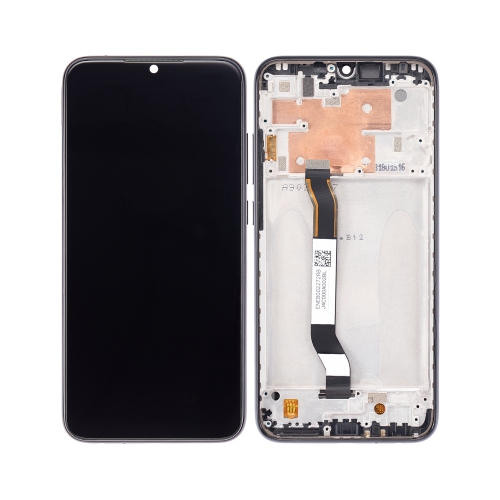
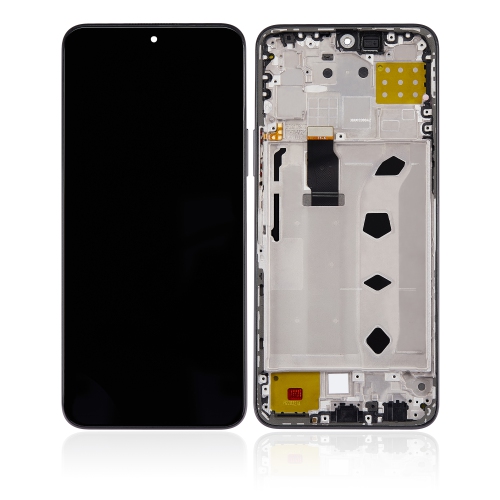
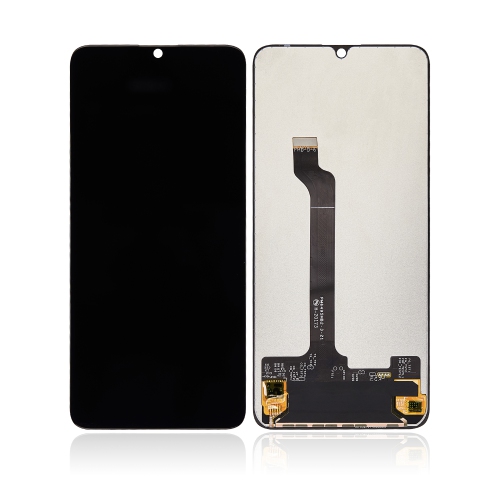
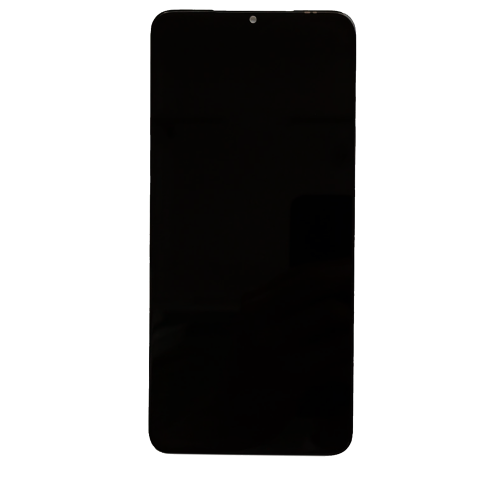
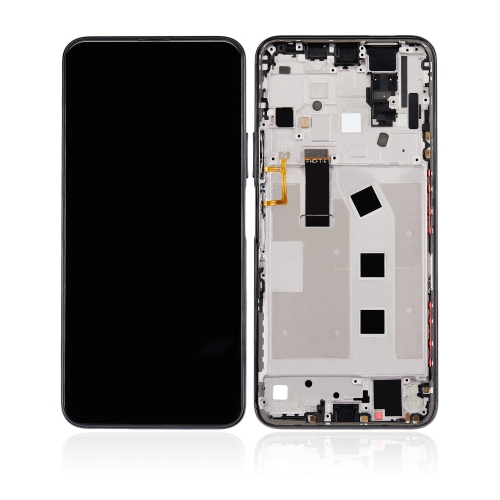
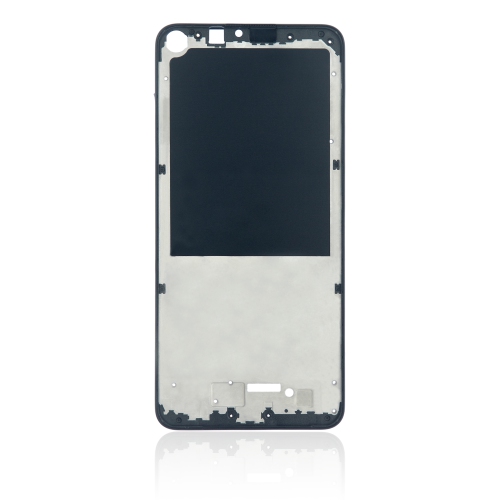
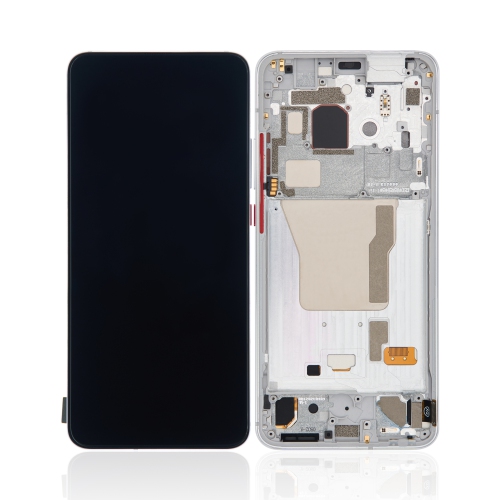
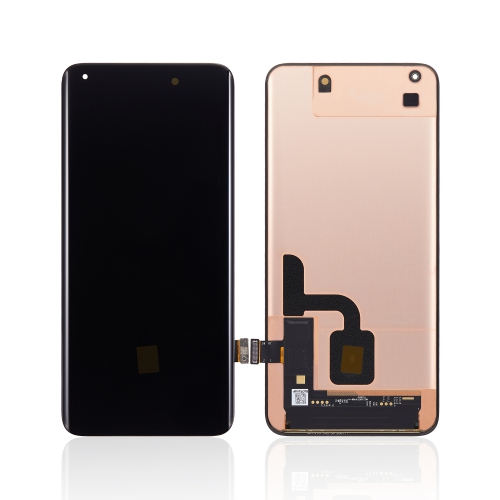
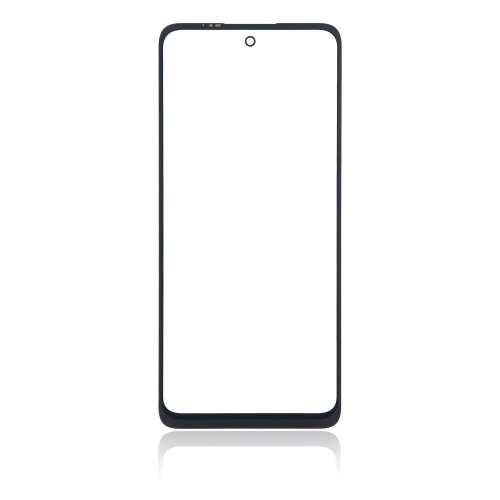
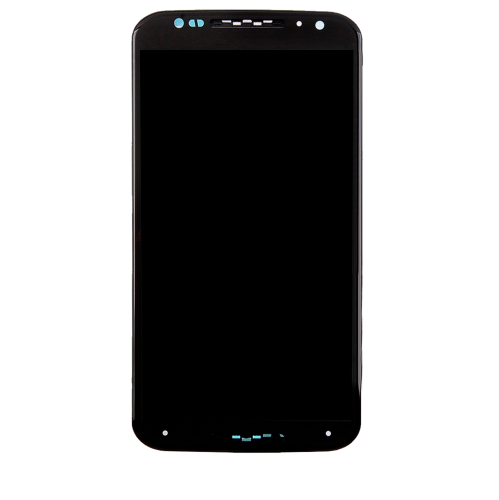
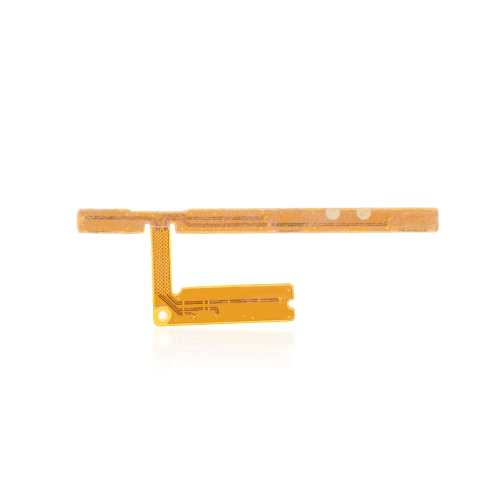
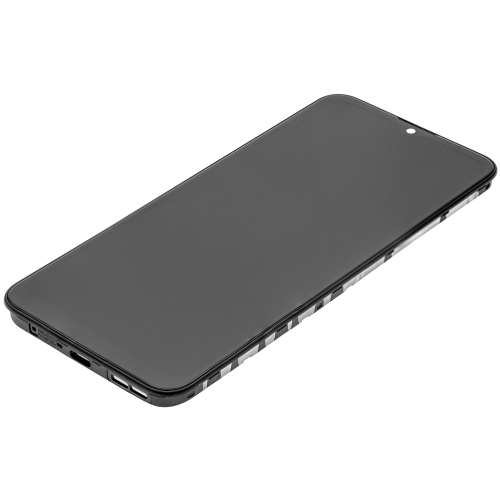
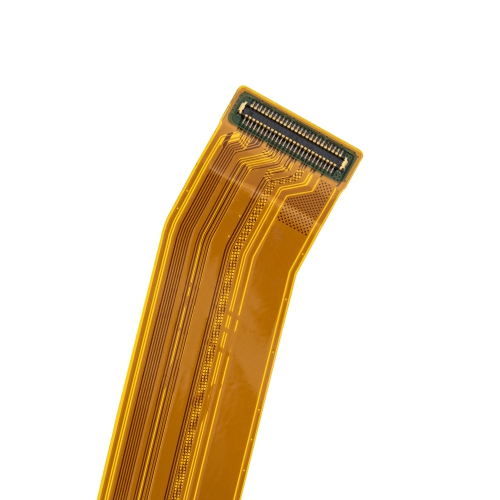
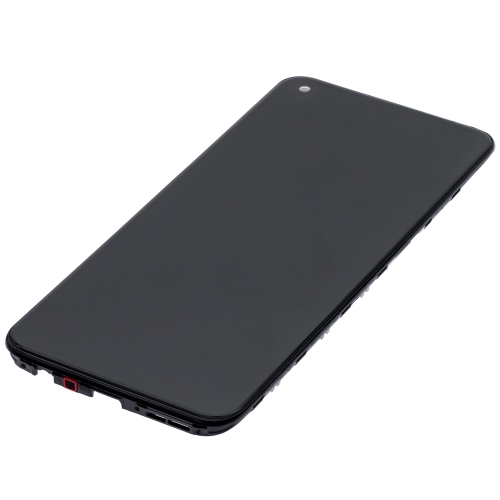
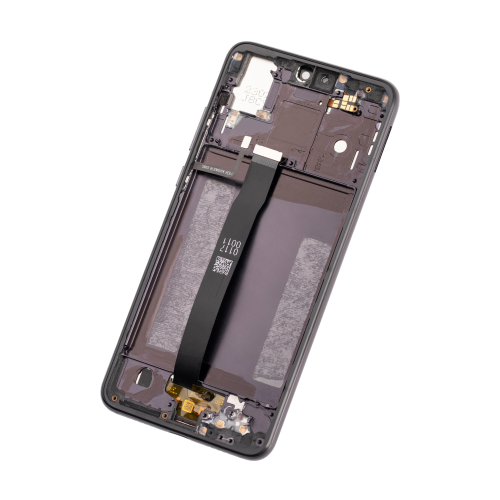
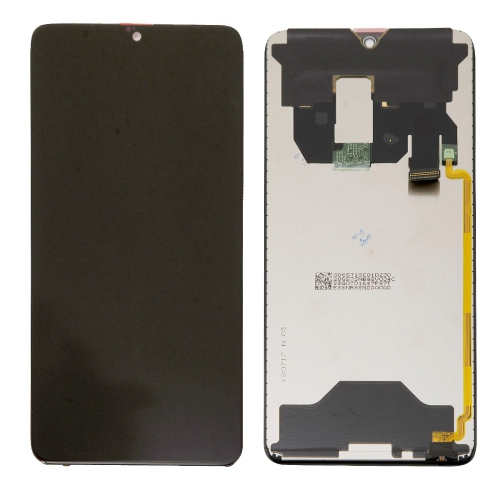
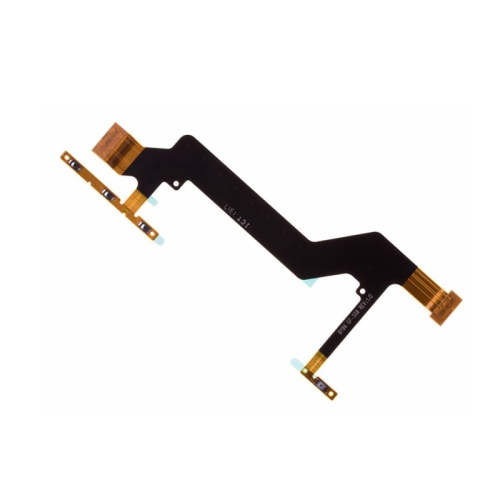
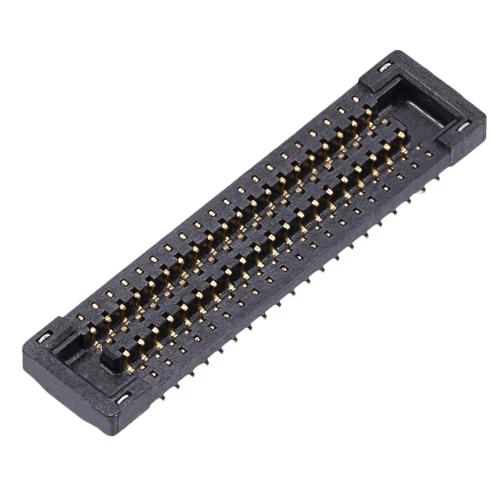
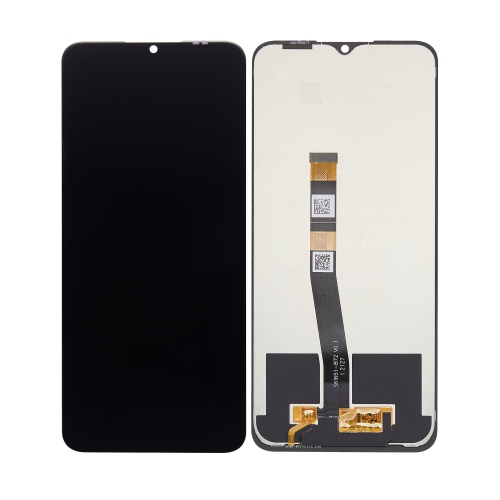
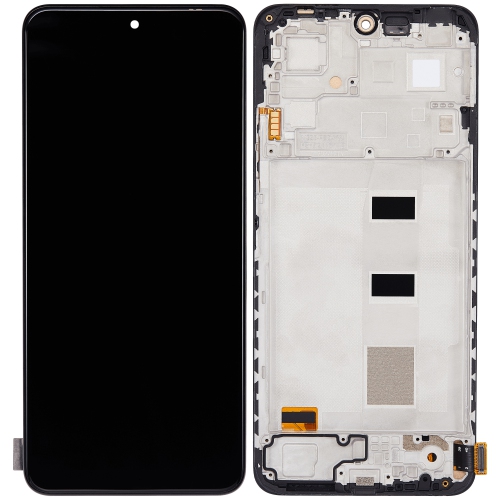
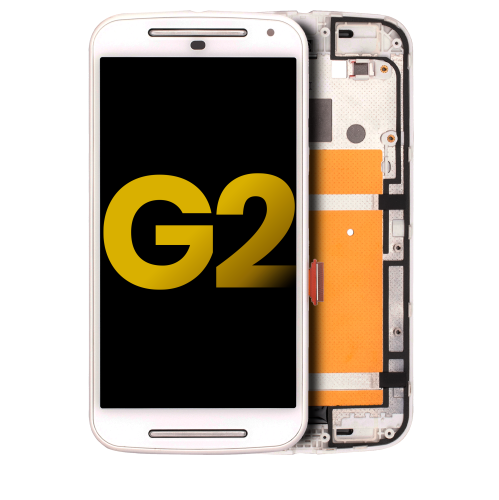
Mobile phone replacement parts are components used to restore functions affected by damage, wear, or a failed connection inside a phone. They include display assemblies, batteries, charging ports, cameras, speakers, microphones, buttons, rear panels, and the flexible cables that connect internal hardware. Each serves a different purpose, from bringing back a clear picture after a screen impact to restoring sound during calls. For a phone used for work messages, navigation, banking, and family photos, a suitable replacement component can make a meaningful difference to everyday usability. Compatibility is the central consideration: the exact model number, regional version, and sometimes the hardware revision matter more than a phone’s general appearance or screen size. Two phones with nearly identical housings can have different connectors, mounting points, camera openings, or internal layouts. Even within the same model family, a standard version and a larger version may require entirely different parts. A component’s supported model information is therefore more useful than a visual resemblance alone. The scope of a replacement also varies. A display may be supplied as an assembly that combines the image panel and touch-sensitive layer, while another replacement may include a surrounding frame or require existing components to be transferred. A rear panel may differ in its included fittings, adhesive, or camera trim. These distinctions affect how a part fits into the phone and how much work the repair involves. Technicians and experienced repair enthusiasts often assess the complete assembly rather than just the visibly damaged surface. A spiderweb crack across the front glass, for example, does not reveal whether the touch layer, display panel, frame, or nearby sensors are also affected. Replacement parts are best understood as model-specific hardware rather than universal fixes, with the right match depending on both the device and the underlying fault. Clear descriptions of included components help distinguish a complete assembly from a smaller individual part.

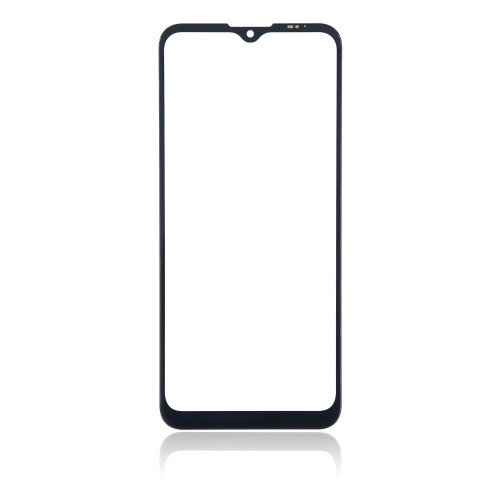
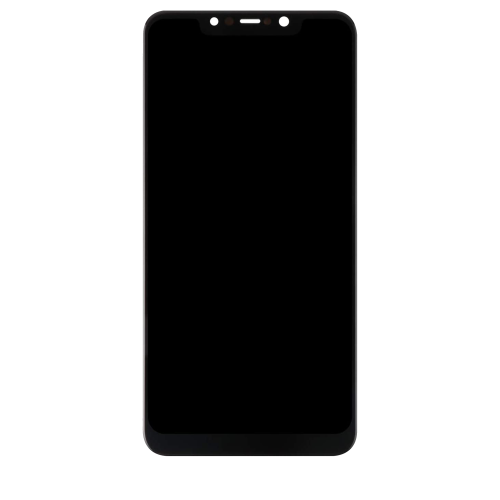
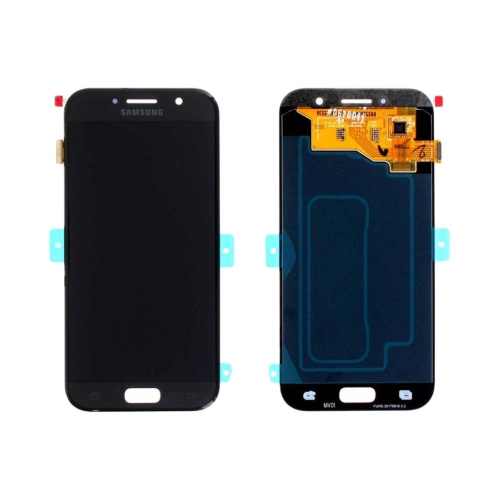
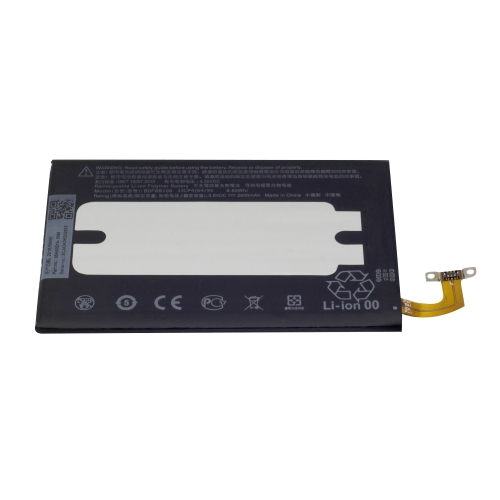
Display quality, battery specifications, and housing materials all influence how a repaired phone feels in daily use. A screen is more than a viewing surface: its panel technology, resolution, brightness, colour reproduction, refresh rate, and touch response shape everything from reading small text to following a map outdoors. A replacement should match the phone’s requirements, and differences between display technologies can affect appearance, power use, and supported features. Glass condition and construction also matter, particularly around curved edges, speaker openings, and the narrow borders where the display meets the frame. A screen protector may help reduce surface scratches after repair, but it cannot compensate for an incorrectly fitted display or a bent housing. Rear panels and frames may use glass, metal, or polymers, with model-specific finishes and structural details. Their fit affects button movement, camera alignment, and how evenly the phone sits inside a case. Batteries require equally careful matching. The intended phone model, battery dimensions, connector, voltage, and supported specifications are more meaningful than a capacity claim on its own. A compatible battery must fit without pressure, bending, or alteration. Lithium-ion batteries also require careful handling, making qualified repair support particularly important when a battery is swollen, damaged, or difficult to remove. Short battery life, unexpected shutdowns, and inconsistent charging can have several causes, including software behaviour or faults elsewhere in the device, so a replacement battery is not a guaranteed solution to every power problem. Similar care applies to displays with missing touch input or flickering images: a damaged connector or another internal fault may be involved. These distinctions help keep expectations realistic. A well-matched component supports the function it was designed to replace, while the final result also depends on the condition of surrounding hardware, the quality of the installation, and any calibration or configuration the phone requires.
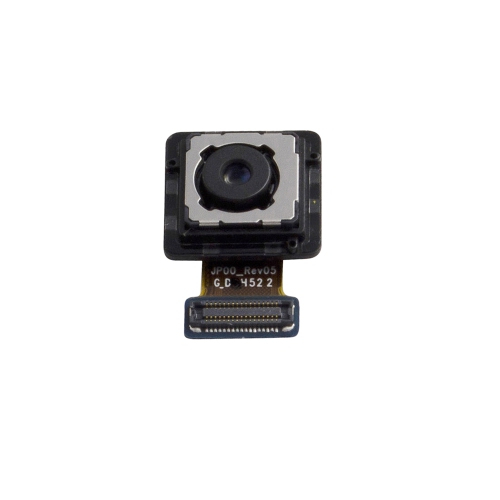
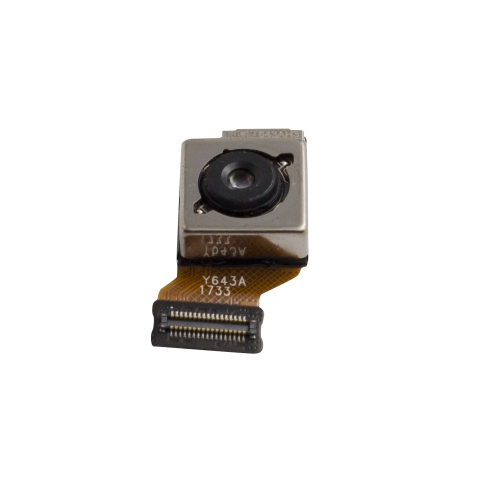
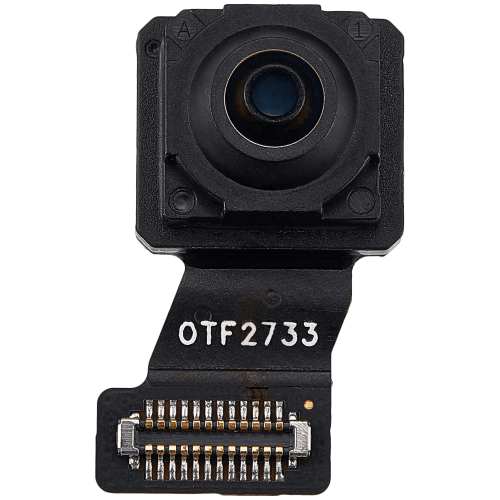
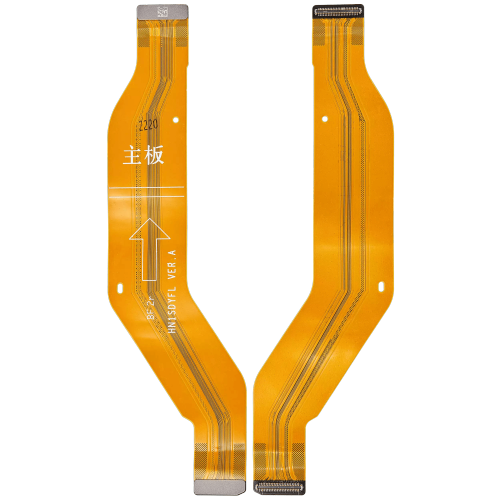
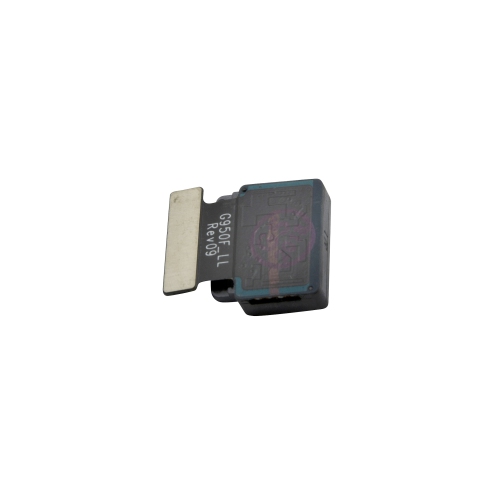
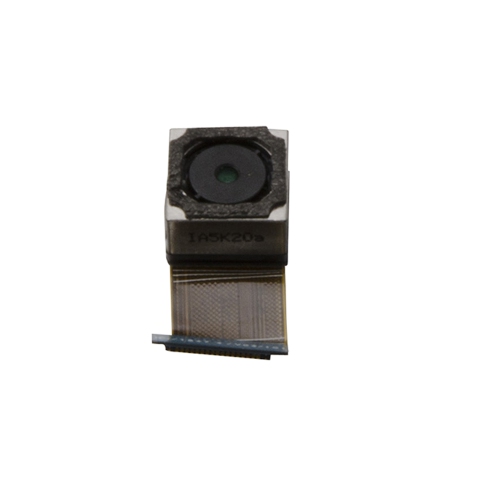
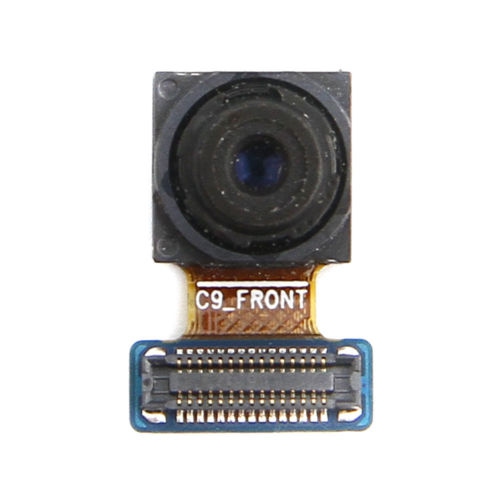
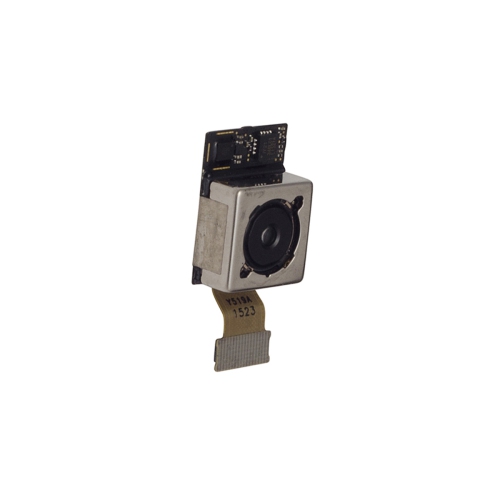
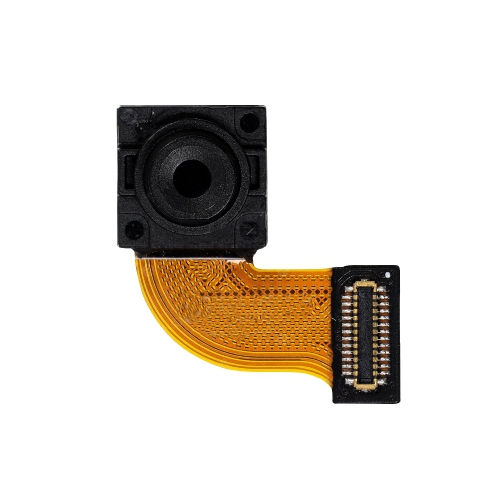
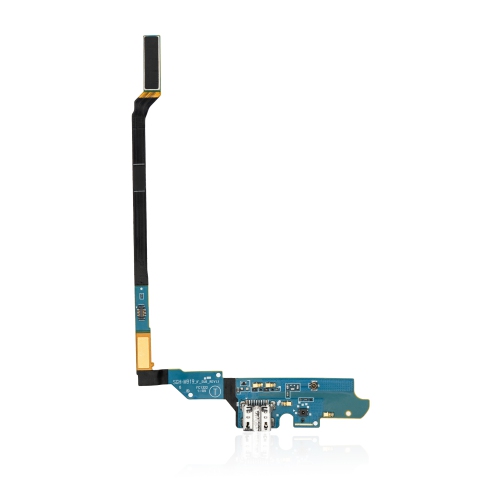
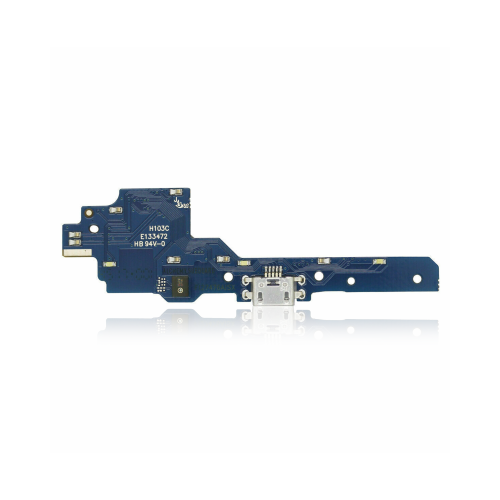
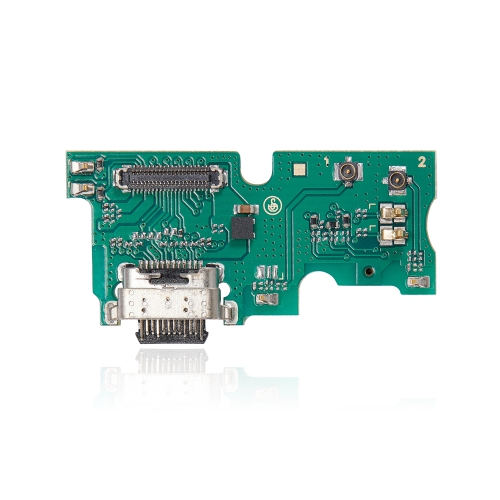
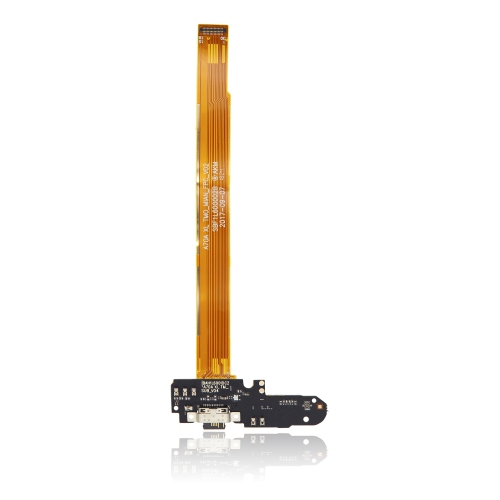
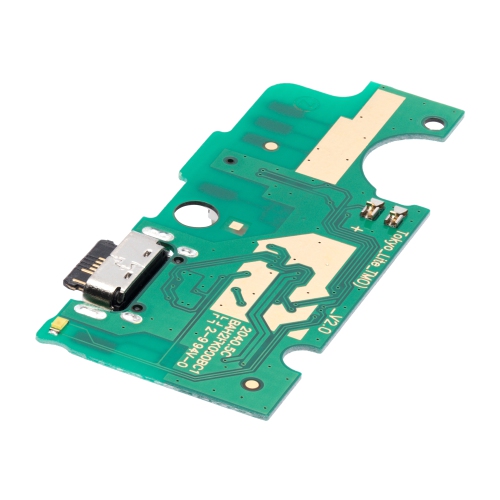
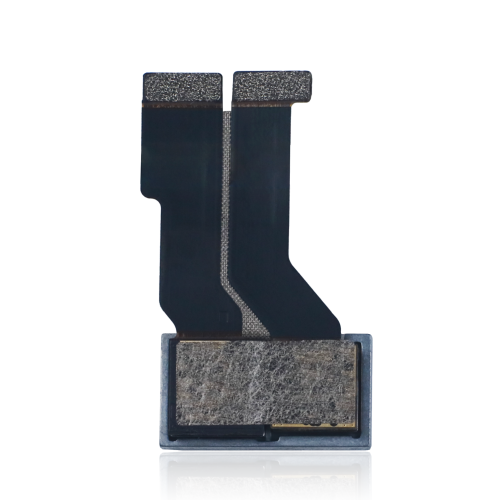
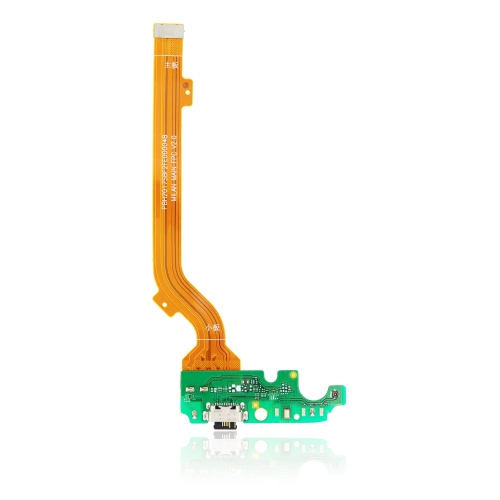
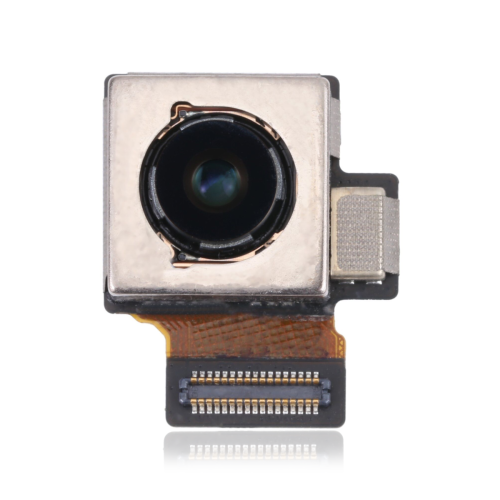
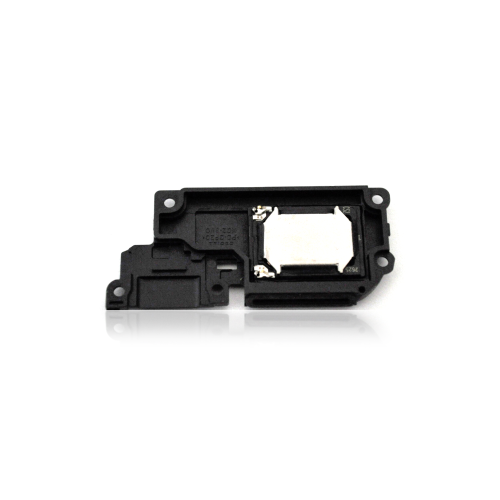
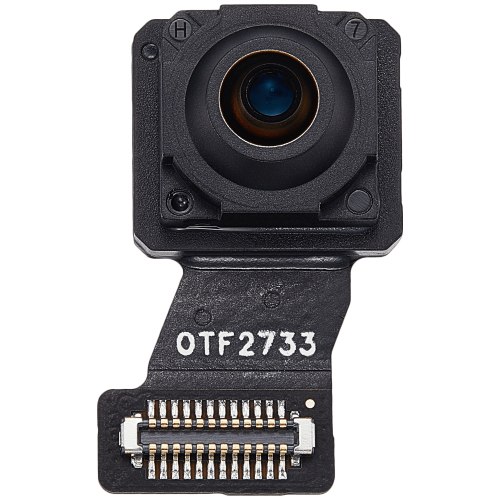
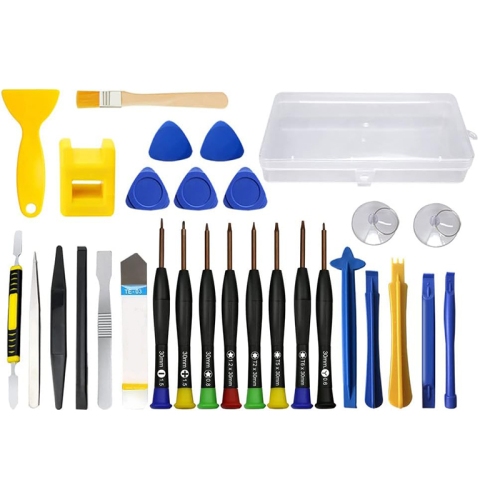
Smaller components can be just as important as the most visible parts. A charging-port assembly may carry power and data connections, while a speaker, microphone, or earpiece affects how clearly someone hears and is heard. A camera replacement involves more than matching the number of lenses on the back of a phone; the sensor, connector, mounting arrangement, and supported focusing features must suit the device. Side buttons, vibration motors, antenna connections, and internal flex cables also depend on precise positioning within a tightly packed housing. For someone whose phone handles video meetings, transit directions, or accessibility features throughout the day, restoring one of these functions can be as important as replacing a cracked screen. The surrounding repair supplies matter too. Suitable drivers, opening tools, precision tweezers, and model-specific adhesives support careful handling of small fasteners, delicate connectors, and sealed panels. Complementary Mobile Phone Repair Accessories serve a different role from replacement components: they support access, handling, and reassembly rather than replacing the failed hardware itself. The level of difficulty varies considerably between repairs, and a familiar-looking task can involve fragile cables, strong adhesive, or features that require software calibration. Some phones may display a parts notification or limit certain functions after a component change, depending on the device and repair process. Original water-resistance ratings should not be assumed to remain intact after a phone has been opened, even when new seals or adhesive are used. After repair, everyday care still matters: a properly fitted case, gentle cleaning with methods suitable for the device, and avoiding pressure on exposed edges help protect the finished assembly. Parts intended for internal installation are generally practical purchases for technicians, repair businesses, and people with relevant experience, rather than casual gifts. Their value lies in accurate compatibility and dependable function, whether the goal is clear calls, responsive touch input, reliable charging, or a housing that fits together properly again.

FAQ

Some products may be subject to Environmental Handling Fees (EHF) depending on your province. Learn more about EHFs.