Apple Lightning To 3.5mm
Apple Lightning To 3.5Mm adapters make it easy to connect your favorite audio devices to compatible electronics. Whether you’re looking to enjoy music, podcasts, or take calls, these adapters provide a simple solution for connecting traditional headphones and accessories. Explore a range of Apple Lightning To 3.5Mm options designed for convenience and seamless compatibility with your devices. Find the right adapter to enhance your listening experience and keep your favorite audio gear in use.
Sort
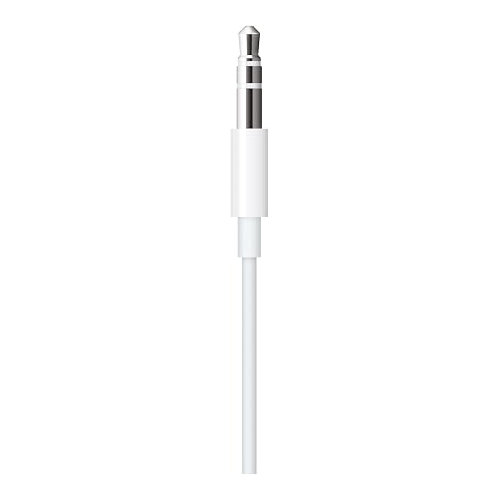

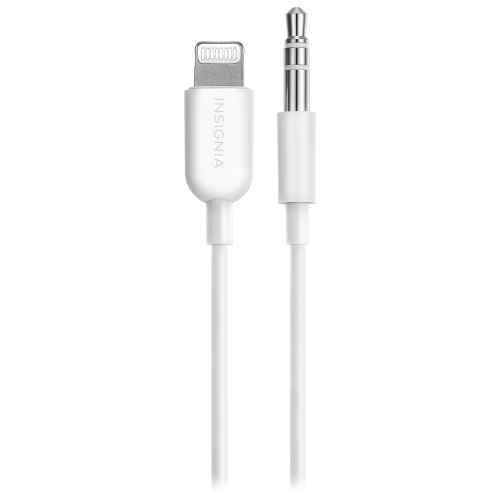
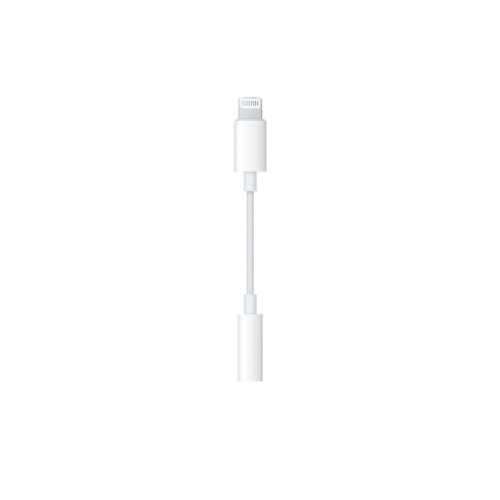
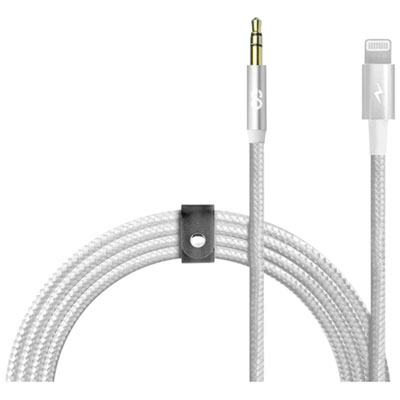
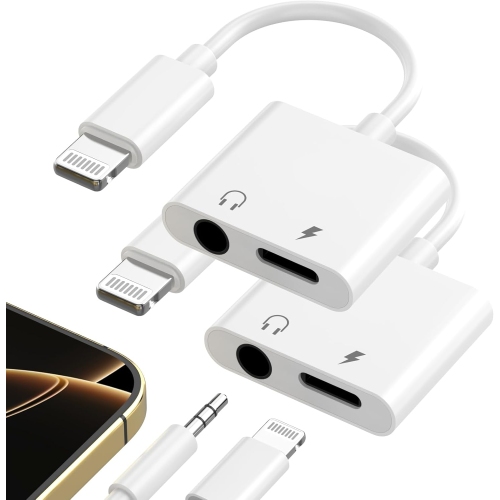
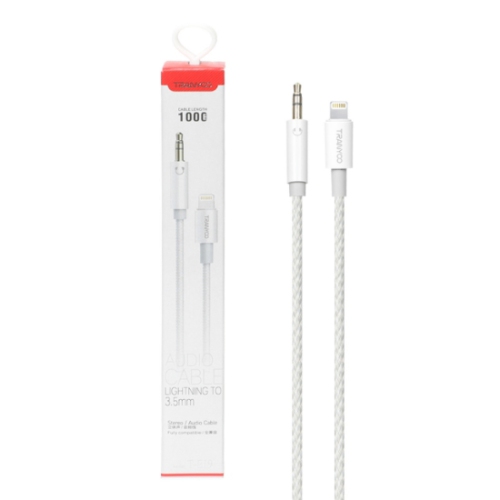

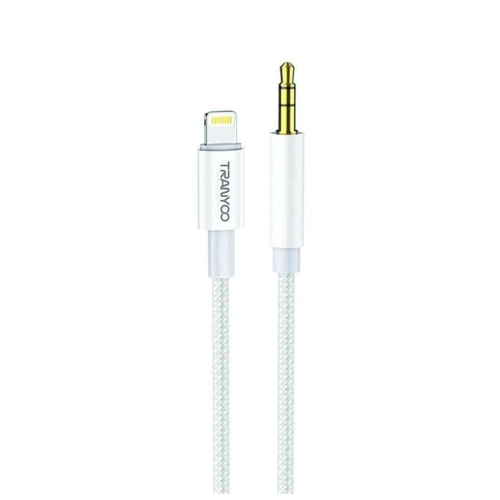
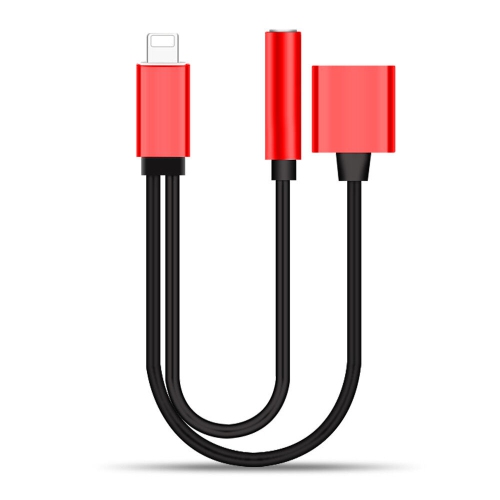
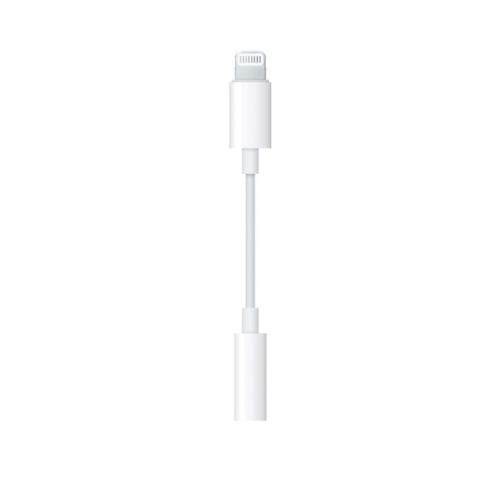
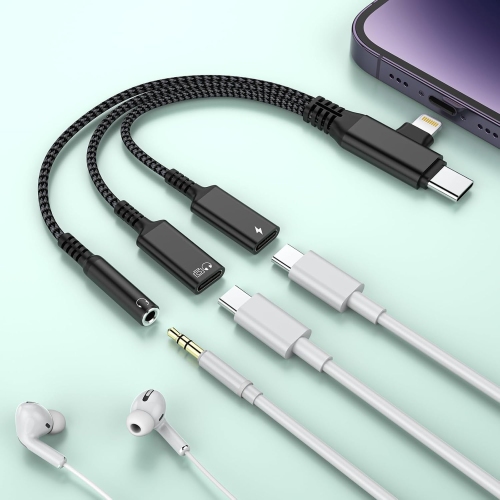
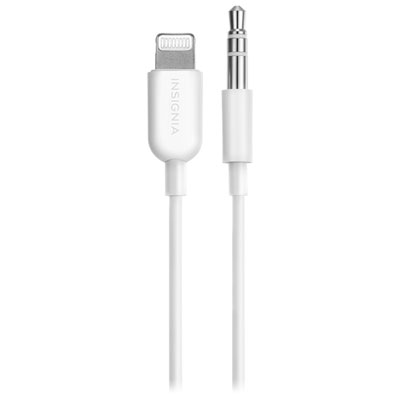
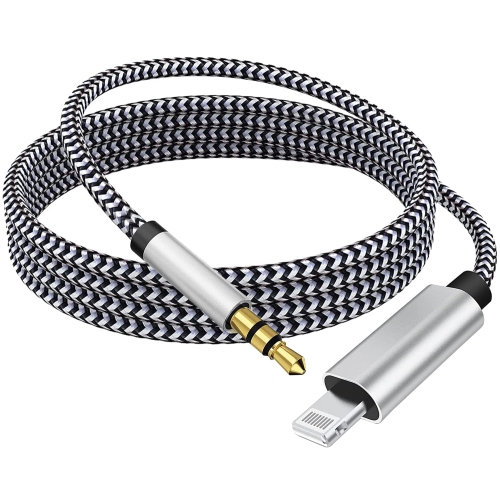

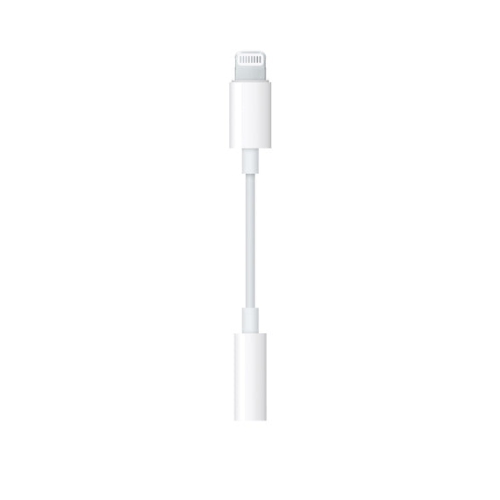
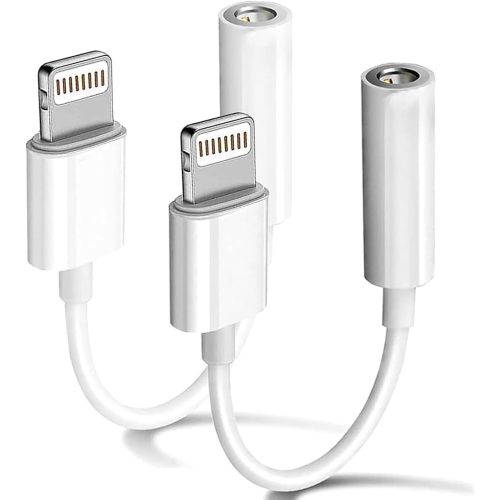
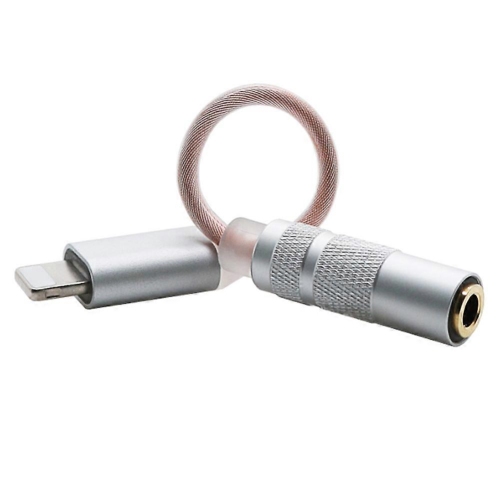

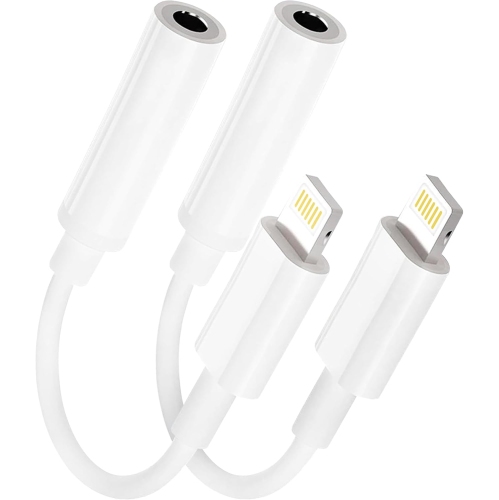

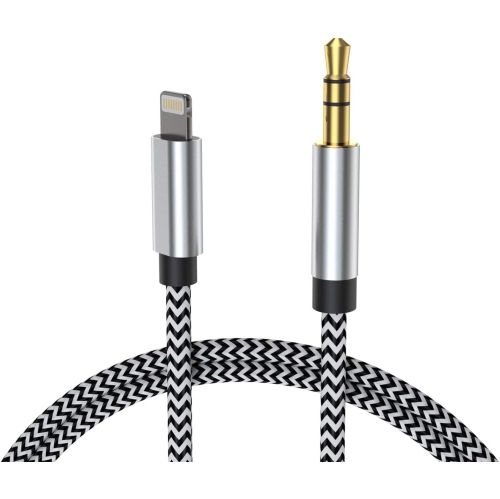

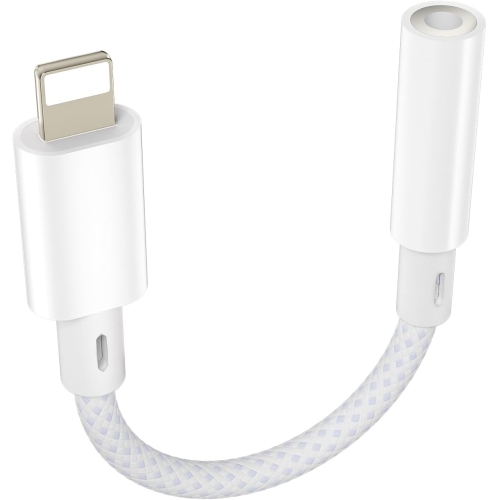
How wired headphones connect to compatible Lightning devices
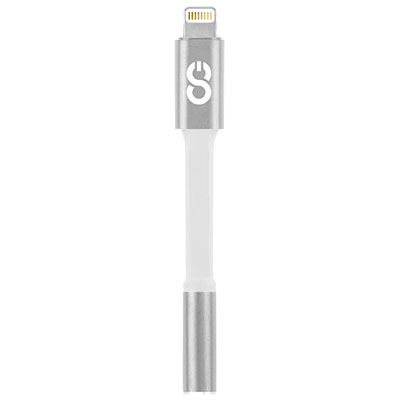
A Lightning to 3.5 mm headphone jack adapter connects wired headphones, earphones, or an auxiliary audio cable with a 3.5 mm plug to a compatible phone or tablet with a Lightning port. It provides a connection between a device’s digital audio output and familiar analogue listening equipment, making wired headphones useful even when the device has no built-in headphone jack. This type of adapter typically has a Lightning plug at one end and a 3.5 mm headphone socket at the other, with digital-to-analogue conversion handled inside the adapter. That conversion matters: the connection does more than change the shape of a plug. For everyday listening, it can bring a favourite pair of wired earphones into a commute, connect comfortable over-ear headphones at a desk, or send music to a speaker system with a suitable auxiliary input. Unlike a wireless connection, a wired audio connection does not require Bluetooth pairing or a separate wireless link between the headphones and the device. The headphones themselves may still need power if they have features such as active noise cancellation. Compatibility depends on more than the presence of a charging port, since Lightning and USB-C are different connector types and are not interchangeable. A Lightning adapter is intended for compatible Lightning-equipped devices, not devices with a USB-C port or a headphone socket alone. Software requirements and manufacturer-confirmed device support also matter, particularly when an adapter will be shared between a phone and a tablet. The direction of the connection is important, too: this adapter category generally connects headphones with a 3.5 mm plug to a Lightning device, rather than connecting Lightning headphones to a conventional headphone jack. For shoppers who already have reliable wired listening equipment, the appeal is straightforward: keeping the fit, feel, and sound of familiar headphones while connecting them to a compatible device.
Differences among Lightning to 3.5 mm headphone jack adapters become more noticeable in everyday handling than their compact size might suggest. A short, flexible cable can give the connection some movement when a phone rests beside a keyboard or sits in a bag compartment, while the shape of the connector housing affects how easily it can be gripped. Moulded housings, cable coverings, and reinforcement where the cable enters each connector all contribute to how the adapter handles repeated use. Materials alone do not establish durability; the construction of the joints and the amount of strain placed on them also make a difference. Fit deserves attention at both ends. A protective phone case can leave a narrow opening around the Lightning port, and a bulky connector housing may not sit fully inside that opening. At the headphone end, the 3.5 mm plug needs to seat securely in the socket without being forced. Although many headphones use this familiar plug size, some audio equipment uses a different size or connection, so a similar appearance is not enough to establish compatibility. Headsets with an inline microphone or buttons introduce another consideration: music playback, microphone input, volume adjustment, and call controls are separate functions, and support can vary by adapter, headset, device, and app. An adapter described only for audio output should not be assumed to support every headset feature. The same distinction applies to auxiliary connections. A compatible cable can carry sound to a car stereo or powered speaker with a suitable input, but it does not automatically add hands-free calling, steering-wheel controls, or microphone support. A simple audio adapter also occupies the device’s Lightning port while connected. Simultaneous wired listening and charging require hardware specifically designed for both functions, with support for the connected device. These practical details help distinguish a straightforward headphone connection from a setup that needs additional capabilities.
Intended use often determines which physical details matter most. Someone listening to spoken-word audio on public transit may value a compact adapter that stays with a pair of earphones, while a student using wired headphones for lectures may place more importance on a comfortable connection that does not tug against the device. At a home desk, enough flexibility to let the phone lie flat can be more useful than the smallest possible housing. For a shared listening setup, an auxiliary cable and compatible speaker input can make the adapter a link between a personal device and existing audio equipment. Sound quality still depends on the complete setup, including the source audio, the adapter’s conversion circuitry, and the connected headphones or speakers. An adapter does not automatically improve a recording or provide the power needed by every demanding headphone design. Everyday wired earphones and more power-hungry headphones can have different requirements, making stated audio compatibility more useful than broad promises about performance. Care is largely about protecting the small connection points. Gripping the connector housing when unplugging, rather than pulling the cable, reduces strain on the joints. A loose loop is gentler on a short cable than a tight wrap around the phone, especially when the adapter is attached to headphones with a heavier lead. A small pouch or separate bag pocket can keep the connector from catching on keys or other hard objects, and keeping the plug and socket clean and dry helps maintain a reliable connection. An adapter can also make a thoughtful practical gift for someone who prefers wired headphones, provided their device has the correct port and their headphones use a compatible plug. For commuters, students, travellers, and anyone with a well-liked pair of wired headphones, its usefulness comes from a simple role: connecting familiar audio equipment to the device used every day without adding wireless pairing to the listening routine.
Top selling and popular products
-
 Your price for this item is $0.99
-
 Your price for this item is $34.99
-
 Your price for this item is $59.49
-
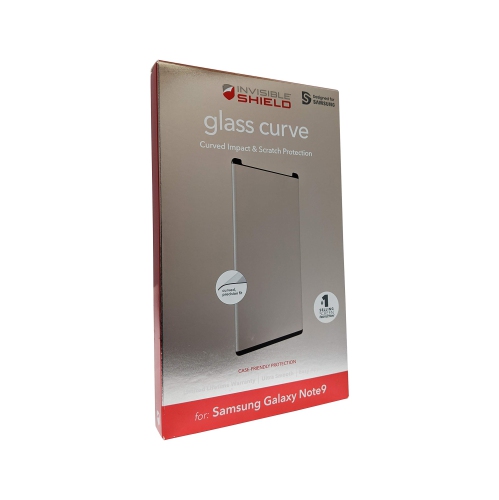 Your price for this item is $40.49
-
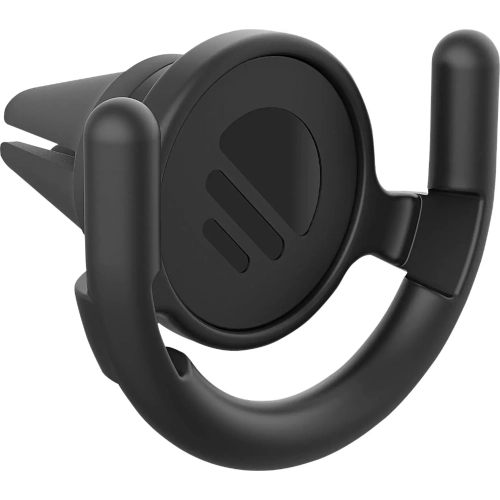 Your price for this item is $49.99
-
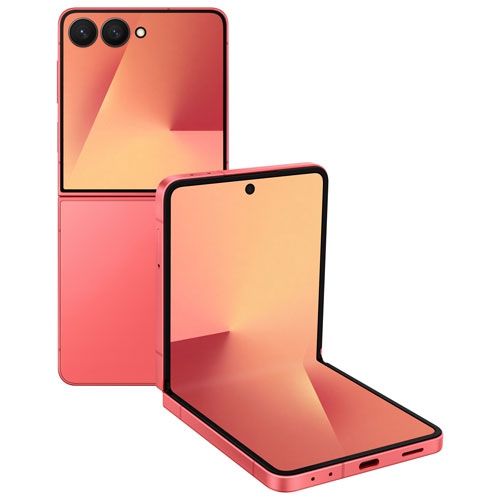 Your price for this item is $1099
-
 Your price for this item is $79.99
-
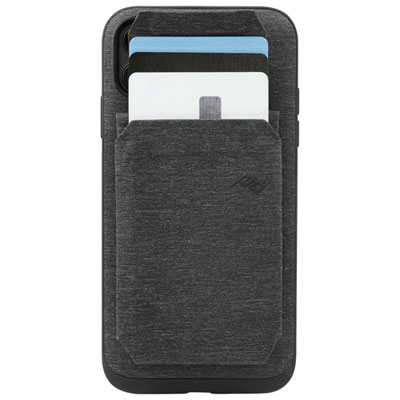 Your price for this item is $69.99
Discover more categories related to Apple Lightning To 3.5mm
Top Collections:
Pokemon Centers, Best Cameras for Sports Photography, Kindle Devices, Samsung Galaxy Phones, Canon G7X Cameras, Pokémon 30th Celebration Cards, Refurbished Apple Laptops, iPhone 15 Apple, Laptops for Students, Budget Smartphones
Some products may be subject to Environmental Handling Fees
(EHF) depending on your province.
Learn more about EHFs.