Apple Lightning To USB 3 Camera Adapters
The Apple Lightning To USB 3 Camera Adapter makes it easy to connect a variety of devices for seamless data transfer and expanded functionality. Perfect for managing photos, videos, and other files, the Apple Lightning To USB 3 Camera Adapter is designed to offer reliable connectivity between compatible devices. Whether you’re looking to enhance your workflow or simply streamline everyday tasks, this adapter provides a convenient solution for connecting accessories on the go. Explore how the Apple Lightning To USB 3 Camera Adapter can help you get more out of your devices.
Sort
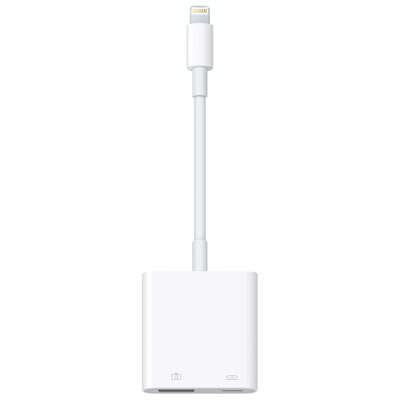
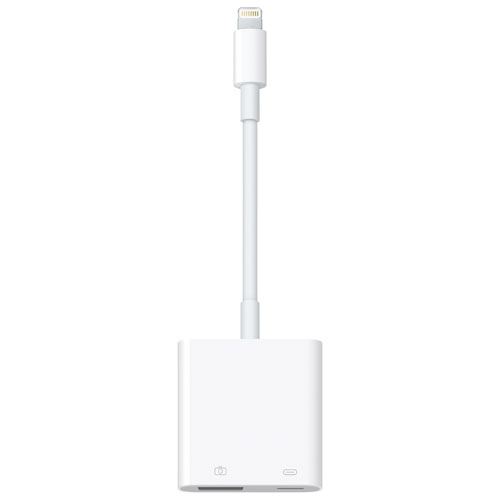
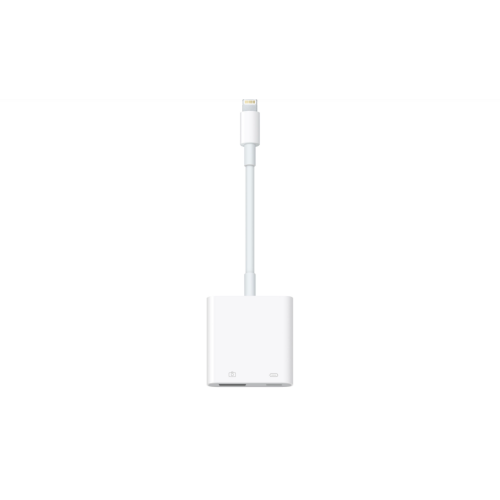
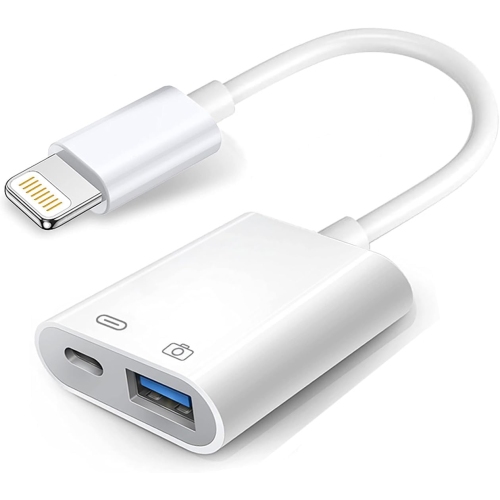
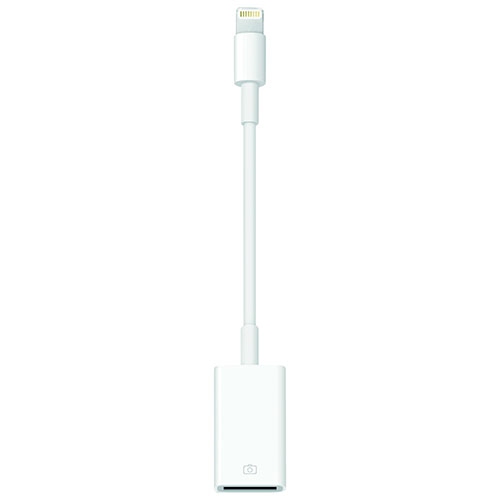
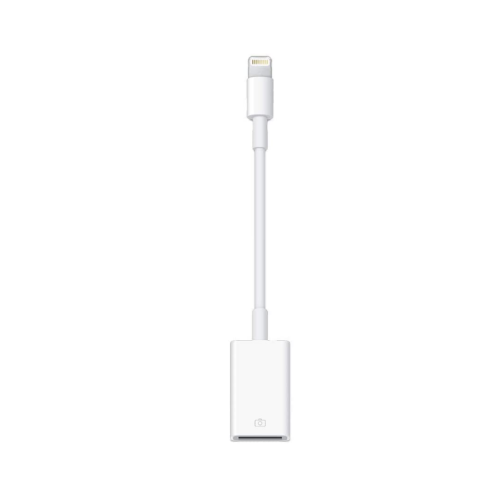

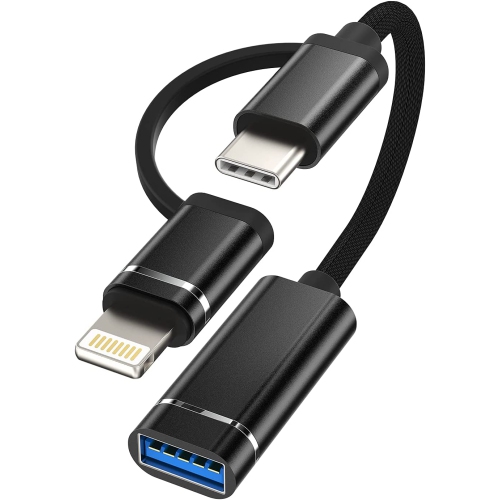

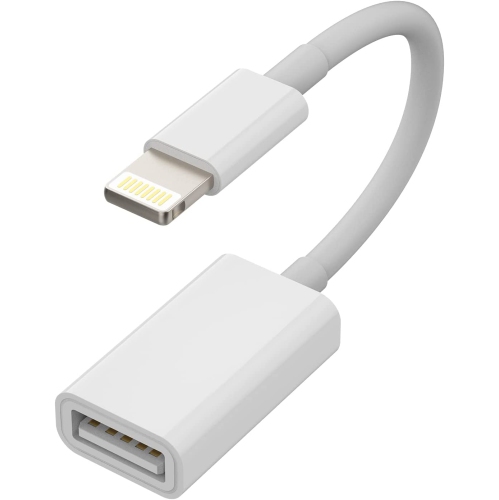
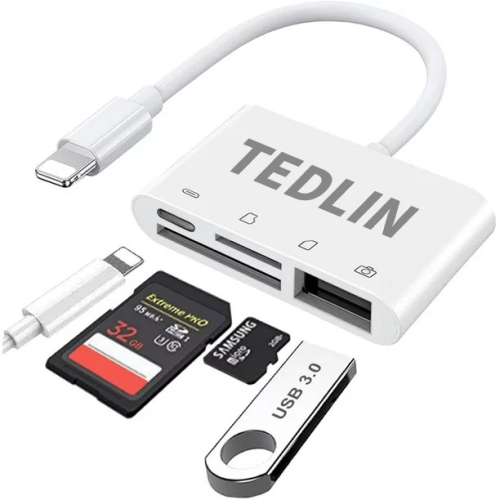
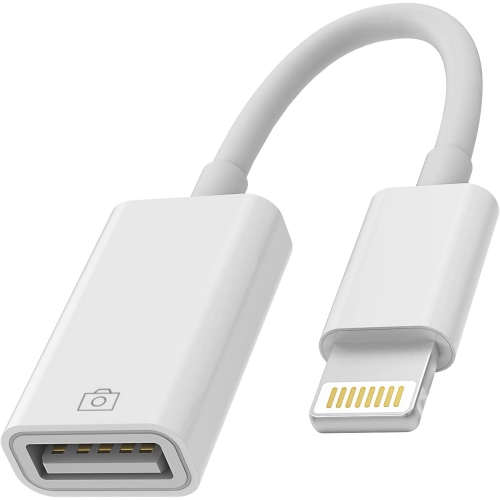


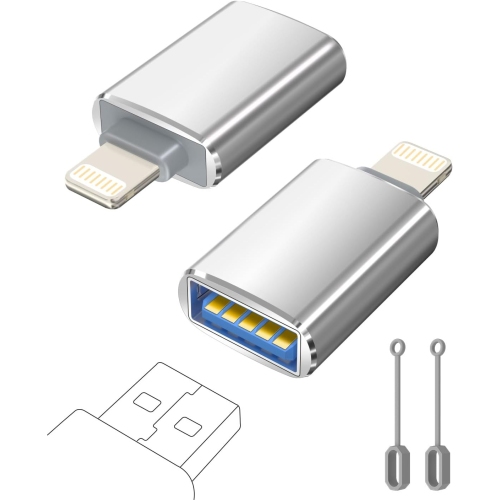
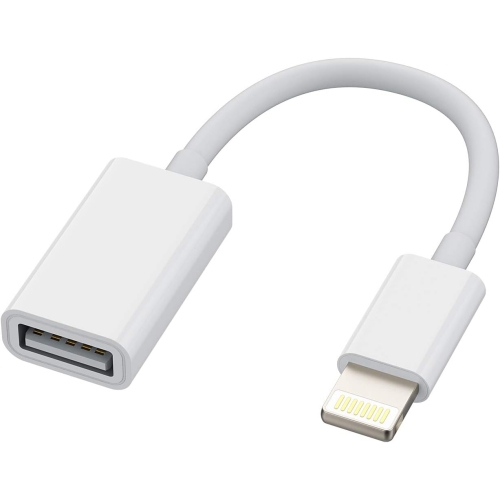

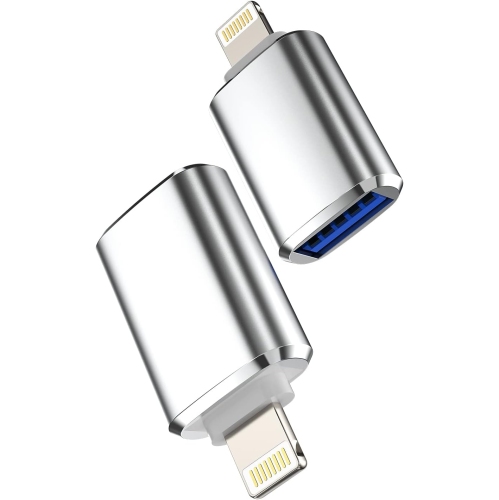
Camera imports without a computer in between
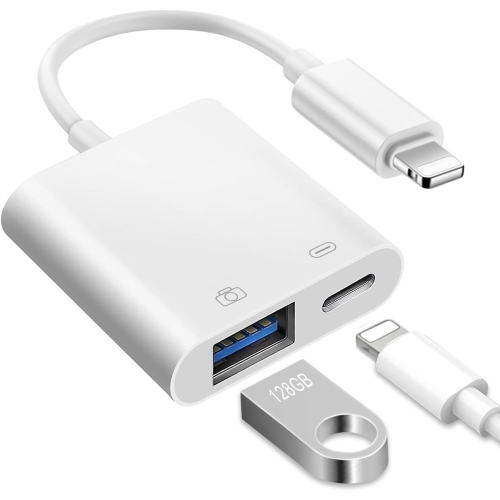
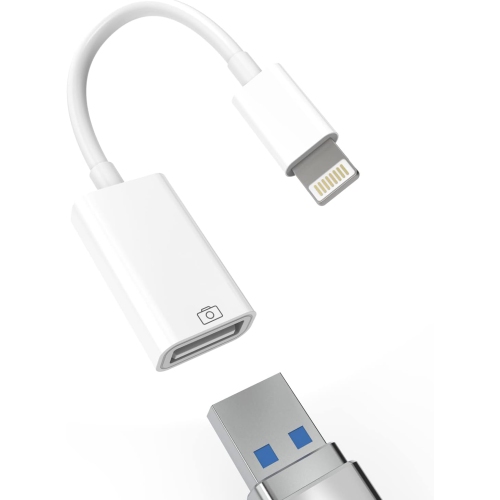
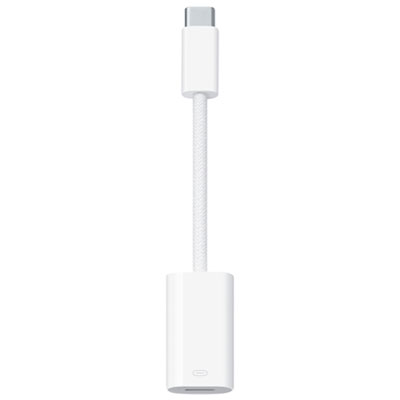
Lightning to USB 3 camera adapters connect compatible Lightning-equipped phones and tablets to digital cameras and other supported USB accessories. A typical design combines a Lightning plug for the mobile device, a USB-A port for the accessory’s cable, and a separate Lightning input for external power. For photography, that arrangement creates a direct connection between a camera and a mobile screen, making it possible to import supported photos and videos without first transferring them through a computer. It can suit a photographer reviewing portraits between sessions, a student assembling a visual project, or someone bringing travel photographs onto a tablet for editing and sharing. The camera still needs a suitable USB data cable, and the phone or tablet must support the camera’s connection method and file formats. A cable intended only for charging cannot carry those image files. Once imported, photographs can be viewed at a larger size, organized into albums, or opened in compatible editing software. Video workflows depend on supported formats, available storage space, and the capabilities of the editing app; a successful transfer does not necessarily mean every file can be played or edited on the receiving device. The USB 3 designation also needs to be considered alongside the connected device’s specifications. USB 3 transfer speeds are available only with certain compatible Lightning-equipped tablets, while many other Lightning devices operate at USB 2 speeds through the same type of adapter. The camera, memory card, cable, and size of the files can further affect transfer time. For a handful of photographs, that difference may be less noticeable than it is for a large set of high-resolution images or lengthy video clips. These adapters are therefore useful as compact connection tools rather than universal speed upgrades: their value lies in bringing supported camera files directly into a mobile workflow, with performance determined by the complete connection.
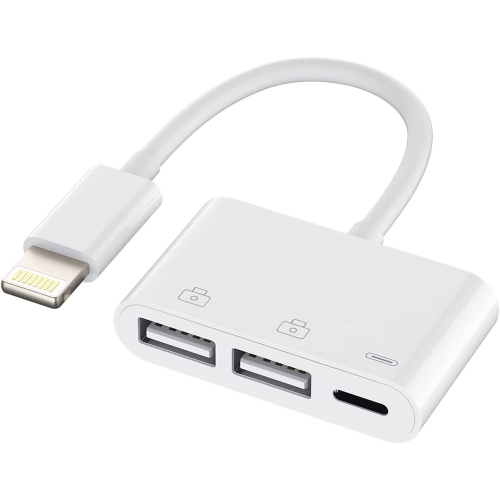
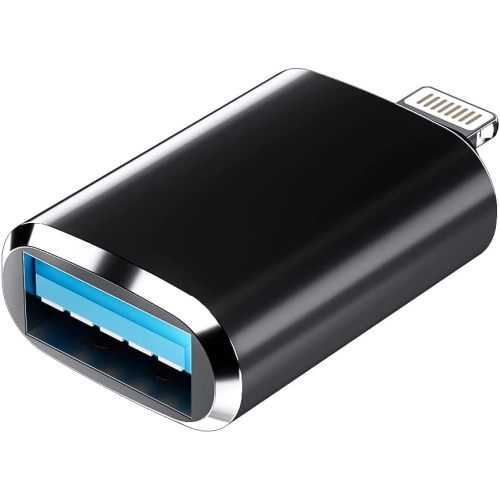
Beyond camera imports, a compatible adapter can provide a connection for selected USB flash drives, memory card readers, MIDI keyboards, audio interfaces, and Ethernet adapters. Support varies by the mobile device, operating system, accessory, and app, so the presence of a USB-A socket alone does not establish compatibility. A musician connecting a MIDI controller, for example, needs software that accepts its input, while an audio interface may require class-compliant operation and more power than the mobile device can supply by itself. An accessory that depends on desktop-only drivers may not function through a mobile adapter at all. For external storage, the drive’s format and power requirements matter alongside support in the device’s file-management software. A card reader can be convenient when a camera’s cable is not part of the travel kit, but the reader must accept the memory card being used. The separate Lightning power input is especially relevant to these setups. With a suitable charging cable and power adapter connected, it can supply external power to the arrangement and help keep the phone or tablet charged during use. This can be helpful during a long photo import or an audio session, when both the connected accessory and the mobile device are drawing power. External power does not remove every limitation, however: some accessories require their own power supply or a suitable powered USB hub, and extra power cannot make an unsupported device compatible. The additional Lightning socket is a power input, not a second general-purpose data connection or a headphone socket. Within the broader category of Lightning To USB Adapters, camera-style adapters with a separate power input serve a different purpose from a simple charging cable or connector converter. Their intended role is to let a supported mobile device communicate with a USB accessory while providing a way to introduce external power when the setup needs it.
Physical fit and everyday handling are just as important as the connection specifications. These adapters are intended for devices with a Lightning port; a phone or tablet with a USB-C port requires a different connection solution. A protective case can also affect how securely the plug seats, particularly when the case has a deep or narrow opening around the charging port. The connector should fit fully without being forced, and the adapter’s short cable should have enough room to sit naturally rather than bending sharply against the edge of the case. Moulded housings protect the internal connection points during ordinary handling, while flexible cable sections allow some movement between the device and the attached cable. Durability still depends on how the adapter is carried and used. A camera cable hanging over the side of a table can pull on the mobile device’s port, so supporting the cable and resting connected equipment on a stable surface helps reduce strain. Disconnecting by holding the plug rather than pulling the cable also protects the cable-entry points. For storage, a small accessory pouch keeps the adapter together with its data cable and helps prevent loose objects from pressing against exposed connectors. A soft, dry cloth is suitable for routine exterior cleaning; liquid cleaners, moisture inside the ports, and attempts to scrape contacts with metal objects can cause damage. Compact dimensions make this type of adapter practical for a camera bag, classroom kit, or mobile recording setup, although the complete setup may still include a charging cable, power adapter, and accessory cable. It can also be a thoughtful gift for a photographer, music student, or relative who prefers reviewing pictures on a tablet, provided their device connection and intended accessory are known. The most useful match is one that fits the recipient’s existing equipment and supports a task they already enjoy, whether that is sorting family photographs, capturing musical ideas, or moving files between supported devices.
Top selling and popular products
-
 Your price for this item is $34.99
-
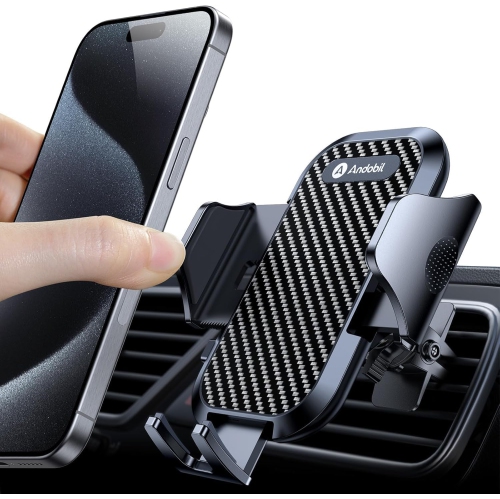 Your price for this item is $59.49
-
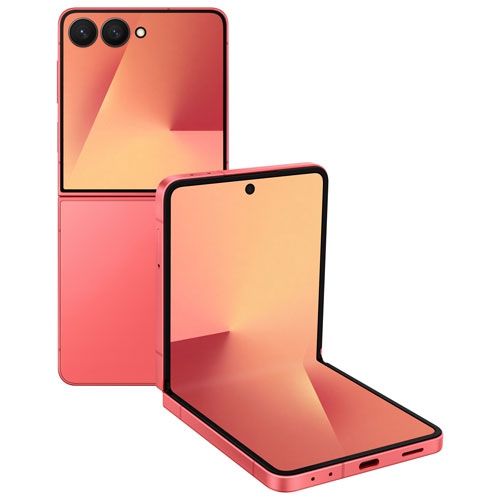 Your price for this item is $1050
-
 Your price for this item is $79.99
-
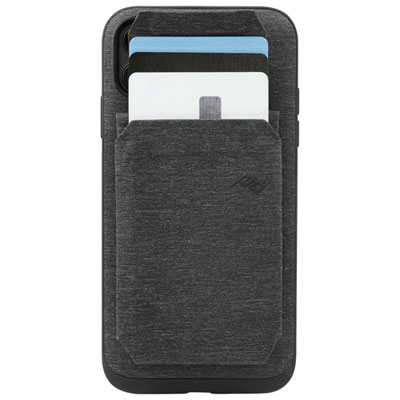 Your price for this item is $69.99
-
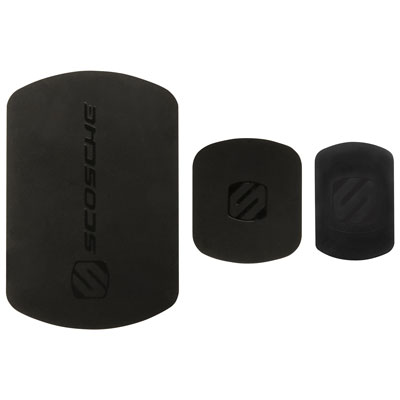 Your price for this item is $7.99
-
 Your price for this item is $24.99
-
 Your price for this item is $49.99
Discover more categories related to Apple Lightning To USB 3 Camera Adapters
Top Collections:
Best Black Friday Deals This Year, Best Black Friday Deals On Electronics, Kindle Devices, Pokemon Centers, Best Black Friday Deals On Apple Products, Best Cameras for Sports Photography, Dyson Airwrap, Pokémon 30th Celebration Cards, Apple iPhone 17 Pro, Canon G7X Cameras
Some products may be subject to Environmental Handling Fees
(EHF) depending on your province.
Learn more about EHFs.