Durable iPhone Charging Cables
Durable iPhone Charging Cables are essential for anyone looking to keep their devices powered up and ready to go. Whether you need a reliable cable for home, the office, or travel, finding the right option ensures your iPhone stays charged when you need it most. Explore a wide selection of cables designed to meet your everyday charging needs and enjoy seamless connectivity wherever life takes you.
Sort

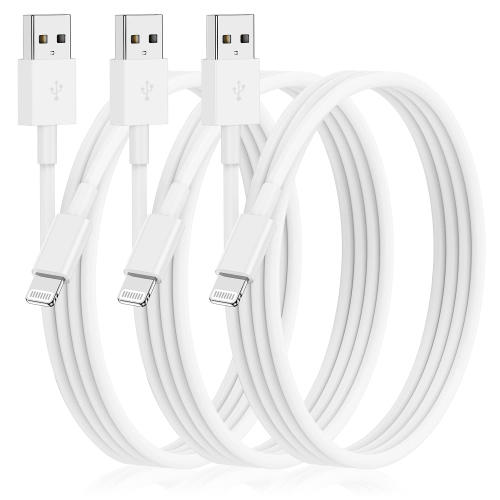
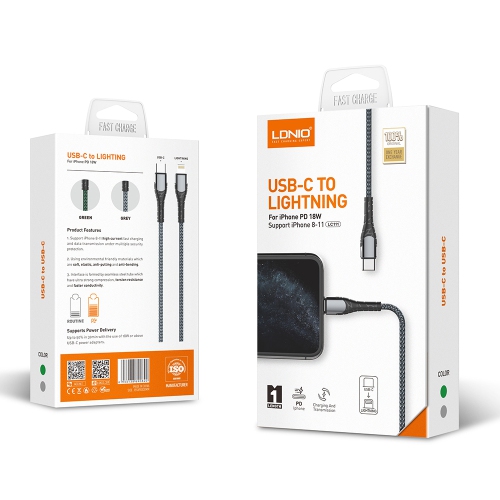
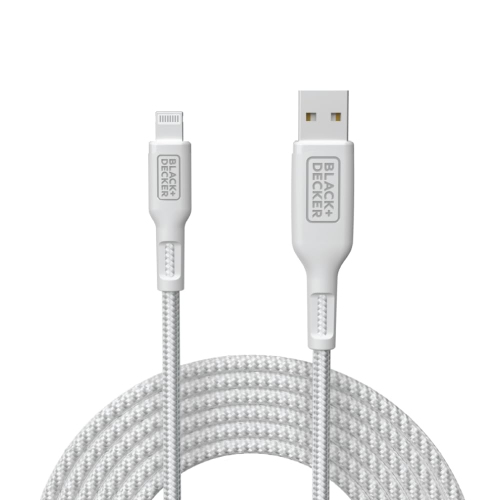


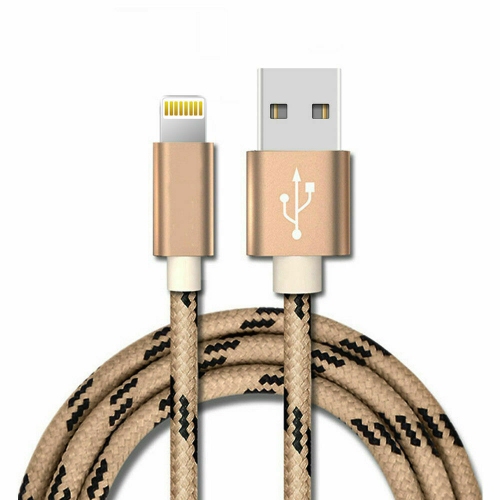

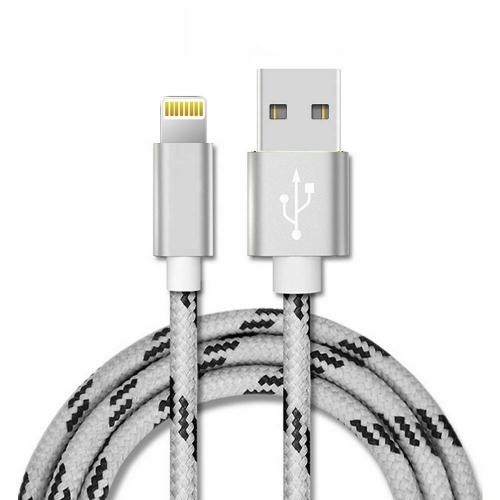


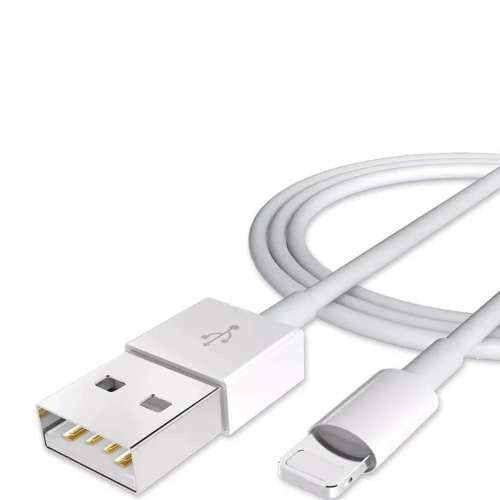
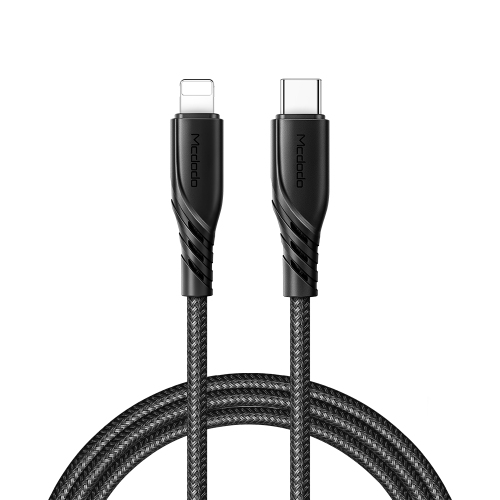
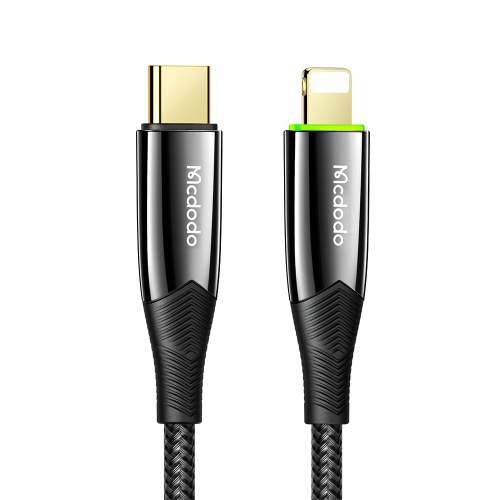
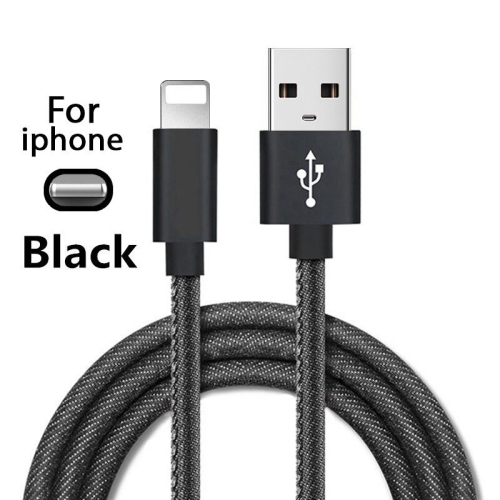
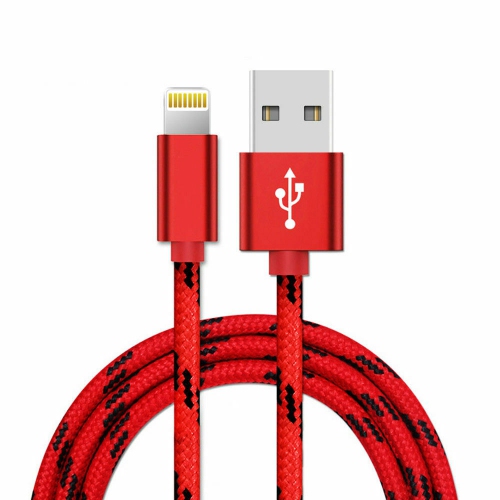

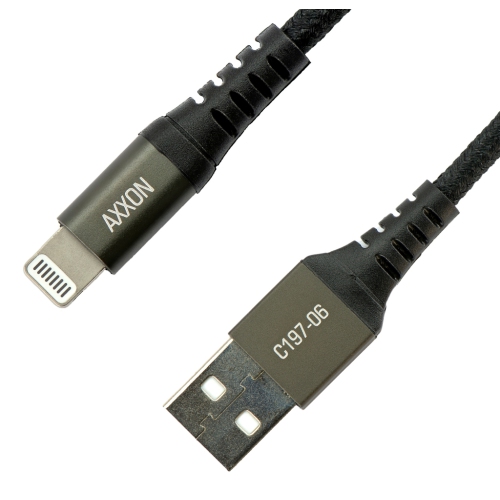
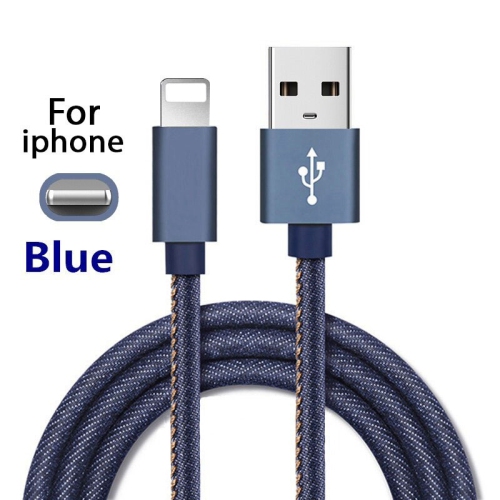
Cable durability goes deeper than a braided jacket
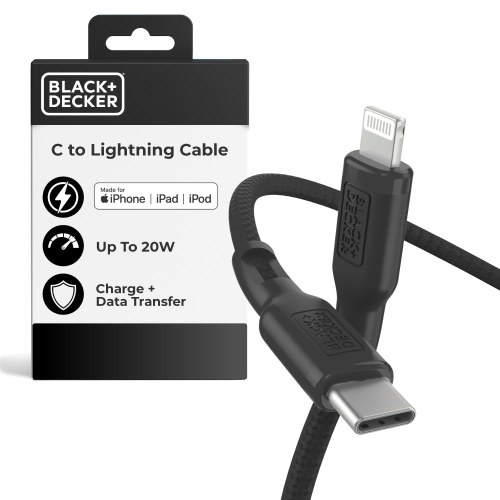
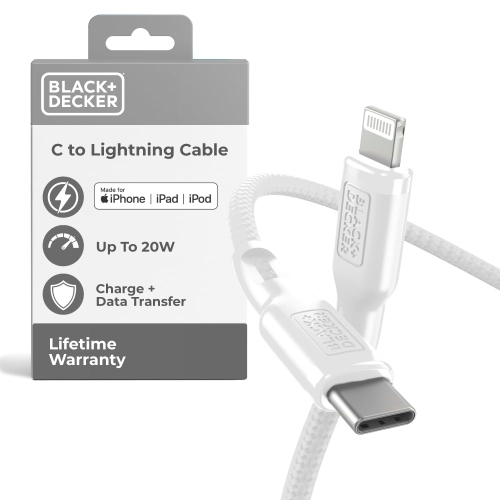
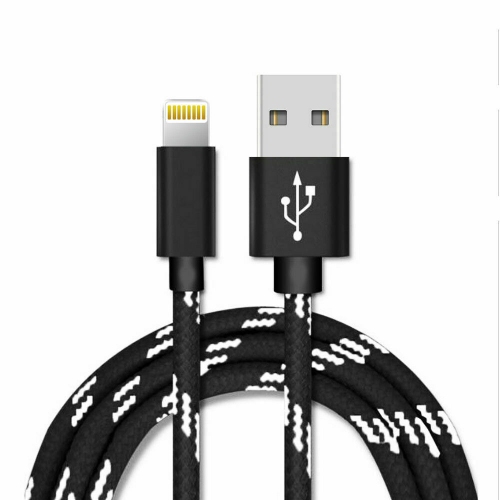
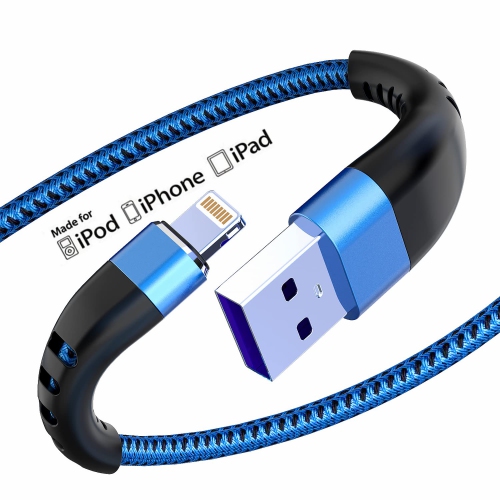
Durable iPhone charging cables are built to handle the repeated bending, packing, and plugging in that come with everyday phone use. A cable beside a bed may flex at the same point each evening, while one carried in a work bag can rub against zippers, notebooks, and other accessories. Construction matters most at these points of wear. Braided nylon jackets add an outer layer that helps resist abrasion, while reinforced internal structures, sometimes using aramid fibres, can improve resistance to pulling and stretching. A tightly woven exterior can also make a cable easier to grip when disconnecting it, although the connector housing, rather than the cord itself, is the right place to hold. Smooth, flexible jackets can be practical too, especially where a cable needs to curve gently around a desk or fit into a small storage pouch. Durability depends on the complete design, not simply whether the outside is braided. The transition between the cord and each plug is particularly important: extended strain relief helps distribute bending over a wider area instead of concentrating it immediately behind the connector. Securely fitted housings and well-supported plugs add to that construction, helping the cable withstand routine handling without becoming loose at the ends. Published bend-test results can provide useful context, but test methods, bend angles, and applied loads vary, so a large bend count is not a direct promise of a particular lifespan. Reinforcement also involves trade-offs. A thicker cable may feel substantial in the hand yet be less convenient to coil into a pocket, while a more flexible design may suit frequent travel better. Metal-wrapped designs can provide additional exterior protection, but they may be heavier or less supple than fabric-covered alternatives. No charging cable should be treated as chew-proof or immune to crushing. Keeping it away from pets, chair wheels, and sharp edges remains important regardless of the jacket material.
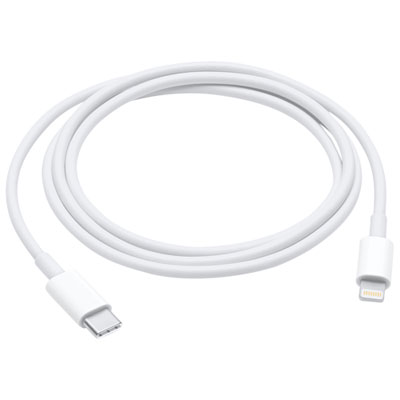
Compatibility is just as important as strength, because an iPhone charging cable needs the correct connection at both ends. iPhones use either a Lightning or USB-C charging port, depending on the model, and these connectors are not interchangeable. The other end must match the power source, whether that is a USB-A wall charger, a USB-C power adapter, a computer, a power bank, or a vehicle’s charging socket. For phones with a Lightning port, Heavy-Duty Lightning Cables keep the focus on the required connector type alongside reinforced construction. MFi certification is a useful consideration for Lightning accessories because it indicates that an accessory has met the programme’s requirements; it is not a durability rating and does not determine charging speed on its own. USB-C cables follow different standards, so MFi certification is not a requirement for a USB-C-to-USB-C iPhone charging cable. Fast charging depends on a compatible phone, an appropriate power adapter, and a cable that supports the necessary power delivery. A higher cable wattage rating describes its supported capacity rather than guaranteeing that a phone will charge at that wattage. USB-C-to-Lightning and USB-C-to-USB-C connections can support fast charging with compatible equipment, whereas a USB-A connection generally serves a different charging setup. Charging capability and data-transfer speed are also separate specifications. A cable that works well for charging may not provide the transfer speed desired for moving large photo or video files to a computer. Physical fit deserves attention as well, particularly when a phone stays inside a protective case. A bulky connector housing may not fit through a narrow charging-port opening, even when the plug itself is correct. Length changes how comfortably the cable fits into daily routines. A one-metre cable keeps a desktop connection fairly contained, while a two-metre or three-metre cable can provide more reach from a wall outlet to a bedside table or sofa. Extra length is useful when it prevents pulling, but unnecessary slack can become tangled or caught under furniture.
The most useful durable charging cable is one that suits where and how the phone is charged. At a workstation, a flexible cable with sturdy connector ends can follow the edge of a desk without pulling against the phone’s port. A cable clip can hold the loose end within reach, although it should not pinch the jacket or force a sharp bend. Beside a bed, enough length to reach the tabletop comfortably is more practical than a taut cord stretched from a distant socket. In a vehicle, a shorter or coiled design can help keep excess cable away from controls, provided it reaches the phone without constant tension. For commuting and travel, a manageable coil and a soft fastening strap make packing simpler than winding the cable tightly around a charger. Repeated tight wrapping can stress the internal wires even when the outer braid still looks intact. Loose loops preserve flexibility, and separating cables from heavy objects helps protect their connectors inside a bag. Care is straightforward but makes a meaningful difference: disconnect the cable before cleaning it, wipe the exterior with a soft, dry cloth, and keep liquid out of both connector ends. A damaged jacket, exposed wiring, a bent plug, or a connection that cuts in and out is a reason to stop using the cable rather than continue bending it into a working position. Braiding can disguise wear beneath the surface, so appearance alone does not establish that a cable is in good condition. For students, commuters, frequent travellers, and people who move between home and office, reinforced charging cables can make a practical everyday accessory. They can also be a thoughtful gift when the recipient’s phone port and usual charger connection are known. Someone who charges mainly at a desk may appreciate a compact length, while someone whose outlet sits behind a bedside table may benefit more from extra reach. Matching that everyday setup matters as much as choosing a tough exterior: a cable earns its place through reliable connections, comfortable handling, and construction suited to repeated use.
Top selling and popular products
-
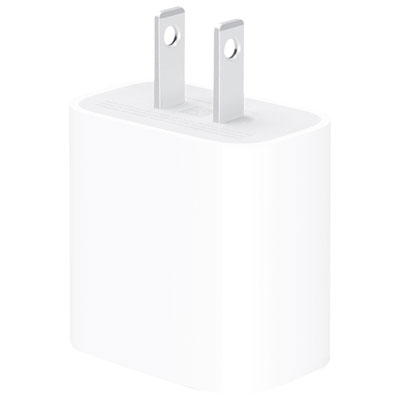 Your price for this item is $24.99
-
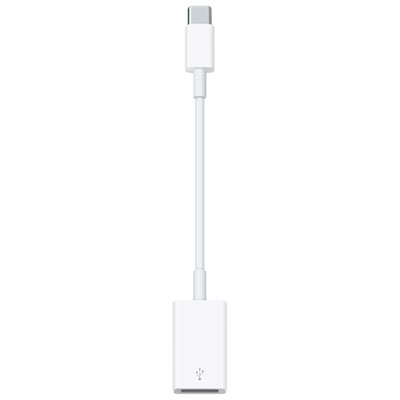 Your price for this item is $25
-
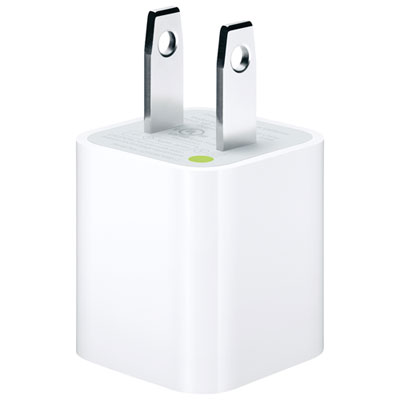 Your price for this item is $9.97
-
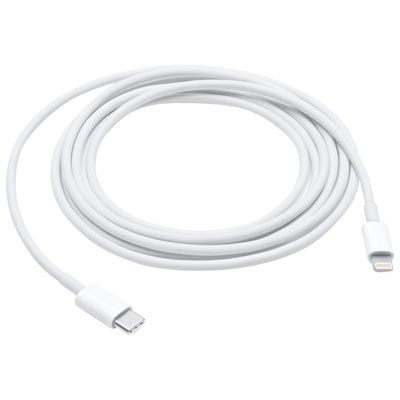 Your price for this item is $38.99
-
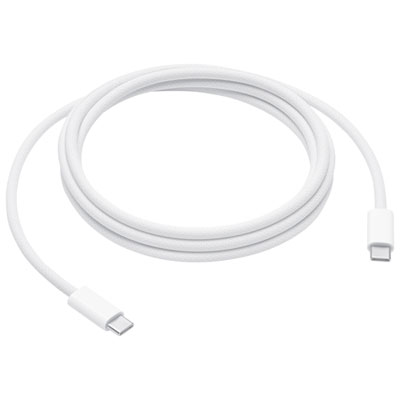 Your price for this item is $34.99
-
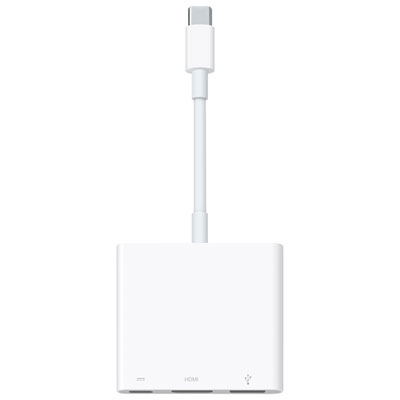 Your price for this item is $85
-
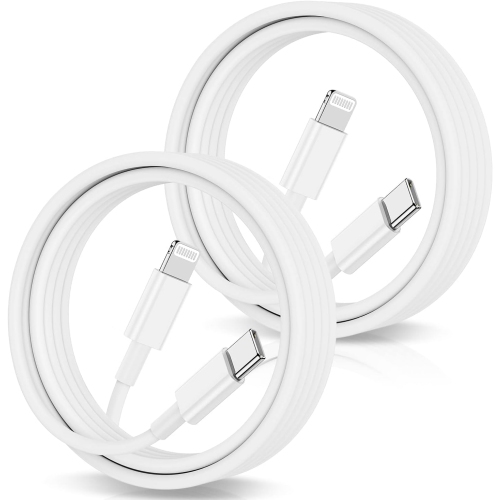 Your price for this item is $24.99
-
 Your price for this item is $24.99
Discover more categories related to Durable iPhone Charging Cables


Top Collections:
Pokemon Centers, Best Cameras for Sports Photography, Kindle Devices, Samsung Galaxy Phones, Canon G7X Cameras, Pokémon 30th Celebration Cards, Refurbished Apple Laptops, iPhone 15 Apple, Laptops for Students, Budget Smartphones
Some products may be subject to Environmental Handling Fees
(EHF) depending on your province.
Learn more about EHFs.