Most Durable USB Cables
USB cables are one of the most crucial parts of any computer setup. They're the connection between your device and PC, and they're what allows you to transfer data between them. If you're looking for a durable USB cable that can withstand the test of time, we've got you covered.
Sort
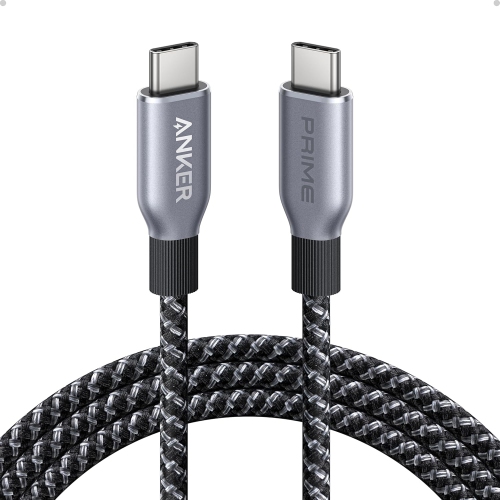
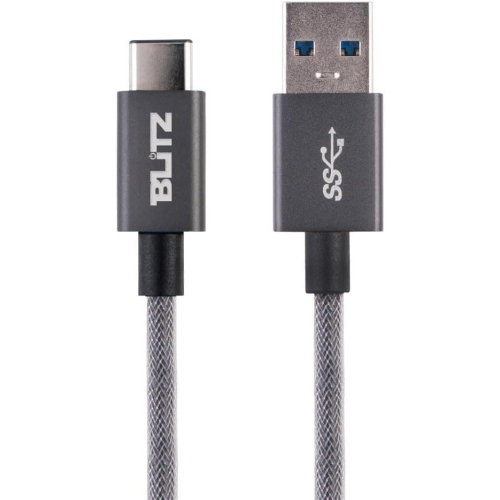
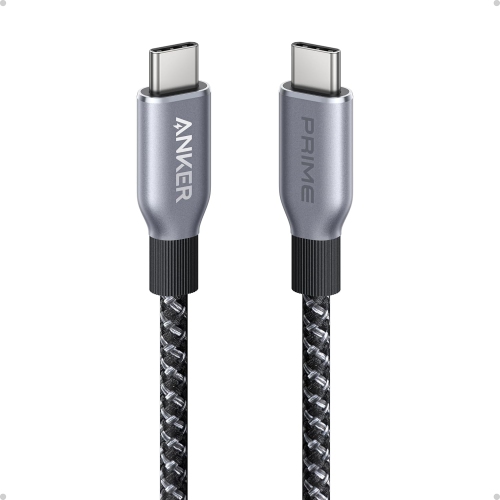
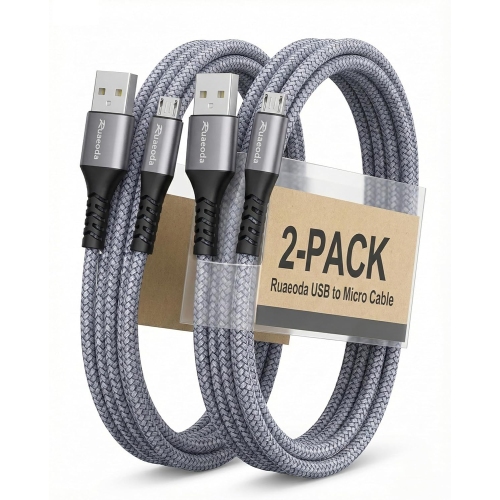
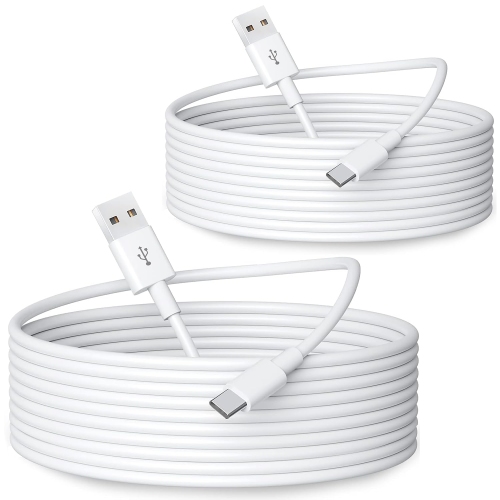
![DOLAER [2-Pack 3.3Ft Mfi Certified] Woven Carplay USB C Cable for Apple Iphone 17 Pro Max Charger, USB A to USB-C Cord Fast Charging for Iphone](https://multimedia.bbycastatic.ca/multimedia/products/500x500/196/19691/19691401.jpeg)
![DOLAER USB-C Cable for Iphone 17 Charger [10Ft/3M 2Pack Woven], Extra Long USB A to C Cord Fast Charging for Apple Iphone 17 Pro Max/iphone Air/16](https://multimedia.bbycastatic.ca/multimedia/products/500x500/196/19689/19689176.jpeg)
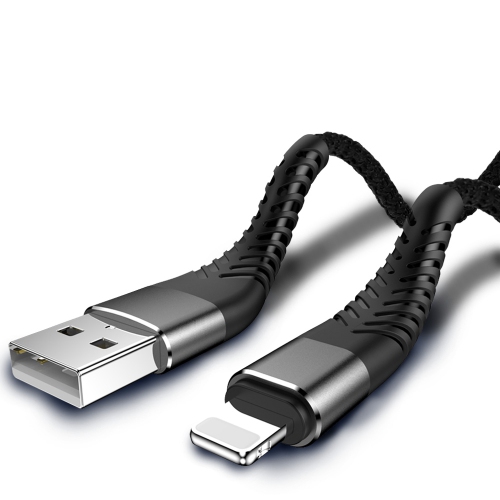
![NATIVE UNION Belt Cable Xl - 10Ft Ultra-Strong Reinforced [Apple Mfi Certified] Lightning to USB Charging Cable With Leather S](https://multimedia.bbycastatic.ca/multimedia/products/500x500/129/12952/12952474.jpg)
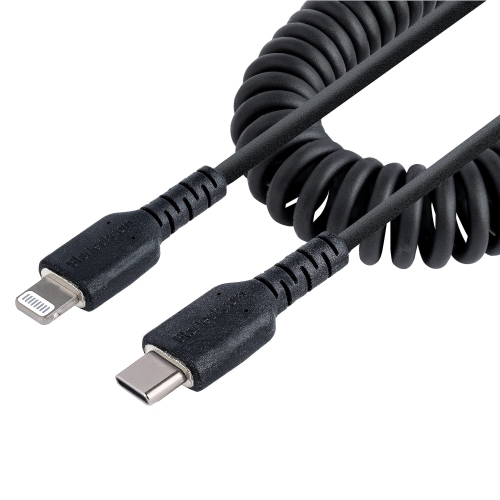
![DOLAER Heavy Duty USB C to Lightning Cable [Apple Mfi Certified] Durable Iphone Charger, Lightning Cables, Fast Charging Iphone Charger Cord](https://multimedia.bbycastatic.ca/multimedia/products/500x500/196/19688/19688701.jpeg)

![DOLAER Extra Long USB to USB C Cable, [Mfi Certified] Woven USB-A Charger to USB-C Cord Fast Charging for Apple Iphone 17 Pro Max, Iphone Air/17/16](https://multimedia.bbycastatic.ca/multimedia/products/500x500/199/19921/19921656.jpeg)

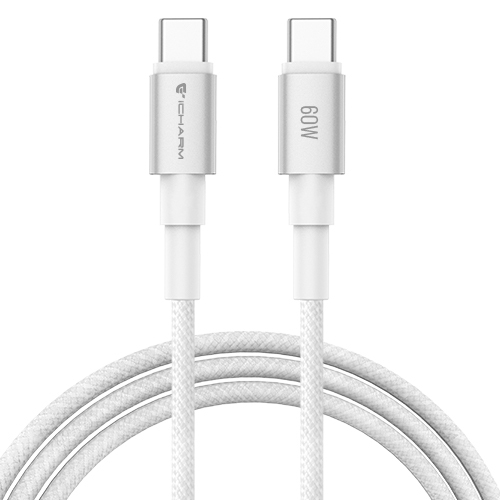
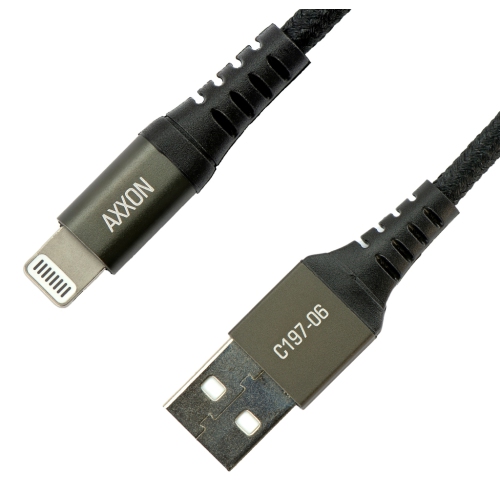
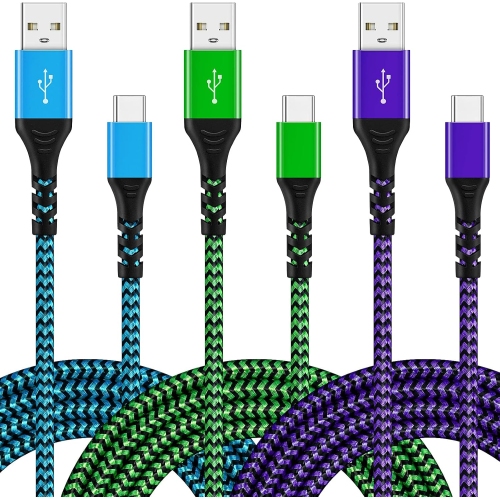
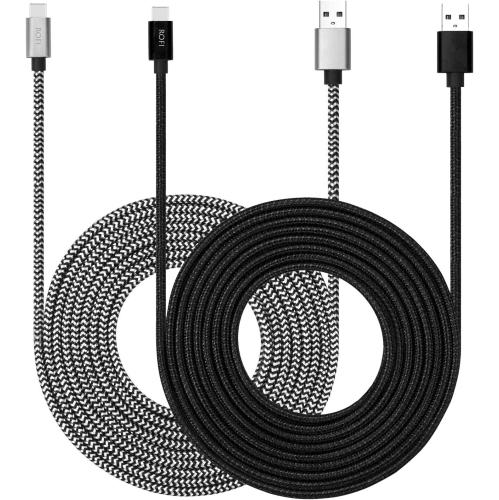
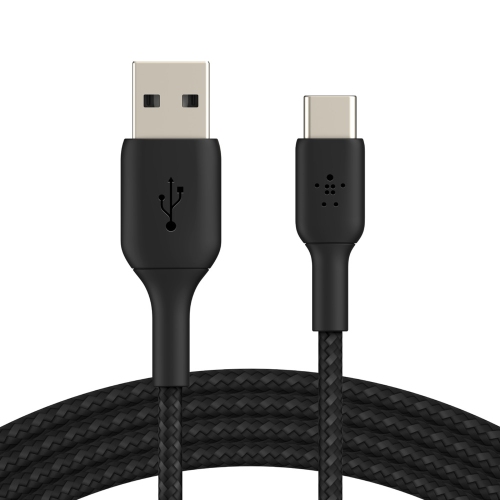
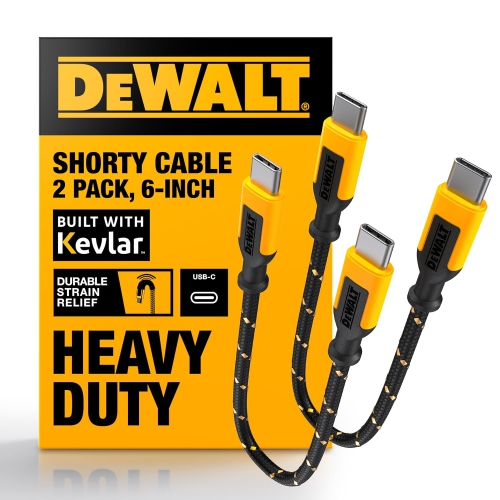
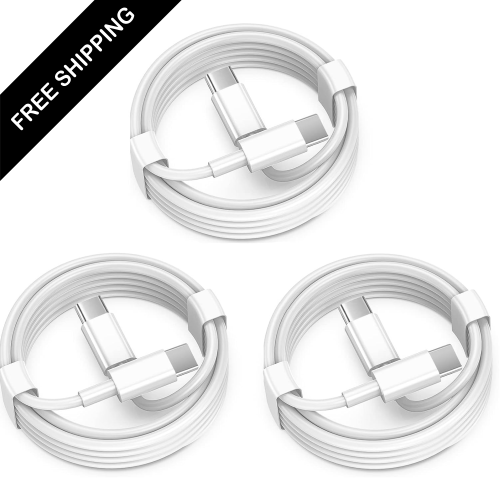
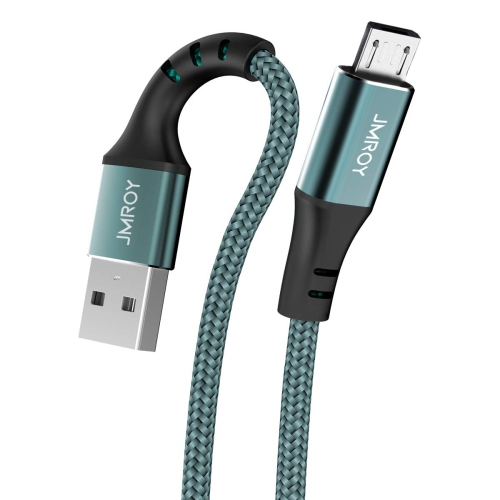
![DOLAER Iphone Charger Cable, C 5 Pack[3/3/6/6/10Ft] Mfi Certified USB Lightning Cable Nylon Braided Charging Cord Compatible for Iphone](https://multimedia.bbycastatic.ca/multimedia/products/500x500/165/16579/16579781.jpeg)
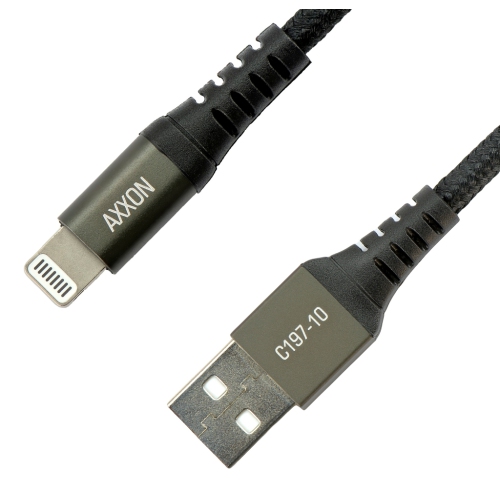
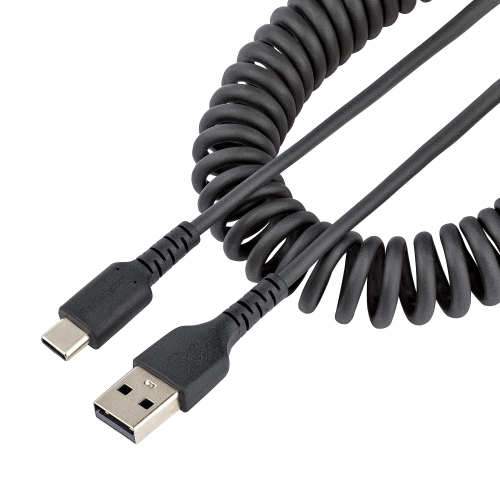
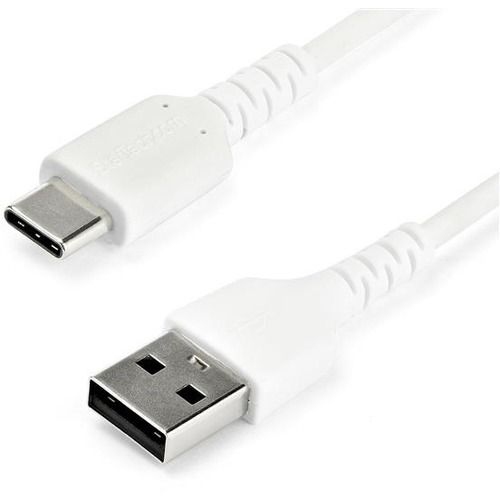
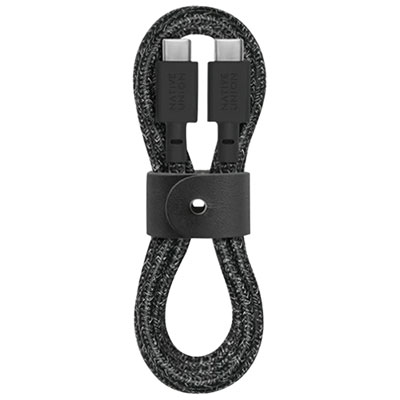
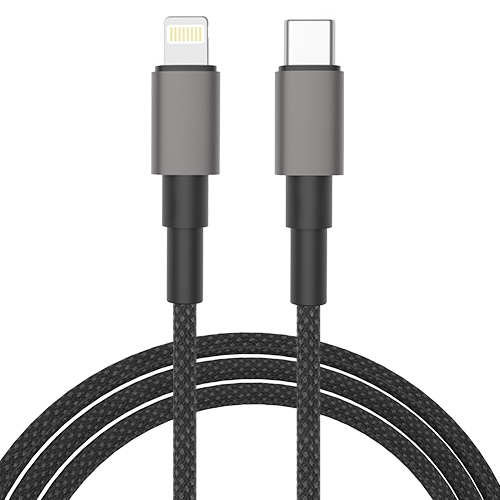
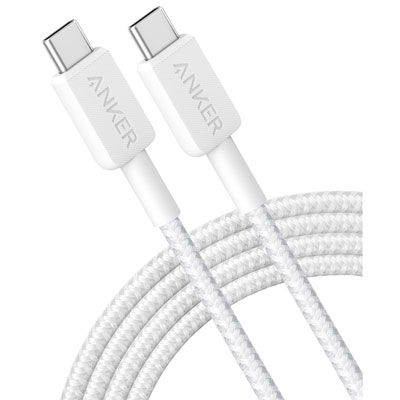
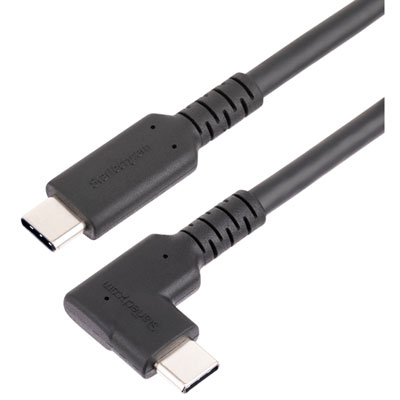
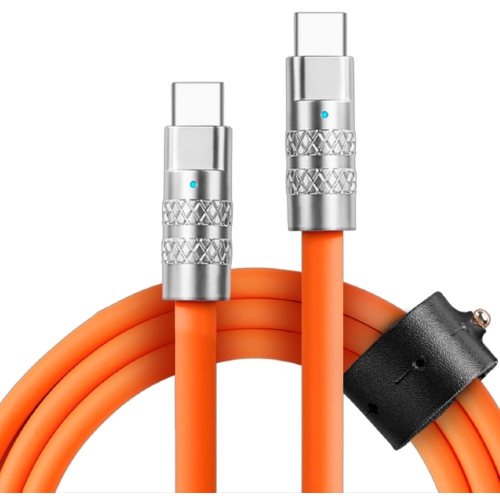
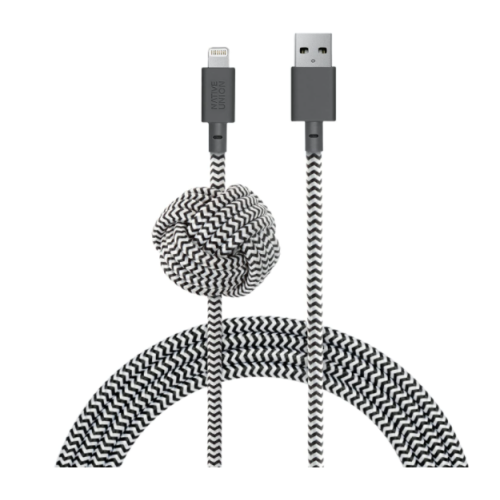
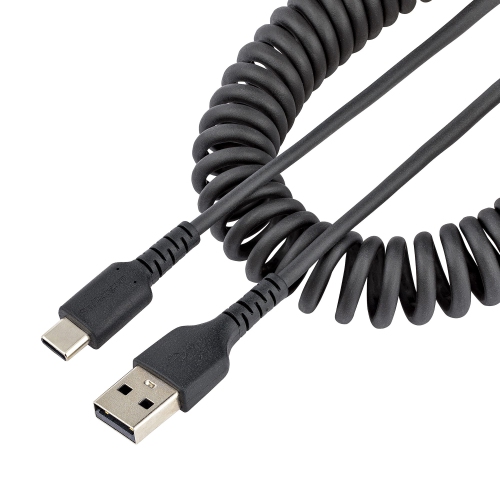
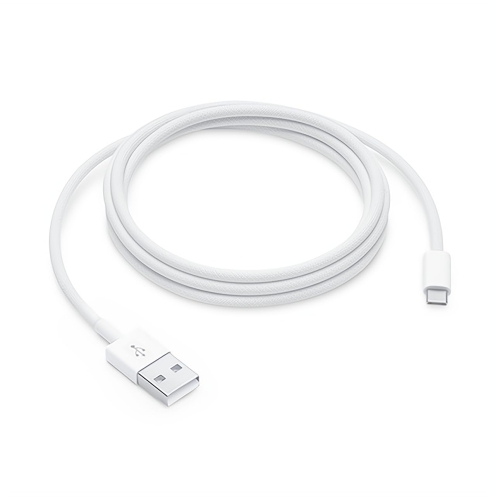
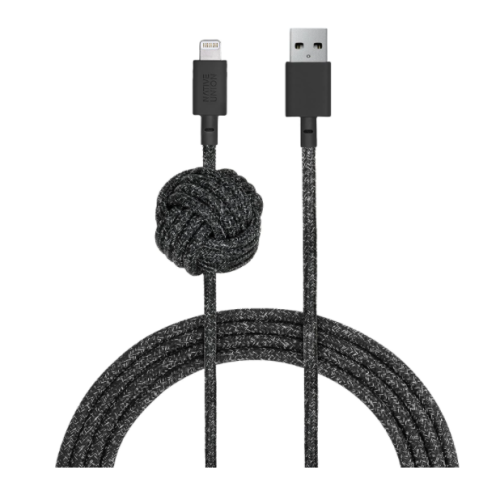
![SUPERSHIELD USB Type C to USB 3.0 Cable USBc 3.1 Sync Data Charger Charging Wire 3.3Ft [2Pack] Cable](https://multimedia.bbycastatic.ca/multimedia/products/500x500/166/16643/16643384.jpeg)
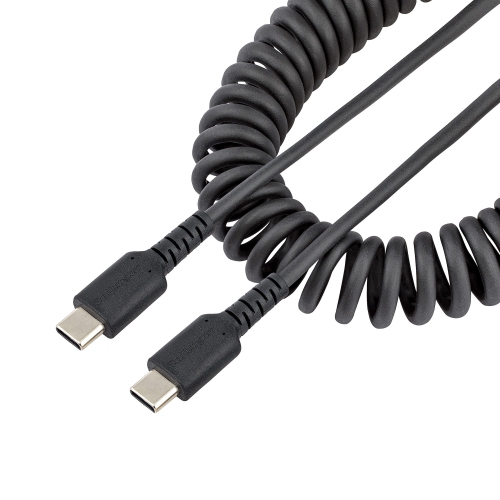
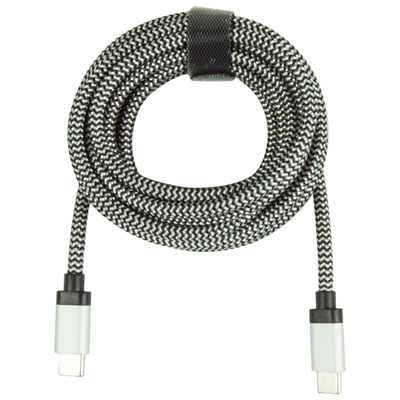
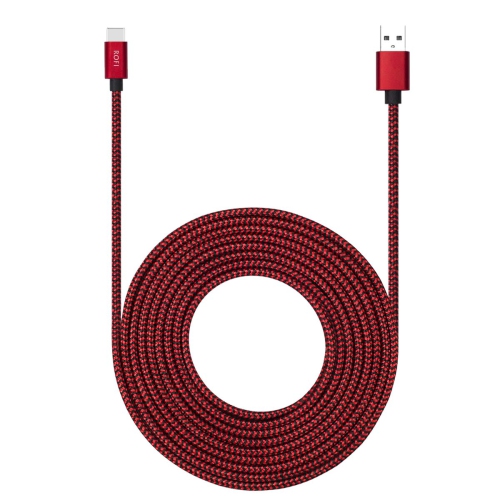
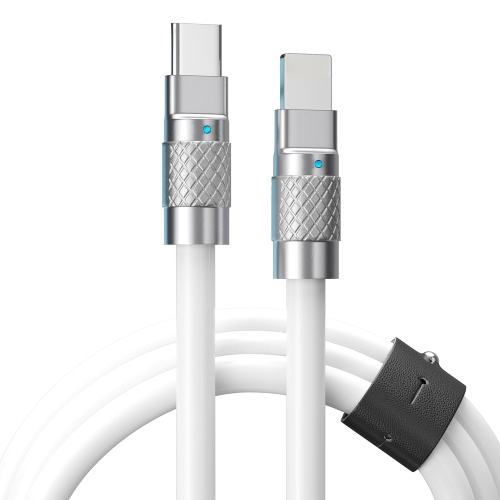
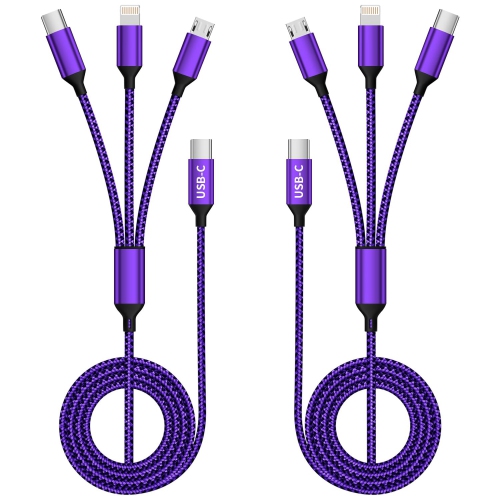
![SUPERSHIELD [2Pack] USB Type C Cable, Fast Charging /sync Data Cable Cord, Samsung Galaxy S23 S22 S21 S10 S9 S8 S20 Plus Note Ultra A22 A42 A52 A72](https://multimedia.bbycastatic.ca/multimedia/products/500x500/166/16642/16642706.jpeg)
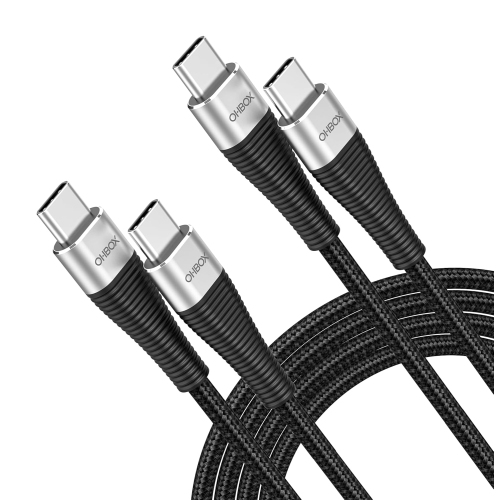
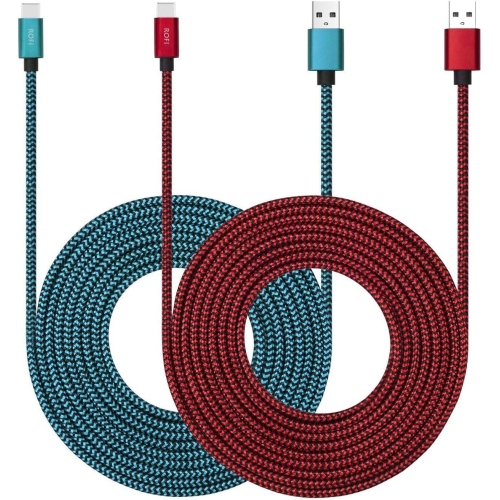
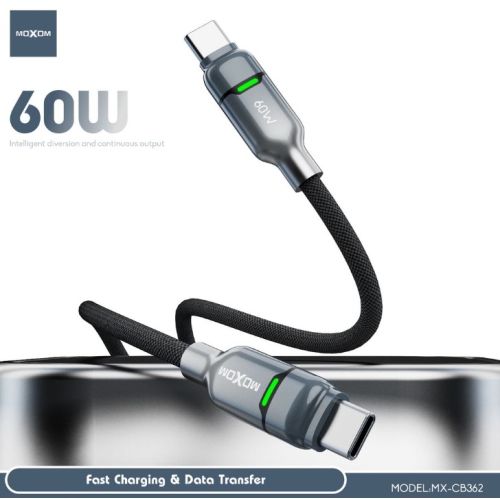
![DOLAER USB C to USB C Charging Cable for Iphone 17[6.6Ft, 3Pack], 60W Nylon Braid USBc Cord Long, Type C Cable Fast Charge Compatible w Iphone 17 16](https://multimedia.bbycastatic.ca/multimedia/products/500x500/196/19691/19691567.jpeg)
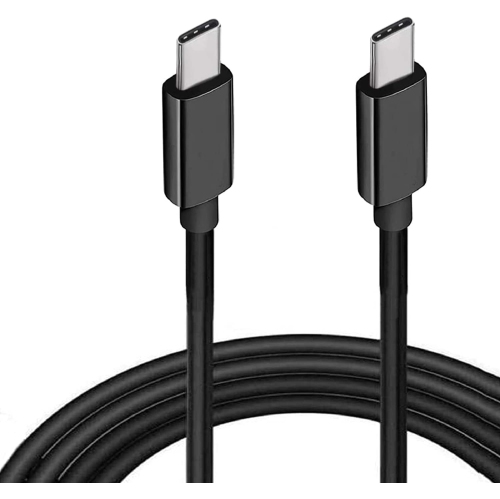
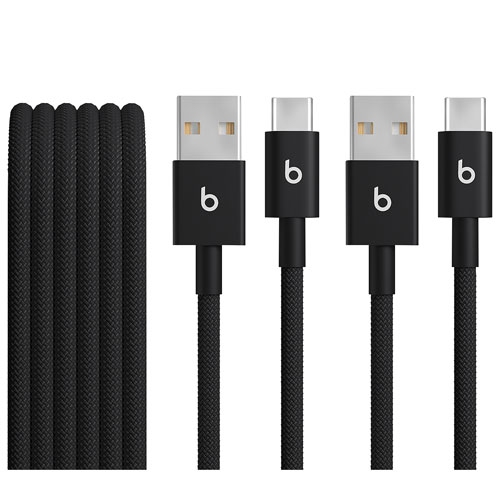
![DOLAER USB C Charger Cable [2 Pack, 6Ft], 310 USB A to Type C Charger Cable Fast Charge, Nylon USB A to USB C Cable Fast Charging for Samsung Galaxy](https://multimedia.bbycastatic.ca/multimedia/products/500x500/196/19691/19691524.jpeg)
![DOLAER USB C Cable, [2-Pack, 6 Ft] Type C Charger Premium Nylon USB Cable, USB A to Type C Charging Cable Fast Charge for Samsung Galaxy S10 S10+ /](https://multimedia.bbycastatic.ca/multimedia/products/500x500/196/19690/19690767.jpeg)
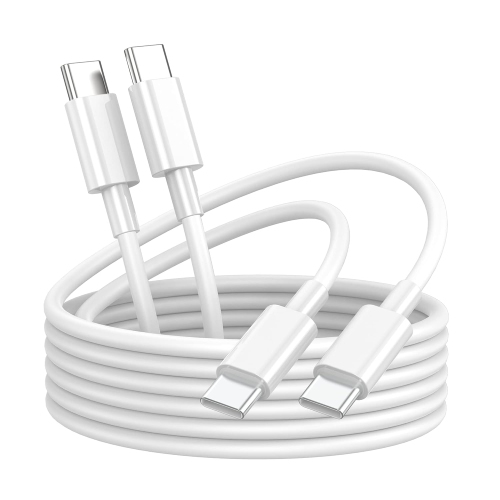
![DOLAER USB C to USB C Cable [4Ft, 2-Pack], 60W Type C to C Fast Charging Cord for Iphone Air 17 16 15 Pro Max Plus, for Macbook Pro/air, for USB-C](https://multimedia.bbycastatic.ca/multimedia/products/500x500/196/19687/19687591.jpeg)
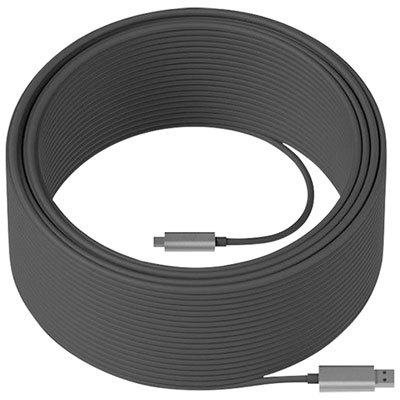
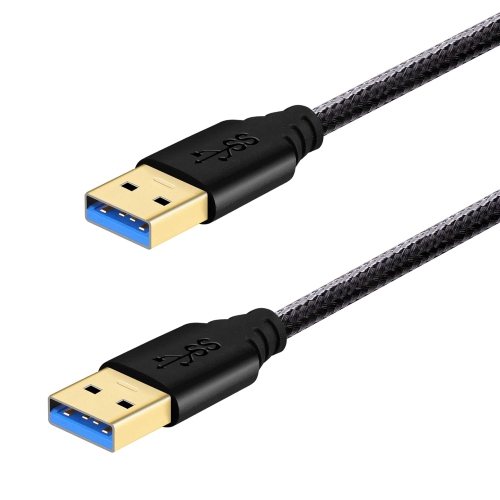
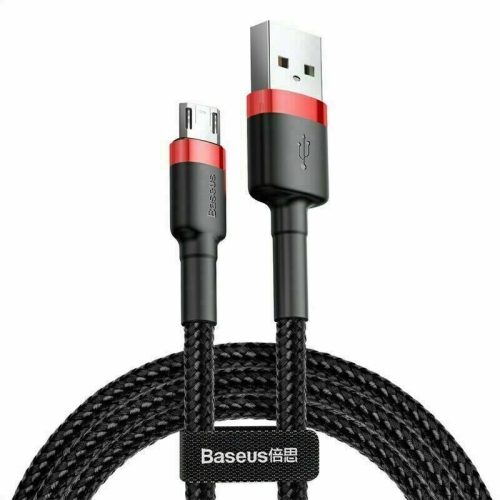
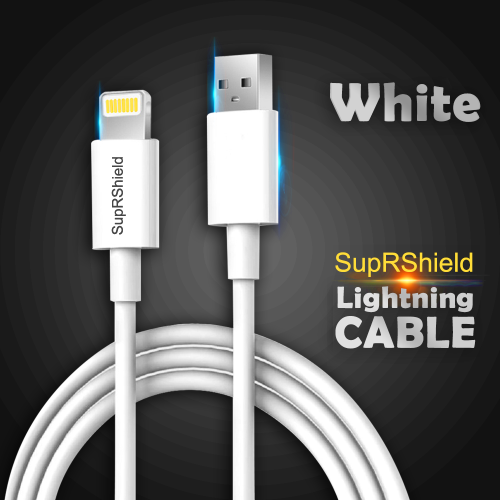
![DOLAER USB A to USB C Cable Charger, [3 Pack 6 Ft] Nylon Braided Type C Fast Charging Cord High Data&transfer Wire Compatible for Iphone 15 16 17 Pro](https://multimedia.bbycastatic.ca/multimedia/products/500x500/196/19691/19691762.jpeg)
![SUPERSHIELD [2Pack] USB Type C Cable, Fast Charging /sync Data Cable Cord, Samsung Galaxy S23 S22 S21 S10 S9 S8 S20 Plus Note Ultra A22 A42 A52 A72](https://multimedia.bbycastatic.ca/multimedia/products/500x500/166/16642/16642697.jpeg)
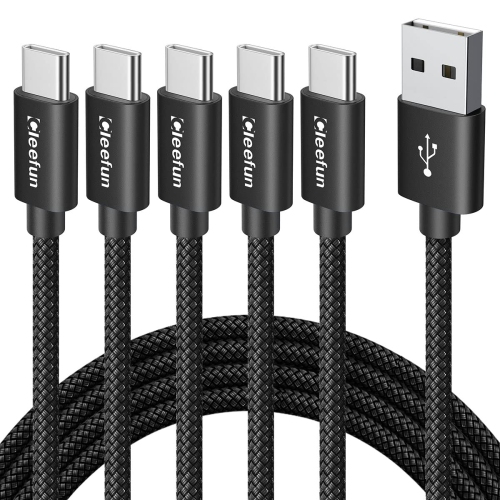
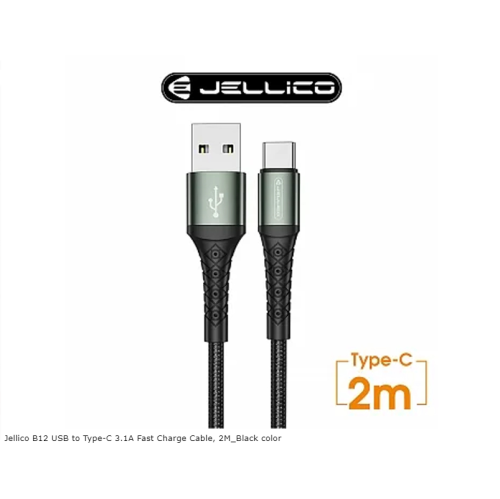
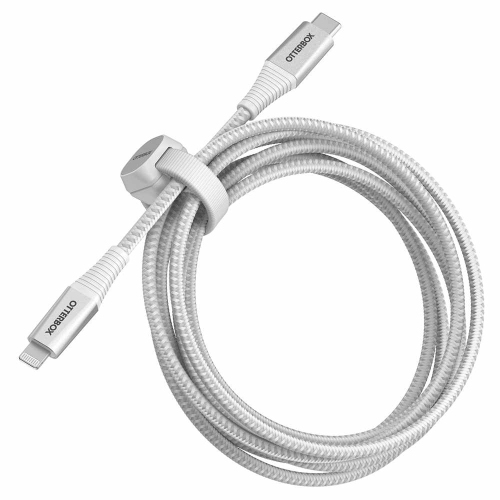
![DOLAER USB A to USB C Cable [3Ft, 3-Pack], USB C Cable 3A Fast Charging for Iphone Air 17 16 Pro/pro Max, Type C Cable Nylon Braided Charger Cord For](https://multimedia.bbycastatic.ca/multimedia/products/500x500/196/19690/19690783.jpeg)
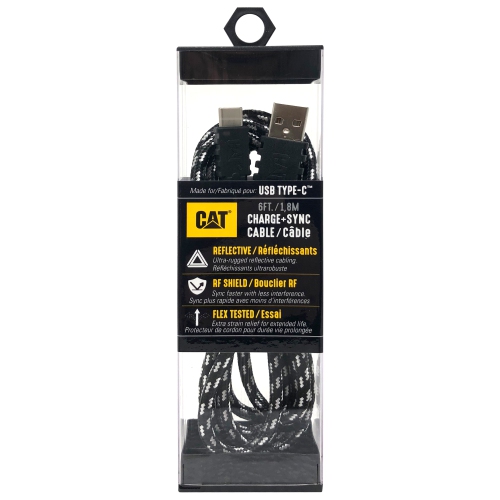
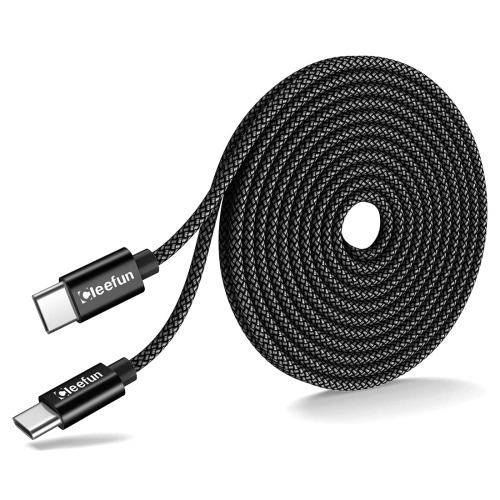
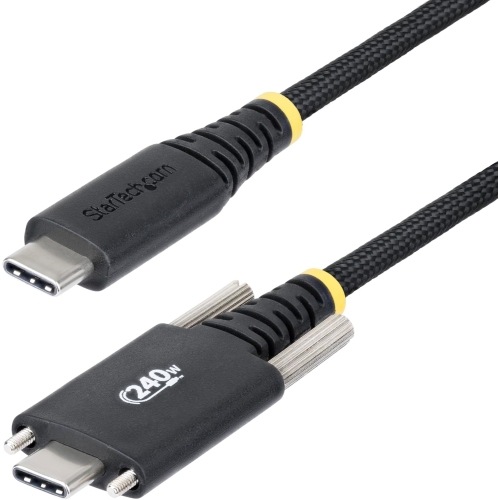
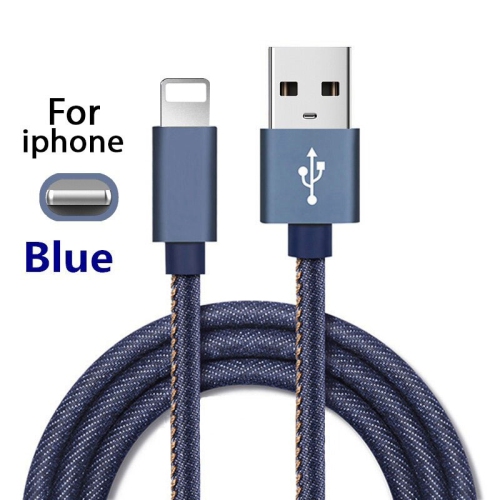
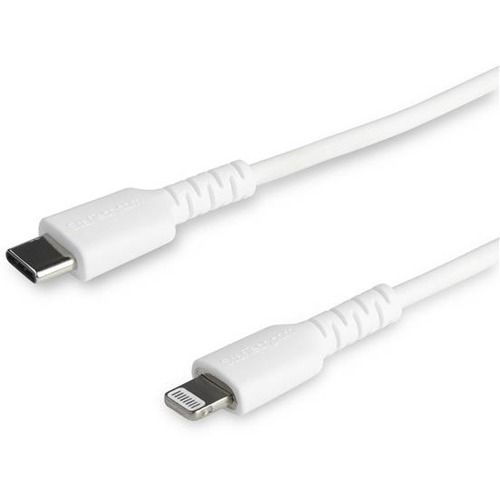
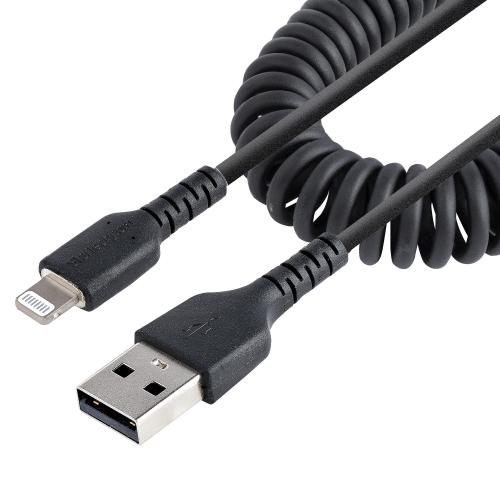
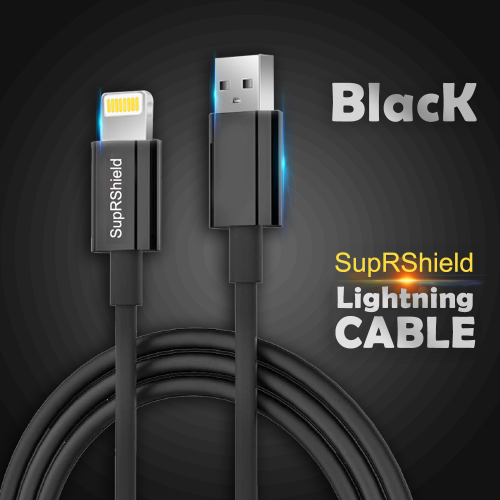
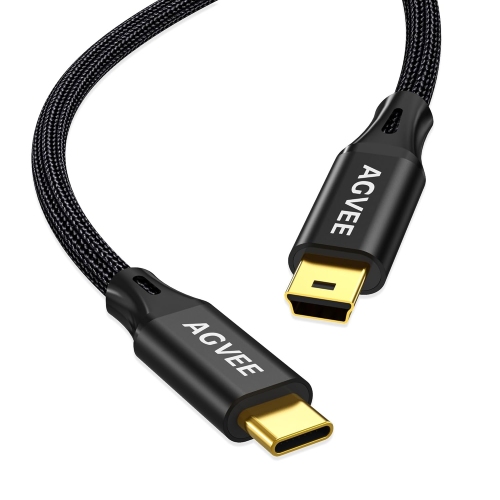
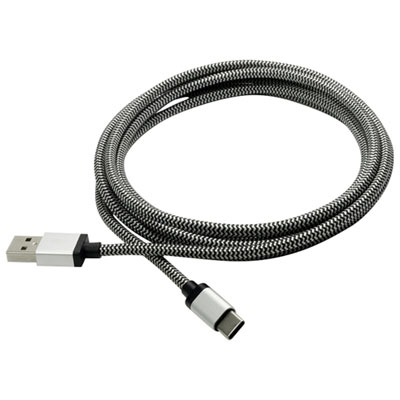
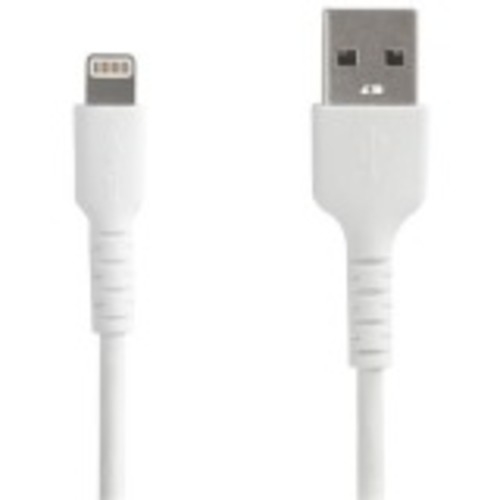
![DOLAER USB C Cable, [3A, 6.6Ft] Qc 3.0 Fast Charging Type C Cable, Tangle-Free Silicone for Samsung Galaxy Note 10 Note 9/s10+ S10, Lg V30](https://multimedia.bbycastatic.ca/multimedia/products/500x500/196/19688/19688061.jpeg)
![DOLAER USB C to USB C Cable, [2Pack 2Ft] 60W Power Delivery Fast Charge Type C Cord Compatible w Macbook Pro/ipad Pro/galaxy S20/microsoft](https://multimedia.bbycastatic.ca/multimedia/products/500x500/196/19688/19688685.jpeg)
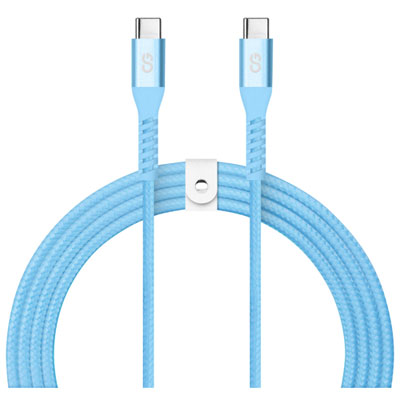
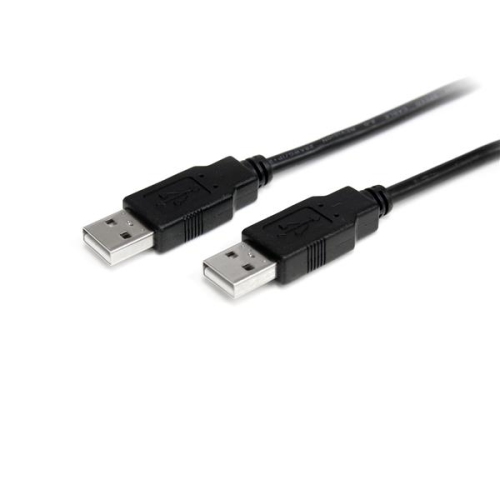
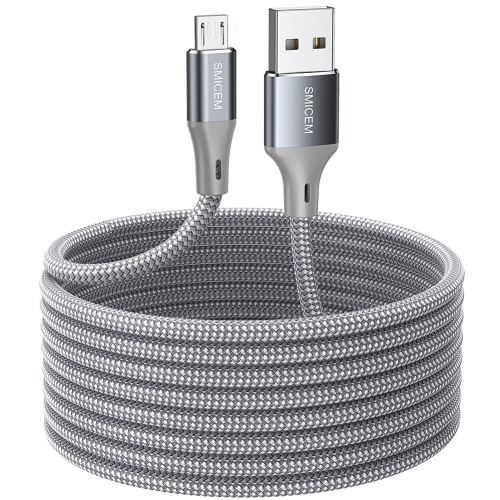
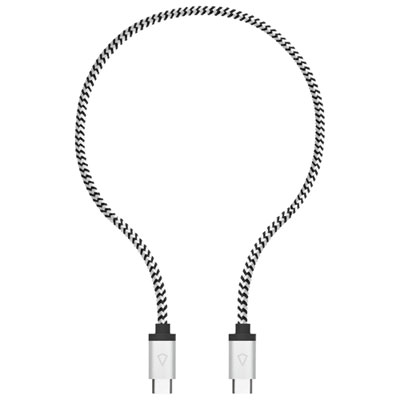
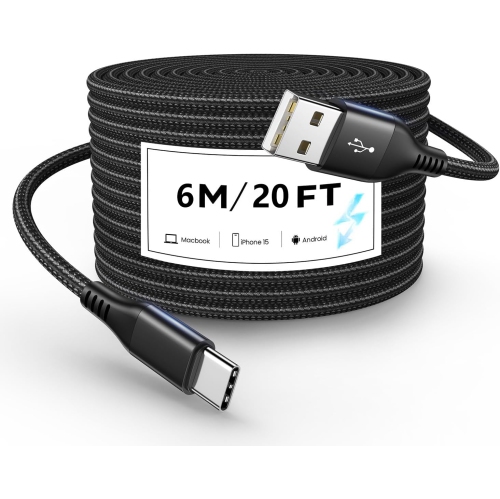
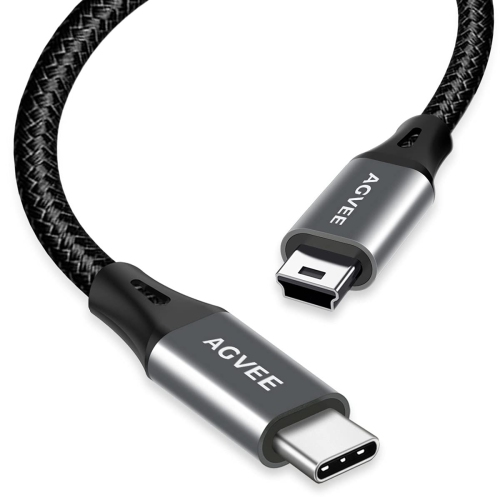
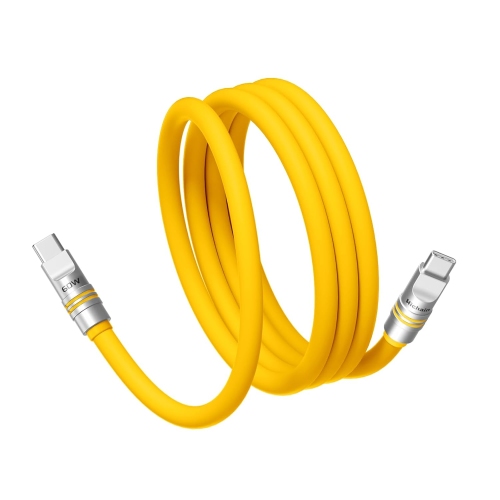
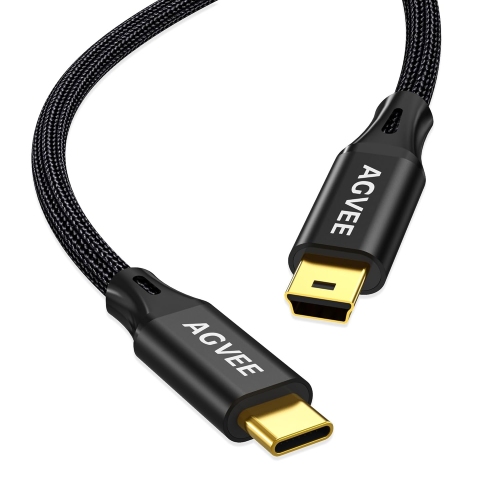
![DOLAER USB C Charger Silicone Cable 100W 3.3Ft [Aluminum Shell, Woven Design, Tangle-Free] for Iphone 15/15Pro/15Plus/15Promax Macbook Pro 2023, Ipad](https://multimedia.bbycastatic.ca/multimedia/products/500x500/196/19691/19691373.jpeg)
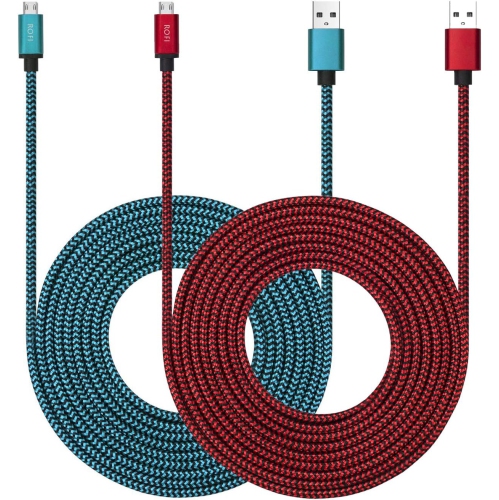
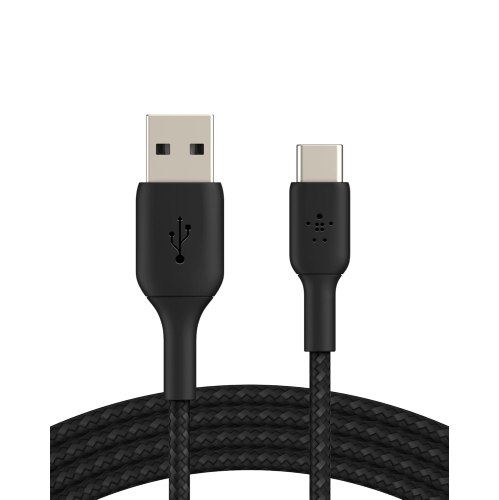
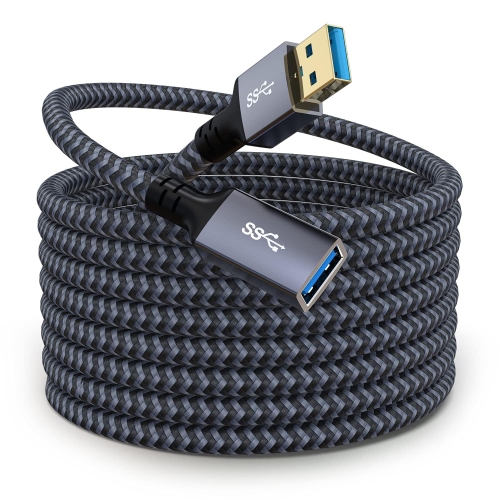
![DOLAER 3Ft Type C Cable [2-Pack], 60W USB C to USB C Cable 3Feet, 1M Type-C Fast Charging Cord for Apple Iphone 17/16/15 Series, Galaxy S25, Pixel 10](https://multimedia.bbycastatic.ca/multimedia/products/500x500/199/19922/19922102.jpeg)
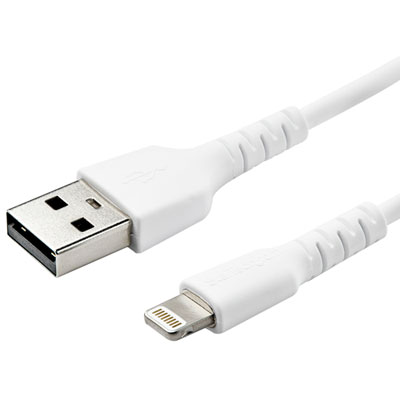
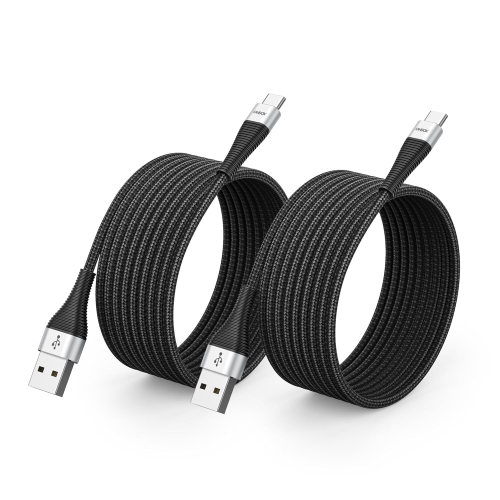
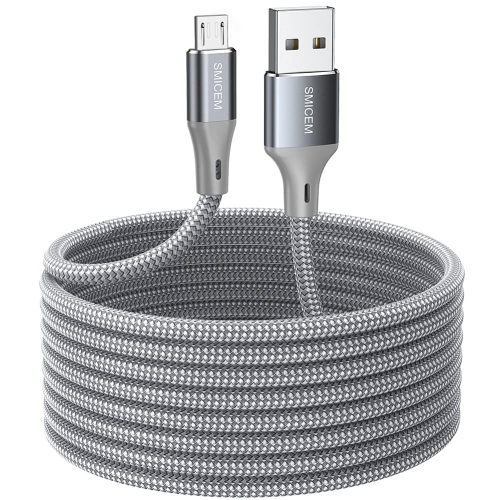
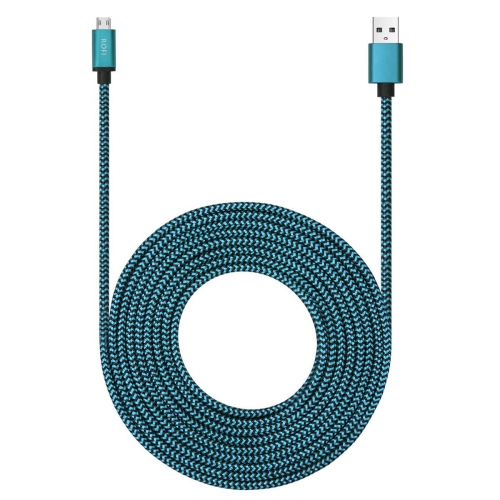
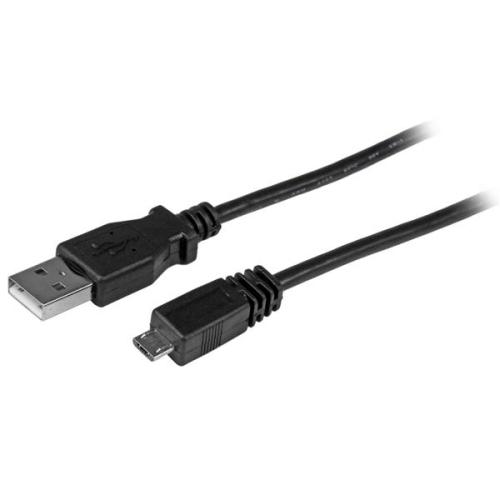
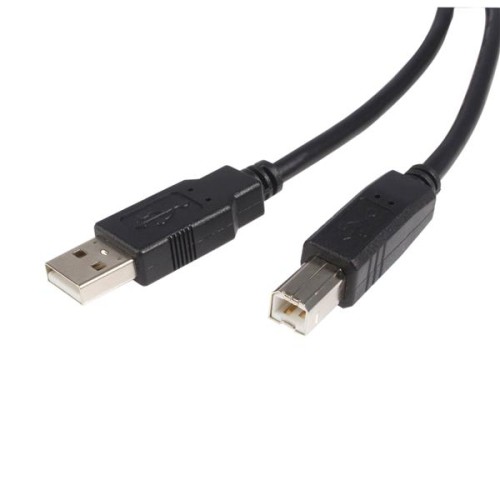
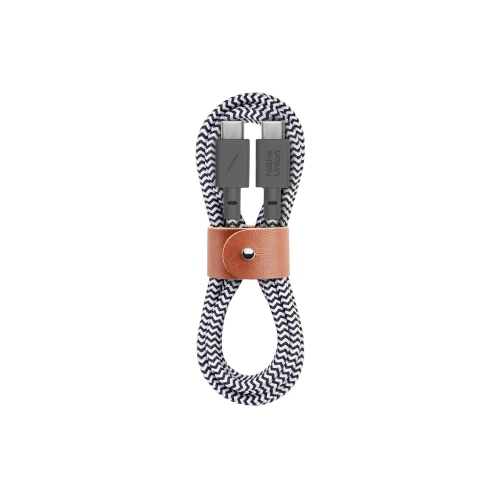
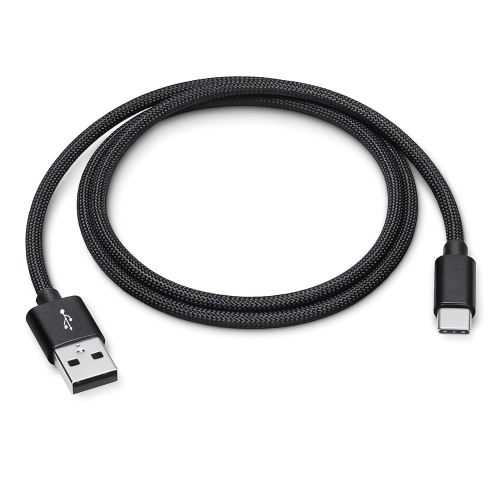
![DOLAER USB C to USB C Cable, [2Pack 4Ft] 60W Power Delivery Fast Charge Type C Cord Compatible w Macbook Pro/ipad Pro/galaxy S20/microsoft](https://multimedia.bbycastatic.ca/multimedia/products/500x500/196/19688/19688876.jpeg)
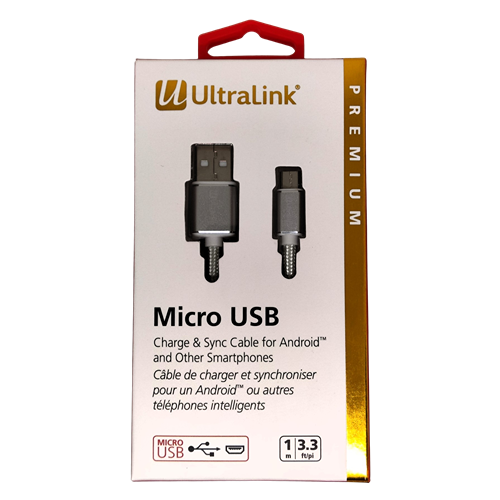
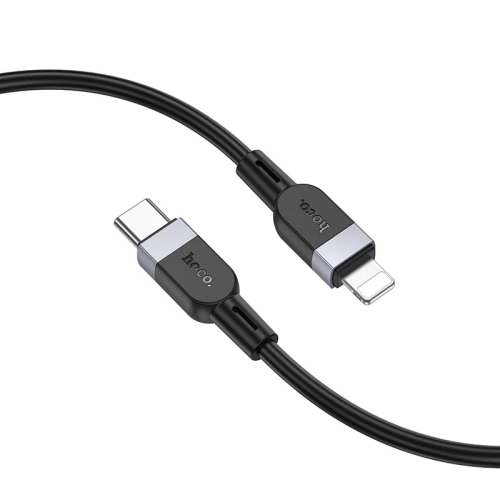
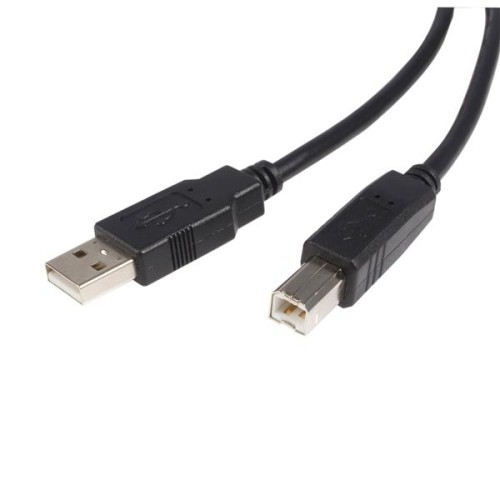
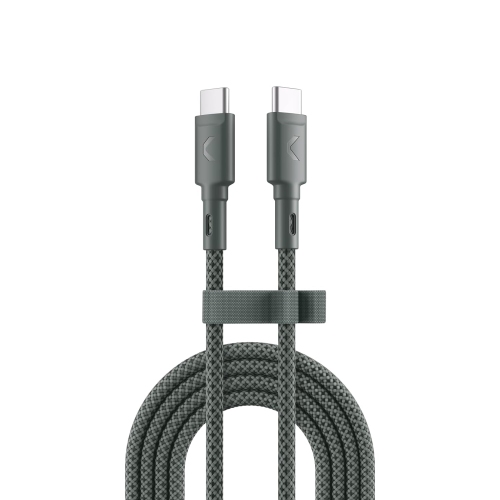
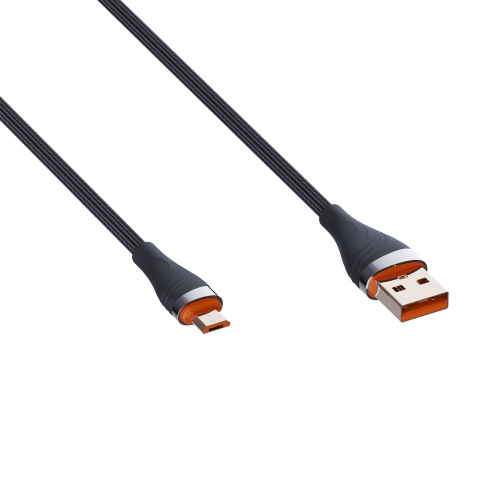
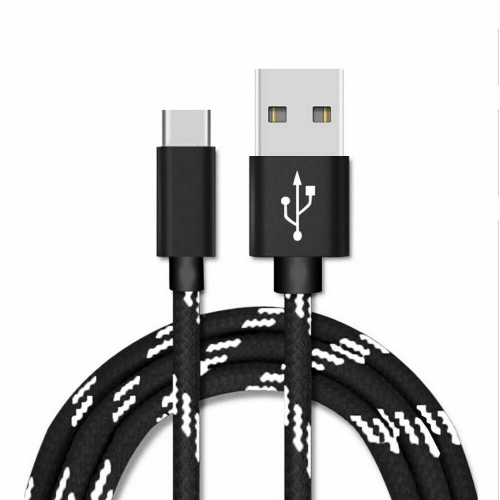
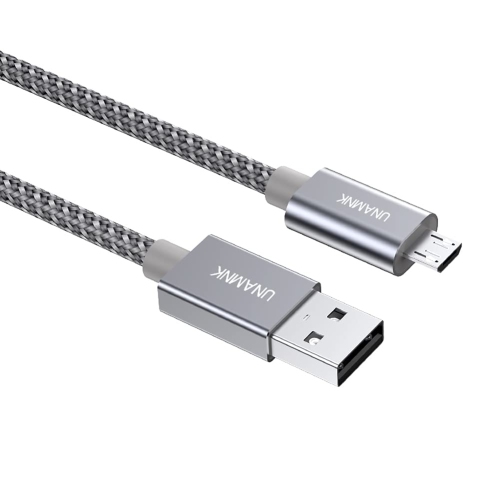
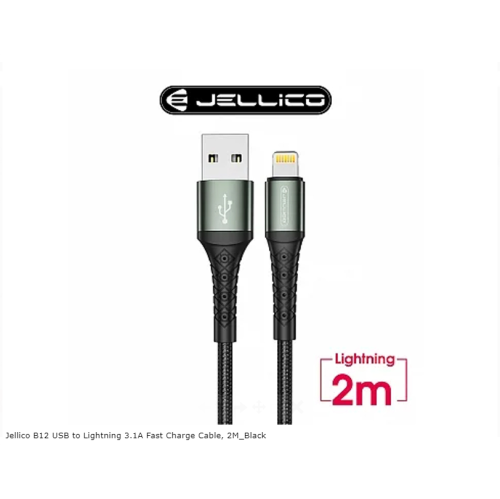
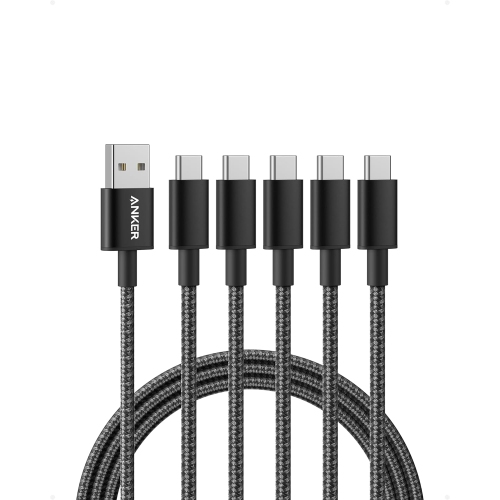
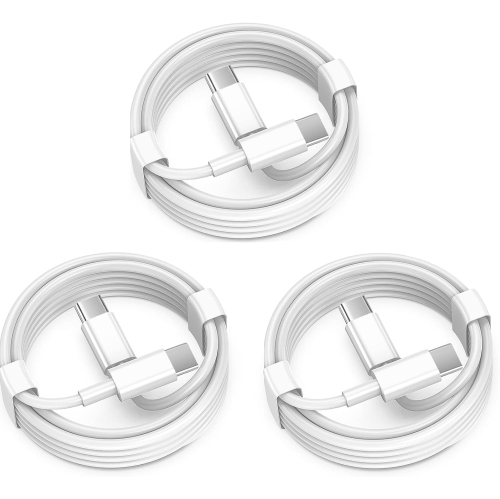
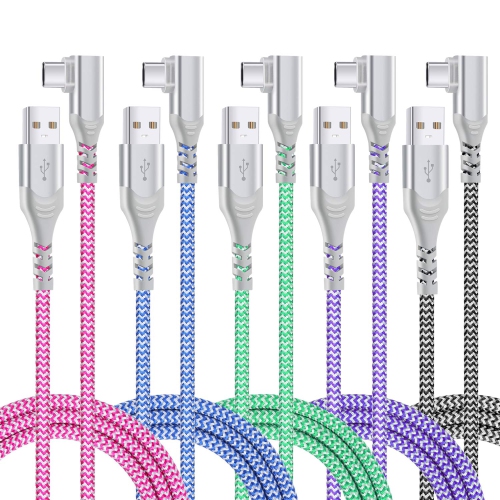
![LINKUP - USB 4.0 240W 40GBps Type-C Thunderbolt 4 Cable [1.8M] 8K60Hz Video Super-Fast Data Charging Durable Sleeved](https://multimedia.bbycastatic.ca/multimedia/products/500x500/188/18897/18897241.jpeg)
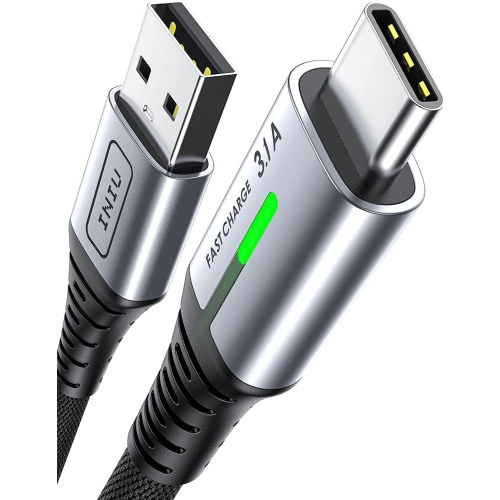
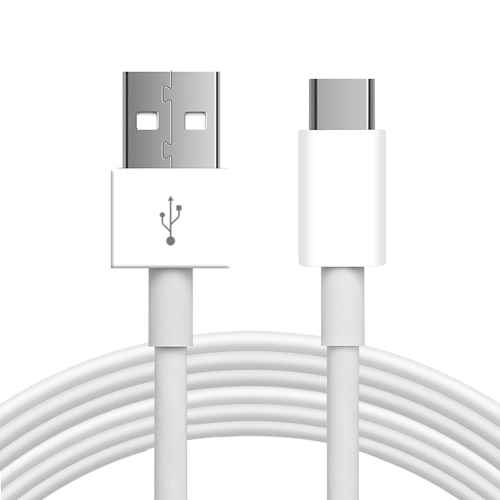
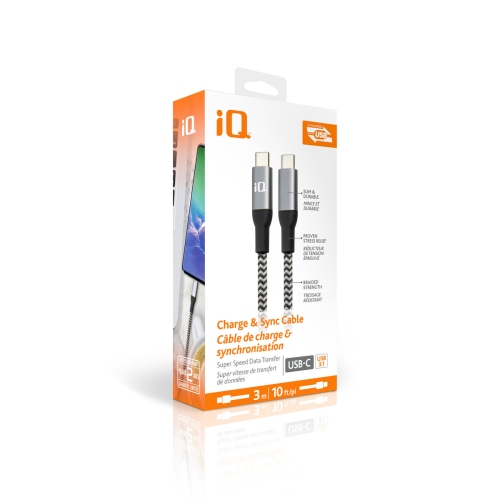
![DOLAER Short USB to USB C Cable for Iphone Air [1Ft 2Pack], Durable Woven USB-A Charger to USB-C Cord Fast Charging for Apple Iphone 17 Pro](https://multimedia.bbycastatic.ca/multimedia/products/500x500/196/19691/19691072.jpeg)
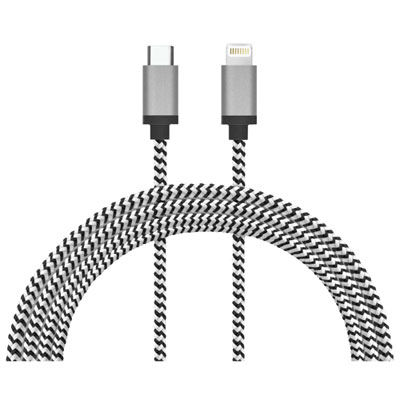
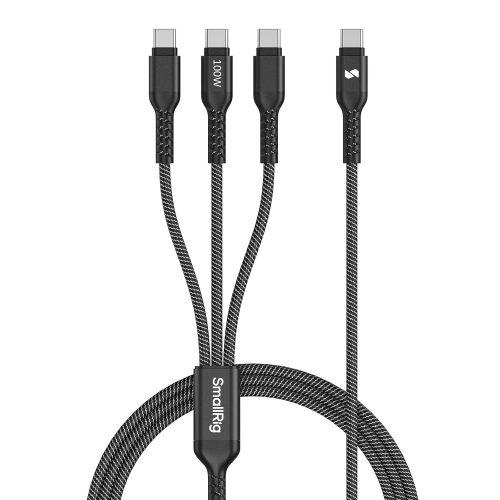
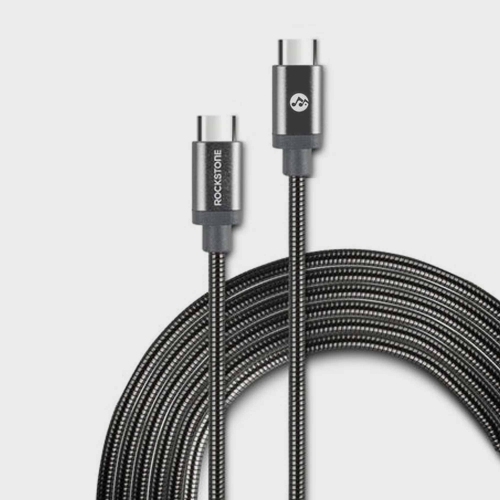
![UNKNOWN USB C Cable Fast Charge [2 Pack 10Ft] USB Type C Fast Charger Cable Durable Braided Type C Cable Fast Charge Compatible](https://multimedia.bbycastatic.ca/multimedia/products/500x500/181/18144/18144144.jpeg)
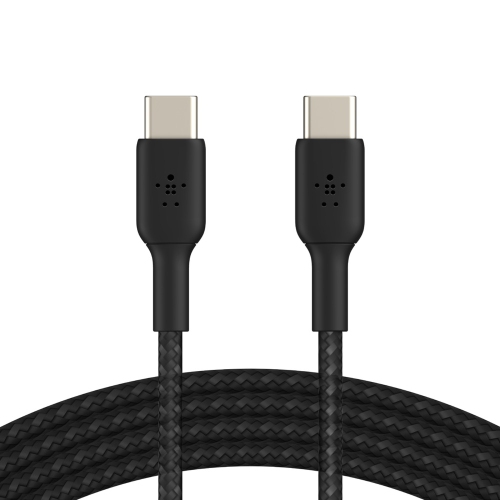
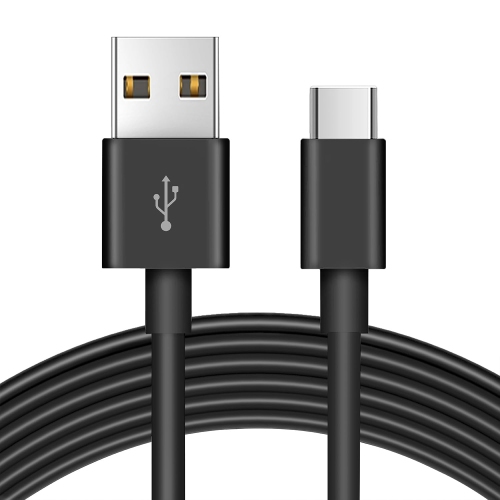
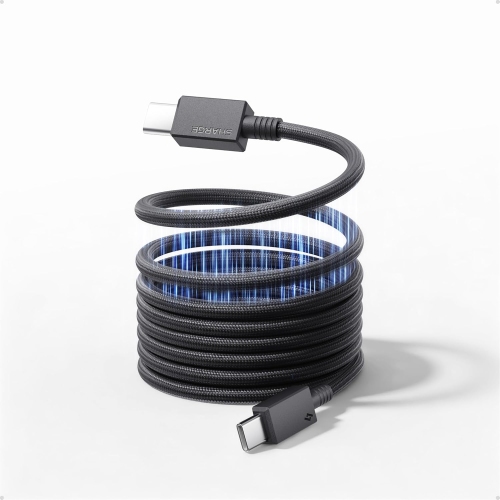
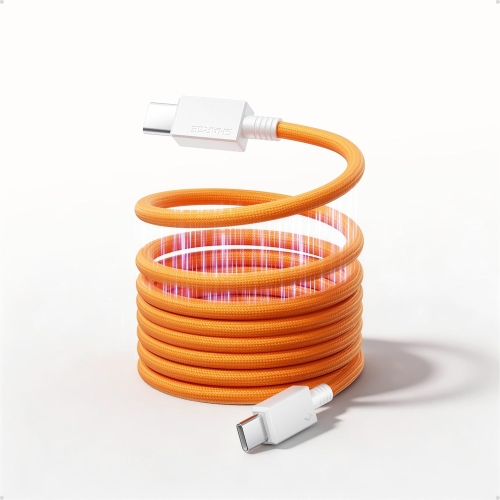
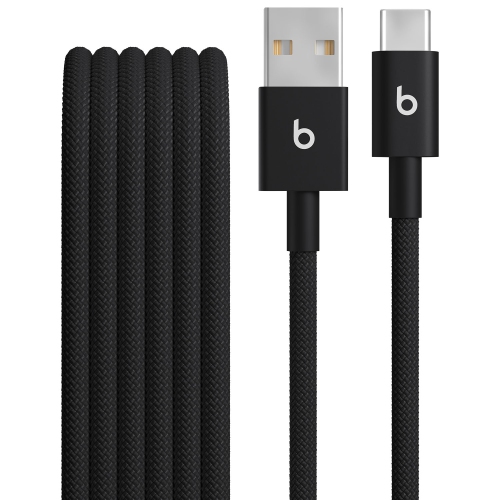
![GENERIC USB-A to USB-C Data Cable 10GBps [2-Pack 3Ft], Durable Braided 3.1A Fast Charging Type C Charger USB 3.2 Gen 2](https://multimedia.bbycastatic.ca/multimedia/products/500x500/196/19608/19608163.jpeg)
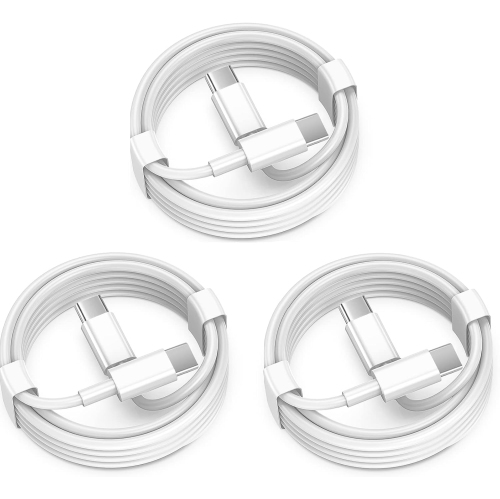
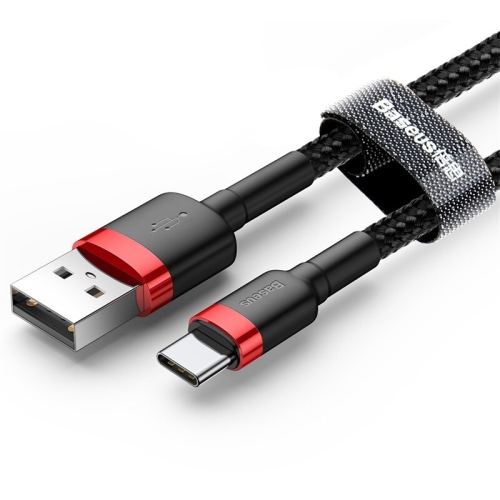
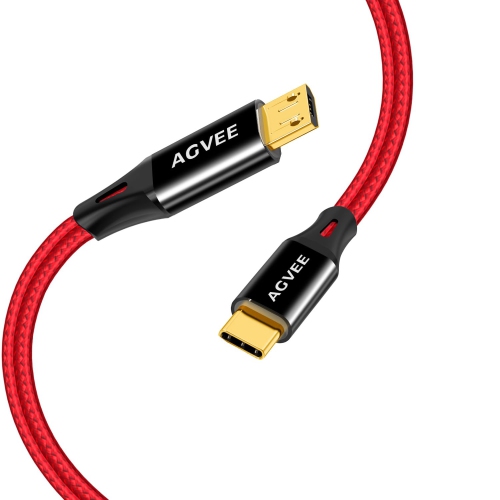
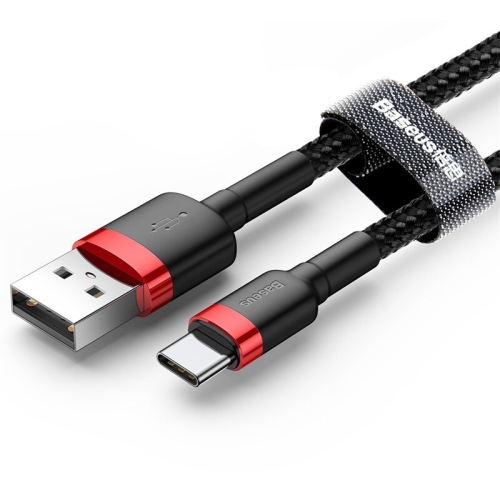
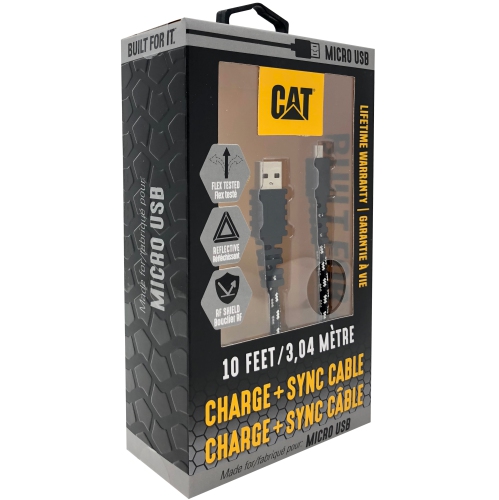
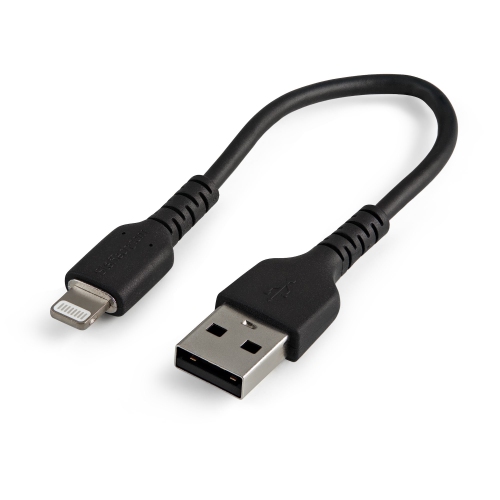
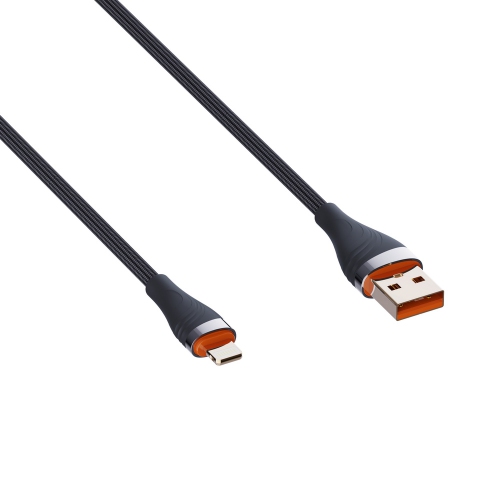
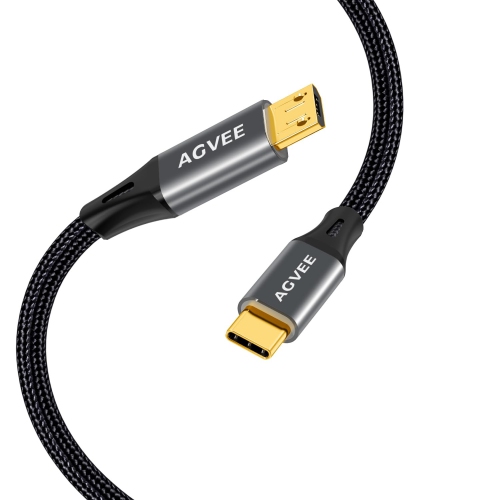
![DOLAER USB C to Micro USB Cable [6Ft] Nylon Braided Type C to Micro USB Cord Compatible With Galaxy S6/s7, Htc One/10 And More (Black, 6Ft)](https://multimedia.bbycastatic.ca/multimedia/products/500x500/196/19690/19690742.jpeg)
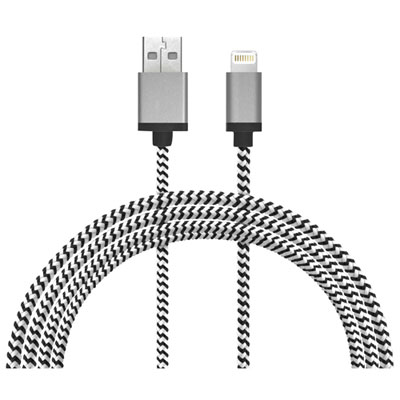
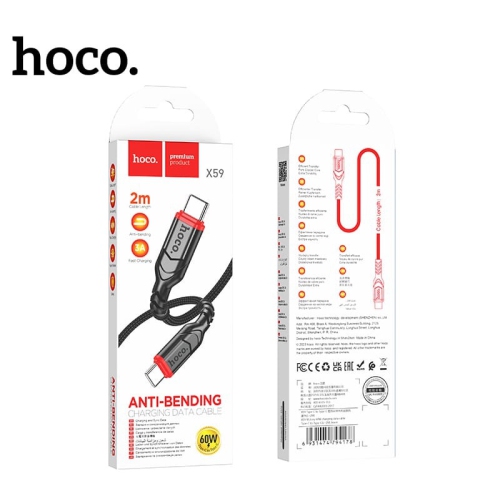
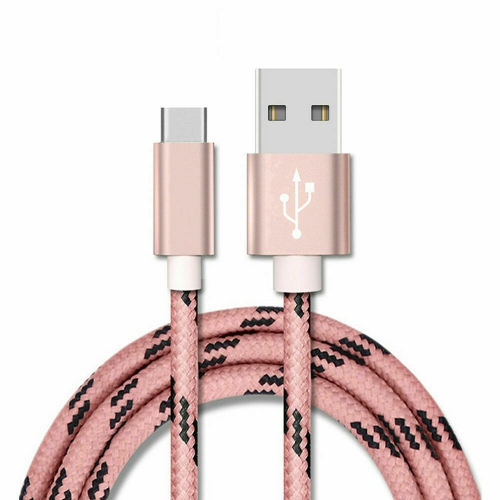
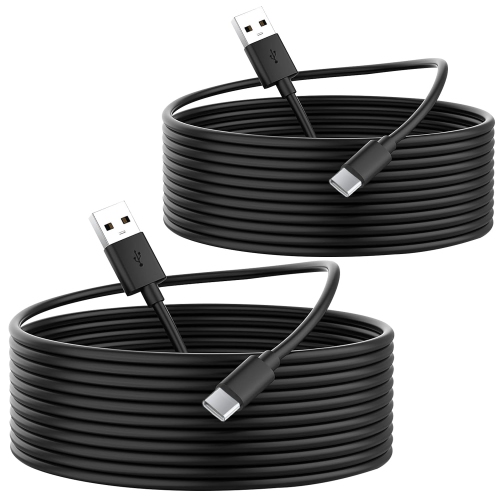
![UGREEN [10 Pack] Durable 3-In-1 Multi-Charging Nylon Braided Cable [Apple Certified]1M](https://multimedia.bbycastatic.ca/multimedia/products/500x500/158/15854/15854550.jpeg)
![DOLAER USB C to C [Pack Of 2] Braided Charging Cable 60W 1M Long Fast Charging Cable for Iphone 17/17 Pro/17 Pro Max/air/16/16 Pro/16 Pro Max/16](https://multimedia.bbycastatic.ca/multimedia/products/500x500/199/19921/19921953.jpeg)
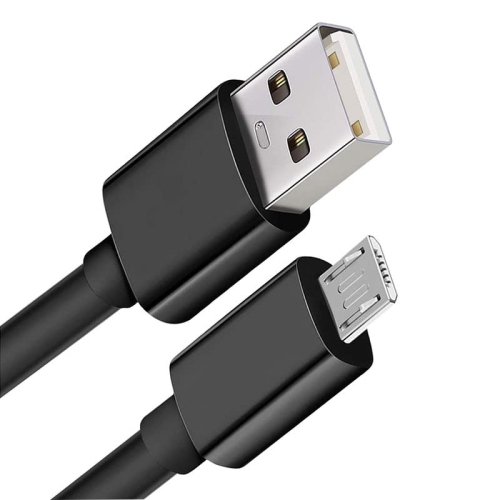
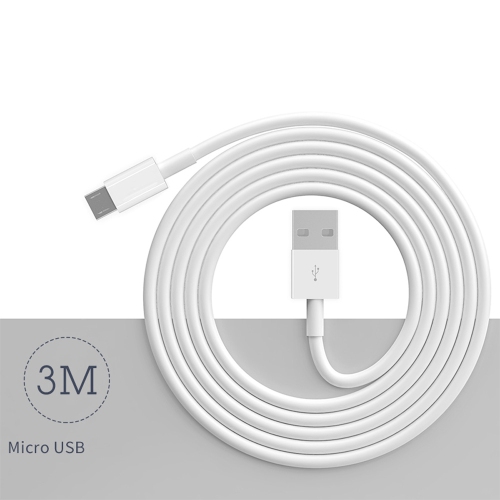
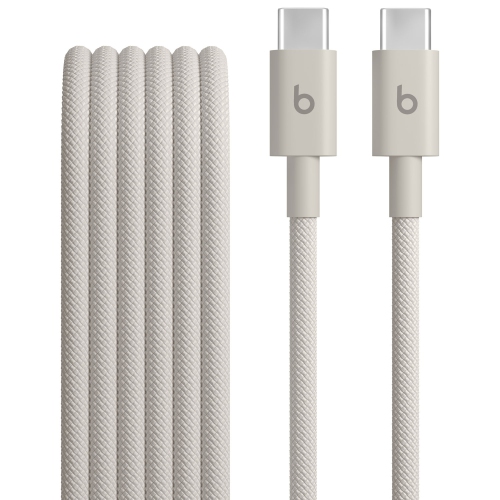
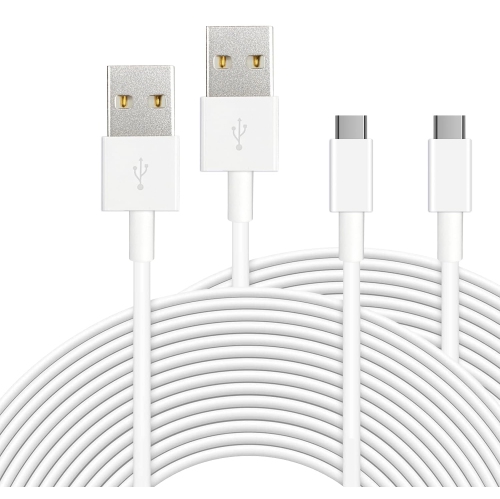
Built to handle daily bends, pulls, and demanding connections
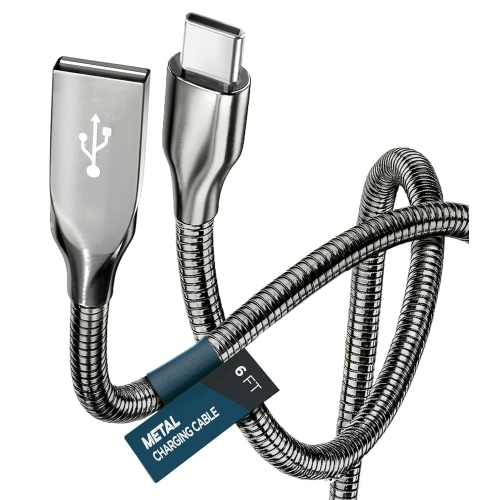
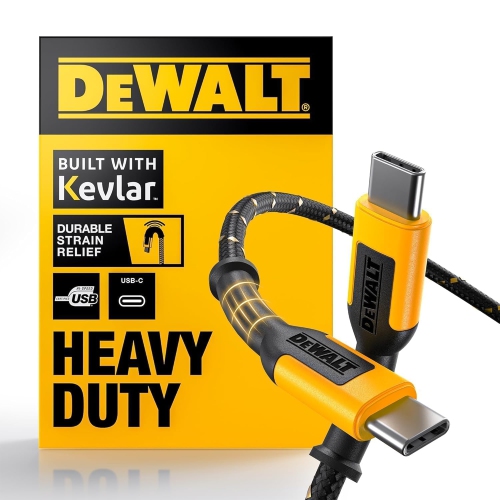
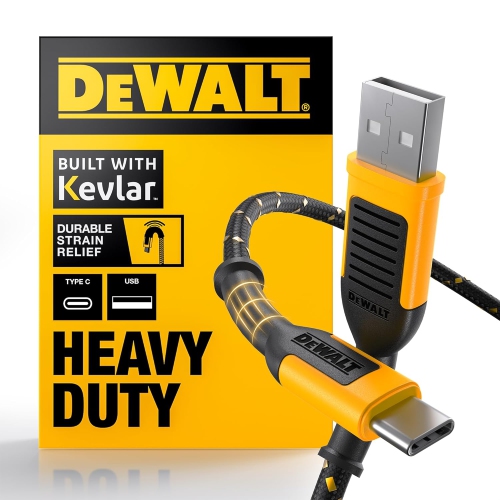
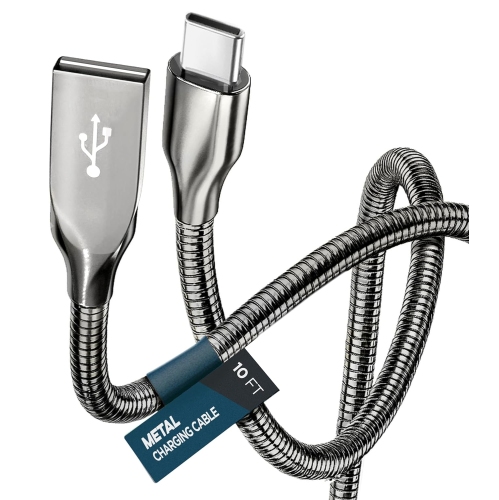
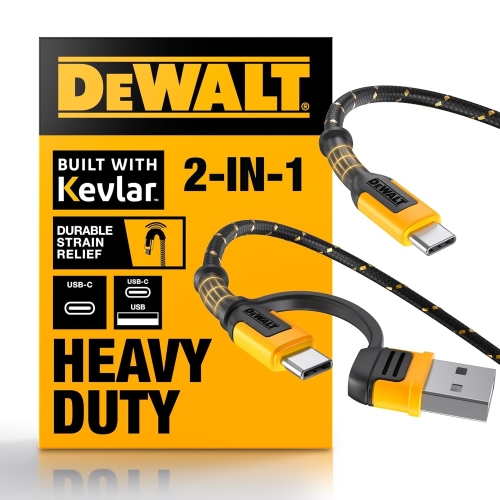
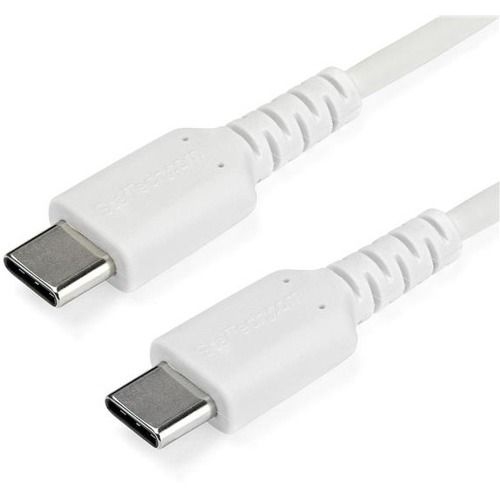
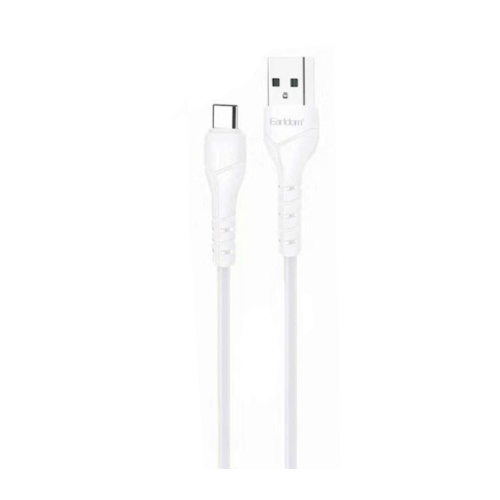
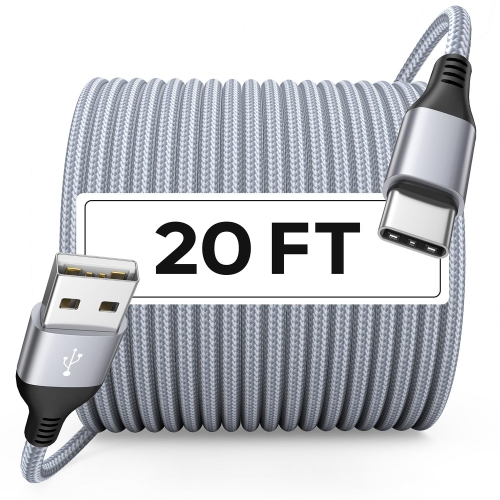
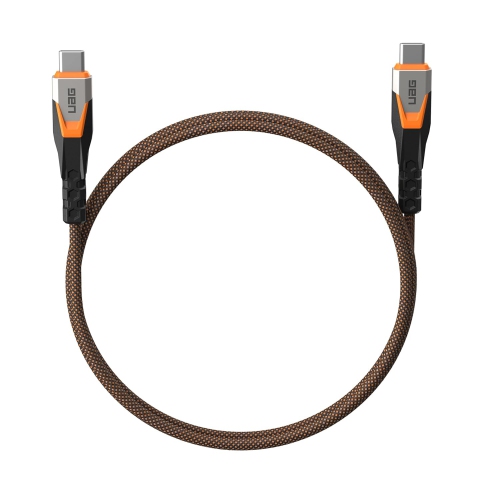
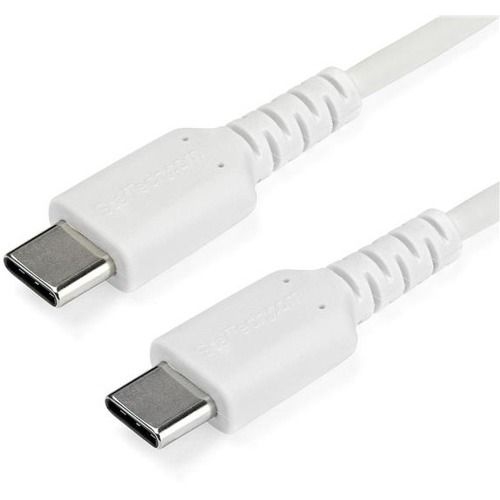
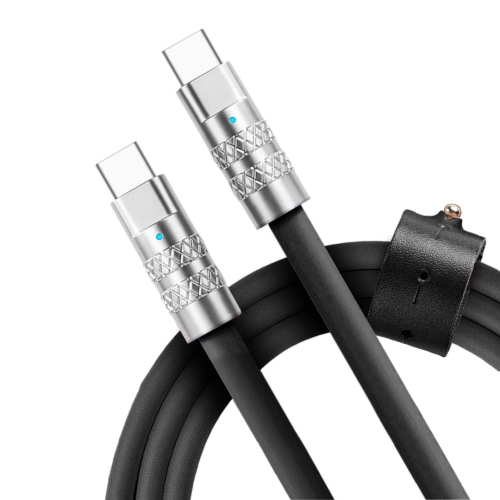
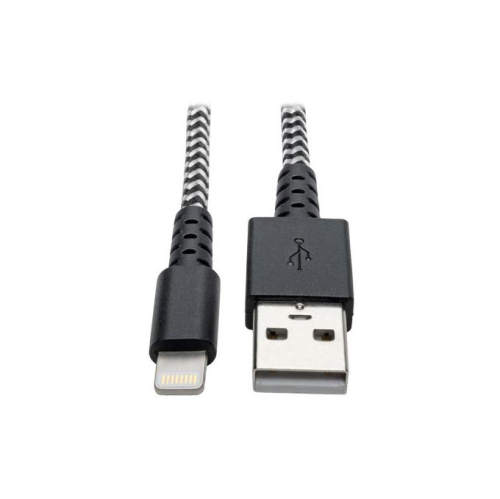
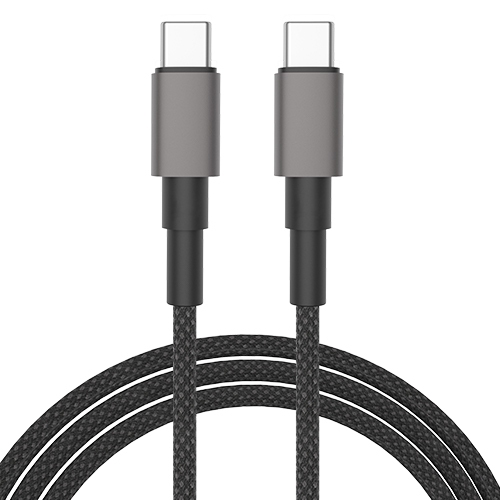
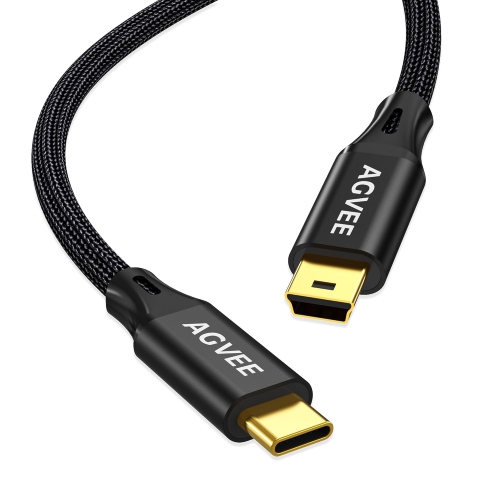
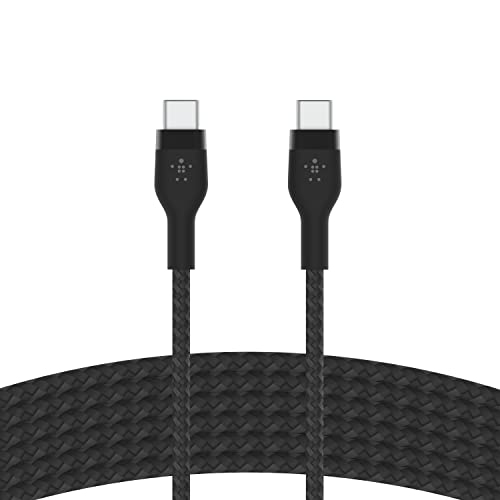
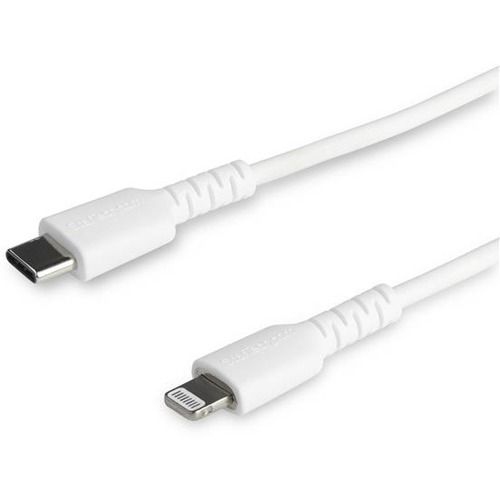
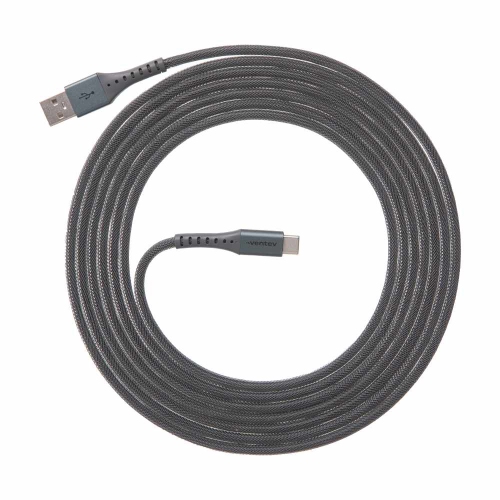
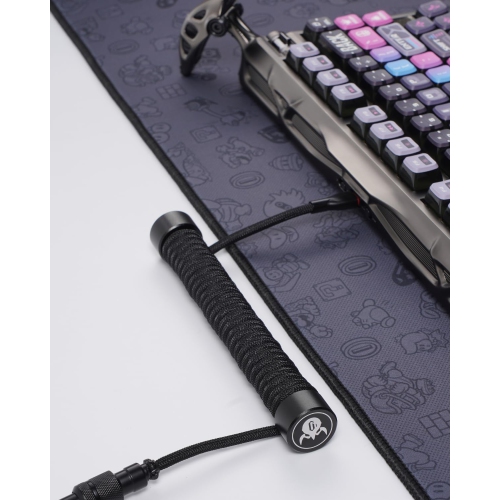
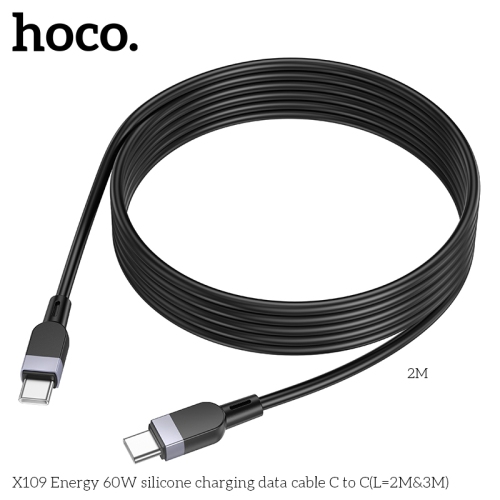
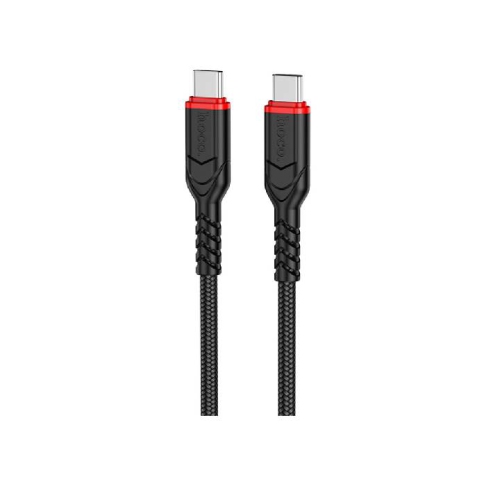
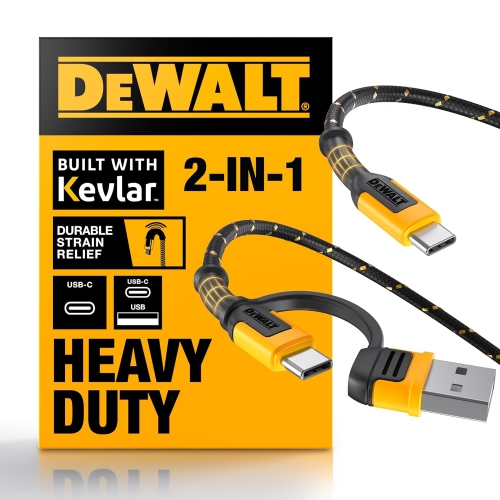
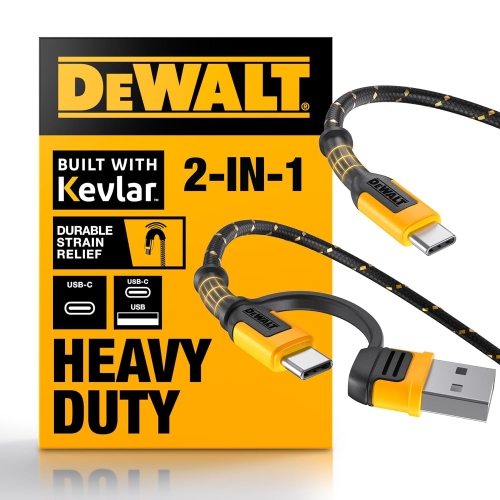
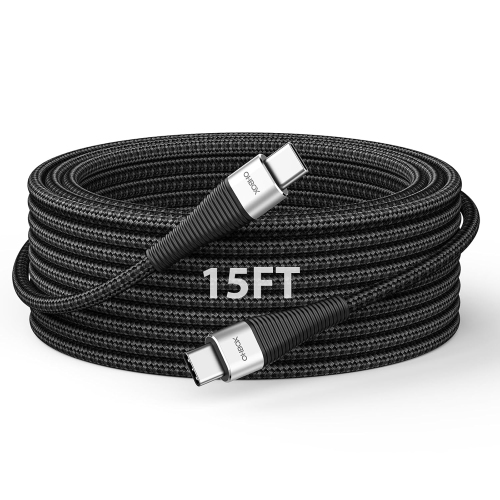
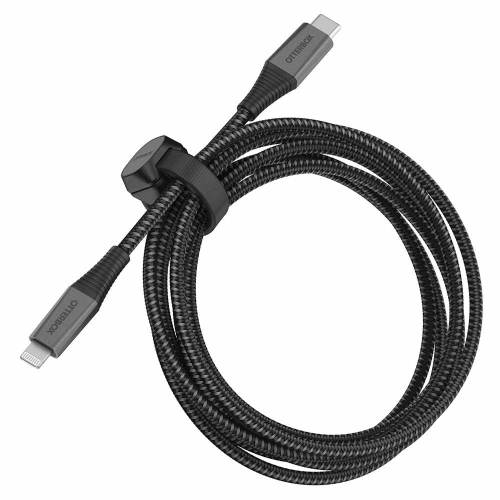
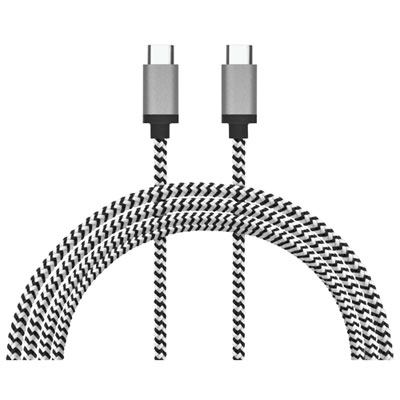
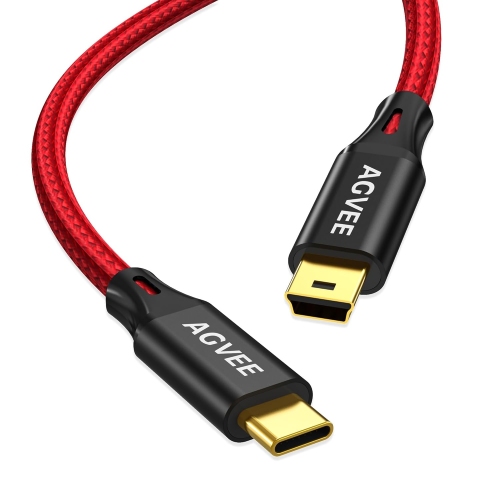
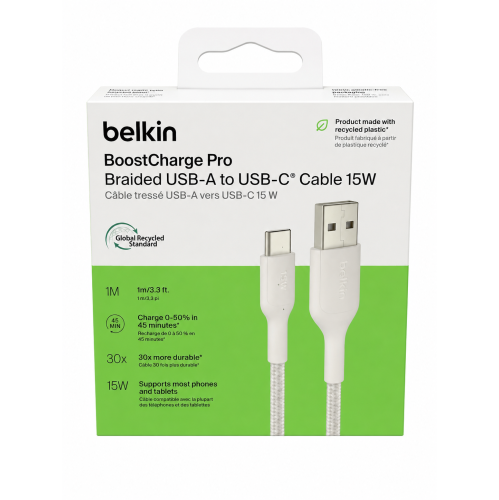
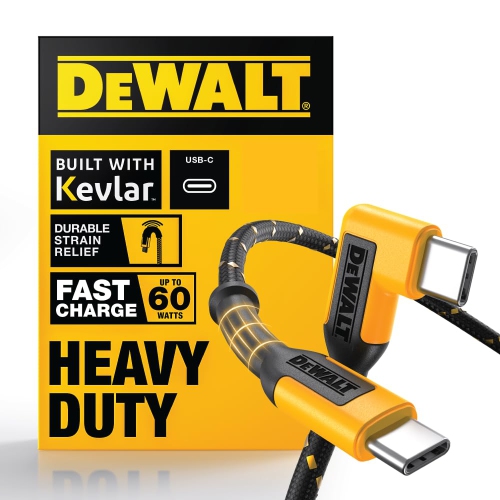
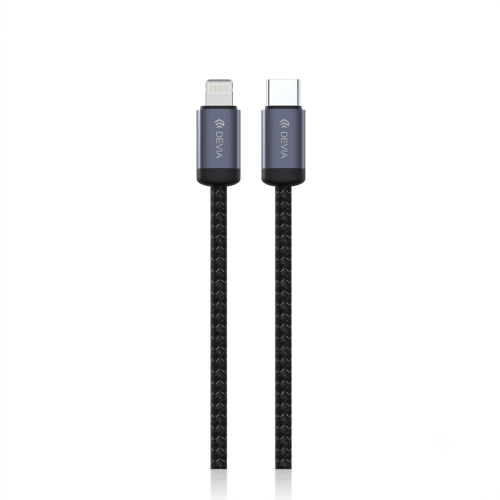
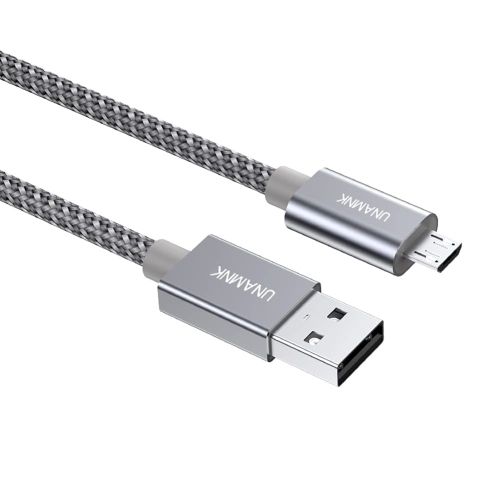
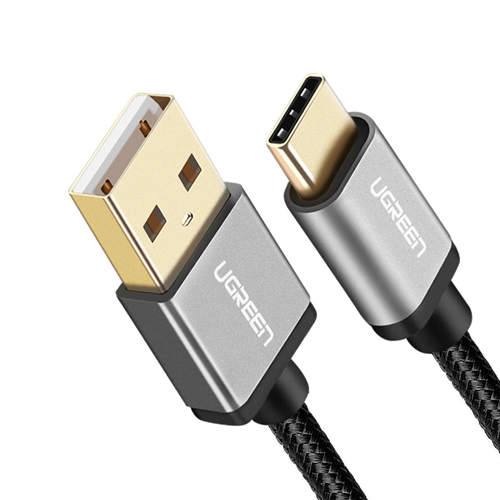
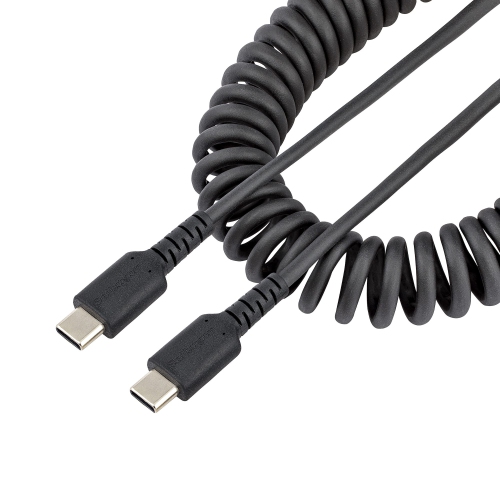
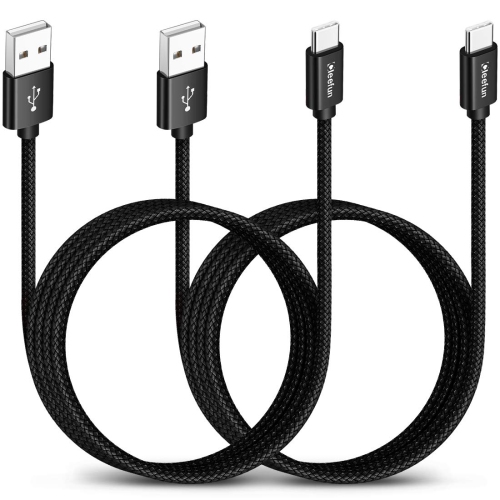
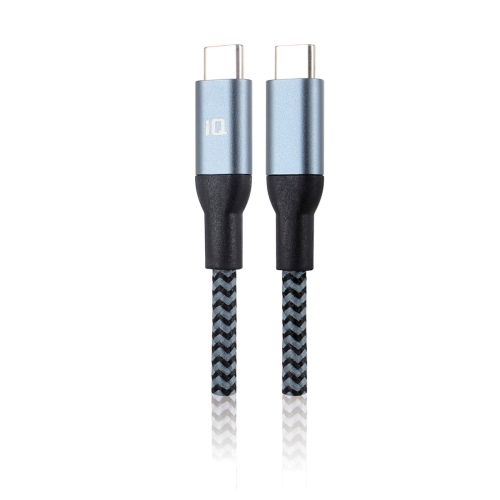
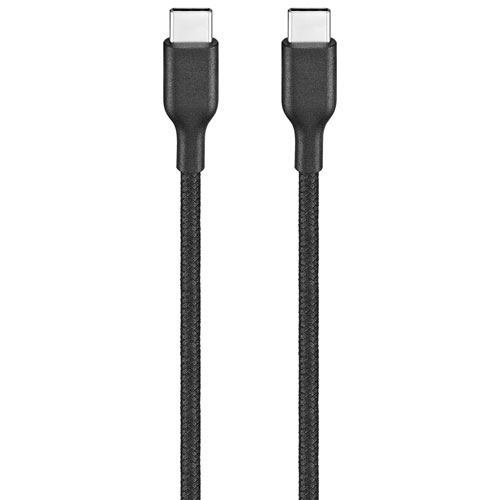
Most Durable USB Cables are designed for people who need a dependable connection in places where ordinary cords tend to wear out. A cable may spend its life coiled in a laptop bag, bent sharply beside a nightstand, pulled across a workbench, or connected and disconnected several times a day. Over time, that repeated movement can fray the outer jacket, loosen the connector, or damage the internal wiring near the plug. A durable USB-C cable addresses these weak points with stronger materials and reinforced construction. Look for a double-braided nylon exterior or a thick, flexible silicone sheath to help resist abrasion, cuts, tangles, and everyday scuffs. Some heavy-duty designs also include reinforcing strands made from Kevlar or another aramid fibre inside the cable. This internal support helps prevent the conductors from stretching or snapping when a cable is tugged, twisted, or pulled from an awkward angle. The connector neck is equally important. Moulded strain relief, flexible joints, extended rubber collars, metal housings, or spring-like supports can reduce the stress created when a cable bends immediately beside the plug. These features are especially useful for commuters, students, travellers, tradespeople, families, and anyone who regularly charges devices in busy spaces. A durable cable can also be a practical gift for someone setting up a new desk, preparing for school, travelling with a tablet, or replacing a collection of worn-out charging cords.
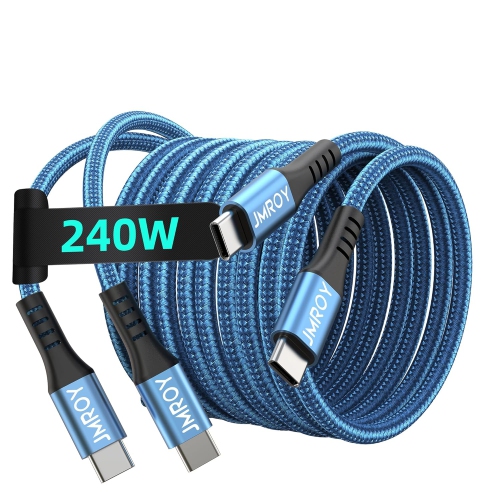
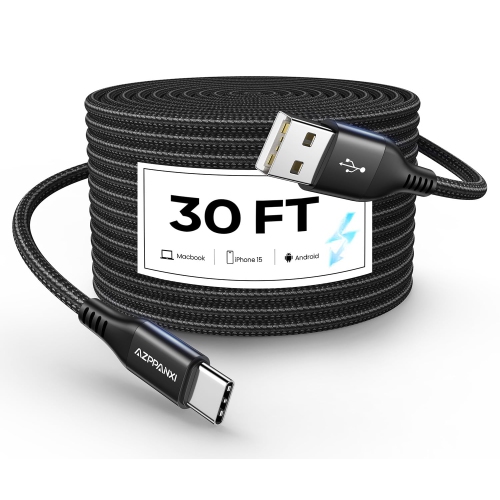
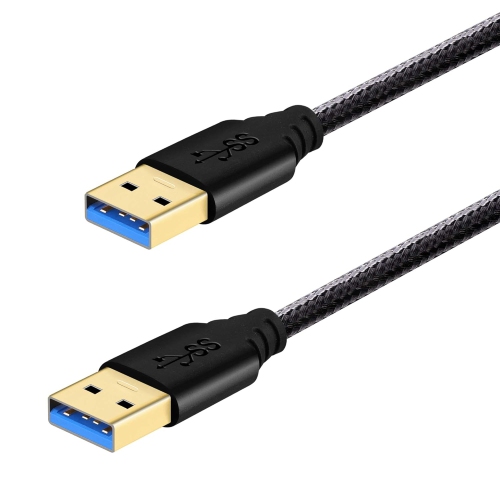
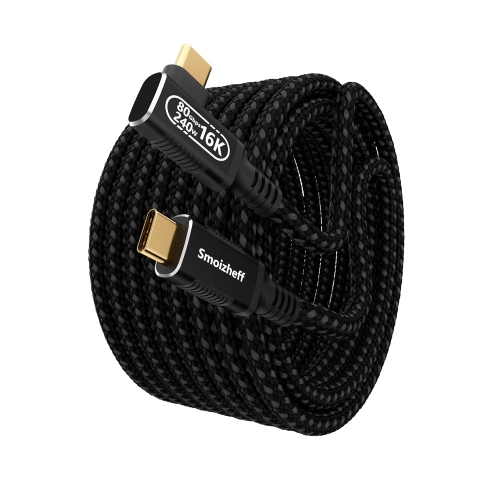
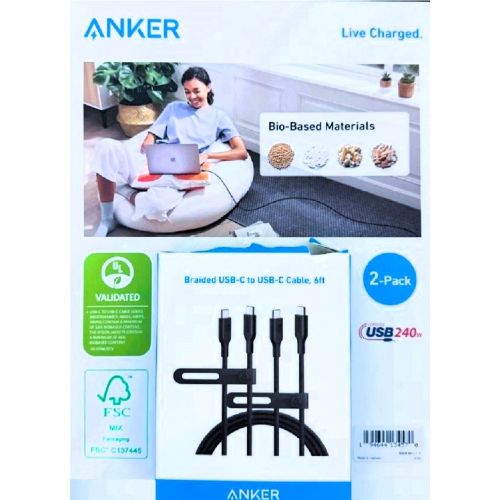
Before choosing a cable, match its capabilities to the devices you plan to connect. USB-C describes the shape of the connector, but not every USB-C cable delivers the same charging speed, data-transfer rate, or display support. For charging a phone, earbuds, controller, tablet, or other compact device, a cable rated for the required power may be all that is needed. High-performance laptops and other power-hungry equipment may require a USB-C cable with a much higher wattage rating, such as 100 W or 240 W, along with a compatible charger and device. The lowest-rated component in the charging setup can limit performance, so check the requirements for the wall charger, power bank, computer, and device together. If you plan to transfer large video files, back up photos, connect an external solid-state drive, or use a USB-C hub, pay attention to the cable’s data standard and stated transfer speed. A cable made primarily for charging may transfer data slowly, even when it fits the port perfectly. Video output also requires appropriate support from the cable and the connected devices; look for specifications that clearly identify display compatibility when connecting a laptop or tablet to a monitor, television, or projector. Connector type matters as well. USB-C to USB-C is convenient for modern chargers, computers, phones, and accessories, while USB-A to USB-C can be useful with older wall adapters, desktop computers, vehicle ports, and legacy hubs. Consider the length carefully: a short cable keeps a travel kit tidy, a medium length works well at a desk or bedside table, and a longer cable gives more freedom when an outlet or power bank is placed across the room. Longer cables are convenient, but they may be heavier and more difficult to manage, making a secure outer sheath and effective strain relief even more valuable.
The most durable USB-C cable is one that suits the way you actually use it. Someone who carries a phone between home, school, and work may appreciate a flexible braided cable that can be wrapped repeatedly without developing a sharp crease. A photographer or video editor moving files between a computer and storage drive should focus on data performance as well as protection against daily handling. A driver may prefer a compact cable that stays neatly routed in a vehicle, while a family charging several devices in a shared living area may benefit from multiple lengths for different furniture layouts. In a workshop, garage, or job site, a thicker jacket and reinforced plug housing can provide added confidence when the cable is exposed to dust, tools, frequent movement, or accidental pulls. Even robust construction has limits, so avoid folding a cable tightly, pulling it by the cord instead of the connector, or leaving it trapped under heavy furniture. Store it in a loose loop and inspect the plug, sheath, and strain-relief area from time to time. Signs of damage such as exposed wiring, splitting, bent contacts, or intermittent charging indicate that the cable should be replaced. For a seasonal transition that brings new school routines, changing travel plans, and more time spent indoors during the cooler months, a well-made cable can simplify everyday charging and connectivity across a wide range of devices. Shoppers preparing a student’s backpack or home study area can also explore Back To School Durable USB C Cables for options suited to regular packing, unpacking, and use at a desk. Along with checking durability features, confirm the connector configuration, wattage, data speed, display support, and length before adding a cable to your setup.
Before choosing a cable, match its capabilities to the devices you plan to connect. USB-C describes the shape of the connector, but not every USB-C cable delivers the same charging speed, data-transfer rate, or display support. For charging a phone, earbuds, controller, tablet, or other compact device, a cable rated for the required power may be all that is needed. High-performance laptops and other power-hungry equipment may require a USB-C cable with a much higher wattage rating, such as 100 W or 240 W, along with a compatible charger and device. The lowest-rated component in the charging setup can limit performance, so check the requirements for the wall charger, power bank, computer, and device together. If you plan to transfer large video files, back up photos, connect an external solid-state drive, or use a USB-C hub, pay attention to the cable’s data standard and stated transfer speed. A cable made primarily for charging may transfer data slowly, even when it fits the port perfectly. Video output also requires appropriate support from the cable and the connected devices; look for specifications that clearly identify display compatibility when connecting a laptop or tablet to a monitor, television, or projector. Connector type matters as well. USB-C to USB-C is convenient for modern chargers, computers, phones, and accessories, while USB-A to USB-C can be useful with older wall adapters, desktop computers, vehicle ports, and legacy hubs. Consider the length carefully: a short cable keeps a travel kit tidy, a medium length works well at a desk or bedside table, and a longer cable gives more freedom when an outlet or power bank is placed across the room. Longer cables are convenient, but they may be heavier and more difficult to manage, making a secure outer sheath and effective strain relief even more valuable.
The most durable USB-C cable is one that suits the way you actually use it. Someone who carries a phone between home, school, and work may appreciate a flexible braided cable that can be wrapped repeatedly without developing a sharp crease. A photographer or video editor moving files between a computer and storage drive should focus on data performance as well as protection against daily handling. A driver may prefer a compact cable that stays neatly routed in a vehicle, while a family charging several devices in a shared living area may benefit from multiple lengths for different furniture layouts. In a workshop, garage, or job site, a thicker jacket and reinforced plug housing can provide added confidence when the cable is exposed to dust, tools, frequent movement, or accidental pulls. Even robust construction has limits, so avoid folding a cable tightly, pulling it by the cord instead of the connector, or leaving it trapped under heavy furniture. Store it in a loose loop and inspect the plug, sheath, and strain-relief area from time to time. Signs of damage such as exposed wiring, splitting, bent contacts, or intermittent charging indicate that the cable should be replaced. For a seasonal transition that brings new school routines, changing travel plans, and more time spent indoors during the cooler months, a well-made cable can simplify everyday charging and connectivity across a wide range of devices. Shoppers preparing a student’s backpack or home study area can also explore Back To School Durable USB C Cables for options suited to regular packing, unpacking, and use at a desk. Along with checking durability features, confirm the connector configuration, wattage, data speed, display support, and length before adding a cable to your setup.
Top selling and popular products
-
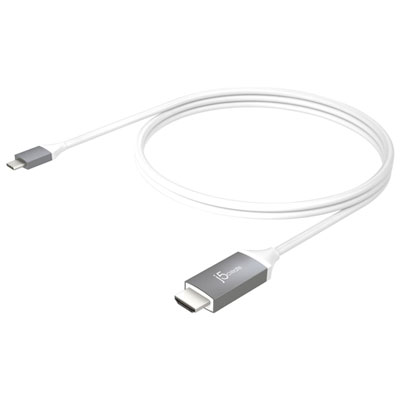 Your price for this item is $39.99
 -
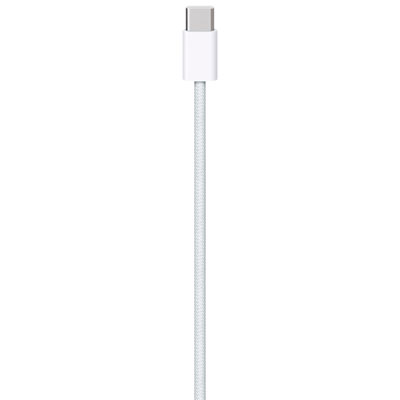 Your price for this item is $24.99
 -
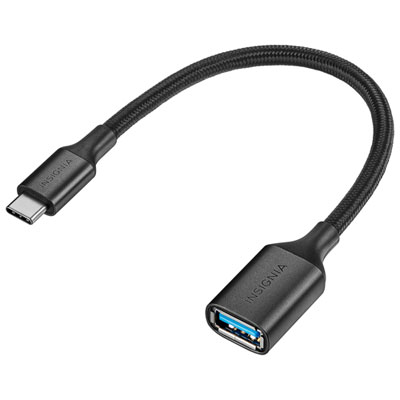 Your price for this item is $19.99
 -
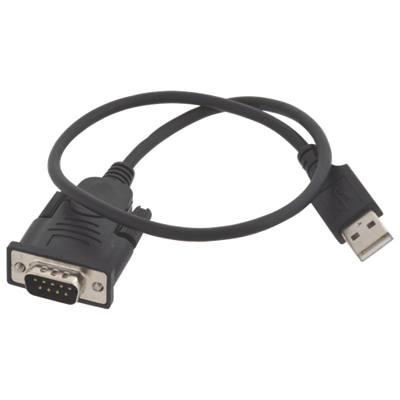 Your price for this item is $29.99
 -
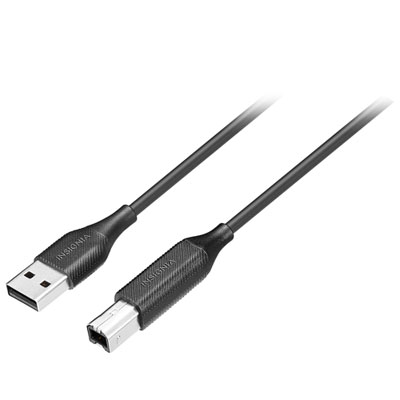 Your price for this item is $29.99
 -
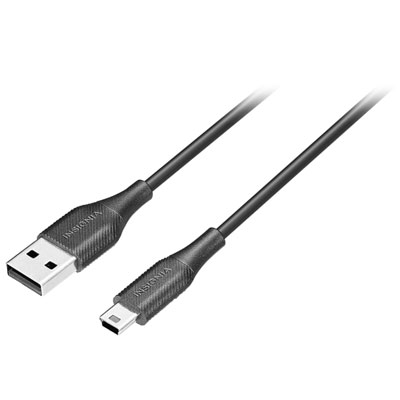 Your price for this item is $19.99
 -
 Your price for this item is $31.99
 -
 Your price for this item is $24.99
Discover more categories related to Most Durable USB Cables
Top Collections:
Pokemon Centers, Best Cameras for Sports Photography, Kindle Devices, Samsung Galaxy Phones, Canon G7X Cameras, Pokémon 30th Celebration Cards, Refurbished Apple Laptops, iPhone 15 Apple, Laptops for Students, Budget Smartphones
Some products may be subject to Environmental Handling Fees
(EHF) depending on your province.
Learn more about EHFs.