iPhone 15 Camera Lens Protectors
Keep your device looking its best and safeguard your camera lens with an iPhone 15 Camera Lens Protector. Designed to help defend against everyday wear, these protectors offer an added layer of reassurance for your phone’s camera. Explore a variety of styles and options to find the perfect fit for your iPhone 15, making it easy to maintain clear photos and a sleek appearance.
Sort






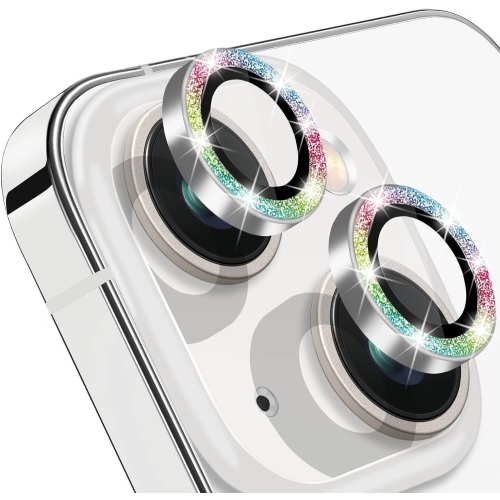
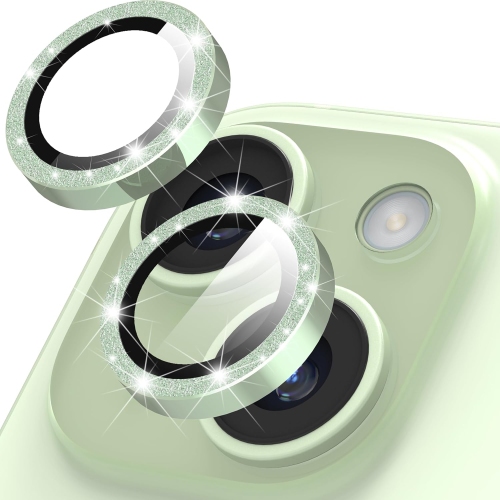


Why camera protection is about more than coverage
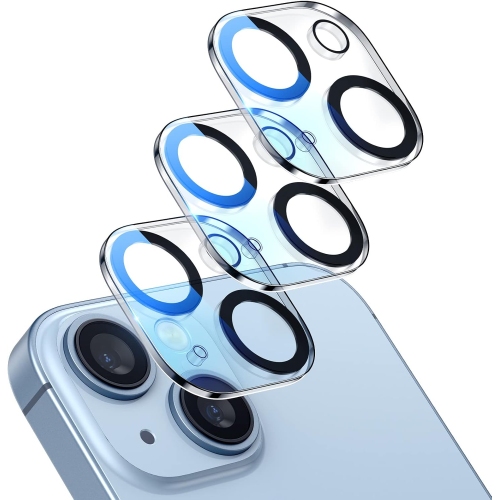
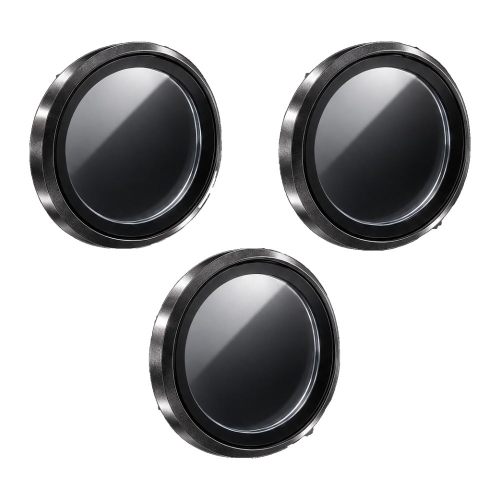
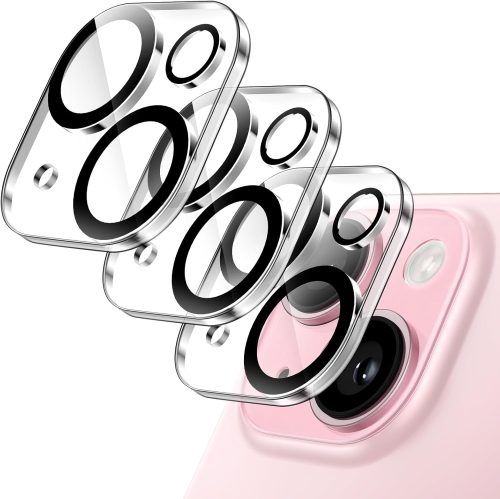
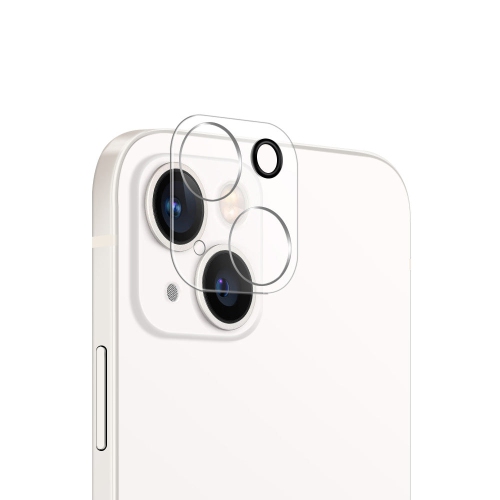
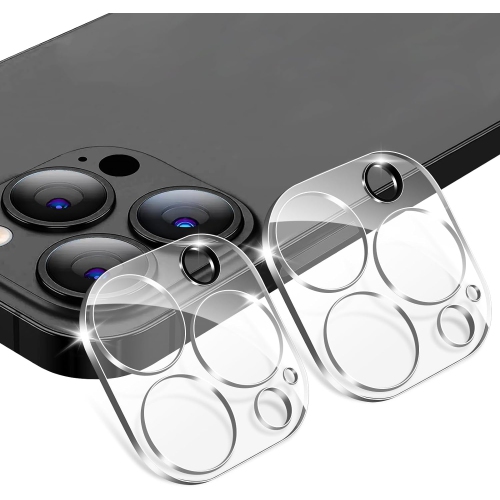
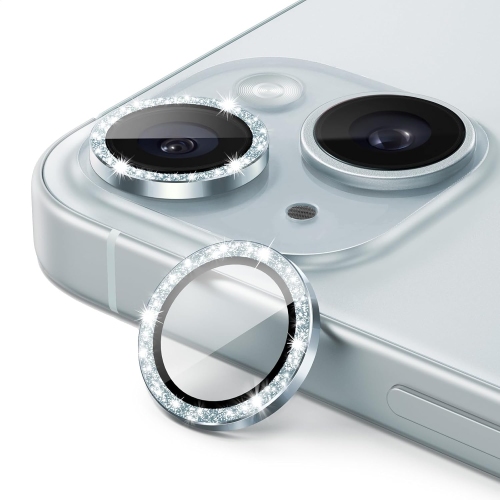
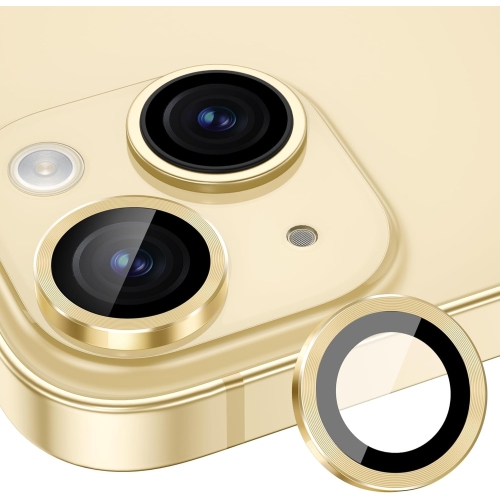
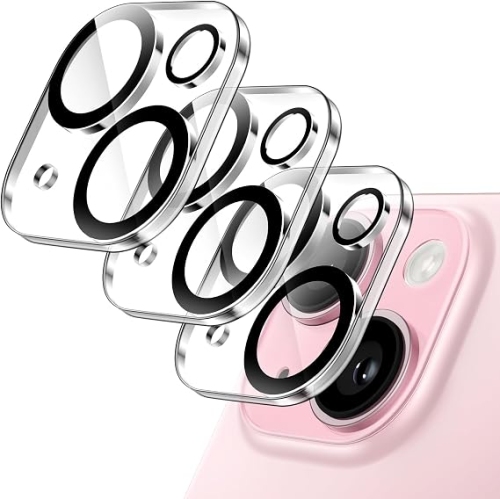
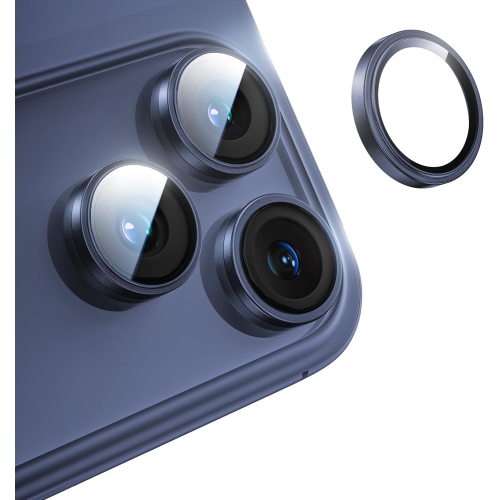
iPhone 15 camera lens protectors add a protective layer over the exterior camera covers, helping shield these exposed surfaces from everyday scratches and scuffs. They are accessories for the outside of the phone, not replacements for its internal camera lenses. The raised camera area can come into contact with a tabletop when the phone is set down, or rub against objects inside a bag or pocket. A properly fitted protector provides a replaceable surface between the camera covers and some of that daily wear. Common designs include individual rings that cover each camera separately and one-piece plates that extend across more of the camera area. Individual rings leave much of the surrounding phone surface visible, while a larger plate offers broader coverage around the cameras. Neither format is automatically better for every setup: the shape of the phone case, the desired appearance, and the protector’s construction all matter. Clear glass designs keep the camera area visually understated, while framed versions can add a defined border around each lens. Because these accessories sit directly in front of the cameras, optical clarity matters as much as physical coverage. Clean, transparent material and accurate alignment help light reach the camera without unnecessary obstruction. Fingerprints, trapped dust, surface scratches, or a poorly seated edge can affect the result, particularly in photos containing bright points of light. A streetlight, illuminated sign, or lamp in the background can make reflections and haze more noticeable than they would be in a evenly lit scene. Designs described as having anti-reflective treatments may help limit reflections, but no added layer can guarantee identical results in every lighting situation. Openings and spacing around the flash are also important, since a cover that obstructs the flash or allows its light to reflect into the camera can create unwanted glare. Camera lens protectors are intended to support everyday phone use, including quick snapshots, video calls, and travel photography, without becoming a distraction from the camera itself.
Compatibility begins with the exact handset model rather than the screen size or a general reference to the iPhone 15 family. Camera arrangements and dimensions differ across models, so a protector labelled for one version should not be assumed to fit another. The product’s stated compatibility should match the phone, and the shape of the protector should also work with the case already in use. A case with separate openings around each camera may leave little room for an added ring, while a case with a single camera cutout may accommodate a wider cover plate. Even when both accessories are intended for the same phone, extra thickness or overlapping edges can prevent the protector from sitting flat or the case from seating properly. A raised case border can offer some separation between the camera area and a flat surface, but its clearance may change once a protector is attached. Materials influence both the feel and the durability of the accessory. Tempered glass is commonly used for its transparency and resistance to everyday surface wear; some designs combine glass with metal or other framing materials around the edges. The frame can change the appearance, thickness, and way the protector sits beside the case. A slim profile is useful for keeping the camera area unobtrusive, although thickness alone does not establish how well an accessory will withstand an impact. Likewise, a stated surface-hardness rating relates to scratch resistance under particular testing conditions and should not be read as a promise that the protector cannot break. Glass can still chip or crack, especially at an edge, and a lens protector does not make the phone drop-proof. Adhesive quality and edge fit matter because a loose corner can collect dust or catch during handling. Replacement is generally more sensible than continued use once a protector is cracked, lifting, or visibly interfering with photographs. These accessories complement a suitable phone case rather than replacing protection for the phone’s screen, sides, and back.
Installation and care have a direct effect on how unobtrusive a camera lens protector remains. A clean camera surface allows the adhesive to make even contact and reduces the chance of trapping a speck directly in front of a lens. Kits may include cleaning wipes, dust-removal stickers, or an alignment aid, although the contents vary by design. The protector’s own fitting directions are important because attachment methods and adhesive arrangements differ. Once fitted, routine cleaning usually centres on removing fingerprints and loose dust with a clean, soft microfibre cloth and a cleaning method suitable for the accessory. Abrasive cleaners and rough fabrics can damage a surface or its coating, while wiping gritty debris across the glass can leave scratches. Gentle handling also matters during removal: forcing a chipped cover or using a sharp tool near the camera area can introduce a new risk while trying to remove an old accessory. A protector that has been lifted may not adhere reliably a second time, so reusability should not be assumed. In daily use, these small accessories can suit commuters whose phones share a bag with other belongings, parents taking frequent family photos, and travellers who regularly pull a phone out for directions and pictures. They can also appeal to anyone who places a phone camera-side down on a desk or counter and wants an additional barrier against surface contact. Keeping keys and loose gritty objects away from the phone still helps, even with a protector attached. As a practical gift for someone with an iPhone 15, a lens protector is most useful when the exact phone version and case style are known beforehand. A change of handset calls for a fresh compatibility check; iPhone 17 Camera Lens Protectors are intended for a different model and should not be treated as substitutes for iPhone 15 accessories. Across everyday use, the most useful balance is precise fit, clear coverage, manageable care, and realistic expectations about protection.
Top selling and popular products
-
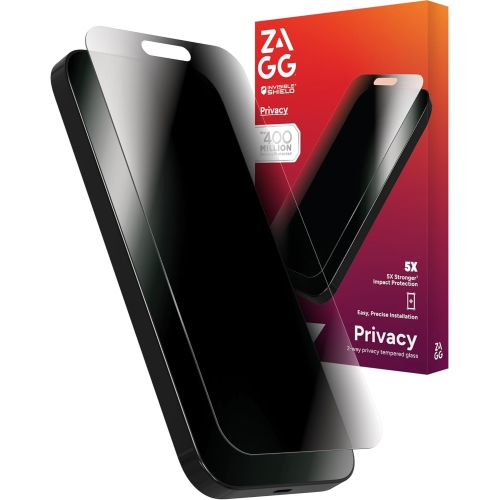 Your price for this item is $91
-
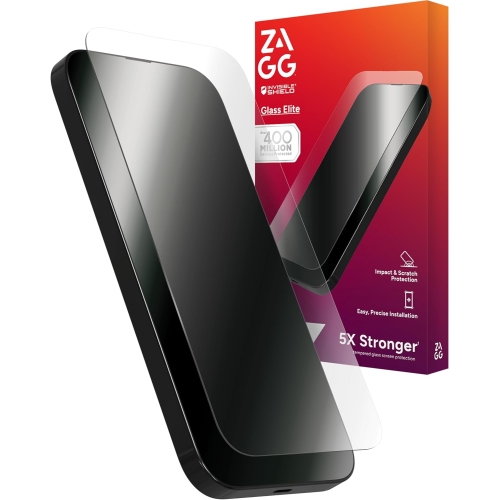 Your price for this item is $88
-
 Your price for this item is $289
-
 Your price for this item is $18.99
-
 Your price for this item is $13.99
-
 Your price for this item is $34.17
-
 Your price for this item is $9.97
-
 Your price for this item is $6.97
Discover more categories related to iPhone 15 Camera Lens Protectors


Top Collections:
Pokemon Centers, Best Black Friday Deals This Year, Best Black Friday Deals On Electronics, Kindle Devices, Best Budget Office Chairs, Best Black Friday Deals On Apple Products, Best Cameras for Sports Photography, Pokémon 30th Celebration Cards, Dyson Airwrap, Canon G7X Cameras
Some products may be subject to Environmental Handling Fees
(EHF) depending on your province.
Learn more about EHFs.