Mobile Phones
Mobile Phones are essential for staying connected, organized, and entertained throughout your day. Explore a wide range of options designed to fit your lifestyle, whether you need a device for work, gaming, photography, or everyday communication. With various sizes, designs, and capabilities available, finding the perfect mobile phone has never been easier. Discover the latest models and features to keep up with your busy schedule and enhance your digital experience. Shop Mobile Phones and enjoy seamless connectivity wherever you go.
Sort


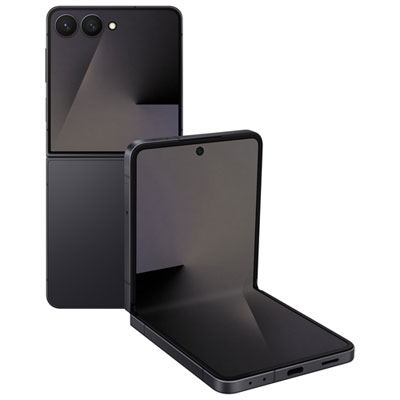
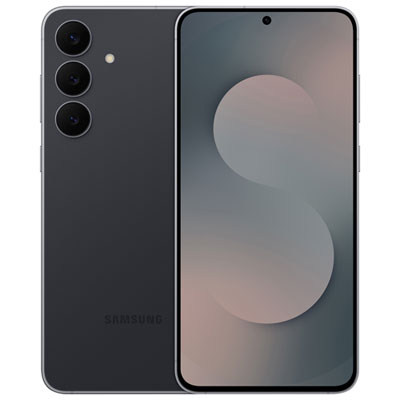
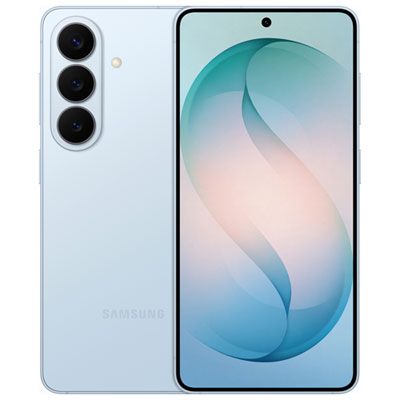
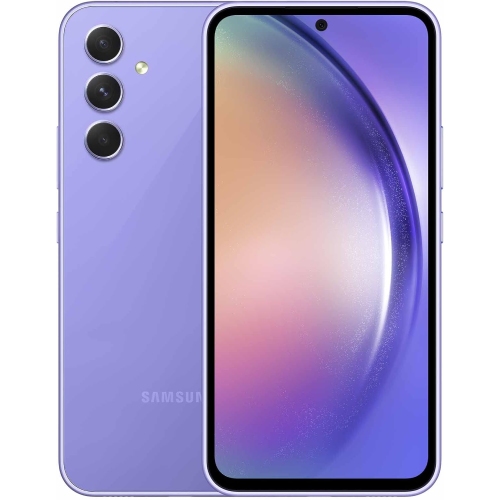





How everyday habits shape the phone you need
Mobile phones, also called cell phones, are portable wireless devices that connect to cellular networks to make and receive calls, send text messages, and access mobile data. Smartphones add internet browsing, cameras, navigation, apps, and other computing features, while simpler handsets focus on straightforward communication. Their everyday value comes from keeping these functions close at hand: a message about a school pickup, directions to an unfamiliar address, or a video call with family can all happen from the same device. Cellular connectivity supports communication away from a home or workplace network, while Wi-Fi provides another connection for internet access and, with compatible devices and carrier support, voice calls. Network compatibility matters because supported frequencies, carrier requirements, and coverage affect how a phone works in different locations. A phone capable of connecting to a 5G network still needs a compatible plan and coverage to use that connection. Physical SIM cards and embedded SIM technology identify a subscriber to a carrier; support for either format varies by phone and service provider. Dual-SIM capability can be useful for keeping personal and work numbers separate, although the way two lines operate depends on the device. Beyond connectivity, the operating system shapes the layout, available apps, accessibility settings, and connections with other devices. Familiar controls can make a replacement phone easier to settle into, especially when transferring contacts, photos, and messages. Compatibility with an existing computer, headphones, or wearable device can also simplify daily routines. Mobile phones serve a wide range of people, from commuters checking transit information to small-business owners managing appointments between visits. Students may use them for class updates and group projects, while family members may value clear calls, readable messages, and dependable access to essential contacts. The most useful balance of features depends on those ordinary tasks rather than a long list of capabilities that rarely get used.
Screen size, shape, and construction influence how comfortably a mobile phone fits into daily life. A larger display offers more space for reading documents, following directions, or watching videos, but it also takes up more room in a pocket and may require two hands to reach the upper corners. More compact designs can be easier to hold during a call or carry in a small bag. Weight and edge shape matter during longer stretches of reading, typing, or video chatting, particularly once a protective case is added. Glass, metal, and polymer components each contribute to a phone’s feel and construction, although no material makes a device immune to scratches or impact damage. Display brightness helps text remain readable in different lighting, while contrast, adjustable text size, and screen magnification can make everyday information easier to see. A responsive screen and well-spaced keyboard can make a noticeable difference when replying to messages on the move. Inside the phone, processing performance and memory affect how smoothly apps open, switch, and handle demanding tasks. Someone moving between navigation, messaging, and work documents may notice different performance needs from someone mainly making calls. Storage capacity determines how much room is available for apps, photos, downloaded music, and videos, with some of that capacity reserved for system software. Expandable storage is not a universal feature, and online storage relies on an internet connection for many functions. Camera quality involves more than resolution: focusing, image processing, stabilization, and lens options all influence the result. Photographing a moving pet, capturing small print on a document, and joining a video meeting place different demands on the cameras. Battery life also varies with screen brightness, signal strength, app activity, and other settings. Charging compatibility and the ability to top up during a normal routine can matter as much as battery capacity, especially for someone who spends much of the day away from a desk.
Care and protection help a mobile phone remain comfortable to use and keep its controls, cameras, and connections working as intended. A secure grip and a well-fitting case can reduce everyday handling risks, while a screen protector adds a replaceable layer over the display without making it unbreakable. A phone skin offers a slim way to personalize the exterior and help protect covered surfaces from light scuffs, but it does not provide the same cushioning as a protective case. Accurate fit is important for any covering, since camera openings, buttons, microphones, and charging ports need to remain unobstructed. Water-resistance ratings describe performance under defined test conditions rather than a promise against every spill, and resistance can change as a device ages or becomes damaged. Cleaning is best done according to the manufacturer’s directions, using a soft cloth and keeping moisture out of openings. Software care matters too: security updates, strong screen locks, and regular backups help protect personal information and make recovery easier if a phone is lost or replaced. Reviewing app permissions can limit unnecessary access to contacts, location, photos, and the microphone. For children or teenagers, family settings may help manage purchases, screen time, and access to content, with controls varying by operating system. For older adults or anyone with particular accessibility needs, features such as larger text, voice control, captions, and compatible hearing-device connections can make a phone more approachable. A mobile phone can also be a thoughtful gift when the recipient’s preferred operating system, carrier compatibility, handling preferences, and support needs are understood. Someone who enjoys taking family photos may appreciate capable cameras and generous storage, while another person may place greater value on clear audio and an uncluttered home screen. Across these uses, a phone that feels comfortable, supports essential apps, and suits established routines is more likely to become a dependable everyday companion.
Top selling and popular products
-
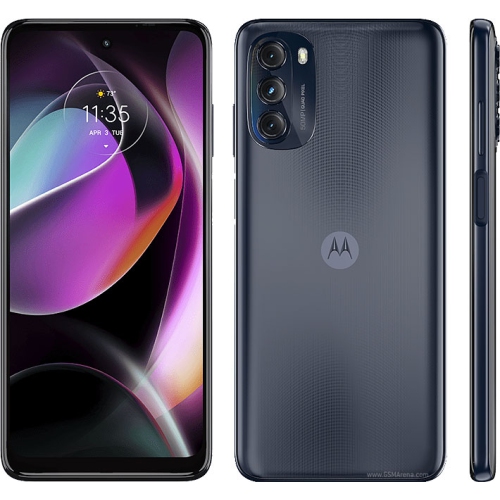 Your price for this item is $249
-
 Your price for this item is $639.99
-
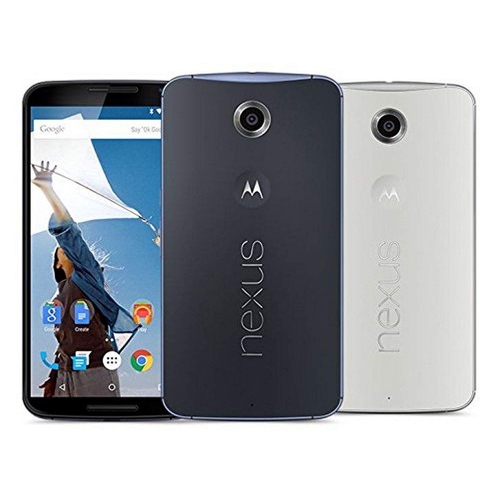 Your price for this item is $120
-
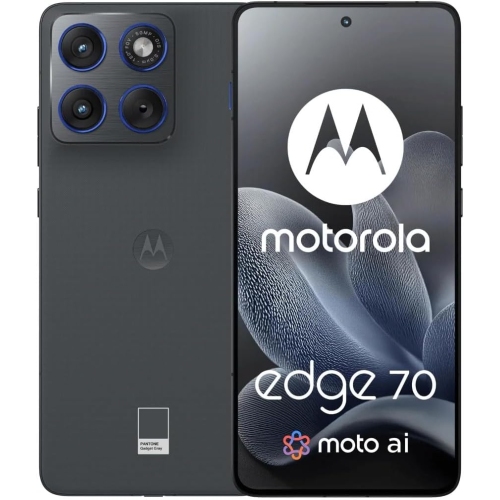 Your price for this item is $659.99
-
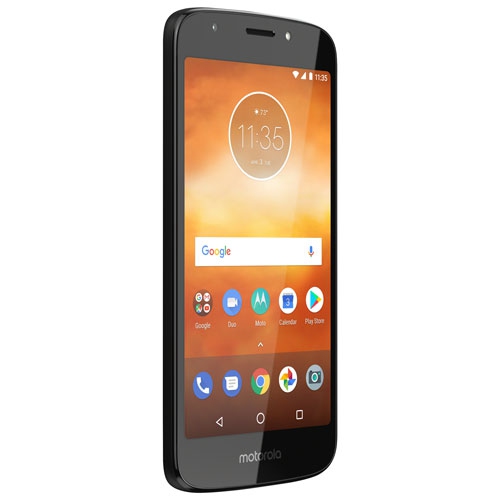 Your price for this item is $189.99
-
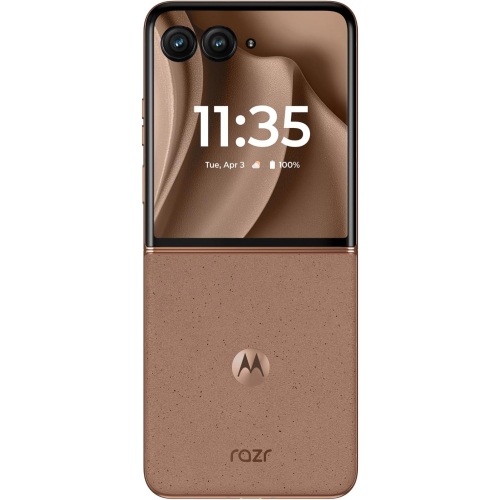 Your price for this item is $789.99
-
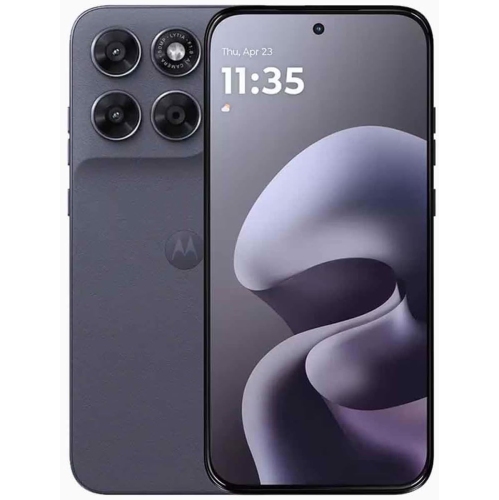 Your price for this item is $289.99
-
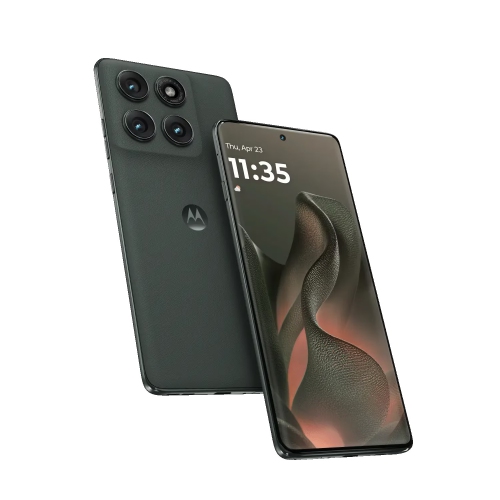 Your price for this item is $983
Discover more categories related to Mobile Phones


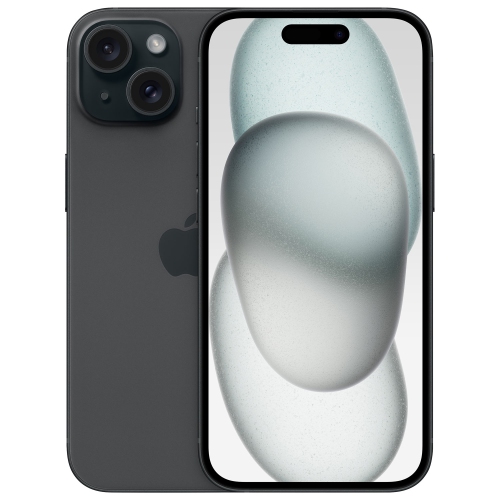
Top Collections:
Pokemon Centers, Pokémon 30th Celebration Cards, Best Budget Office Chairs, Kindle Devices, Best Cameras for Sports Photography, Canon G7X Cameras, Best Black Friday Deals On Electronics, Best Laptops for Writers, iPhone 15 Apple, Jackery Power Stations
Some products may be subject to Environmental Handling Fees
(EHF) depending on your province.
Learn more about EHFs.