Phones With the Best Camera
Phones With the Best Camera offer an exceptional way to capture every moment with clarity and detail. Whether you're a photography enthusiast or simply love snapping photos on the go, these smartphones provide advanced camera capabilities designed to help you take stunning pictures and videos. Explore a wide selection of models that combine innovative technology with user-friendly features, making it easy to preserve memories and share your favorite shots. Find the perfect phone to elevate your mobile photography experience at Best Buy.
Sort
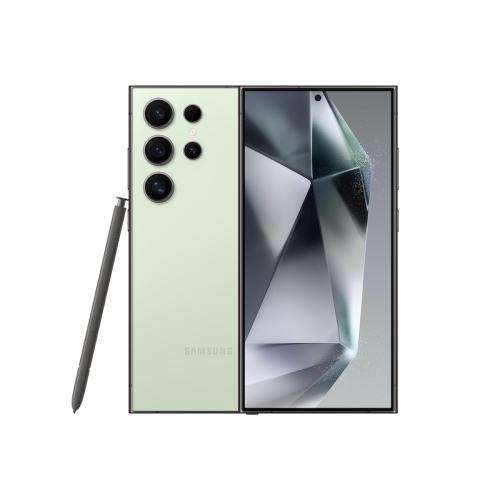
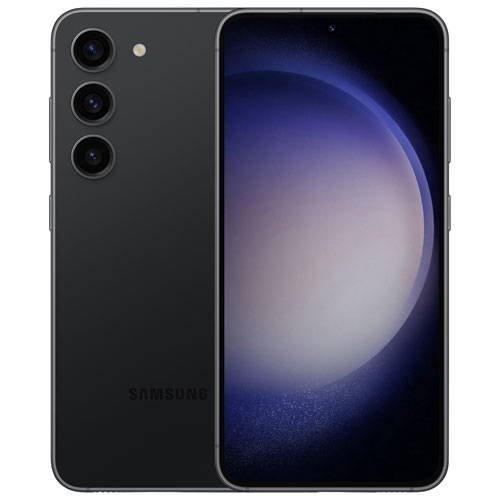

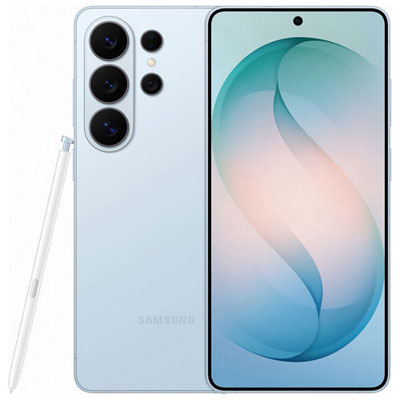
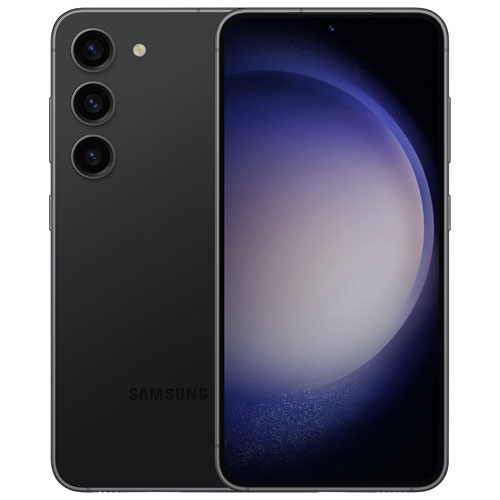


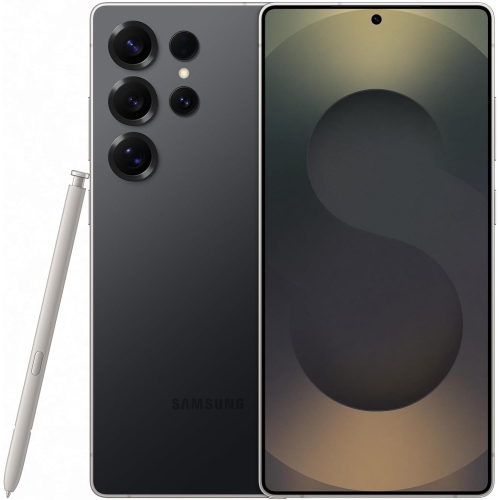
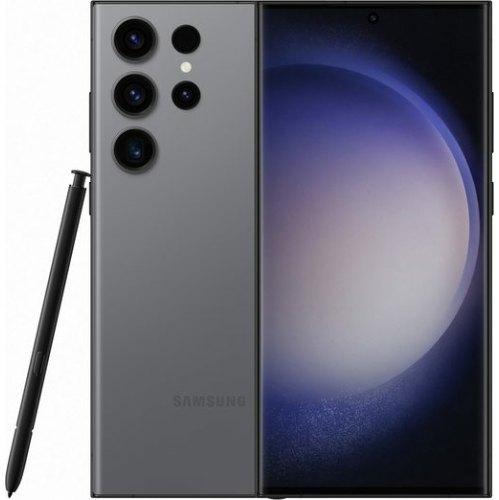


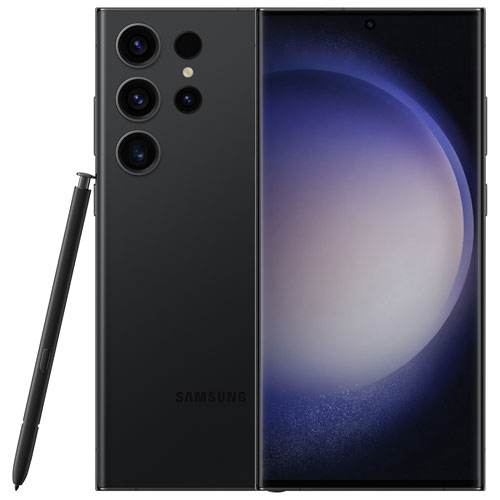

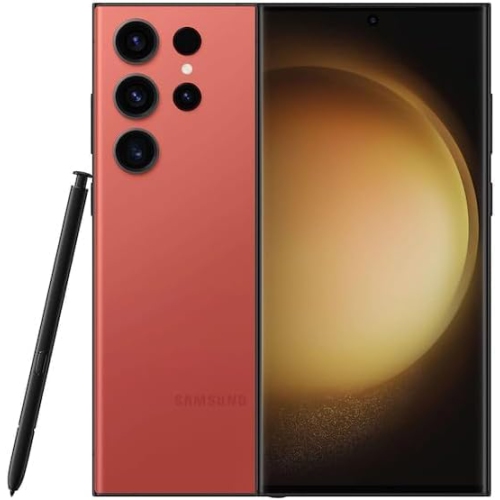


Why great phone photos take more than megapixels
Phones with the best camera combine capable lenses, responsive autofocus, effective image processing, and consistent results across the situations people actually photograph. Megapixel counts describe image resolution, but they do not tell the whole story: sensor size, lens quality, stabilization, and processing all influence how a picture looks. A high-resolution photograph can leave room for cropping, while a well-balanced camera system can preserve detail in a pet’s fur, keep faces looking natural, and hold colour in a bright window behind someone sitting indoors. For everyday photography, the main rear camera is often the most frequently used lens, making its performance especially important. Larger sensors can gather more light under comparable conditions, while optical image stabilization helps reduce blur caused by small hand movements. Neither feature guarantees a sharp picture of a moving subject, however; photographing children running across a room also depends on focus tracking, exposure time, and how quickly the camera responds to the shutter button. Image processing contributes to the finished result by combining exposures, reducing noise, and balancing bright and dark areas. The most appealing treatment is partly personal: some people prefer vivid colour and stronger contrast, while others value a more restrained appearance that closely resembles the scene. Skin tones, fine textures, and detail around hair can reveal differences that are less obvious in a small image preview. Consistency matters as much as an impressive individual shot, particularly for people who want to take out their phone, capture a moment, and move on without adjusting several settings. A camera that handles mixed indoor lighting, backlit portraits, and spontaneous movement reliably can be more useful than one that excels only in carefully arranged scenes. For parents, travellers, students, and anyone documenting everyday life, the strongest match is a phone whose camera strengths reflect the photographs they take most often, rather than a single headline specification.
Different camera arrangements support different ways of seeing a scene. An ultrawide camera can fit a dining table, a large building, or a group of friends into the frame when there is little room to step back. Perspective can stretch faces near the edges, so keeping people closer to the centre helps group pictures look more natural. A telephoto camera provides a narrower view that can make distant details easier to frame and support portraits without placing the phone close to someone’s face. Optical zoom uses the camera’s optics to change framing, whereas digital zoom enlarges or crops image information; results at intermediate and longer zoom settings also depend on the phone’s processing. More cameras do not automatically mean better photographs, since image quality can vary between lenses on the same device. Colour consistency and smooth transitions between views are useful when moving from a wide room shot to a closer detail. Portrait modes add another option by simulating background blur, though complicated outlines such as curls, glasses, and fine branches can challenge subject separation. Close-focus capabilities can appeal to people photographing jewellery, craft projects, food, or small details, but minimum focusing distance and lighting affect what can be captured clearly. Front-facing cameras deserve attention for video calls, self-portraits, and group selfies, especially when face detail and a comfortable field of view matter. Video introduces its own priorities: stabilization, reliable focus, clear sound, and balanced exposure can be more noticeable than resolution alone. Higher frame rates can make movement look smoother, while 4K recording can preserve fine detail and provide flexibility for editing. Those settings also create larger files, and some advanced options may work only with particular cameras or recording modes. Someone filming a dance rehearsal, a cooking demonstration, or a family celebration may value steady footage and dependable audio more than an extensive set of manual controls. Easy switching between photos and video also helps keep fleeting moments within reach.
The experience of using a camera phone extends beyond the camera itself. Screen size and brightness affect framing and reviewing images, while the phone’s dimensions, weight, and button placement influence how securely it sits in the hand. A larger display can make editing more comfortable, but a smaller device may be easier to carry and operate one-handed. Glass backs and metal frames have different textures, and a pronounced camera housing can affect how a phone rests on a table or fits inside a case. A well-fitting case with a raised edge around the camera area can help reduce contact with surfaces, though no case eliminates the possibility of damage. Camera lenses benefit from simple care: fingerprints and pocket lint can soften detail or create streaks around lights, and a clean, soft microfibre cloth is generally suitable for gently wiping exterior lens glass, subject to the manufacturer’s care instructions. Lens covers and other attachments need careful fit, since poorly matched accessories can introduce reflections or interfere with the camera’s view. Water-resistance ratings have defined testing conditions and should not be treated as a promise against every spill or immersion. Storage capacity is another practical consideration for anyone keeping years of photographs or recording lengthy videos. High-resolution files, edited copies, and downloaded media can fill space quickly, while backup options help protect important memories if a phone is lost or damaged. Battery life and charging habits matter during long outings, repeated video recording, or extended editing sessions. Shopping for Smartphones With Good Camera is ultimately about balancing photographic capability with everyday comfort and familiar software. For a gift recipient, compatibility with their mobile service, preferred apps, existing accessories, and accessibility needs can matter just as much as camera specifications. A photography enthusiast may appreciate manual controls and flexible editing files, while someone capturing family milestones may place greater value on straightforward operation, readable menus, and dependable automatic results. The right combination makes a phone useful not only for taking photographs, but also for keeping, organizing, and sharing them.
Top selling and popular products
-
 Your price for this item is $635.95
-
 Your price for this item is $679.99
-
 Your price for this item is $589.99
-
 Your price for this item is $634.99
-
 Your price for this item is $634.98
-
 Your price for this item is $789.99
-
 Your price for this item is $869.99
-
 Your price for this item is $599
Discover more categories related to Phones With the Best Camera

Top Collections:
Best Black Friday Deals This Year, Best Black Friday Deals On Electronics, Kindle Devices, Pokemon Centers, Best Black Friday Deals On Apple Products, Best Cameras for Sports Photography, Dyson Airwrap, Pokémon 30th Celebration Cards, Apple iPhone 17 Pro, Canon G7X Cameras
Some products may be subject to Environmental Handling Fees
(EHF) depending on your province.
Learn more about EHFs.