Power Banks For Student's Gadgets
Power Banks For Student's Gadgets are essential accessories for keeping devices charged and ready throughout busy school days. Whether attending classes, studying on campus, or working on group projects, students rely on their smartphones, tablets, laptops, and other gadgets to stay productive and connected. With a reliable power bank, it's easy to avoid low-battery interruptions and stay focused on what's important. Explore a wide range of options designed to support students’ tech needs wherever learning takes them.
Sort
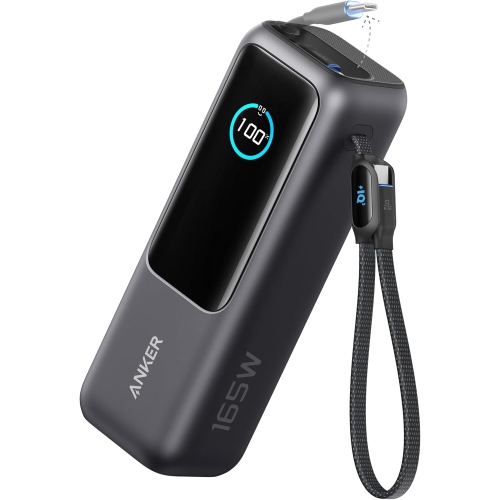
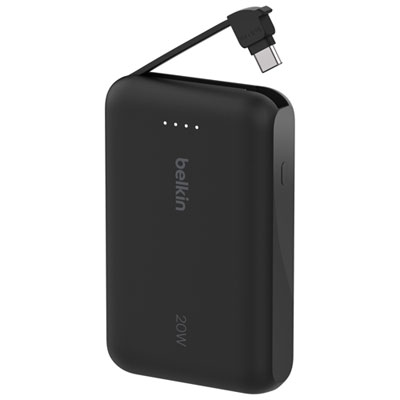
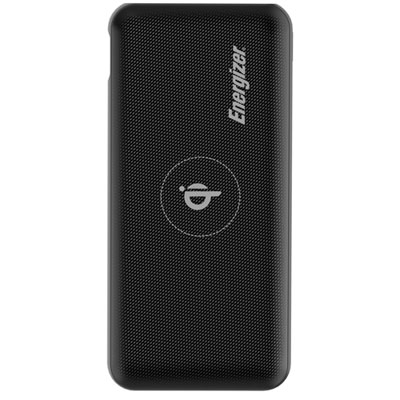

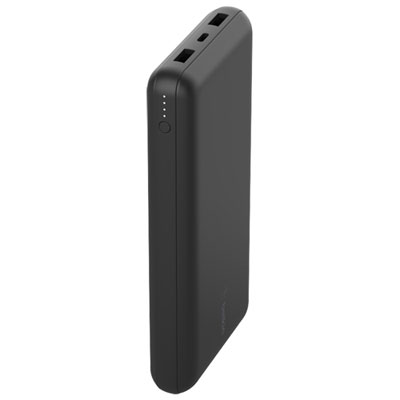
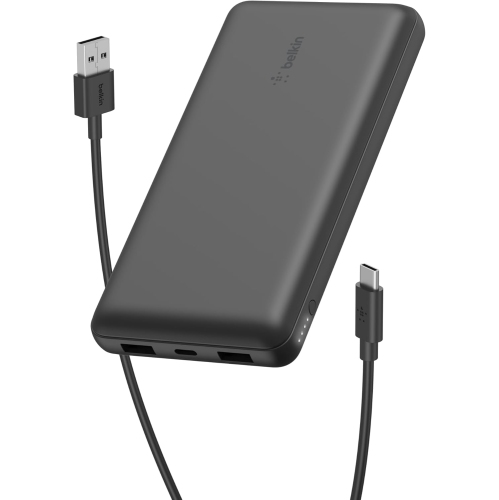
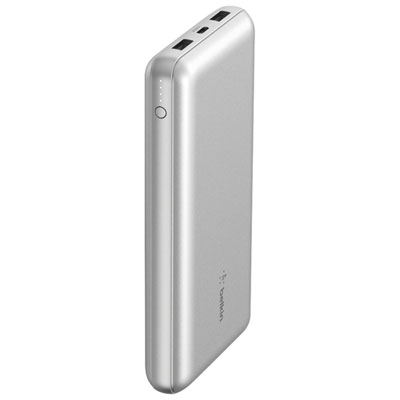
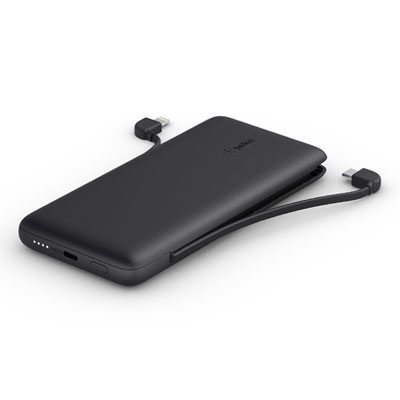
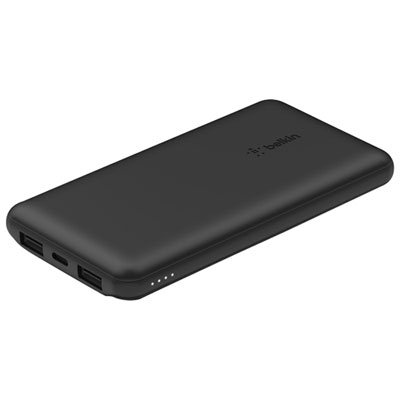
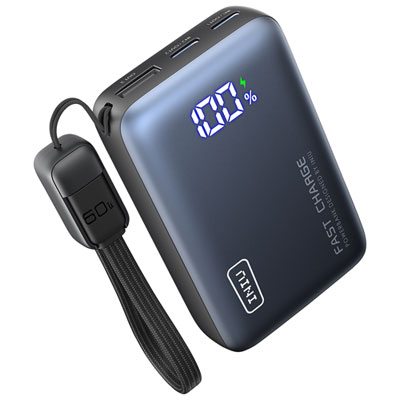
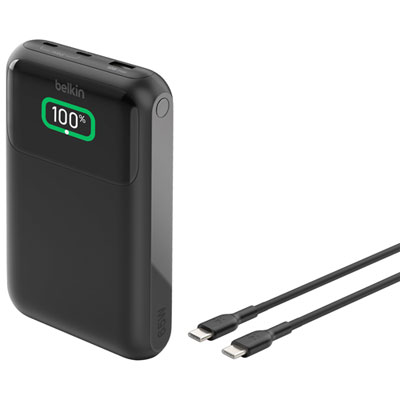
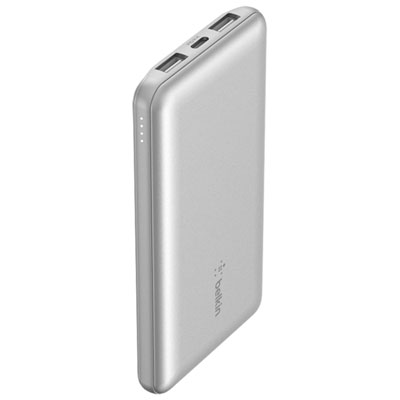
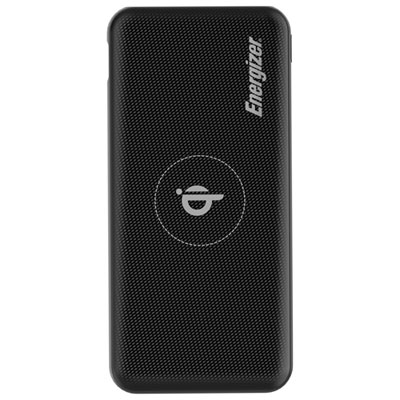
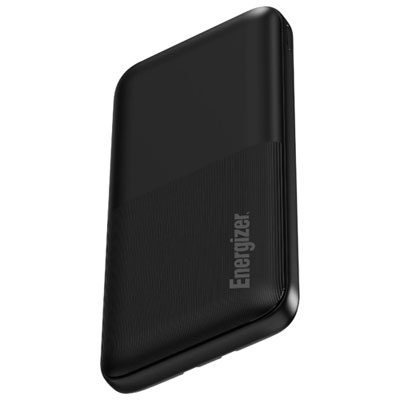
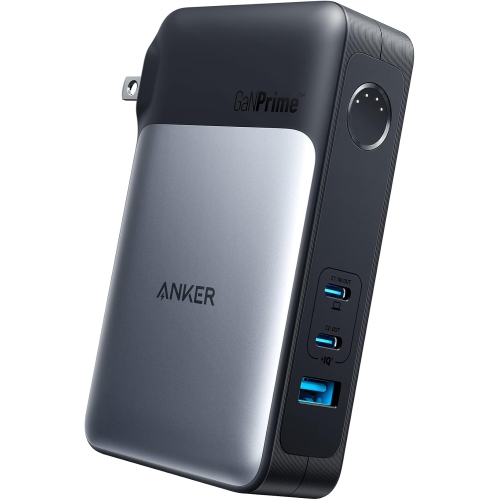
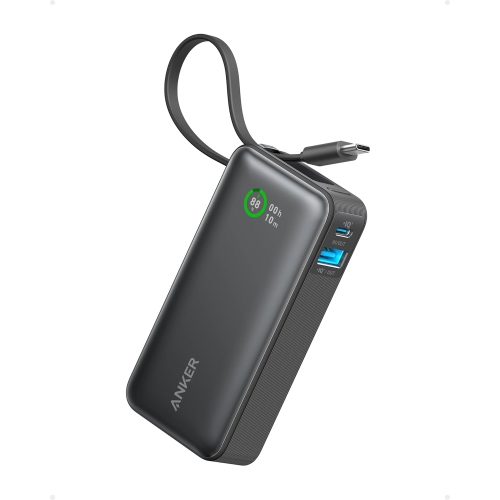
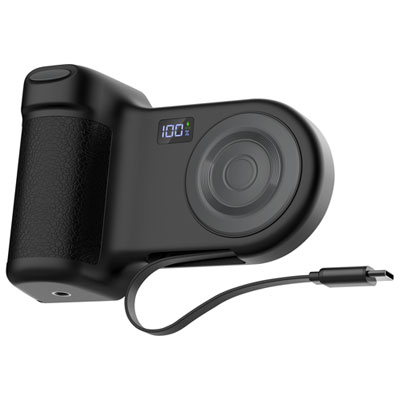
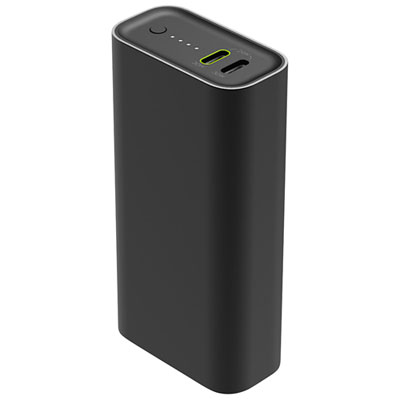
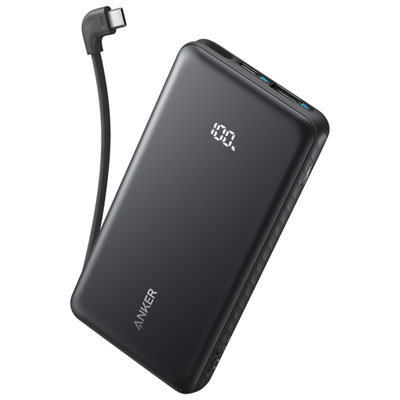

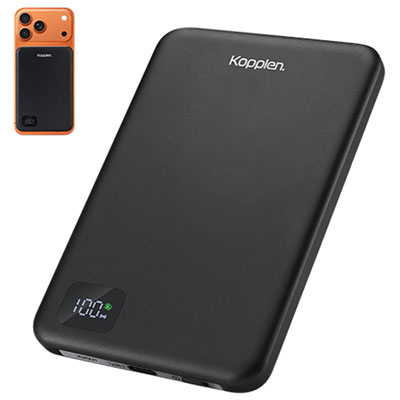
Backup power for packed schedules and full backpacks
Power banks give students a practical way to keep everyday gadgets running between home, class, the library, and the trip back. A phone may hold a transit pass, course notifications, a timetable, and messages from a study group, while a tablet carries readings and handwritten notes. Wireless earbuds add another device to the daily charging routine. A portable battery provides a reserve when a seat near an outlet is taken or a packed schedule leaves little time to plug in. For short top-ups, a slim power bank can slip into a small bag pocket without taking space away from a calculator, pencil case, or lunch container. Students who spend long stretches on campus may prefer more capacity, accepting some extra size and weight in exchange for a larger reserve. That balance matters when the same backpack already holds textbooks and a laptop. A broad, flat shape can sit neatly beside a notebook, while a narrower design may fit more comfortably in an organizer pocket. The charging setup also affects how convenient a power bank feels in use. A short cable keeps a phone and battery close together on a library desk, while a longer cable can reach from a bag to a device on a work surface without pulling at the connector. Built-in cables reduce the number of loose accessories to carry, although separate cables can be replaced if they wear out. Clear battery indicators make it easier to see whether there is enough charge left before heading to a lecture or meeting classmates. A percentage display offers a more detailed reading than a row of lights, but either can be useful. For younger students, straightforward controls and a manageable weight may matter more than extra features; for students moving between several buildings, a compact shape with secure, accessible connections can make charging easier throughout the day.
Capacity and charging output describe different parts of a power bank’s usefulness. Capacity, usually expressed in milliamp-hours, indicates the battery’s stored charge, while output in watts helps show how much charging power it can deliver to a compatible device. A higher capacity does not automatically mean faster charging, and the capacity printed on a power bank should not be read as a guaranteed number of full phone charges. Voltage conversion and charging losses reduce the amount that reaches the device, and battery size and ongoing use affect the result. A phone running navigation or a video call while plugged in will use some of that power along the way. A tablet generally needs a larger reserve than earbuds, while a laptop places greater demands on both capacity and output. Laptop charging requires a power bank, cable, and charging protocol that meet the computer’s requirements; a USB-C port alone does not establish compatibility. USB Power Delivery can support faster charging with compatible equipment, but the device determines how much power it accepts. Cable ratings matter too, particularly for higher-power charging. For students carrying several gadgets, the number and type of ports deserve attention alongside the headline wattage. Some power banks divide their available output when more than one device is connected, so charging a phone and tablet together may be slower than charging either one alone. Input specifications are equally relevant: a larger battery may take a substantial amount of time to refill, especially through a lower-powered wall charger. Wireless charging offers another way to top up a compatible phone without connecting a cable, although alignment and case compatibility affect performance. Magnetic attachment requires matching device support or a suitable case, and it should not be assumed to work with every phone. Low-current charging support can also be useful for small accessories that draw very little power. Together, these details help distinguish a pocket-sized reserve for a phone from a more capable charging companion for several connected devices.
Materials, construction, and care influence how well a power bank fits into student life. Plastic housings can keep weight down, while metal housings may feel more substantial; neither material alone proves that a battery will withstand repeated drops or rough handling. Solid seams, well-fitted ports, and a finish that is comfortable to grip are practical details for an accessory that is taken out and put away several times a day. A dedicated pouch or bag compartment helps keep connectors away from crumbs, loose objects, and spilled drinks. Cables last better when they are not sharply bent at the plug or pulled out by the cord, and a power bank should not hang from a connected phone’s charging port. Keeping the casing clean and dry, following the manufacturer’s charging instructions, and checking occasionally for damaged connectors are sensible habits for regular use. A battery with swelling, cracking, leakage, or other visible damage should not be charged or used. Charging on an open, stable surface rather than beneath bedding or inside a tightly packed bag also allows the unit to be used as intended. For students who travel by air, the watt-hour rating and the airline’s battery rules are important considerations before packing; power banks generally belong in carry-on baggage, with applicable limits checked in advance. These practical differences also matter when choosing a useful gift. Someone starting college may appreciate a portable reserve for a phone and earbuds, while a student working on digital illustrations or lengthy readings may need tablet-compatible charging. For a related collection focused on carrying backup power between classes and study sessions, Portable Power Banks for Students brings that everyday purpose into focus. The most suitable choice is one that matches the recipient’s devices, fits comfortably in their bag, and is straightforward enough to become part of the routine rather than another accessory left at home.
Top selling and popular products
-
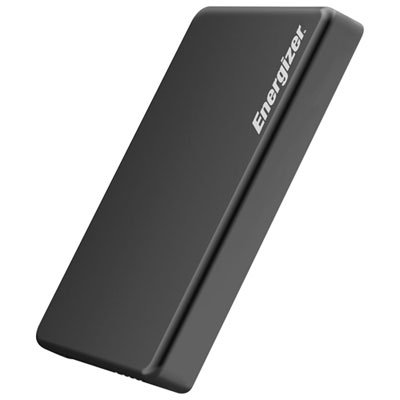 Your price for this item is $44.99
-
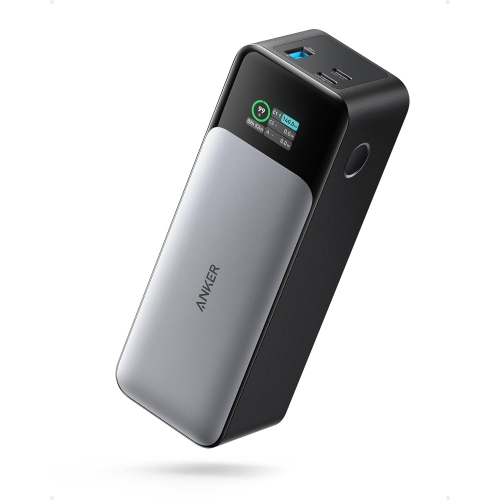 Your price for this item is $234
-
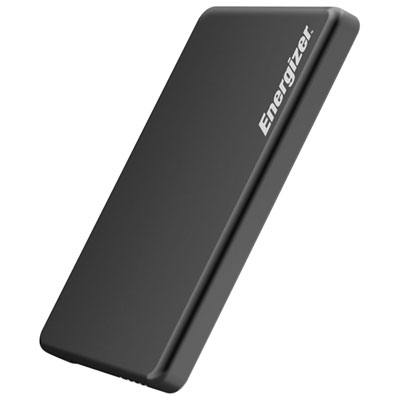 Your price for this item is $29.99
-
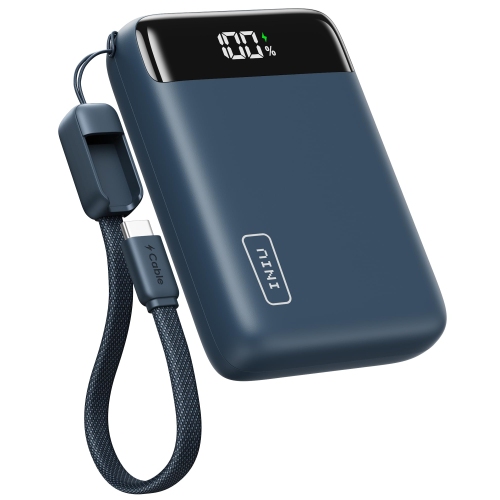 Your price for this item is $96.99
-
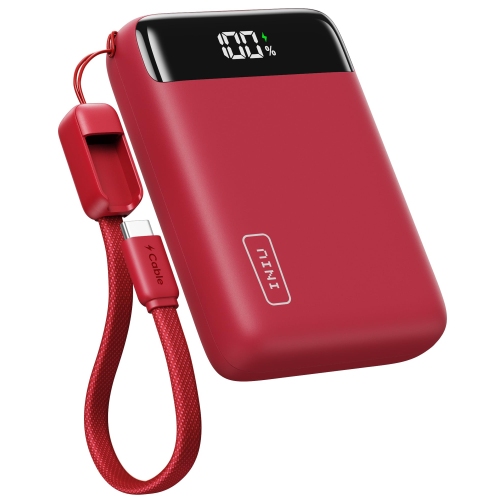 Your price for this item is $96.99
-
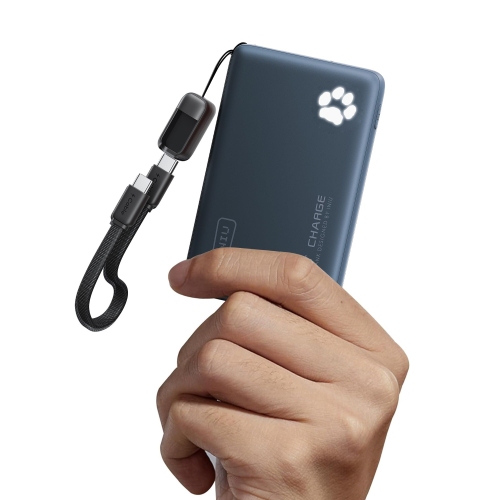 Your price for this item is $85.99
-
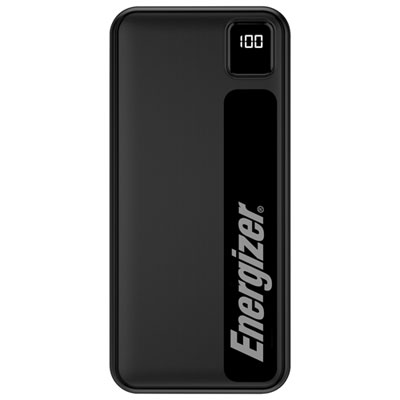 Your price for this item is $19.99
-
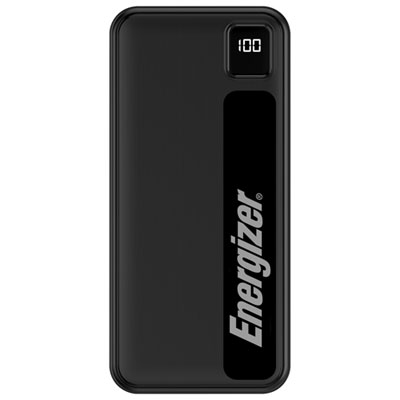 Your price for this item is $24.99
Discover more categories related to Power Banks For Student's Gadgets

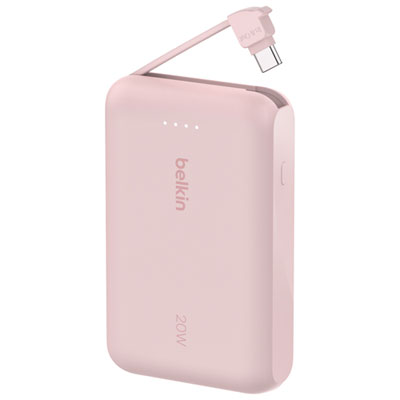
Top Collections:
Best Black Friday Deals This Year, Best Black Friday Deals On Electronics, Kindle Devices, Best Black Friday Deals On Apple Products, Best Budget Office Chairs, Best Cameras for Sports Photography, Dyson Airwrap, Canon G7X Cameras, Best Laptops for Writers, Samsung Galaxy Phones
Some products may be subject to Environmental Handling Fees
(EHF) depending on your province.
Learn more about EHFs.