Prepaid Plans for Unlocked Phones
Prepaid Plans for Unlocked Phones offer a flexible and convenient way to stay connected without the commitment of long-term contracts. Whether you're looking for affordable options, greater control over your monthly expenses, or the freedom to switch carriers easily, these plans are designed to fit a variety of needs. Explore a range of prepaid plans tailored for unlocked phones and discover the perfect solution for your mobile lifestyle.
Sort
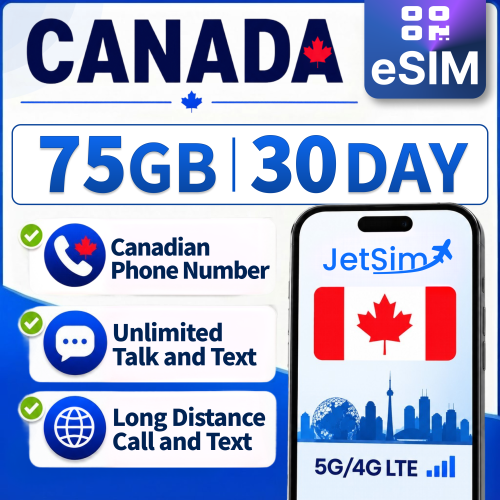
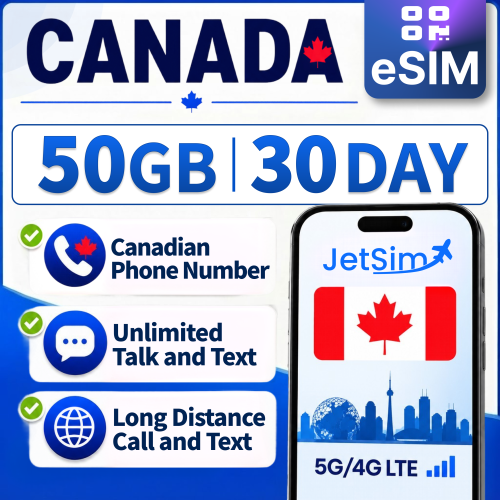
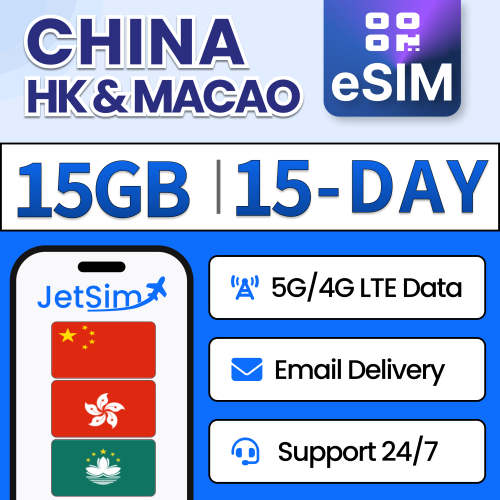


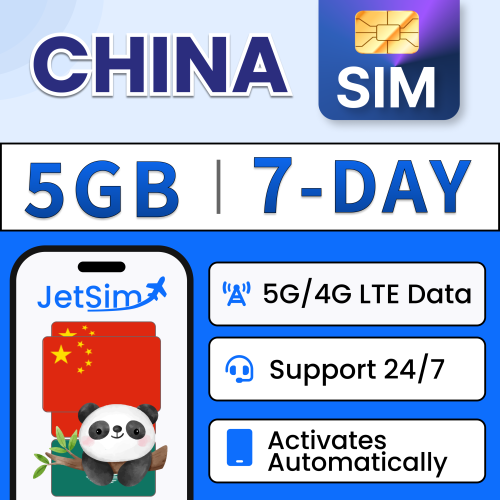







An unlocked phone still needs the right network
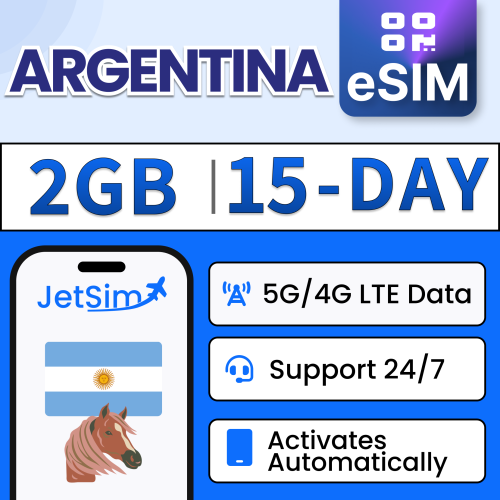
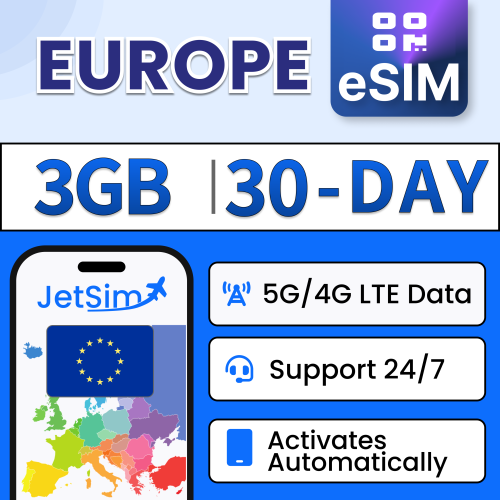
Prepaid plans for unlocked phones pair a compatible handset with mobile service paid for before use, usually for a defined service period. They can include calling, text messaging and mobile data, with terms that differ by provider and plan. An unlocked phone is not restricted to one carrier, so its owner can choose a compatible service rather than replace a familiar device simply to change networks. That flexibility suits students managing their own mobile service, newcomers establishing a Canadian phone number, parents arranging a child’s first connection and people who prefer to keep work and personal calls separate. Many prepaid services do not require a credit check or a long-term service commitment, although registration, activation and renewal requirements vary. The key distinction is between owning an unlocked phone and having one that works fully with the chosen network: an unlocked device still needs compatible network technology, supported frequency bands and, in some cases, provider approval for particular features. A phone brought from outside Canada may support everyday data use yet have limitations with voice calling or other network functions. Compatibility checks using the device’s model details or IMEI can help establish whether it is suitable before activation. Service may be activated through a physical SIM card or an eSIM, depending on both the handset and provider. A physical SIM fits into the phone’s SIM tray, while an eSIM uses a digital profile installed on a supported device. Neither option changes the basic purpose of the plan: connecting that phone to a mobile network for the included services. For a broader view of this service category, Prepaid Mobile Plans Canada provides a related starting point. The right fit depends less on the age or appearance of the handset than on compatibility, coverage and the way its owner actually uses a phone throughout the day. Someone who mainly answers calls and exchanges short messages has different needs from a commuter who streams audio, follows transit updates and joins video calls away from Wi-Fi.
Mobile data is often the biggest difference between prepaid plans for unlocked phones, but the allowance alone does not describe the full experience. Data powers activities such as browsing, navigation, messaging apps and streaming when the phone is not connected to Wi-Fi. A person who downloads playlists at home and spends most of the day on trusted Wi-Fi may use relatively little mobile data; someone sharing a hotspot with a laptop or watching video during a long commute can use considerably more. Phone settings can show recent usage by app, giving a clearer picture than a general impression of being a light or heavy user. Plan terms also determine what happens after the included allowance is used. Depending on the service, mobile data may stop until renewal or an additional allowance is activated, or it may continue at a reduced speed. Unlimited data should therefore be understood alongside any high-speed allowance, speed limits and acceptable-use conditions. Access to 4G LTE or 5G depends on the plan, compatible hardware and local network coverage; a 5G-capable phone does not automatically receive 5G service on every prepaid plan. Published coverage maps are useful for checking the places that matter most, including home, school, work and regular travel routes, although buildings, terrain and network traffic can affect reception. Hotspot use may also have separate conditions, even when the phone itself supports tethering. Calling and messaging deserve the same attention as data. Canada-wide calling generally concerns eligible calls within Canada, while international calling, international texting and use outside Canada are distinct features. A plan that permits calls to another country does not necessarily include roaming while physically there. Traditional text messages, picture messages and internet-based chats can also follow different rules. Picture messaging may require mobile data settings even when its data usage is treated separately, while app-based messages normally rely on Wi-Fi or mobile data. These distinctions matter when staying reachable is more important than a large headline data allowance.
The service period and renewal rules shape how a prepaid plan fits everyday routines. Some plans renew on a recurring cycle, while others run for a longer defined term, so “monthly” service should not automatically be assumed to follow the same date on every calendar month. Automatic renewal can simplify continuity, but it depends on meeting the provider’s renewal requirements. With manual renewal, account reminders and a clear understanding of expiry dates become more important. An unused data allowance may expire, roll over under specified conditions or remain accessible for a defined period; none of those outcomes should be assumed without checking the terms. Account inactivity can also eventually lead to the loss of a phone number. For someone moving an existing Canadian number to a new prepaid service, number-transfer eligibility and verification are important parts of activation. The old service generally needs to remain active until the transfer is complete, and access to the existing SIM may be needed to approve a transfer request. Everyday calling features can be just as significant as the transfer itself. Voicemail, call display, Wi-Fi calling and supported voice technology vary by provider, plan and device. Wi-Fi calling can be useful where indoor cellular reception is weak, but it requires support from both the network and handset and may have separate usage conditions. A compatible dual-SIM phone may let someone keep two lines on one device, although the number of active lines and their calling and data behaviour depend on the model. This can suit a separate work number or a temporary travel connection without requiring a second handset. For a child’s phone, clear data limits and accessible account controls may matter most; for an older relative, dependable calling, familiar voicemail and straightforward renewal may take priority. Across these uses, prepaid service is best understood as a combination of network access, included allowances and account rules. A plan that matches those practical needs can make an unlocked phone a reliable connection for daily messages, important calls and time spent away from Wi-Fi.
Top selling and popular products
-
 Your price for this item is $9.99
-
 Your price for this item is $25.2
-
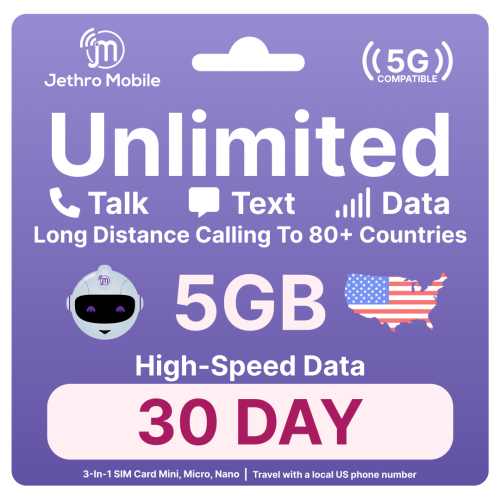 Your price for this item is $30.6
-
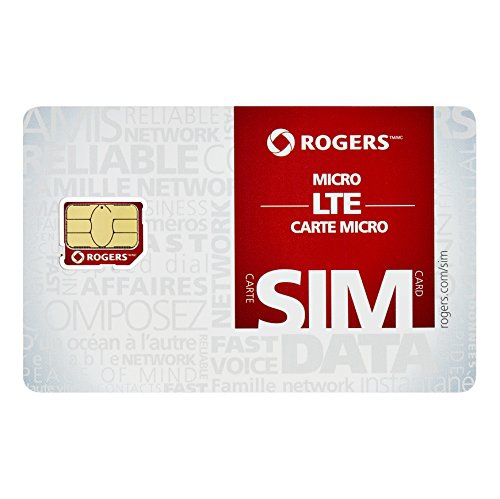 Your price for this item is $11.99
-
 Your price for this item is $9.99
-
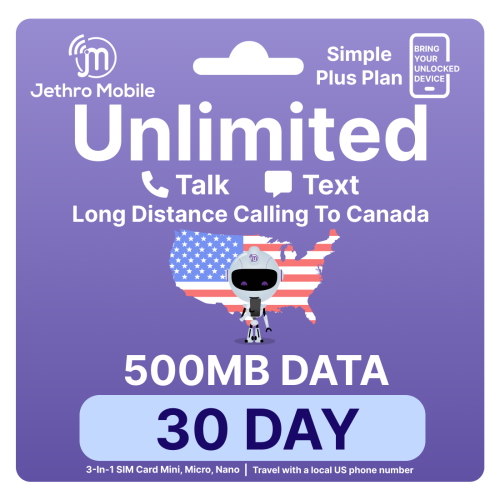 Your price for this item is $20
-
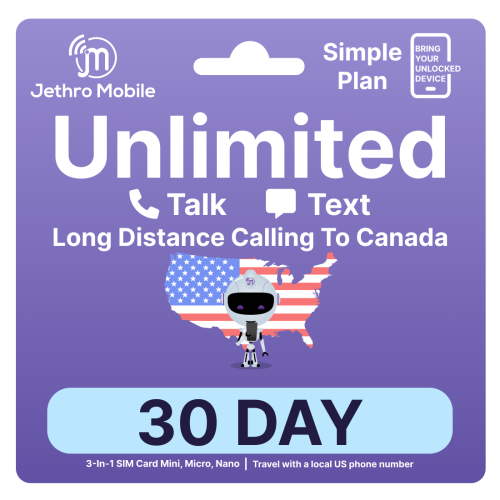 Your price for this item is $14
-
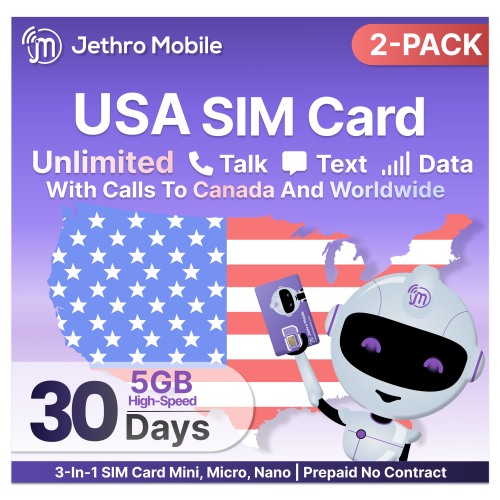 Your price for this item is $68
Discover more categories related to Prepaid Plans for Unlocked Phones
Top Collections:
Pokemon Centers, Pokémon 30th Celebration Cards, Best Budget Office Chairs, Kindle Devices, Best Cameras for Sports Photography, Canon G7X Cameras, Best Black Friday Deals On Electronics, Best Laptops for Writers, iPhone 15 Apple, Jackery Power Stations
Some products may be subject to Environmental Handling Fees
(EHF) depending on your province.
Learn more about EHFs.