Protective Iphone 12 Mini Cases
Protective iPhone 12 mini cases are designed to help keep your device looking and performing its best. With a range of styles, colors, and materials available, it’s easy to find the right case to match your personal taste while offering added peace of mind. Whether you prefer a slim profile or something with extra coverage, explore options that fit seamlessly into your daily routine. Discover the perfect protective iPhone 12 mini cases to complement your phone and lifestyle.
Sort


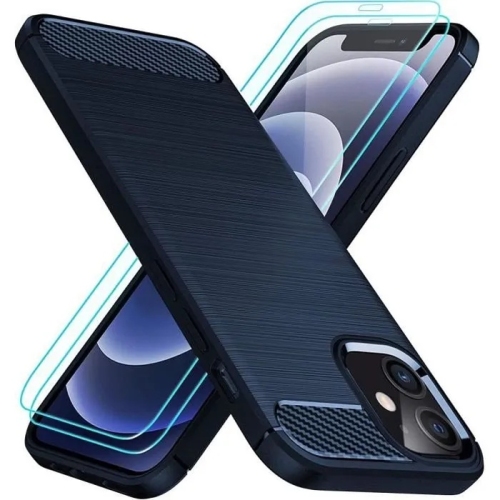

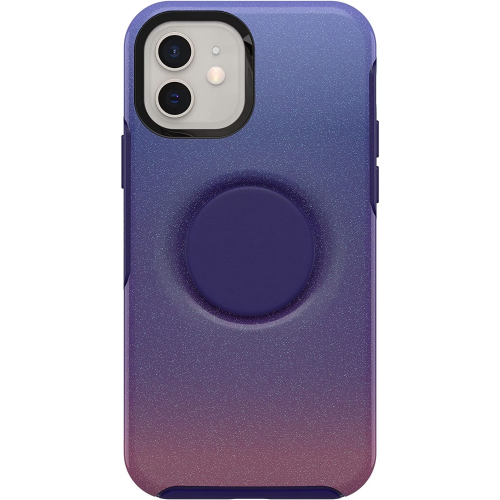


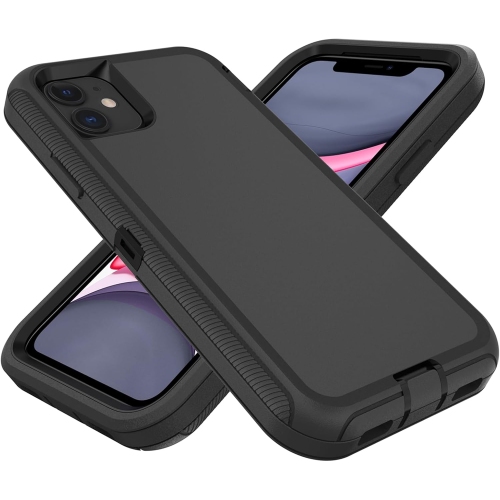

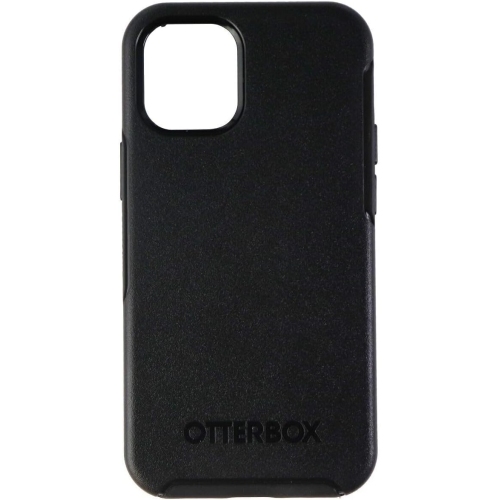


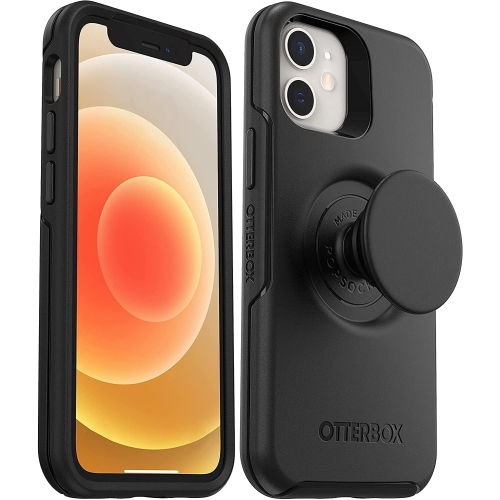


Everyday protection depends on more than case thickness
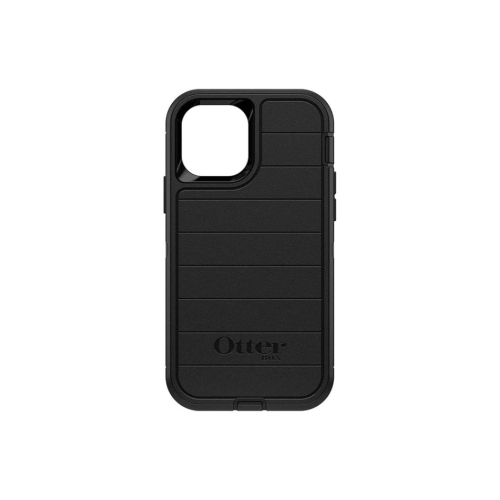
Protective iPhone 12 mini cases help cushion everyday bumps and drops while keeping a compact phone comfortable to carry and easy to use. The most useful protection comes from a combination of secure fit, shock-absorbing materials, reinforced corners, and raised edges around the screen and rear cameras. A case made specifically for the iPhone 12 mini follows the phone’s dimensions and leaves the charging port, speakers, camera lenses, and controls accessible; a case for another iPhone size is not an interchangeable option. Materials make a noticeable difference in both protection and feel. Flexible thermoplastic polyurethane, commonly called TPU, adds cushioning and bends enough to make fitting and removing a case relatively straightforward. Rigid polycarbonate provides structure and helps resist scratches to the phone’s exterior, while a layered design can combine a firm outer shell with a softer inner section. Silicone offers a soft-touch surface that can feel reassuring in the hand, although some finishes pick up pocket lint more readily than smoother shells. For a phone that travels between a jacket pocket, a desk, and a crowded bag, a slim protective case can add useful grip without hiding the appeal of the smaller handset. More substantial cases suit frequent handling, busy family routines, or days when the phone is more likely to meet a hard floor. Textured sides can help when taking a quick photo or checking directions with one hand, while a smooth back may slide into a fitted pocket more easily. Clear styles leave the phone’s colour visible; opaque, patterned, and matte finishes offer different ways to make it feel personal. Protective cases can also make practical gifts for someone who prefers to keep using a familiar phone, provided the exact model is confirmed first. The right balance is less about the thickest possible shell and more about protection that suits how the phone is held, carried, charged, and used throughout the day.
Durability depends on the complete case design, not simply on whether it looks rugged. Reinforced corners can help cushion impacts at vulnerable points, and a raised screen lip can keep the display from resting directly against a flat tabletop. A raised camera surround serves a similar purpose for the rear lenses, but neither feature guarantees protection if the phone lands on an uneven surface, gravel, or a projecting edge. Drop-test claims are most meaningful when the stated height, testing conditions, and applicable standards are included in the case description. Even a tested case cannot prevent every kind of damage, and repeated impacts may weaken a shell or loosen its fit. For daily commuting or errands, a grippy bumper and securely seated corners may matter more than extra attachments. For more demanding use, layered construction, covered buttons, and port flaps can offer additional physical coverage. A port flap may help keep loose debris out of an opening, but it does not make an ordinary case waterproof. Protective cases also vary in how they work with other accessories. A screen protector needs enough clearance around its edges that the case does not push it upward, and charging cables need room for their connector housings as well as the plug itself. Wireless charging compatibility should be stated for the case rather than assumed from its appearance. Thickness, metal components, card storage, and the positioning of internal parts can affect charging performance. Magnetic accessory compatibility is a separate consideration: allowing wireless charging does not necessarily mean a case provides a secure magnetic attachment. Cases designed for locking mounts likewise need a matching mounting system rather than a generic holder. These details matter when the phone moves between a bedside charger, a car mount, and a work surface. A built-in stand can be convenient for video calls or following a recipe, while a wrist strap attachment may suit someone who often carries their phone without a bag. Such features are most useful when their added size and positioning remain comfortable during ordinary handheld use.
Fit and care continue to matter long after a case is first fitted. A well-fitting protective case should hold the phone securely without bowing at the sides, obstructing a lens, or making the buttons difficult to press. Button covers with a distinct, responsive feel can be especially helpful during the cooler months, when a phone may be handled with cold fingers or thin gloves. Wallet-style designs bring another set of practical details: card compartments add thickness, front covers need to close properly, and stored cards may need to be removed before wireless charging, depending on the design. A folio can cover the screen while the phone is in a bag, but grit caught inside can still rub against the display. Routine cleaning helps keep both the case and the phone’s exterior in better condition. Dust and fine particles can collect around camera openings, inside corners, and along the inner edges, particularly when a phone shares a pocket with keys or travels in a bag used every day. Removing the case periodically allows those areas to be checked and gently cleaned according to the case maker’s directions. A soft cloth is often suitable for everyday wiping, while stronger cleaners, abrasive pads, and prolonged soaking can damage certain materials or finishes. Both the phone and the case should be dry before they are put back together. Flexible clear materials may develop a yellow tint over time, and pale or soft-touch finishes can show dye transfer and handling marks. Cracks, stretched corners, loose layers, or damaged closures are signs that the case may no longer hold or protect the phone as intended. Style remains part of the choice, whether that means an understated finish for work or a bright pattern that is easier to spot in a bag. For a different handset in the household, Cute iPhone 12 Pro Max Cases covers a separate model and size; those cases will not fit the iPhone 12 mini. For the mini itself, dependable fit, manageable bulk, and accessible controls make protection easier to live with every day.
Top selling and popular products
-
 Your price for this item is $29.99
-
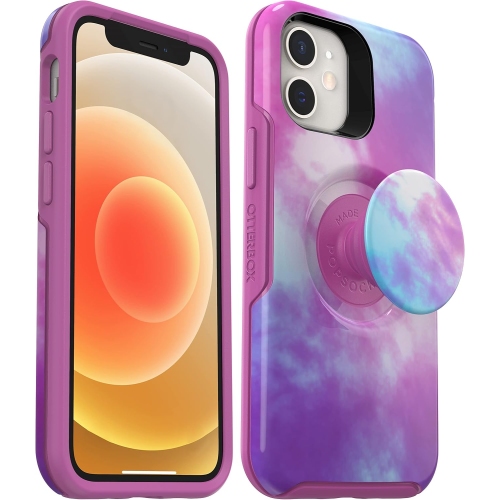 Your price for this item is $52
-
 Your price for this item is $49.99
-
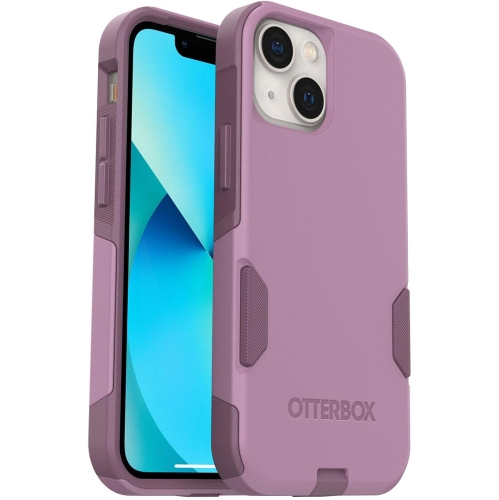 Your price for this item is $79
-
 Your price for this item is $34.95
-
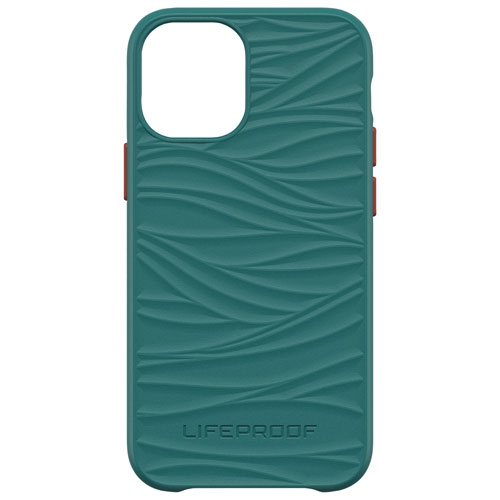 Your price for this item is $29.99
-
 Your price for this item is $49.99
-
 Your price for this item is $49.99
Discover more categories related to Protective Iphone 12 Mini Cases


Top Collections:
Pokemon Centers, Best Cameras for Sports Photography, Kindle Devices, Samsung Galaxy Phones, Canon G7X Cameras, Pokémon 30th Celebration Cards, Refurbished Apple Laptops, iPhone 15 Apple, Laptops for Students, Budget Smartphones
Some products may be subject to Environmental Handling Fees
(EHF) depending on your province.
Learn more about EHFs.