Redmi 14 Pro
Explore the latest in mobile innovation with the Redmi 14 Pro. Designed for those who appreciate advanced technology and sleek design, this smartphone delivers a seamless user experience for everyday tasks and entertainment. Whether you're capturing memories, staying connected, or enjoying your favorite apps, the Redmi 14 Pro offers reliable performance and modern style. Discover options that fit your lifestyle and elevate your mobile experience.
Sort
What matters most in a mid-range Android phone
Mid-range Android smartphones bring together the features that matter most for everyday communication, entertainment and photography, with enough flexibility to suit different routines. A large screen makes a noticeable difference when reading a transit map, reviewing a document or following a recipe with the phone propped on a kitchen countertop. Displays around 6.67 inches provide generous viewing space, although the overall dimensions, weight and shape of the edges determine how comfortable a phone feels in one hand. AMOLED technology can deliver deep blacks and strong contrast, while a higher refresh rate can make scrolling through messages and moving between apps look smoother. Screen brightness also matters: a display that looks clear indoors should remain readable when used outside, though actual visibility depends on reflections and brightness settings. Curved display edges can create a slim feel along the sides, while flatter surfaces may appeal to people who prefer a more defined grip or simpler screen protector installation. Neither shape alone determines durability. Glass, frame construction and protective accessories all contribute to how a phone handles daily knocks. Inside, processor performance and memory influence how quickly apps open and how comfortably the phone switches between navigation, music and messaging. Someone who mainly makes calls and checks email has different needs from someone who edits photos, joins video meetings and plays demanding games. Storage capacity deserves similar attention, particularly when photos, downloaded shows and large apps share the same device. The storage stated in the specifications includes space used by the operating system, so the amount left for personal files will be lower. Expandable storage is not a universal feature, making built-in capacity especially relevant for people who prefer to keep their media on the phone. Features such as adjustable text size, gesture controls and customizable home screens can also make a large-screen device easier to use, whether it is a first smartphone or a familiar replacement.
Camera specifications are useful starting points, but everyday image quality depends on more than the largest number on the spec sheet. A 200-megapixel main camera, for example, describes sensor resolution rather than a guarantee that every photo will contain that level of detail. Many high-resolution cameras combine information from neighbouring pixels to produce smaller files, while a separate high-resolution mode may be better suited to well-lit, relatively still scenes. Optical image stabilization can help reduce blur from small hand movements, but it cannot keep a moving child or pet still. For family photos, restaurant meals and quick snapshots during a walk, focus speed, image processing and the way a camera handles bright and dark areas can matter as much as resolution. An ultrawide lens can fit more of a room or group into the frame, while close-up performance and zoom quality vary with the camera hardware. Video users may also care about stabilization, microphone quality and whether their preferred resolution works with the features they use most. Battery life follows a similarly practical pattern. Capacity is only one factor; screen brightness, navigation, gaming, video calls and weak cellular reception can all affect how long a charge lasts. Fast charging can make a short stop at a desk more useful, provided the power adapter and cable support the phone’s charging requirements. Connectivity is particularly important for use in Canada, where supported network bands, carrier requirements and regional device versions can affect the experience. A 5G label by itself does not confirm compatibility with every carrier or service. Voice calling features, Wi-Fi calling, physical SIM arrangements and eSIM support may differ between versions. Software support also contributes to long-term usefulness: security updates, operating system updates and app compatibility help determine how well a phone continues to fit daily needs. These details are especially relevant when the device will be used for work accounts, mobile banking or travel.
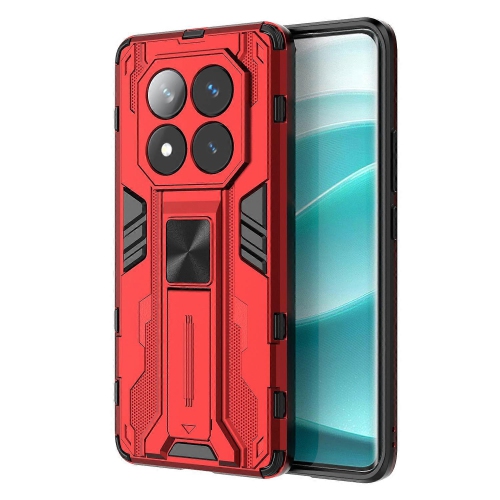
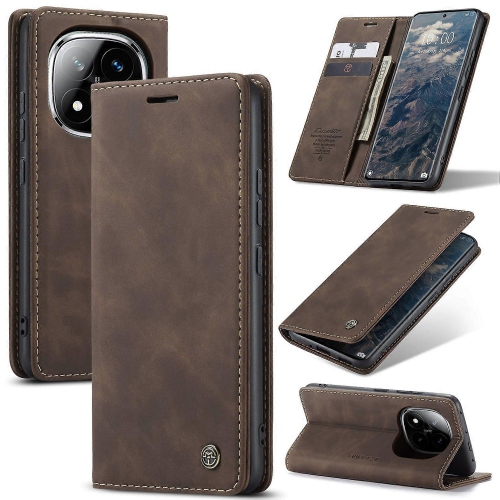
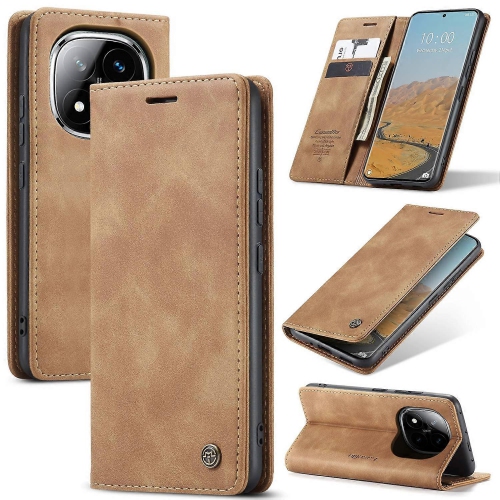
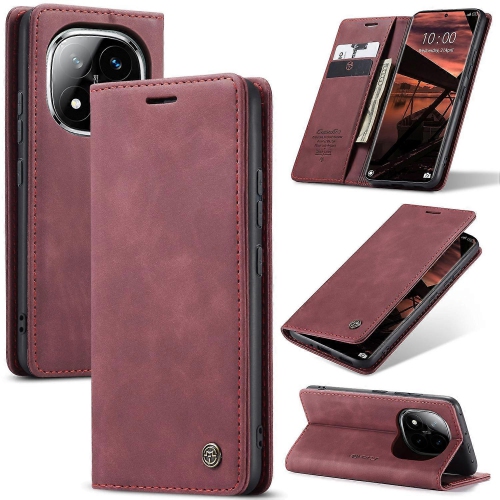
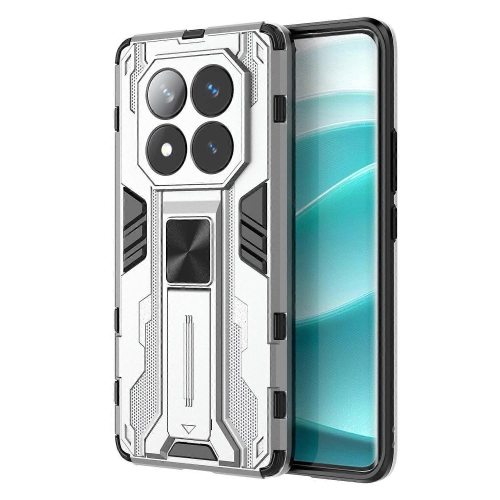
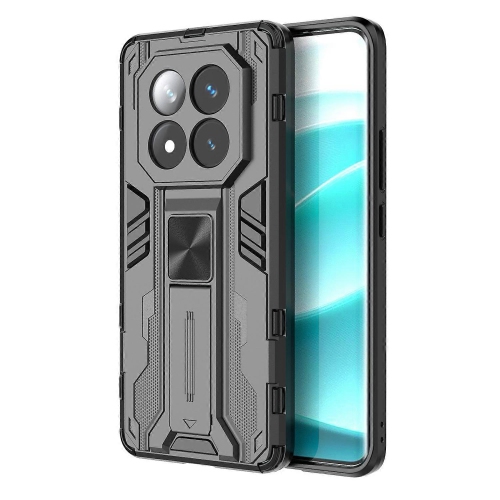
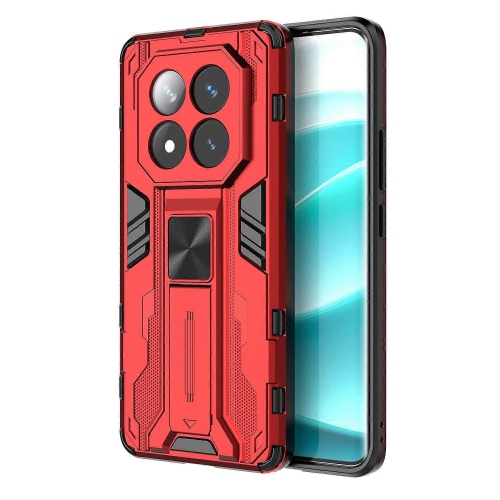
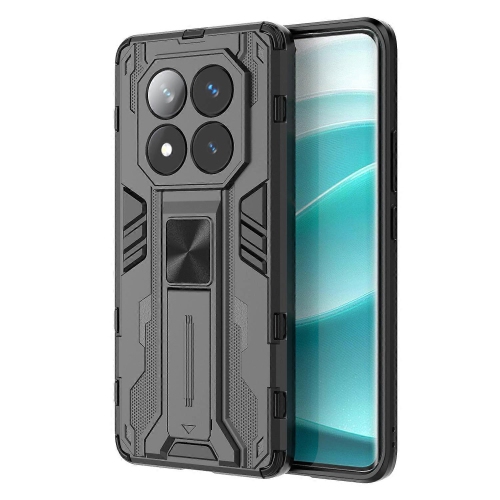
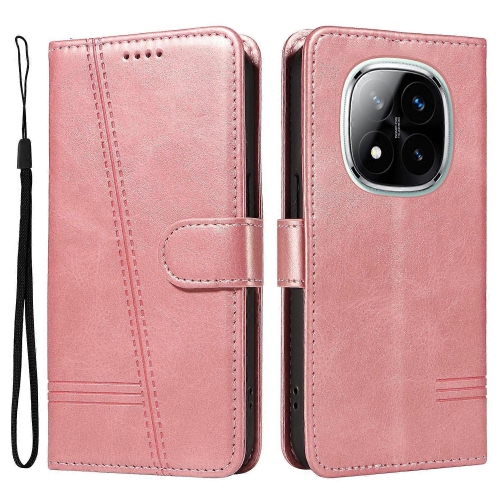
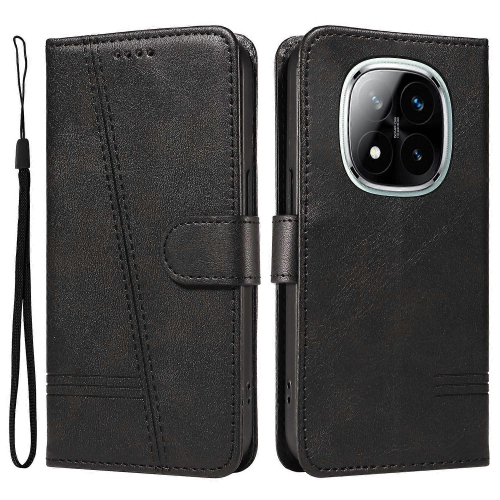
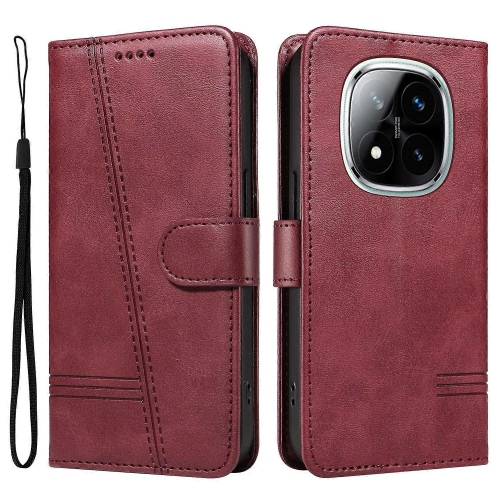
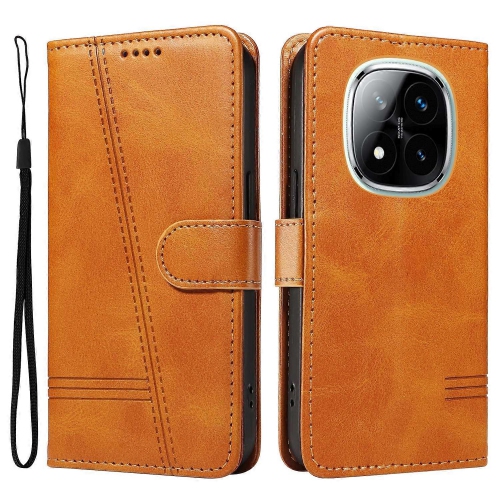
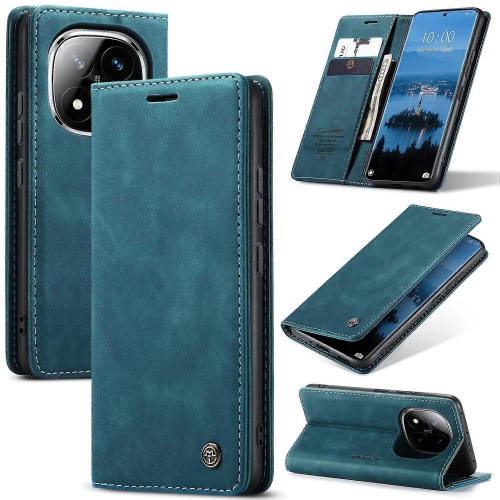
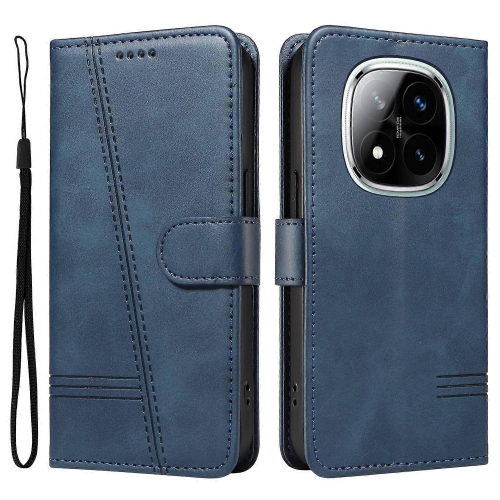
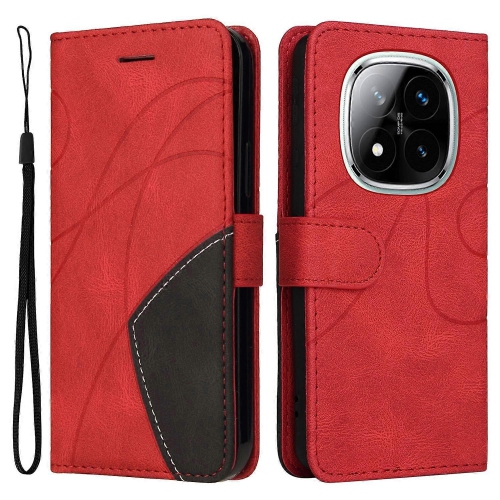
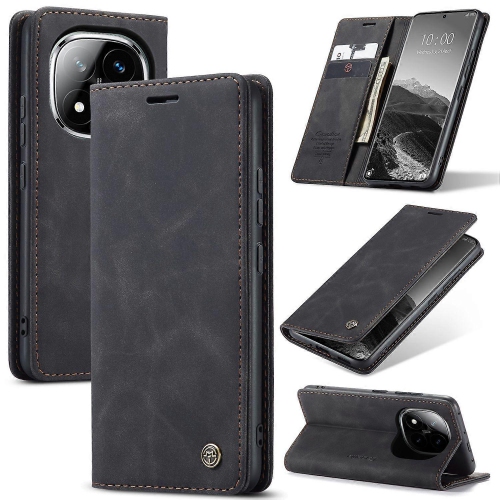
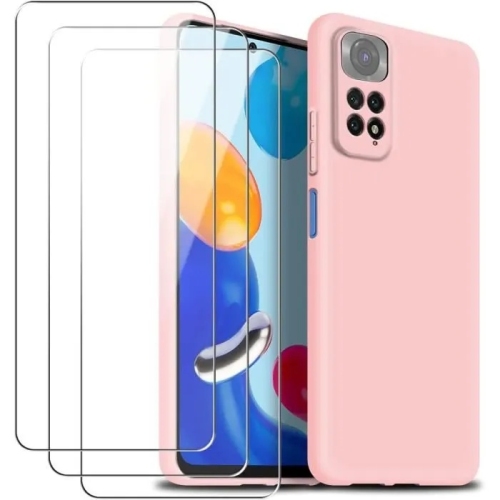
Comfort and care often shape satisfaction long after the first setup. A phone that fits securely in the hand is easier to manage while carrying a bag, checking a boarding pass or taking a photo without a nearby surface for support. A textured case can add grip, while raised edges may help keep the screen and camera area from touching a flat surface directly. Case fit depends on the exact device version, including camera placement, button positions and dimensions; a similar name or screen size does not guarantee compatibility. Screen protectors also need to suit the display shape and any fingerprint sensor beneath the glass. Water and dust resistance should be understood as a tested level of protection rather than permission to treat a phone as waterproof. Even when an IP68 rating is specified, the manufacturer’s stated test conditions and care guidance remain important, and resistance can change with wear or damage. A soft, lint-free cloth is generally suitable for routine cleaning, with liquids kept away from openings and cleaning products used only as directed by the manufacturer. Charging ports should remain free of debris, and a device exposed to moisture should be allowed to dry according to its care instructions before charging. Beyond protection, thoughtful setup makes the phone feel personal: larger text can ease reading, notification controls can reduce interruptions, and organized app folders can keep frequently used tools close at hand. For a gift recipient, comfort with Android, preferred screen size, carrier compatibility and the ease of transferring contacts and photos are more useful considerations than appearance alone. Students may appreciate room for coursework and downloaded media, commuters may prioritize clear navigation and dependable battery life, and family photographers may focus on camera consistency. Comparing screen dimensions, camera features and handling preferences with Xiaomi 15 Ultra can also help clarify which features deserve the most attention. The most suitable smartphone is one whose capabilities fit naturally into the way it will be carried, used and cared for each day.
Top selling and popular products
-
 Your price for this item is $59.83
-
 Your price for this item is $49.99
-
 Your price for this item is $29.99
-
 Your price for this item is $43
-
 Your price for this item is $38.99
-
 Your price for this item is $19.95
-
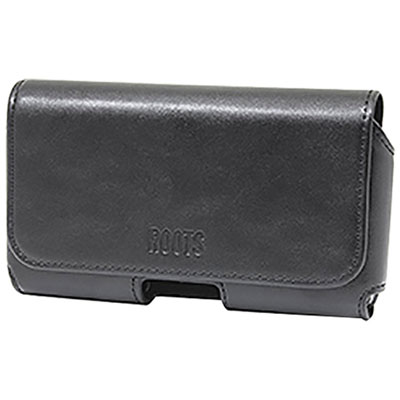 Your price for this item is $33.97
-
 Your price for this item is $44.99
Discover more categories related to Redmi 14 Pro
Top Collections:
Best Black Friday Deals This Year, Best Black Friday Deals On Electronics, Kindle Devices, Pokemon Centers, Best Black Friday Deals On Apple Products, Best Cameras for Sports Photography, Dyson Airwrap, Pokémon 30th Celebration Cards, Apple iPhone 17 Pro, Canon G7X Cameras
Some products may be subject to Environmental Handling Fees
(EHF) depending on your province.
Learn more about EHFs.