Samsung 14
Discover the impressive selection of Samsung 14 options designed to complement your everyday needs. Whether you're upgrading your home, enhancing your workspace, or searching for the perfect gift, Samsung 14 delivers reliable performance and sleek style. Explore a range of choices to find the ideal fit for your lifestyle, all backed by quality you can trust.
Sort
More room on screen for everyday smartphone routines
Everyday smartphones bring calls, messages, photos, navigation, and entertainment together in a device that fits into a pocket or bag. Entry-level models are particularly suited to familiar routines: checking a transit route before leaving home, joining a family video call, reading an email attachment, or listening to a podcast on the commute. A large display gives these activities more room without requiring a separate tablet. At 6.6 inches, measured diagonally, a screen can provide a comfortable viewing area for maps, subtitles, and longer messages, although the phone’s overall width and weight also affect how it feels in the hand. Full HD+ resolution helps keep text and images clearly defined; brightness, contrast, and viewing angles influence how easily the screen can be read in different lighting. LCD screens are common in this category and can work well for browsing, casual streaming, and everyday apps. The experience also depends on what is happening behind the screen. RAM supports active apps, while internal storage holds downloaded software, photographs, videos, and other files. A configuration with 4GB of RAM may suit straightforward use, but frequent switching between several demanding apps can benefit from more memory. Storage capacities such as 64GB or 128GB describe the total built-in space, some of which is occupied by the operating system and preinstalled software. Where a microSD slot is supported, a compatible memory card can provide additional room for photos and other files, though it does not necessarily expand the space available to every app. LTE and 5G describe cellular connection capabilities rather than the quality of the screen or camera. Actual service depends on the handset’s supported frequencies, the carrier, the plan, and local coverage. Wi-Fi provides another connection option at home, at school, or in a workplace, making these phones practical companions for both communication and light entertainment.
Cameras on everyday smartphones are useful for much more than posed photographs. They capture a child’s drawing before it goes into a folder, record a receipt for an expense claim, and preserve the details of a meal shared with friends. A 50MP main camera describes the sensor’s resolution, but megapixels alone do not determine the finished image. Lens quality, focusing, image processing, and available light all contribute to detail, colour, and clarity. Higher-resolution modes can be useful for retaining fine detail in good lighting, while everyday shooting modes may combine information from multiple sensor pixels to create smaller files. Additional lenses vary by model: an ultrawide camera takes in more of a scene, a macro camera focuses on nearby subjects, and other sensors may support particular effects. A front-facing camera serves video calls and self-portraits, where even lighting and a steady position often matter more than the specification alone. Battery capacity is another important part of daily use. A 5,000mAh battery indicates the amount of charge it can hold, not a guaranteed number of hours between charges. Screen brightness, cellular signal strength, streaming, navigation, and background activity all affect how quickly that charge is used. A phone running directions throughout a long journey has different demands from one used mainly for messages and occasional calls. Wired charging performance depends on the phone’s supported charging rate as well as the charger and cable; a higher-rated adapter cannot make a handset charge faster than its own limit. Battery size and charging speed are separate considerations, so a large battery may still take time to refill. For someone who carries a phone from breakfast through an evening appointment, the most relevant combination is dependable battery capacity, manageable app demands, and a charging routine that fits naturally into the day.
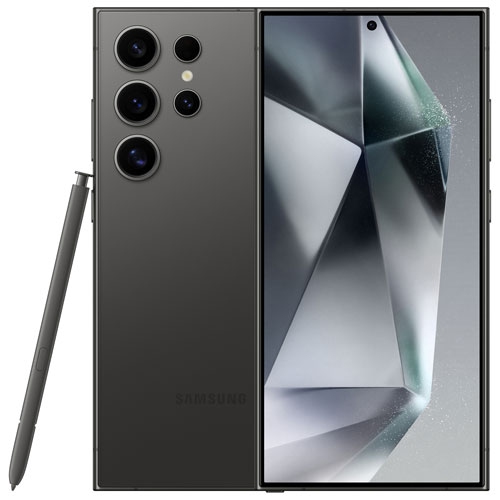
The physical design of a smartphone shapes its usefulness just as much as the feature list. A textured plastic back can offer a different grip from a smooth finish, while the front glass remains vulnerable to scratches and impacts regardless of the material used elsewhere. A larger handset gives photos and text more space, but it may feel less comfortable in smaller hands or a shallow pocket. Button placement, camera positioning, and the added thickness of a case all contribute to fit. Protective cases and screen protectors need to match the handset’s dimensions and cut-outs, not simply its screen size, and a case does not establish water resistance where none is specified. Everyday care is usually uncomplicated: a soft, lint-free cloth removes fingerprints, and charging ports benefit from being kept free of debris without inserting sharp objects. The manufacturer’s cleaning directions take precedence, particularly around openings and coated surfaces. These practical details matter for a first smartphone, a device for a student, or a phone given to a parent who wants a clear screen and familiar communication tools. Adjustable text size, accessible controls, and a straightforward home screen can make daily interactions more comfortable, while hearing-device compatibility and other accessibility features require confirmation for the individual handset. A smartphone given as a gift also needs to work with the recipient’s carrier and suit their preferences for size, colour, and setup. Software support contributes to usefulness over time, since security updates and app compatibility have their own requirements and timelines. The operating system version at launch does not by itself establish which updates a particular device will receive. For shoppers comparing different smartphone experiences, Samsung S24 Ultra provides a related point of comparison for screen, camera, and performance features. The right everyday phone is ultimately one whose size, connections, storage, and controls support the tasks its owner returns to most often, whether that means sharing family photographs, keeping appointments organized, or finding the way to a new address.
Top selling and popular products
-
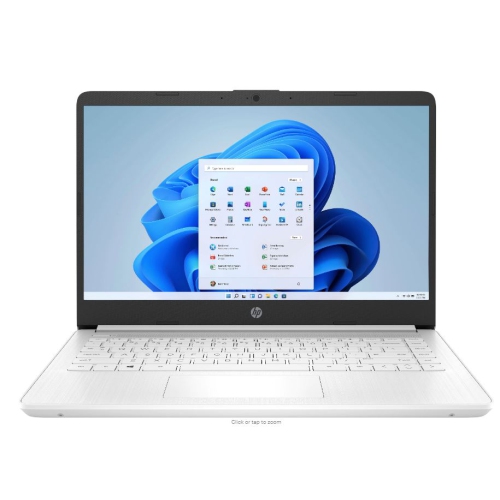 Your price for this item is $449
-
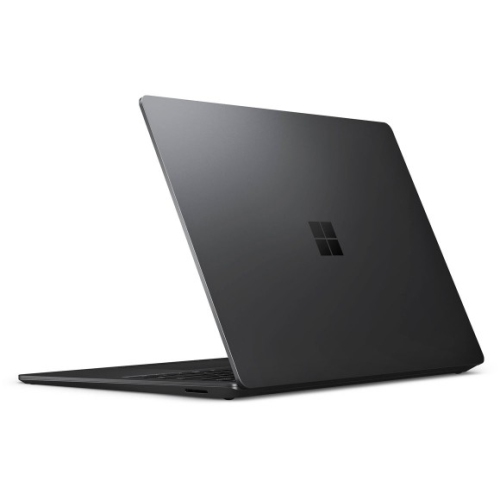 Your price for this item is $3099
-
 Your price for this item is $1800.68
-
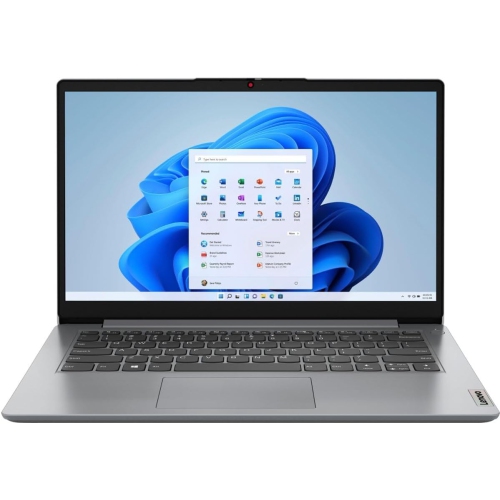 Your price for this item is $664.05
-
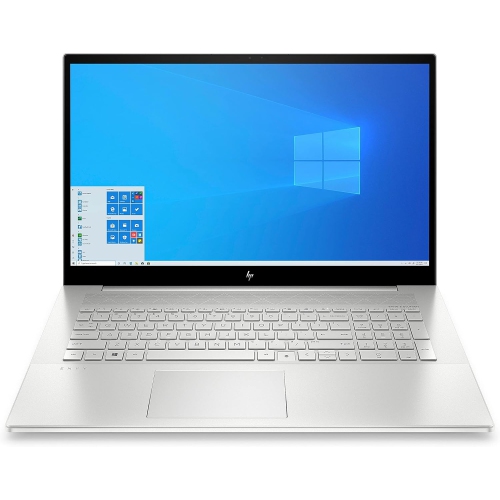 Your price for this item is $869.99
-
 Your price for this item is $2960.48
-
 Your price for this item is $499.68
-
 Your price for this item is $1951.79
Discover more categories related to Samsung 14

Top Collections:
Best Black Friday Deals This Year, Best Black Friday Deals On Electronics, Kindle Devices, Pokemon Centers, Best Black Friday Deals On Apple Products, Best Cameras for Sports Photography, Dyson Airwrap, Pokémon 30th Celebration Cards, Apple iPhone 17 Pro, Canon G7X Cameras
Some products may be subject to Environmental Handling Fees
(EHF) depending on your province.
Learn more about EHFs.