Samsung Galaxy S21 FE 5G Details
Discover the Samsung Galaxy S21 FE 5G Details and explore everything you need to know before making your next smartphone upgrade. From design elements to user experience, learn what sets this device apart and how it can fit seamlessly into your daily routine. Whether you're searching for a new companion for work or play, the Samsung Galaxy S21 FE 5G Details will help you find the perfect match for your needs.
Sort
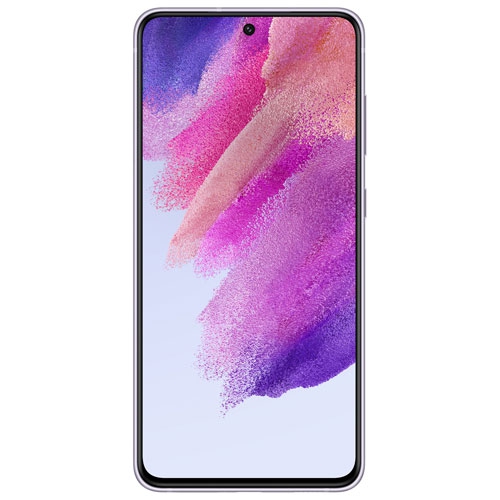
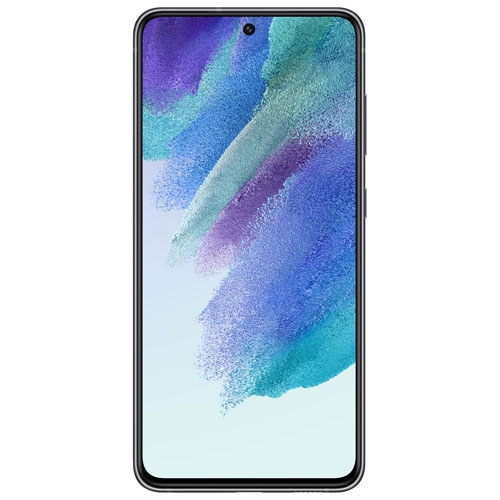
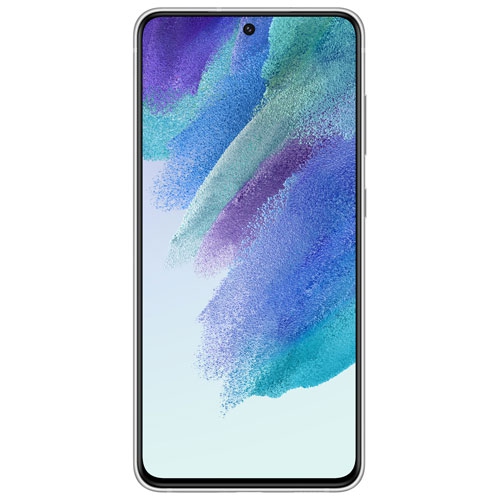
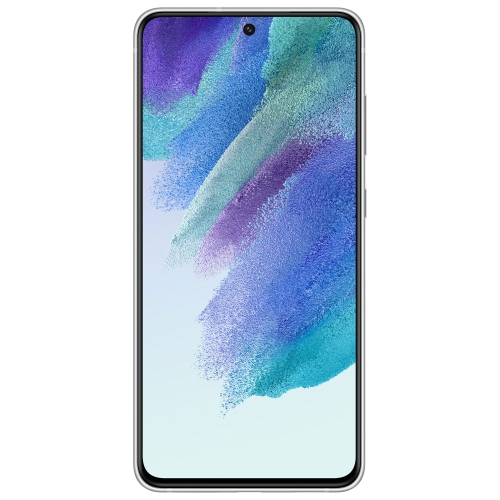
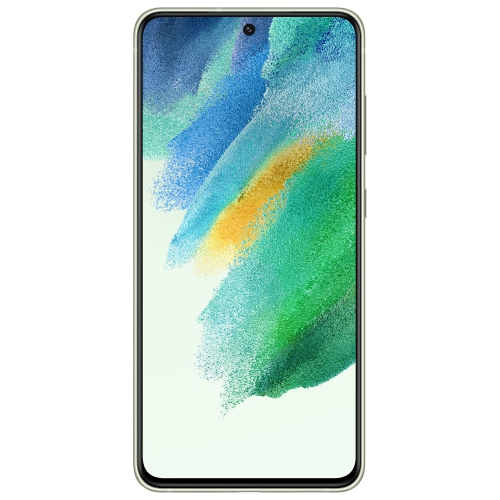
Why phone comfort goes beyond a 6.4-inch screen
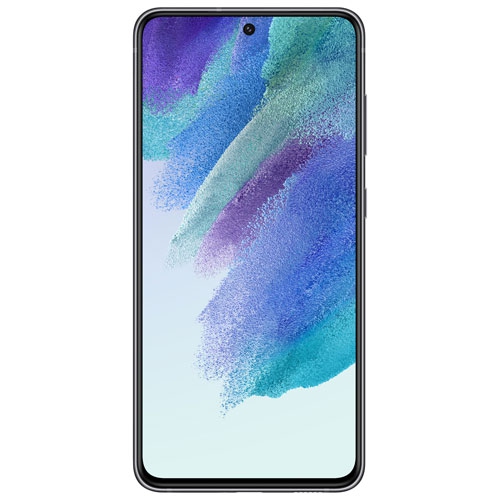
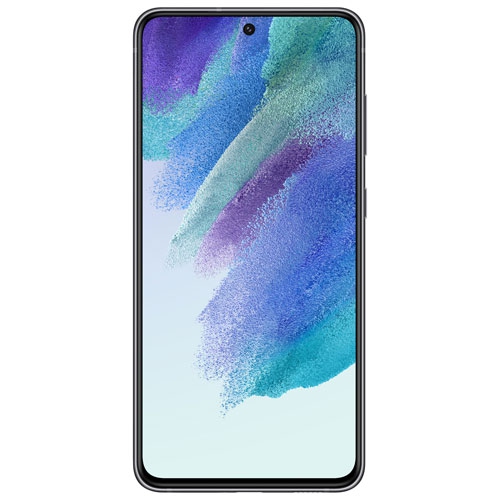
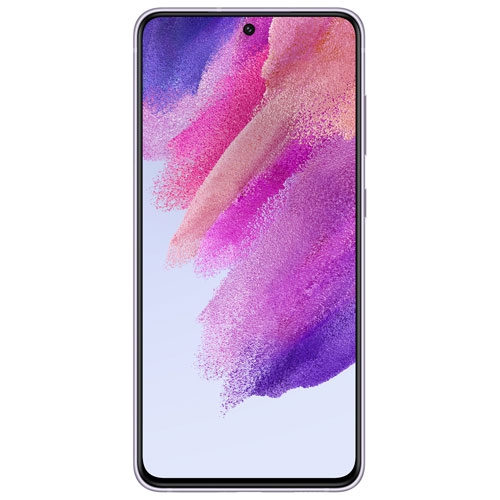
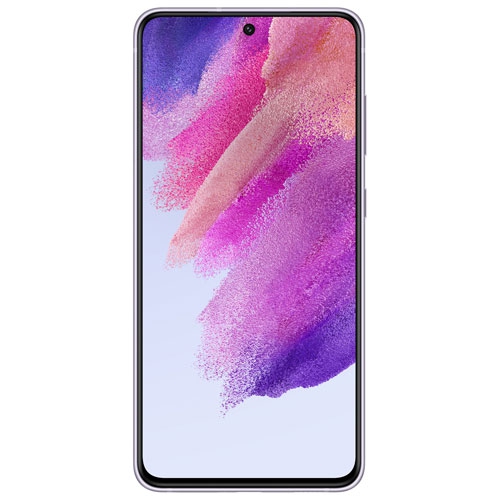
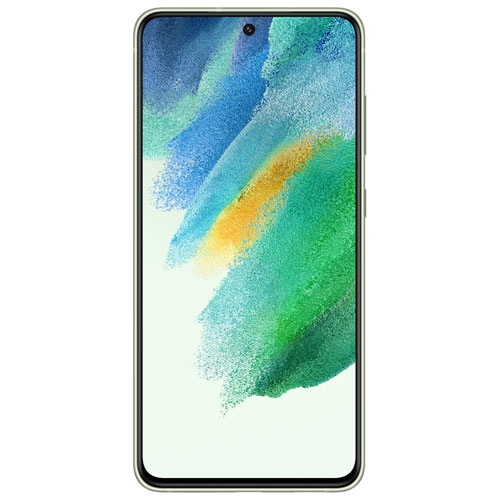
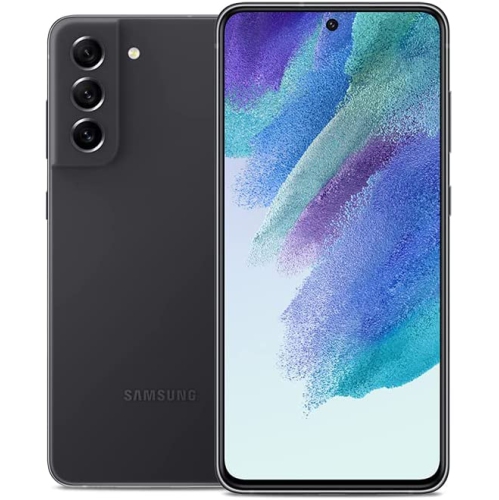
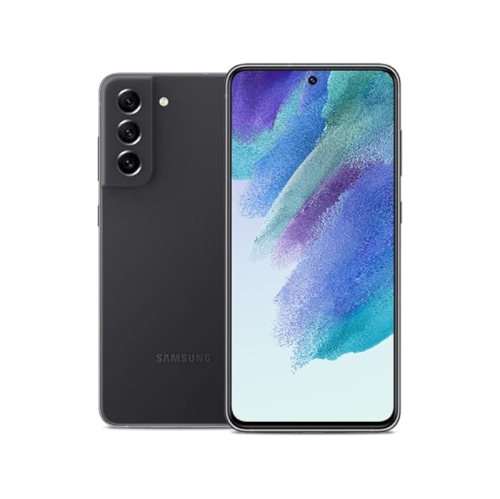
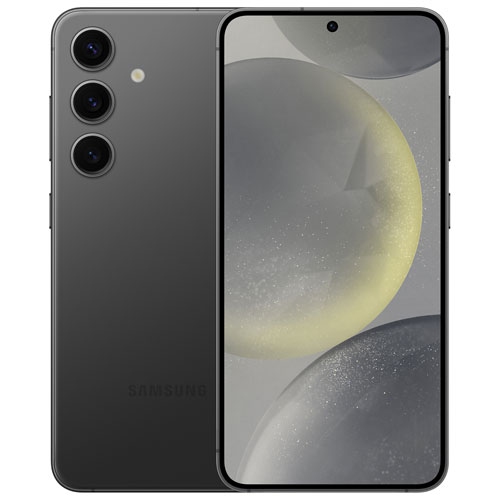
A 5G smartphone brings calls, messages, photography, navigation, and entertainment into a device that needs to feel comfortable through dozens of small interactions each day. Display size is an important part of that experience: a 6.4-inch screen offers room to read a transit map, review a document, or watch a video without moving into the largest handset sizes. A resolution of 1080 × 2400 pixels provides clear text and detailed images, while an AMOLED display produces deep blacks by controlling light at the pixel level. A refresh rate of up to 120Hz can make scrolling through photos and moving between screens look smoother, although the setting and the apps being used affect the visible benefit and battery consumption. Screen dimensions alone do not describe how a phone fits in the hand. Body width, weight, edge shape, and the extra thickness of a protective case all influence whether it feels secure when typing a reply or taking a picture one-handed. A glass front paired with a plastic back offers a different feel from an all-glass construction, and neither material makes a handset immune to scratches or damage from a fall. A textured case can improve grip, while a raised edge around the display and camera lenses helps keep those surfaces away from a tabletop. Button placement, access to the charging port, and room around the camera cut-outs matter just as much as colour when choosing a case. For screen protectors, precise sizing and compatibility with an in-display fingerprint reader help preserve everyday usability. These physical details are especially relevant for someone who carries a phone in a small bag, uses it frequently during a commute, or wants a manageable device for school and work. A comfortable fit is often more noticeable over time than a small difference on a specification sheet, particularly during longer reading sessions or video calls.
Performance depends on the combination of processor, memory, software, and the demands of the task, rather than on a single headline number. Memory configurations such as 6GB or 8GB support everyday multitasking, but app behaviour and software management also affect how readily a phone returns to an open document or game. Internal storage serves a separate purpose: it holds apps, photos, downloaded media, and other files. With capacities such as 128GB or 256GB, some space is reserved for the operating system and preinstalled software, so usable capacity is lower than the advertised total. Where there is no memory card slot, the built-in capacity deserves particular attention from anyone who keeps large games, offline playlists, or years of family photos on their phone. Camera specifications also become more useful when connected to real situations. A main camera handles everyday scenes, an ultra-wide camera fits more of a room or group into the frame, and a telephoto camera provides a closer view without relying entirely on digital enlargement. In a triple-camera arrangement with a 12-megapixel main camera, a 12-megapixel ultra-wide camera, and an 8-megapixel telephoto camera, each lens has a distinct job; the largest megapixel figure is not automatically the most useful one. Optical image stabilization helps reduce the effects of small hand movements, though it cannot keep a moving subject still. A 3× optical zoom can help frame a person across a table or isolate an architectural detail, while a high-resolution front camera supports self-portraits and video conversations. Video capture at up to 4K provides detail for viewing on a larger screen, but higher resolutions and frame rates require more storage. Lens choice, lighting, focus, and supported settings all affect the result. For parents photographing a birthday cake, students capturing presentation notes, or travellers saving street scenes, a versatile camera layout can be more practical than concentrating on one specification. Regular photo backups and occasional lens cleaning help keep those everyday memories accessible and images free of distracting smudges.
Battery capacity, charging options, and connectivity round out the details that shape daily use. A 4,500mAh battery describes stored charge, not a guaranteed number of hours between plug-ins: screen brightness, signal strength, navigation, gaming, and camera use all influence endurance. Support for up to 25W wired charging or 15W wireless charging also describes a capability rather than a constant charging speed. Reaching supported rates requires compatible charging equipment, and the rate changes during a charging session. Reverse wireless charging, where supported, can share some of the phone’s battery with a compatible accessory, making it useful for an occasional top-up rather than a substitute for routine charging. USB-C handles a physical charging connection, while Wi-Fi 6 and Bluetooth support different wireless needs, from connecting to a home network to pairing headphones. NFC can enable contactless functions when the relevant service and setup are supported. For mobile service in Canada, 5G access depends on the handset variant, supported network bands, carrier coverage, and plan; the presence of “5G” in a device description does not guarantee identical service everywhere. Regional variants can also differ in processor or connectivity specifications, so those details matter when comparing otherwise similar handsets. A comparison with the Samsung Galaxy S21 Ultra can centre on screen size, camera flexibility, dimensions, and weight to clarify which features suit the intended use. Durability deserves the same attention. An IP68 rating indicates dust and water resistance under defined laboratory conditions, not permission for unrestricted underwater use, and resistance can diminish with wear or damage. A soft, lint-free cloth is suitable for routine surface cleaning, with the device maker’s care directions taking priority. Keeping the charging port free of debris, maintaining backups, and checking software support are useful habits for long-term ownership. When choosing a phone as a gift, the recipient’s preferred size, carrier compatibility, storage needs, and accessibility requirements help make the choice personal and practical.
Top selling and popular products
-
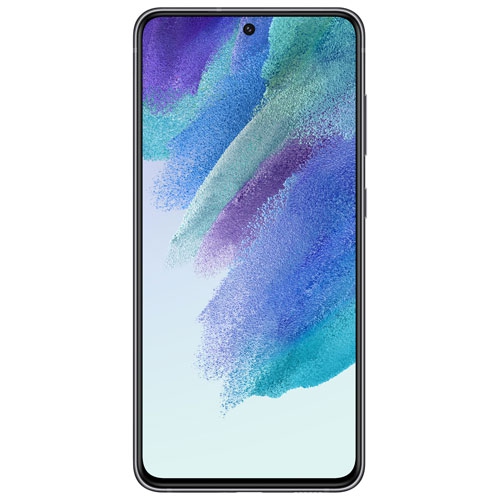 Your price for this item is $259
-
 Your price for this item is $739.99
-
 Your price for this item is $215.99
-
 Your price for this item is $379.99
-
 Your price for this item is $296.99
-
 Your price for this item is $379.99
-
 Your price for this item is $449.99
-
 Your price for this item is $449.99
Discover more categories related to Samsung Galaxy S21 FE 5G Details

Top Collections:
Pokemon Centers, Kindle Devices, Best Cameras for Sports Photography, Samsung Galaxy Phones, Laptops for Business Work, Canon G7X Cameras, Pokémon 30th Celebration Cards, Refurbished Apple Laptops, iPhone 15 Apple, Cordless Dyson Vacuums
Some products may be subject to Environmental Handling Fees
(EHF) depending on your province.
Learn more about EHFs.