Samsung S10 Screen Replacement
Restore your device’s clarity and touch responsiveness with Samsung S10 Screen Replacement options designed for a seamless fit and reliable performance. Whether you’re dealing with cracks, scratches, or an unresponsive display, these replacement screens help bring your phone back to life. Find the right solution to keep your Samsung S10 looking and functioning at its best, so you can stay connected without interruption. Explore a range of choices to match your needs and get your device back in top condition.
Sort




Why look-alike screens can differ in fit and function
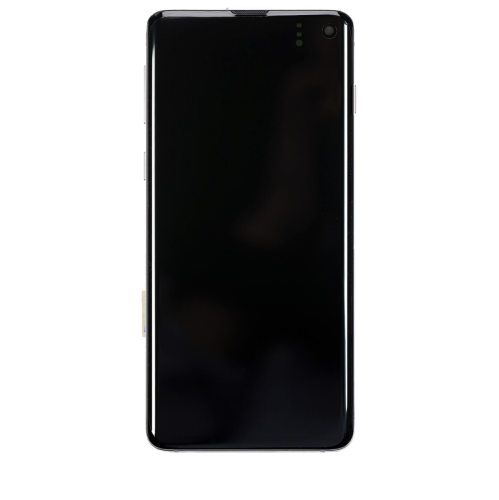
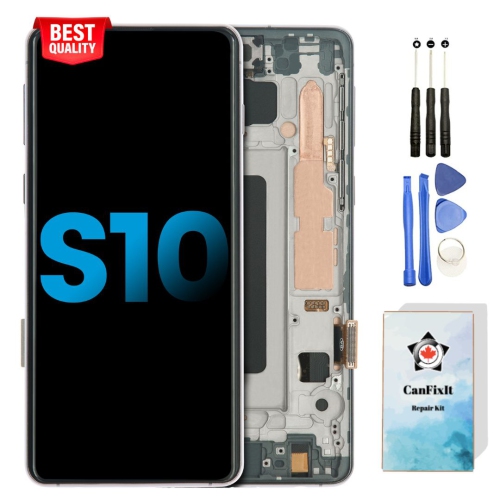
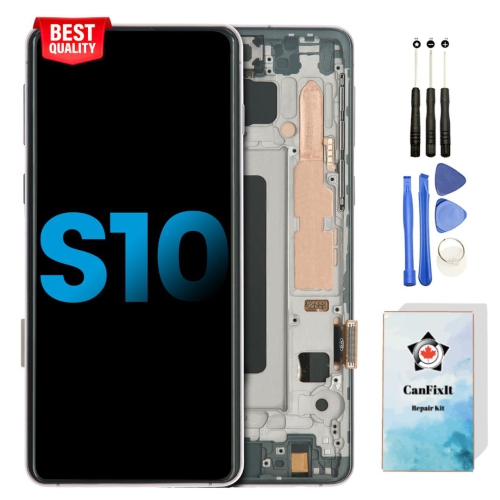
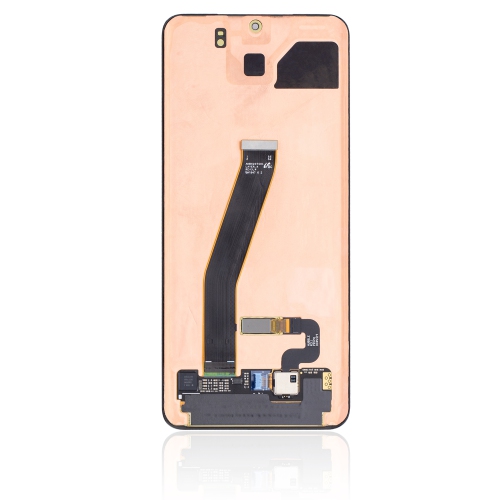
An S10 screen replacement is a replacement display component intended to restore the viewing and touch surface of a compatible phone after damage or display failure. A cracked front panel, flickering image, dark patches, coloured lines, or an area that no longer responds to touch can each affect everyday use, although these symptoms do not always have the same cause. Replacement parts differ in what they include: front glass is the outer protective surface, the display panel produces the image, and the digitizer detects touch input. A complete screen assembly combines several of these elements, making it different from a glass-only part. That distinction matters when a phone still shows a clear image beneath cracked glass compared with one that has lost both its picture and touch response. Glass-only replacement generally requires specialist separation and bonding equipment; it is not interchangeable with replacing a complete display assembly. For shoppers comparing parts, the most useful details are the compatible model number, panel technology, included components, and whether the assembly comes attached to a frame. Similar-looking phones within the same family can have different dimensions, curves, camera openings, and internal connectors, so the series name alone is not enough to establish fit. A screen intended for a larger, smaller, or differently equipped version should not be assumed to work with the standard model. Matching the model number shown in the phone’s settings or original documentation to the part’s stated compatibility helps prevent an otherwise convincing visual match from becoming an installation problem. Broader compatibility options can also be explored through Samsung Screen Replacement. For this type of purchase, the replacement component’s specifications matter more than a photograph: two assemblies can look nearly identical from the front while supporting different hardware or requiring different installation work. Clear compatibility information gives shoppers a firmer basis for choosing a part that suits the phone they already use.
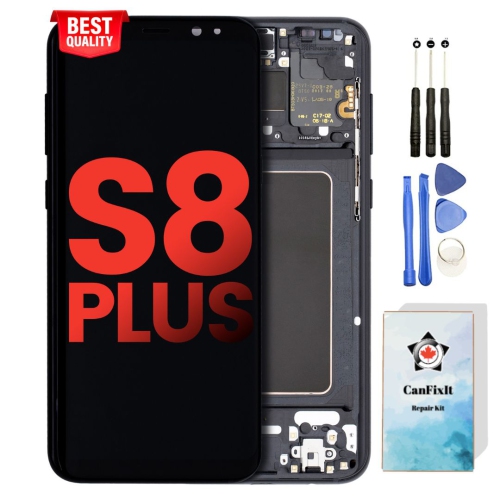
Display technology has a direct effect on how a replacement screen looks and behaves. The original display uses OLED technology, in which individual pixels produce their own light, allowing deep blacks and strong contrast without a separate backlight. A compatible OLED replacement is therefore generally closer to the original display design than an LCD alternative, though panel quality, brightness, colour accuracy, and touch performance can still vary. LCD replacements use a backlight and may differ in thickness, visible display area, power consumption, or support for the under-display fingerprint reader. A description that says a panel fits the phone does not necessarily confirm that every original feature will work as expected. Fingerprint compatibility deserves particular attention because it depends on the display construction as well as correct installation, and some replacement designs do not support it. For someone who unlocks a phone repeatedly to check messages, approve payments, or open work apps, that difference can be more noticeable than a small change in colour. The distinction between a screen supplied with a frame and one supplied without a frame is equally important. A framed assembly has the display attached to a supporting housing, which can reduce the need to separate and bond the display to the existing frame, but other internal components may still need to be transferred. An unframed assembly relies on the condition and alignment of the phone’s existing structure. A bent frame can prevent a new panel from sitting evenly and may place stress on the glass. Adhesive, seals, brackets, and tools are not necessarily included with either format, so package contents should be considered separately from compatibility. Terms such as original, aftermarket, and refurbished describe different sourcing or refurbishment claims rather than a universal quality level. Detailed information about condition, testing, feature support, and warranty coverage is more useful than a broad claim of premium quality, especially when the phone is expected to remain a dependable daily device.
Replacement screens are practical components for people who want to keep using a familiar phone for calls, navigation, photography, entertainment, and account access. They may suit an experienced repair hobbyist sourcing a compatible assembly or a phone owner arranging installation with a technician who accepts customer-supplied parts. They are less suited to an unplanned gift, since precise model compatibility and the recipient’s repair arrangements determine whether a part will be useful. Even a complete assembly is not a plug-in accessory: installation involves opening the handset, handling delicate connectors, and working near the battery. A damaged battery, distorted housing, or fault elsewhere in the phone can also affect whether a display replacement is the appropriate solution. Professional assessment is particularly useful when the glass appears intact but the image disappears, or when a drop has left both the screen and body visibly damaged. Data preservation is another practical consideration. A replacement display does not itself provide storage or restore missing files, and repair work is a good reason to have a current backup whenever the phone remains accessible. Once fitted, the screen’s durability depends on the quality of the component, proper seating, the condition of the supporting frame, and how the phone is handled. A well-fitting case with a raised edge can help limit contact between the glass and a flat surface, while a compatible screen protector can reduce scratches from everyday handling. Protectors should suit the display’s shape and fingerprint-sensing requirements rather than simply match its approximate size. Gentle cleaning with a soft, lint-free cloth helps remove fingerprints without abrasive wear; liquid should not be allowed to collect around openings or newly bonded edges. Replacing a screen does not automatically restore the phone’s original water resistance, since that depends on seals, assembly quality, and appropriate testing. For a phone used to read transit directions, join video calls, or review documents, a suitable replacement is one that balances accurate fit, readable images, responsive touch, and clearly stated feature support—not merely an unbroken surface.
Top selling and popular products
-
 Your price for this item is $59.99
-
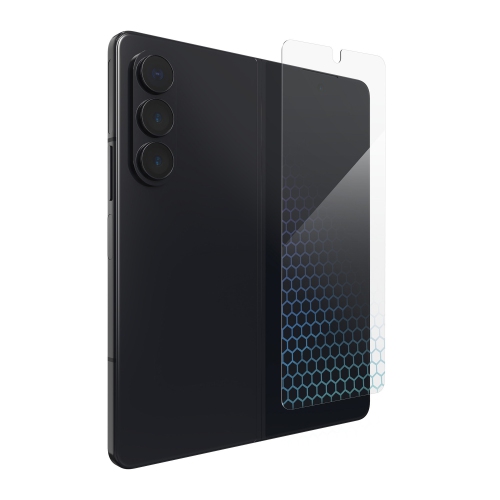 Your price for this item is $59.99
-
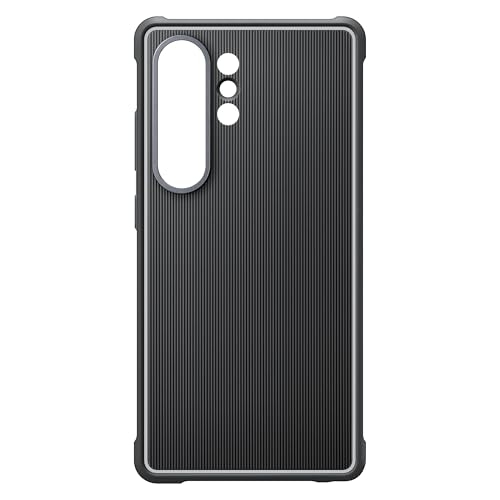 Your price for this item is $89.99
-
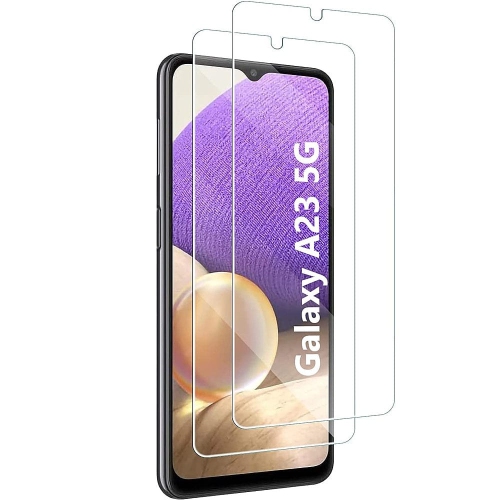 Your price for this item is $52
-
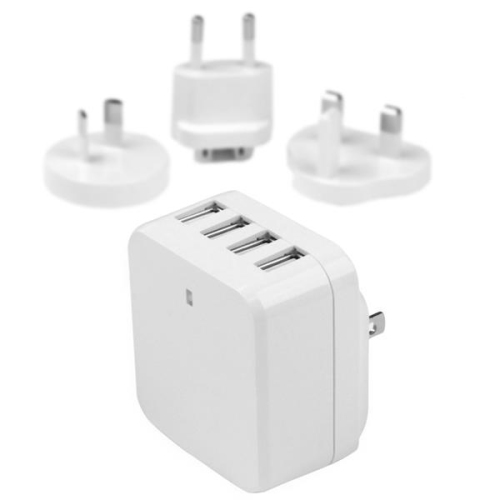 Your price for this item is $49.99
-
 Your price for this item is $34.37
-
 Your price for this item is $52.49
-
 Your price for this item is $16.79
Discover more categories related to Samsung S10 Screen Replacement

Top Collections:
Pokemon Centers, Best Budget Office Chairs, Kindle Devices, Best Cameras for Sports Photography, Best Laptops for Writers, Pokémon 30th Celebration Cards, Laptops for Business Work, Samsung Galaxy Phones, Canon G7X Cameras, Best Cell Phones Under $300
Some products may be subject to Environmental Handling Fees
(EHF) depending on your province.
Learn more about EHFs.