Samsung S23 Ultra Chargers
Power up your device with a Samsung S23 Ultra Charger, designed to keep you connected throughout your busy day. Whether at home, in the office, or on the go, finding the right charger ensures efficient charging for your smartphone. Explore a selection of reliable charging solutions that are compatible with your Samsung S23 Ultra, making it easy to stay charged and ready for anything.
Sort


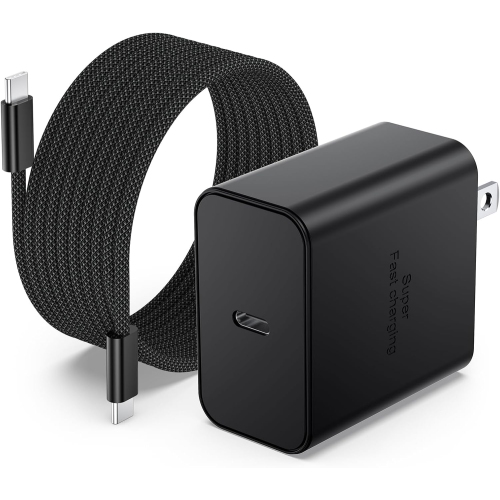

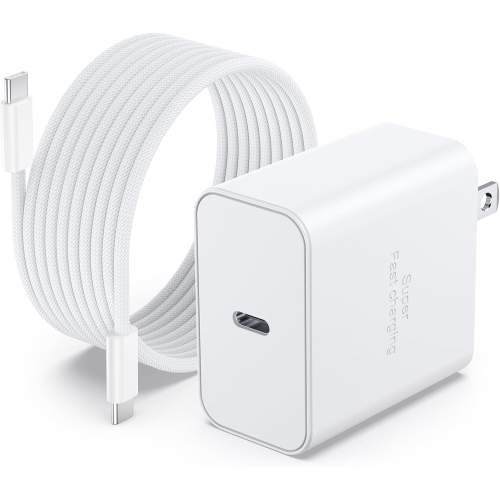
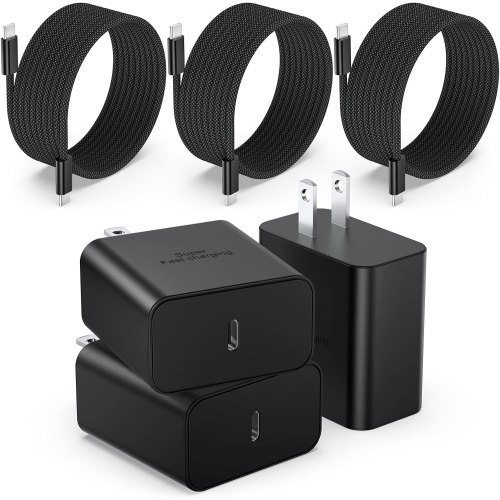


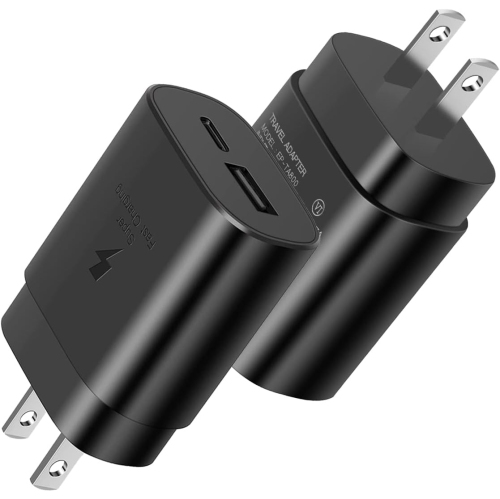
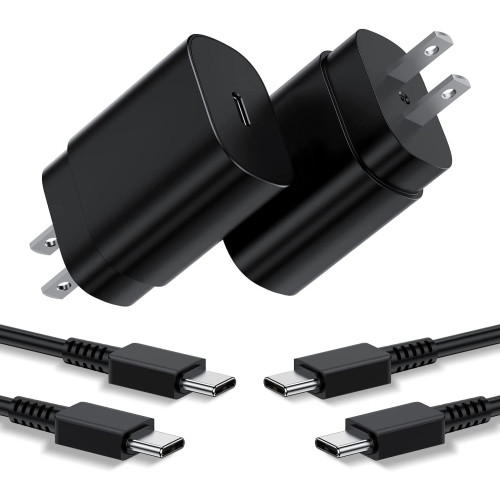

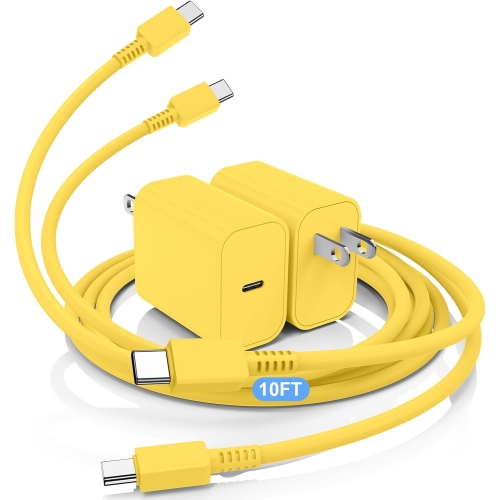
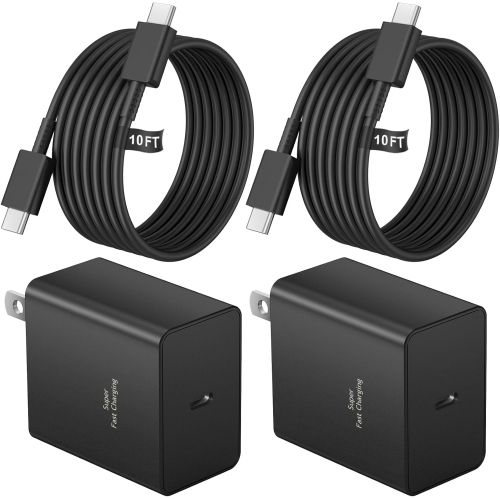


Why 45W charging depends on more than wattage
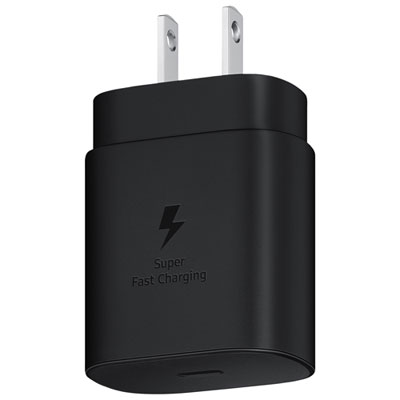
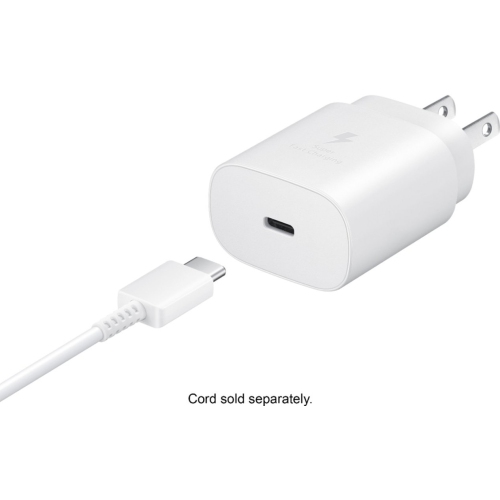
A dependable phone charging setup starts with the right combination of power adapter, cable, and charging protocol. USB-C chargers may look similar, but their power capabilities can differ substantially, especially when fast charging is the priority. For a compatible phone to reach up to 45W wired charging, the setup needs a USB-C Power Delivery adapter with Programmable Power Supply support, usually shortened to USB PD PPS, and a suitable 5A electronically marked USB-C to USB-C cable. A 100W-rated or 240W-rated cable can meet that cable requirement when its specifications confirm 5A support. The adapter also needs the appropriate PPS output range for the phone; a 45W label alone does not establish full compatibility. PPS allows the charger to adjust its output as the phone’s charging requirements change, rather than relying only on fixed power levels. An adapter rated above 45W can also be suitable when it supports the required protocol and output, but its higher rating does not make the phone accept more power than it supports. Likewise, pairing a high-output adapter with a cable limited to 3A can prevent the setup from reaching its intended maximum. These details matter most for short charging sessions, such as plugging in while getting ready to leave or replenishing the battery between appointments. Maximum wattage is a peak capability, not a constant charging rate throughout the session. Battery level, device settings, and active use all affect charging performance, and power typically tapers as the battery fills. A lower-output compatible charger can still be practical for longer periods at a desk or beside the bed, where reaching the highest supported speed is less important. Clear specifications for USB PD, PPS, cable current, and individual port output provide a more useful picture of compatibility than broad claims about fast charging. They also help distinguish a complete charging setup from an adapter that needs a separately matched cable.
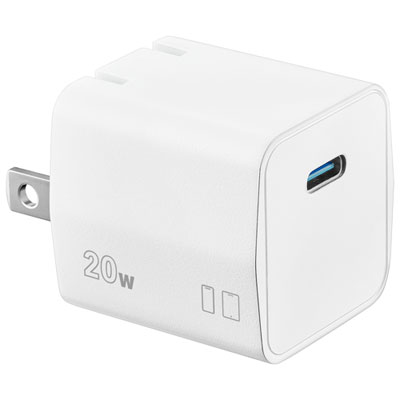
Physical design makes a noticeable difference to how comfortably a charger fits into everyday routines. A compact wall adapter leaves more room around a crowded power bar, while a wider housing may overlap neighbouring sockets even when it has only one charging port. Foldable prongs can make an adapter easier to pack without catching on a pouch lining, and a firm, well-fitted plug helps keep the connection steady at the wall. Some compact adapters use gallium nitride, often called GaN, which can support a smaller design at a given power level; it does not, by itself, confirm the charging protocols a phone requires. Durable housings, securely seated ports, and electrical safety certification appropriate for use in Canada are useful considerations alongside size. Cable fit deserves equal attention. A USB-C connector should seat fully without needing force, including when the phone is inside its usual case. Thick case edges or a narrow opening around the charging port can interfere with an oversized connector housing. Cable length also changes the experience: a short lead keeps a desktop tidy, while a longer one can reach from a wall socket to a bedside table without leaving the phone suspended or placing tension on its port. Smooth cable jackets are easy to wipe clean and slide neatly into a bag; braided finishes offer a textured feel and can help resist everyday abrasion, although construction quality matters more than appearance alone. Reinforced strain relief near the connectors helps manage the repeated bending that occurs when a phone is picked up while plugged in. For care, disconnect cables by holding the connector rather than pulling the cord, coil them loosely for storage, and keep plugs and ports dry and free of debris. Fraying, exposed wiring, bent connectors, or a loose connection are reasons to stop using a cable or adapter. Keeping the charging setup uncovered and following its care instructions helps support reliable use over time.
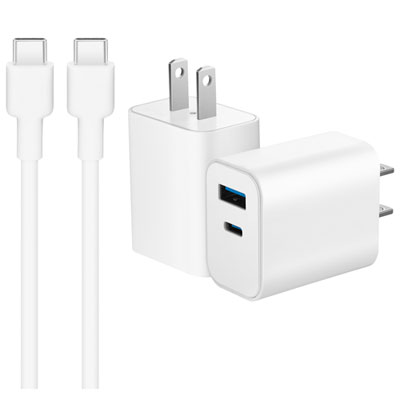
Different charging formats suit different places, from a dedicated wall adapter beside a favourite chair to a multi-port hub shared by several devices on a work surface. Single-port adapters keep the arrangement straightforward because there is no need to divide the charger’s rated output among connected devices. Multi-port designs can reduce the number of wall sockets needed, but their total wattage is not necessarily the wattage delivered by each port. Connecting a second device may change the power allocated to the phone, so the port-by-port specifications and shared-output combinations matter. A charger intended to serve both a phone and a computer needs enough power for the computer as well as the correct charging support for each device. For a separate computer charging setup, Samsung Laptop Chargers are a related category, with compatibility determined by the computer’s connector, power requirements, and supported charging standard. Wireless pads and stands offer another convenient way to keep a phone within reach, particularly on a desk where it is picked up frequently. Wireless charging can reach up to 15W on a compatible phone with an appropriately supported charger and power adapter, but a pad’s advertised maximum does not guarantee that speed for every phone. Alignment, case construction, and the power supplied to the pad all matter. A stand can hold the screen upright for checking notifications, while a flat pad provides a simple place to set the phone down. Metal plates, card holders, or incompatible case attachments can interfere with wireless charging and may need to be removed. In a vehicle, a compatible USB-C PD PPS adapter can provide wired charging during navigation without relying on a built-in USB port with limited output. For commuters, students, or anyone splitting time between home and work, a dedicated setup in each location saves repeated unplugging and packing. Chargers can also make practical gifts when the recipient’s phone requirements, preferred charging format, and cable needs are known, making everyday fit just as important as the highest wattage on the label.
Top selling and popular products
-
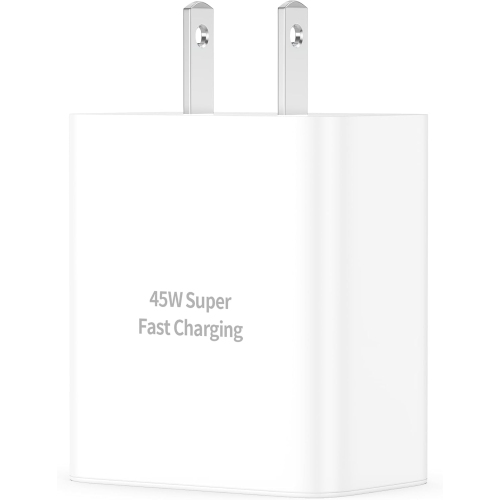 Your price for this item is $27.99
-
 Your price for this item is $24.99
-
 Your price for this item is $16.99
-
 Your price for this item is $24.99
-
 Your price for this item is $25
-
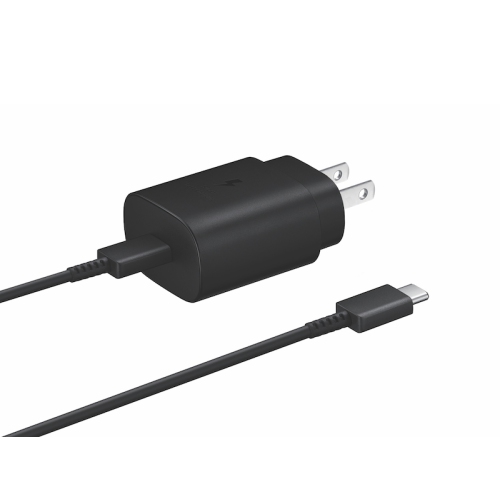 Your price for this item is $14.99
-
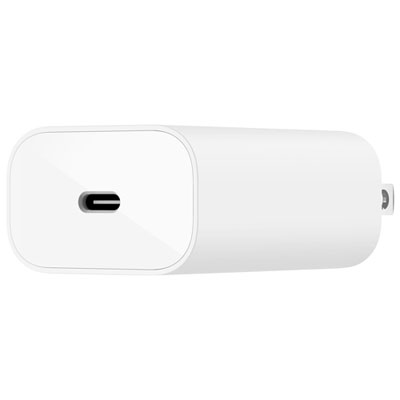 Your price for this item is $24.99
-
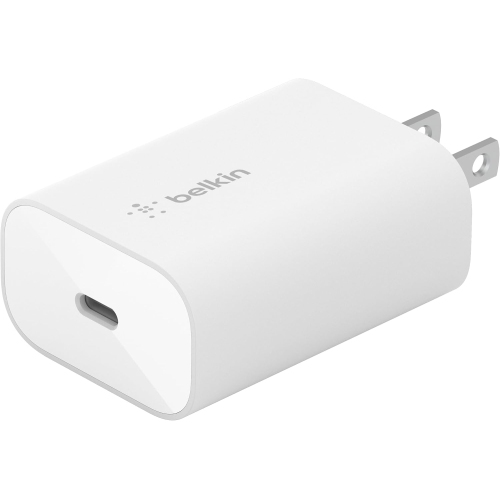 Your price for this item is $60.49
Discover more categories related to Samsung S23 Ultra Chargers


Top Collections:
Pokemon Centers, Best Cameras for Sports Photography, Kindle Devices, Samsung Galaxy Phones, Canon G7X Cameras, Pokémon 30th Celebration Cards, Refurbished Apple Laptops, iPhone 15 Apple, Laptops for Students, Budget Smartphones
Some products may be subject to Environmental Handling Fees
(EHF) depending on your province.
Learn more about EHFs.