Samsung USB-C Charging Cables
Stay powered up and connected with samsung usb-c charging cables designed for reliable charging and data transfer. Whether you need a replacement cable or an extra for your home, office, or travel bag, these cables are compatible with a range of USB-C devices. Explore options in various lengths and styles to find the right fit for your charging needs. Shop samsung usb-c charging cables to keep your devices ready whenever you need them.
Sort



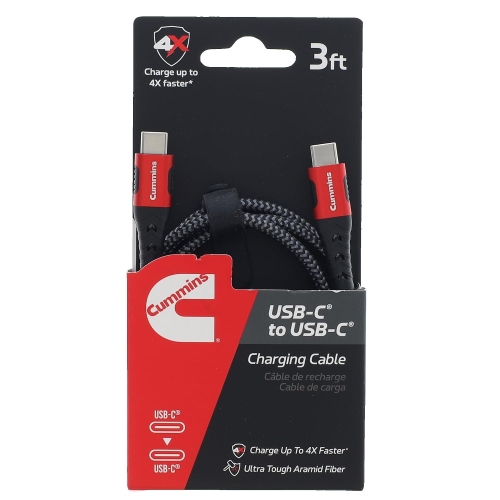
Why charging cable compatibility goes beyond the connector
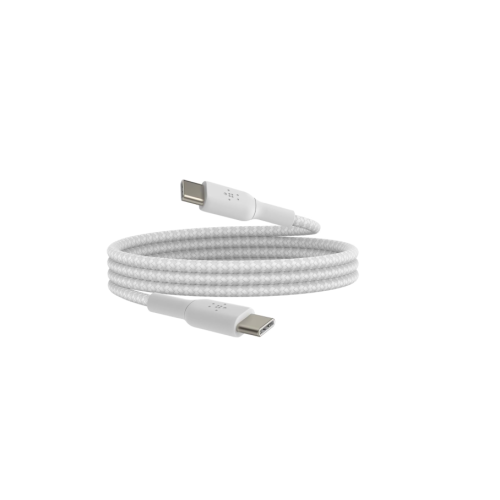
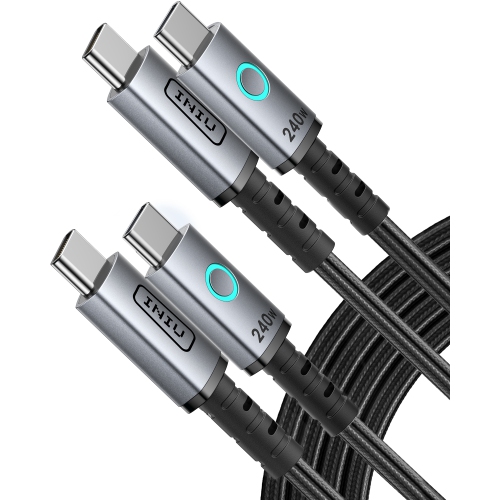
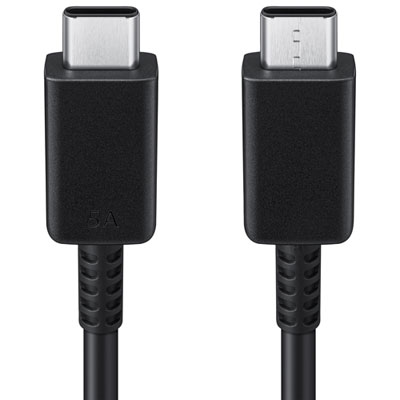
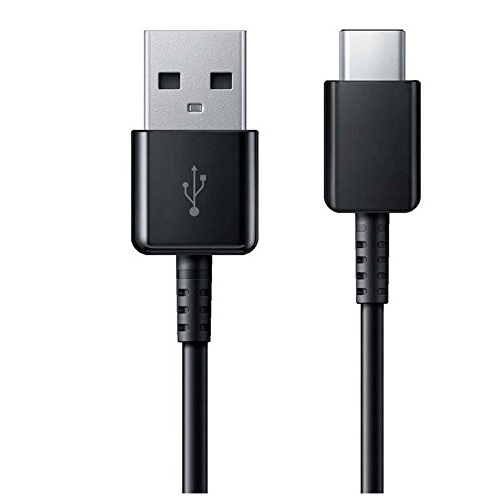
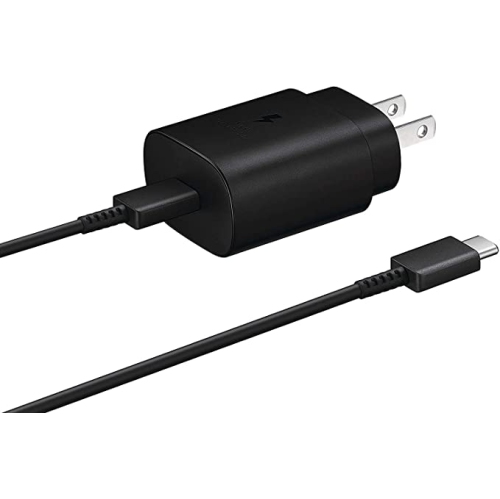
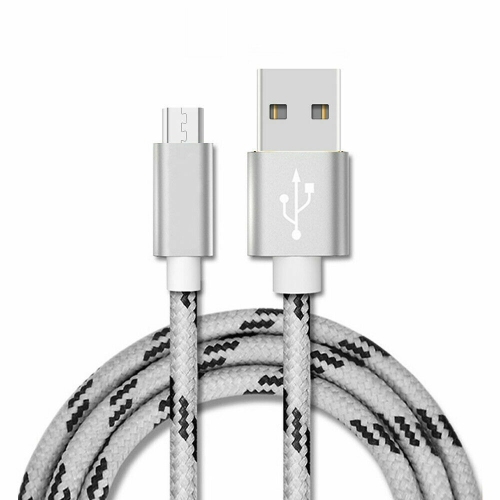
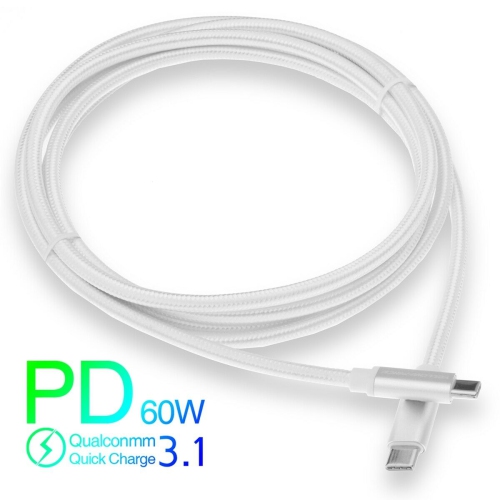
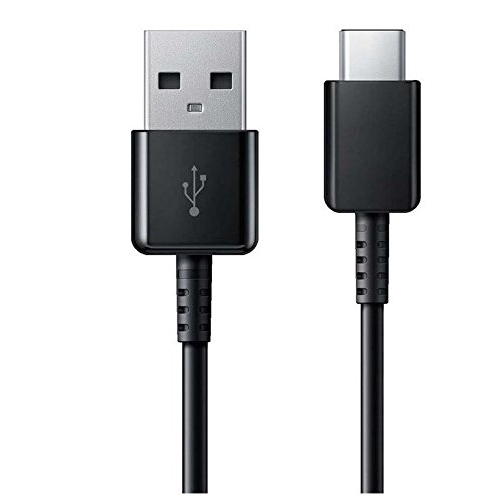
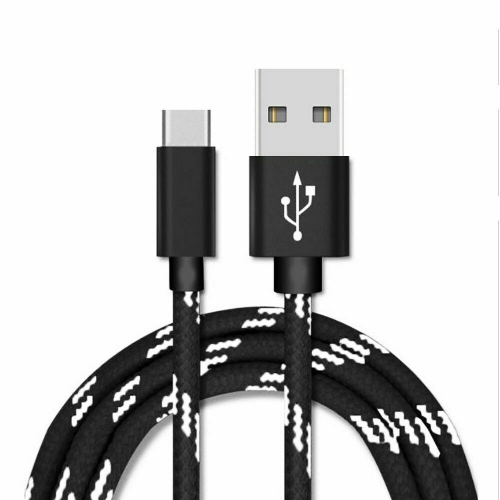
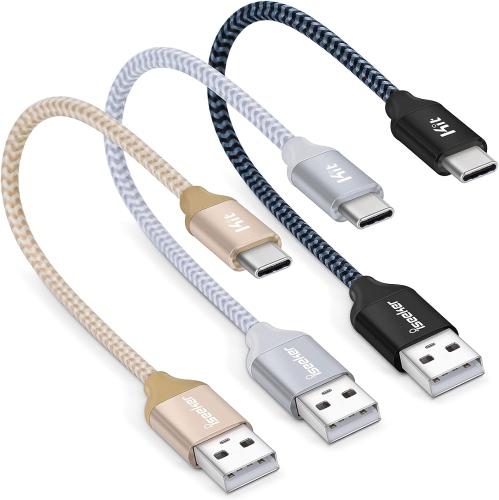
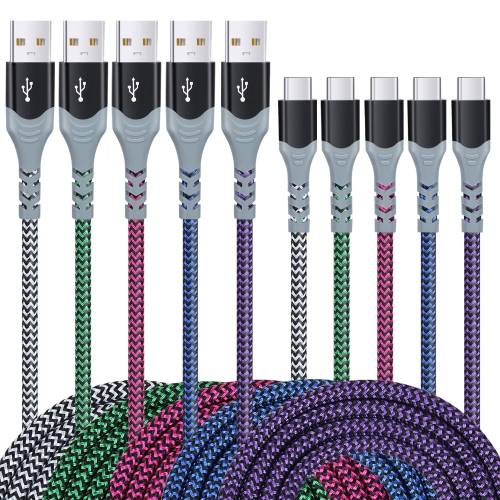
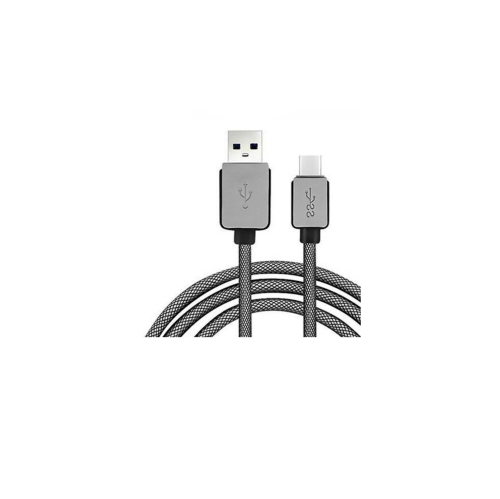
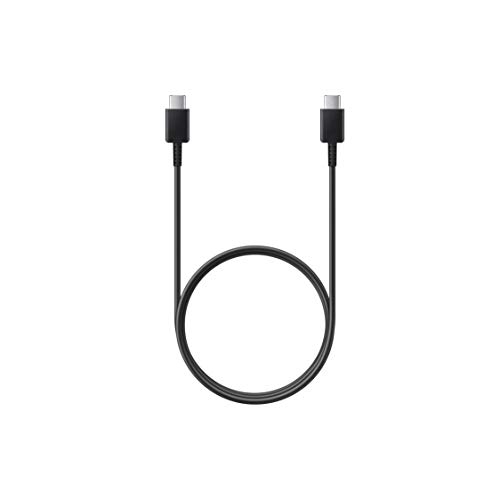
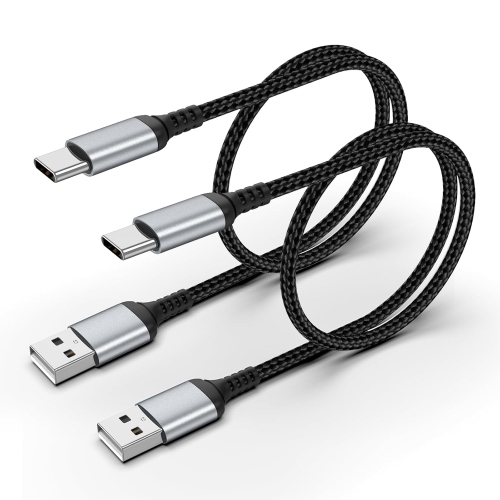
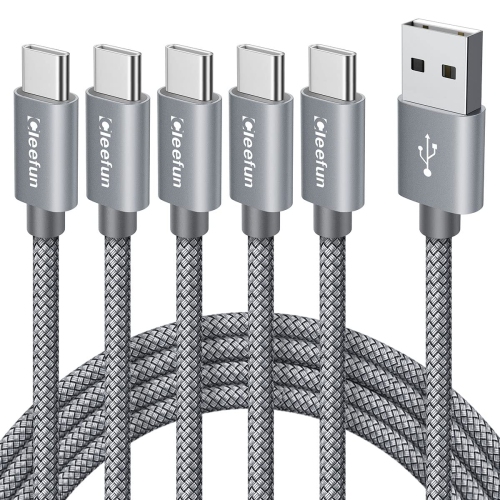
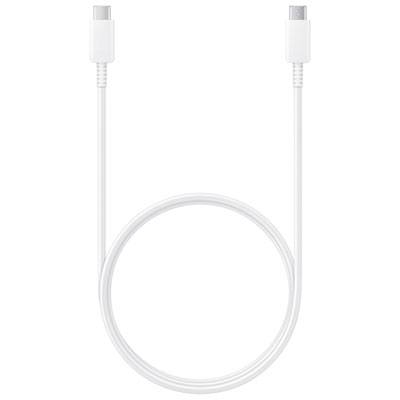
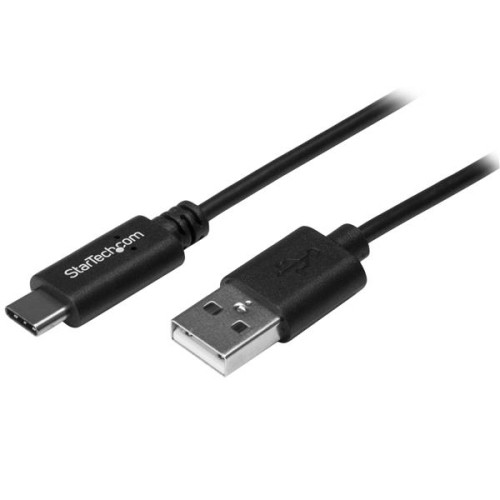
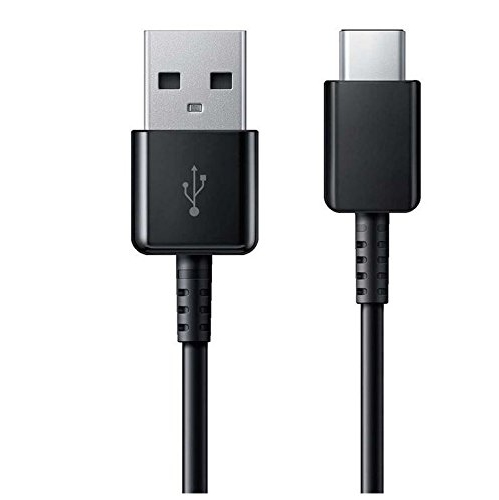
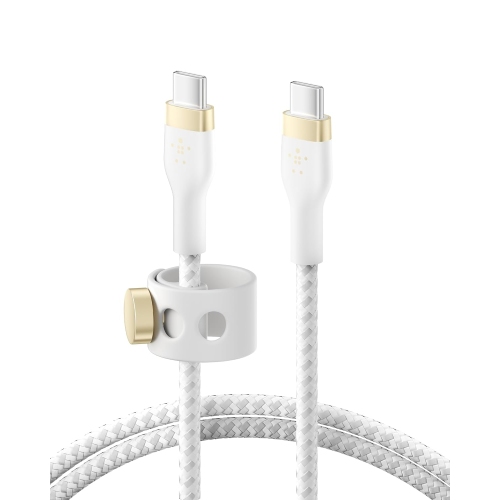
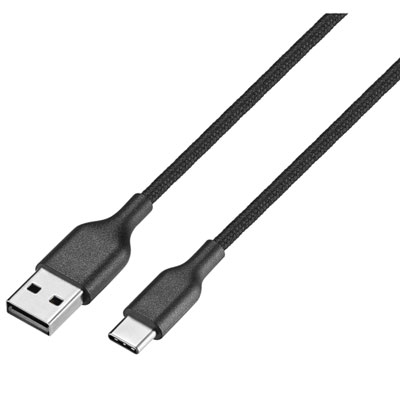
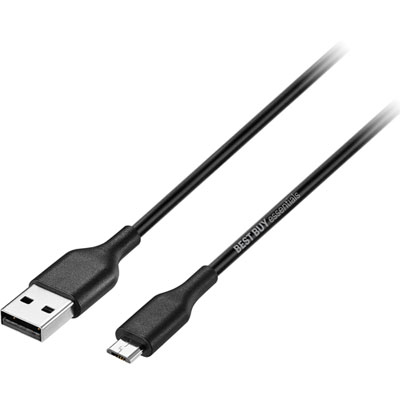
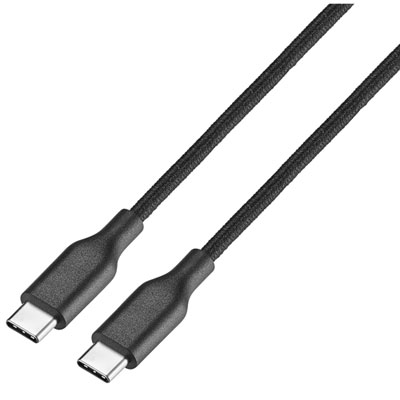
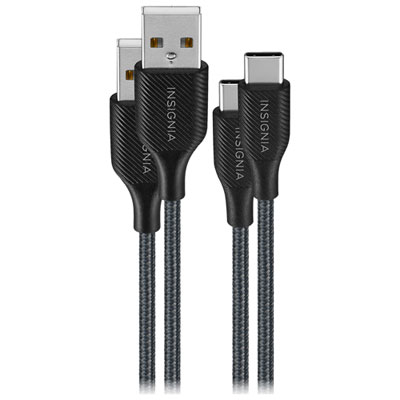
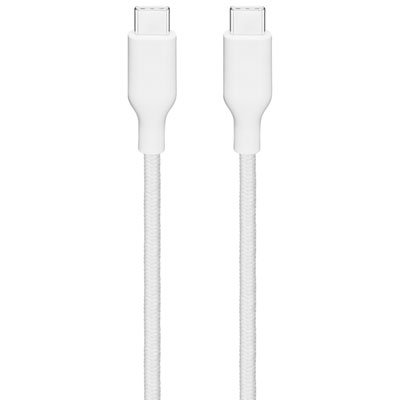
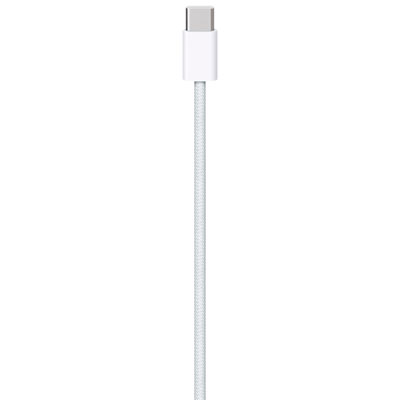
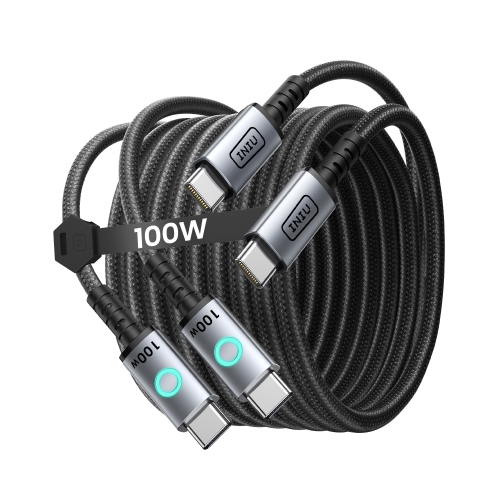
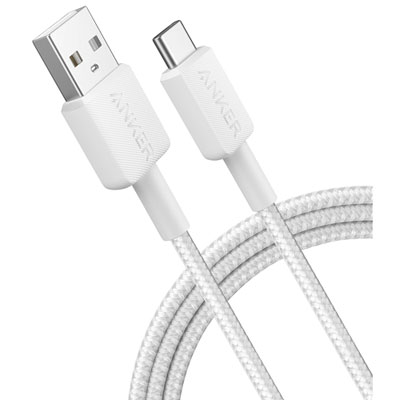
USB-C charging cables connect compatible phones, tablets, earbuds and other devices to a power source, but the right match involves more than finding a plug that fits. The connector at the device end, the connection on the power adapter and the cable’s supported charging power all matter. A USB-C to USB-C cable has the same small, rounded connector at both ends and is commonly used with newer wall adapters, portable chargers and laptops. A USB-A to USB-C cable has a larger rectangular connector at one end, making it useful with compatible older adapters, computer ports and vehicle charging sockets. USB-C connectors are reversible, so there is no need to turn the plug over to find the correct orientation. However, a USB-C connection alone does not guarantee a particular charging speed. Fast charging depends on the device, adapter and cable supporting compatible charging capabilities; the cable cannot make an adapter deliver more power than it supports. USB Power Delivery and Programmable Power Supply, often shortened to USB PD and PPS, are specifications worth checking when a device requires them for its fastest supported charging. The cable must also support the required current and power. A higher-rated cable does not force extra power into a phone, nor does its rating mean every connected device will charge at that level. For a closer focus on charging speed, browse Samsung Fast Charging Cables and compare the stated compatibility with the intended device and power adapter. Charging and data transfer should also be considered separately. Some cables support everyday file transfers, while others offer higher data speeds or additional capabilities. Connector shape is not proof of support for video output, high-speed storage or every docking function. Clear specifications help distinguish a straightforward charging connection from a cable intended to handle several tasks at a desk.
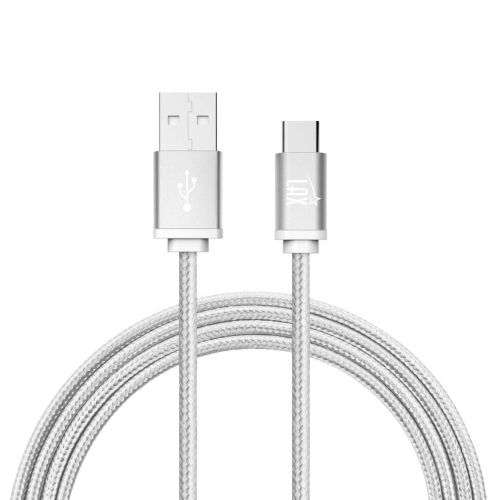
Cable length makes a noticeable difference in everyday use. A short cable can keep a portable charger and phone neatly together in a bag, without leaving a loop of loose wire to catch on keys or a zipper. A longer cable can make an awkwardly placed outlet more accessible beside a sofa or bedside table, provided it can be routed without stretching across a walkway. At a desktop, enough length to reach around a monitor stand or through a cable opening helps prevent constant pulling at the connector. Extra length is useful only when it serves the space, so consider the full route between the power source and the device rather than measuring a straight line. Construction matters just as much as reach. Smooth outer jackets are generally easy to wipe clean and slide through cable clips, while braided coverings can offer a textured grip and additional protection against surface abrasion. A braided finish alone does not establish how long a cable will last; the quality of the internal construction, connector housing and strain relief also matters. Strain relief is the flexible section where the cord meets the plug, a frequent bending point when a phone is used while connected. Connector housings should leave enough room to fit through the opening in a protective case without pressing against its edges. A plug that cannot seat fully may cause an intermittent connection, even when the connector type is correct. Avoid forcing a tight fit or bending the cable sharply to make it reach. For storage, loose loops are gentler than a tight wrap around a wall adapter, and a reusable cable strap can keep the cord contained in a drawer or travel pouch. Disconnect by holding the plug rather than tugging the cord. Keep connectors clean and dry, follow the supplied care instructions, and stop using a cable if its jacket splits, its plug becomes damaged or the connection behaves inconsistently.
Different routines call for different cable arrangements, even when the devices use the same charging port. Someone who charges a phone overnight may value a comfortable reach from an outlet to a bedside table, while a commuter may prefer a compact cable that stays beside a portable charger. Students moving between lectures, library desks and shared study spaces may find it useful to keep a dedicated cable in a backpack rather than repeatedly disconnecting a home setup. At a work surface, a cable with the right combination of charging and data support can simplify connecting a phone for file transfers, but a charging cable should not be assumed to support every peripheral or display. The same care applies to laptops: a cable suitable for a phone may not support the power required by a larger computer, so both the cable rating and the charger output need to match the laptop’s requirements. In a vehicle, the available port determines which connector belongs at the power-source end. If the cable will also connect a phone to an infotainment system, reliable data support is important, not just the ability to supply power. Route it where it will not interfere with driving controls, seat movement or getting in and out. For travel, a cable that packs without sharp folds and works with the charging equipment already being carried can be more convenient than an unnecessarily long cord. Separate cables for home, work and a travel bag can also reduce the inconvenience of arriving with an adapter but no way to connect it. As a practical gift, a charging cable is most useful when its connector types, length and supported power match the recipient’s existing setup. Checking those details beforehand turns a familiar accessory into something that fits naturally into a daily routine, whether that means keeping a phone within reach during a call, charging earbuds between outings or maintaining a tidy place to connect devices at the end of the day.
Top selling and popular products
-
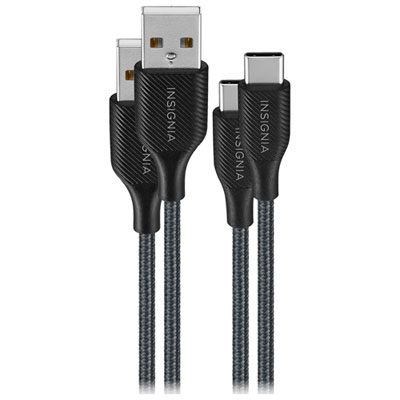 Your price for this item is $19.99
-
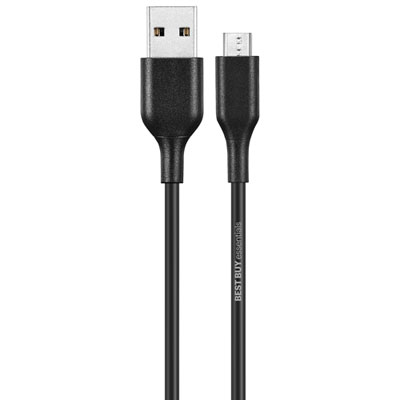 Your price for this item is $7.99
-
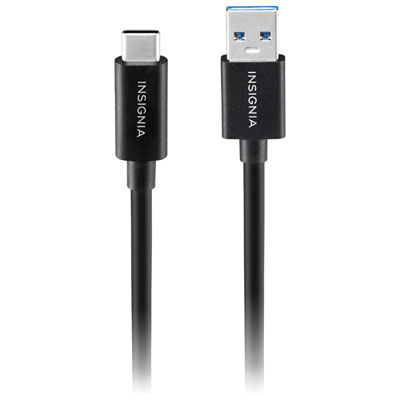 Your price for this item is $19.99
-
 Your price for this item is $9.99
-
 Your price for this item is $9.99
-
 Your price for this item is $14.99
-
 Your price for this item is $24.99
-
 Your price for this item is $14.99
Discover more categories related to Samsung USB-C Charging Cables
Top Collections:
Best Black Friday Deals This Year, Best Black Friday Deals On Electronics, Kindle Devices, Pokemon Centers, Best Black Friday Deals On Apple Products, Best Cameras for Sports Photography, Dyson Airwrap, Pokémon 30th Celebration Cards, Apple iPhone 17 Pro, Canon G7X Cameras
Some products may be subject to Environmental Handling Fees
(EHF) depending on your province.
Learn more about EHFs.