Spring Cables
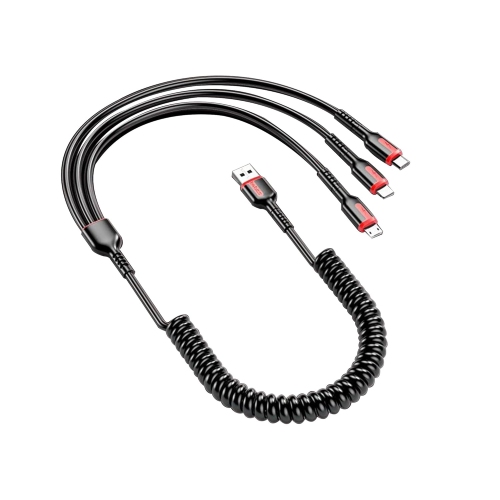
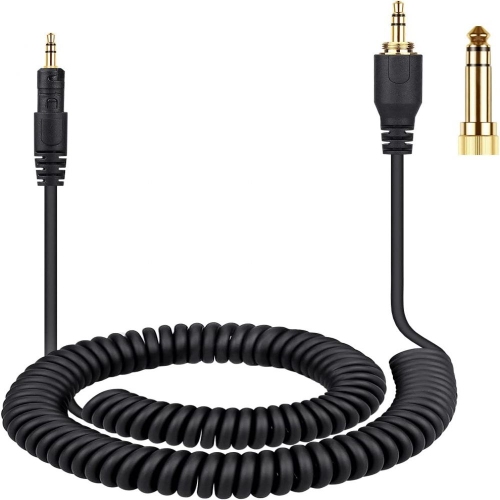
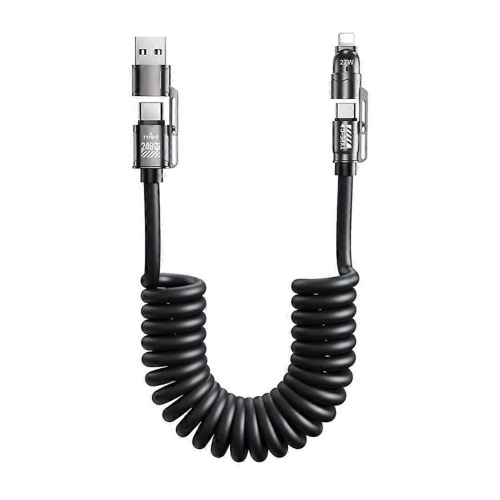
Spring cables are the perfect solution for those seeking flexibility and convenience in their electronic connections. Designed to stretch and retract effortlessly, these cables offer a clutter-free experience while ensuring reliable connectivity for your devices. Ideal for various applications, from charging your gadgets to connecting audio equipment, spring cables provide a neat and efficient way to manage your cords. Whether you're at home, in the office, or on the go, explore our selection of spring cables to find the perfect fit for your needs.
Sort






Correct cable length depends on the spring system
Spring cables are high-strength steel cables used with garage door spring systems to help support, guide, and safely control the movement of a sectional garage door. They are not interchangeable with ordinary wire, rope, or general-purpose cable, because they must withstand repeated loading as the door opens and closes. The correct replacement depends on the type of spring system installed, the door’s height and weight, the cable routing, and the hardware already fitted to the garage door. Most residential systems use galvanized carbon steel aircraft cable, commonly around 1/8 inch in diameter, although the required specification can vary by door design. Torsion spring cables connect at the lower corners of the door and wind around cable drums mounted on the torsion shaft above the opening. As the torsion springs turn, the cables wind and unwind on the drums, allowing the door to rise evenly and settle securely on the tracks. Extension spring systems use springs positioned along the horizontal tracks, with cables running through or alongside the springs depending on the design. Extension cables help carry the door load, while safety cables pass through the centre of the extension springs to help contain a broken spring if the metal fails. Understanding this distinction is one of the most important steps when choosing replacement cables, since a cable intended for a torsion system may not be suitable for an extension system. Measuring the garage door accurately is equally important. For torsion cable replacements, the cable length is typically based on the door height plus additional length needed to travel around the drum and attach to the bottom bracket. As a general reference, a standard 7-foot garage door often uses a cable measuring about 8 feet 6 inches, but this is not a universal rule. Extension cables are usually considerably longer and may measure roughly 12 to 13.5 feet, depending on the track layout and spring arrangement. Check the existing cable, the door height, the cable drum markings, and the manufacturer’s specifications before buying. Replacing cables in pairs is often sensible when both sides have experienced the same wear, since matching cables help the door remain balanced. Look for fraying, flattened strands, kinks, corrosion, loose end fittings, or sections that have stretched and no longer sit correctly on the drum. A cable that jumps off the drum, rubs against the track, or appears uneven when the door moves should be addressed promptly rather than left until the door becomes difficult to operate.
Garage door spring cables are commonly purchased by homeowners maintaining an older garage door, landlords preparing a rental property for dependable daily use, and experienced repair professionals keeping compatible replacement parts on hand. They can also be useful for someone restoring a detached garage, workshop, or seasonal property where a reliable door system is important during the cooler months. A properly matched cable can help restore smooth lifting and reduce uneven strain on the rollers, hinges, drums, and other connected hardware, but the cable is only one part of a larger counterbalance system. Before ordering, identify whether the door uses torsion springs mounted above the opening or extension springs installed along the sides of the tracks. Note the door height, the number and position of the drums, the cable attachment style, and the measurements of the existing cable. A pair intended for a standard residential door may not be appropriate for a taller door, a heavier insulated door, a commercial-style door, or a system with unusual drums. Product descriptions should be reviewed closely for cable diameter, length, end fittings, spring-system compatibility, and the quantity included. It is also wise to compare the replacement part with the original before beginning any work, since small differences in length or attachment hardware can affect how the door balances. Garage door springs and cables can hold extreme tension. A failed cable, unsecured shaft, or incorrectly handled spring can release energy suddenly and cause severe injury or property damage. Replacing a cable on a torsion or extension system is not the same as carrying out a simple household repair, and a door should not be operated with a cable that is broken, loose, crossed, or off its drum. If the spring is under tension, the cable has snapped, the door is stuck, or the correct procedure is uncertain, arrange service with a qualified garage door technician rather than attempting to improvise with tools or substitute materials. Keep hands, children, pets, and vehicles clear of the opening while the door is being inspected, and avoid disconnecting or lifting a heavy door until the counterbalance system has been assessed. Once the repair is complete, the door should move evenly, remain properly seated on its tracks, and stop without binding or dropping unexpectedly. The word “spring” can also refer to seasonal play and recreation; families browsing for that type of item can explore Spring Toys, while this collection is focused on garage door cables and related spring hardware.
Garage door spring cables are commonly purchased by homeowners maintaining an older garage door, landlords preparing a rental property for dependable daily use, and experienced repair professionals keeping compatible replacement parts on hand. They can also be useful for someone restoring a detached garage, workshop, or seasonal property where a reliable door system is important during the cooler months. A properly matched cable can help restore smooth lifting and reduce uneven strain on the rollers, hinges, drums, and other connected hardware, but the cable is only one part of a larger counterbalance system. Before ordering, identify whether the door uses torsion springs mounted above the opening or extension springs installed along the sides of the tracks. Note the door height, the number and position of the drums, the cable attachment style, and the measurements of the existing cable. A pair intended for a standard residential door may not be appropriate for a taller door, a heavier insulated door, a commercial-style door, or a system with unusual drums. Product descriptions should be reviewed closely for cable diameter, length, end fittings, spring-system compatibility, and the quantity included. It is also wise to compare the replacement part with the original before beginning any work, since small differences in length or attachment hardware can affect how the door balances. Garage door springs and cables can hold extreme tension. A failed cable, unsecured shaft, or incorrectly handled spring can release energy suddenly and cause severe injury or property damage. Replacing a cable on a torsion or extension system is not the same as carrying out a simple household repair, and a door should not be operated with a cable that is broken, loose, crossed, or off its drum. If the spring is under tension, the cable has snapped, the door is stuck, or the correct procedure is uncertain, arrange service with a qualified garage door technician rather than attempting to improvise with tools or substitute materials. Keep hands, children, pets, and vehicles clear of the opening while the door is being inspected, and avoid disconnecting or lifting a heavy door until the counterbalance system has been assessed. Once the repair is complete, the door should move evenly, remain properly seated on its tracks, and stop without binding or dropping unexpectedly. The word “spring” can also refer to seasonal play and recreation; families browsing for that type of item can explore Spring Toys, while this collection is focused on garage door cables and related spring hardware.
Top selling and popular products
-
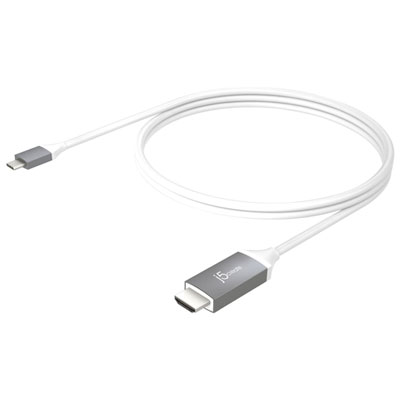 Your price for this item is $39.99
-
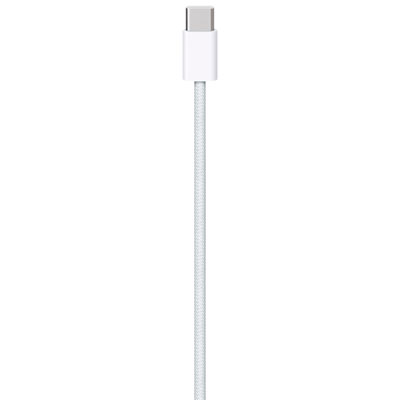 Your price for this item is $24.99
-
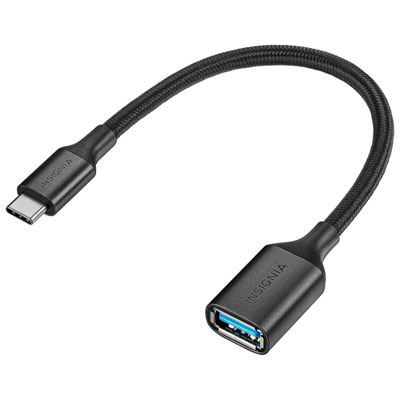 Your price for this item is $19.99
-
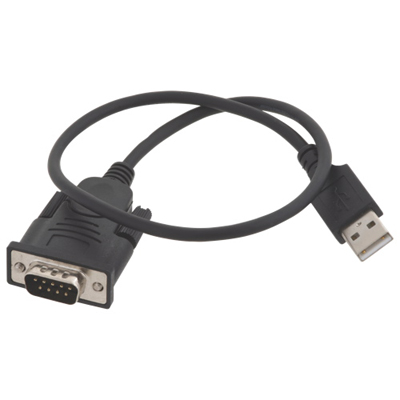 Your price for this item is $29.99
-
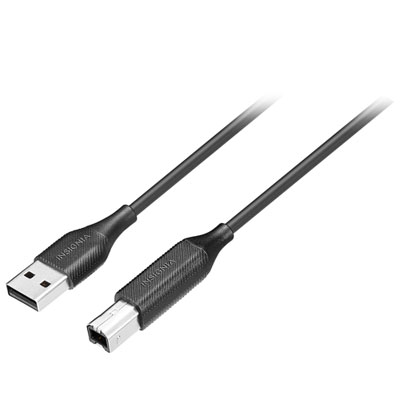 Your price for this item is $29.99
-
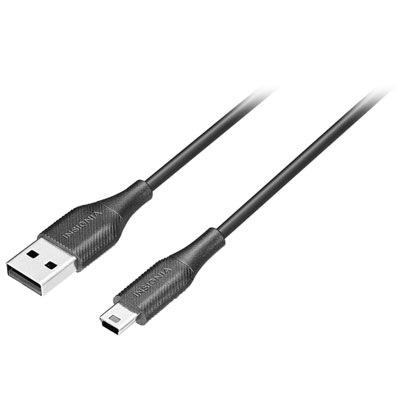 Your price for this item is $19.99
-
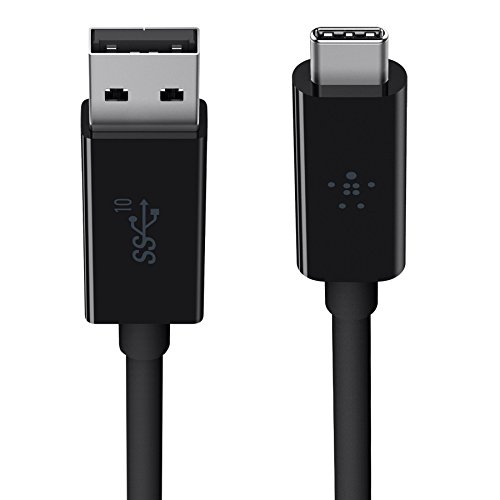 Your price for this item is $31.99
-
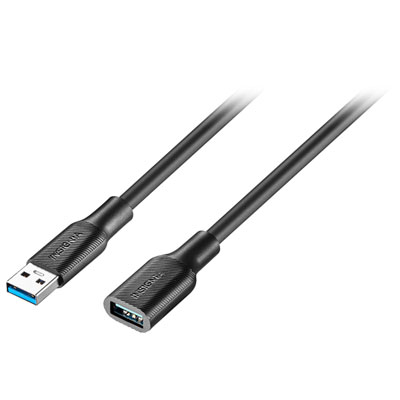 Your price for this item is $24.99
Discover more categories related to Spring Cables


Top Collections:
Pokemon Centers, Best Cameras for Sports Photography, Kindle Devices, Samsung Galaxy Phones, Canon G7X Cameras, Pokémon 30th Celebration Cards, Refurbished Apple Laptops, iPhone 15 Apple, Laptops for Students, Budget Smartphones
Some products may be subject to Environmental Handling Fees
(EHF) depending on your province.
Learn more about EHFs.