Spring Locks
Spring locks are essential components in a variety of applications, offering security and stability wherever they're used. Whether you're looking to enhance the safety of your home, secure your belongings, or ensure the proper functioning of machinery, these versatile devices provide reliable performance and peace of mind. At Best Buy Canada, discover a wide selection of spring locks designed to meet your needs, from everyday household uses to specialized industrial applications. Explore our collection and find the perfect solution for any project that demands dependable locking mechanisms.
Sort
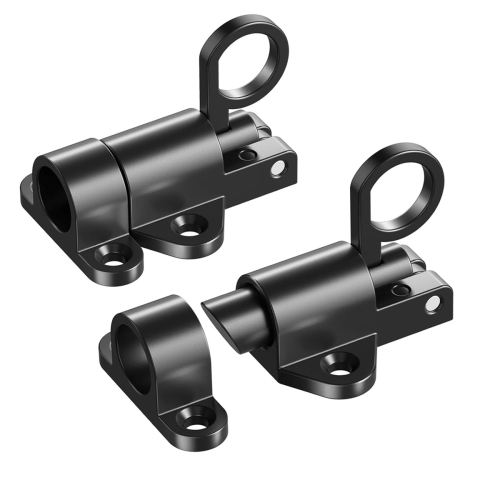


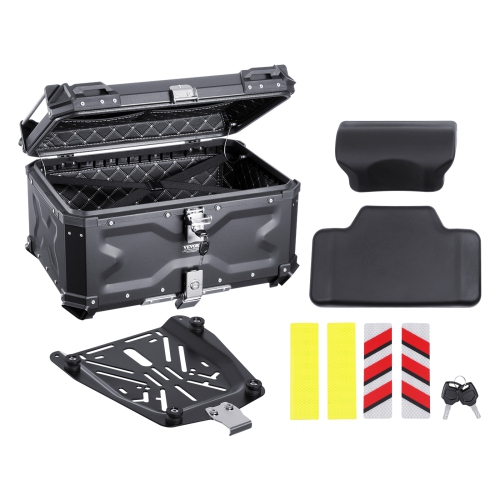


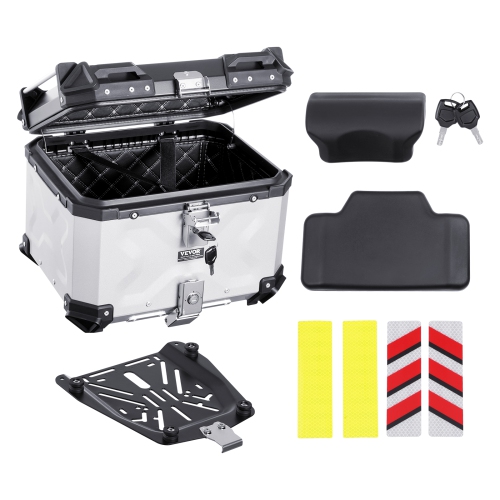

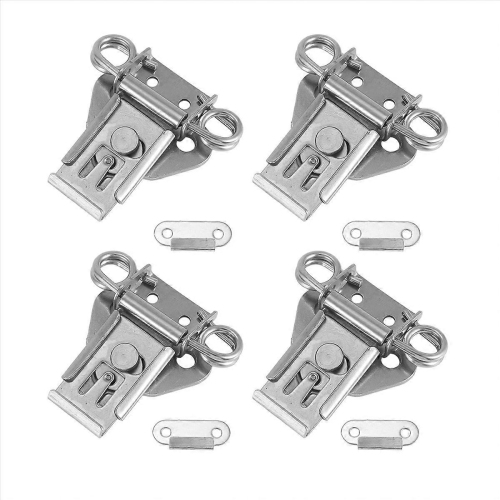
Why a firm click does not guarantee security
Spring locks use spring tension to move or hold a locking component in position, helping a door, panel, cover, or other fitted part stay closed until it is deliberately released. The term can describe several types of hardware, including spring-loaded latches, locking pins, and mechanisms with a bolt that returns to its resting position after pressure is removed. Their defining feature is the spring-assisted action, not a particular shape, material, or level of security. A latch that keeps a storage compartment shut serves a different purpose from a keyed lock designed to restrict access, even when both contain springs. The similar term “springlocks” also appears in fictional horror settings, where it describes mechanisms that hold an animatronic costume’s internal machinery aside so the costume can be worn. In that fictional concept, releasing the restraints allows the machinery to return to its operating position; failure occurs when the restraints unexpectedly give way. That fictional dual-purpose suit mechanism is distinct from ordinary spring-loaded locking hardware and should not be treated as a real-world wearable design. For everyday projects, the practical appeal of a spring lock is a repeatable closing action: a panel clicks into place, a pin returns into an aligned hole, or a latch holds a cover without needing to be tightened each time. These mechanisms can suit homeowners maintaining household fittings, hobbyists working on enclosures, and technicians replacing worn fasteners on compatible equipment. Intended use matters more than appearance alone. A light-duty closure for an indoor compartment is not interchangeable with hardware exposed to vibration, frequent pulling, or outdoor moisture. Nor does a firm click establish that a mechanism is suitable for preventing theft, protecting children, or supporting weight. Those applications require the appropriate design, documented performance, and installation method rather than spring tension by itself.
Materials, dimensions, and the way a spring lock attaches all influence how well it performs once fitted. Steel is common where strength and resistance to wear are important, while stainless steel can be useful where moisture exposure is a concern. Plated or coated metal may provide a protective surface, although scratches and worn edges can leave the underlying material more exposed to corrosion. Plastic components can offer a lightweight option for some low-load applications, but their suitability depends on the particular material, temperature range, and forces involved. The spring, housing, bolt, and mounting points work together, so an outer casing alone does not tell the whole story about durability. Fit is equally important. On a replacement project, the overall length may look right while the mounting holes, bolt diameter, or distance to the catch differs just enough to prevent reliable engagement. Relevant dimensions can include the housing depth, panel thickness, hole spacing, pin travel, and clearance needed to operate the release. A shallow cabinet wall, for example, may not have room behind it for a longer mechanism, even if the visible face appears identical. On a hinged cover, the latch and its receiver need to meet without the cover being pushed sideways or forced down. Misalignment can make a spring lock feel stiff, cause rubbing at the contact point, or leave the bolt only partly engaged. The mounting surface also matters: thin sheet material, solid wood, and hollow panels do not hold fasteners in the same way. Compatible fixings and suitable reinforcement help the surrounding structure carry the intended load. Operation deserves attention alongside measurements. A small release tab may be convenient on a desk enclosure but awkward to use while wearing gloves. A stronger spring can provide a firmer return, yet it can also require more effort to open. Rounded contact surfaces, accessible controls, and enough finger clearance can make a frequently used closure more comfortable without compromising the intended fit.
Daily use and care often determine whether a spring lock continues to close cleanly or gradually becomes a source of rattles and resistance. Dust, grit, and residue can collect around moving parts, especially on equipment stored in a garage or used near an open doorway. Cleaning accessible surfaces with a soft cloth and following the manufacturer’s care directions helps avoid pushing debris farther into the mechanism. Lubrication is not universal: some designs require a specified lubricant, while others should remain dry, particularly where oils could affect nearby plastics or attract dirt. Sticking, an uneven return, visible corrosion, a bent pin, or a loose housing can indicate that the assembly needs attention. Adding force is not a dependable solution, and stretching or bending a spring can change its behaviour in ways that are difficult to judge. For a compartment opened several times a day, smooth engagement and a consistent release may matter more than a heavy appearance. For compatible equipment that travels, resistance to vibration and unintended opening becomes especially relevant. During cooler weather, moisture and freezing conditions can interfere with exposed mechanisms, so outdoor suitability should be established from the hardware’s stated specifications rather than assumed from its finish. A replacement should also preserve any safety features built into the original equipment; access panels near electrical or moving components are not places for an improvised closure. In a workshop or electronics area, keeping loose leads clear of hinges and latch openings can prevent snagging and make routine access easier. Alongside the mechanical fittings, Spring Cables offers a separate category to explore when the same space also needs cable connections. The two serve different purposes, with the lock securing a compatible closure and the cable carrying the connection for its intended application. Whether the task involves restoring a familiar storage compartment or fitting a suitable enclosure, a dependable result comes from matching the mechanism to the opening, the mounting surface, and the way it will actually be used.
Top selling and popular products
-
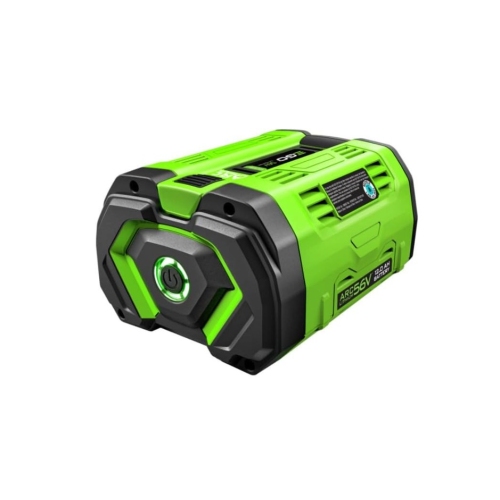 Your price for this item is $674.99
-
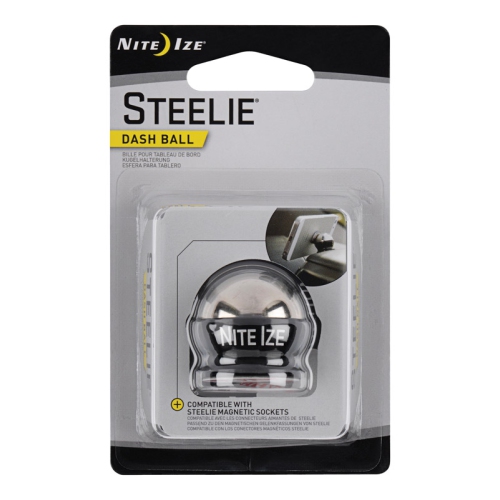 Your price for this item is $39.99
-
 Your price for this item is $91.99
-
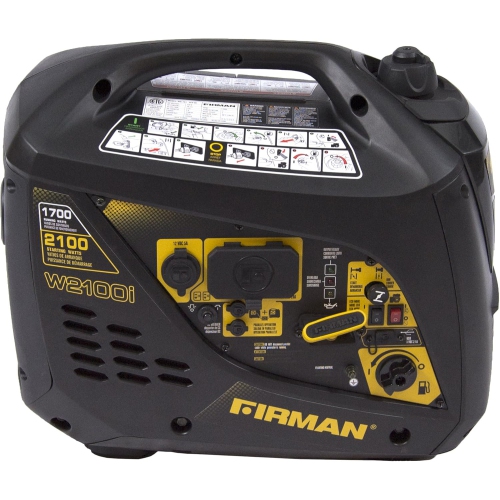 Your price for this item is $854.05
-
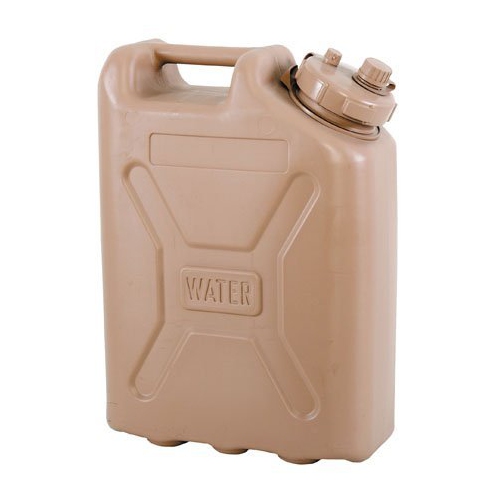 Your price for this item is $116.99
-
 Your price for this item is $939.99
-
 Your price for this item is $99.99
-
 Your price for this item is $201.99
Discover more categories related to Spring Locks

Top Collections:
Pokemon Centers, Best Cameras for Sports Photography, Kindle Devices, Samsung Galaxy Phones, Canon G7X Cameras, Pokémon 30th Celebration Cards, Refurbished Apple Laptops, iPhone 15 Apple, Laptops for Students, Budget Smartphones
Some products may be subject to Environmental Handling Fees
(EHF) depending on your province.
Learn more about EHFs.