Most Narrow Booster Seats

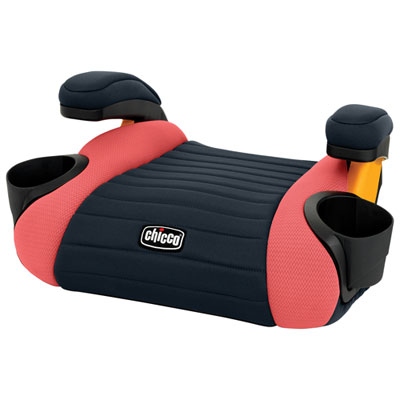
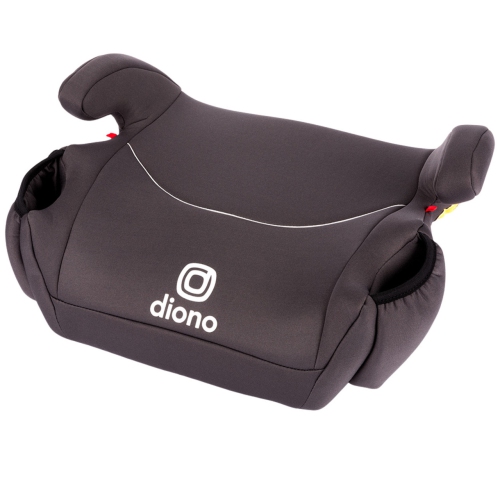
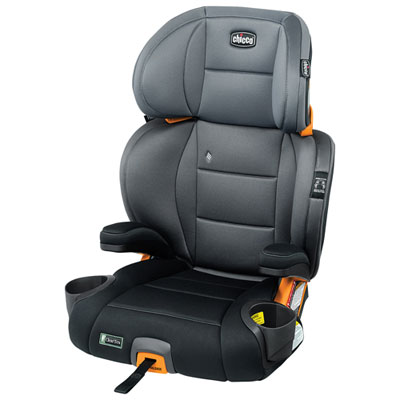
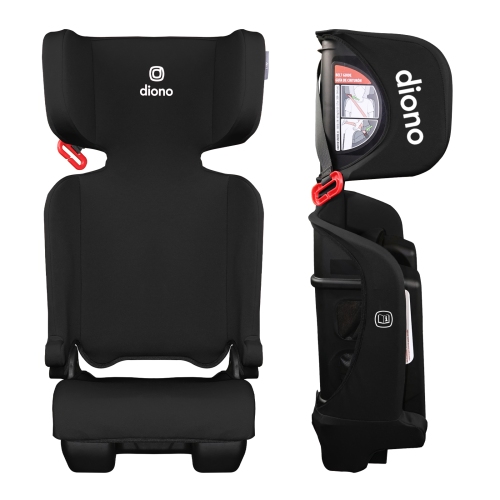
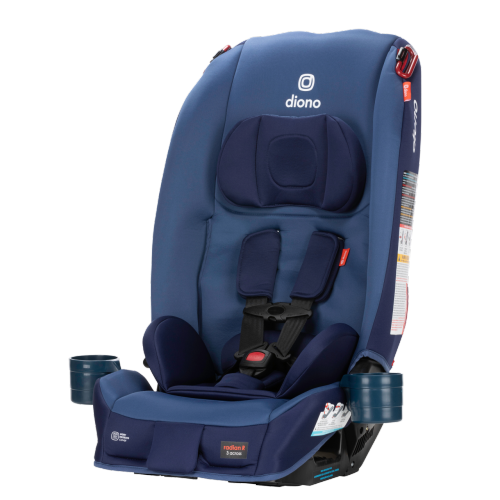
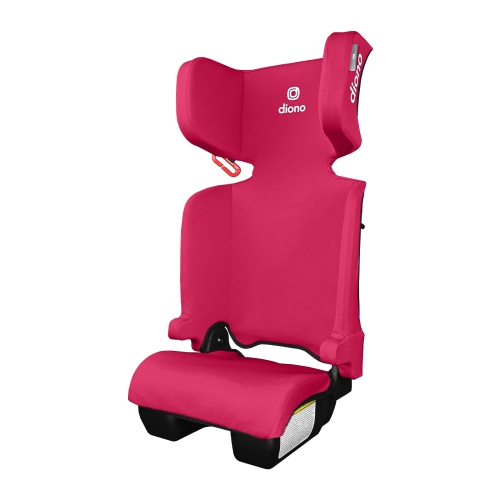
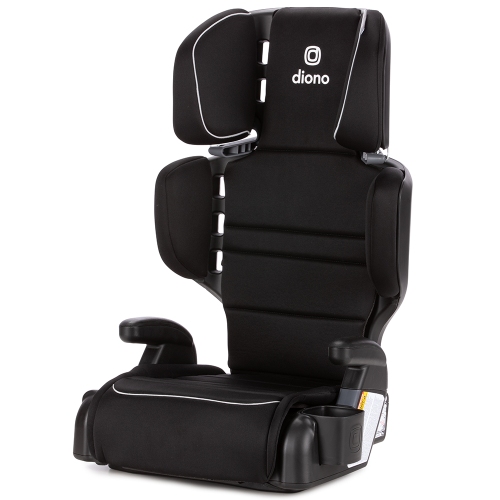
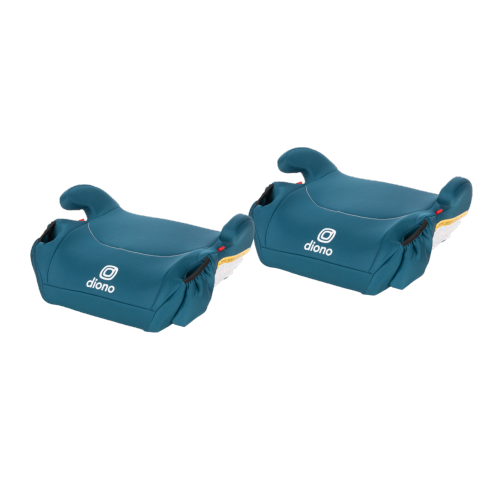
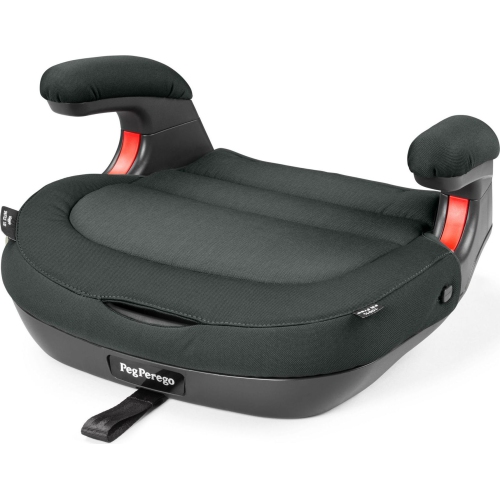
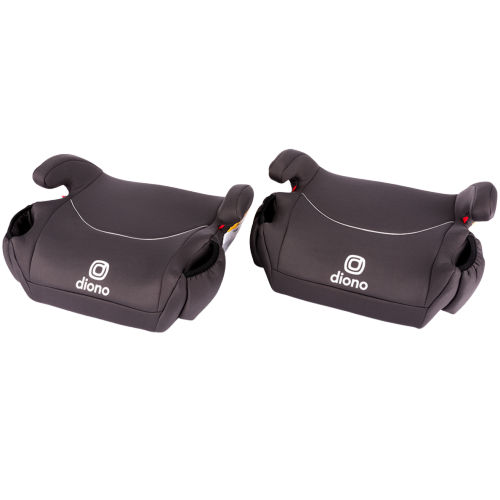
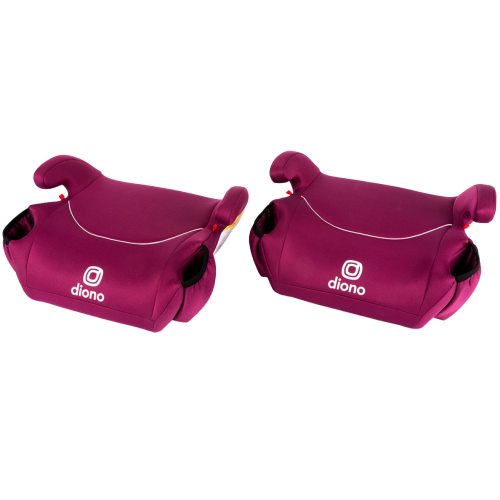
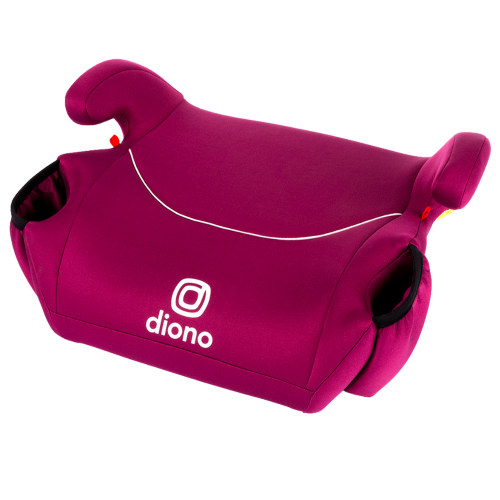
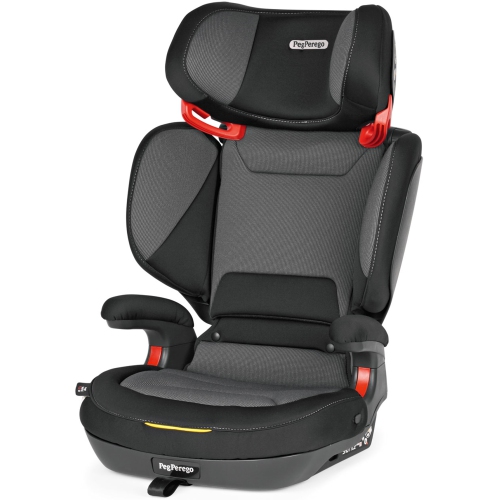
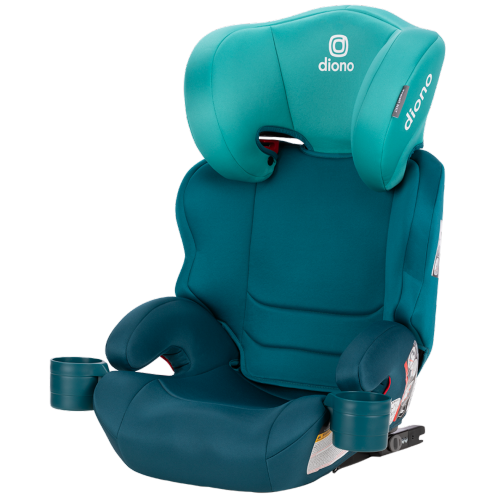
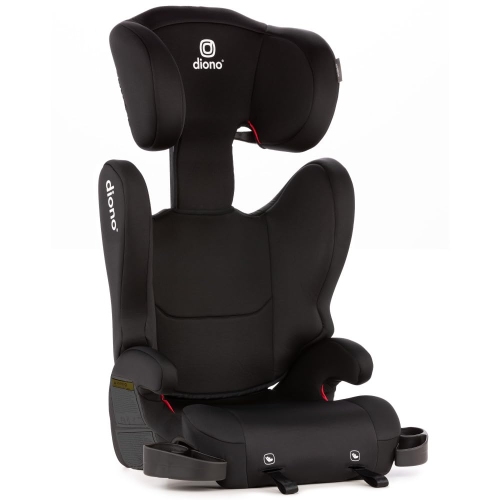
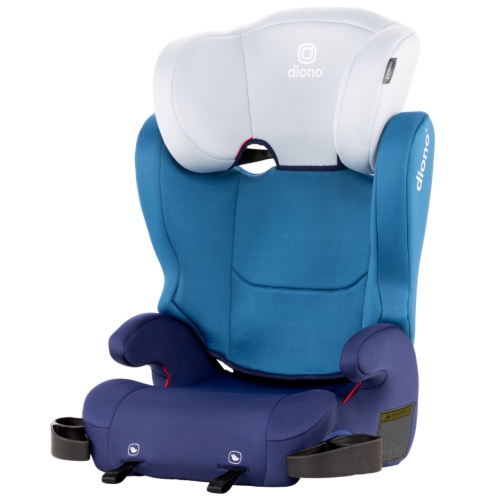
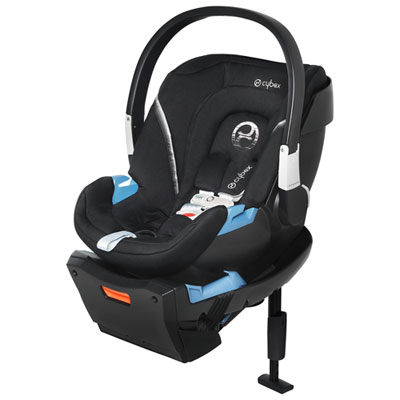
Compare narrow booster seats for smaller back seats or layouts where you need to fit seats side by side. Look at each option’s overall width, child height and weight limits, and compatibility with your vehicle—a slim profile alone doesn’t guarantee a suitable fit for your child or seating arrangement.

Read More

Sort

Why booster seat fit goes beyond width alone

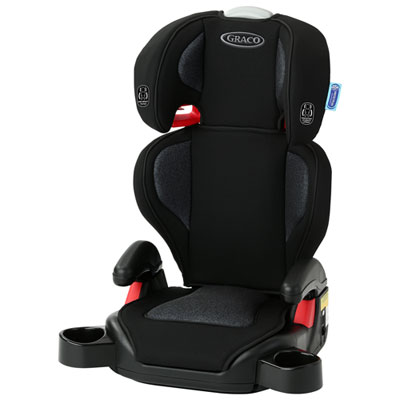
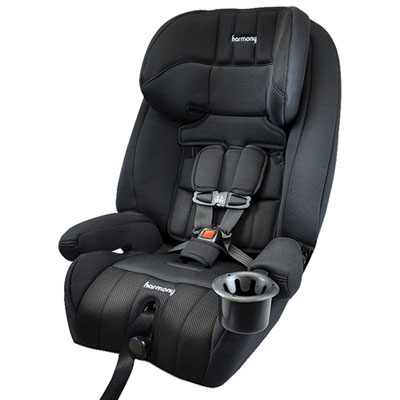
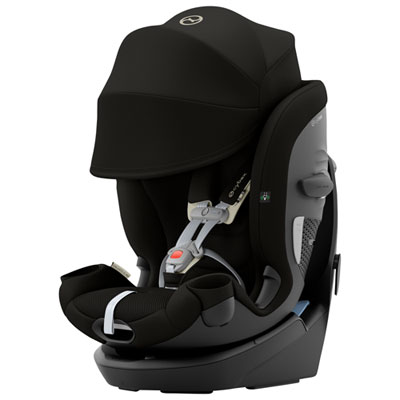
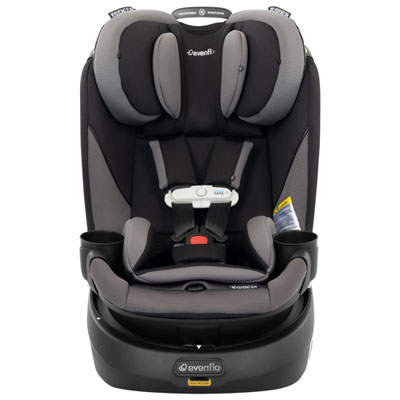
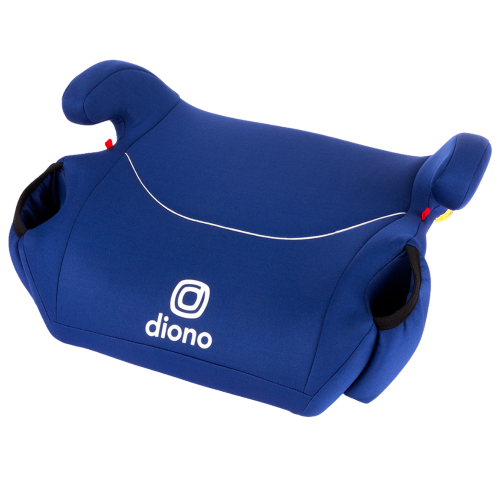
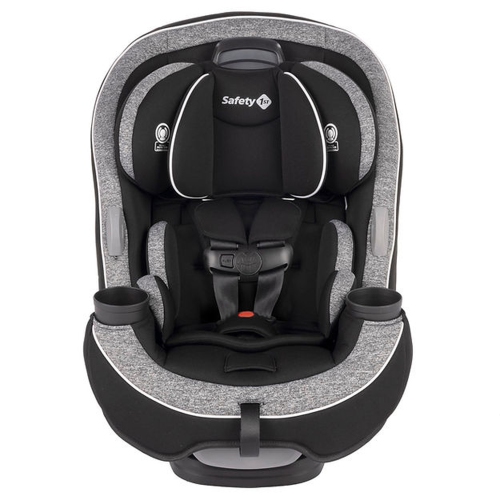
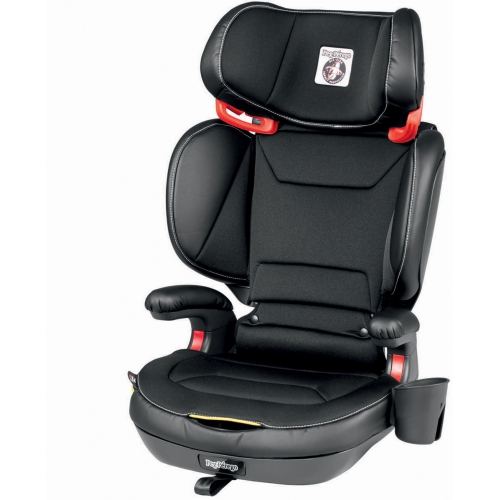
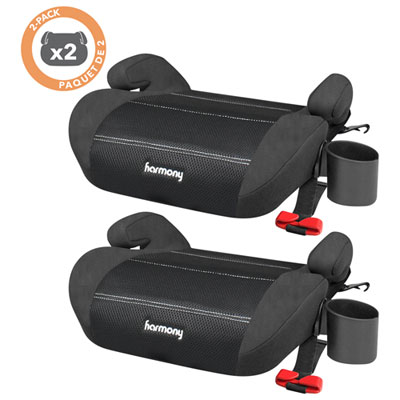
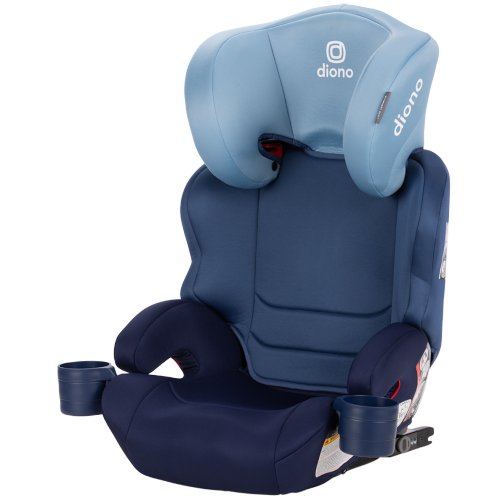
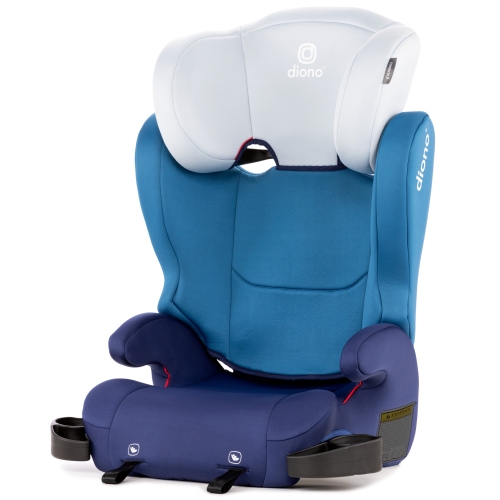
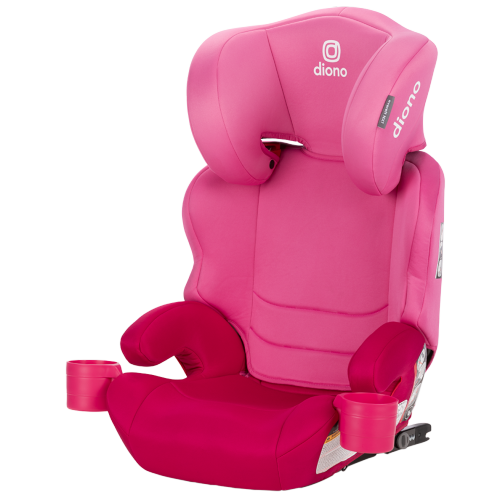
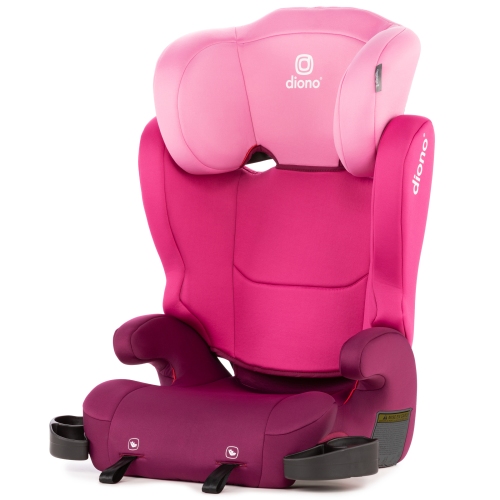
Narrow booster seats offer a space-conscious option for families balancing a child’s seating needs with the layout of a vehicle’s back seat. Shoppers comparing the most narrow booster seats may be looking to accommodate another child restraint, leave more room for an additional passenger, or find a better fit in a compact car. Overall width is a useful starting point, but the shape of the base, the position of the armrests, and access to the vehicle’s seat belt buckles also affect how a booster fits. A slim base does not necessarily mean the entire seat is equally narrow, particularly when a high-back design includes wider shoulder supports. Published dimensions are most useful when considered alongside the vehicle’s seating layout and the booster manufacturer’s fit requirements. For households arranging multiple child restraints across one row, each seating position needs to remain usable as intended, with accessible buckles and no interference between neighbouring seats. The right choice combines a compact footprint with an appropriate fit for both the child and the vehicle.

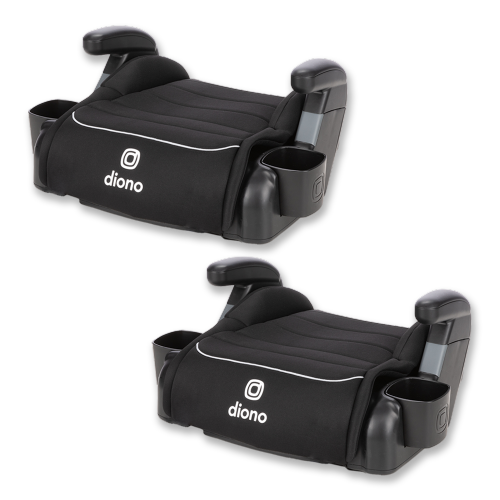
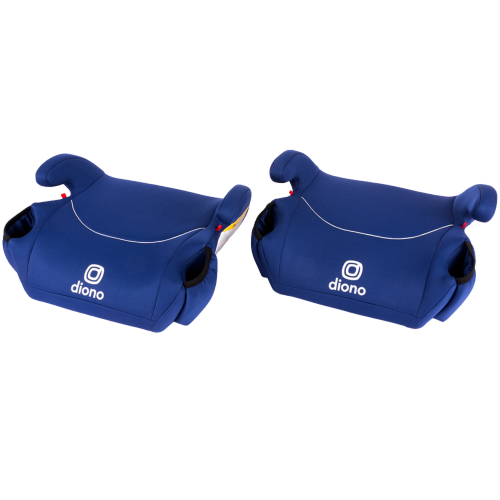
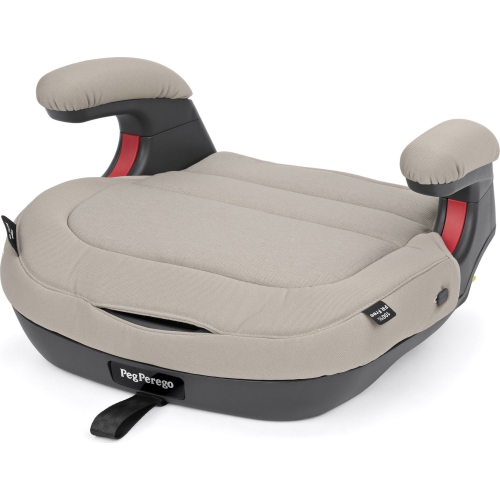
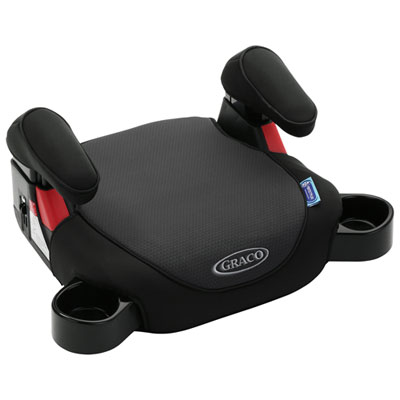
High-back and backless booster seats offer different considerations within a narrow seating arrangement. High-back designs include back and head support, while backless designs depend on suitable support from the vehicle seat and head restraint, as specified by the manufacturer. A booster is intended to position the vehicle’s lap-and-shoulder belt correctly for a child who has outgrown an appropriate forward-facing harnessed seat and meets the booster’s stated age, height, and weight requirements. A low-profile design or a smaller footprint does not make a booster suitable for a younger child who is not ready for this stage. Belt fit remains central: the lap portion should sit low across the hips, and the shoulder portion should cross the chest and shoulder rather than the neck or face. Children also need to be able to maintain the correct seated position throughout the journey. Comparing the supported height and weight ranges, belt-routing design, and available adjustments helps families choose a seat that suits their child’s current stage without relying on width alone.
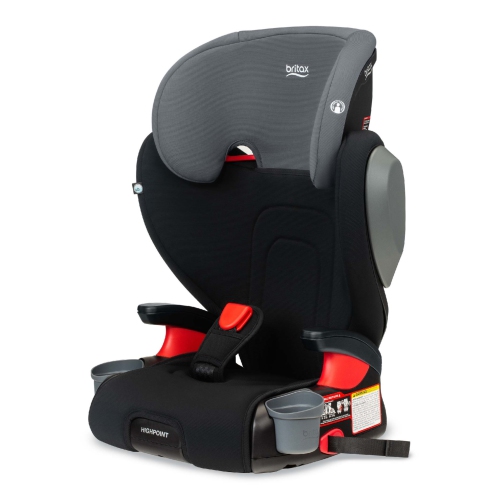
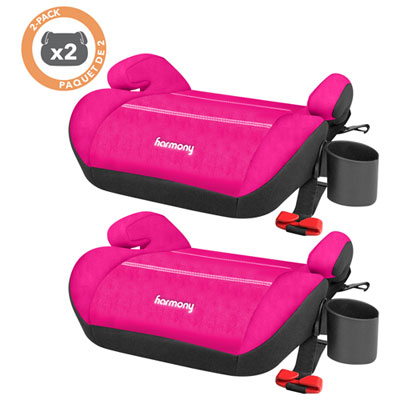
Everyday comfort and ease of use can be especially important when a narrow booster will serve as a child’s regular seat for school runs, errands, and longer drives. Seat depth, cushioning, armrest placement, and the child’s ability to reach the buckle are useful points of comparison. Any cup holders or other side features should be included when assessing the space a seat occupies, rather than considering only its base. For families moving a booster between vehicles, the seat’s weight, handling, and compatibility with each vehicle may matter as much as its dimensions. Cleaning requirements and cover-care instructions are also worth comparing for frequent use. In Canada, look for the National Safety Mark and follow the manufacturer’s instructions together with the applicable provincial or territorial child passenger requirements. A narrow booster’s value lies in how well it meets these practical needs: appropriate belt positioning, a suitable fit within the intended seating position, and a comfortable setup that supports correct use on every trip.

Read More

FAQ

Some products may be subject to Environmental Handling Fees (EHF) depending on your province. Learn more about EHFs.