2023 Metal Album Releases
2023 Metal Album Releases bring a powerful lineup of new music for fans of hard-hitting riffs and electrifying vocals. Discover the latest albums from legendary icons and rising stars across a spectrum of metal genres. Whether you’re building your collection or searching for standout tracks, these releases deliver the intensity and energy that define metal music. Explore the newest additions to the world of heavy sound with 2023 Metal Album Releases and experience the next evolution in metal.
Sort




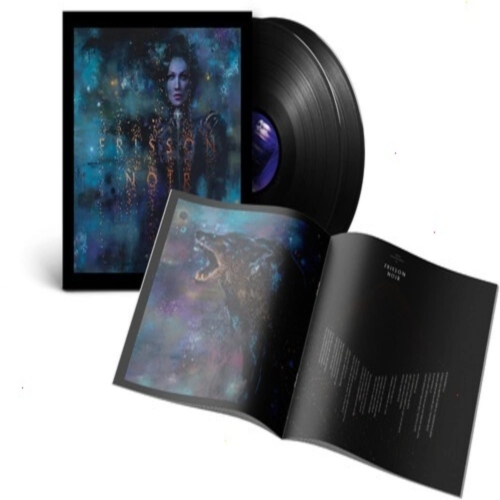


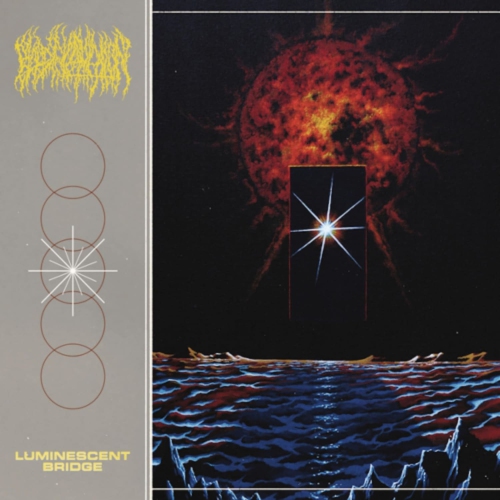


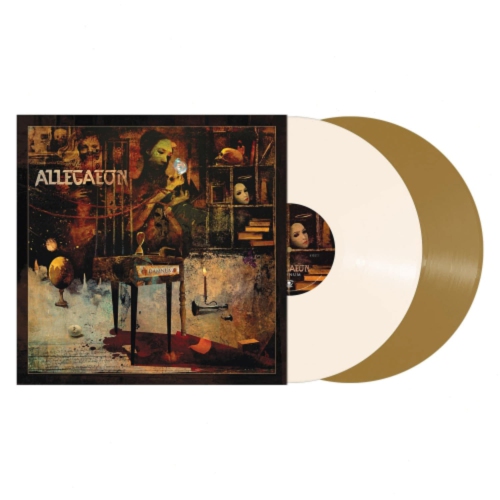



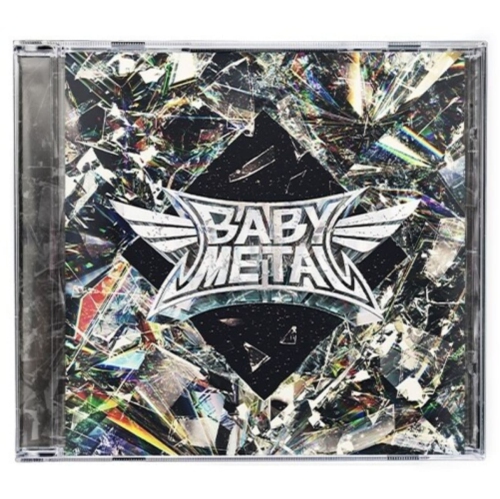



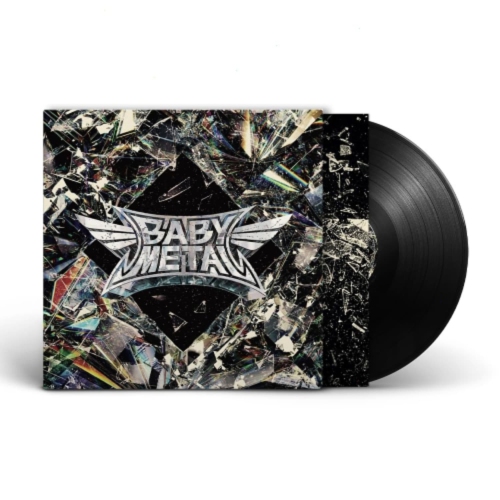
Heavy riffs meet the finer details of physical albums
Metal album releases from 2023 span traditional heavy metal, thrash, death metal, black metal, doom, progressive metal, and metalcore, alongside recordings that mix heavy guitar music with electronic textures, alternative rock, and pop melodies. That breadth makes the year a useful starting point for listeners building a physical music collection or revisiting a particular chapter in a favourite genre. Established styles remained recognizable through galloping rhythms, palm-muted riffs, intricate solos, and forceful vocals, while more experimental approaches placed clean singing beside harsh passages or shifted between spacious arrangements and tightly synchronized breakdowns. For someone drawn to speed and precision, thrash and technical death metal offer a different listening experience from the slow, sustained chords and extended compositions associated with doom. Black metal often emphasizes atmosphere and abrasive textures, while progressive metal can reward close attention to changing time signatures and recurring musical themes. These distinctions are helpful context rather than rigid boundaries: an album may move through several of them within a single track. A collection centred on 2023 metal releases captures that variety through complete albums, where opening tracks, interludes, and closing passages contribute to a deliberate sequence. Listening from beginning to end can reveal a musical idea returning in a heavier arrangement or a quiet passage that gives the next riff greater impact. The release year identifies when an album first appeared, but a physical edition may have its own manufacturing or reissue date. A later pressing of an album originally released in 2023 can therefore still belong in a collection focused on that year. Original studio albums, live recordings, compilations, and reissues also serve different purposes, with newly written material offering a snapshot of an artist’s work at the time and archival releases presenting an earlier performance or recording in a different package. That distinction matters when the aim is to collect music first released in 2023 rather than every edition issued during that year.
For physical metal albums, vinyl and CD provide distinct ways to enjoy both the recording and its presentation. Vinyl records are typically made from polyvinyl chloride, with grooves read by a turntable’s stylus; CDs use an optical disc read by a compatible player. The right fit depends less on a format’s reputation than on the equipment and listening habits of the person using it. A vinyl edition suits someone who enjoys setting aside time for an album side, handling a large sleeve, and studying artwork while the music plays. A CD offers straightforward track access and can accommodate a long programme without the side changes required by vinyl, provided the recording fits the disc’s capacity. Playback compatibility deserves attention, particularly when a listening setup consists of wireless speakers or a computer without an optical drive. A turntable needs a suitable signal path, including a phono stage where required, while a CD needs a compatible disc player or drive. Metal’s layered guitars, rapid percussion, and deep bass can expose differences in recording and mastering, but neither format guarantees a particular sound. A well-balanced master and a properly set up playback system matter more than assumptions that vinyl must sound warmer or that a heavier pressing must sound better. Pressing weight describes the physical record, not a promise of superior mastering or fewer surface defects. Coloured vinyl adds visual interest, though colour alone does not establish audio quality. Packaging can also shape the experience: a gatefold sleeve offers more room for imagery, a lyric insert makes dense vocal passages easier to follow, and a booklet may include credits that identify musicians, recording locations, and production roles. Such details depend on the edition, as do bonus tracks and alternate mixes. For a collection built around 2023 metal albums, the track listing, format, and edition information help distinguish a familiar recording from a version with genuinely different content. They also help avoid an unintended duplicate when similar artwork appears across several releases.
The physical character of an album becomes especially important once it joins a regularly played collection. Vinyl sleeves protect the artwork and support the record, while inner sleeves keep the playing surface from rubbing directly against rough cardboard. Records hold their shape best when stored upright without leaning heavily or being squeezed into an overfilled shelf. Holding them by the edge and centre label helps keep fingerprints away from the grooves, and a suitable record brush can lift loose surface dust before playback. More thorough cleaning calls for materials intended for records rather than household cleaners that may leave residue or damage the surface. CDs also benefit from edge handling and a protective case; when cleaning is necessary, a soft, lint-free cloth moved gently from the centre outward is preferable to wiping in circles. Direct sunlight, excess heat, and moisture can damage discs or packaging, so a dry storage space away from radiators is a practical choice for either format. Durable storage matters for music that is taken out frequently, whether for focused headphone listening, an evening with friends, or another pass through a complicated passage. Physical albums also make personal gifts for metal listeners, especially when the choice reflects a known preference for a vocal style, subgenre, or format. Someone who values artwork may appreciate the scale of vinyl packaging, while a listener with an established CD collection may prefer a format that fits neatly alongside it. For a recipient who collects a particular release year, an album from 2023 can mark a concert memory, a period of musical discovery, or the moment a new sound became a lasting favourite. A shared interest in heavy music can also extend into neighbouring genres, with New Rock Album Releases 2024 offering a separate point of reference for rock recordings from the following year. Keeping those years and styles distinct gives a collection a clear identity while leaving room for connections between riff-driven music, adventurous arrangements, and memorable songwriting.
Top selling and popular products
-
 Your price for this item is $15.32
-
 Your price for this item is $5.99
-
 Your price for this item is $16.29
-
 Your price for this item is $15.32
-
 Your price for this item is $24.68
-
 Your price for this item is $15.32
-
 Your price for this item is $15.32
-
 Your price for this item is $15.91
Discover more categories related to 2023 Metal Album Releases


Top Collections:
Pokemon Centers, Best Cameras for Sports Photography, Kindle Devices, Samsung Galaxy Phones, Canon G7X Cameras, Pokémon 30th Celebration Cards, Refurbished Apple Laptops, iPhone 15 Apple, Laptops for Students, Budget Smartphones
Some products may be subject to Environmental Handling Fees
(EHF) depending on your province.
Learn more about EHFs.