90s Rock Band Albums
Relive the iconic soundscape of a legendary era with 90's Rock Band Albums. Dive into a collection that captures the raw energy, unforgettable melodies, and powerful lyrics that defined a generation. Whether you're expanding your music library or searching for the perfect gift for a rock enthusiast, these albums bring the spirit of the '90's right to your speakers. Explore timeless records from some of the most influential bands and rediscover the tracks that continue to inspire fans around the world.
Sort
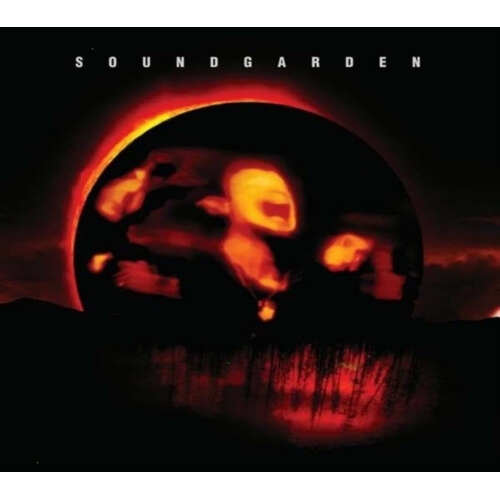
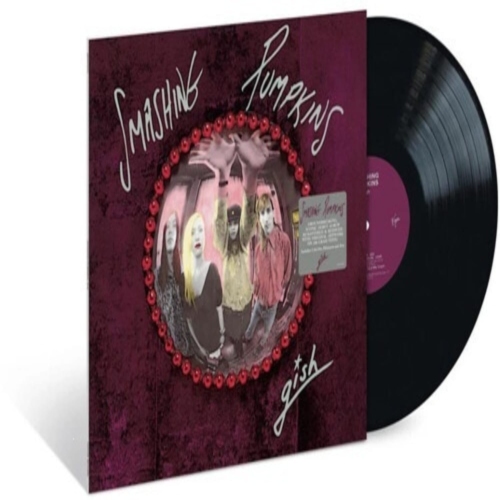

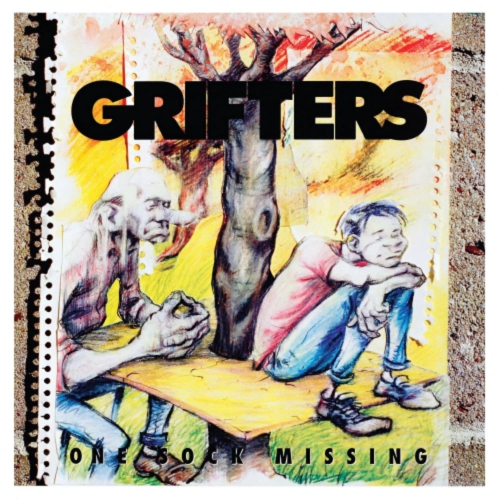

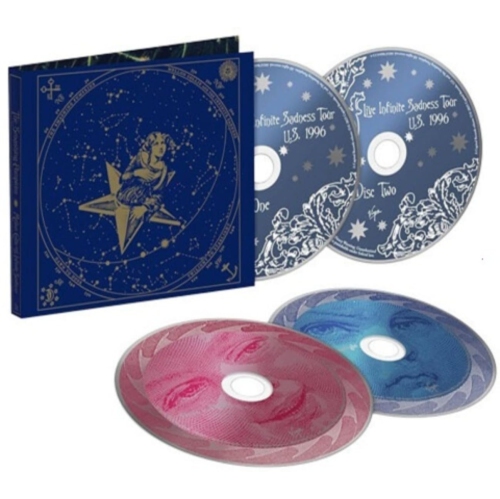



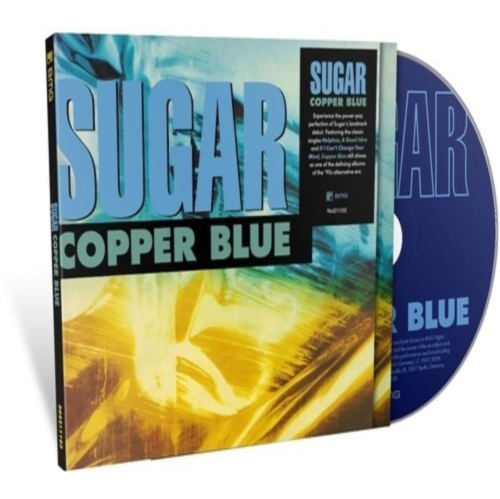
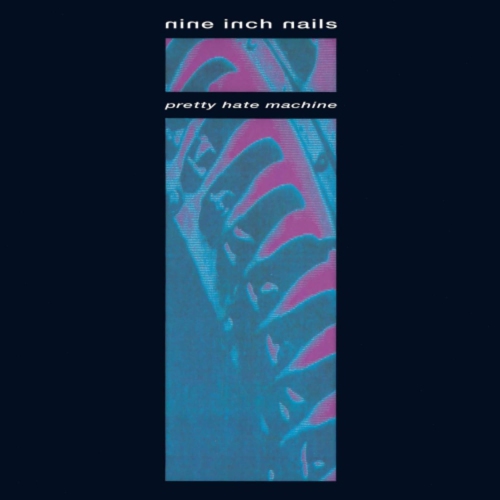

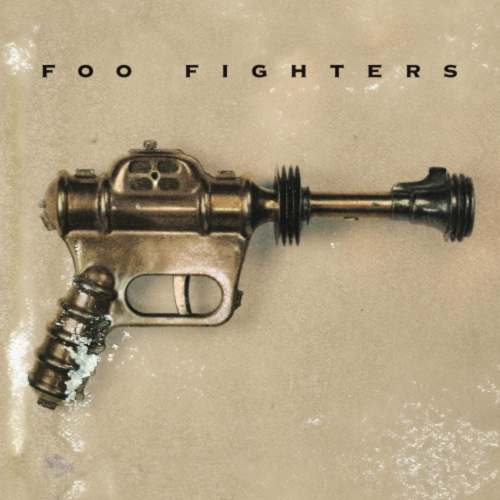

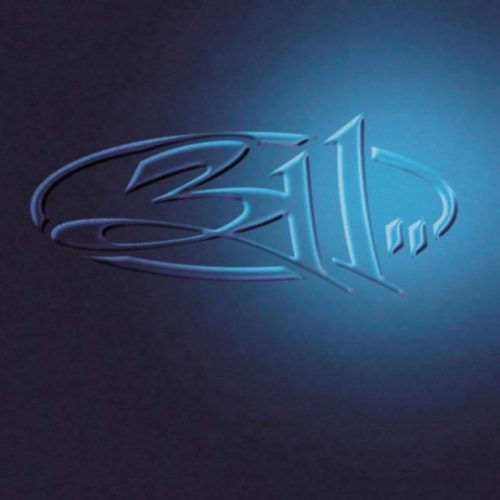
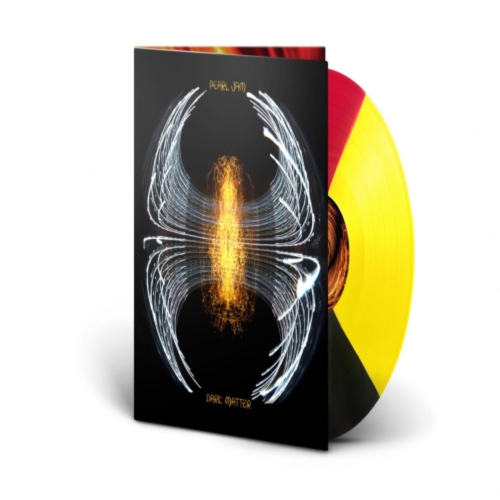

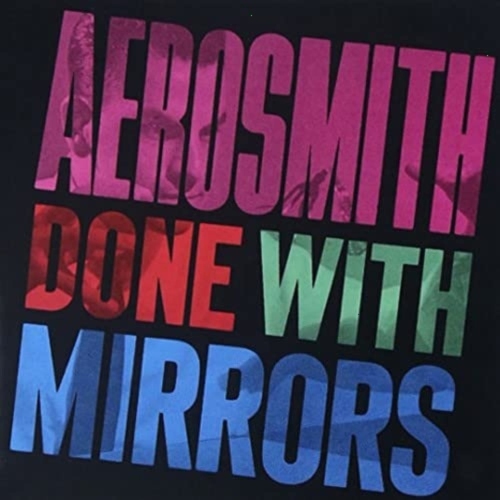


A decade of guitar sounds worth hearing in full
90s rock band albums capture a decade when alternative rock, grunge, Britpop, pop-punk, and heavier guitar music moved into the mainstream while retaining distinct sounds and regional identities. Released between 1990 and 1999, these albums range from raw, stripped-back recordings to expansive productions built around layered guitars, keyboards, strings, and studio experimentation. Grunge often pairs distorted riffs with quieter passages and emotionally direct vocals, while Britpop places greater emphasis on melodic hooks, character-driven lyrics, and guitar arrangements that draw on earlier British pop traditions. Pop-punk brings brisk tempos and concise songwriting, and alternative rock covers a broad spectrum, from jangling guitars and offbeat rhythms to dense walls of sound. Ska-influenced rock adds syncopated rhythms and brass, while industrial rock incorporates electronic textures and mechanical beats. These distinctions help explain why two albums from the same year can create very different listening experiences. A driving rhythm section and shouted chorus might suit an energetic gathering, while spacious arrangements and more reflective lyrics lend themselves to an uninterrupted evening with headphones. Across these styles, the album remained an important creative format: opening tracks established a mood, quieter songs created breathing room, and closing tracks often brought musical or lyrical themes back into focus. Hearing that sequence in full reveals details that a collection of singles can miss, including transitions, recurring sounds, and the contrast between familiar choruses and less familiar album tracks. Canadian rock also forms part of this broader story, with bands drawing on alternative, roots, punk, and hard rock influences while developing their own lyrical perspectives. For listeners returning to music they first heard on radio or discovering the decade through later bands, 90s rock albums offer more than a nostalgic sound. They document a period when intimate songwriting, abrasive guitar tones, memorable melodies, and ambitious production could share space on the same release.
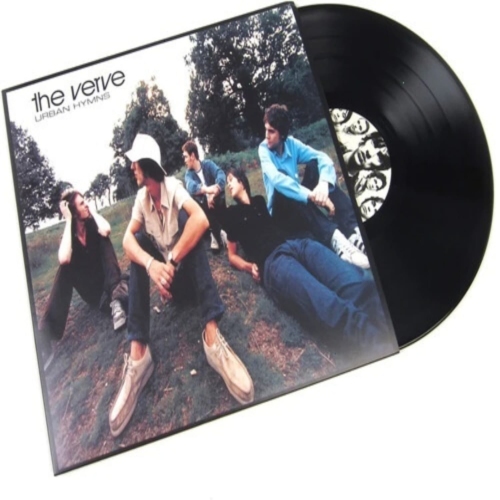
Physical formats give 90s rock band albums different practical and tactile qualities. Vinyl records are typically pressed from PVC and housed in paper or cardboard sleeves, with larger artwork that makes photography, illustration, and typography part of the listening experience. A standard album sleeve is roughly 12 inches square, so shelf height and room to slide a record out comfortably matter when building a collection. Listening on vinyl also follows the division into sides, creating a natural pause that can bring attention to an album’s pacing. Playback requires a compatible turntable and an audio setup with the necessary amplification; some turntables include a phono preamp, while others need one elsewhere in the system. CDs use an optically read disc and offer compact storage, direct track selection, and uninterrupted playback across an album without turning it over. Their booklets may include lyrics, credits, photographs, or production notes, although packaging details vary by edition. A dedicated CD player or compatible disc drive is needed, since not every disc-playing device supports audio CDs. Cassette editions bring another experience, with magnetic tape, side breaks, and a smaller case, but they require a working cassette deck and careful handling of the tape mechanism. Across formats, the edition and mastering can matter as much as the physical medium. A reissue may use different mastering from an earlier release, and a remaster may change tonal balance or perceived loudness without changing the performances. Bonus tracks, alternate takes, and expanded booklets are edition-specific features rather than standard parts of every album. Heavier vinyl is not, by itself, a guarantee of better sound, and coloured vinyl is primarily a visual characteristic rather than a reliable measure of audio quality. For someone who enjoys studying sleeve artwork, a larger package can be part of the appeal; for someone who prefers pressing play and hearing the complete running order, a CD can be a practical fit. The most satisfying format is one that works with the listener’s equipment, storage space, and everyday habits.
A collection of 90s rock albums can centre on a particular sound or show how widely the decade’s guitar music travelled. A group of grunge and alternative recordings might emphasize shifting dynamics and textured production, while a selection spanning Britpop, pop-punk, and ska-influenced rock brings more contrast in rhythm, vocal style, and arrangement. Albums from the beginning and end of the decade can also sit comfortably together while revealing changes in recording techniques and musical influences. Physical editions suit listeners who value a dedicated music shelf, readable credits, and the small ritual of putting on an album rather than letting a playlist run. They can also make thoughtful gifts for a friend reconnecting with music from their school years, a younger listener exploring earlier influences, or someone building a home stereo collection. Format compatibility and the recipient’s preferences matter more than assuming that every rock fan wants the same type of release. Original album sequences, expanded editions, and distinctive packaging each have their own appeal. Care helps preserve both playback quality and presentation over repeated listening. Vinyl records benefit from upright storage, clean inner sleeves, and handling by the edges and label rather than the playing surface. CDs are best handled by their edges or centre hole and returned to their cases to limit scratches, while cassettes need protection from strong magnetic sources and excessive heat. Jackets and booklets also last better when kept dry and out of direct sunlight, with enough shelf space to prevent bending or crushed corners. For a collection that follows the music beyond the decade, Early 2000s Rock Albums provides a natural continuation into the period that followed. Together, these eras trace the enduring appeal of guitar-driven bands through familiar favourites, deeper album tracks, and recordings that reward another complete listen.
Top selling and popular products
-
 Your price for this item is $15.32
-
 Your price for this item is $5.99
-
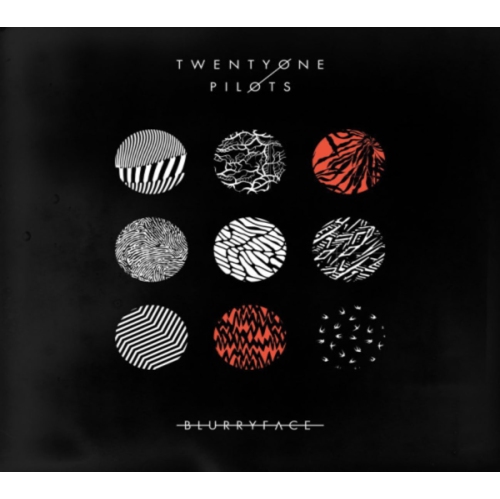 Your price for this item is $16.29
-
 Your price for this item is $15.32
-
 Your price for this item is $24.68
-
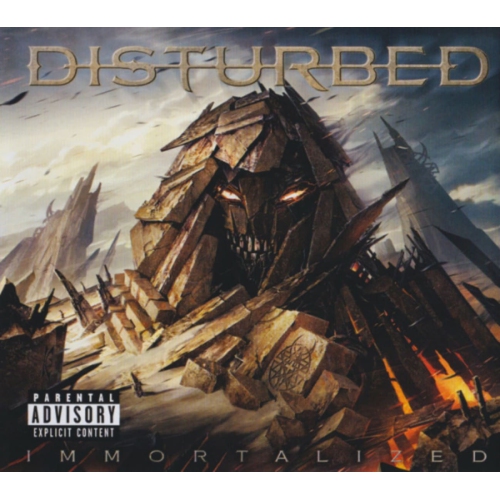 Your price for this item is $15.32
-
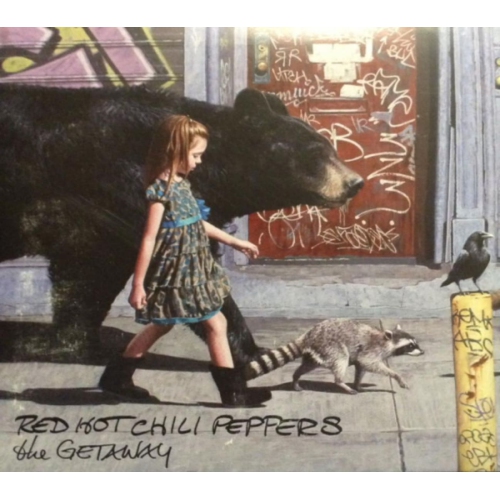 Your price for this item is $15.32
-
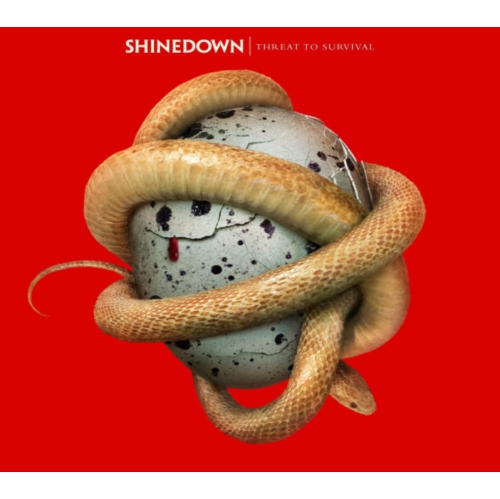 Your price for this item is $15.91
Discover more categories related to 90s Rock Band Albums

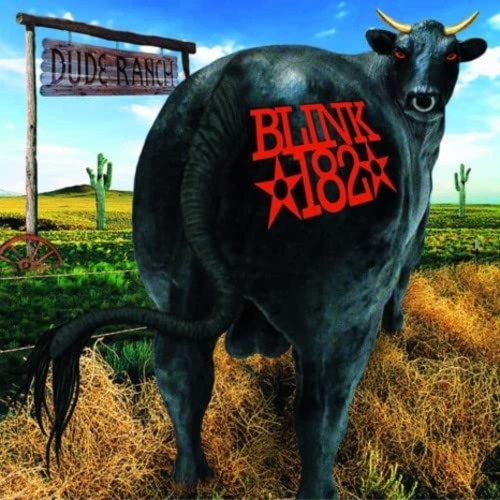

Top Collections:
Pokemon Centers, Best Cameras for Sports Photography, Kindle Devices, Samsung Galaxy Phones, Canon G7X Cameras, Pokémon 30th Celebration Cards, Refurbished Apple Laptops, iPhone 15 Apple, Laptops for Students, Budget Smartphones
Some products may be subject to Environmental Handling Fees
(EHF) depending on your province.
Learn more about EHFs.