90s Alternative Rock Albums
Step into the era that redefined music with 90's Alternative Rock Albums, a collection that captures the raw energy and distinct sound of a generation. Discover influential records that shaped the alternative rock movement, featuring iconic guitar riffs, powerful vocals, and unforgettable melodies. Perfect for longtime fans or those exploring the genre for the first time, these albums bring the unmistakable spirit of the '90's to your music library. Elevate your listening experience and relive the soundtrack of an unforgettable decade with 90's Alternative Rock Albums.
Sort









How underground sounds reshaped a decade of rock
90s alternative rock albums capture a decade when sounds rooted in independent labels, college radio, and local music scenes reached a much wider audience. Alternative rock in the 1990s was not a single style: it brought together grunge, indie rock, shoegaze, noise rock, alternative metal, and other guitar-driven approaches, with influences from punk, post-punk, folk, and electronic music. Grunge often paired heavily distorted guitars with raw vocals and shifts between quiet verses and explosive choruses. Shoegaze favoured layered effects, blurred vocals, and dense textures, while indie rock could range from spare, loosely recorded songs to intricate arrangements. British guitar music added bright melodies and sharp observations about everyday life, and Canadian scenes contributed their own combinations of grit, atmosphere, and memorable songwriting. These distinctions give the decade considerable range, from restless, abrasive records to intimate albums built around a voice and a few carefully placed instruments. Across that variety, themes such as identity, alienation, relationships, and uncertainty helped the music connect with listeners beyond traditional rock audiences. Not every alternative album became a mainstream success, and independent releases remained an important part of the decade’s character. That contrast between widely shared cultural touchstones and smaller, more idiosyncratic recordings is central to the appeal of 90s alternative rock. An album might open with an immediate guitar hook, settle into a fragile acoustic passage, and finish with a long wash of feedback, making the full sequence more revealing than any single track. For listeners building a music collection, the category offers both familiar sounds and room to explore different moods, recording approaches, and regional influences. The appeal extends beyond nostalgia: the tension between rough edges and strong melodies can feel just as immediate to someone hearing this music for the first time.
The physical format shapes how these albums fit into a listening routine. Vinyl records offer large sleeves, readable artwork, and the deliberate pause of turning a record over, which can make the running order feel especially tangible. Standard records are generally made from PVC, with paper or card packaging and an inner sleeve that helps protect the playing surface. Their condition depends on careful handling as much as the thickness of the disc: holding a record by its edges and label keeps fingerprints away from the grooves, while upright storage helps avoid pressure and warping. A suitable record brush can remove loose dust, and deeper cleaning calls for materials intended for records rather than household cleaners. CDs provide a compact alternative, with straightforward track access and no groove wear from normal playback. Their clear polycarbonate surface still needs protection from scratches, and a jewel case or other protective enclosure helps keep the disc and booklet together. When cleaning is necessary, gentle strokes from the centre towards the outside are preferable to rubbing around the disc in circles. Cassettes offer another connection to the decade, although they require a compatible tape player and benefit from storage away from heat and strong magnetic fields. Format compatibility matters more than appearance alone: vinyl needs a turntable, an appropriate cartridge, and a compatible audio setup, while a CD requires a disc player or drive capable of reading audio CDs. Sound also varies with the original recording, mastering, pressing, and playback equipment. A heavier record or a newer edition does not automatically provide better sound, and a remastered version may present the music differently rather than simply improving it. Album length can affect how vinyl editions are spread across sides or discs, changing the pauses within a listening session. These practical differences make format a matter of listening habits as well as personal taste, whether the preference is for a full-size sleeve beside the turntable or a compact disc filed neatly on a shelf.
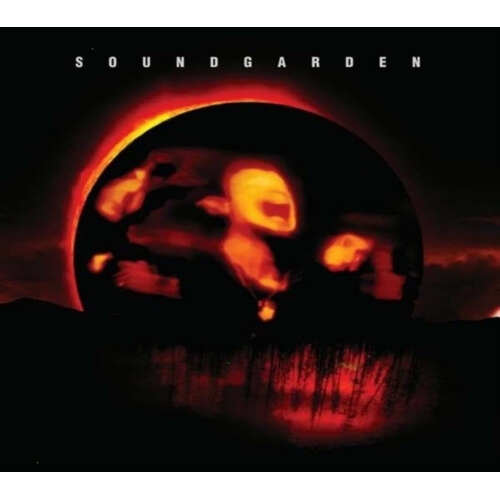
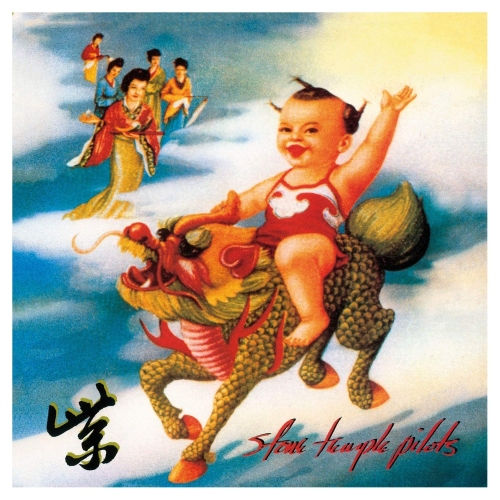
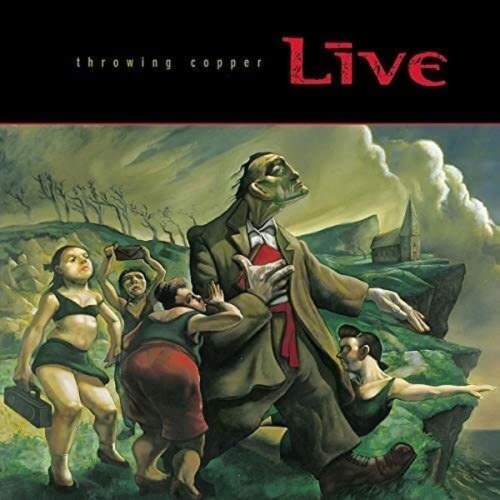
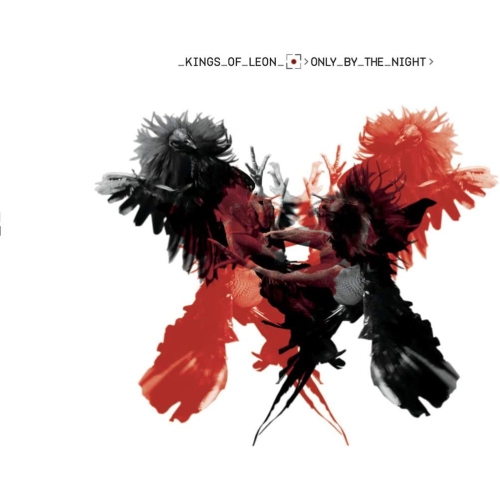
Beyond the recording itself, 90s alternative rock albums often reward attention to the complete package. Photography, handwritten-looking lyrics, unusual typography, and abstract artwork were part of how many releases established their identity, giving physical editions an appeal that extends beyond playback. Booklets and inserts can provide lyrics, musician credits, recording details, and a clearer sense of how an album came together, although their contents vary by edition. For a listener who remembers studying liner notes while an album played, those details can be as meaningful as the opening guitar sound. For someone discovering the decade later, they offer context without interrupting the music. A gift centred on this category works best when it reflects the recipient’s tastes and equipment: an appetite for noisy guitars does not necessarily mean a preference for the same vocals, pace, or production style. Someone drawn to hushed verses and emotional intensity may enjoy a different corner of alternative rock than a listener who prefers driving rhythms and sharply defined hooks. Physical format is equally personal, particularly when one person enjoys the ritual of a turntable and another prefers the convenience of a CD player. These albums suit birthdays, personal milestones, and gifts between friends who share musical memories, as well as collections built gradually around a favourite sound. They also lend themselves to different kinds of listening, from an uninterrupted album session through headphones to a relaxed evening comparing the textures of separate recordings. Distorted guitars can reveal overlapping parts, background vocals, and subtle changes in dynamics when given close attention, while quieter tracks often bring the character of a singer or room into focus. Listeners interested in how these approaches developed beyond the decade can explore Early 2000s Rock Albums for a related chapter in guitar-based music. Together, the musical range, physical presentation, and distinct listening rituals give 90s alternative rock albums a lasting place in collections built for regular play, discovery, and revisiting songs that still carry a personal connection.
Top selling and popular products
-
 Your price for this item is $15.32
-
 Your price for this item is $5.99
-
 Your price for this item is $16.29
-
 Your price for this item is $15.32
-
 Your price for this item is $24.68
-
 Your price for this item is $15.32
-
 Your price for this item is $15.32
-
 Your price for this item is $15.91
Discover more categories related to 90s Alternative Rock Albums


Top Collections:
Pokemon Centers, Best Cameras for Sports Photography, Kindle Devices, Samsung Galaxy Phones, Canon G7X Cameras, Pokémon 30th Celebration Cards, Refurbished Apple Laptops, iPhone 15 Apple, Laptops for Students, Budget Smartphones
Some products may be subject to Environmental Handling Fees
(EHF) depending on your province.
Learn more about EHFs.