Classic Hollywood Thriller Movies
Classic Hollywood Thriller Movies capture the suspense, intrigue, and timeless storytelling that have captivated audiences for generations. Explore a selection of cinematic masterpieces that define the golden age of thrillers, featuring unforgettable plots and legendary performances. Whether you’re a longtime fan or discovering these classics for the first time, Classic Hollywood Thriller Movies offer an exciting journey into the heart of film history. Find your next movie night favorite and relive the excitement of these iconic thrillers.
Sort
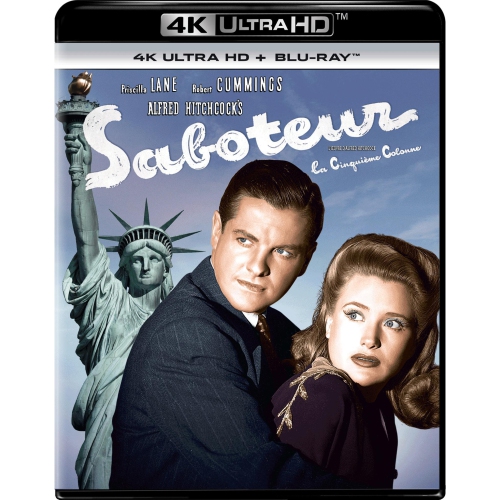
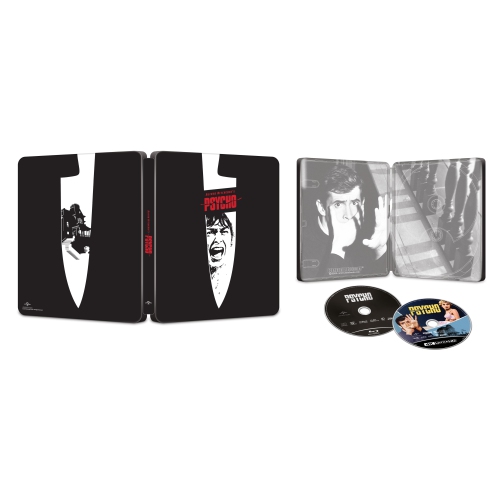

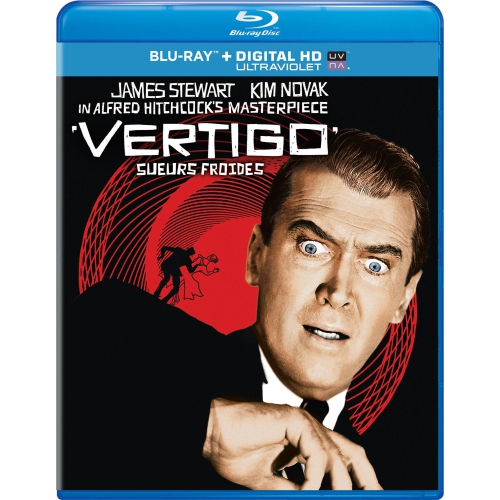
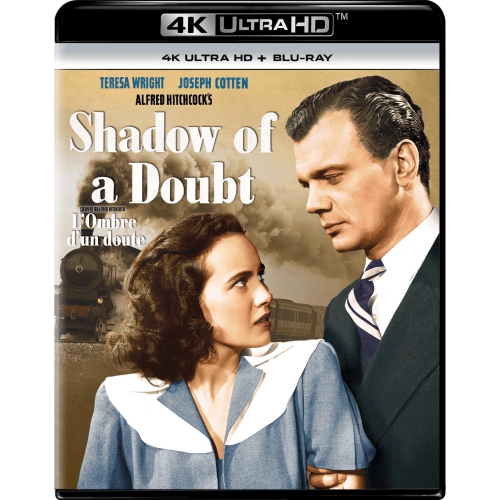
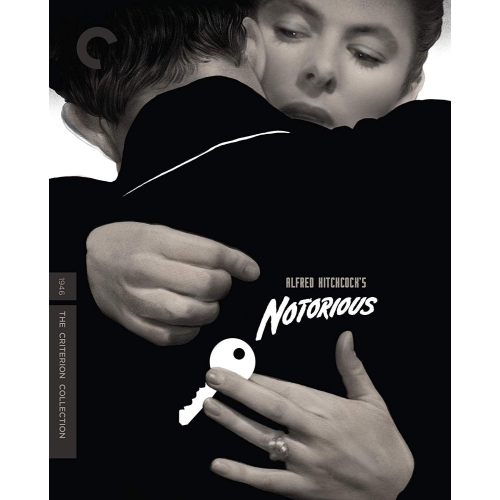



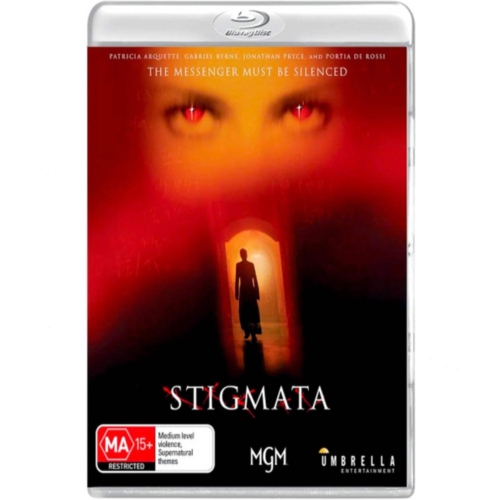
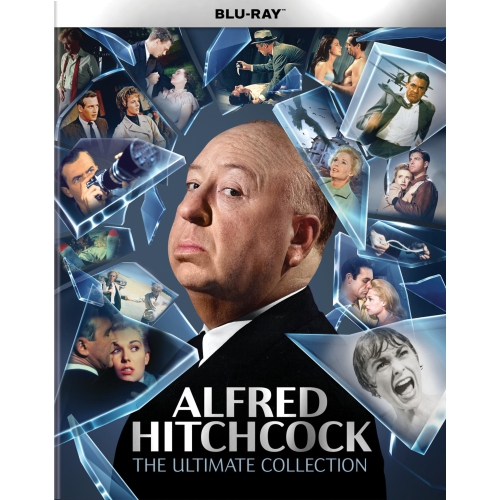
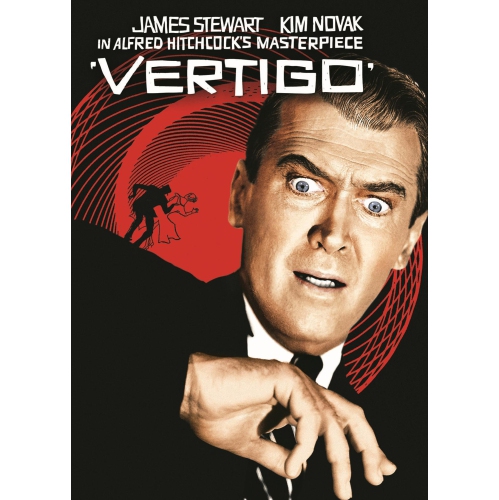
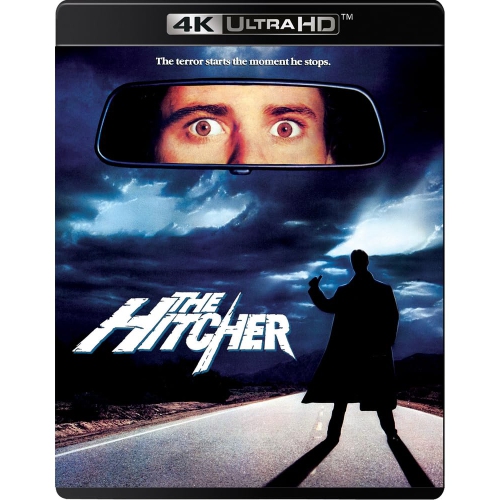

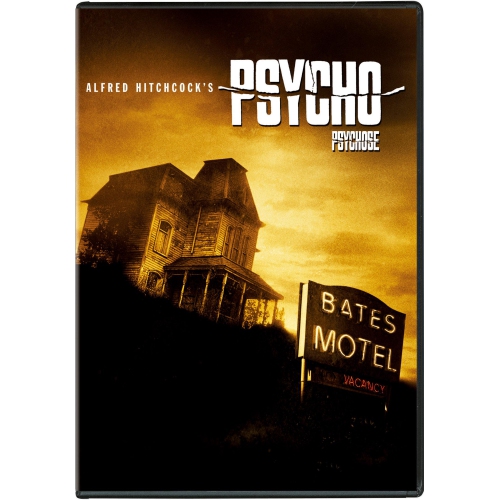

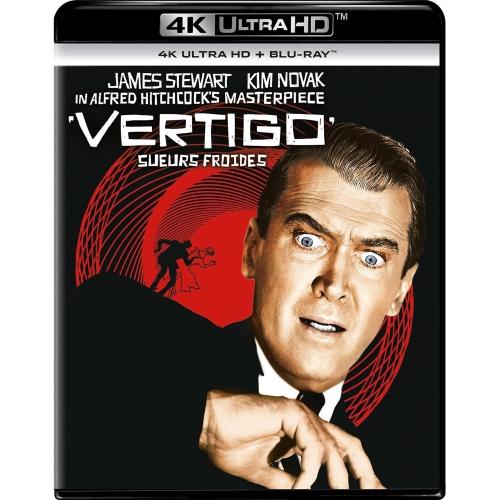
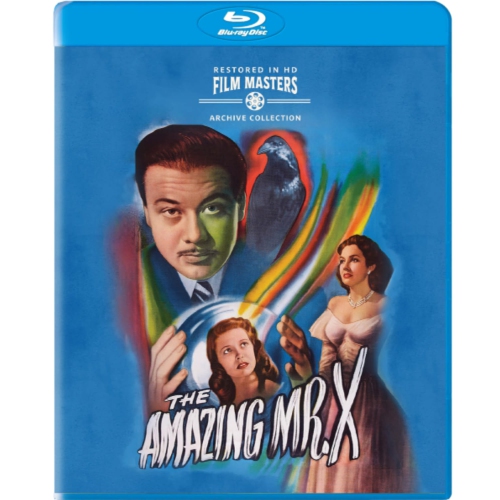
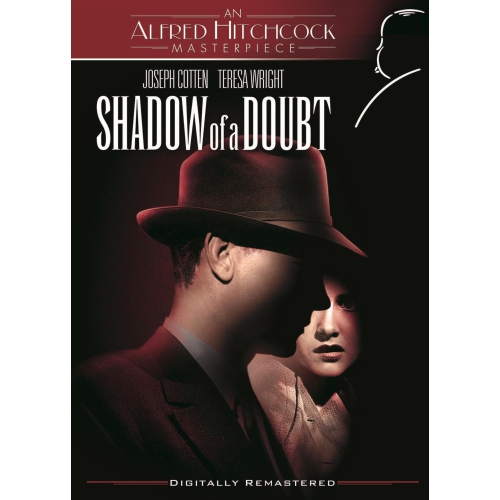
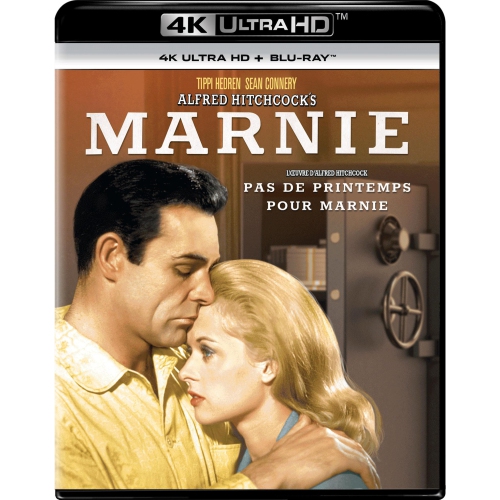
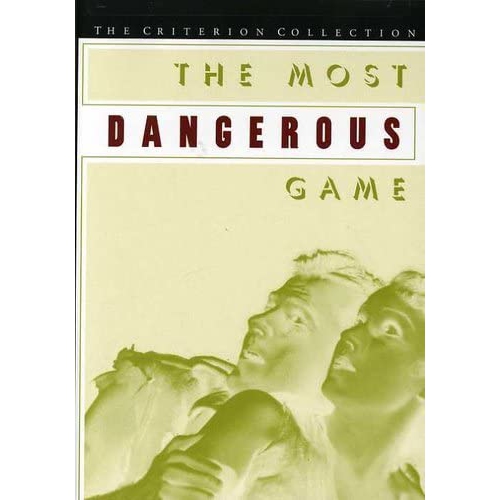
How hidden motives turn quiet scenes into suspense
Classic Hollywood thriller movies centre on suspense: a concealed motive, a dangerous secret, or an ordinary person caught in circumstances that grow more threatening with every scene. Rooted in the studio era, these films often combine tightly structured storytelling with expressive lighting, carefully timed editing, and performances that reveal just enough to keep a character’s intentions uncertain. The classic Hollywood period generally stretches from the late 1920s into the early 1960s, although movie collections often use “classic” more broadly to include influential thrillers from later decades. Within that range, psychological thrillers explore obsession, mistaken perceptions, and unstable relationships, while crime thrillers build tension around investigations, betrayals, and the possibility of being caught. Espionage stories add coded messages, divided loyalties, and pursuits across unfamiliar cities. Film noir overlaps with the thriller through shadowy streets, morally compromised characters, and a sense that one bad decision can set everything in motion, but the two terms are not interchangeable. Not every noir is primarily a thriller, and not every thriller uses noir’s visual style or fatalistic outlook. What connects these films is the way they manage information: viewers may notice a threat before the protagonist does, or discover a crucial detail at precisely the same moment. A quiet conversation beside a closed door can carry as much tension as a chase through a crowded station. For viewers who enjoy mysteries, the appeal often lies in watching small details acquire meaning; for those drawn to character dramas, it may be the pressure that exposes a seemingly respectable person’s hidden motives. Broader collections of Hollywood Classic Movies place this suspense tradition alongside the dramas, comedies, and other genres that developed through the same studio system. Thriller collections offer a more focused viewing experience, with stories built around uncertainty, suspicion, and the consequences of choices that cannot easily be undone.
On home video, the presentation of a classic thriller matters because so much of its effect depends on what can be seen and heard. Black-and-white photography can contain subtle gradations between a bright window, a face in partial shadow, and the darkness beyond a doorway. Colour productions may use a vivid costume or an unusually lit room to draw attention to a clue or signal a shift in mood. A carefully prepared transfer can preserve those choices, but the format alone does not determine picture quality; the condition of the source material and the work involved in preparing the release also matter. DVD, Blu-ray, and 4K Ultra HD editions have different playback requirements, making compatibility with the intended player an important part of choosing a physical movie. A standard DVD player cannot play Blu-ray discs, and 4K Ultra HD discs require compatible Ultra HD playback equipment. Region coding can also affect imported DVDs and Blu-ray discs, so the region information on the packaging deserves attention, particularly when a movie is intended as a gift. Original aspect ratio is another useful detail. Older films were made in several screen shapes, and black bars on a modern television can be part of displaying the full composition correctly rather than evidence of a problem. Stretching the picture or zooming to fill the screen may distort faces or remove visual information near the edges. Sound deserves similar consideration: an original mono track can be entirely appropriate for a studio-era thriller, while some releases also include alternative mixes. Clear dialogue is especially valuable in stories where an apparently casual remark later becomes significant. Subtitles and closed captions, when included, can make intricate conversations easier to follow and support different viewing needs. Supplementary features such as commentaries, production photographs, and interviews can add context after the first viewing, though their inclusion varies by edition. For suspense films, browsing these extras after the feature also helps avoid learning about a major revelation before the story has had a chance to unfold.
Physical classic thriller movies suit several kinds of home collections, from a small shelf of favourites for repeat viewing to a broader library tracing changes in screen storytelling. A first viewing may be driven by the plot, while later viewings reveal how a glance, a pause, or a background detail helped establish the outcome. That repeat-viewing value makes the genre appealing to film enthusiasts, mystery readers, and anyone who enjoys discussing a story after the credits. A movie-night gift can feel particularly thoughtful when its tone matches the recipient’s tastes: some viewers prefer elegant intrigue and restrained menace, while others enjoy darker crime stories or more intense psychological tension. An older release date does not automatically make a film suitable for children. Violence, disturbing themes, and mature subject matter vary considerably, and some films contain dated stereotypes or social attitudes that call for context. Age ratings and content descriptions are more useful than assumptions about the era. For shared viewing, a quieter room can help everyone catch the dialogue and small sound cues that carry suspense; lowering distracting light can also make shadow detail easier to see without changing the television’s picture settings excessively. Disc care is straightforward but important for a collection intended to last. Handling discs by the outer edge and centre hole helps keep fingerprints away from the readable surface. Returning them to their cases after viewing limits scratches and dust, while storage away from direct sunlight, moisture, and excessive heat helps protect both discs and printed packaging. When cleaning is necessary, a soft, lint-free cloth used gently from the centre outward is preferable to wiping in circles. Cases with intact hubs keep discs from moving around, and checking that each disc is seated properly is useful before lending or transporting a set. With suitable playback equipment and careful storage, a physical thriller collection can remain a familiar part of home entertainment, ready for an absorbing first watch or another look at the scene that changes everything.
Top selling and popular products
-
 Your price for this item is $139.99
-
 Your price for this item is $42.32
-
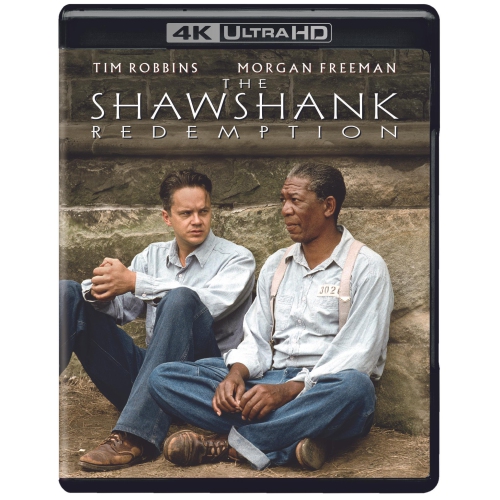 Your price for this item is $18.99
-
 Your price for this item is $17.6
-
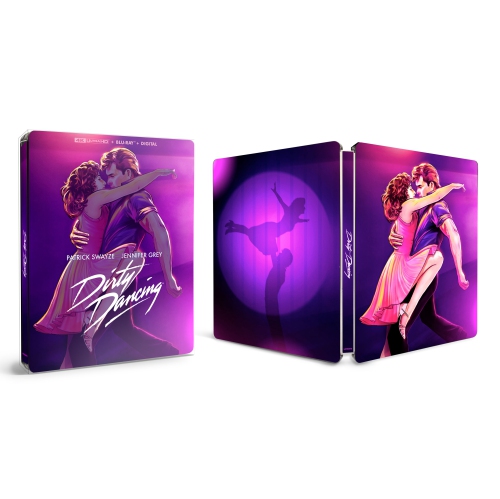 Your price for this item is $119.99
-
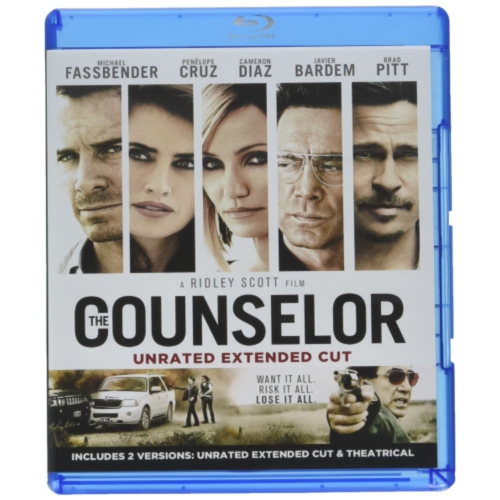 Your price for this item is $4.99
-
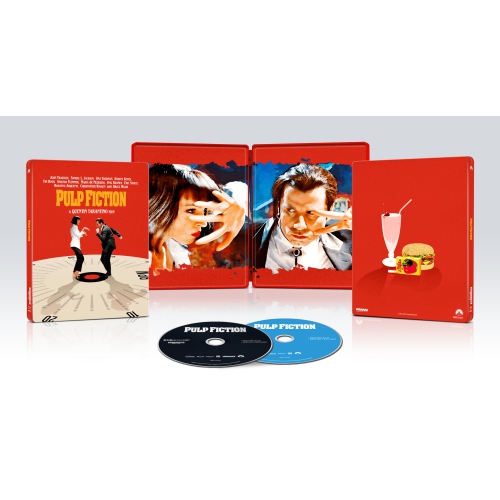 Your price for this item is $119.99
-
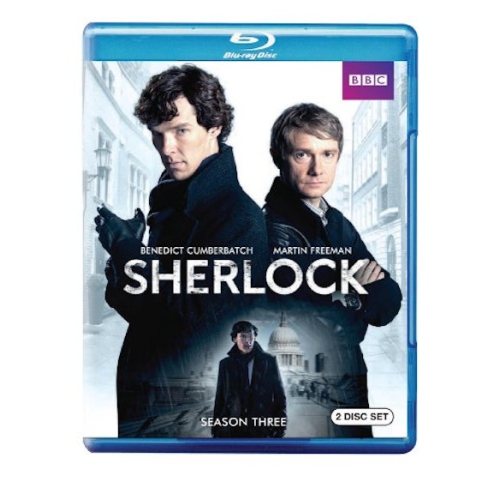 Your price for this item is $31.99
Discover more categories related to Classic Hollywood Thriller Movies
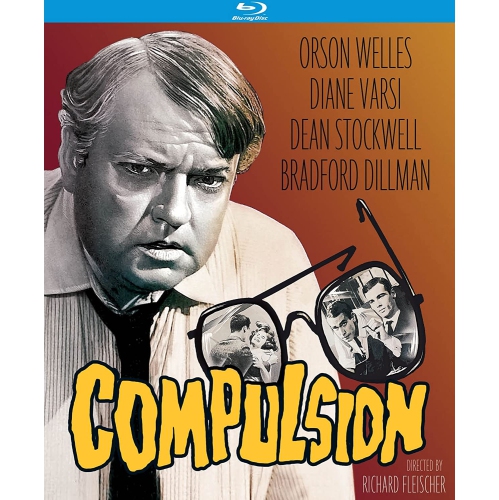

Top Collections:
Pokemon Centers, Best Cameras for Sports Photography, Kindle Devices, Samsung Galaxy Phones, Canon G7X Cameras, Pokémon 30th Celebration Cards, Refurbished Apple Laptops, iPhone 15 Apple, Laptops for Students, Budget Smartphones
Some products may be subject to Environmental Handling Fees
(EHF) depending on your province.
Learn more about EHFs.