Classic Rock Music Compilations
Classic Rock Music Compilations bring together the timeless sounds and unforgettable hits that defined generations. Perfect for music enthusiasts and collectors alike, these collections capture the energy and spirit of classic rock’s legendary era. Whether you’re reliving your favorite memories or discovering iconic tracks for the first time, Classic Rock Music Compilations offer an easy way to enjoy a curated selection of essential tunes. Explore a wide variety of options to find the perfect addition to your music library or a thoughtful gift for any rock fan.
Sort










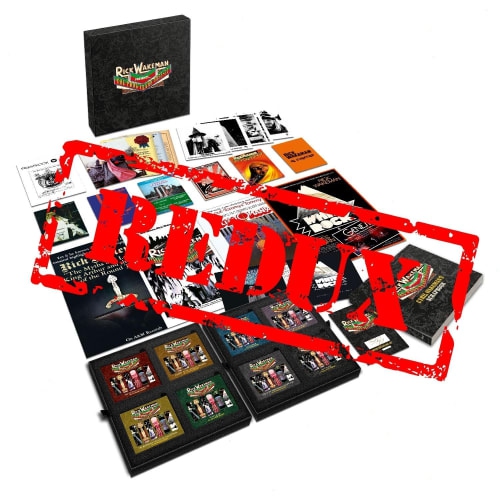
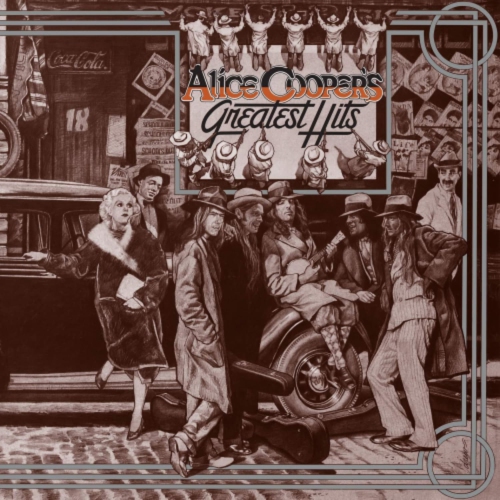

How familiar rock songs become a complete listen
Classic rock music compilations bring together songs from rock’s established catalogue in a single collection, offering a broad introduction to an era, a particular sound, or an artist’s career. Often centred on music from the 1960s, 1970s, and 1980s, these collections can span blues-driven guitar rock, folk-influenced songwriting, psychedelic textures, progressive arrangements, and the big choruses associated with arena rock. The boundaries vary by collection: some focus on a narrow period, while others follow the continuing influence of earlier rock styles into later decades. A multi-artist compilation puts different voices and approaches side by side, making it easy to hear the contrast between a lean, riff-led single and a richly layered studio production. A single-artist greatest-hits collection provides a more concentrated view, gathering familiar songs that might otherwise be spread across several albums. Career retrospectives can go further by including less familiar album tracks, live performances, or recordings from different stages of a musician’s development. These distinctions matter because a compilation built around radio favourites offers a different listening experience from a collection intended to explore the edges of a catalogue. For someone revisiting songs first heard on the radio, recognisable choruses and original studio performances may be the main attraction. For a newer listener, variety can be more rewarding, with acoustic passages, organ-led arrangements, vocal harmonies, and extended guitar solos opening up different corners of rock history. The running order also gives a compilation its character. Chronological sequencing reveals changes in songwriting and production, while a mood-led selection might move from a punchy opening track towards slower, more expansive performances. Whether played during a relaxed evening, a gathering with friends, or a long listening session, a well-matched collection offers both familiar landmarks and room for discovery. Its appeal lies not simply in the number of songs included, but in how those songs work together as a complete listen.
Physical classic rock compilations commonly take the form of CDs, vinyl records, and multi-disc sets, each suited to different playback habits. CDs offer direct track selection and can hold a substantial programme on a single disc, making them practical for listeners who prefer to move between favourites without turning a record over. They require a compatible CD player or disc drive; a computer without an optical drive cannot play an audio CD on its own. Vinyl divides the music into sides and makes the sequence more tangible, with a pause to flip the record becoming part of the experience. Larger sleeves also provide more space for artwork, photographs, and readable credits, which can add context to the music. Playback requires a suitable turntable and audio system, including a phono stage either built into a component or connected separately where needed. Multi-disc collections allow more room for longer tracks and broader coverage, though the number of discs alone does not establish how comprehensive a collection is. Track listings, stated running times, and recording details give a clearer picture. A radio edit may shorten an instrumental passage, while an album version may preserve a longer introduction or closing solo. Live recordings can bring crowd response, looser phrasing, and different arrangements; re-recordings may sound noticeably different from the performances a listener remembers. Labels such as remastered describe additional work on an existing recording, but do not guarantee that every listener will prefer the result. Source quality, mastering choices, and the playback setup all contribute to the sound. Stereo and mono versions can also differ in the placement and balance of vocals and instruments, rather than simply presenting the same experience through a different number of channels. Packaging details matter for repeated use, too. A sturdy case or sleeve, secure disc holders, and clear spine text make a collection easier to handle and identify on a shelf. Booklets with musician credits, recording dates, and notes on the selections can turn a familiar set of songs into a more absorbing physical collection.
The lasting enjoyment of classic rock music compilations depends partly on how the discs and packaging are handled. CDs have a polycarbonate body with a reflective data layer, while vinyl records store sound in a physical groove; both benefit from clean surfaces and careful storage. Holding either format by its edges helps keep fingerprints away from the playing surface. For CDs, a soft, lint-free cloth used gently from the centre towards the outer edge is preferable to rubbing in circles. Vinyl needs a record-safe cleaning approach, such as a suitable brush for loose surface dust and a purpose-made cleaning solution used according to its directions when more thorough cleaning is needed. Records are best stored upright in supportive shelving, with protective inner sleeves and enough space to remove them without scraping or bending the covers. Direct sunlight and heat sources can damage discs and packaging, so a shelf beside a radiator or a sunny window is a poor long-term home. Returning discs to their cases or sleeves after playback reduces unnecessary exposure to dust and accidental scratches. These habits are particularly useful for collections that become regular favourites rather than occasional listens. As gifts, compilations can suit a wide range of music fans, from someone building a first physical music library to a longtime listener who enjoys revisiting a particular period. The most personal match often comes from knowing whether the recipient prefers familiar singles, lengthy instrumental sections, powerful vocals, or the energy of concert recordings. Format compatibility is just as important as musical taste: a vinyl enthusiast may appreciate the artwork and side-by-side listening ritual, while a CD listener may value straightforward playback and compact storage. Listeners drawn especially to heavier guitar tones, forceful rhythms, and driving arrangements may also enjoy Hard Rock Compilation CDs. Classic rock collections with a wider stylistic range offer a different pleasure, letting a delicate acoustic opening sit alongside a roaring guitar break and showing how much variety exists within a familiar musical tradition.
Top selling and popular products
-
 Your price for this item is $15.32
-
 Your price for this item is $5.99
-
 Your price for this item is $16.29
-
 Your price for this item is $15.32
-
 Your price for this item is $24.68
-
 Your price for this item is $15.32
-
 Your price for this item is $15.32
-
 Your price for this item is $15.91
Discover more categories related to Classic Rock Music Compilations


Top Collections:
Pokemon Centers, Kindle Devices, Best Budget Office Chairs, Canon G7X Cameras, Apple iPhones 16, Samsung Galaxy Phones, Refurbished Apple Laptops, Laptops for Students, iPhone 15 Apple, Budget Smartphones
Some products may be subject to Environmental Handling Fees
(EHF) depending on your province.
Learn more about EHFs.