Classic Rock CD Box Sets
Classic Rock CD Box Sets bring the timeless energy and unforgettable sound of legendary rock bands right to your collection. Perfect for music enthusiasts and collectors alike, these sets offer a curated journey through decades of iconic hits and memorable albums. Whether you’re reliving old favorites or discovering classic tracks for the first time, Classic Rock CD Box Sets make it easy to enjoy the best moments in rock history from the comfort of your own home. Find the perfect addition to your music library and celebrate the enduring legacy of classic rock.
Sort



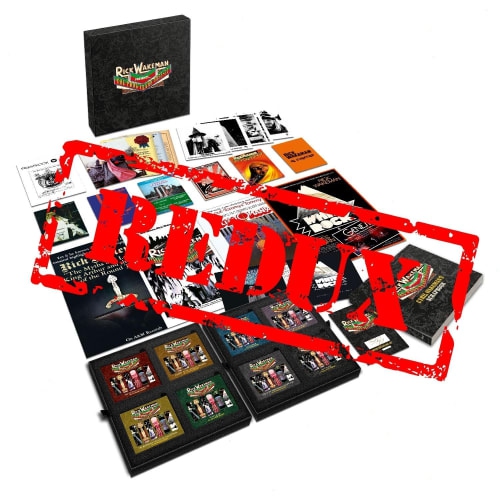

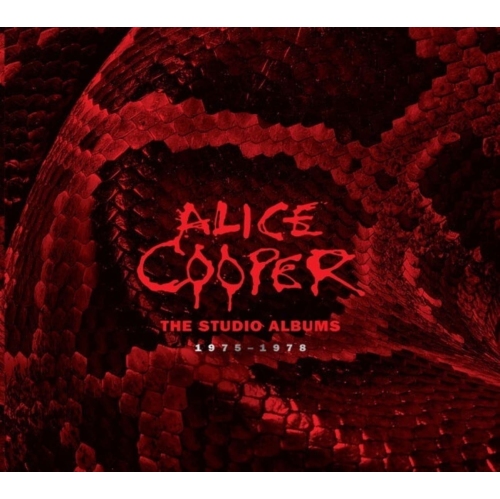






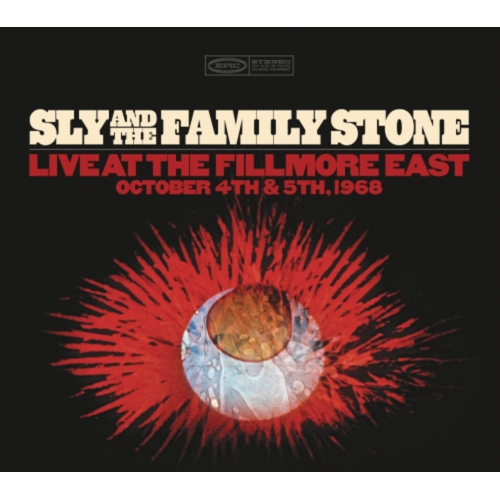
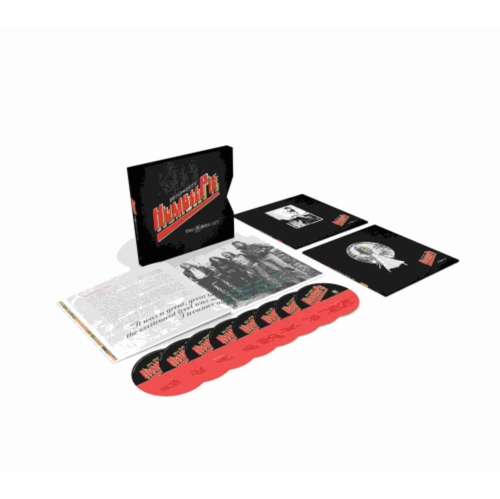

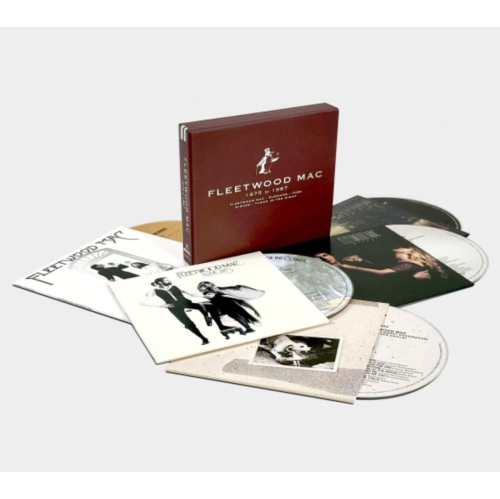


Familiar songs reveal more through demos and live recordings
Classic rock CD box sets bring multiple albums, performances, or recording sessions together in a physical collection, often pairing familiar studio releases with live recordings, alternate takes, demos, and previously unreleased material. Some focus on a single album and the sessions behind it; others trace a band’s development across several releases or gather music from a particular era. That scope is part of their appeal: a song heard countless times on the radio can take on a different character beside an early acoustic demo or an extended concert performance. Classic rock spans overlapping styles, including blues rock, hard rock, progressive rock, folk rock, and other guitar-driven sounds, so the contents matter more than the size of the box alone. An album-focused collection suits someone who enjoys hearing a record from its opening track to its final fade, while an archival edition offers more detail for a listener interested in arrangements, musicianship, and studio decisions. A career-spanning set can provide a broader view, though it does not necessarily include every album or every original track sequence. Track listings, recording dates, and edition descriptions help distinguish complete album collections from selections built around highlights and rarities. Studio albums usually present the finished work as it was shaped for release, whereas concert recordings may capture longer solos, different tempos, audience interaction, and songs played in unexpected sequences. Neither approach replaces the other; each reveals a different side of the music. For listening that moves between several performers rather than concentrating on one catalogue, Classic Rock Music Compilations offer a related format centred on collected tracks. A box set’s particular strength is continuity: there is room to follow a changing guitar sound, hear a rhythm section settle into its style, or notice how a songwriter’s themes develop from one album to the next.
The listening experience depends on the source recordings, mastering choices, disc format, and playback equipment, not simply the number of CDs included. A remastered album has undergone a new mastering process, which may adjust tonal balance, overall level, noise, or dynamics; it is not automatically a new mix. A remix returns to the individual recorded elements and can change the balance or placement of vocals and instruments. Those distinctions are useful when choosing between a familiar presentation and a different interpretation of the same sessions. A remaster may bring certain details forward, but newer does not necessarily mean better for every listener, particularly when preferences differ around loudness and dynamic range. Mono and stereo versions can also offer noticeably different experiences, especially when they come from distinct original mixes rather than a simple format conversion. Bonus material deserves similar attention. An alternate take might contain a different vocal phrase or guitar passage, while a demo may be a rough sketch with sparse accompaniment. Archival concert audio can vary in clarity according to how it was captured and the condition of the source. That rawness may be part of its historical interest, but it is different from the polished sound of a finished studio album. Standard audio CDs work with compatible CD players, including many home stereo systems and disc-equipped vehicles. A computer needs a suitable optical drive and playback software, and a vehicle without a CD drive cannot play the discs directly. Some mixed-format box sets contain DVDs, Blu-ray discs, or other formats alongside CDs, so any video, surround-sound, or higher-resolution extras require compatible equipment. The main CD programme and the supplementary discs may not contain identical material. For a listener who plans to play an album through speakers in the living room, straightforward stereo CDs may be the priority; someone interested in concert footage or surround mixes will want to check the full format breakdown. Running times and disc sequencing also influence everyday use, especially when a long performance is spread across several discs.
Physical presentation gives classic rock CD box sets much of their lasting appeal, from compact album sleeves to substantial books filled with session notes and photographs. Typical packaging combines paperboard boxes or slipcases with printed sleeves, plastic disc trays, or individual jewel cases. Miniature album-style sleeves can preserve the look of original artwork in a smaller format, while trays and jewel cases hold discs by their centres and reduce contact with the playing surface. Neither construction is equally convenient for every shelf or listening habit. A tall book-style edition may need more clearance than a standard CD rack, and a tightly packed sleeve can take more care to use than a hinged case. Dimensions, disc storage, and the way the box opens matter when a collection will be played regularly rather than kept mainly for display. Booklets can add genuine context through recording credits, musician details, essays, and photographs, though the amount of printed material varies by edition. Clear credits are particularly useful when different lineups, producers, or guest players appear across a long run of albums. To keep discs in good condition, handle them by the outer edge or centre hole, return them to their holders after listening, and keep fingers away from the playing surface. When cleaning is needed, use a soft, clean, lint-free cloth and wipe gently from the centre towards the edge rather than in circles. Store the collection away from direct sunlight, excess heat, and moisture, and avoid forcing a disc out of a tight retaining hub. Paper sleeves, book corners, and outer boxes also benefit from careful handling and enough shelf space to prevent crushing. As gifts, these collections suit devoted fans, people building a physical music library, and listeners returning to albums they once knew track by track. The most thoughtful match reflects how the recipient listens: original albums for familiar uninterrupted sessions, live material for the energy of the stage, or detailed archives for someone who enjoys comparing versions. Checking which releases they already own helps make the collection a meaningful addition rather than a larger package of the same recordings.
Top selling and popular products
-
 Your price for this item is $15.32
-
 Your price for this item is $5.99
-
 Your price for this item is $16.29
-
 Your price for this item is $15.32
-
 Your price for this item is $24.68
-
 Your price for this item is $15.32
-
 Your price for this item is $15.32
-
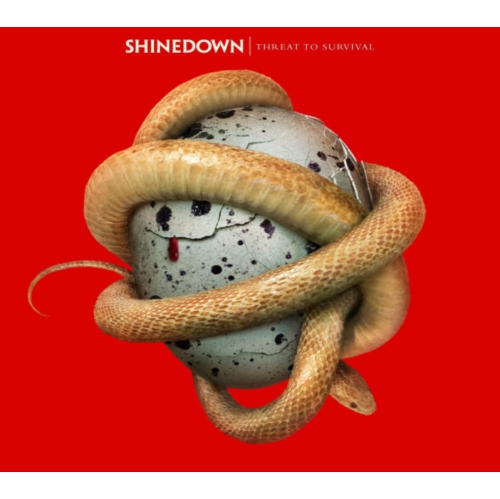 Your price for this item is $15.91
Discover more categories related to Classic Rock CD Box Sets


Top Collections:
Pokemon Centers, Best Cameras for Sports Photography, Kindle Devices, Samsung Galaxy Phones, Canon G7X Cameras, Pokémon 30th Celebration Cards, Refurbished Apple Laptops, iPhone 15 Apple, Laptops for Students, Budget Smartphones
Some products may be subject to Environmental Handling Fees
(EHF) depending on your province.
Learn more about EHFs.