Classic Rock Music CDs
Classic Rock Music CDs bring the timeless sounds of legendary artists right into your home audio collection. Explore a wide selection of albums that capture the energy and spirit of rock’s golden era. Whether you’re expanding your library or searching for the perfect gift, Classic Rock Music CDs offer an immersive listening experience for fans of all ages. Discover iconic tracks and unforgettable performances that continue to inspire music lovers everywhere.
Sort


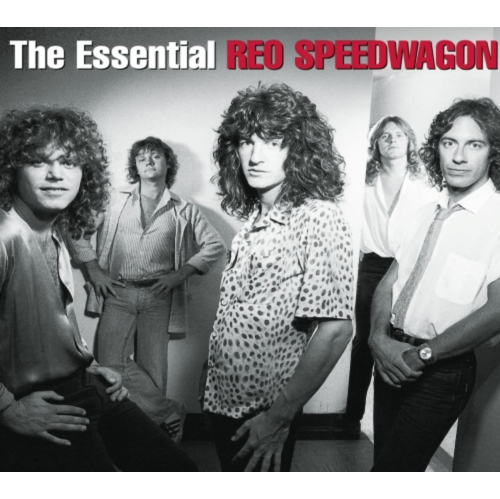

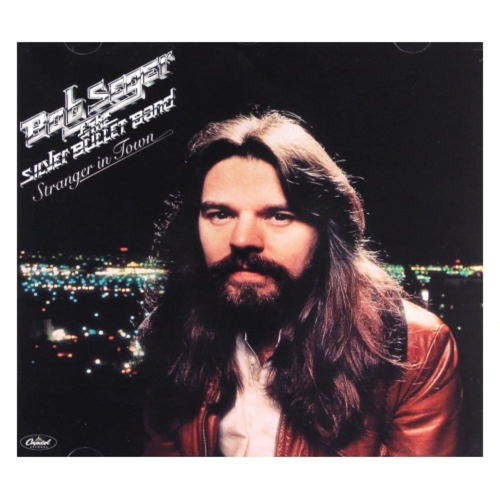




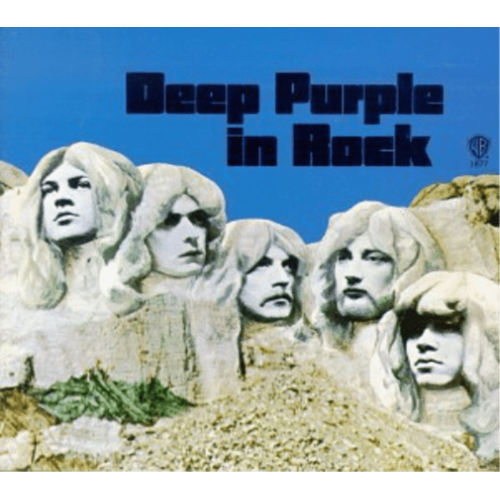



Rock albums with more to hear beyond the hits
Classic rock music CDs bring together the guitar-driven songs, expressive vocals, and memorable albums that helped define rock from the 1960s through the 1980s. The term covers a broad musical range rather than a single sound: blues-based rock built around a powerful riff, folk-influenced songs with close harmonies, progressive rock with extended instrumental passages, and arena rock designed for a full crowd to sing along. Some recordings lean on the warmth of an acoustic guitar and a distinctive voice; others fill the speakers with layered electric guitars, driving bass, and a thunderous drum sound. That variety makes classic rock on CD appealing both to longtime listeners revisiting familiar music and to newer fans discovering what lies beyond the best-known singles. Studio albums preserve a particular chapter in an artist’s work, including the quieter tracks and unexpected turns that give the big songs their context. Hearing an album in its original running order can reveal connections that are easy to miss when listening to individual tracks: a brief instrumental leading into a vocal entrance, a recurring musical phrase, or a closing song that brings the whole recording into focus. Live albums offer a different experience, capturing longer solos, altered arrangements, audience participation, and the energy of musicians playing together onstage. Greatest-hits collections concentrate on recognisable songs, while multi-artist sets place different voices and styles side by side. For listeners drawn to that broader mix, Classic Rock Music Compilations bring the focus to collections spanning multiple songs, performers, or eras. Whether the aim is a complete album for an uninterrupted evening of listening or a varied soundtrack for a gathering, the distinction between studio releases, concert recordings, and compilations helps explain what each type of CD contributes to a music collection. Even within the same decade, the contrast between a stripped-back blues-rock performance and an elaborate progressive arrangement leaves plenty of room for individual taste.
The appeal of a classic rock CD also comes from the physical listening experience. A disc, its artwork, and its accompanying booklet create a tangible connection to the recording, with packaging that can be browsed, shelved, and returned to without navigating an app. Where included, lyrics, musician credits, recording details, and liner notes add context to the music. A credit for a guest keyboard player or a second guitarist can make a familiar passage sound different on the next listen, while photographs and reproduced artwork help preserve the visual identity of the original release. Standard audio CDs use two-channel digital audio at 16-bit resolution and a 44.1 kHz sampling rate, but those specifications alone do not determine how a recording sounds. The original recording, the source used for the release, and the mastering choices all matter. A remastered edition may adjust tonal balance, overall level, or the treatment of tape noise; the word “remastered” does not automatically mean that every listener will prefer it. Remastering is also different from remixing, which changes how the recorded elements are balanced or positioned in the mix. Edition details can therefore be as meaningful as the album title. Expanded releases may add alternate takes, demos, or concert material, while a straightforward edition can suit someone who simply wants the original album programme. Track listings help distinguish a familiar studio performance from a live version or a shorter single edit. Multi-disc collections can offer a longer listening experience, although repeated songs across different releases are worth noting when building a collection. Physical fit matters as well: standard jewel cases generally sit neatly in CD shelving, while larger boxed editions and book-style packages may need more space. Cardboard sleeves have a different feel from rigid cases, and their printed surfaces can show rubbing with repeated handling. For a collector, packaging style and booklet content may be part of the pleasure; for an everyday listener, easy access to the disc and a clear track list may matter more.
Classic rock CDs suit dedicated listening spaces, shared living rooms, and other places with compatible playback equipment. A conventional audio CD plays in a compatible CD player without an internet connection or a streaming subscription, making it a straightforward choice for someone who enjoys putting on an album and letting it run. Compatibility still deserves attention: a computer needs an optical drive capable of reading audio CDs, and a vehicle needs a working CD player rather than only a USB port or wireless audio connection. Some releases include separate video discs or use specialist audio formats, so the stated format and playback requirements matter when choosing an edition. Once the disc is playing, speakers can give a concert recording a sense of scale, while headphones can make it easier to follow a bass line, hear layered harmonies, or notice the space around a guitar part. The best match is often less about the size of the collection than how the music will be enjoyed. A familiar album can make a thoughtful birthday gift for someone replacing a worn copy, while a carefully chosen anthology can introduce a younger listener to several branches of rock. For an established fan, a different performance or meaningful booklet content may be more useful than another collection of songs already owned. CDs are convenient to handle, but the clear polycarbonate disc and its reflective layer still benefit from simple care. Holding a disc by its outer edge or centre opening helps keep fingerprints off the playing surface. Dust and light marks can be removed with a clean, soft, lint-free cloth, wiping gently from the centre towards the edge rather than in circles. Returning discs to their cases protects them from scratches, and keeping them away from direct sunlight and excessive heat helps protect both the discs and their packaging. With sensible storage and compatible equipment, classic rock music CDs offer a lasting, personal way to enjoy everything from a quiet acoustic introduction to the final sustained chord of a full-band performance.
Top selling and popular products
-
 Your price for this item is $15.32
-
 Your price for this item is $5.99
-
 Your price for this item is $16.29
-
 Your price for this item is $15.32
-
 Your price for this item is $24.68
-
 Your price for this item is $15.32
-
 Your price for this item is $15.32
-
 Your price for this item is $15.91
Discover more categories related to Classic Rock Music CDs


Top Collections:
Pokemon Centers, Best Cameras for Sports Photography, Kindle Devices, Samsung Galaxy Phones, Canon G7X Cameras, Pokémon 30th Celebration Cards, Refurbished Apple Laptops, iPhone 15 Apple, Laptops for Students, Budget Smartphones
Some products may be subject to Environmental Handling Fees
(EHF) depending on your province.
Learn more about EHFs.