Country Music Albums
Explore the heart and soul of country music with our handpicked selection of albums that will have you tapping your boots and singing along to every twangy chord. From classic hits that define the genre to the latest chart-topping releases, our collection is sure to satisfy any country music enthusiast's craving for authentic storytelling and heartfelt melodies. Whether you're a die-hard fan or just dipping your toes into the world of country music, these albums are bound to strike a chord and leave you wanting more. Get ready to immerse yourself in the rich tapestry of country sounds that will transport you to a world of pickup trucks, honky-tonks, and endless summer nights.
Sort


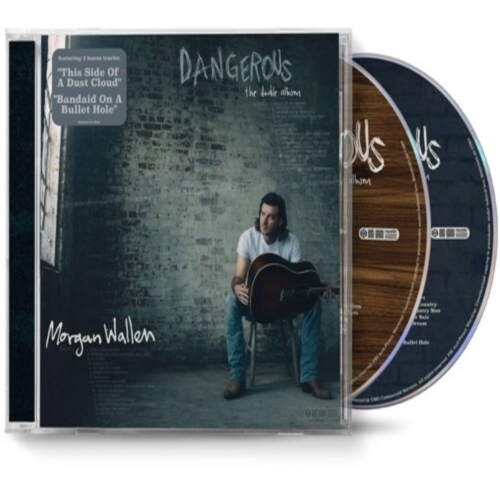





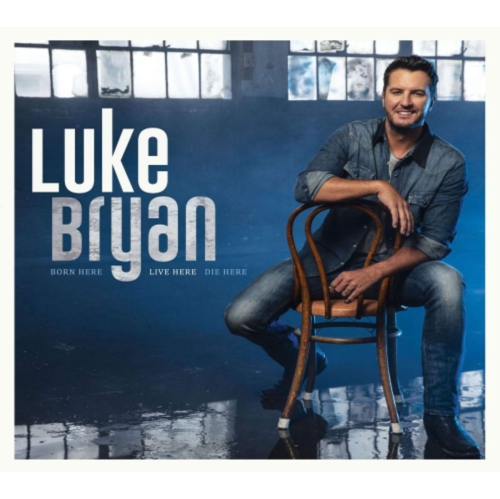
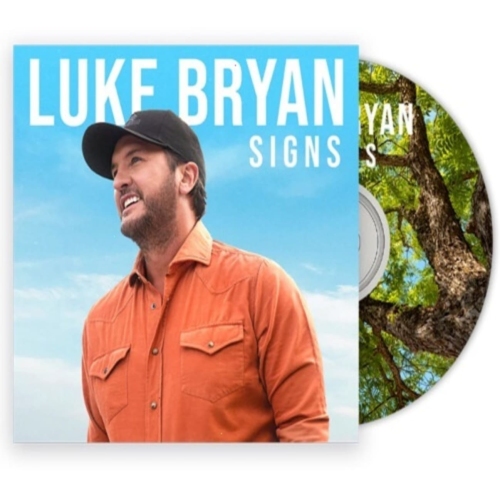


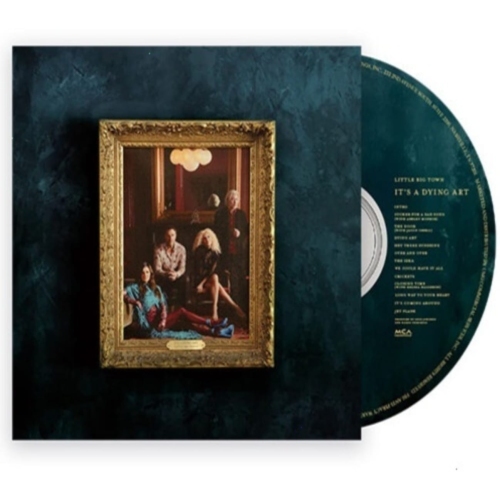


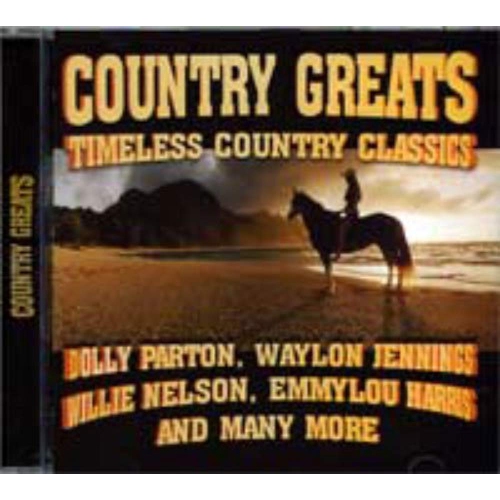


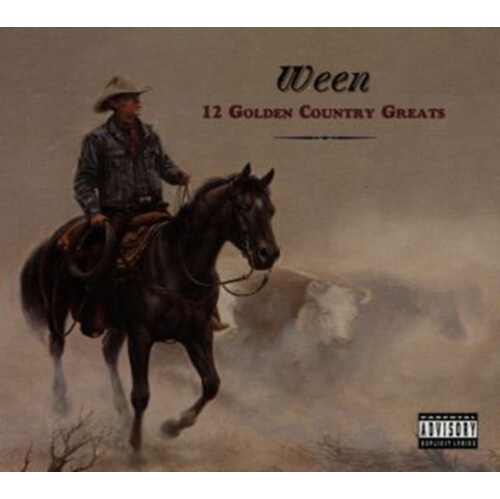


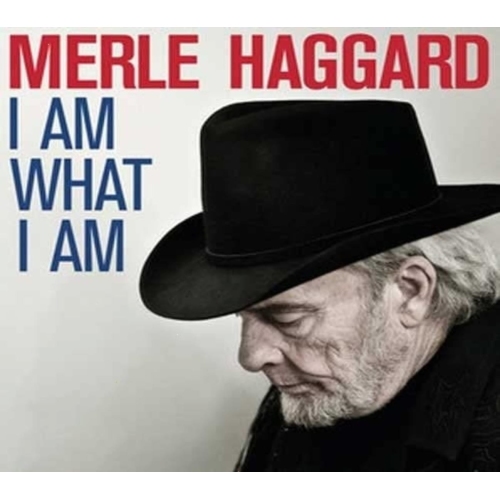


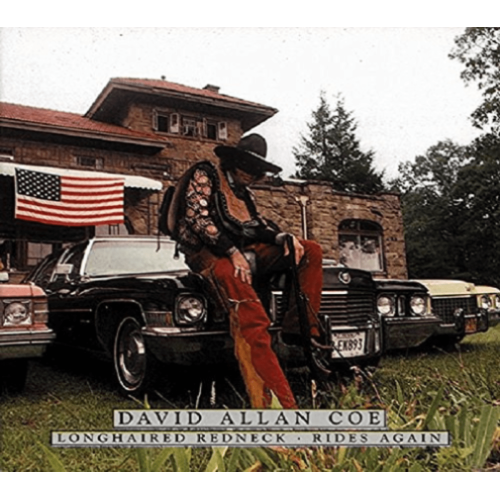










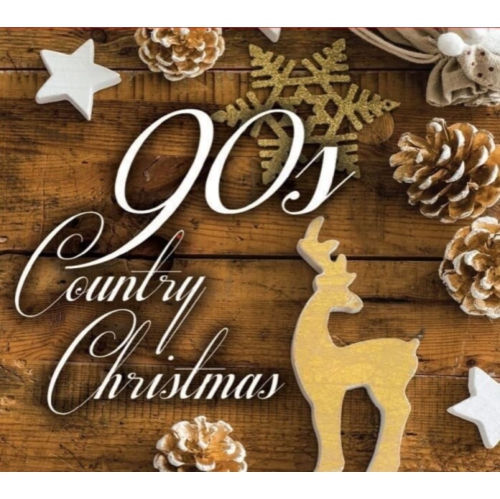


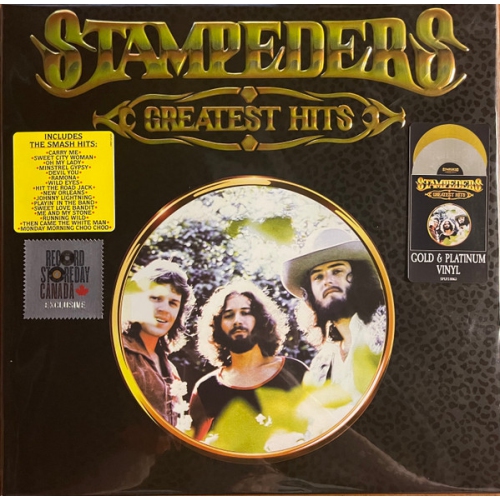


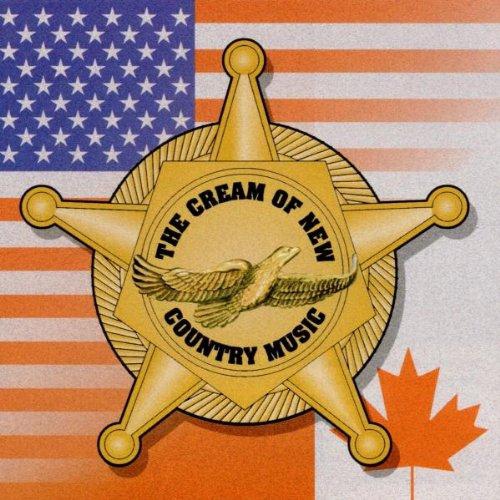


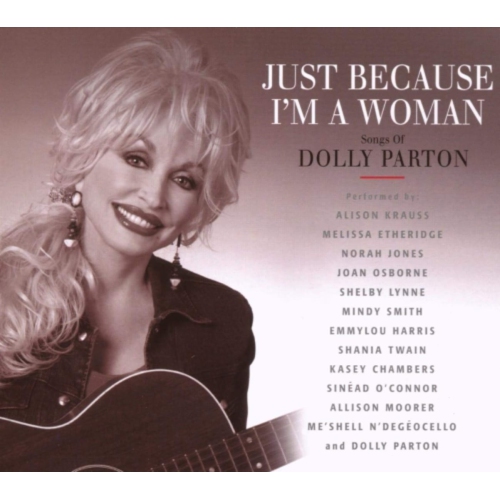


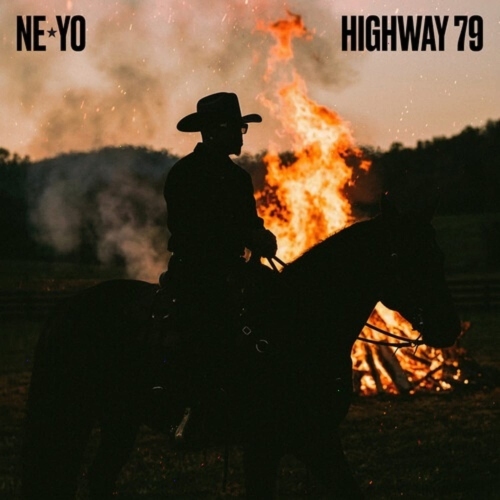
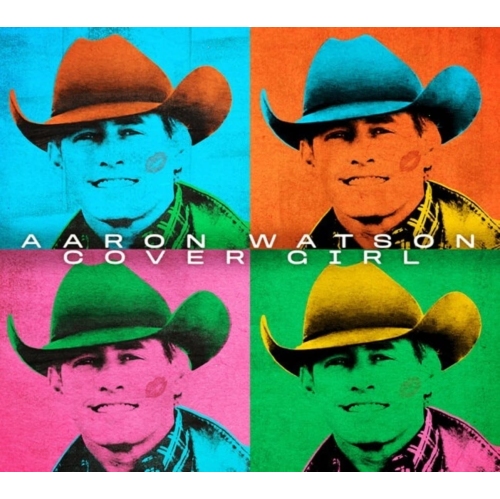


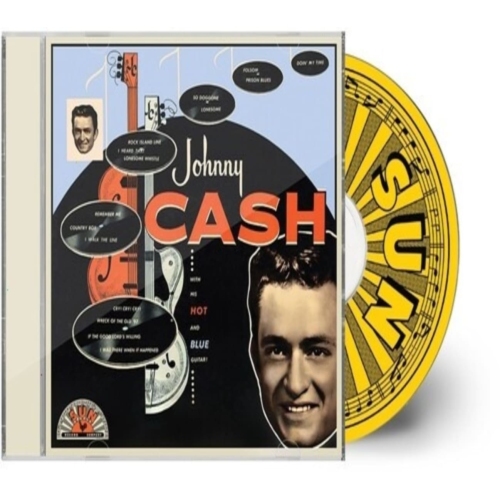

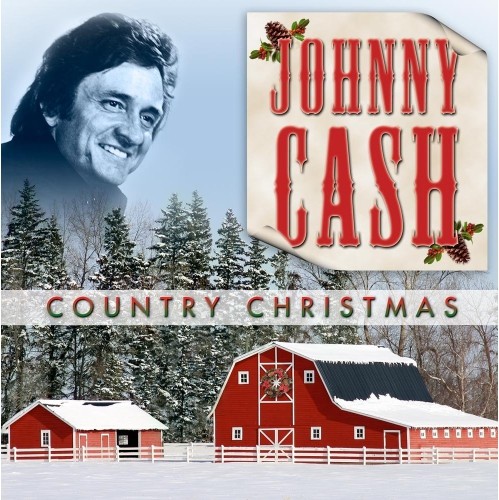


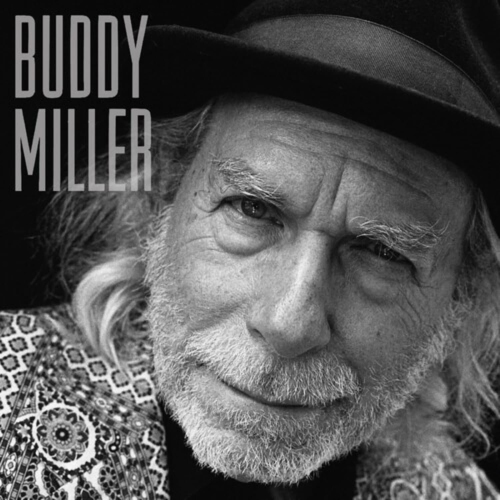





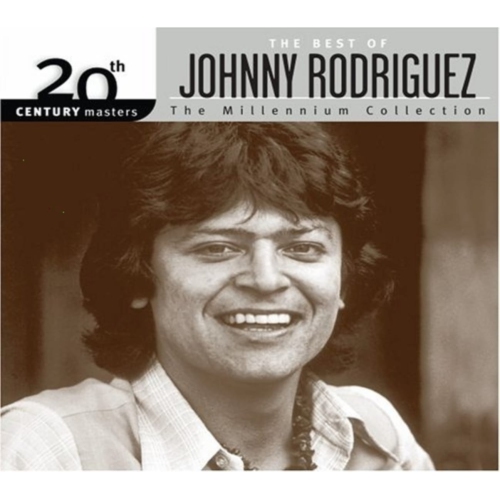
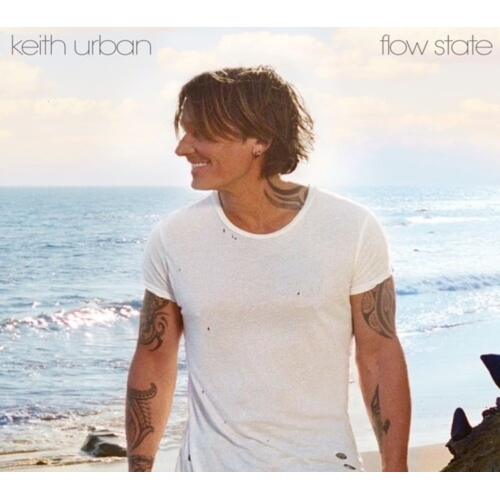








The stories country albums tell beyond the singles
Country music albums bring together storytelling, distinctive voices, and arrangements that range from a lone acoustic guitar to a full band with fiddle, pedal steel, and close vocal harmonies. The genre draws on folk ballads, blues, gospel, and string-band traditions, with generations of musicians adding their own regional character and perspective. Across traditional country, honky-tonk, outlaw country, bluegrass, country pop, and contemporary releases, the album remains a meaningful way to hear those influences unfold. A familiar single may introduce a singer, but the surrounding tracks often reveal more: a dry sense of humour, a gift for describing small-town life, or an unexpectedly tender performance. Traditional country albums commonly put the vocal and melody at the centre, with steel guitar answering the singer between lines. Honky-tonk brings a dance-floor pulse and songs about heartache, working life, and late nights, while outlaw country is associated with independent artistic expression and a rougher-edged blend of country and rock. Bluegrass-leaning albums often feature nimble acoustic playing and tightly woven harmonies; country pop tends towards prominent hooks and polished arrangements. These styles overlap rather than sit in fixed categories, and a single album can move comfortably between a quiet ballad and a driving band performance. Canadian country music adds further breadth, reflecting prairie communities, coastal roots, urban experiences, and the long conversation between country and folk. Studio albums can offer a carefully shaped sequence, while live albums capture the give-and-take between performers and an audience, including extended solos, spoken introductions, and different interpretations of familiar songs. Compilations bring together selections from a career, period, or style, making them a different listening experience from an original album. For listeners exploring country music albums, that distinction matters as much as the era: a collection of well-known songs offers familiarity, while a complete studio release can draw out a particular mood or chapter in an artist’s work. Neither approach depends on chart success alone; songwriting, performance, and the connection between tracks all contribute to an album’s lasting appeal.
Physical country albums also offer a choice of listening formats, with vinyl records and CDs suited to different equipment and everyday routines. Vinyl pairs a larger sleeve with a side-by-side listening sequence, giving the artwork, printed credits, and pacing a visible place in the experience. Turning a record over creates a natural pause between groups of songs, whether the music is a spare acoustic set or a full-bodied country-rock session. Standard records are generally made from PVC, and their playback depends on the turntable’s cartridge, stylus, setup, and connection to a suitable sound system. A turntable needs a phono preamp somewhere in the signal path, though that feature may be built into the turntable or amplifier. Supported playback speed matters too, particularly when a release uses a speed other than the familiar 33⅓ rpm of many full-length LPs. CDs use a laser-read optical disc and provide convenient track selection without turning the album over. They suit compatible home players and some vehicle audio systems, although many newer vehicles do not include a disc player. A DVD or Blu-ray player may also support audio CDs, but compatibility depends on the device. Neither format guarantees better sound simply by being vinyl or digital: the original recording, mastering, condition of the disc, and playback equipment all affect the result. Vinyl can introduce surface noise, while a clean, undamaged CD generally plays without that type of noise. Packaging varies as well, from protective plastic cases to paperboard sleeves and gatefold jackets, sometimes with lyric sheets, photographs, or musician credits. Those details can deepen an appreciation of the songwriters and session players behind a performance. Track lists and edition details help distinguish an original album sequence from an expanded release containing alternate takes or live material. For listeners whose preferred format is the compact disc, New Country Music CDs offers a related focus alongside the broader range of country album styles and formats. The most useful format is ultimately the one that fits the listener’s equipment and the way they enjoy playing music.
Country music albums fit many familiar moments: a fiddle-led set while supper comes together, close harmonies on a quiet evening, or an upbeat collection for a gathering with friends. During the cooler months, a full album can be a welcome companion to an unhurried afternoon indoors, with enough space to notice a bass line, a harmony part, or the way a lyric changes meaning in its final verse. The intended setting can shape the appeal of different releases. Dance-oriented arrangements bring momentum to a social occasion, while intimate singer-songwriter performances reward closer attention. Live recordings can recreate some of the energy of a concert, though crowd noise and stage banter are part of that character rather than flaws. For shared listening, lyrical themes and any explicit-content designation deserve consideration, since country songs can address adult relationships, drinking, grief, and other serious subjects alongside lighter material. Albums can also make thoughtful gifts for a longtime country fan, a new listener, or someone building a physical music collection. A recipient’s preferred style, existing albums, and playback equipment provide a firmer starting point than format alone. Large sleeve artwork may appeal to someone who enjoys browsing credits and displaying album jackets, while CDs can suit a listener who values compact storage and straightforward track access. With either format, careful handling helps preserve both the music and its packaging. Records benefit from upright storage in protective sleeves, away from direct sunlight and heat, with fingers kept off the playing surface. A record-cleaning brush or an appropriate cleaning solution can remove dust when used according to its instructions. CDs are best handled by the edges or centre hole and returned to their cases after use; when cleaning is needed, a soft, lint-free cloth should move from the centre towards the outer edge rather than around the disc. Paper sleeves, booklets, and jackets also last better in a dry location without pressure or crowding. These simple habits help keep a country album ready for repeat listening, whether its appeal lies in a familiar chorus or a song that reveals something different each time it plays.
Top selling and popular products
-
 Your price for this item is $14.99
-
 Your price for this item is $179.99
-
 Your price for this item is $15.32
-
 Your price for this item is $19.12
-
 Your price for this item is $12.53
-
 Your price for this item is $15.32
-
 Your price for this item is $29.99
-
 Your price for this item is $27.59
Discover more categories related to Country Music Albums
Top Collections:
Pokemon Centers, Best Cameras for Sports Photography, Kindle Devices, Samsung Galaxy Phones, Canon G7X Cameras, Pokémon 30th Celebration Cards, Refurbished Apple Laptops, iPhone 15 Apple, Laptops for Students, Budget Smartphones
Some products may be subject to Environmental Handling Fees
(EHF) depending on your province.
Learn more about EHFs.