Country Music Compilation Albums
Country Music Compilation Albums bring together the best of classic and contemporary country hits, making it easy to enjoy a wide range of chart-toppers and fan favorites in one place. Perfect for road trips, parties, or relaxing at home, these albums offer a curated listening experience that captures the heart and soul of country music. Whether you’re a lifelong fan or just discovering the genre, Country Music Compilation Albums are an ideal way to explore memorable melodies and timeless storytelling from top artists.
Sort


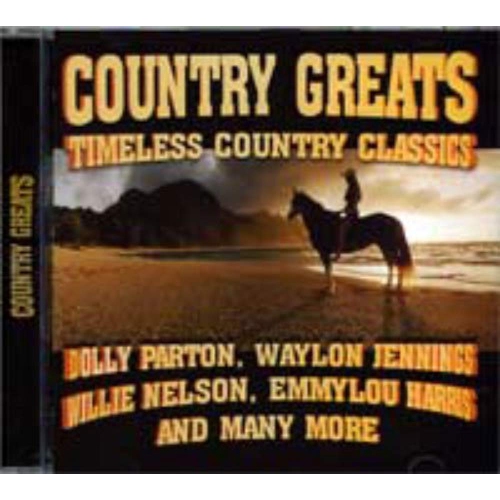






How country collections connect familiar favourites across the years
Country music compilation albums bring together songs from different releases in a single collection, often highlighting a particular performer, era, style, or theme. A greatest-hits album typically focuses on well-known songs from one artist’s career, while a various-artists compilation puts several voices alongside one another. Both offer a different listening experience from a studio album: rather than capturing one recording project, they draw connections across performances that may have been released years apart. Some collections trace country music’s roots through fiddle tunes, close vocal harmonies, acoustic guitar, and songs shaped by everyday work and family life. Others centre on the bright piano and steel guitar of honky-tonk, the polished arrangements of country-pop, or the strong rhythms and singalong choruses associated with contemporary country radio. Bluegrass-leaning selections can bring banjo, mandolin, and brisk instrumental passages into the mix, while country ballad collections give more room to storytelling and expressive vocals. These distinctions matter because “country” covers a broad range of sounds. A collection suited to someone who loves sparse arrangements and a clear narrative may feel quite different from one built around full-band anthems. The theme can also shape the flow: love songs, road songs, dance favourites, and historical surveys each create their own mood. For a listener getting acquainted with the genre, a various-artists album offers several musical starting points without requiring familiarity with individual catalogues. For a longtime fan, a career-spanning compilation can place familiar favourites beside earlier recordings and show how a singer’s voice or musical approach developed. Canadian country performances may sit alongside recordings from the United States and elsewhere, reflecting the genre’s reach beyond a single region. At their best, country compilations do more than gather recognisable choruses. They make room for the details that give the music its character, from a harmony arriving on the last line of a verse to a steel guitar answering the singer between phrases.
The contents and presentation of a country compilation help define how it fits into a music collection. A concise, single-disc selection can offer a focused run of familiar songs, while a longer anthology has room for album tracks, collaborations, and less frequently heard material. Neither approach necessarily tells the whole story of an artist or style; the track list establishes the scope more clearly than a broad title such as “essential” or “classic.” Recording details are useful context, too. Original studio recordings, later re-recordings, live performances, and radio edits can share a song title while sounding noticeably different. A live rendition may include audience noise, an extended instrumental break, or a different vocal delivery, whereas a radio edit may shorten the version a listener remembers from an album. Remastering refers to work on an existing recording and does not by itself mean that the song has been performed again. Older selections may also include mono recordings, so a historical compilation need not have the same stereo presentation throughout. For physical formats, CDs offer straightforward track selection and can accommodate a substantial programme without the side changes required by vinyl. Vinyl records provide a more hands-on listening experience, with larger sleeve artwork and a sequence divided into sides. The appropriate format depends on the playback equipment and the way the music will be enjoyed: a CD needs a compatible disc player, while vinyl requires a turntable and a suitable audio setup, with amplification and speakers built in or connected separately. Playback speed is worth confirming on the record label or sleeve rather than assuming it from the record’s size. Booklets and liner notes, where included, can add recording dates, songwriting credits, musician details, and background that deepen the connection between tracks. Listeners interested in broader collections can also explore Country Music Box Sets, a related format that may spread an artist’s work or a musical theme across several discs. The distinction is one of presentation as much as content: a compilation describes how recordings are gathered, while a box set describes a packaged collection that can include compilations, original albums, or both.
Country music compilation albums suit both attentive listening and familiar everyday routines. A set of gently paced ballads can accompany a quiet evening with the lyrics close at hand, while an upbeat various-artists collection can supply a shared soundtrack for a casual gathering. For a road trip, a CD compilation can be a convenient choice when the vehicle has a compatible player, though many vehicles no longer include one. At home, a vinyl compilation encourages listening a side at a time, giving the running order a natural pause before the next group of songs. These albums can also make thoughtful gifts for birthdays, anniversaries, or a housewarming when the recipient’s musical preferences and equipment are known. Someone who remembers particular songs from family drives may value the familiar recordings more than a collection of alternate versions; someone interested in country music history may appreciate detailed notes and a wider span of performers. Physical presentation matters for gifts and regular use alike. Cardboard sleeves offer space for artwork but can show wear at their corners, while plastic CD cases help protect the disc and printed insert but may crack if dropped. Vinyl is susceptible to scratches and warping, and careful handling helps preserve reliable playback. Records are best supported by their edges and label area, returned to clean inner sleeves after use, and stored upright without being packed so tightly that removal becomes difficult. A record brush designed for vinyl can lift loose surface dust, while more thorough cleaning calls for materials intended for records rather than household cleaners. CDs should also be handled by the edges; when cleaning is needed, a soft, lint-free cloth moved gently from the centre outward helps avoid circular marks along the disc’s reading path. Keeping discs in their cases, away from direct sunlight and sources of heat, protects both the playing surfaces and the packaging. With suitable storage and compatible equipment, a physical compilation can remain part of a listening routine for years, whether its appeal lies in discovering unfamiliar voices or hearing a favourite chorus exactly as remembered.
Top selling and popular products
-
 Your price for this item is $14.99
-
 Your price for this item is $179.99
-
 Your price for this item is $15.32
-
 Your price for this item is $19.12
-
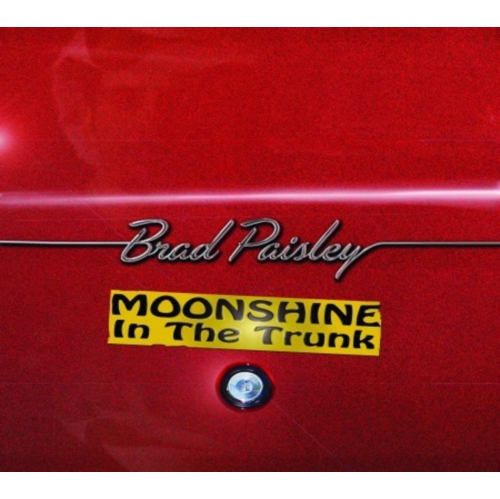 Your price for this item is $12.53
-
 Your price for this item is $15.32
-
 Your price for this item is $29.99
-
 Your price for this item is $27.59
Discover more categories related to Country Music Compilation Albums


Top Collections:
Pokemon Centers, Best Cameras for Sports Photography, Kindle Devices, Samsung Galaxy Phones, Canon G7X Cameras, Pokémon 30th Celebration Cards, Refurbished Apple Laptops, iPhone 15 Apple, Laptops for Students, Budget Smartphones
Some products may be subject to Environmental Handling Fees
(EHF) depending on your province.
Learn more about EHFs.