Dance Music Vinyl Records
Elevate your listening experience with Dance Music Vinyl Records, perfect for DJs, collectors, and anyone who loves to move to the rhythm. Discover a wide selection of records that capture the energy and excitement of the dance floor, bringing vibrant beats and infectious melodies to your turntable. Whether you’re building your collection or searching for your next party anthem, these vinyl records offer an authentic way to enjoy dance music at its finest. Find your groove and let the music play with Dance Music Vinyl Records.
Sort








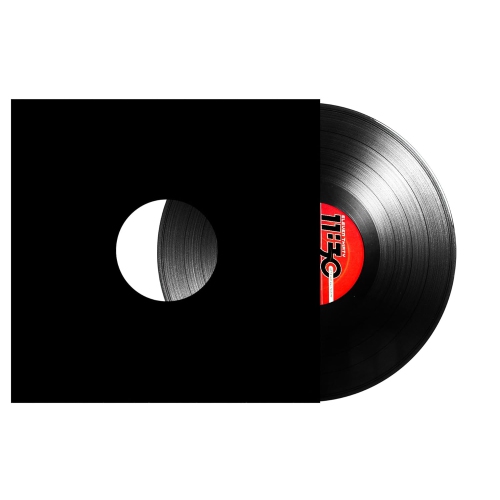
How extended mixes reshape the home listening experience
Dance music vinyl records bring the rhythms of clubs, discos, and electronic music studios into a format made for attentive listening as well as mixing. The category spans house, techno, disco, trance, garage, drum and bass, dance-pop, and other styles built around movement, with sounds ranging from relaxed, rolling grooves to fast percussion and sweeping synthesizers. House often centres on a steady four-on-the-floor beat, while techno can place more emphasis on repeating patterns, texture, and gradual changes in intensity. Disco and boogie connect dance music to live bass, strings, and funk rhythms; garage introduces shuffling percussion, and drum and bass pairs rapid breakbeats with deep low frequencies. These distinctions help describe a record’s character, though many releases cross several styles. Vinyl also has a close relationship with dance music’s history: extended club tracks, instrumental versions, and remixes gave DJs different ways to build a set and helped listeners hear familiar songs from another angle. That variety remains part of the appeal. A full-length album can unfold as a complete listening experience, moving between energetic tracks and quieter passages, while an EP offers a shorter collection with room for related ideas. A single may focus on one track alongside alternate versions, making it worth looking beyond the main title to the full track listing. An extended mix typically allows more space for introductions, breakdowns, and transitions than a radio edit, while a dub may bring rhythm and effects forward and reduce the vocal. For someone recreating the feeling of a favourite dance floor at home, these differences can matter as much as the genre itself. A vocal-led album suits singing along and shared listening, whereas a percussion-heavy release may appeal to someone drawn to the details of drum programming. Original releases and later reissues offer different connections to the same musical history, with the exact track list, mix names, and edition providing a clearer picture than the cover alone.
The physical format shapes how dance music on vinyl is played and enjoyed. A 12-inch single is closely associated with club music because its larger playing surface can give a cutting engineer room for wider groove spacing, depending on the running time and mastering choices. That space can support a strong cut, but record size alone does not guarantee sound quality. Albums commonly play at 33⅓ rpm, and many dance singles play at 45 rpm, although either speed can appear on a 12-inch record; the label or sleeve is the reliable reference. Playing at the wrong speed changes both pitch and tempo, which is especially noticeable in vocals and familiar bass lines. Longer sides involve different cutting compromises from shorter ones, so the number of tracks is not the only useful measure of a release. Pressing quality, mastering, groove condition, and playback equipment all contribute to what reaches the speakers. Standard records are pressed from a vinyl compound, and editions may use black vinyl, coloured vinyl, or other visual treatments. Colour and heavier record weight can be appealing physical details, but neither automatically means more accurate sound. A flat pressing, a clean playing surface, and properly adjusted equipment are more meaningful foundations for consistent playback. For home listening, the turntable needs support for the record’s speed and a suitable phono stage, either built into the turntable or amplifier or connected separately. A cartridge aligned according to its specifications, with the recommended tracking force, helps the stylus follow the groove correctly. Firm, level placement away from speaker vibration is particularly useful when bass-heavy music is playing. For DJs, details such as clearly identified versions, usable introductions, and the arrangement of tracks across each side can influence how naturally a record fits into a set. Two releases bearing the same song title may contain different mixes or edits, so version information is an important part of understanding the music on the record.
Dance vinyl suits several kinds of listening, from a single album played from beginning to end to an evening spent comparing remixes and rediscovering a familiar rhythm. It can also make a thoughtful gift for a record collector, a home DJ, or someone whose favourite music is tied to club culture. The most personal choice usually reflects the recipient’s listening habits: soulful vocals, stripped-back percussion, bright disco arrangements, or expansive trance melodies each create a different mood. Format and equipment matter too, particularly for someone starting a collection, since a record needs a compatible turntable rather than a digital player. Sleeve artwork, printed credits, and any included inserts add another dimension, giving listeners something to explore while the music plays. For tastes that extend beyond club-focused rhythms, Electronic Music Vinyl Records provides a related category for exploring the wider field, including styles that can place atmosphere, experimentation, or melody ahead of a dance-floor beat. Keeping records in good condition helps preserve both the listening experience and those physical details. Handling a disc by its edges and centre label limits fingerprints on the grooves, while a clean inner sleeve protects the playing surface between sessions. A record brush can lift loose surface dust; more persistent dirt calls for a cleaning method intended for vinyl, following the cleaner’s directions and allowing the disc to dry fully before returning it to its sleeve. Records stored upright with gentle support are less likely to suffer the pressure associated with heavy horizontal stacks. Direct sunlight and heat sources can damage discs and sleeves, so a stable storage spot away from radiators and sunny windows is preferable. The stylus also needs care according to the cartridge manufacturer’s instructions, since accumulated debris can interfere with playback. With appropriate handling, dance music records can remain part of a listening routine for years, whether the attraction is a crisp hi-hat pattern, a long-building breakdown, or the moment a bass line returns after a pause.
Top selling and popular products
-
 Your price for this item is $50.85
-
 Your price for this item is $15.28
-
 Your price for this item is $39.79
-
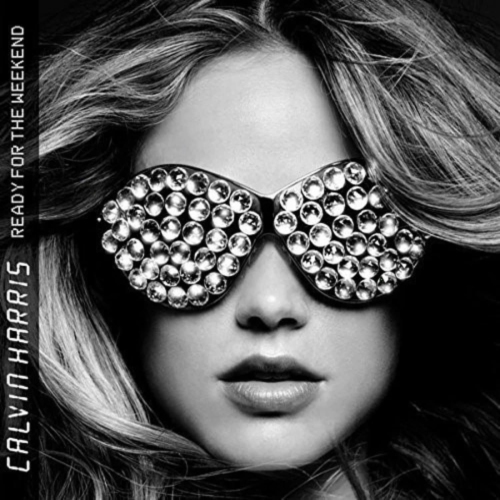 Your price for this item is $54.99
-
 Your price for this item is $43.99
-
 Your price for this item is $47.36
-
 Your price for this item is $40
-
 Your price for this item is $16.85
Discover more categories related to Dance Music Vinyl Records
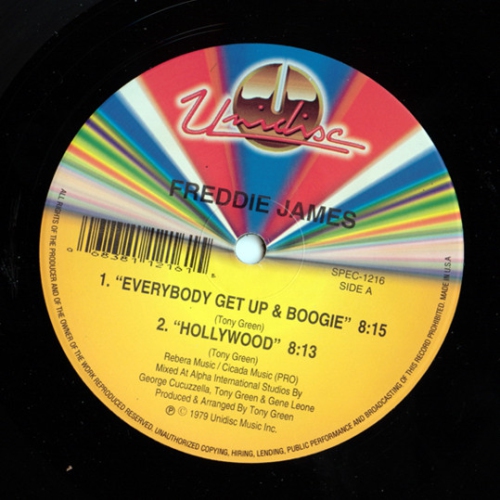


Top Collections:
Pokemon Centers, Best Cameras for Sports Photography, Kindle Devices, Samsung Galaxy Phones, Canon G7X Cameras, Pokémon 30th Celebration Cards, Refurbished Apple Laptops, iPhone 15 Apple, Laptops for Students, Budget Smartphones
Some products may be subject to Environmental Handling Fees
(EHF) depending on your province.
Learn more about EHFs.