Historical Documentaries
Explore the rich tapestry of the past with our collection of historical documentaries. Delve into pivotal moments in history, from ancient civilizations to modern revolutions, and gain a deeper understanding of the events that have shaped our world. Immerse yourself in captivating narratives, expert analysis, and rare footage that bring history to life right in the comfort of your own home. Whether you're a history buff or simply curious about the past, our selection of historical documentaries offers something for everyone to enjoy and learn from.
Sort

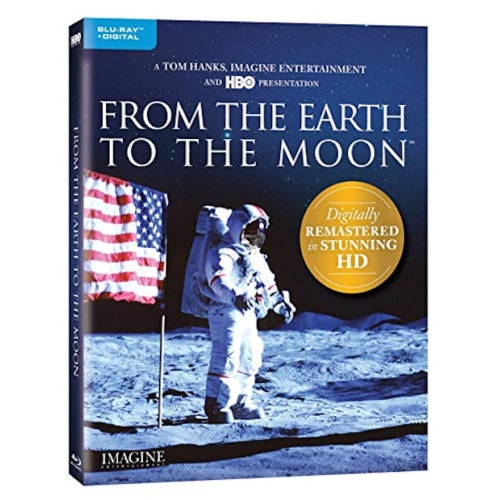
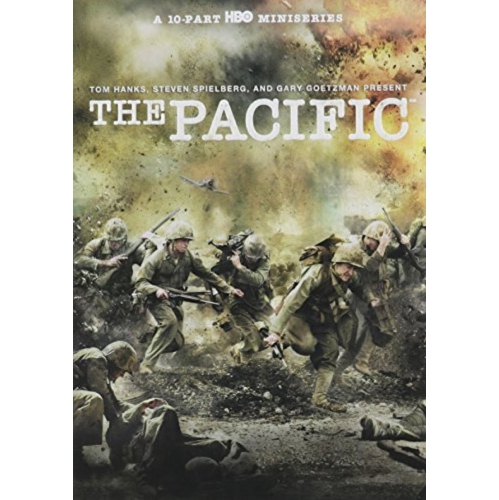


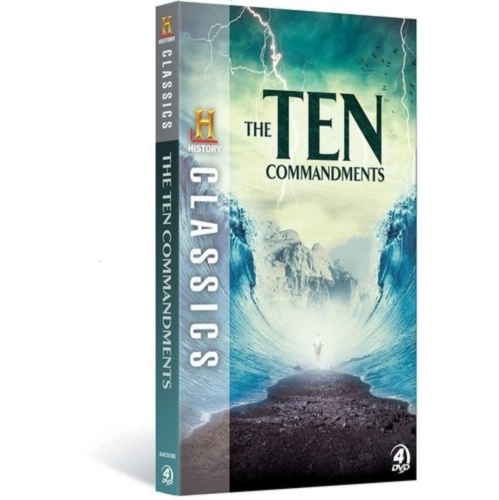
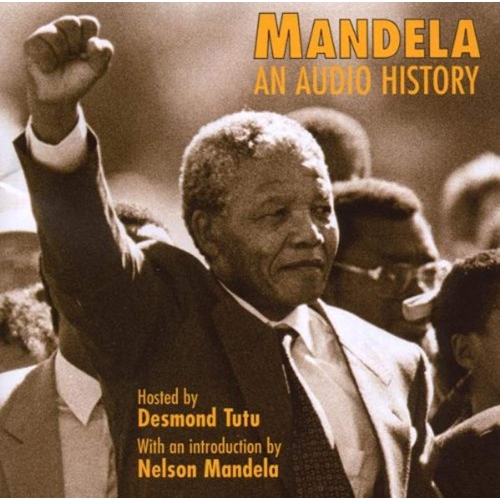
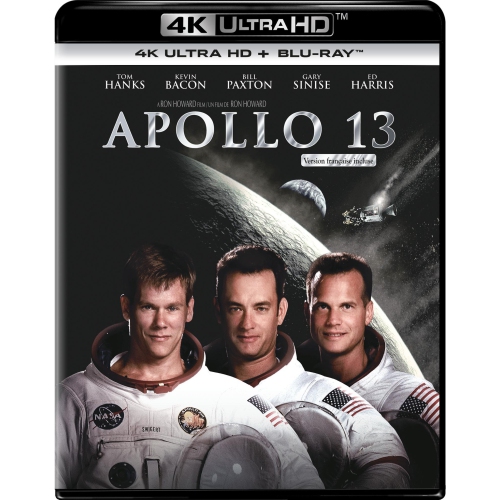





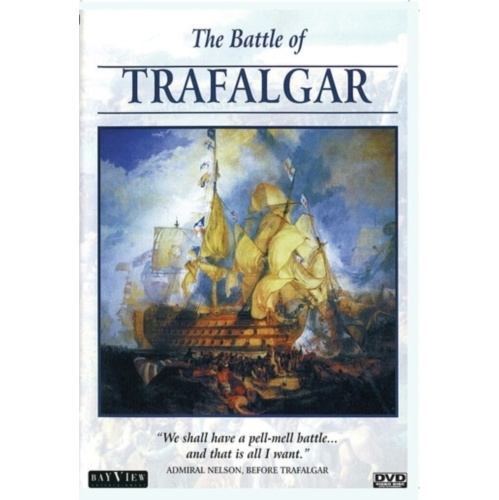



How archival footage and personal accounts reveal the past
Historical documentaries are nonfiction films and series that explore the past through archival footage, photographs, surviving objects, historical records, expert analysis, and personal testimony. Their subjects range from ancient civilizations and archaeological discoveries to political movements, social change, military conflicts, and the lives of influential or overlooked individuals. Some follow events in chronological order, making it easier to understand how one decision led to another; others examine a single place, community, or question across several generations. A feature-length documentary can offer a focused account of an expedition, an invention, or a turning point in public life, while a multipart series has room to trace competing interests and long-term consequences. The appeal often lies in the details that a short summary cannot capture: handwriting in a letter, the noise of a factory floor, a street scene preserved on film, or a witness pausing before describing a difficult memory. Canadian history offers particularly rich subjects, including Indigenous histories, immigration, Confederation, labour movements, and the experiences of communities whose stories have not always received equal attention. Accounts that include Indigenous voices and community knowledge can bring important perspectives to discussions of land, identity, government policy, and cultural continuity. International subjects provide different points of comparison, showing how trade, migration, technology, and political ideas connected people across borders. Military history is another substantial part of the category, covering not only battles and strategy but also civilian life, medicine, displacement, and the aftermath of conflict. Together, these approaches make historical documentaries suitable for viewers who enjoy understanding the circumstances behind familiar dates and names. They also appeal to people discovering a subject for the first time, particularly when clear maps, timelines, and explanations help establish where events happened and why they mattered. The most memorable viewing experiences often connect large public events with ordinary lives, giving a sense of what people knew, what choices they faced, and what remained uncertain at the time.
The way a historical documentary presents its evidence shapes the experience as much as its subject. Archival film brings movement and expression to distant events, while photographs, diaries, newspapers, and official records can reveal details from periods before moving images existed. Archaeological footage and close views of buildings or objects help explain how historians interpret physical traces of everyday life. Interviews may bring together researchers with different specialities, alongside witnesses or descendants whose accounts add personal context. These sources serve different purposes: a contemporary letter records one person’s perspective, an official document reflects an institution’s priorities, and a later interview draws on memory. A production that makes those distinctions clear gives viewers a stronger basis for understanding its account. Dramatic re-creations can make unfamiliar settings easier to picture, but they are interpretations rather than recordings of the original event. Similarly, restored sound, colourized footage, animation, and computer-generated reconstructions can improve clarity or illustrate an explanation without replacing the underlying evidence. Presentation style also affects viewing preferences. Some documentaries rely on a steady narrator and a carefully ordered sequence of images; others allow extended interviews, location filming, or original recordings to carry much of the story. A slower, detailed treatment may suit someone already interested in a period, whereas shorter episodes can provide manageable introductions for shared viewing or independent study. For viewers drawn specifically to conflict, documentaries concentrate on evidence and interpretation, while Historical War Films offer a related way to explore portrayals of wartime events through dramatic storytelling. Age suitability remains important across both approaches. Historical accuracy does not make every subject appropriate for every audience: accounts of war, persecution, forced displacement, or other traumatic events may contain distressing images and testimony. Content descriptions, ratings, and the level of detail can help families and educators judge whether a documentary supports the discussion they have in mind. Watching together also leaves space to pause over an unfamiliar term or talk through a difficult passage.
For a home film collection, the practical differences between documentary editions can matter almost as much as the subject on the cover. DVD and Blu-ray are physical disc formats with different playback requirements, so compatibility depends on the player and the disc’s format and regional coding. A television alone does not necessarily provide disc playback, and a DVD-only player cannot play a Blu-ray disc. Picture quality also depends on the original source material: a high-definition edition can present a careful restoration beautifully, but footage recorded many decades ago may retain grain, scratches, uneven exposure, or limited detail. Those characteristics can be part of the surviving record rather than a fault in the disc. Language options, subtitles, closed captions, and audio descriptions, where included, can make a meaningful difference for individual viewers and shared households. Episode length, total running time, chapter navigation, and clearly organized menus are useful considerations for anyone who prefers to watch a long series in smaller sections or return to a particular interview. Supplementary interviews, historical notes, or accompanying booklets may add context when included, especially for viewers who enjoy following a subject beyond the main programme. Physical editions can also make thoughtful gifts for a relative interested in family history, a student fascinated by ancient societies, or a friend who regularly reads military biographies. Matching the subject and level of detail to that person’s interests is more useful than choosing solely by running time. Disc care is straightforward but important for repeated viewing. Optical discs have a readable surface that should be protected from fingerprints and scratches; handling them by the edges and centre opening helps limit contact. Returning discs to their cases protects them from dust and accidental damage, while gentle cleaning with a suitable soft cloth, moving from the centre towards the outer edge, helps avoid circular marks. Stored upright in their cases, away from direct sunlight and excessive heat, documentary collections can remain organized and ready for another viewing whenever an old photograph, a family conversation, or a newly discovered historical connection sparks fresh interest.
Top selling and popular products
-
 Your price for this item is $139.99
-
 Your price for this item is $42.32
-
 Your price for this item is $18.99
-
 Your price for this item is $17.6
-
 Your price for this item is $119.99
-
 Your price for this item is $4.99
-
 Your price for this item is $119.99
-
 Your price for this item is $31.99
Discover more categories related to Historical Documentaries


Top Collections:
Pokemon Centers, Best Cameras for Sports Photography, Kindle Devices, Samsung Galaxy Phones, Canon G7X Cameras, Pokémon 30th Celebration Cards, Refurbished Apple Laptops, iPhone 15 Apple, Laptops for Students, Budget Smartphones
Some products may be subject to Environmental Handling Fees
(EHF) depending on your province.
Learn more about EHFs.