Military Documentaries
Immerse yourself in the captivating world of military history with our collection of riveting military documentaries. From gripping accounts of epic battles to intimate portraits of the brave men and women who serve, these films offer a unique perspective on the triumphs, sacrifices, and complexities of armed conflicts throughout history. Whether you're a history buff, a military enthusiast, or simply looking to gain a deeper understanding of the human experience during times of war, our selection of military documentaries is sure to captivate and educate. Explore the stories that have shaped our world and gain a newfound appreciation for the bravery and resilience displayed by those who have served in the armed forces.
Sort

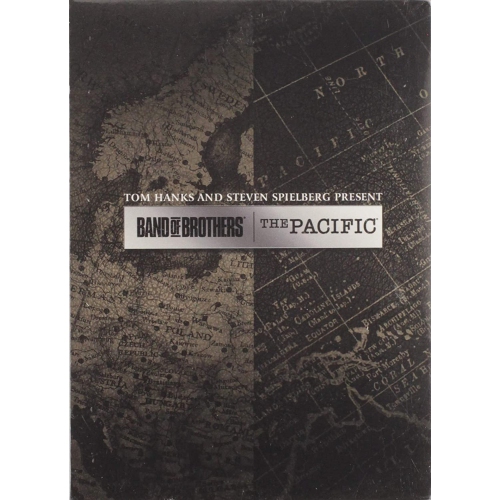

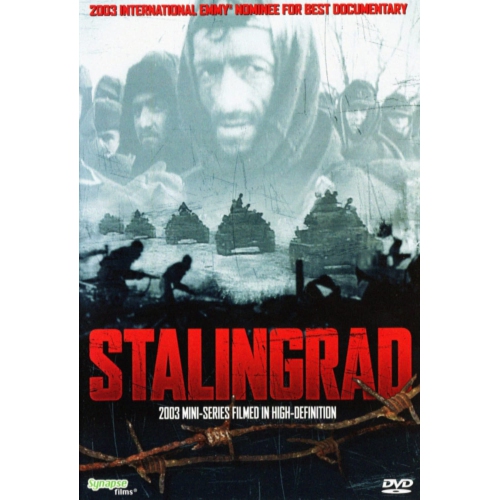
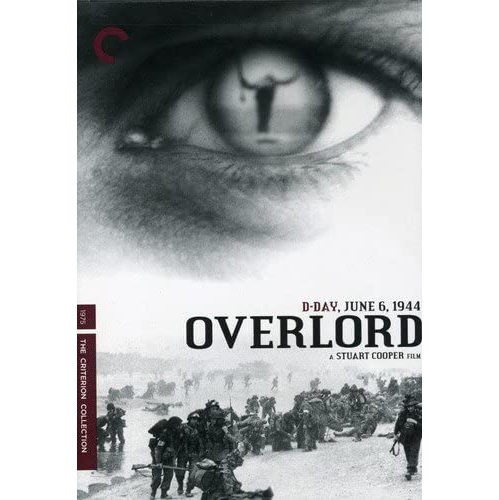

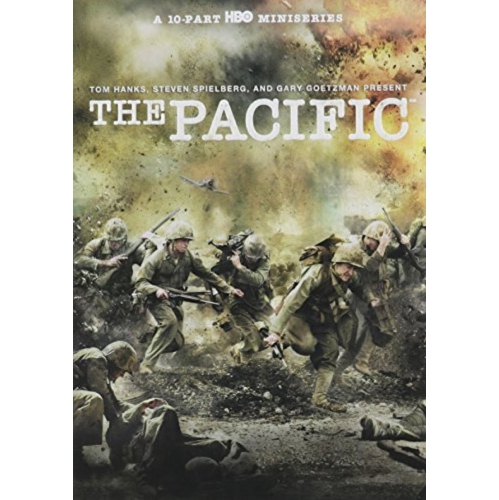
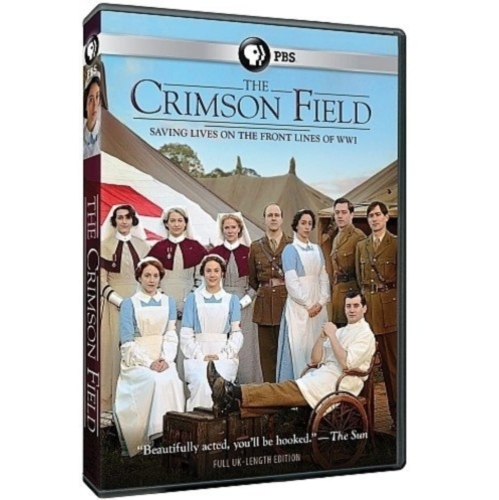

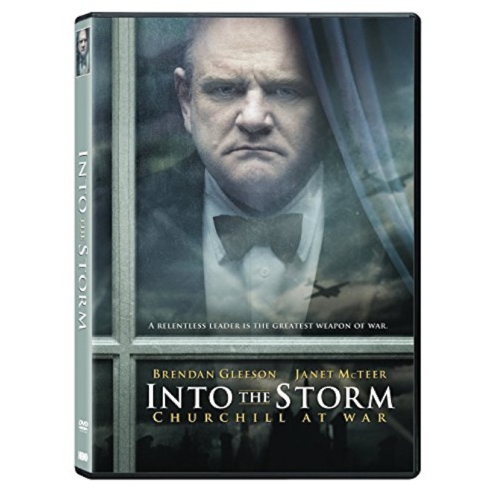





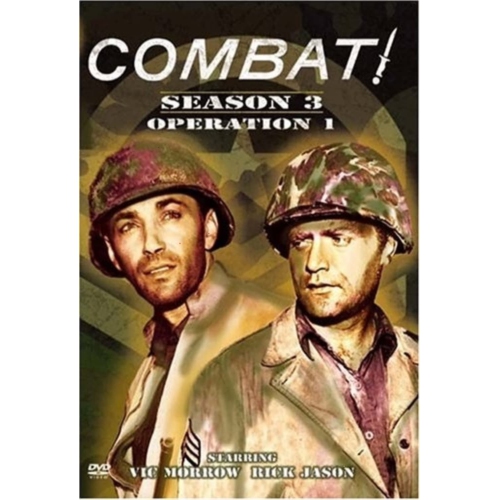
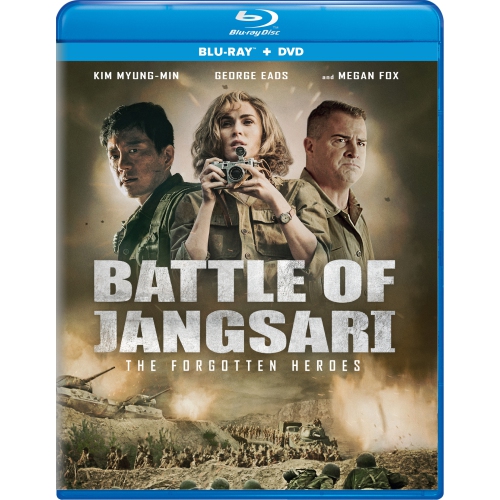







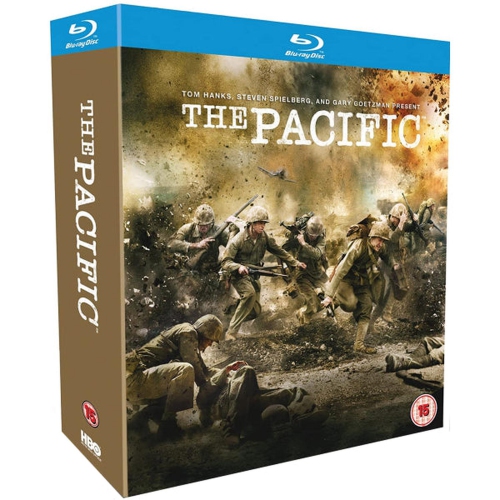
History gains a human perspective through powerful personal accounts
Military documentaries bring history into focus through archival footage, interviews, maps, photographs, letters, and first-hand accounts. Rather than presenting conflict as a list of dates and battles, these films and series often examine the people behind the events: service members preparing for deployment, families waiting for news, medics working under pressure, civilians living through upheaval, and veterans reflecting on experiences that shaped the rest of their lives. Collections in this category may cover the First and Second World Wars, the Korean War, the Vietnam War, conflicts in the Middle East, peacekeeping missions, military training, intelligence operations, and the changing nature of combat. Some titles provide a broad overview across several years, while others remain close to one unit, one campaign, or one individual’s testimony. When choosing a military documentary, consider the period, region, and perspective that best match your interests. A sweeping historical series can help viewers understand how political decisions, alliances, technology, and public opinion influenced a conflict. A focused film may offer a more intimate account, using personal stories to show what daily life was like far from home. Viewers interested in Canadian history may also wish to explore Historical Documentaries for related accounts of the people and events that shaped the past.
The format can make a significant difference to the viewing experience. A feature-length documentary is well suited to a quiet evening when you want a complete story in one sitting, while a multi-part series offers room for greater detail and a wider range of voices. Look for descriptions that indicate whether a title relies primarily on archival material, contemporary interviews, narrated history, or a combination of approaches. Restored footage can reveal details in uniforms, vehicles, landscapes, and crowded streets that are easy to miss in older transfers, while recorded interviews may provide the emotional and personal context that official records cannot. Some documentaries take a chronological approach, moving from the origins of a conflict through its aftermath. Others focus on a particular question, such as the experience of combat leadership, the role of air power, the development of special operations, the treatment of prisoners, or the long-term effects of service. Content notes can be useful, especially for households viewing together, since military documentaries may include descriptions or images of injury, loss, displacement, and difficult moral decisions. It is also worth checking the running time, number of episodes, language options, subtitles, and regional compatibility when applicable. A documentary with clear audio and readable captions can be especially rewarding when interviews contain unfamiliar accents, radio recordings, or military terminology. For viewers who enjoy pausing to discuss maps and timelines, a longer series may suit a shared living-room viewing better than a fast-paced film designed for a single sitting.
Military documentaries can be meaningful additions to a home collection and thoughtful gifts for history students, veterans, relatives with a connection to military service, educators, and viewers who enjoy carefully researched real-world stories. They can support classroom discussion, family conversations, book-club gatherings, or personal research into a particular campaign or generation. A parent and teenager might watch an episode together and then compare the documentary’s account with a family photograph or a grandparent’s recollection. A viewer preparing for a museum visit may use a documentary to understand the background behind a memorial, aircraft, ship, or battlefield. During the cooler months, a well-made series can provide several evenings of absorbing viewing, with each episode offering a different perspective on leadership, courage, uncertainty, and life after service. When selecting a gift, consider the recipient’s existing interests rather than choosing only by the most famous conflict: someone drawn to aviation may prefer accounts centred on air crews and strategy, while another viewer may be more interested in naval history, medical services, codebreaking, logistics, or the experiences of civilians. Personal accounts can be particularly powerful for families preserving the memory of a relative, while broad historical collections may appeal to viewers building a reference library. The strongest choices balance accurate research with clear storytelling, acknowledge differing perspectives, and leave room for reflection beyond the battlefield. Whether watched from beginning to end or revisited in selected chapters, military documentaries offer a way to learn about major events while remembering the ordinary people whose decisions, duties, losses, and resilience gave those events their human meaning.
Top selling and popular products
-
 Your price for this item is $6.86
-
 Your price for this item is $42.72
-
 Your price for this item is $9.99
-
 Your price for this item is $14.09
-
 Your price for this item is $26.82
-
 Your price for this item is $38
-
 Your price for this item is $5.99
-
 Your price for this item is $10.88
Discover more categories related to Military Documentaries



Top Collections:
Pokemon Centers, Best Cameras for Sports Photography, Kindle Devices, Samsung Galaxy Phones, Canon G7X Cameras, Pokémon 30th Celebration Cards, Refurbished Apple Laptops, iPhone 15 Apple, Laptops for Students, Budget Smartphones
Some products may be subject to Environmental Handling Fees
(EHF) depending on your province.
Learn more about EHFs.