Imported Vinyl Records
Imported Vinyl Records bring a world of music to your collection, offering unique sounds and exclusive releases from around the globe. Whether you're a dedicated audiophile or just starting your vinyl journey, these records provide an opportunity to experience artists and albums not commonly found in local selections. Discover new favorites and expand your musical horizons with the diverse selection of Imported Vinyl Records available.
Sort


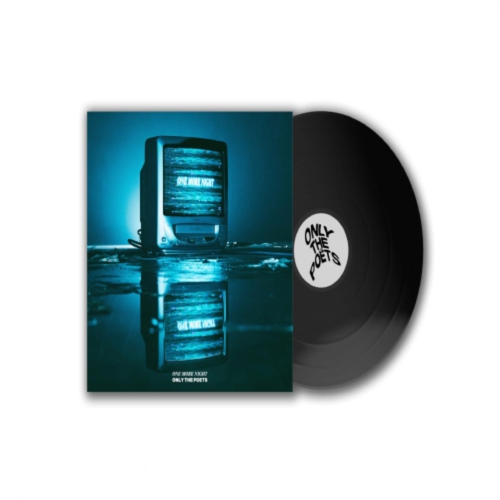







How regional pressings reveal another side of familiar albums
Imported vinyl records are physical music releases manufactured in one country and brought into another for sale. For Canadian listeners, that can mean an album pressed in Japan, the United Kingdom, Europe, or another region outside Canada. The term describes the record’s origin and distribution, not the artist’s nationality, the language of the songs, or a particular musical style. An imported pressing might contain the same music as a domestic edition, or it may have a different track sequence, additional songs, alternate artwork, or packaging created for a regional audience. Those differences make imports appealing to listeners who enjoy exploring an album beyond its most familiar edition. A gatefold jacket might reveal photographs absent from another release, while a lyric insert can offer translations or background notes that add context to the listening experience. Some Japanese editions include an obi strip, a narrow paper band wrapped around the jacket with release information and Japanese text. It is part of the packaging rather than the playable record, but collectors often value its presence alongside the original inserts. Country-of-manufacture information on the jacket or centre label can help establish a pressing’s origin. Catalogue numbers and the letters or numbers etched or stamped into the runout area—the space between the final track and the label—can also help distinguish editions. A distributor’s address or copyright notice alone does not necessarily identify where the disc was pressed. Likewise, an import label does not automatically mean a release is rare, limited, or better sounding. Audio quality depends on factors such as the source recording, mastering, pressing quality, and physical condition. For listeners building a collection of Vinyl Records, imported editions offer another way to connect with favourite music, discover regional presentation choices, and appreciate the details that make one pressing different from another.
The practical qualities of an imported record matter just as much as its country of origin. Most modern vinyl records are made from polyvinyl chloride, with audio cut into a continuous groove that a turntable’s stylus follows during playback. Common formats include 12-inch albums and 7-inch singles, although size alone does not establish playback speed. A 12-inch release may play at 33⅓ or 45 revolutions per minute, and the stated speed determines the correct turntable setting. Imports do not require a different turntable simply because they were pressed abroad; compatibility depends on the record’s format and the playback equipment. Some singles have a large centre hole and need an adapter to sit correctly on the spindle. Album configurations can vary, too. Music that fits on one disc in one edition may be spread across two in another, changing the number of side changes and the way a listening session unfolds. Wider groove spacing and mastering decisions can affect playback, but an additional disc is not, by itself, a promise of superior sound. Heavier pressings can feel substantial in the hand, yet record weight alone does not establish audio quality or freedom from surface noise. Black, coloured, clear, and patterned vinyl can all serve as playable records; appearance is a separate consideration from mastering and manufacturing consistency. Picture discs incorporate visible artwork into the disc construction and may have different surface-noise characteristics from conventional pressings. Packaging also shapes everyday use. A sturdy cardboard jacket protects the contents during normal handling, while inner sleeves keep the playing surfaces separated from the outer cover. Gatefolds provide room for artwork and notes, and multi-disc sets need enough space to hold each record without crowding. A detailed track listing, clear format information, and an accurate description of included sleeves or inserts help listeners understand whether an edition suits uninterrupted album listening, collecting, or enjoying individual songs.
Careful handling helps preserve both the music and the presentation that draw people to imported vinyl. Holding a record by its outer edge and centre label keeps fingerprints away from the grooves, where oils and dust can contribute to unwanted noise. A suitable record brush can remove loose surface dust before playback, while deeper cleaning calls for tools and solutions intended for vinyl rather than household cleaners. Records should be dry before returning to their sleeves, and the stylus needs care according to the equipment manufacturer’s recommendations. A clean disc can still sound poor if the turntable is incorrectly set up, so cartridge alignment, tracking force, and a level playing surface remain important parts of the listening experience. Protective inner sleeves can reduce abrasion during repeated removal, while outer sleeves help shield jackets, obi strips, and inserts from routine handling. Those paper components can crease or tear more easily than the disc itself, making a little extra care worthwhile when opening a gatefold or sliding a narrow band back into place. Upright storage on a supportive shelf is preferable to piling records flat, which places pressure on the discs and covers below. Keeping jackets away from direct sunlight, heat sources, and damp areas helps prevent warping, fading, and moisture damage. Imported records suit a range of listeners, from someone playing a full album through speakers at home to a collector comparing artwork and track listings across editions. They can also make thoughtful birthday or anniversary gifts when the recipient’s musical tastes and turntable setup are known. A listener who loves reading liner notes may appreciate an edition with extensive printed material, while someone focused on playback may care more about the pressing details and condition. Not every music fan wants multiple versions of an album, so the strongest gift choice reflects how that person actually listens. The lasting appeal lies in that combination of recorded music, physical artwork, and regional detail: a record that can be played, examined, and returned to over many listening sessions.
Top selling and popular products
-
 Your price for this item is $15.32
-
 Your price for this item is $5.99
-
 Your price for this item is $16.29
-
 Your price for this item is $15.32
-
 Your price for this item is $24.68
-
 Your price for this item is $15.32
-
 Your price for this item is $15.32
-
 Your price for this item is $15.91
Discover more categories related to Imported Vinyl Records




Top Collections:
Pokemon Centers, Best Cameras for Sports Photography, Kindle Devices, Samsung Galaxy Phones, Canon G7X Cameras, Pokémon 30th Celebration Cards, Refurbished Apple Laptops, iPhone 15 Apple, Laptops for Students, Budget Smartphones
Some products may be subject to Environmental Handling Fees
(EHF) depending on your province.
Learn more about EHFs.