Music for Spa Relaxation
Music for Spa Relaxation creates a soothing atmosphere, transforming any space into a tranquil retreat. Whether you’re unwinding after a long day or setting the mood for a peaceful spa experience at home, these calming sounds help promote relaxation and comfort. Explore a curated selection of music designed to enhance your well-being and bring serenity to your daily routine. Find the perfect soundtrack to elevate your spa moments with Music for Spa Relaxation.
Sort
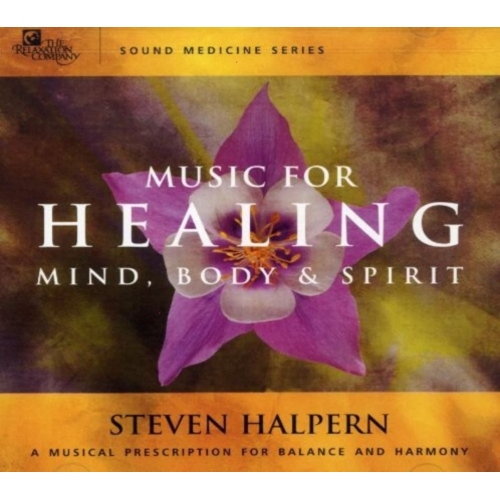
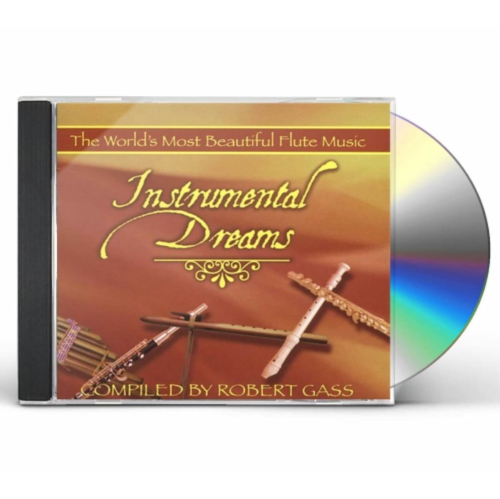
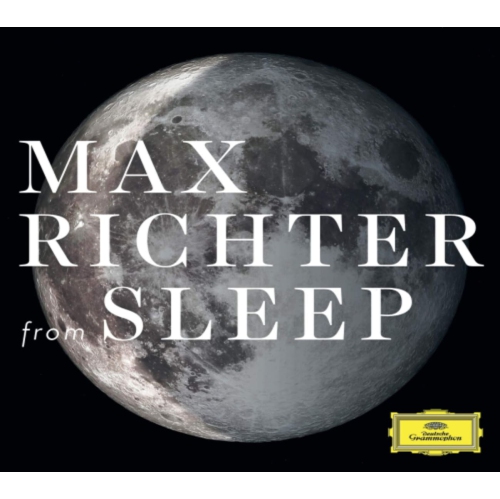
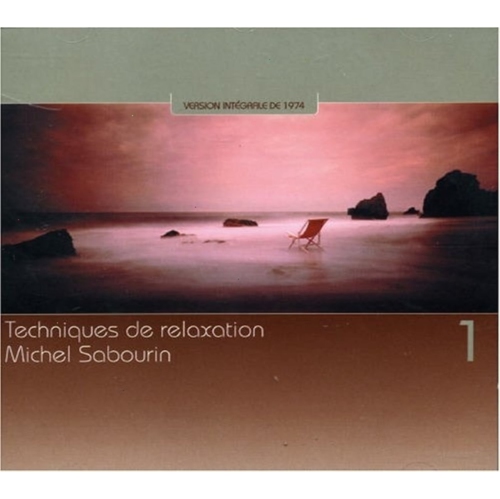
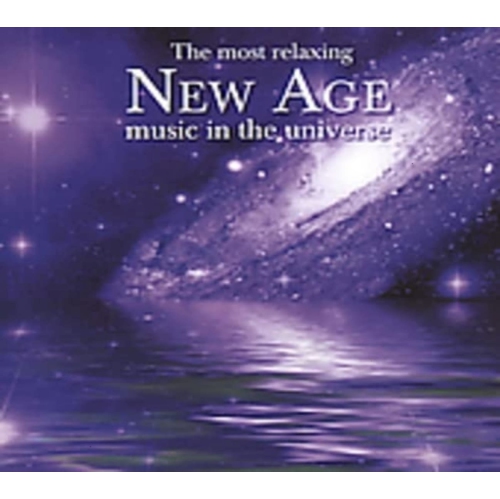

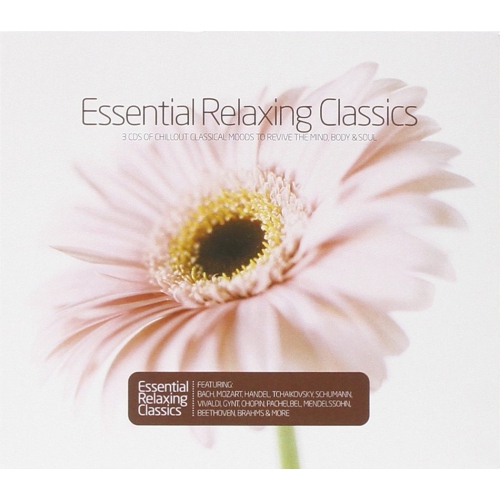
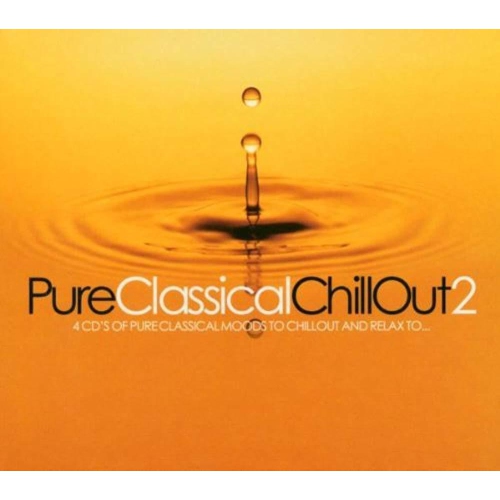
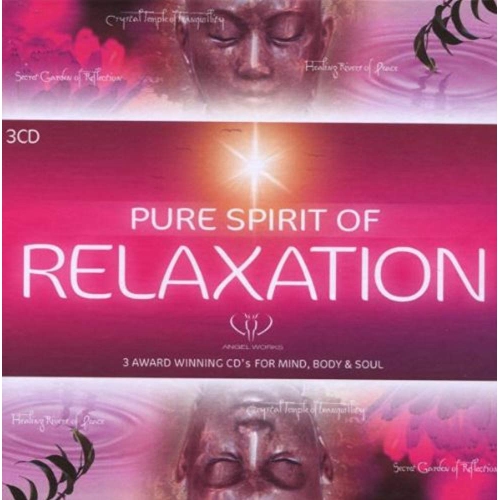






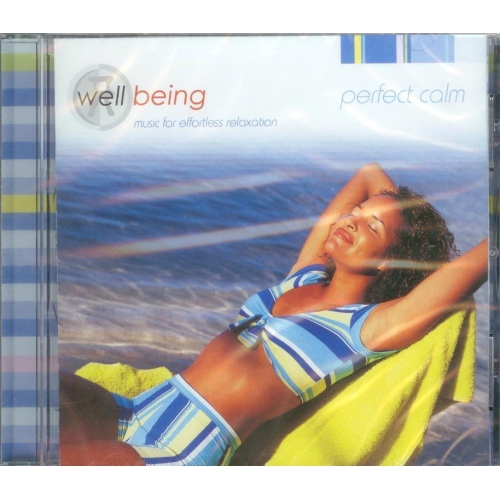

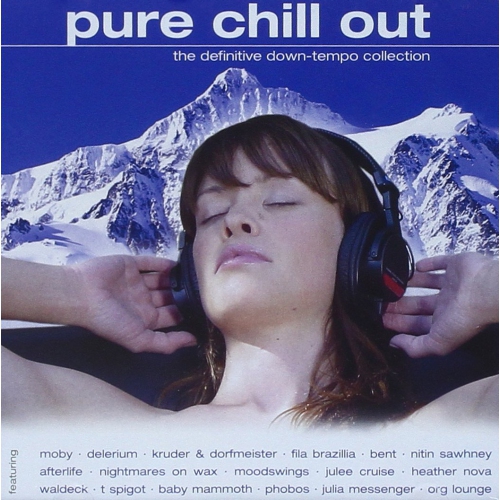
Gentle soundscapes that leave room for quiet moments
Music for spa relaxation is a style of background listening built around gentle melodies, unhurried rhythms, and smooth transitions that support a quiet, restful atmosphere. Often instrumental, it can include soft piano, sustained strings, delicate acoustic passages, and ambient electronic textures, sometimes layered with recordings of flowing water or ocean waves. Unlike music intended for dancing or active listening, spa music generally leaves room for conversation, stillness, and the small sounds of a treatment or personal care routine. A piano phrase that fades slowly into silence feels different from a track with a strong chorus, while a continuous wash of sound can make the pause between appointments feel less abrupt. Ambient and New Age recordings are common choices, but the most suitable sound depends on the setting and the listener. Some people find a clear, familiar melody comforting; others prefer spacious compositions with little repetition and no prominent lead instrument. Vocals can add warmth, although lyrics may draw attention away from reading, meditation, or a quiet massage. Nature sounds also vary in character: a softly moving stream creates a different impression from close, detailed splashes or distinct bird calls. Recordings with restrained dynamics maintain a more even background than pieces that move suddenly from very quiet sections to dramatic peaks. For a home spa routine, this might mean music that stays unobtrusive while a face mask sets or during a few minutes of seated breathing. In a treatment room, the same qualities can support a welcoming atmosphere without competing with instructions from a practitioner. The appeal is less about a particular instrument than the way the whole recording settles into the space, offering a consistent backdrop without continually asking for attention. That makes music for spa relaxation relevant to both dedicated wellness spaces and ordinary rooms used for a little personal downtime.
The format and structure of relaxation music shape how comfortably it fits into a routine. Full-length albums can provide a deliberate progression, with each piece leading into the next, while extended recordings offer a continuous soundscape with fewer noticeable breaks. A collection of shorter tracks allows more variety, though pronounced changes in volume, tempo, or instrumentation can interrupt the mood between selections. Track duration matters when the music accompanies a defined activity: a brief personal care routine has different listening needs from a lengthy treatment or an afternoon of quiet reading. Clear descriptions of running time, instrumentation, and the presence of vocals help establish what kind of listening experience a recording offers. Audio samples can also reveal details that a genre label cannot, such as a bright chime repeated throughout a piece or a low bass tone that feels more prominent through headphones. Physical and digital formats each have practical characteristics. A disc provides a tangible album with its own case and artwork, while a downloaded recording can be played without an ongoing connection when the file and playback device support it. Compatibility with the intended player remains important, particularly when an established sound system is part of a treatment space. For physical recordings, holding discs by the outer edge or centre opening and returning them to their cases helps protect the playing surface from fingerprints and scratches. Protective cases keep the artwork and track information together, making an album easier to identify among other recordings. Digital collections benefit from clearly labelled files and an organized library, especially when several albums have similar names or cover designs. The listening setup should let the music remain gentle and intelligible at a comfortable volume rather than relying on loud playback to fill the room. With headphones, a comfortable fit matters during longer sessions, and personal audio equipment should stay clear of water used in a home spa routine.
Spa relaxation music suits a wide range of everyday settings beyond a formal spa visit. It can accompany gentle stretching, quiet journalling, a massage appointment, or a pause between work and evening activities. In a shared household, low-volume instrumental music can give a personal care routine a distinct atmosphere without turning the whole room into a listening space. For someone who dislikes complete silence, a continuous ambient recording offers a soft point of focus; for someone easily distracted by melody, a simpler soundscape may feel less demanding. Preferences are personal, and the label “relaxing” does not mean every listener will respond in the same way. The detailed sound of water may appeal to one person and distract another, just as a slow piano piece can feel soothing to some listeners but too expressive to others. Binaural-beat recordings are another form of relaxation audio, using slightly different tones in each ear to create a perceived pulse when heard through stereo headphones. They are a listening option rather than a guarantee of reduced anxiety, improved sleep, or any particular physical response. For listening centred more specifically on anxious feelings, Music for Calming Anxiety offers a related theme to explore. A relaxation album can also make a thoughtful gift for someone who enjoys instrumental music, meditation, or unhurried personal care, particularly when the format suits the way they already listen. Familiarity with their taste is more useful than assuming that every spa-style recording will appeal to them. In professional settings, music adds another layer to the experience, but personal listening access does not automatically include permission for business use; applicable licensing and playback terms still matter. Whether the setting is a treatment room or a quiet corner at home, the most fitting music leaves space for the activity itself. Its role is to accompany the moment with a sound that feels comfortable, consistent, and easy to return to.
Top selling and popular products
-
 Your price for this item is $20.25
-
 Your price for this item is $15.32
-
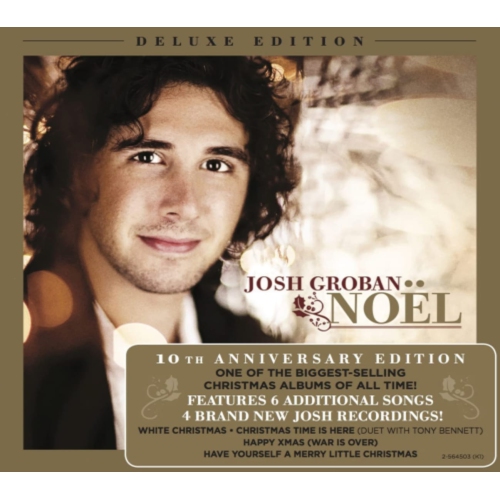 Your price for this item is $15.91
-
 Your price for this item is $5.99
-
 Your price for this item is $19.12
-
 Your price for this item is $42.13
-
 Your price for this item is $15.32
-
 Your price for this item is $11.19
Discover more categories related to Music for Spa Relaxation


Top Collections:
Best Black Friday Deals This Year, Best Black Friday Deals On Electronics, Kindle Devices, Dyson Airwrap, Best Cameras for Sports Photography, Best Black Friday Deals On Apple Products, PS5 Pro Consoles, Portable Snow Blowers, Canon G7X Cameras, Pokémon 30th Celebration Cards
Some products may be subject to Environmental Handling Fees
(EHF) depending on your province.
Learn more about EHFs.